If one had to choose the highlight of Gion Matsuri, it would be the parade of floats on Sunday. After the floats had been constructed and exhibited, they are pulled through the heart of Kyoto.
Gion Matsuri: Saki Yamaboko Parade
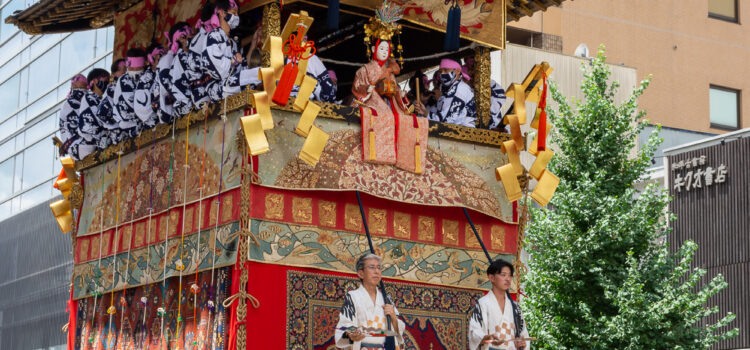
If one had to choose the highlight of Gion Matsuri, it would be the parade of floats on Sunday. After the floats had been constructed and exhibited, they are pulled through the heart of Kyoto.
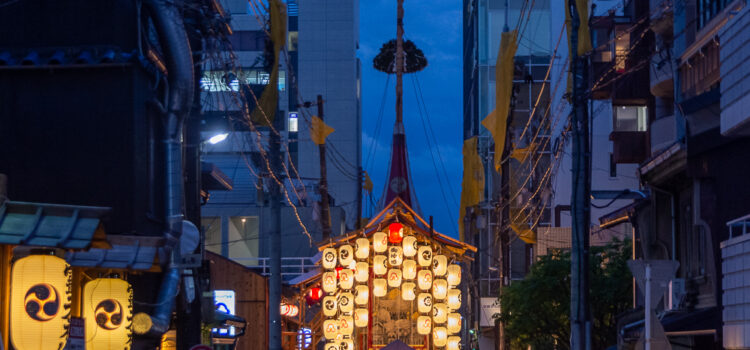
Kyoto’s biggest festival is back after two years of hiatus. Today’s post will be about the festivities leading up to the saki matsuri yamaboko parade, the yoi(yoiyoi)yama.
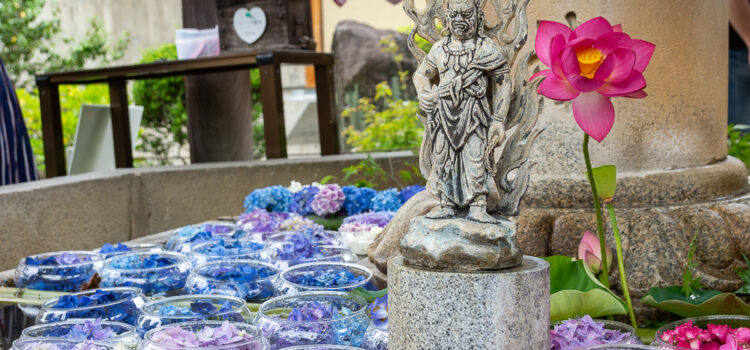
With June comes the rainy season (at least normally) and with it the hydrangea blossoms. One of the best places to see them is Mimuroto Temple in Uji.
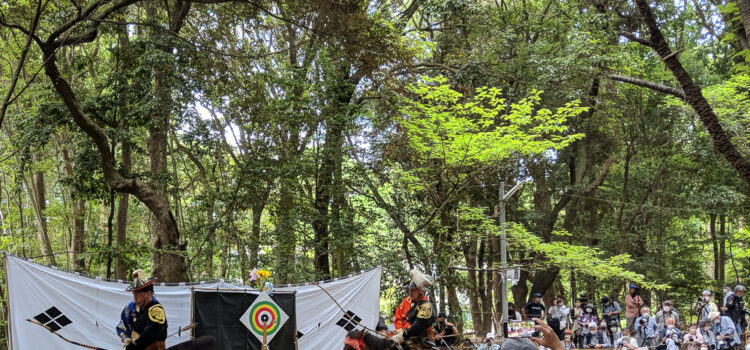
Have you ever heard about Yabusame? It is a traditional archery performed at shinto shrines. I went to see the yabusame at Omi Shrine near Kyoto.
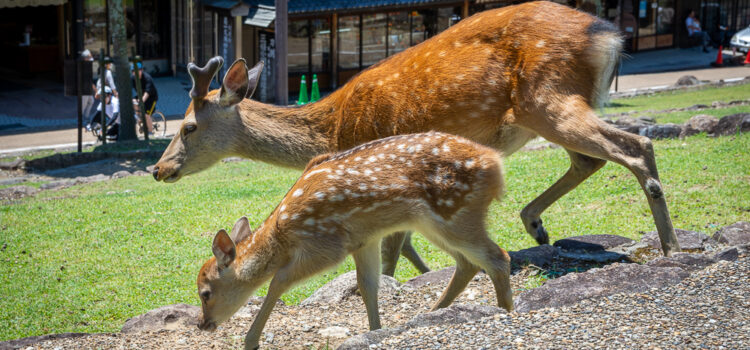
Nara is always worth a visit. In June the deer fawn were just born and can be viewed in a protected area before they are released with their parents.
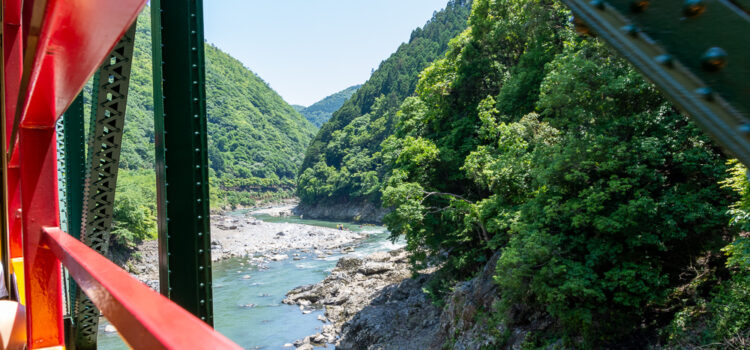
Since my trip to Amanohashidate in May I wanted to come back to see the Hozukyo ravine between Kyoto and Toyooka. Luckily the historic train line that follows the river course has been maintained and a historic train operates on the line as a tourist attraction.
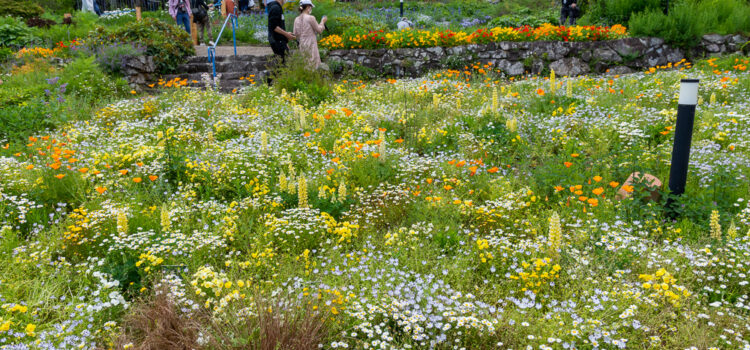
Kyoto is surrounded by mountains from three sides, one of them is Mt. Hiei. The mountain top is easily accessible by a combination of train, cable car and ropeway but it is also a popular hiking destination and it is
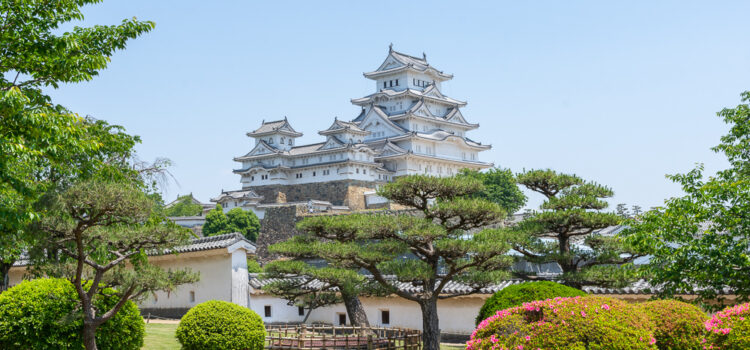
Himeji Castle is my favorite castle in Japan because it is one of the few original castles that were not lost to war and fire unlike many modern reconstructions.
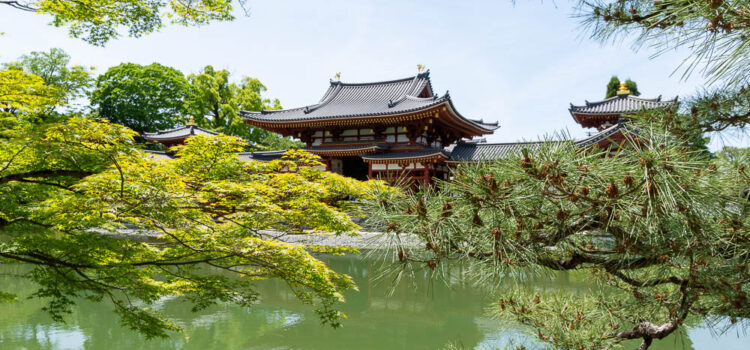
The city of Uji lies in the South of Kyoto and is famous for its green tea plantations. Over the weekend I visited visited two temples: Byōdō-in and Kōshō-ji.
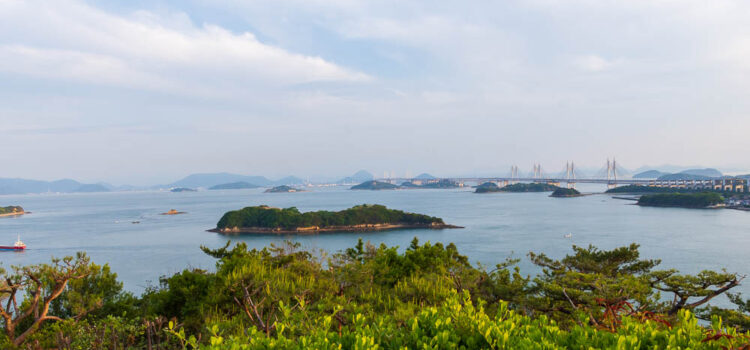
On the last holiday of Golden week I traveled all the way to Shikoku, hopped on a ferry to see the islands of the Setouchi inland sea and watched the sunset from a beautiful viewpoint.
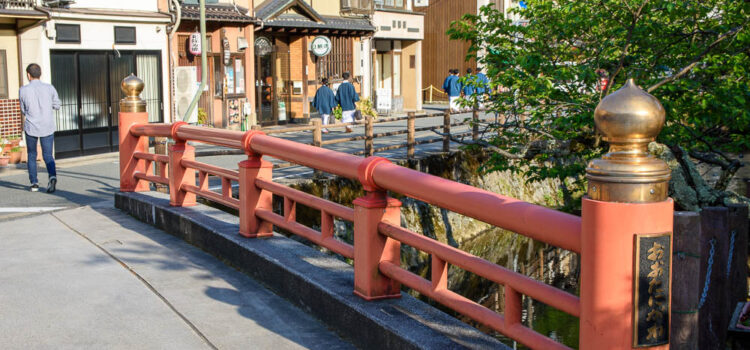
Kinosaki is a walkable and well-connected onsen town in the north of Kyoto prefecture. The appeal of Kinosaki is the possibility to enjoy many different baths in a day, even for day visitors. In most onsen towns I visited so far, the onsen are within the ryokan one stays at and there is maybe one public bath for day visitors.
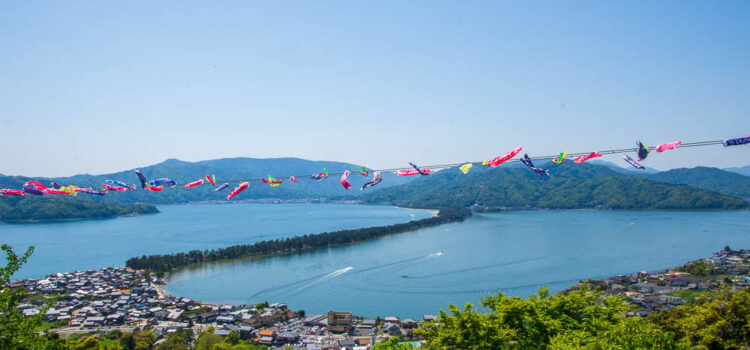
On Greenery Day or midori no hi I went to the northern part of Kyoto and Hyogo prefectures to see the sea in Amanohashidate.
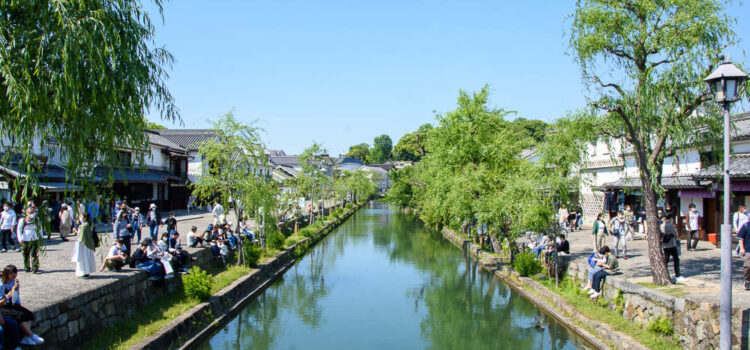
On May 3rd I visited Kurashiki and Okayama in the West of Kansai, halfway between Osaka and Hiroshima. I believe many have skipped these places during their Japan travels (so have I until now) but it is worth to come, even if it is just for half a day.
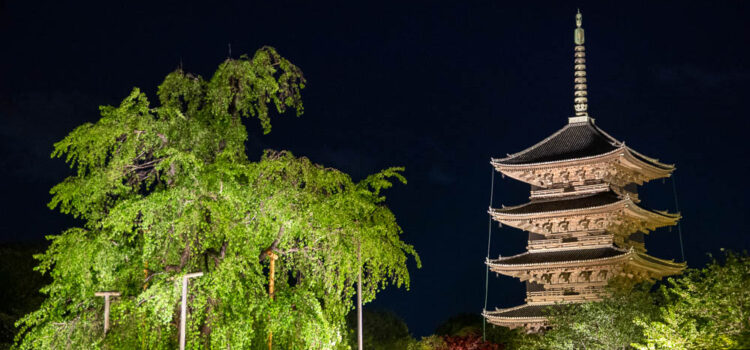
To-ji temple lies south of Kyoto station and is not only a well preserved temple from the 8th century, it also harbors the highest wooden pagoda of Japan.
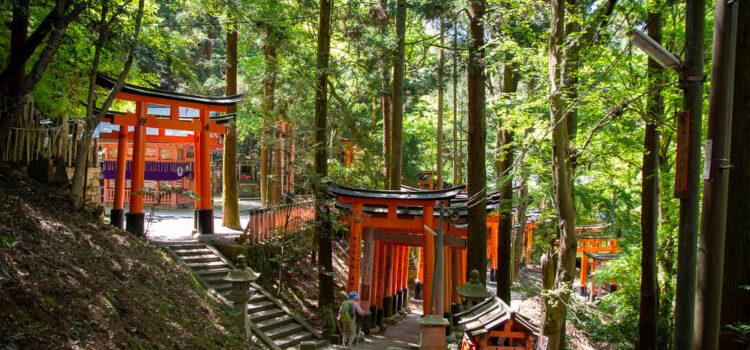
Today, April 17th happened to be the day of the Inari festival (Shinko festival), a festival at the shrine, so I decided to visit Fushimi again after many years. But apart from that I also explored the sake brewing district and the area in general, so keep reading.