We finished our grand journey from Aomori to Kanazawa in a bit less than two weeks. Kanazawa marked a transition point from rural roads and small towns to major cities and long train rides.
I keep coming back to Kanazawa. It’s a place I really like to visit again and again. It has what I think is an ideal city size — large enough to offer food, craft, and history, but compact enough to walk almost everywhere. But I have a tendency to always catch it in bad weather, which is a bit suboptimal. I felt the same when I lived in Kobe, which I enjoyed for exactly these reasons. It must be its position between the Nihonkai coast and the mountains, where weather systems tend to linger.
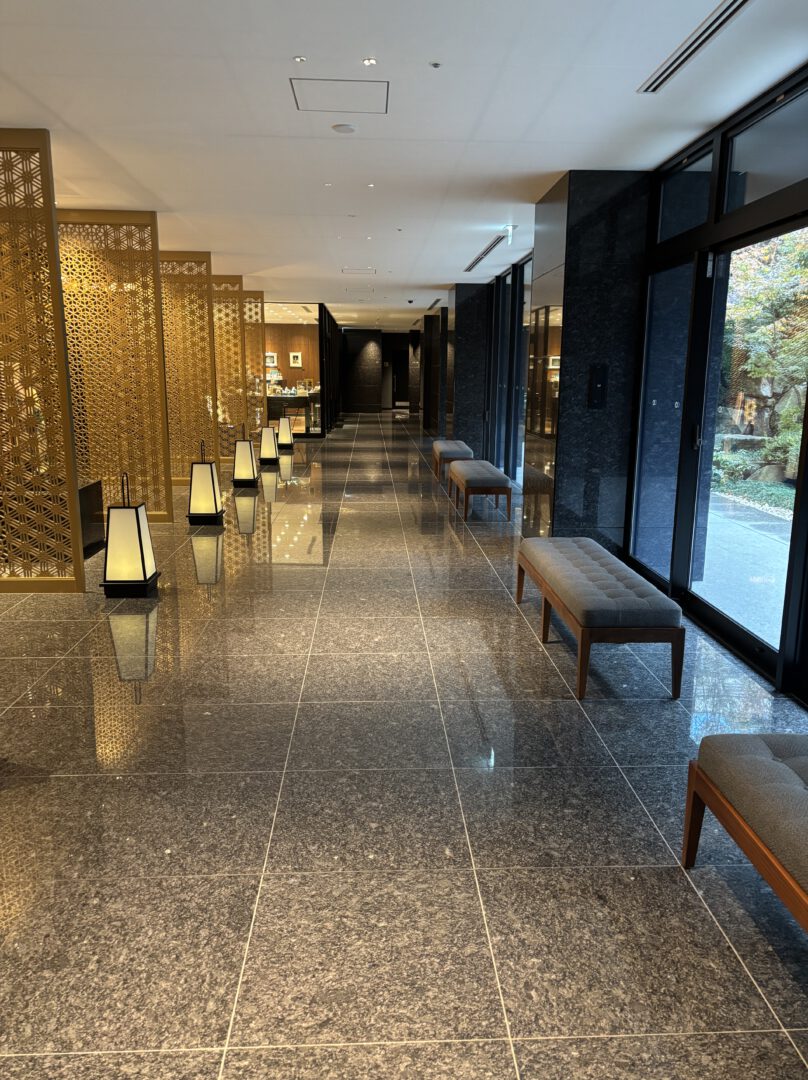
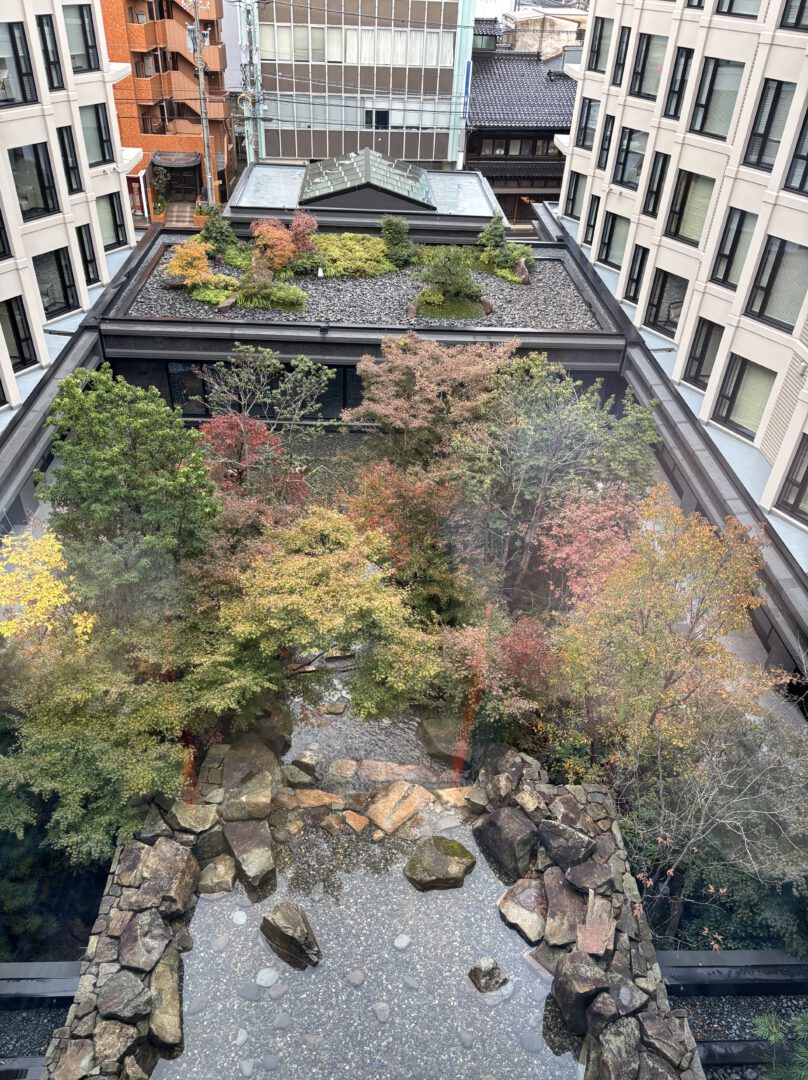
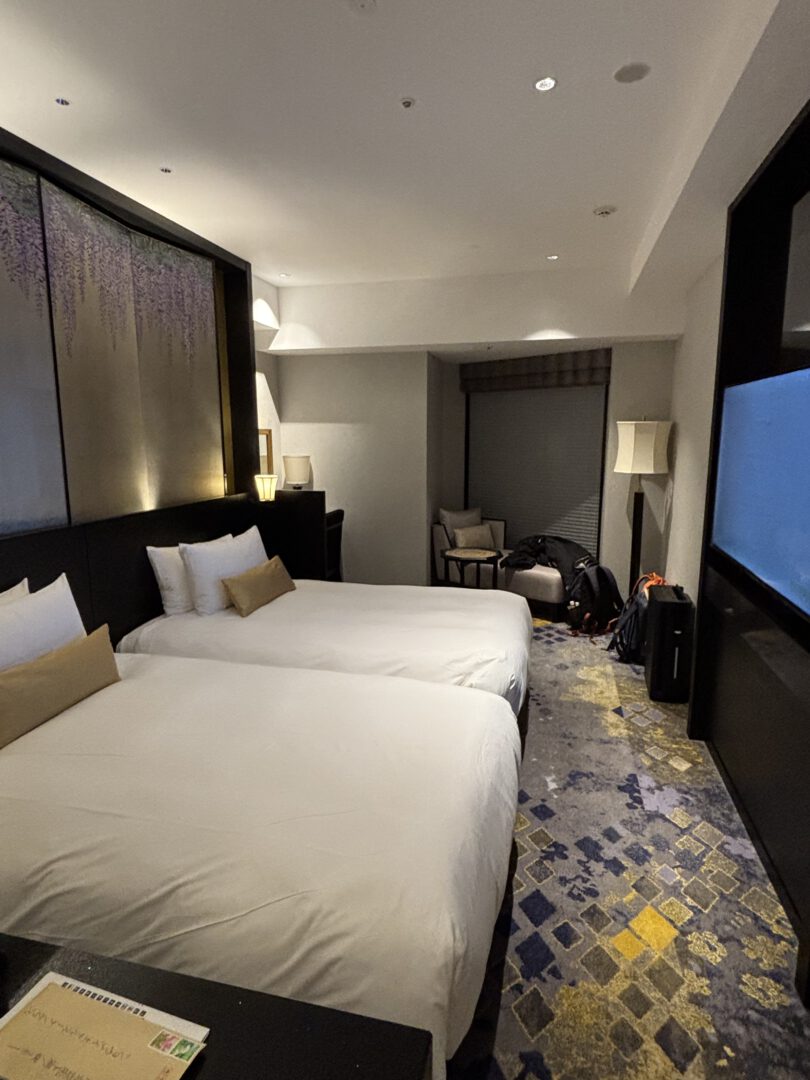
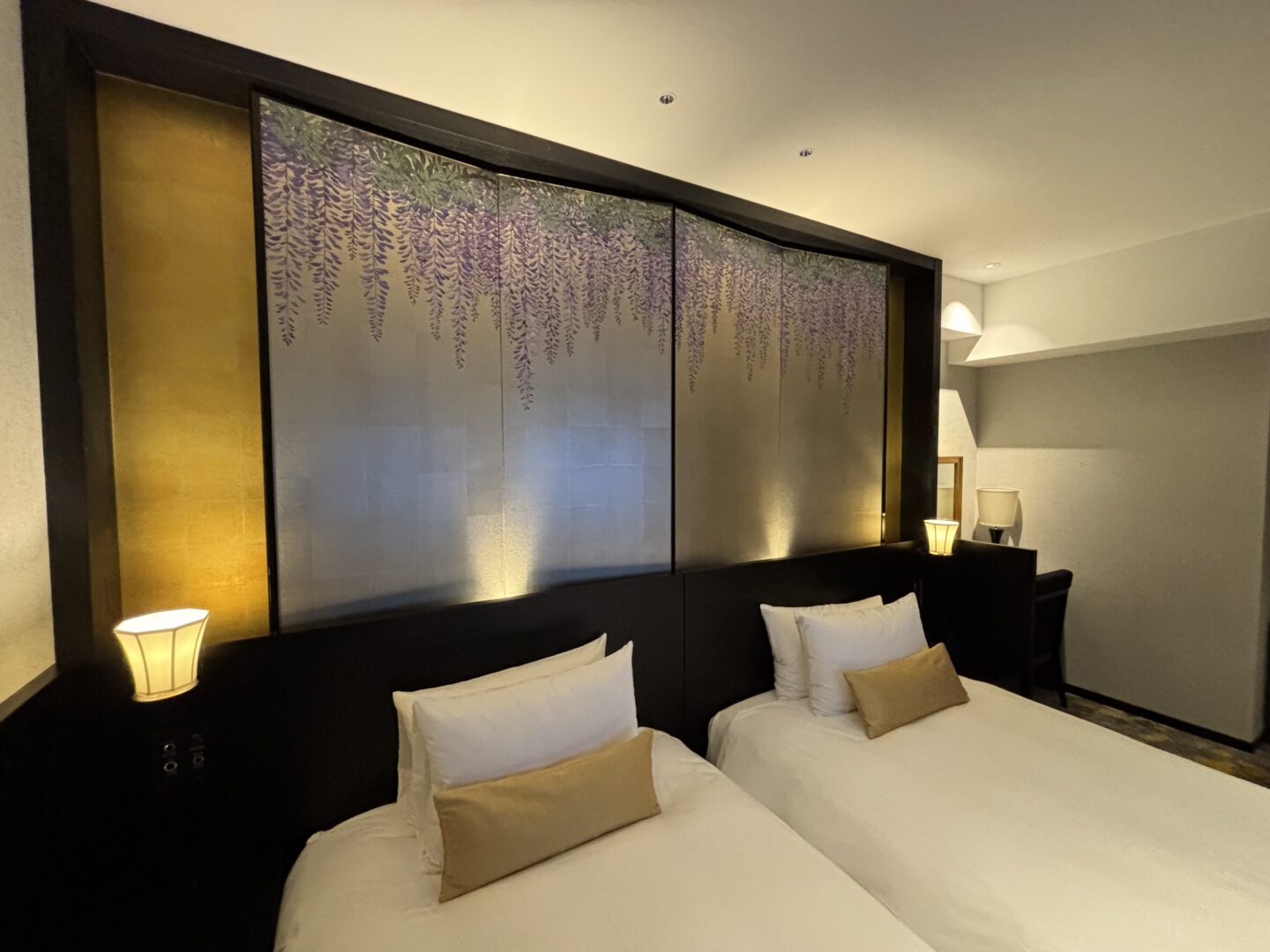
We chose a classy but modern hotel called the Sanraku, which was located a stonethrow from Omicho Market. When we finally arrived from Niigata in the evening after the long drive, we had just enough time to drop off our luggage and return the car before the office closed. This time we split into two rooms again, but they kindly offered us at check-in to choose two adjacent rooms which could then be connected by an extra door. So we felt quite fancy having this extended suite in Kanazawa. The hotel was nicely designed; it even had a Japanese garden in the lobby, and there were many other nice decorative touches, including a hanging wall scroll above the bed.

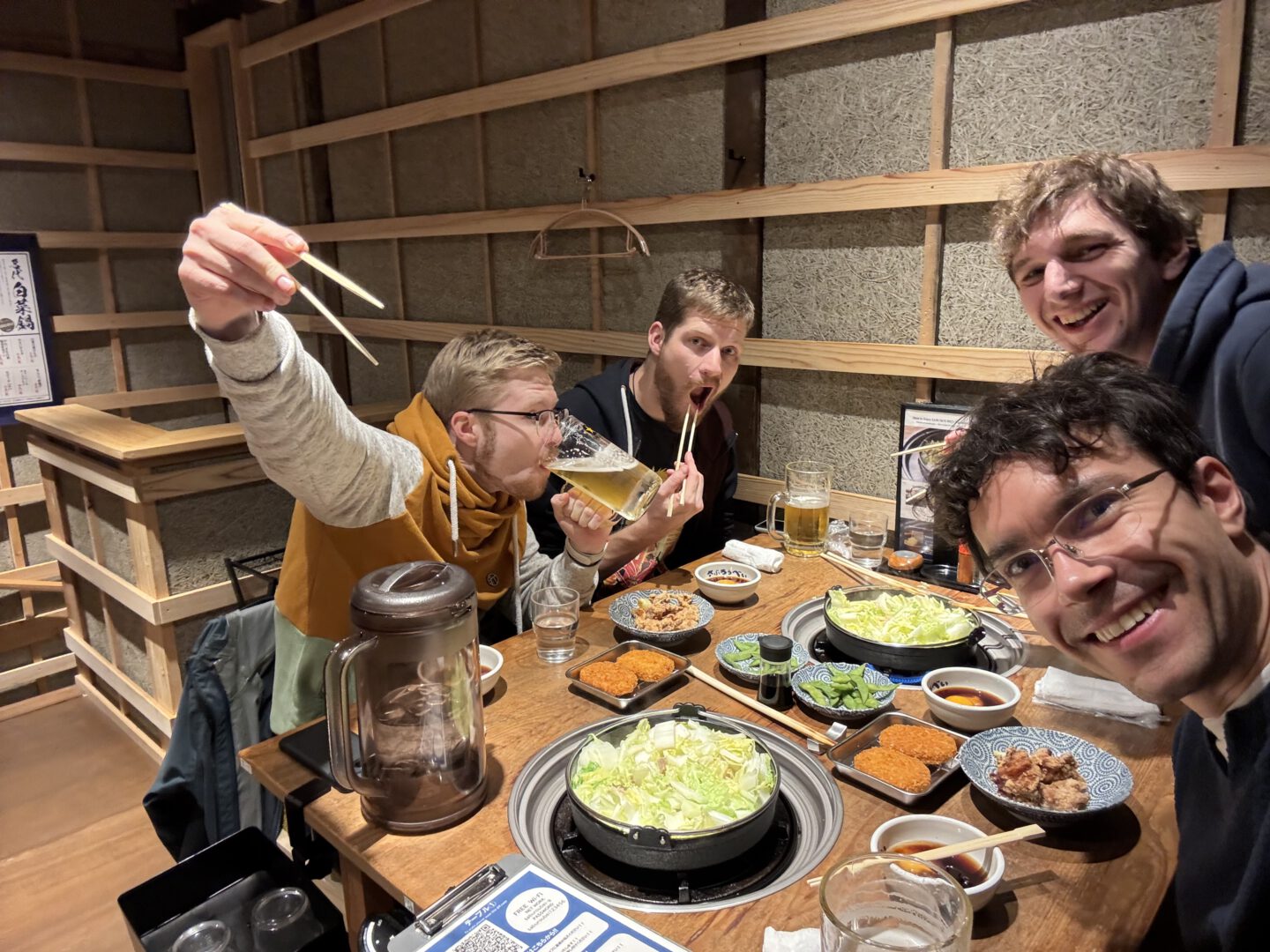
It was pretty late already and restaurants close, or at least stop accepting new customers, at 8 pm at the latest. So we had some trouble finding a restaurant for dinner — and we were hungry after the long journey and conbini lunch on the road. After a few failed attempts at other izakaya and an oden place, we finally found ourselves at an intriguing torinabe (chicken hotpot) place where they served hot pot with young chicken and cabbage. I had never tried it in a specialized restaurant before, and it turned out to be excellent.
One thing we noticed right away was the visible increase in Western tourists. We’ve seen a few Asian tourists generally in most of the regions in Tohoku, except for the most rural places in Akita and Yamagata. But now in Kanazawa it was completely different. This, of course, could be because the Shinkansen from Tokyo now provides easy access to this nice city, but it also seems that the place has become way more famous. Both Nico and I have visited Kanazawa before over ten years ago, and back then it was not popular at all.
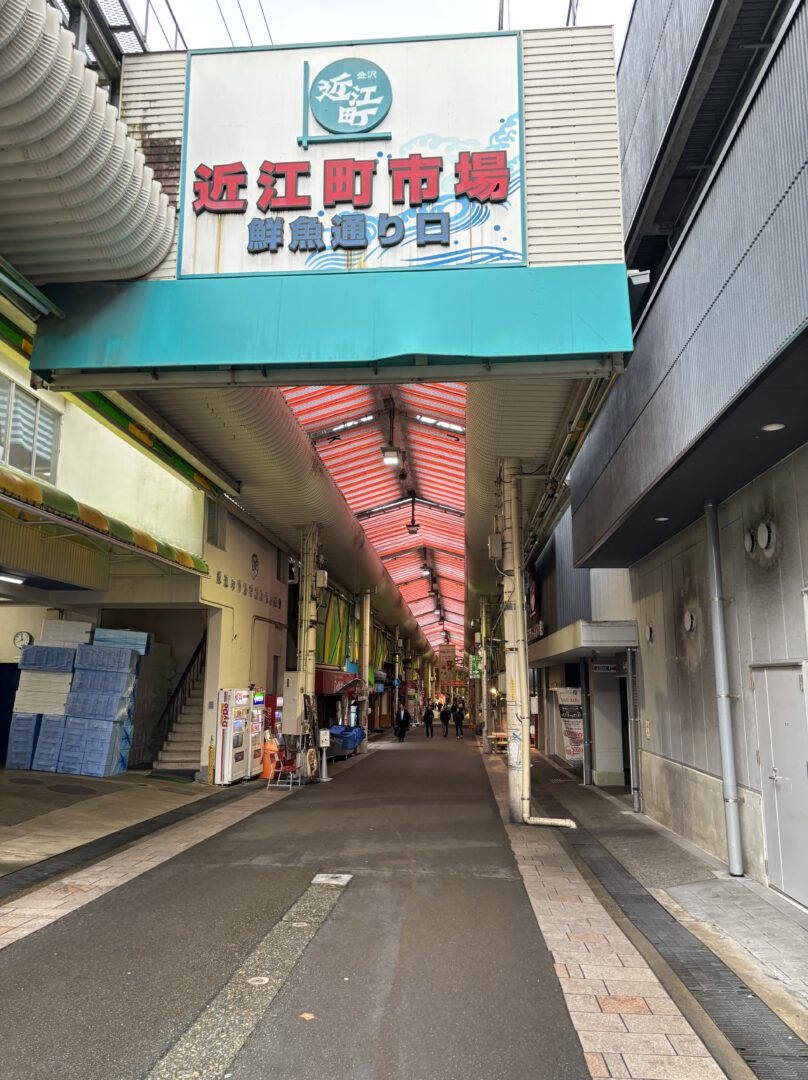
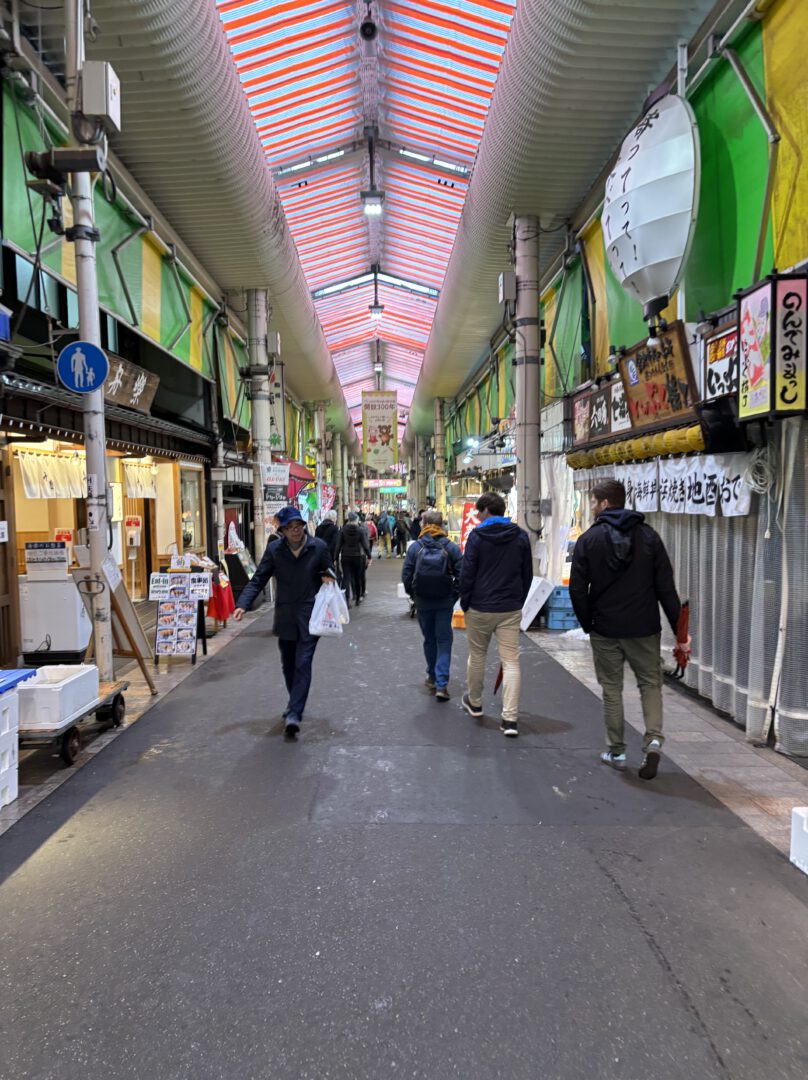
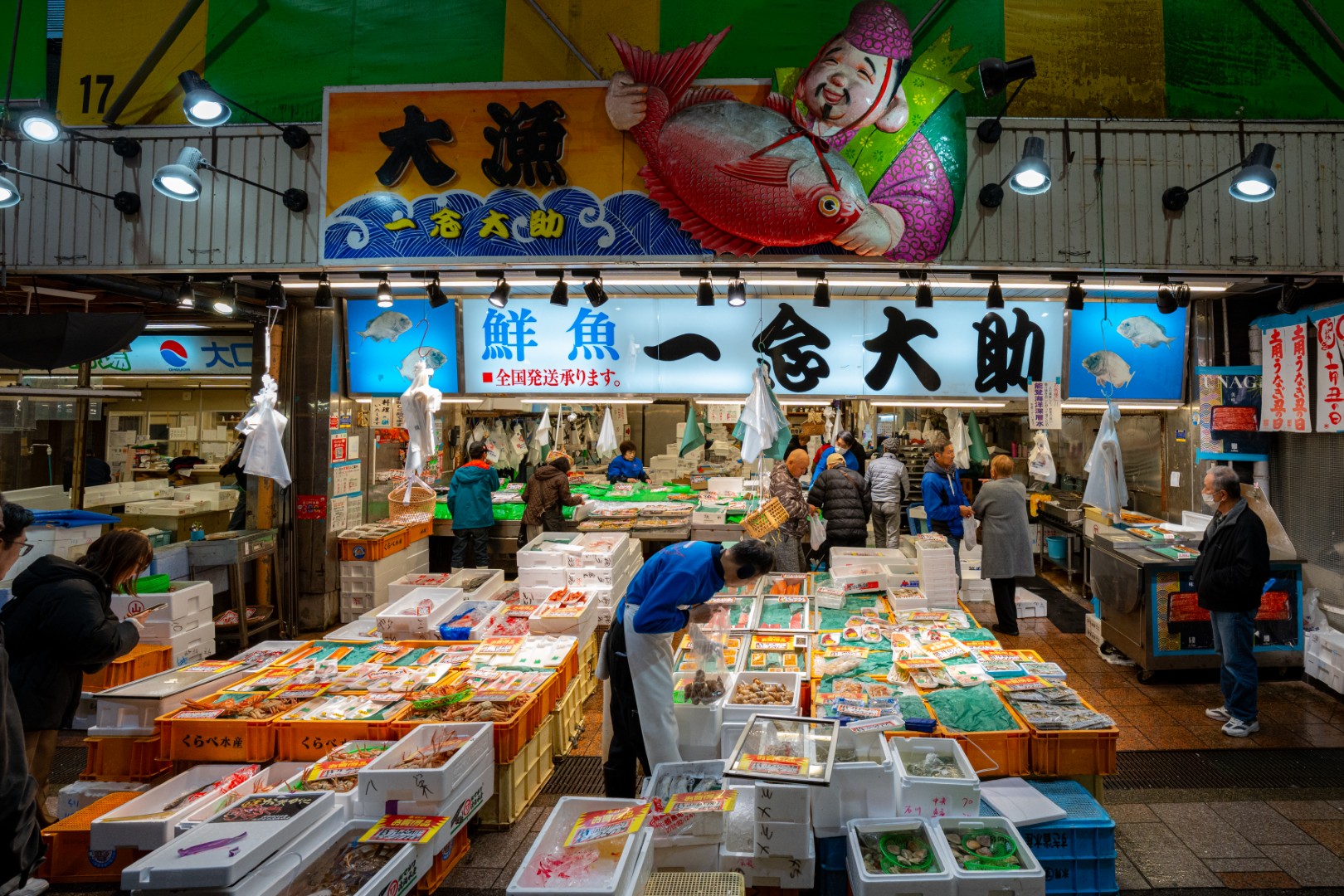
The next morning, we walked straight to Omicho Market to explore the culinary offerings of the Hokuriku region and find something to eat for breakfast or brunch. Omicho has been Kanazawa’s kitchen since the Edo period, and it still feels very local despite the visitors. Under its covered arcades, fishmongers, greengrocers, and small eateries line narrow passages that stay lively even in the rain. Broadly speaking, the market divides into two types of vendors: These selling raw ingredients, such as whole Japanese snow crab or other regional fish and these serving prepared dishes for take-away, including grilled fish and meats, sweets, and other Japanese finger foods.
It was not too busy yet when we arrived before 10 am, so it was still possible to take pictures of the market activities and try our way through many different street food–like stands.
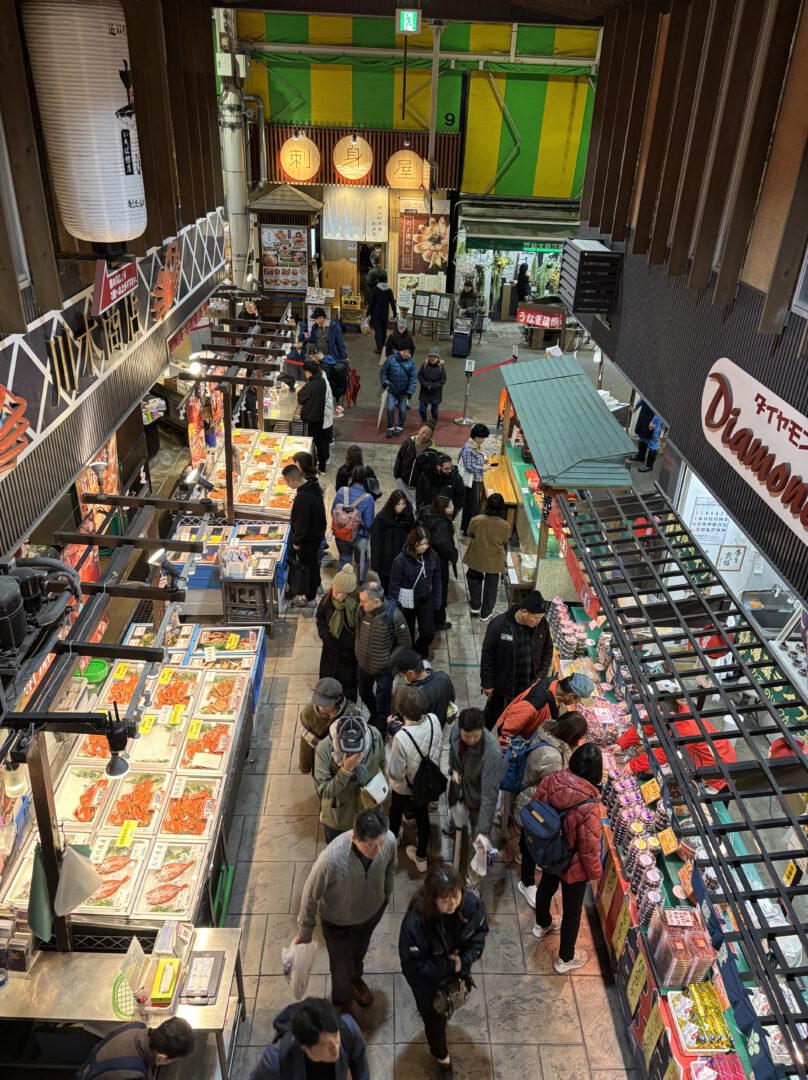
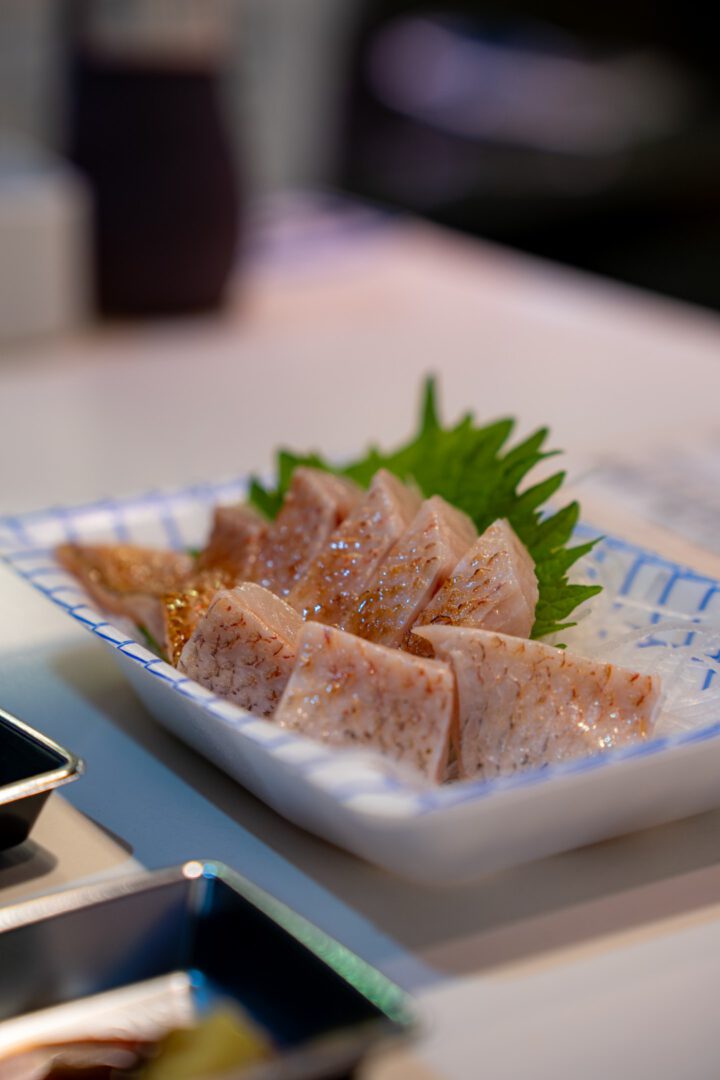
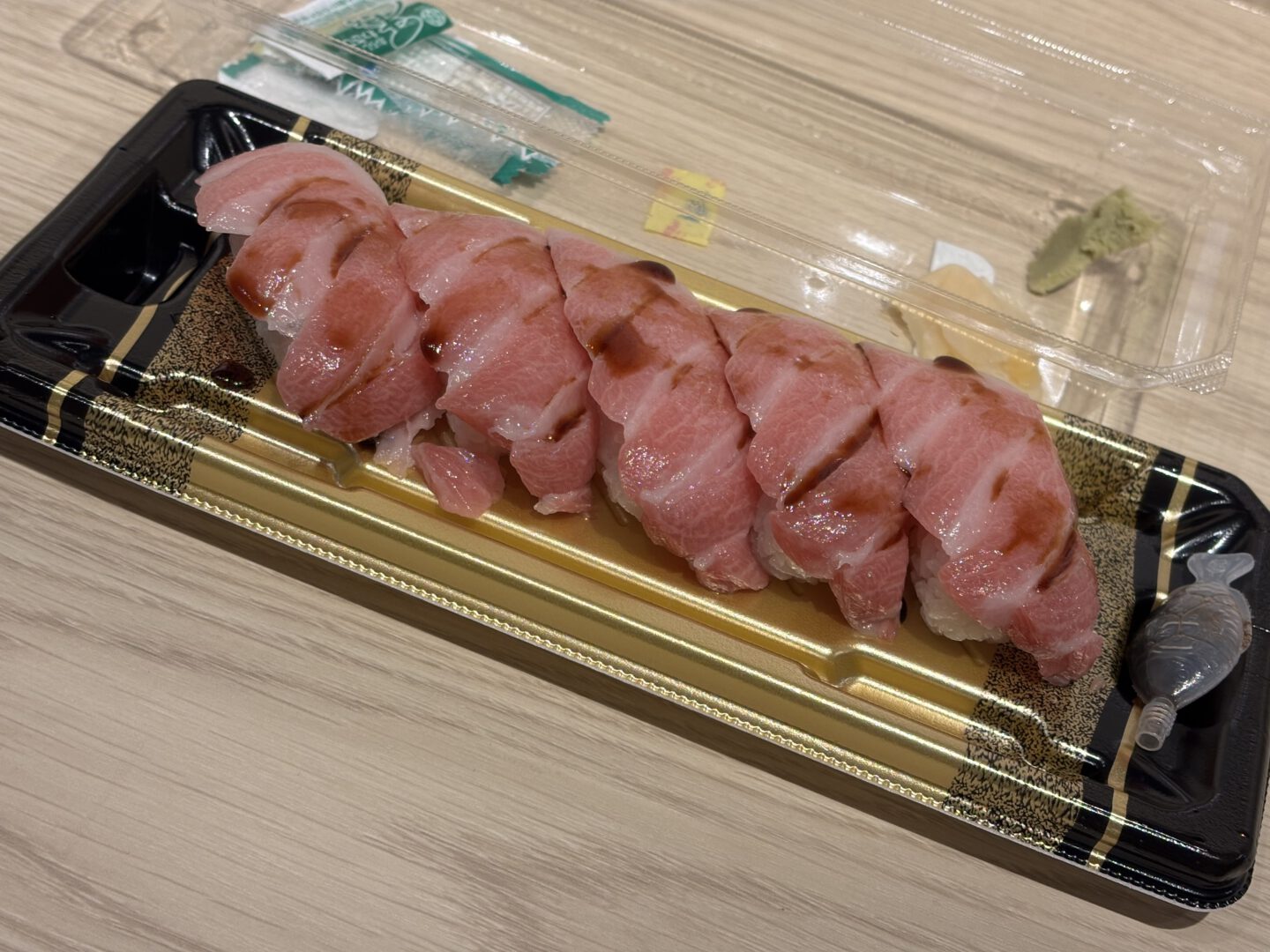
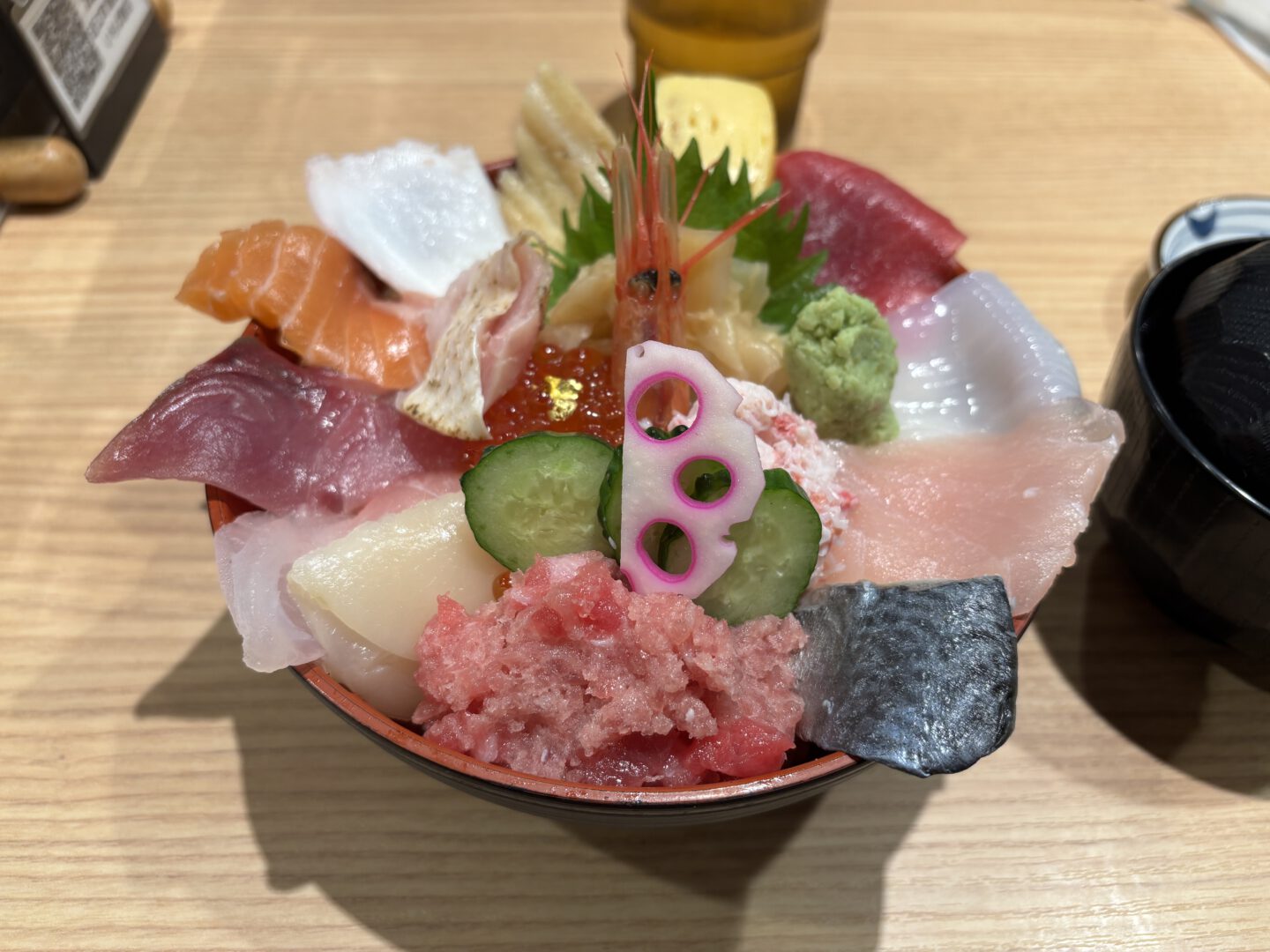
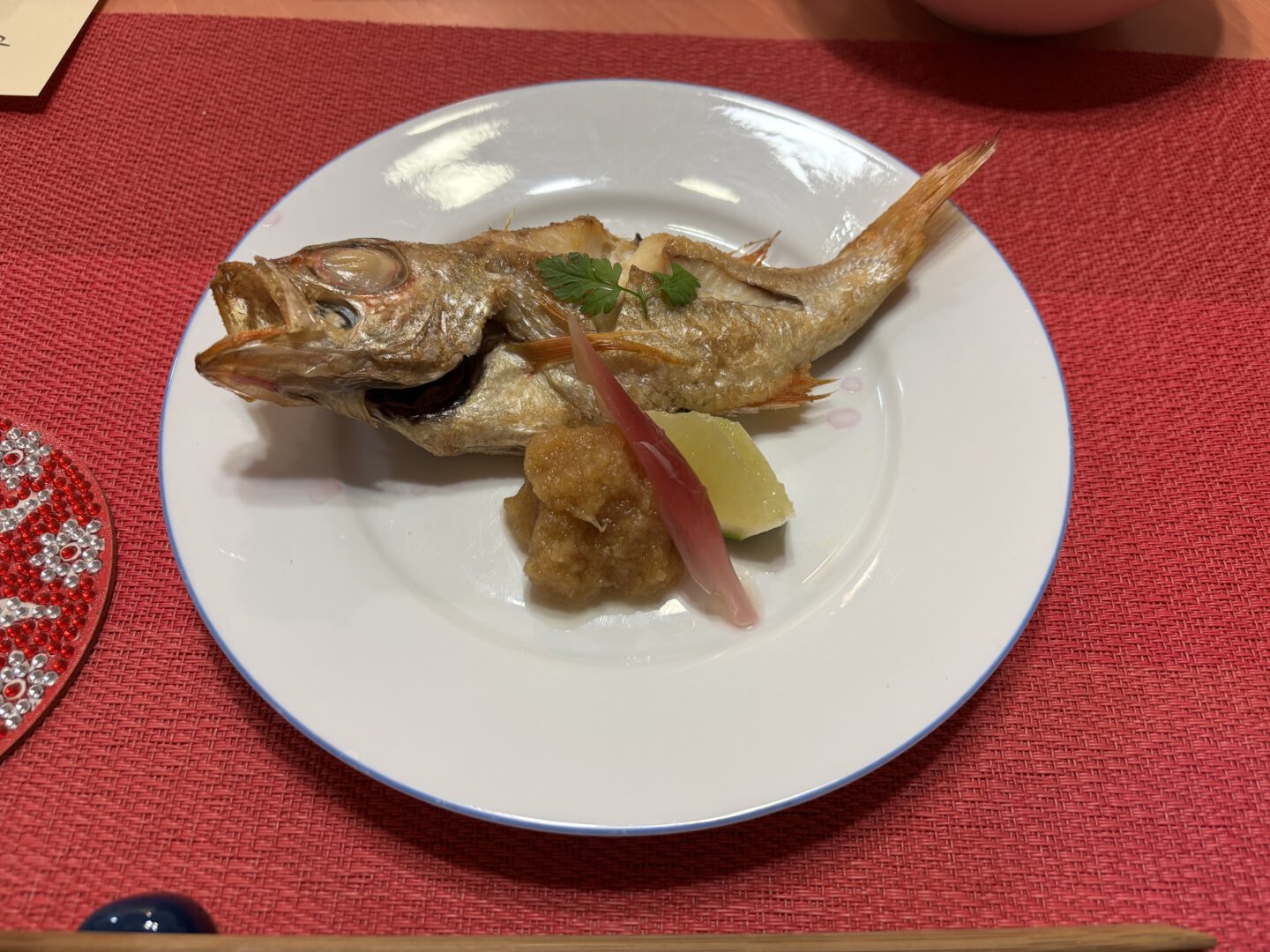
Nodoguro, the local blackthroat seaperch, is small and expensive, but rich and slightly fatty, almost like ootoro. Having discovered it here, I needed to show the others this delicacy. We found a place that sold some grilled nodoguro sashimi, so we had that as our first bite. We followed that up with some ootoro tuna sashimi, and then after taking a few more rounds in the market, finally settled in a restaurant to order a big kaisendon, a mixed seafood bowl.
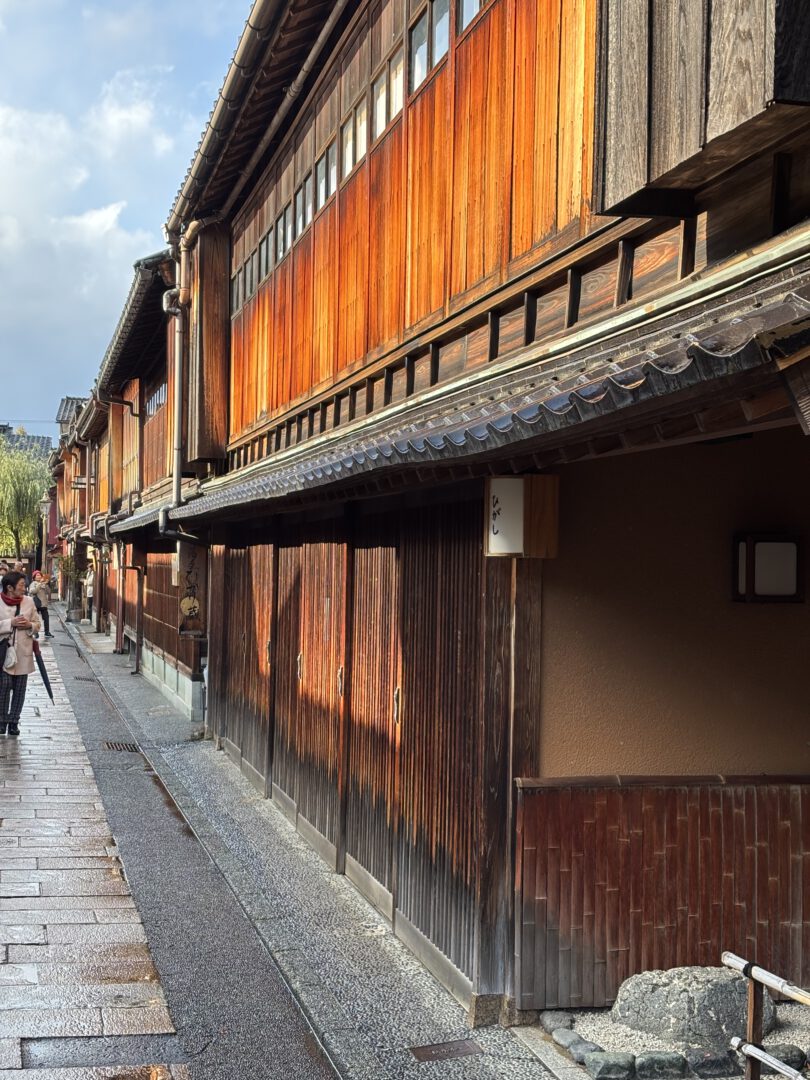
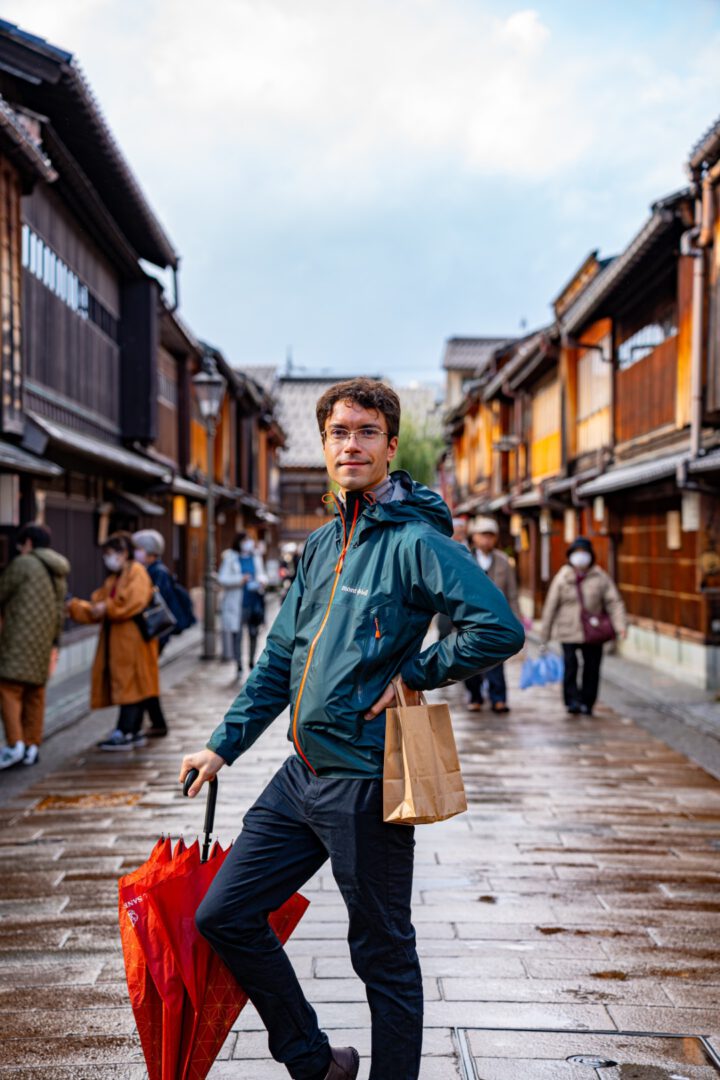
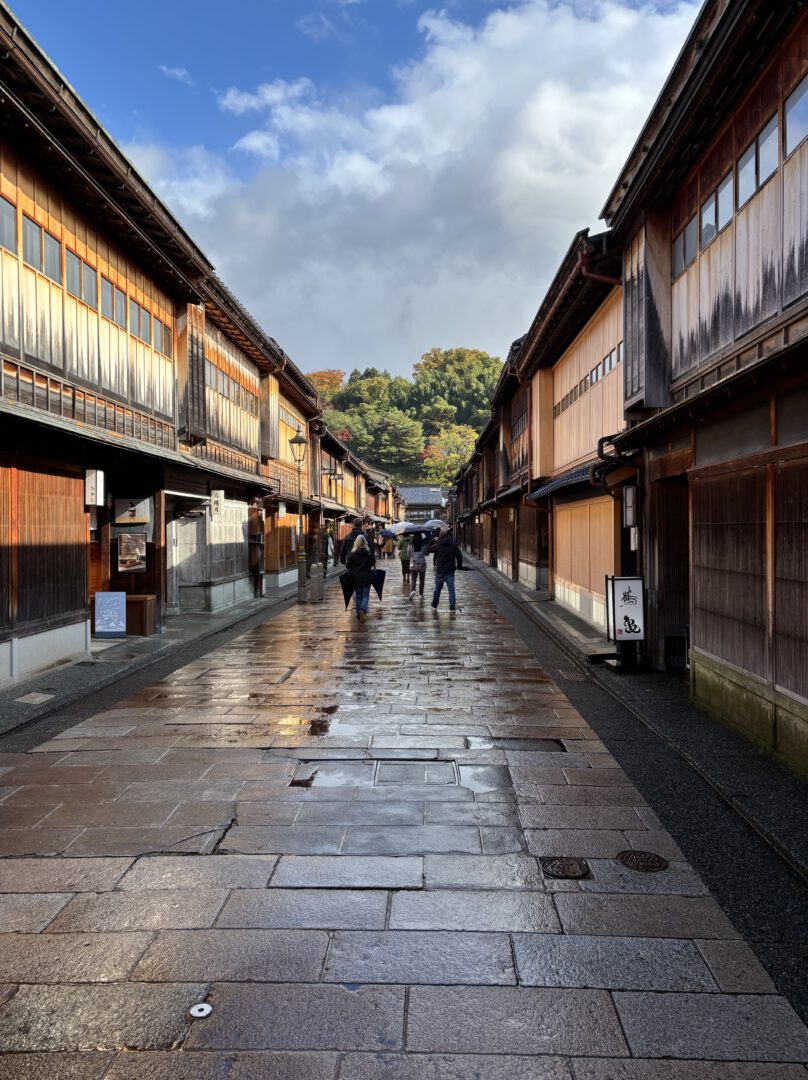
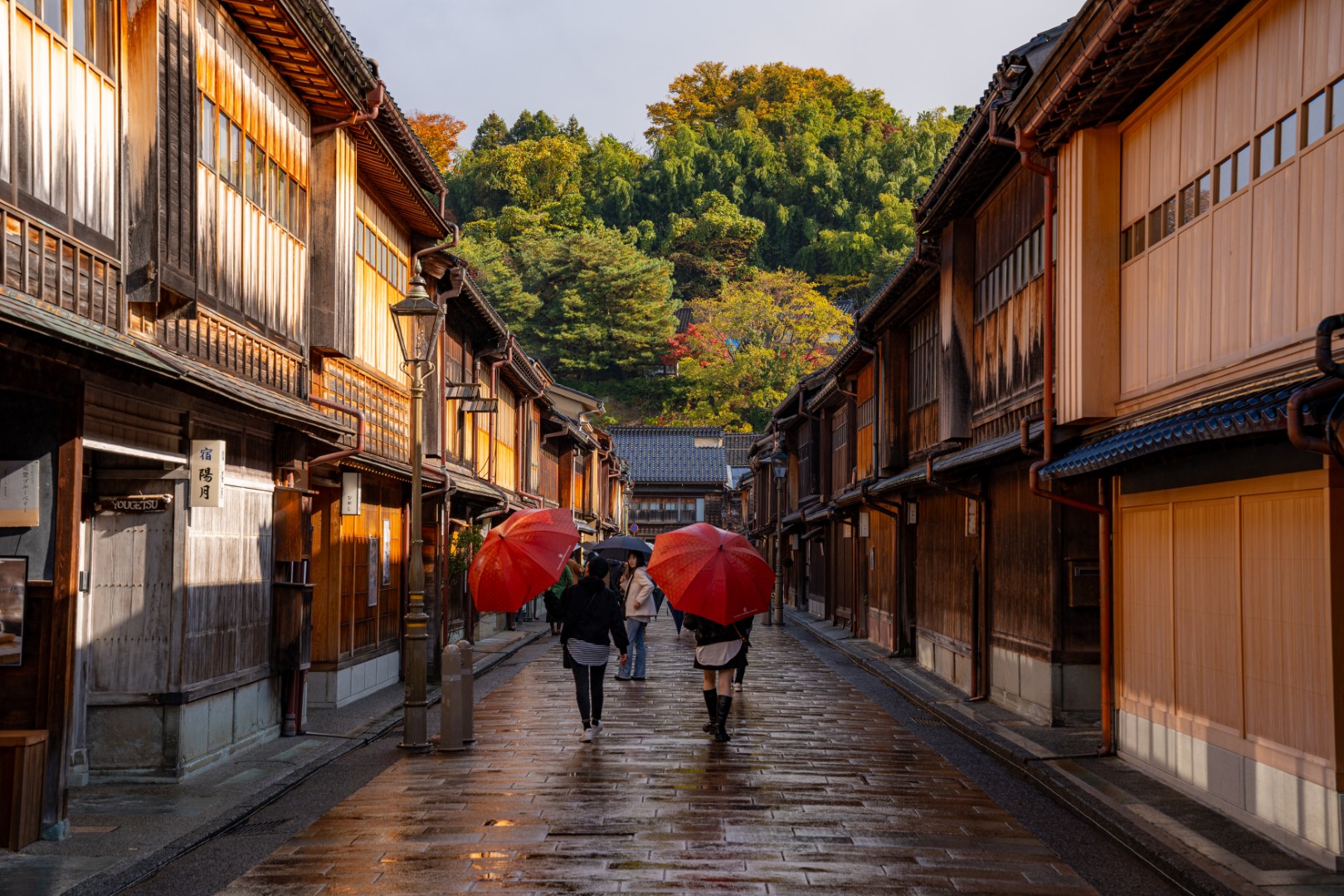
It was raining for the remainder of the day, so we gave up on a spontaneous idea to wear kimonos while exploring the city. Instead, we crossed toward Higashi Chaya, the historic tea district in the east of Kanazawa. It is one of the city’s preserved geisha districts along the Asano River, with rows of wooden teahouses that date back to the Edo period. Today many of them host small shops and cafes, but the area still carries the structure of the old entertainment quarter. Traditional streets, wooden facades, and shops selling local produce and crafts such as Noto lacquerware, Japanese sake, and the infamous gold leaf ice cream make it easy to spend a slow afternoon there, even in light rain.
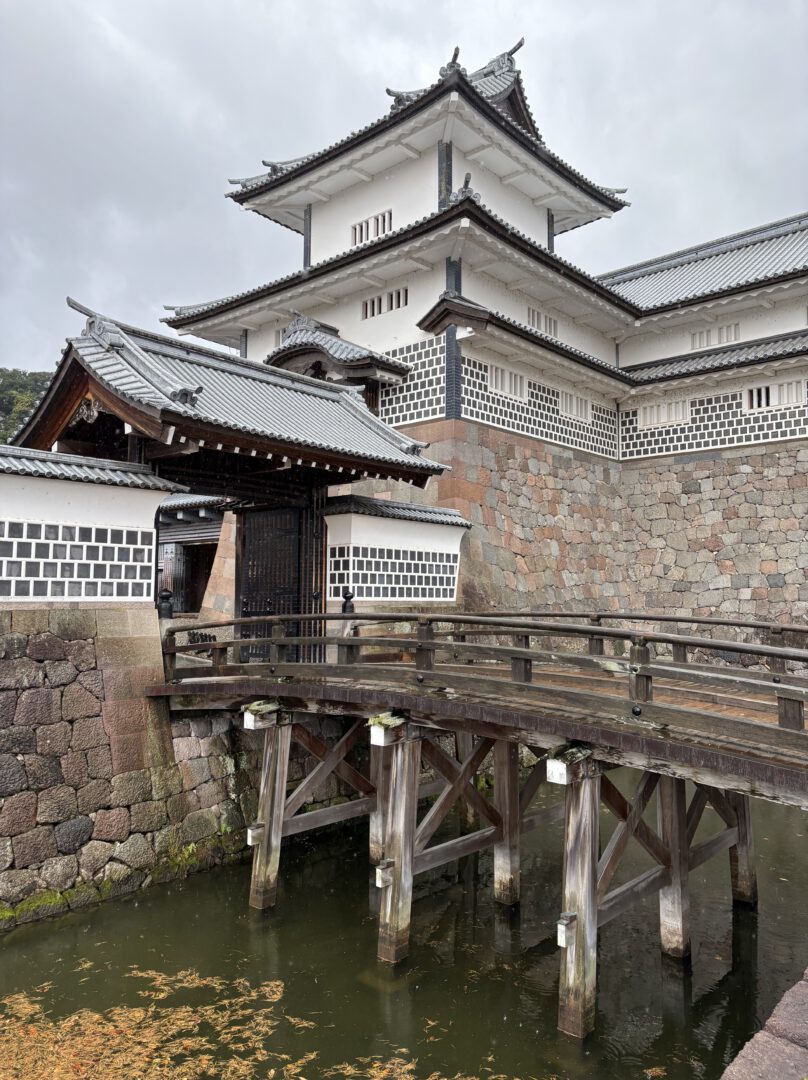
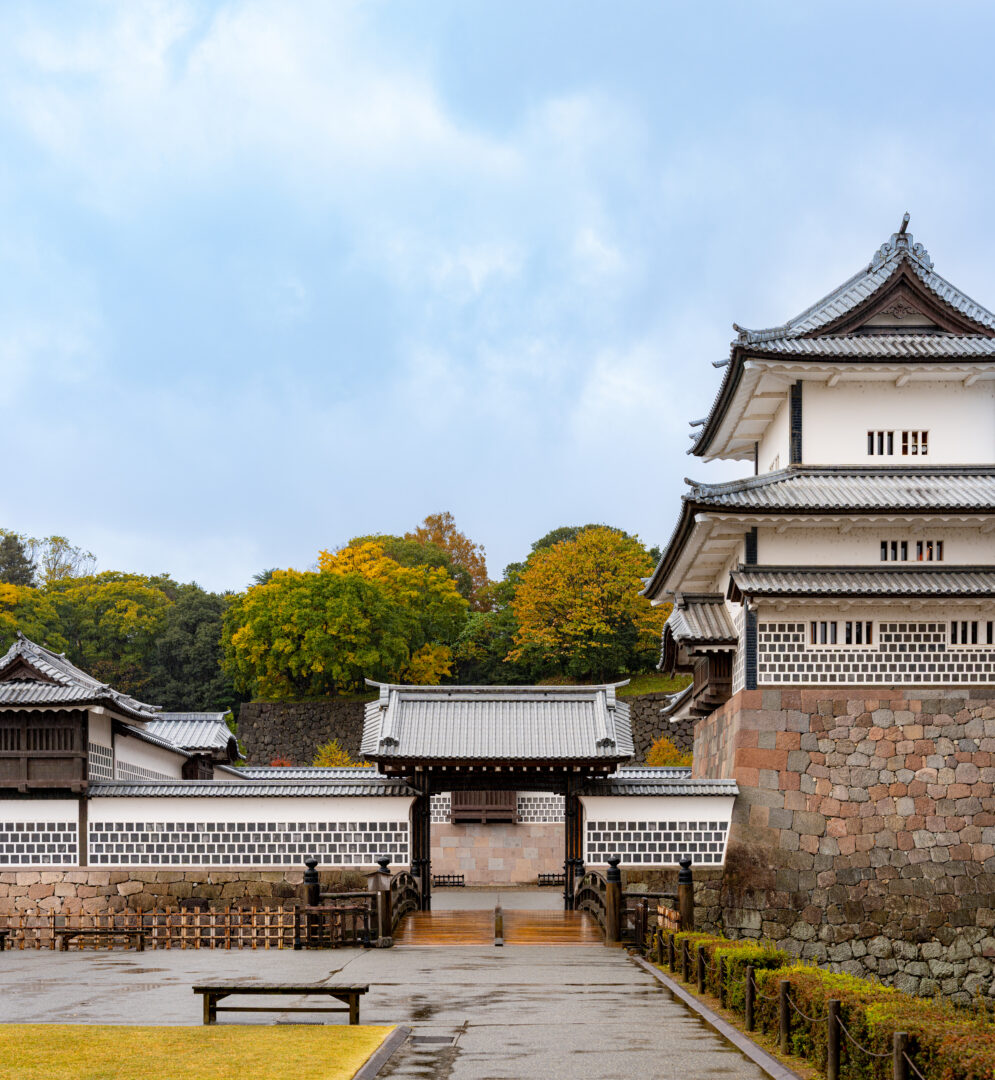
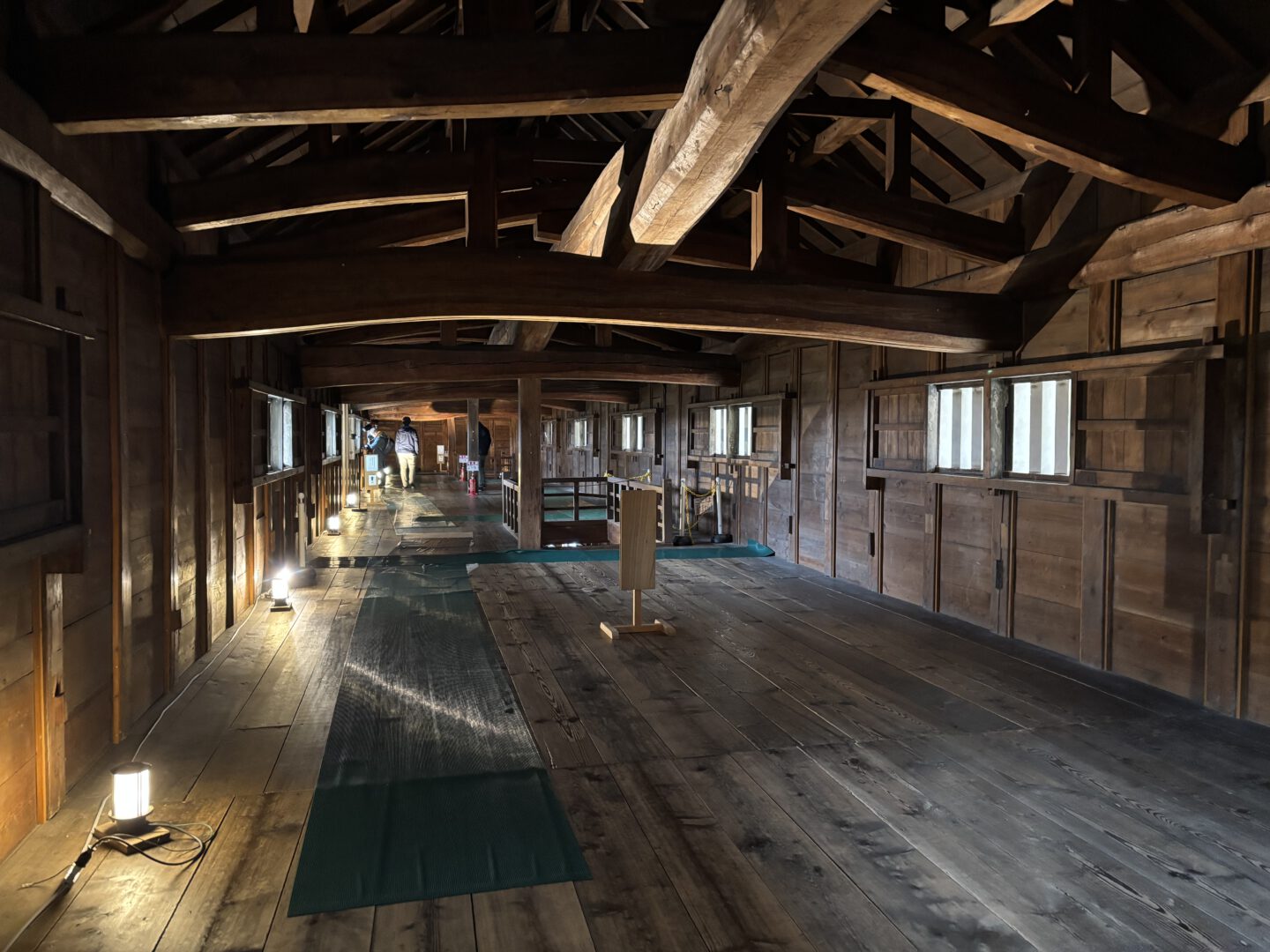
From Higashi Chaya, we made our way back toward the center and slowly climbed up to the castle park in the heart of the city, which used to house Kanazawa Castle, the seat of the powerful Maeda clan. It was still raining lightly, and the umbrellas from the hotel turned out to be very useful on the way up. Large parts of the original structures were lost to repeated fires over the centuries, so what you see today is a mix of original stone foundations and reconstructed gates and storehouses. The wide lawns and stone walls now form a public park. When we finally reached the top of the hill, the sun came out at just the right moment, and from the higher points we enjoyed a clear view over Kanazawa.
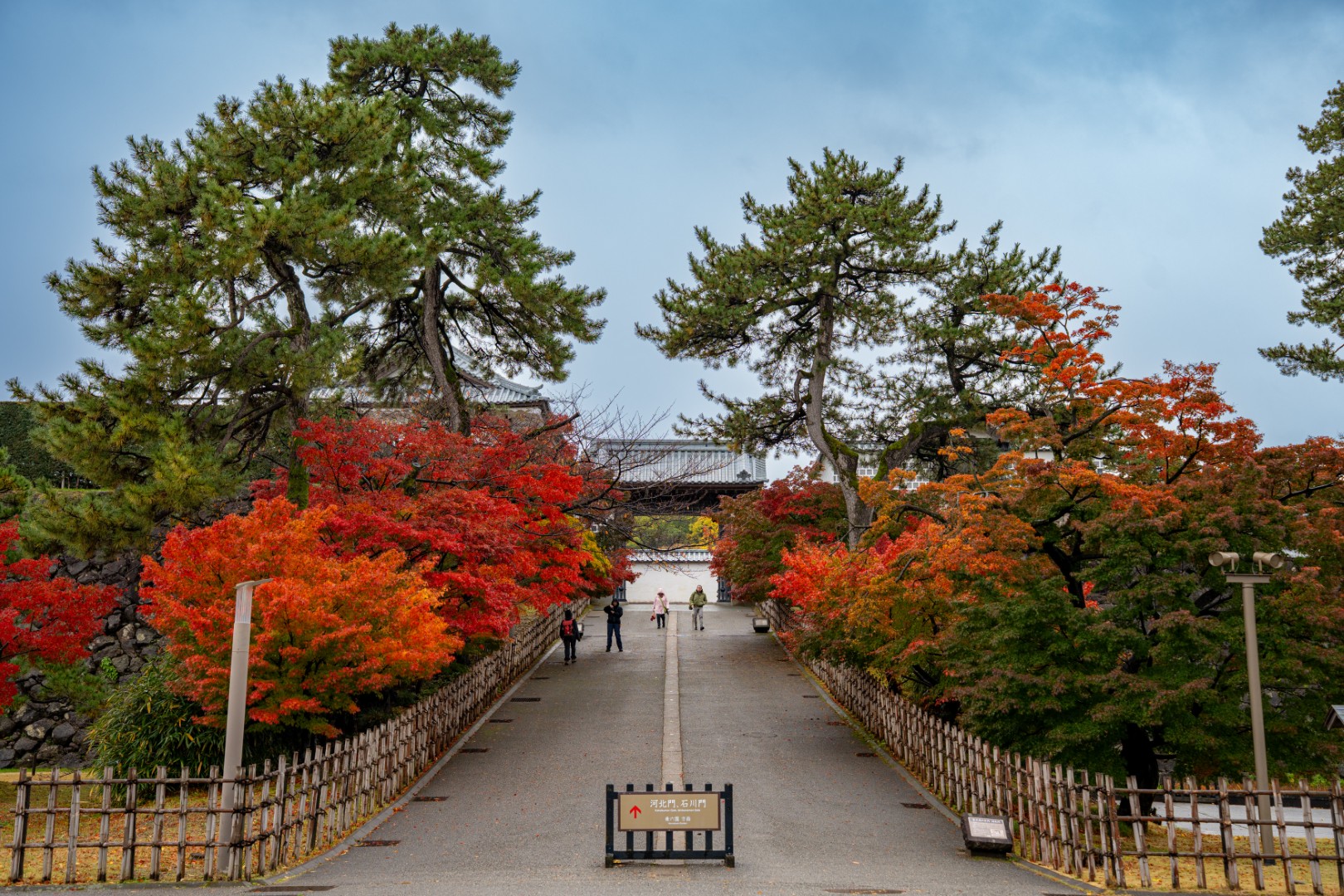
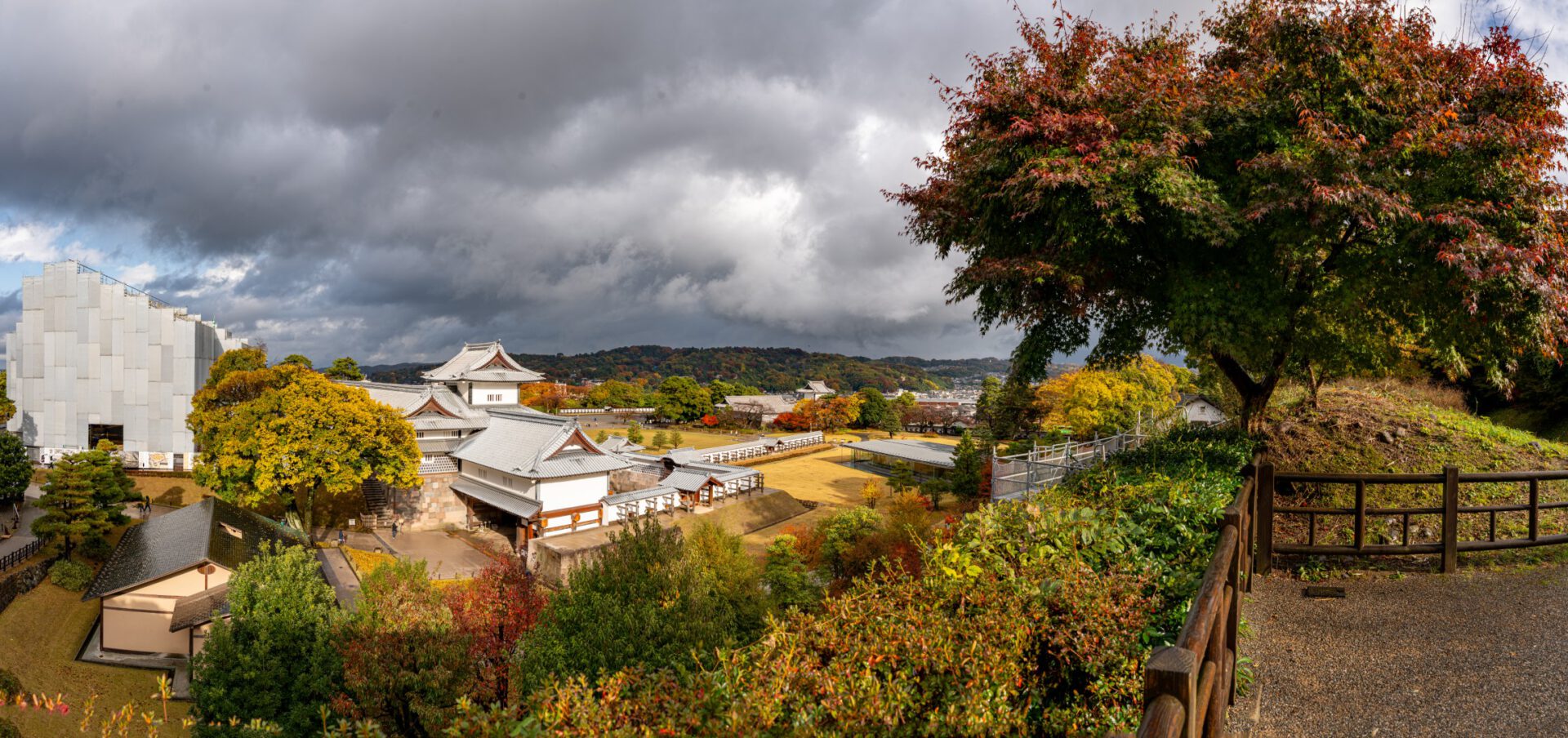
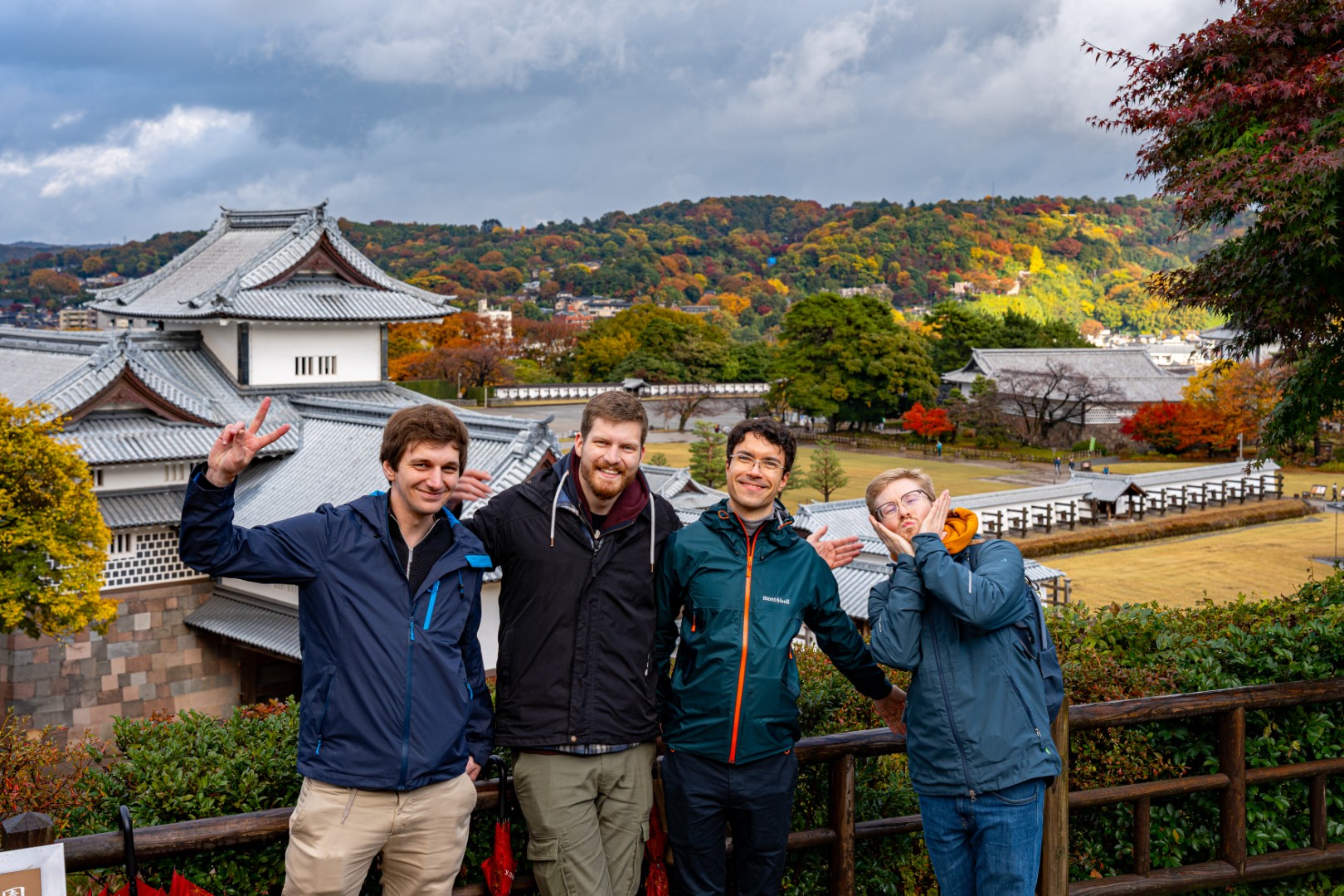
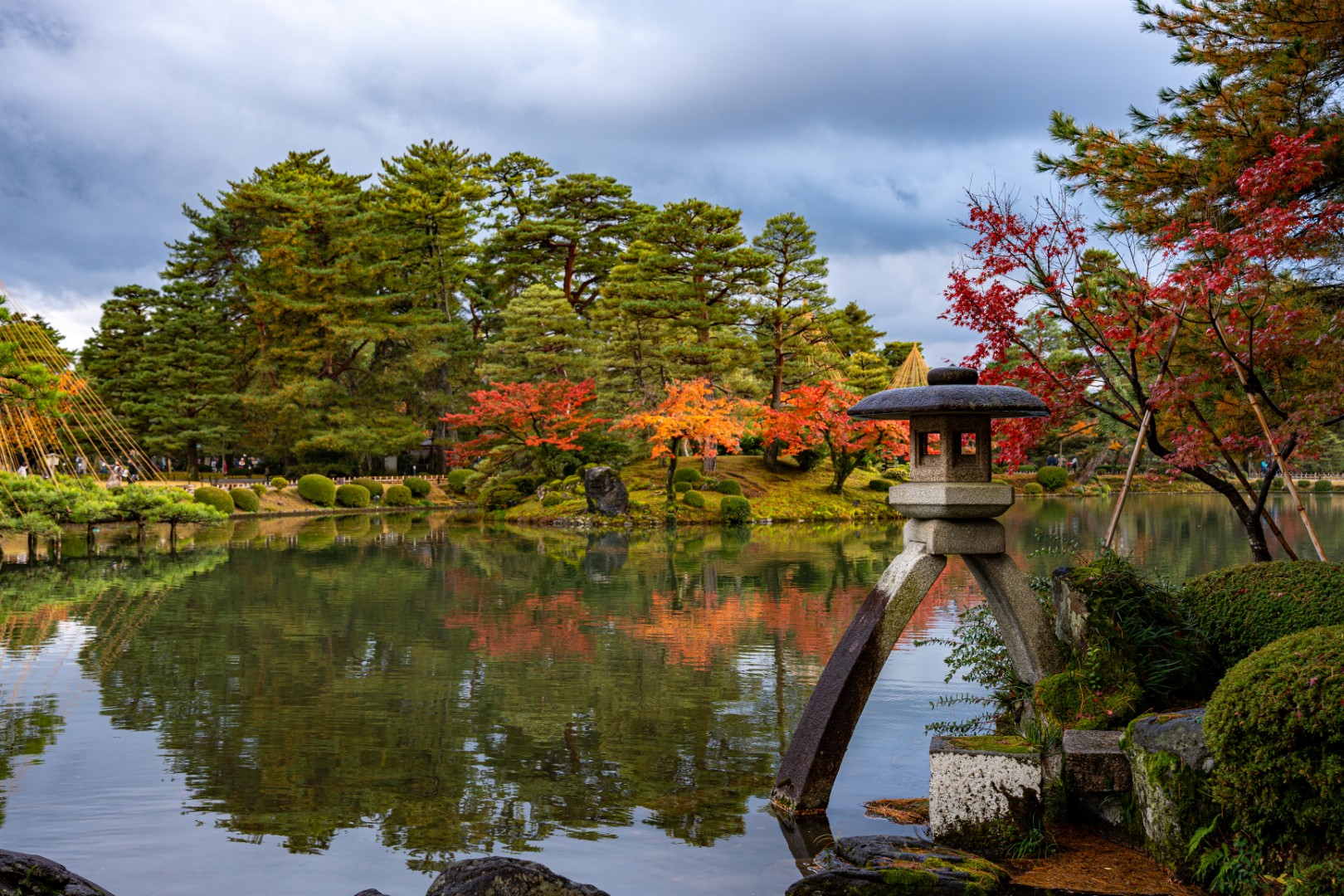
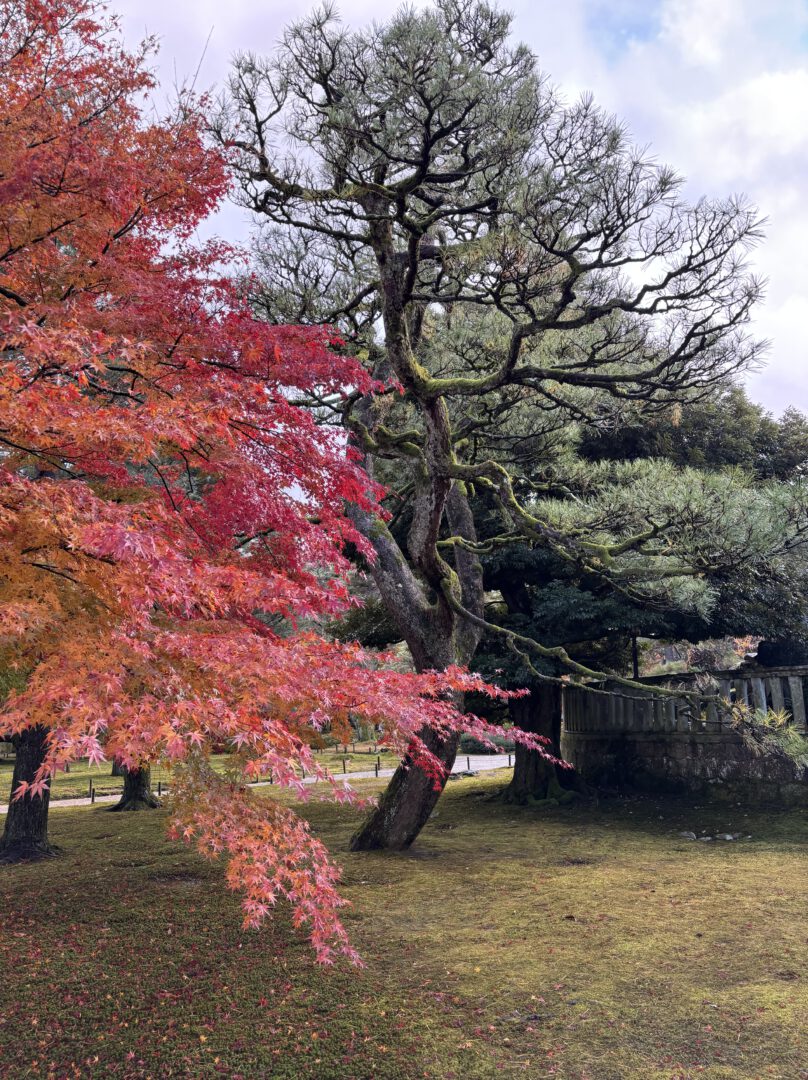
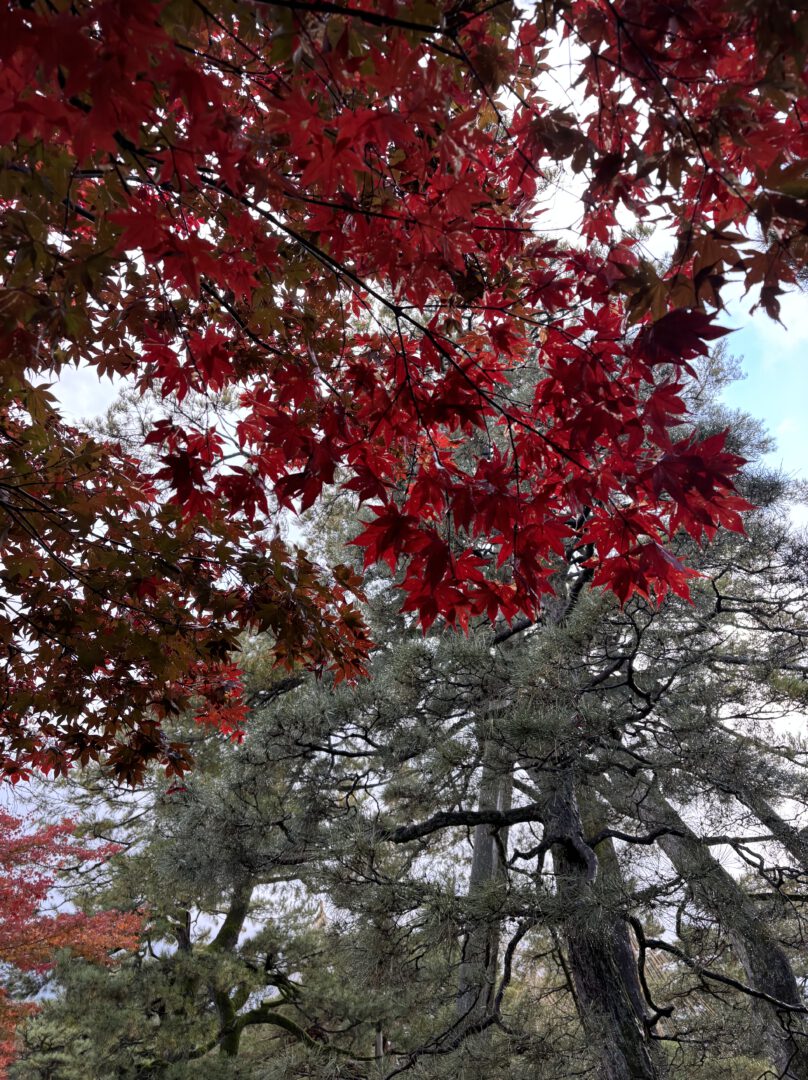
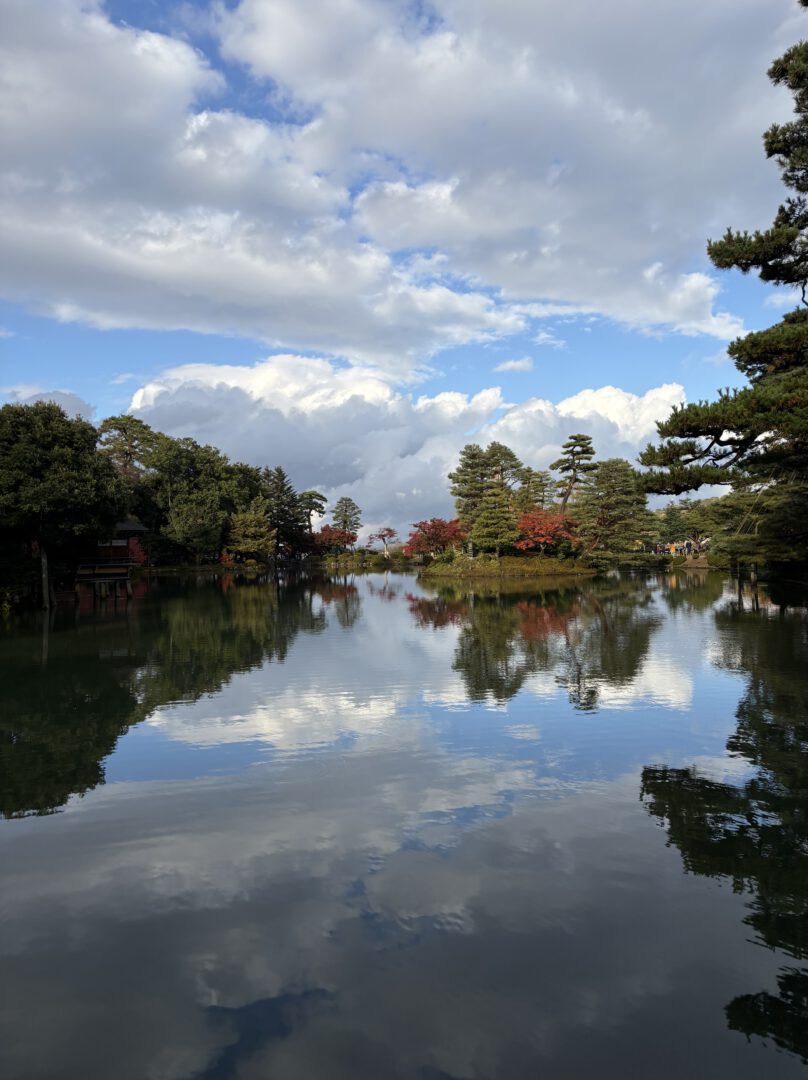
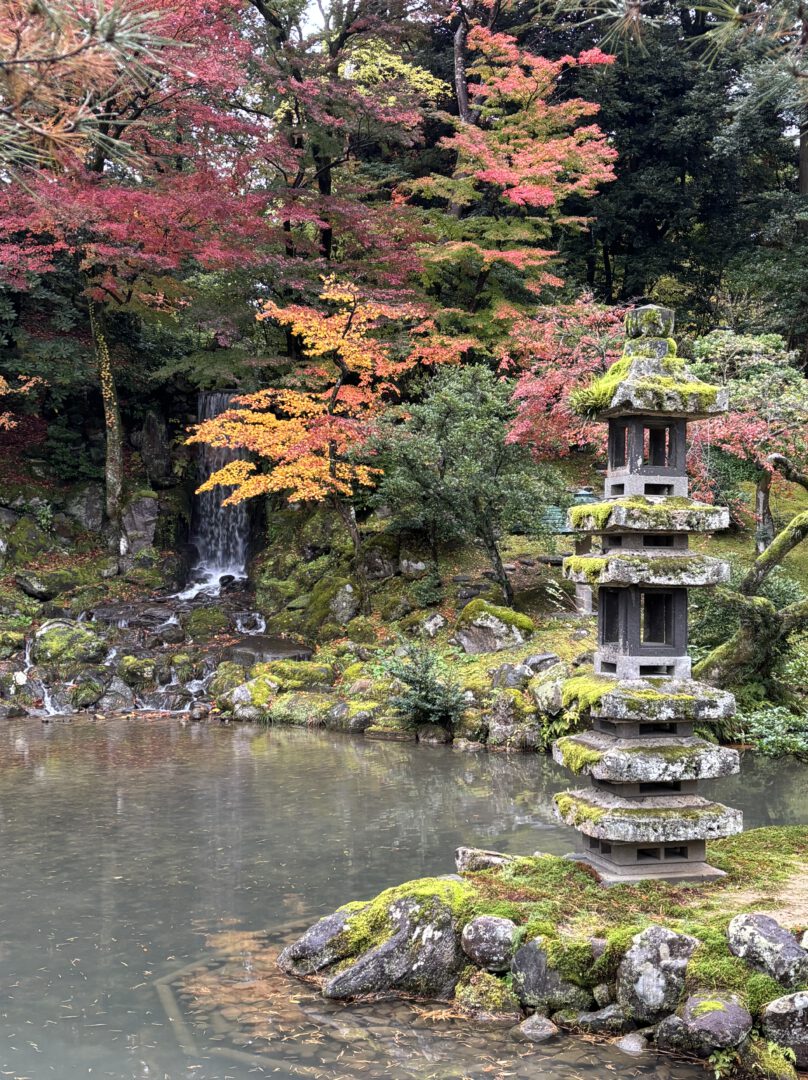
Right next to it is Kenrokuen, the garden of Kanazawa. It is considered one of the three most beautiful landscape gardens in Japan, together with Korakuen in Okayama and Kairakuen in Ibaraki. The name Kenrokuen refers to the “six attributes” of an ideal garden, combining spaciousness and seclusion, artifice and antiquity, water features and panoramic views. This must be the third time I visit, and this time it was in autumn. Red maples stood against deep green moss and carefully shaped pines. The central pond was tranquil and merged with the blue sky on the horizon whenever the clouds opened up.
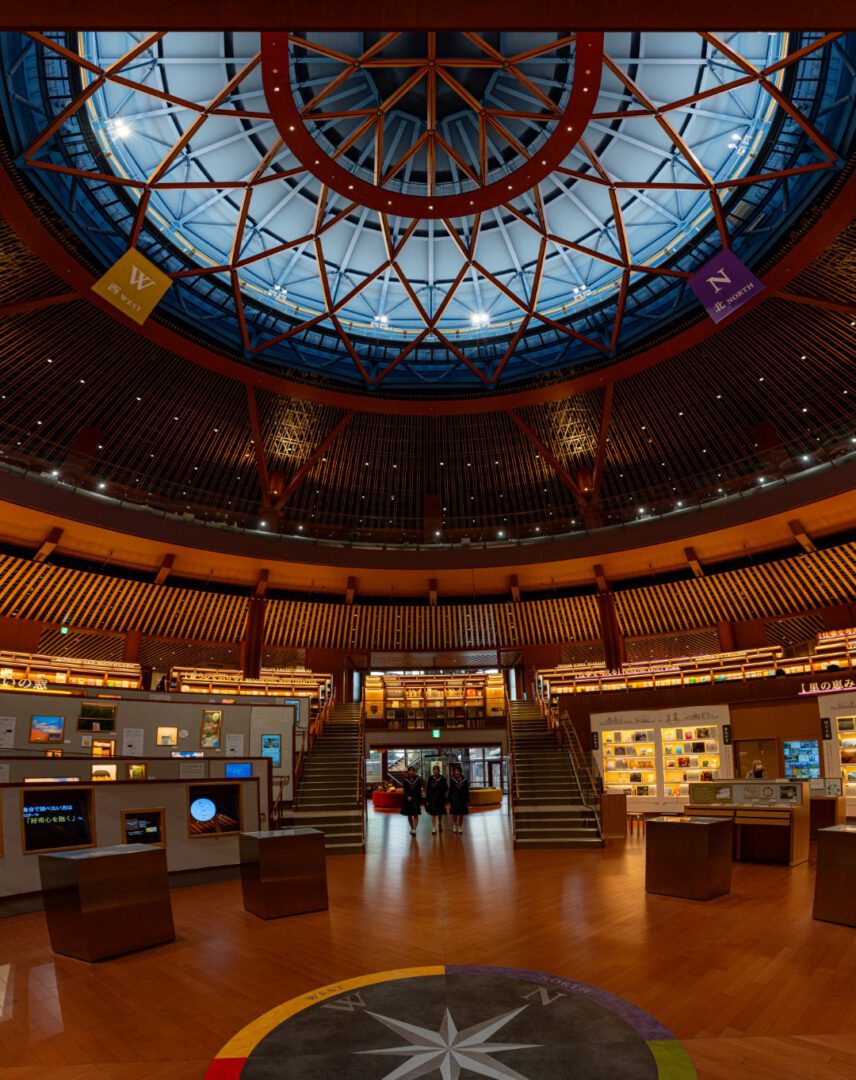
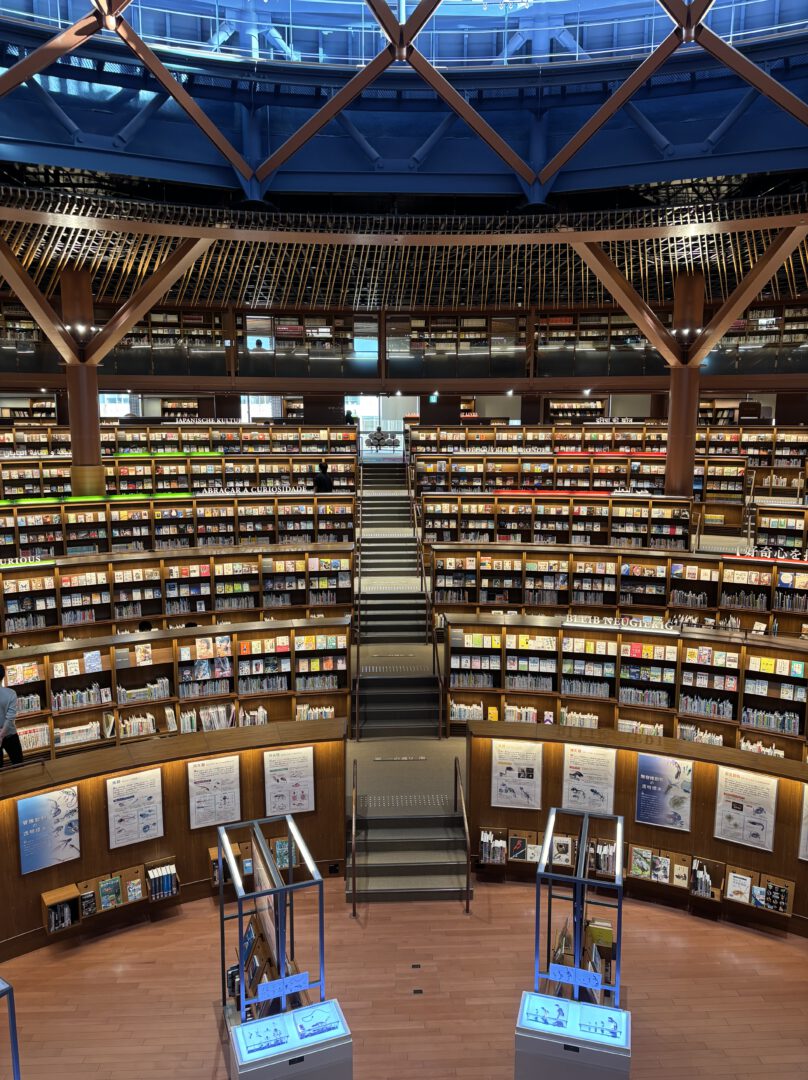
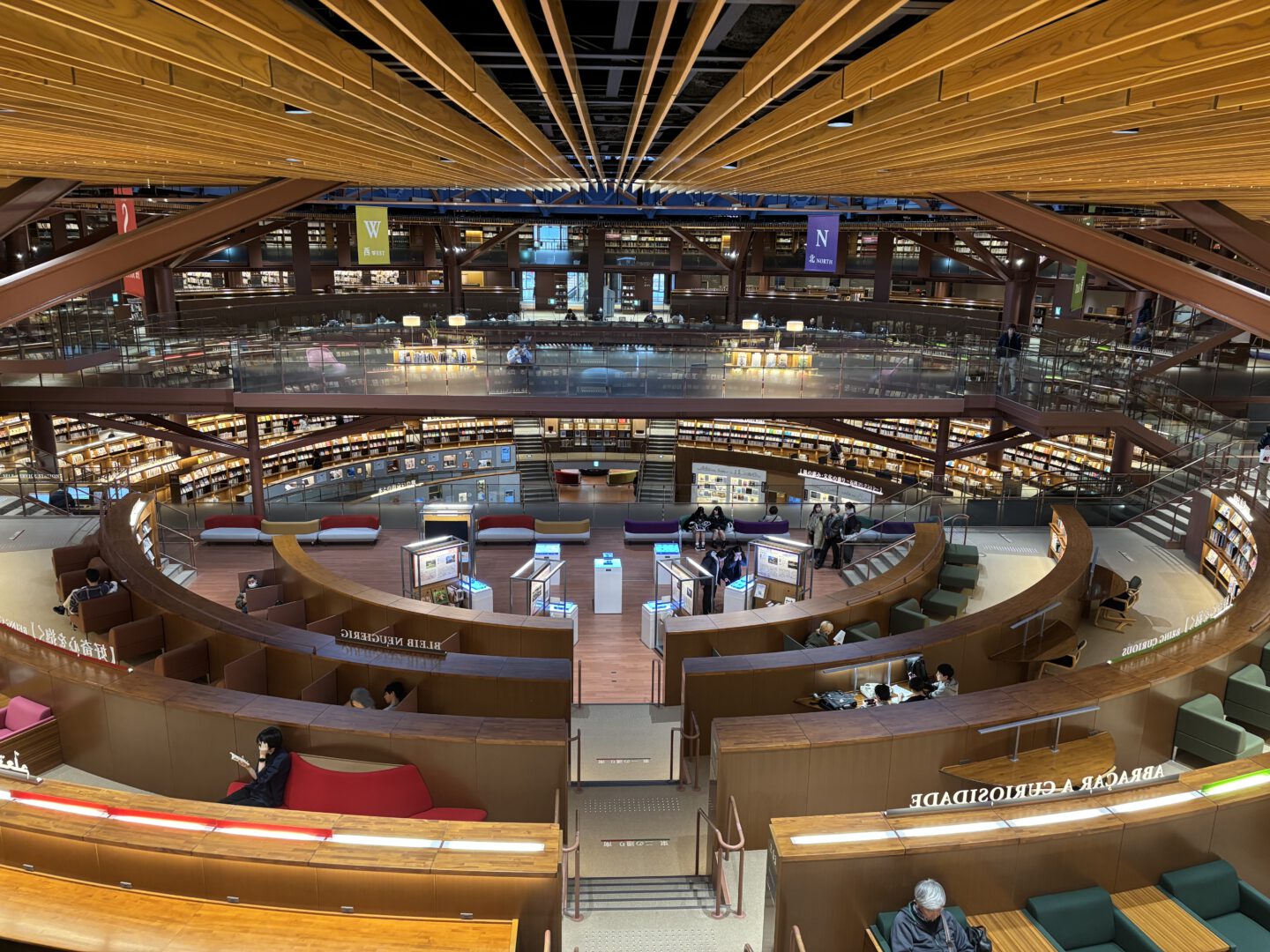
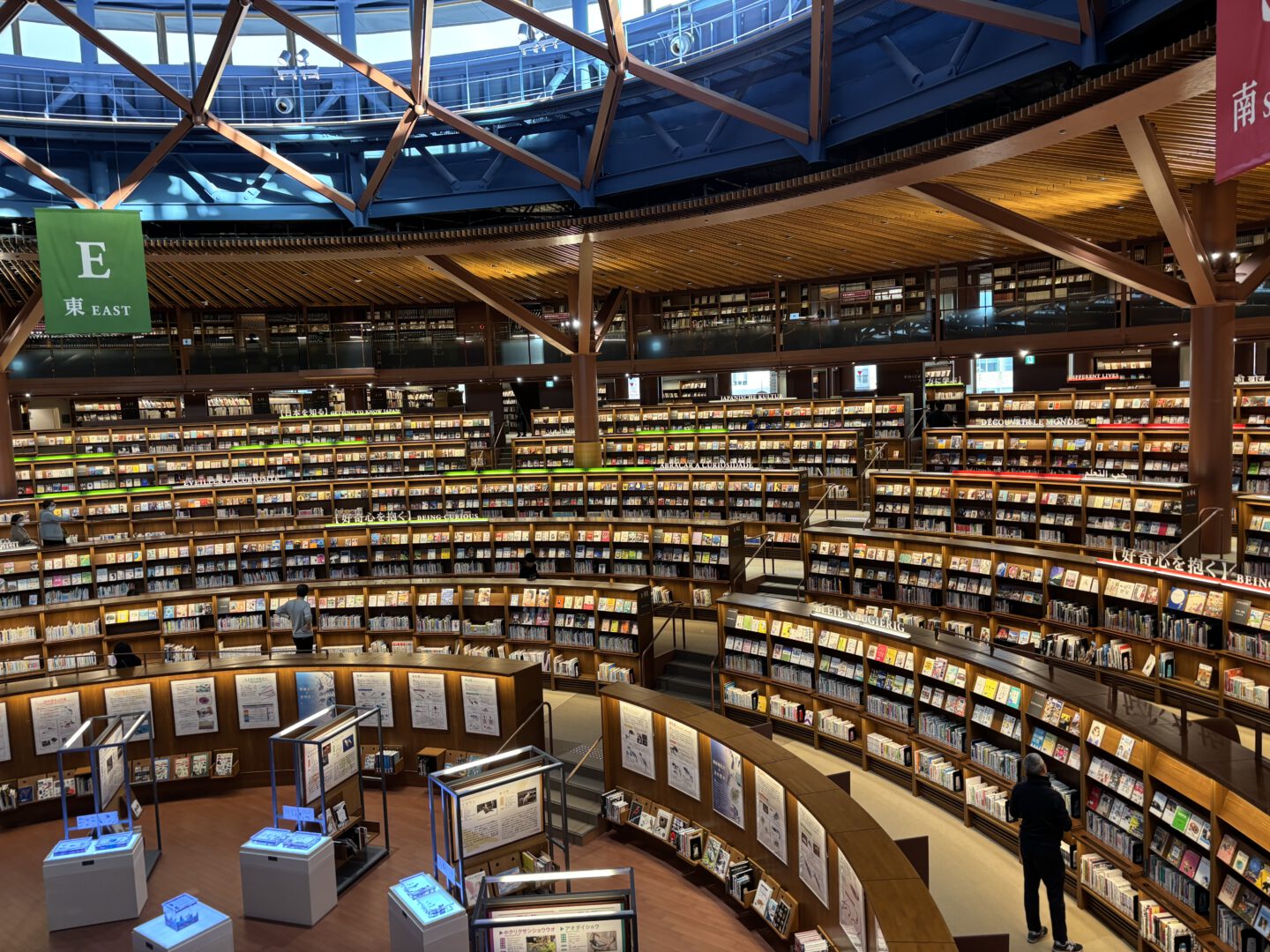
After finishing a round in the park, the rain became stronger again, and I had the idea to visit the prefectural library. A library is not the obvious stop on a city visit, but Kanazawa is worth coming to for places like this. The Ishikawa Prefectural Library recently moved into a new circular building that quickly became known for its architecture. You could see almost every bookshelf from nearly any position inside the building. It was nicely organized, not strictly by genre, but also by creative titles in multiple languages that evoked interest to explore beyond a certain genre. The center also contained an exhibition area, and on the top floor a large bridge structure allowed you to cross the open space from one side to the other.
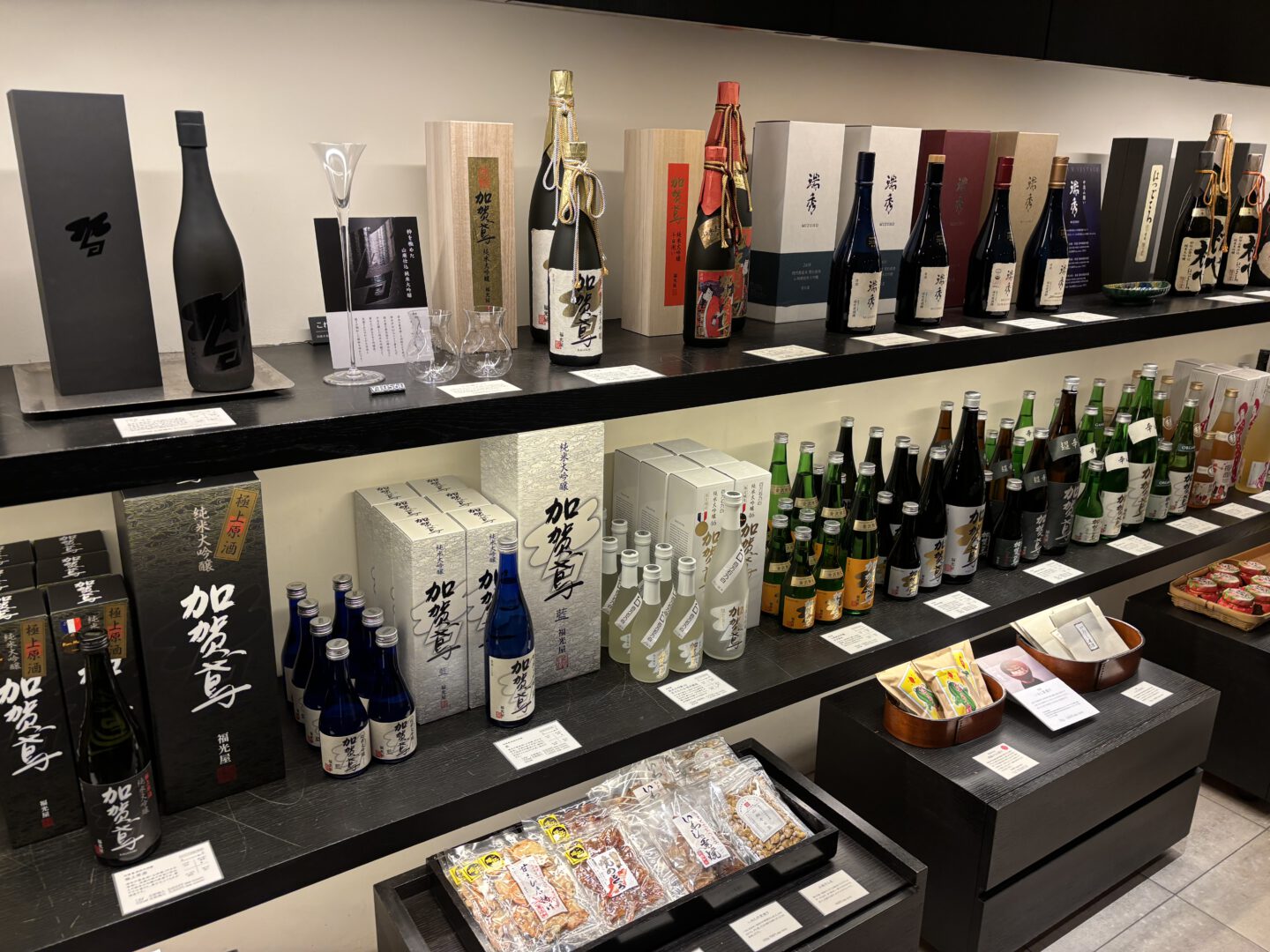
On the way back, we made a stop at Fukumitsuya sake brewery, a long-established local brewery founded in the early 17th century and considered the oldest in Ishikawa Prefecture. At their shop, you can taste a range of different sake styles, from fresh and unfiltered to aged varieties, offering a clear sense of the region’s profile. We all found something we really liked, so we each bought a few bottles of sake.
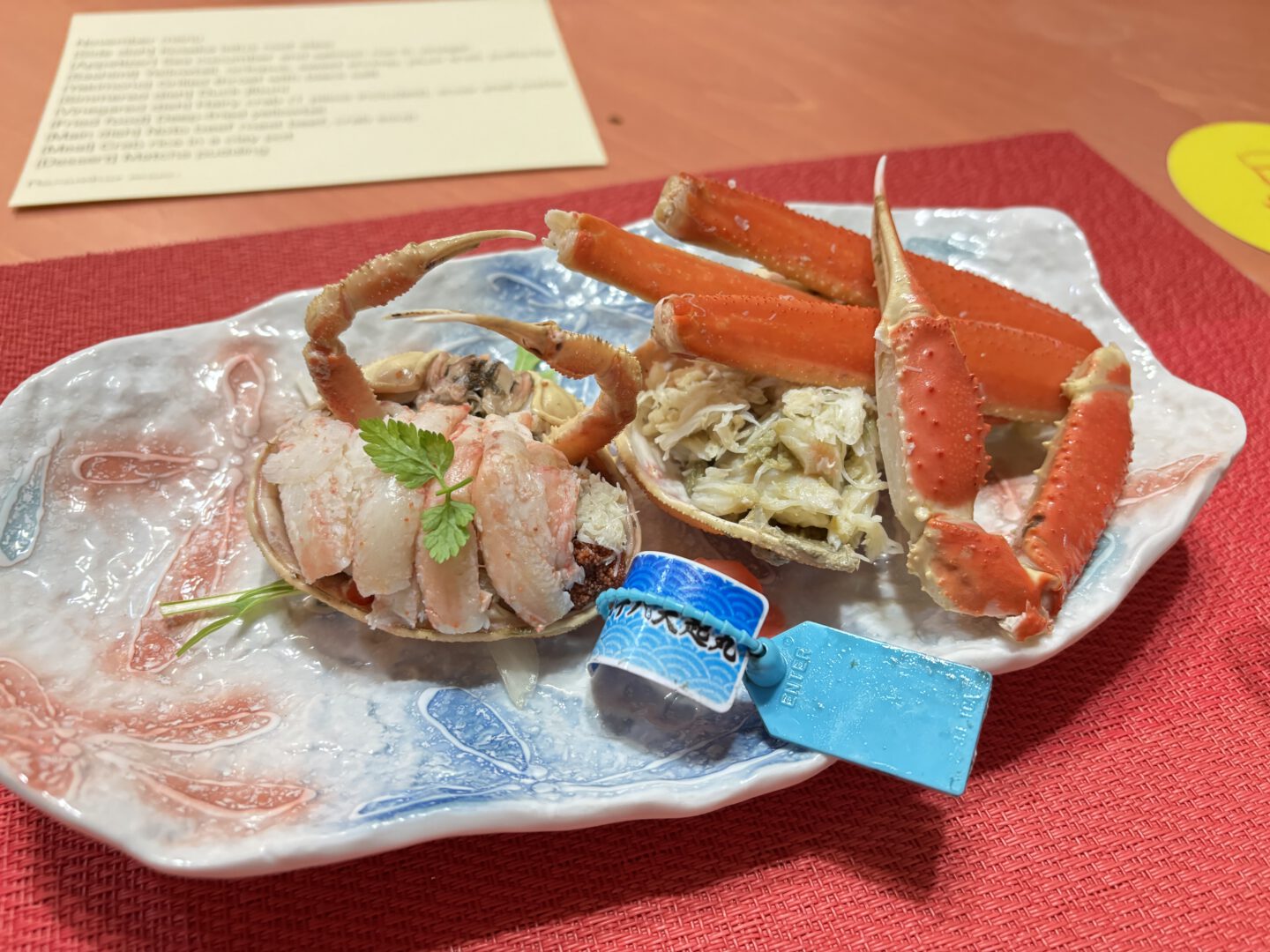
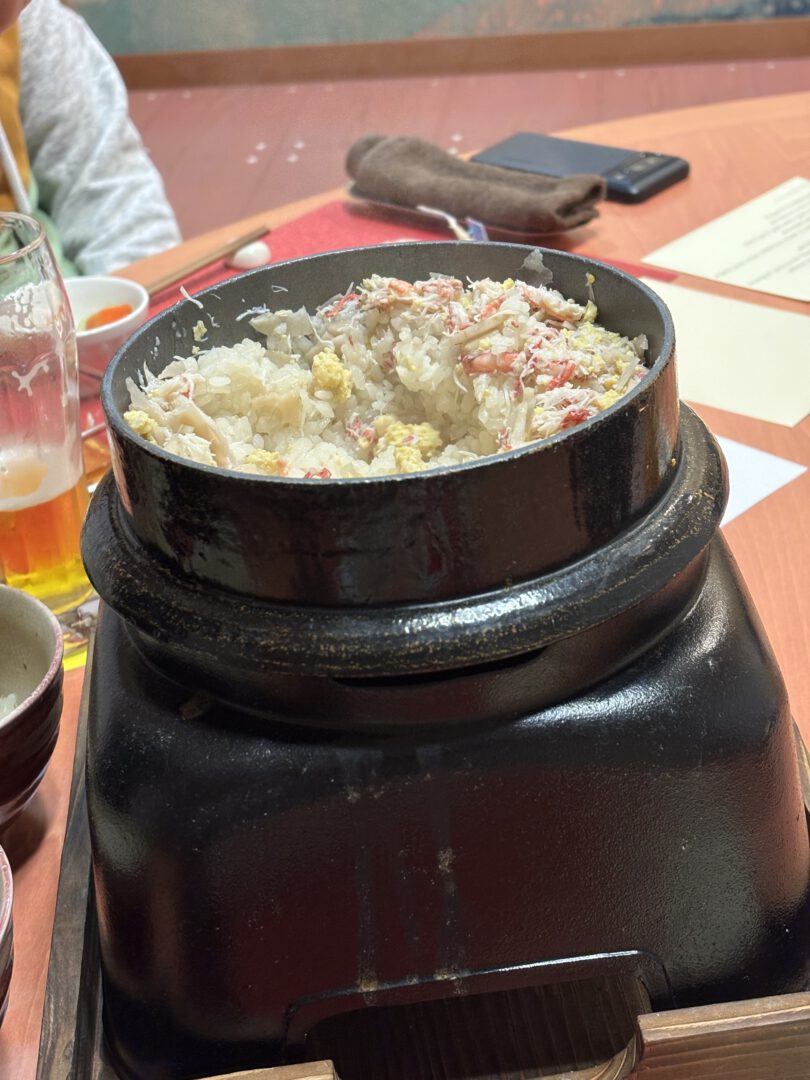
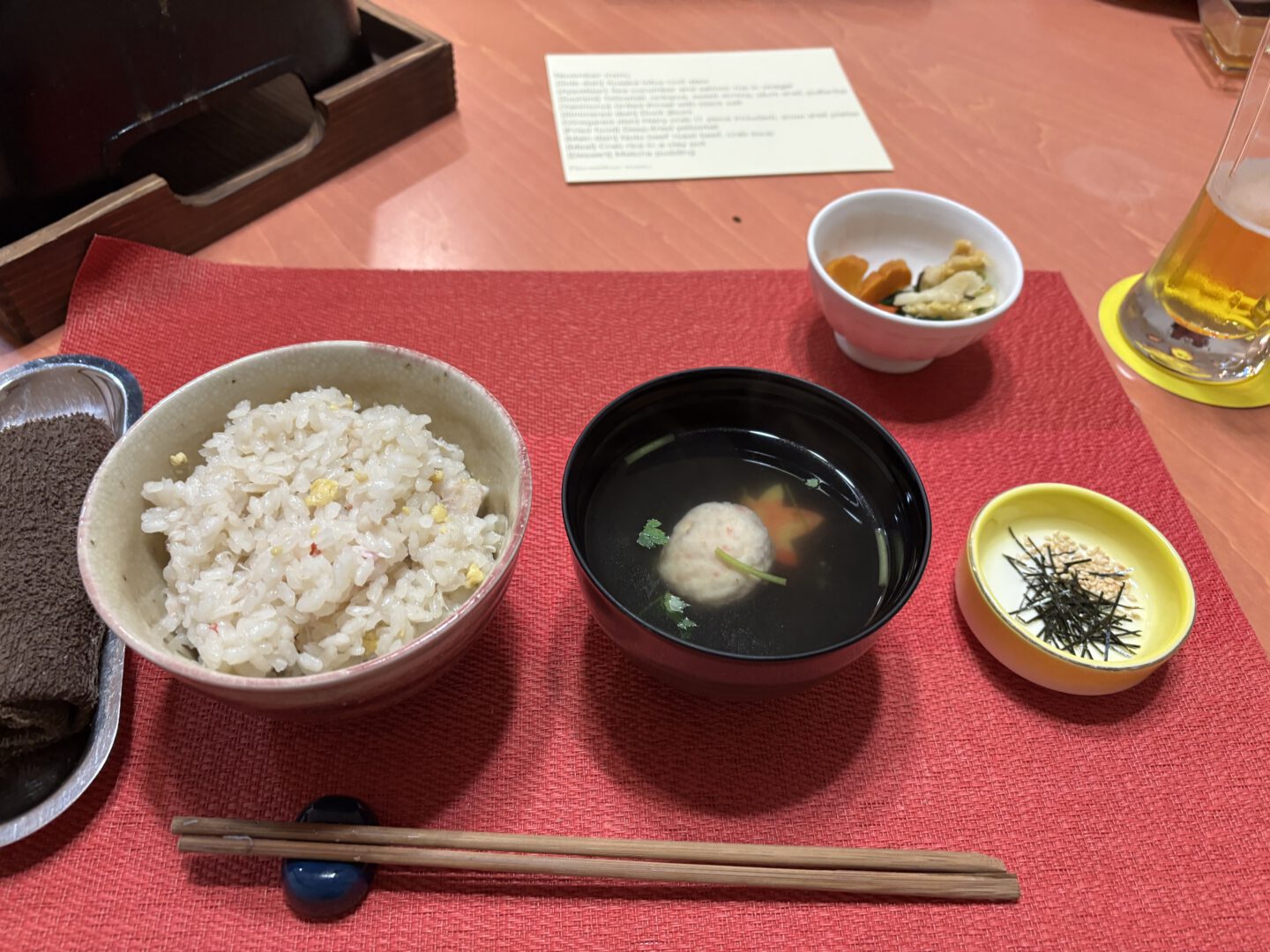
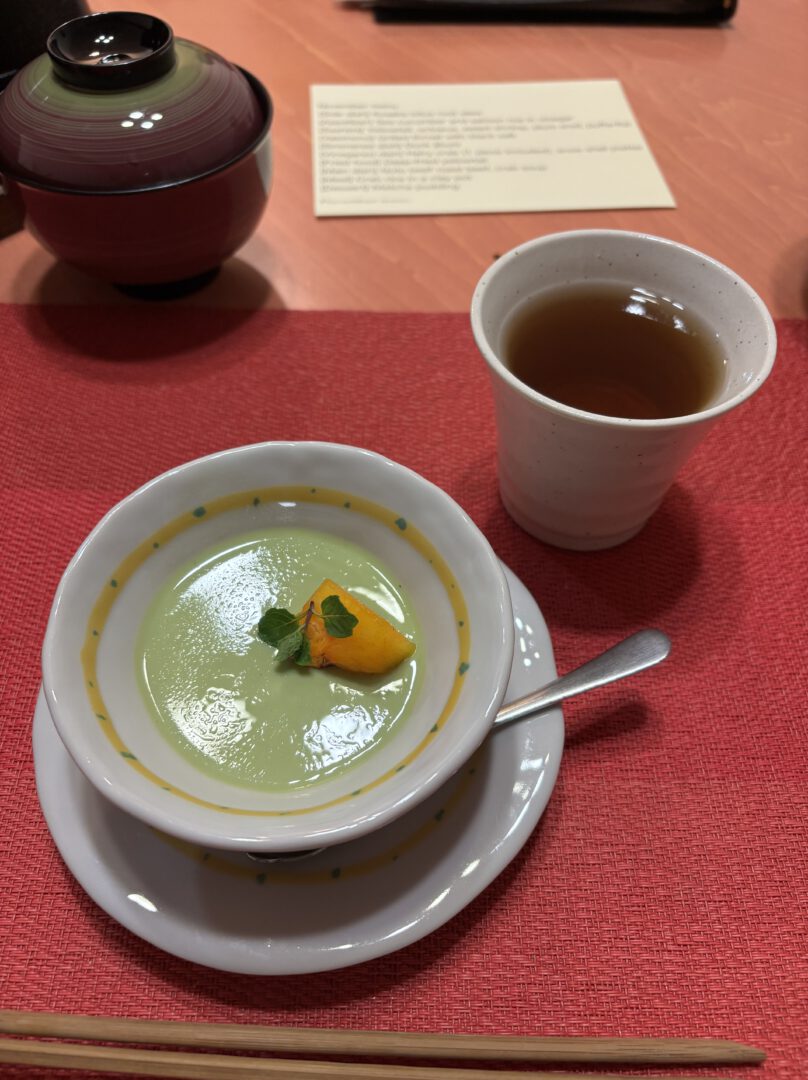
To celebrate the completion of our long journey over two weeks, we decided to splurge on a multi-courrse dinner at Kappo Takeshi. I searched out this place for a multi-course local Kaga dining experience and snow crab.
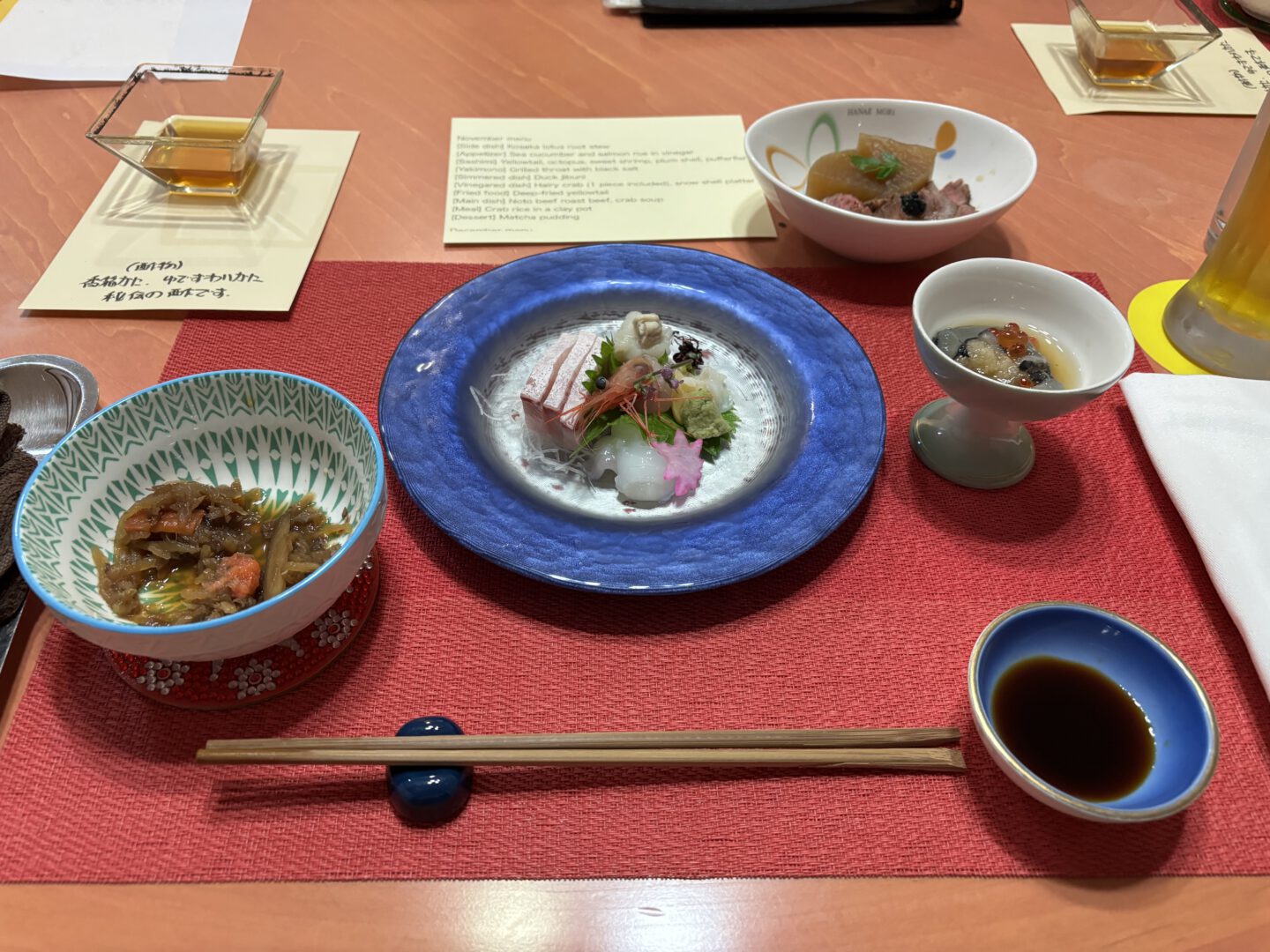
When we arrived at the restaurant, we were not sure we were at the right address because of the unassuming entrance and then surprised by the unusual layout. Instead of entering a kind of dining room, we were escorted through many different hallways and stairs like in an industrial building, but eventually ended up in a private room with a huge circular table where we had dinner by ourselves. Yukata-clad and suited waiters came and went, bringing us delicious dishes, each of them beautifully arranged, tasty, and phenomenal.
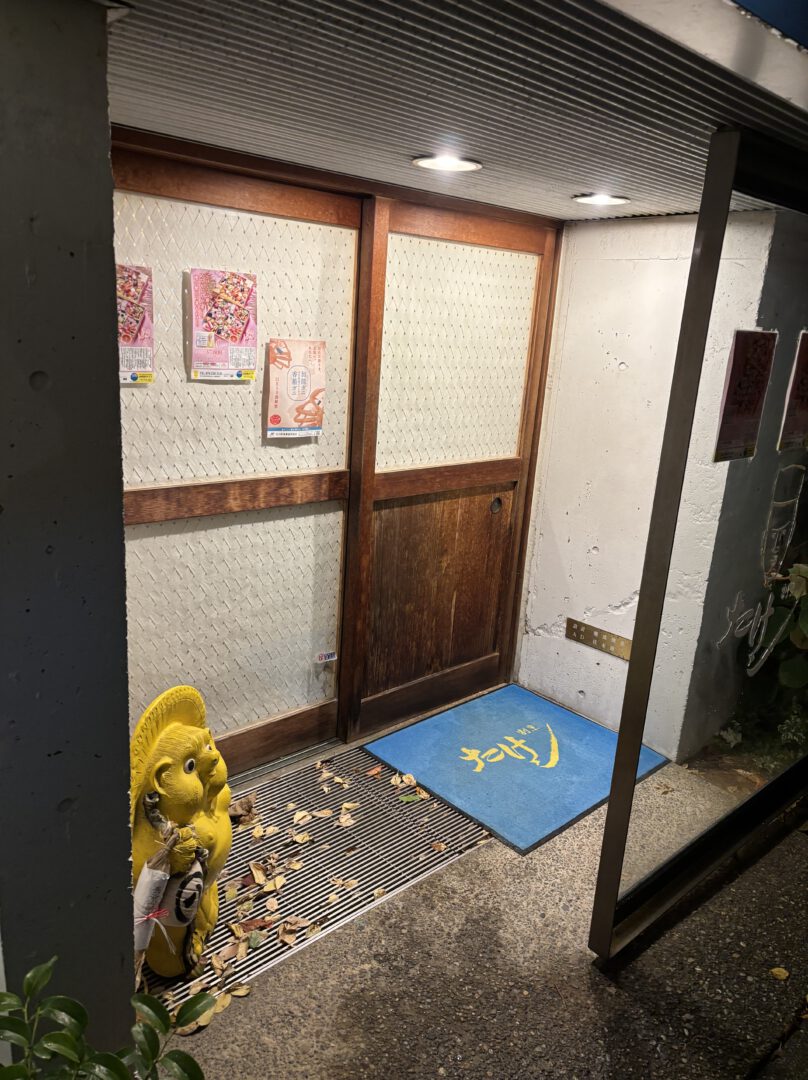
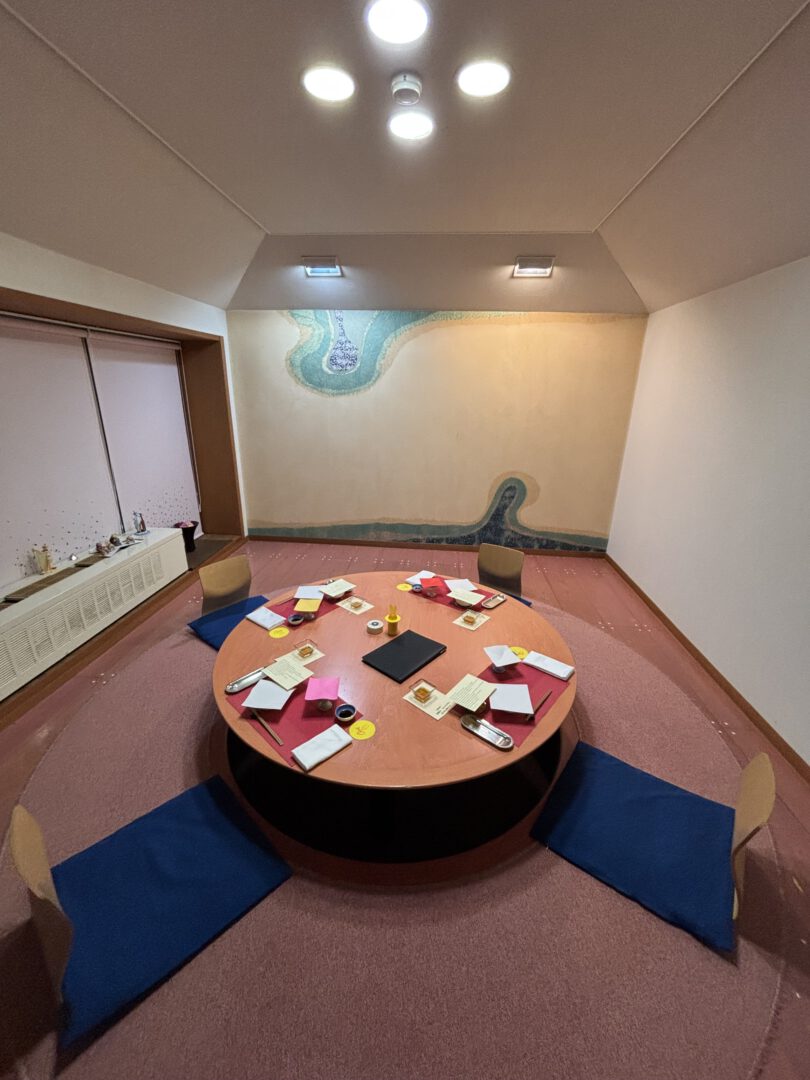
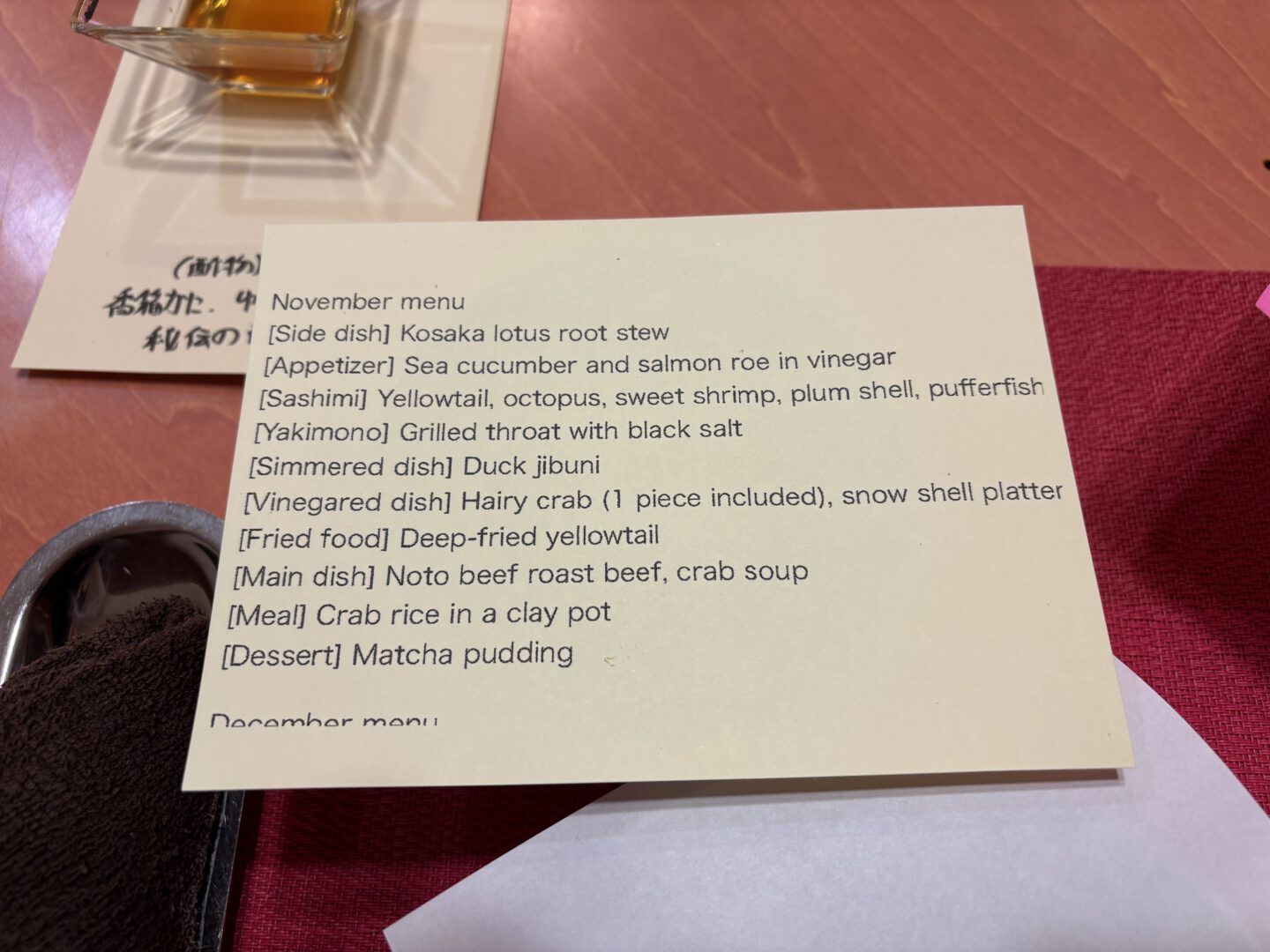
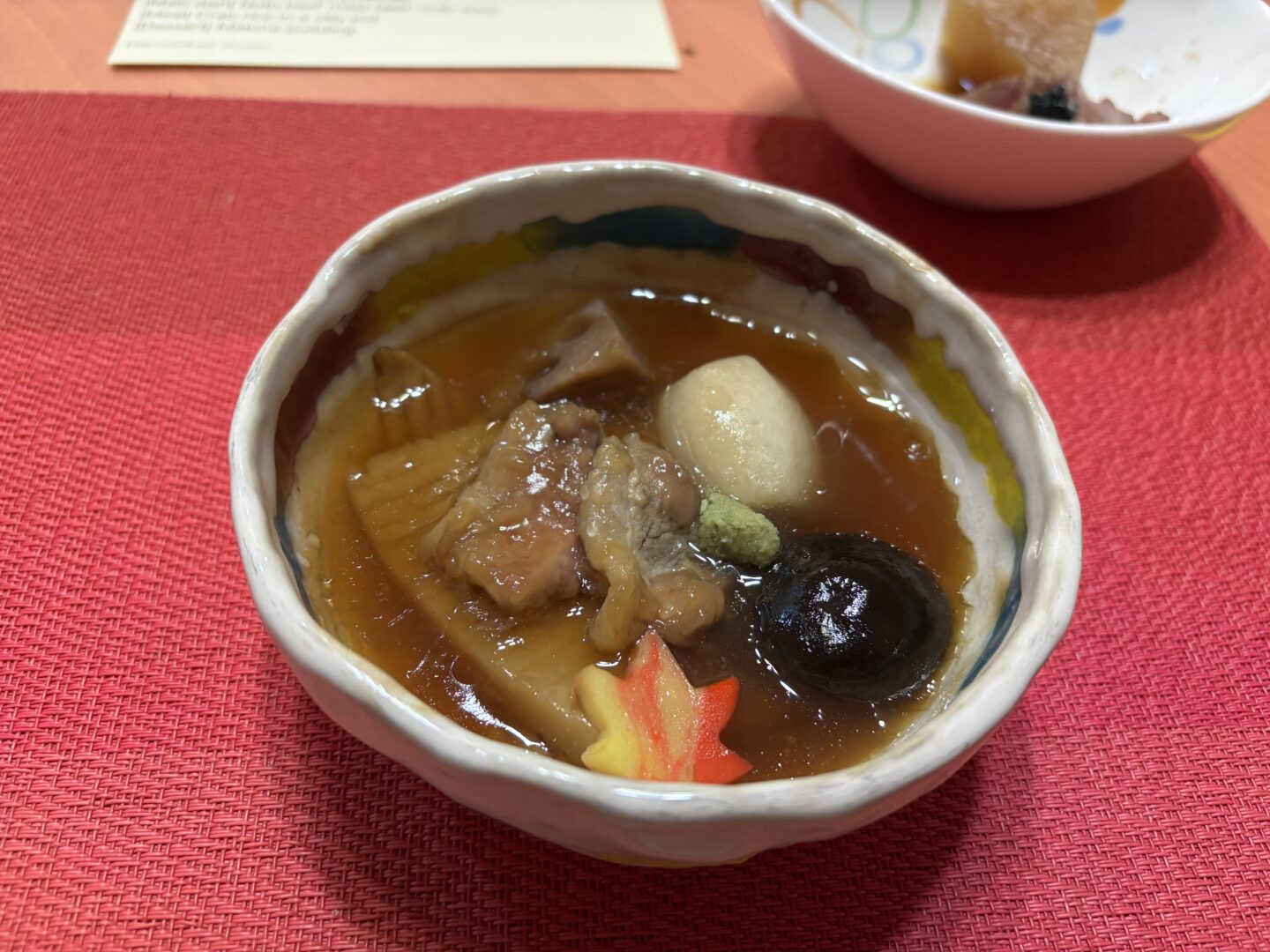
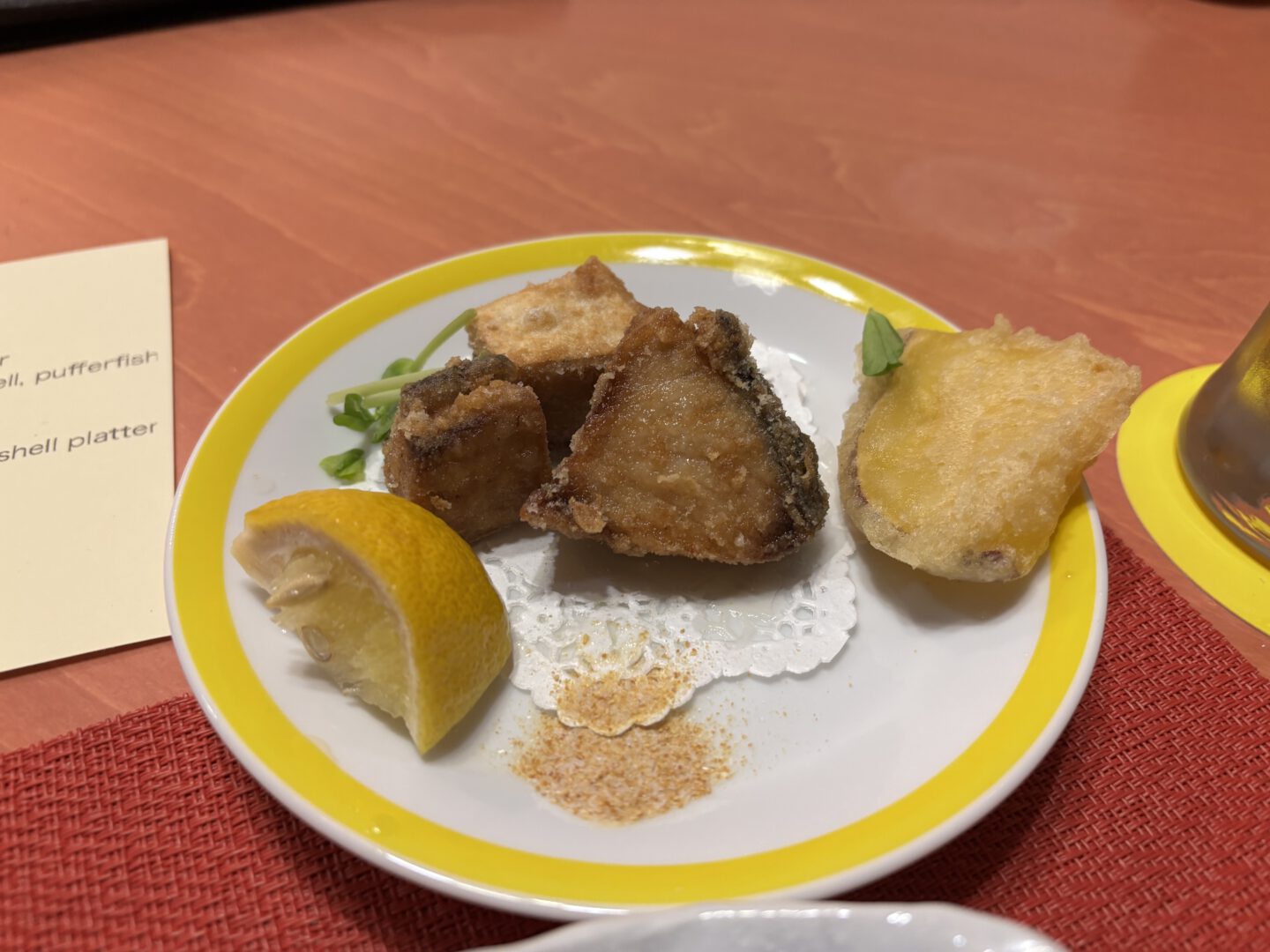
The moment I had been waiting for was the snow crab. And of course, they delivered. But there were also many other nice surprises on the menu, such as duck stew and nodoguro again, deep-fried local white fish, all finished up with a matcha dessert. We were curious about one of the waiters who kept serving us since he was quite young, so we asked him quite cheekily what he normally does besides waiting tables. We learned he was just doing this as a side job while studying medicine at university. When we left the restaurant, we were greeted by a chorus of thank-you shouts from the kitchen, and the head chef, wearing an all-yellow outfit, came out personally to thank us for visiting. We were really happy to have visited this place.
It was still raining, and the journey was too far, so we took a taxi back to the station, quickly bought the train tickets for the next morning, and called it a night.
Entdecke mehr von Tabimonogatari - 旅物語
Melde dich für ein Abonnement an, um die neuesten Beiträge per E-Mail zu erhalten.