Breakfast was easy: convenience-store food in the hotel room. I picked up the rental car for ten hours and drove straight to Hirado. I wanted to explore the coastline and island scenery beyond Sasebo, with the freedom to stop at places that would have been difficult to combine by public transport.
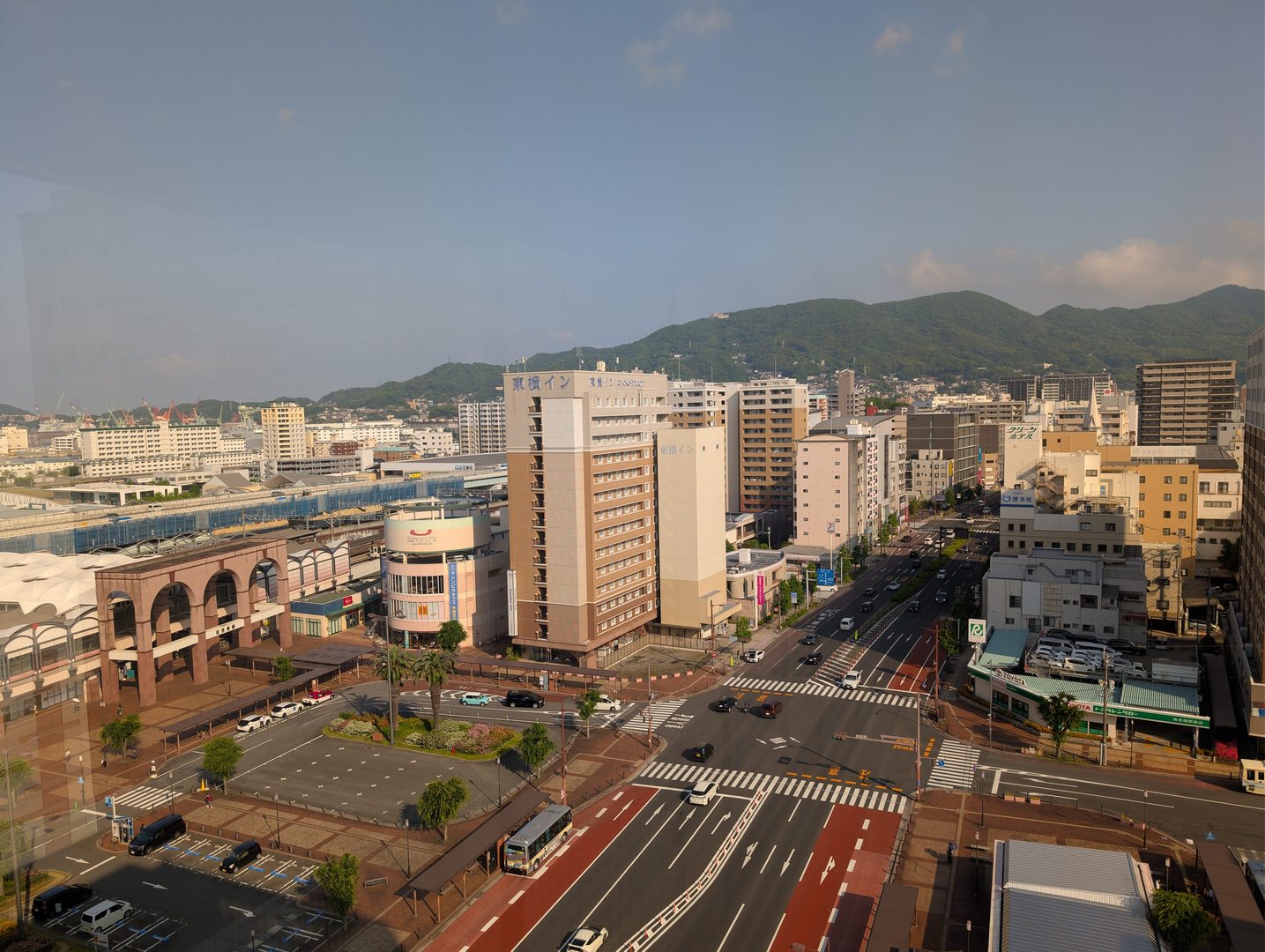
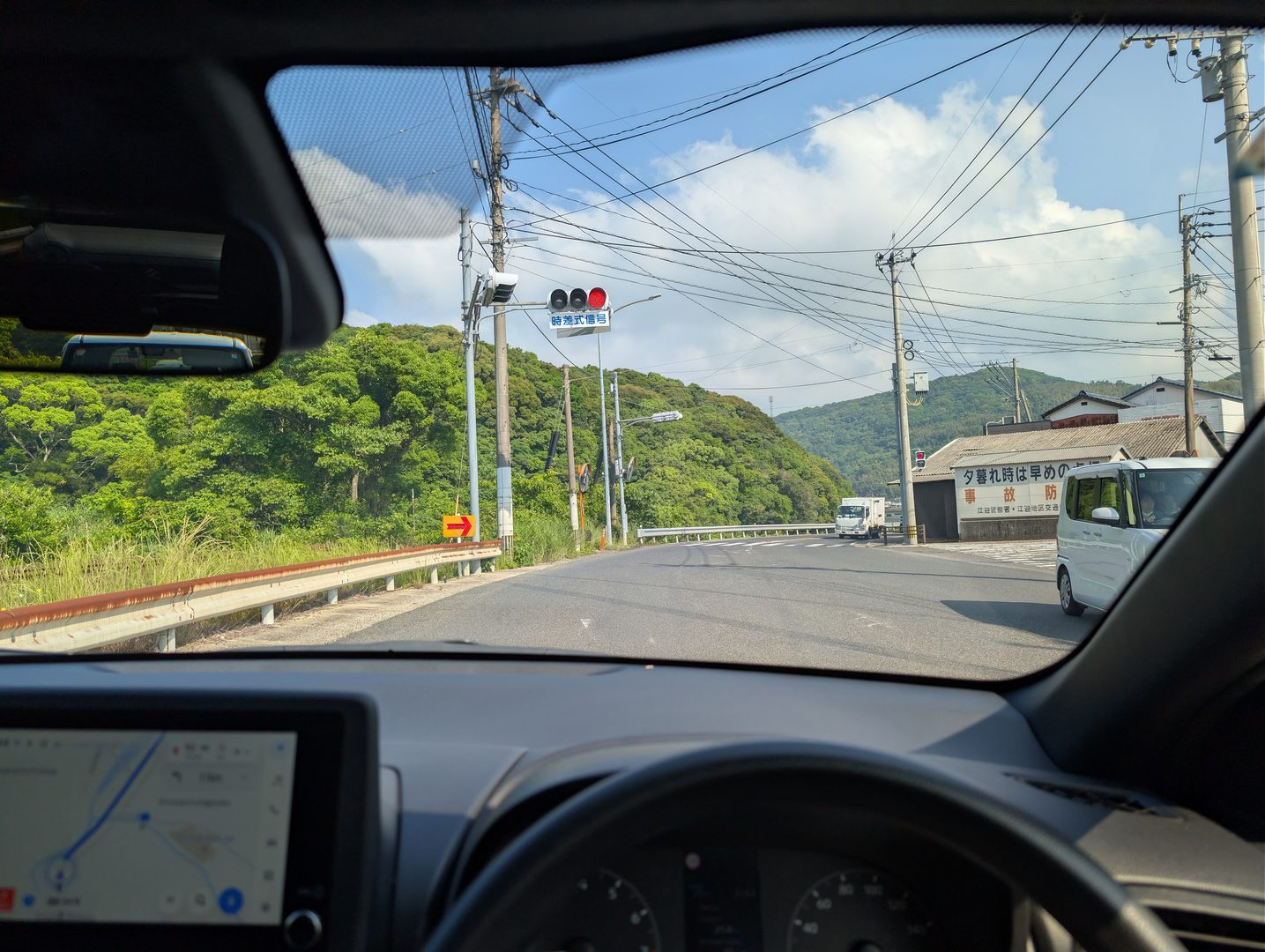
Hirado: Trading History and a Tea-Shop Welcome
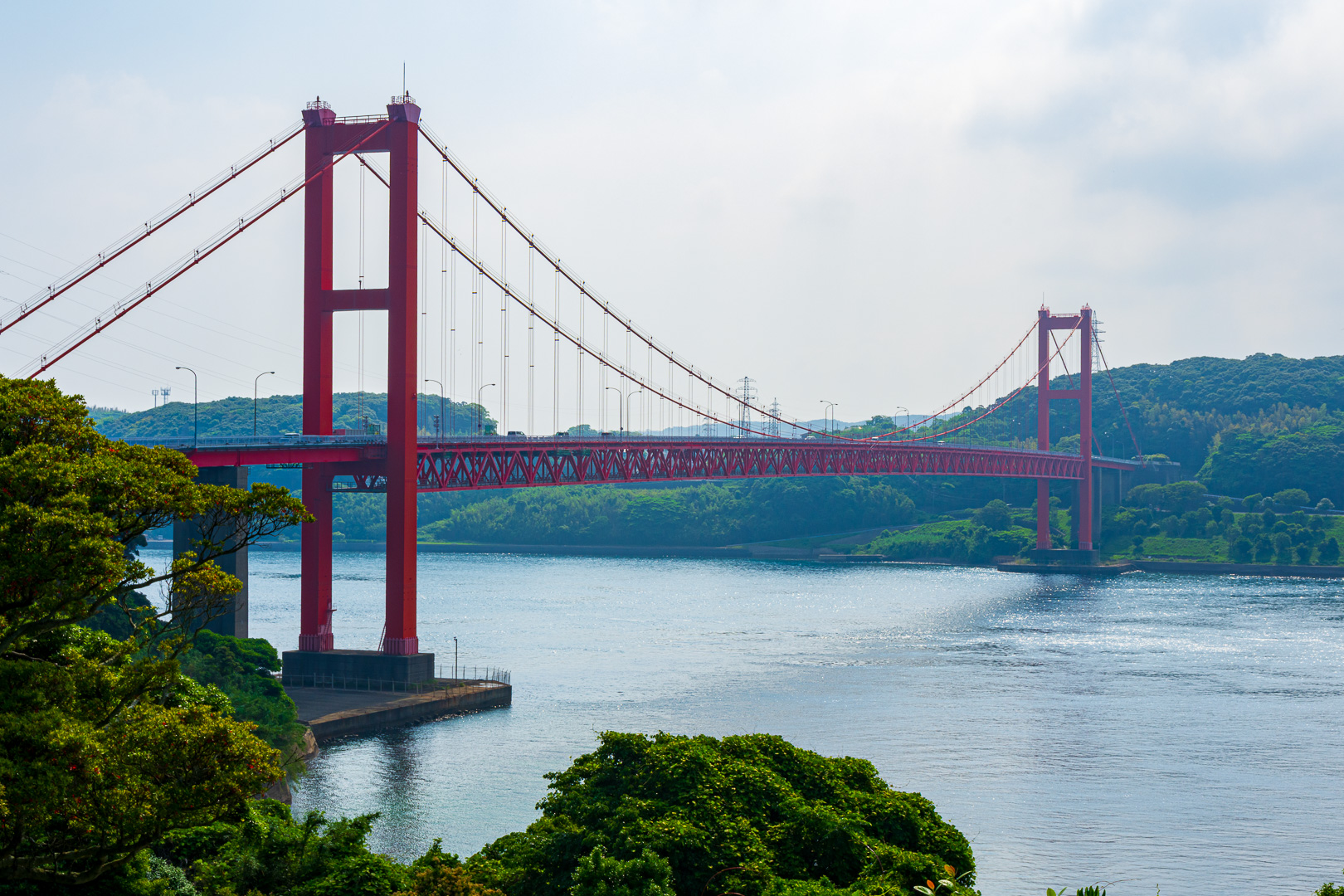
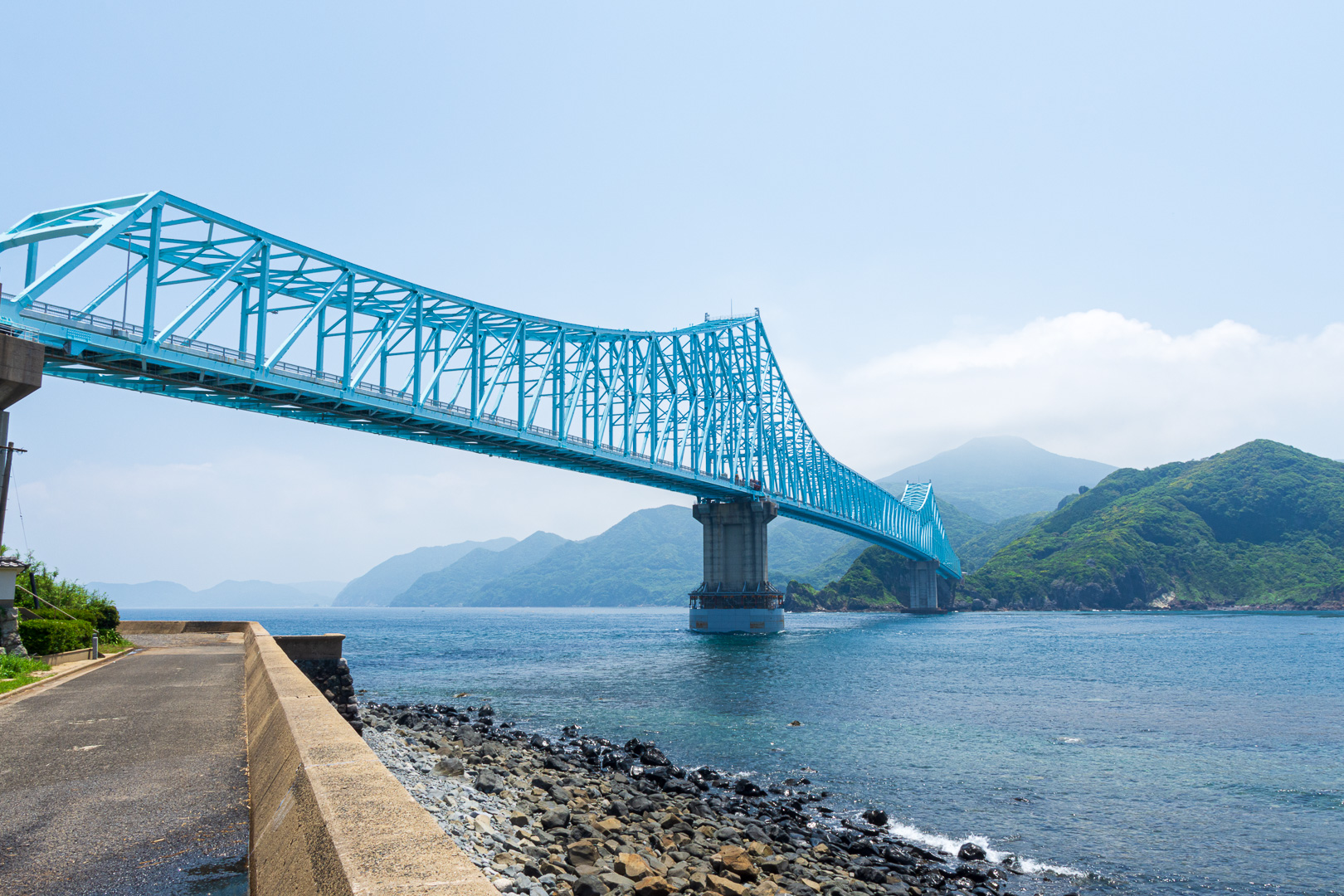
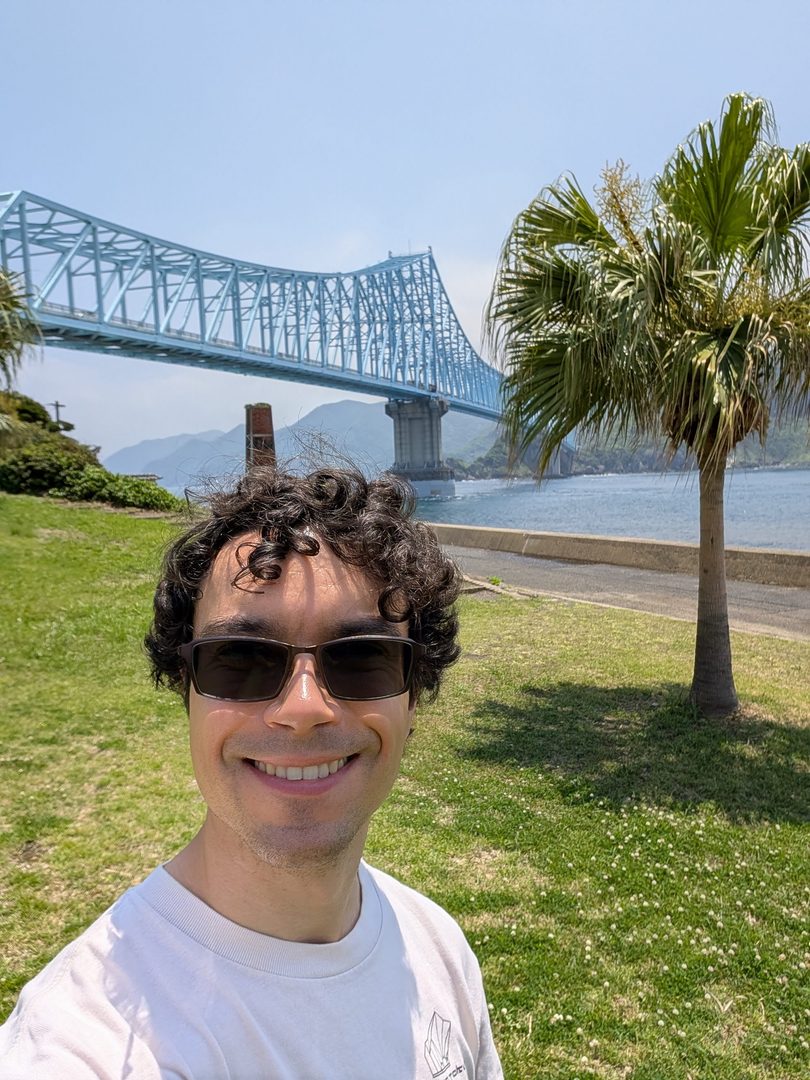
At Hirado Ōhashi, I stopped below the bridge to take a few pictures.
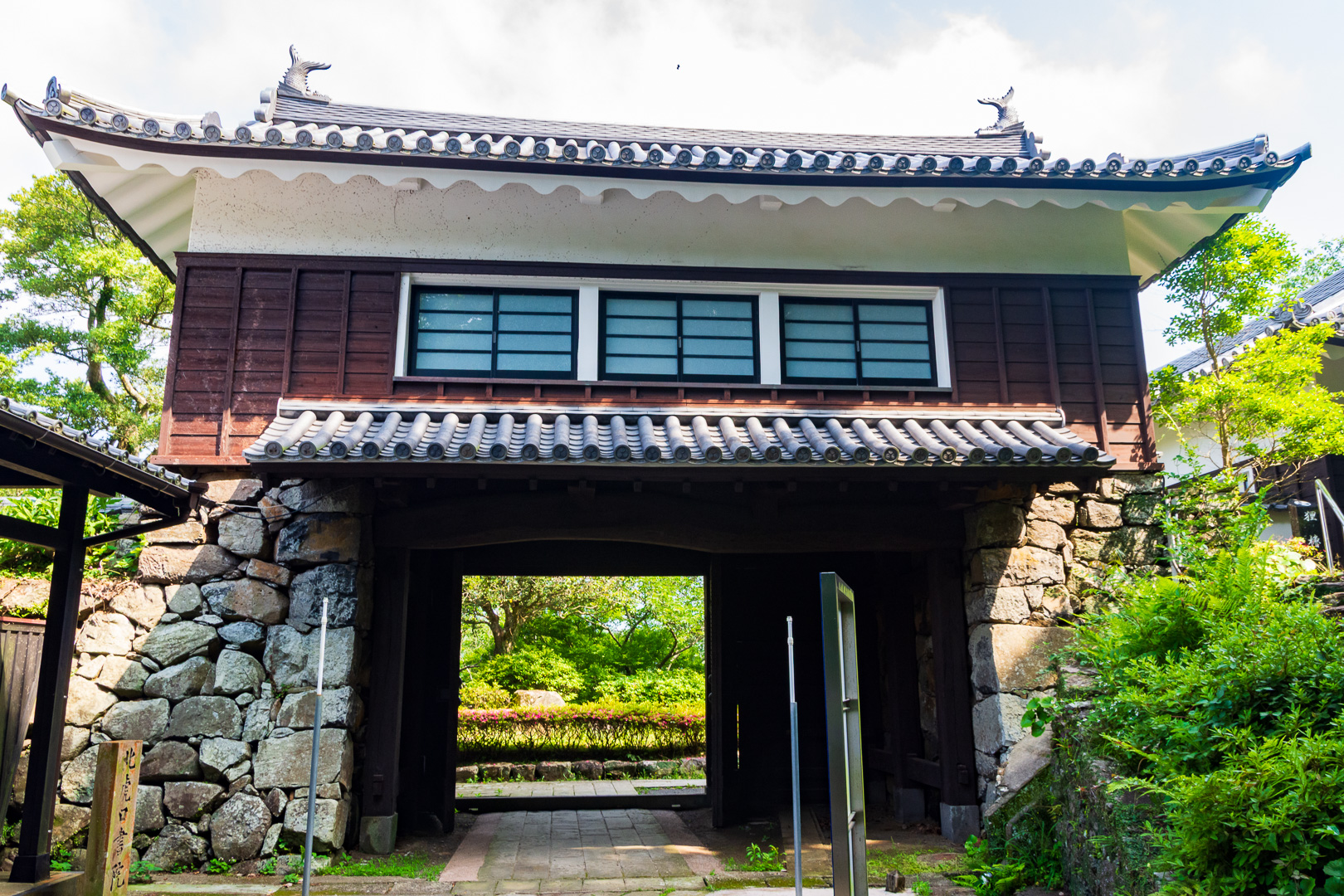
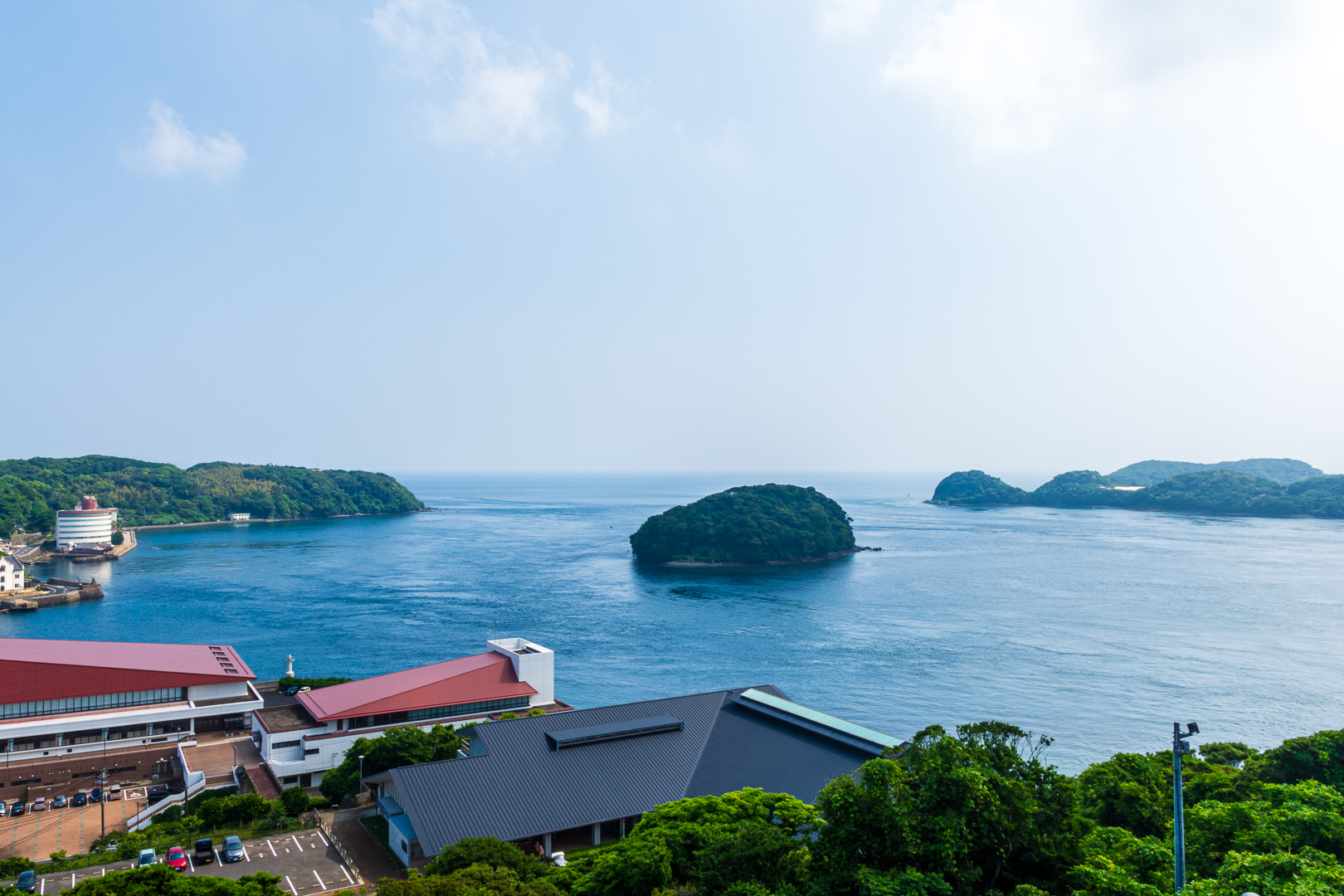
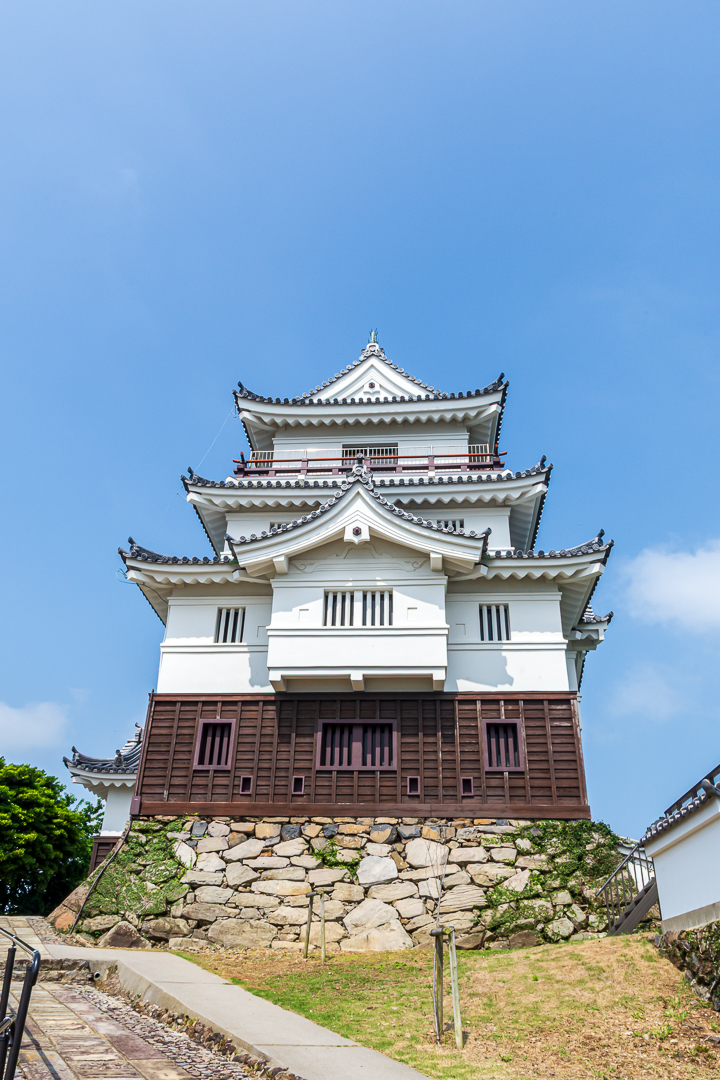
Hirado is a small town on Hirado Island. Its castle stands on a hill overlooking Hirado Bridge and the surrounding islands. The original castle was deliberately burned in 1613 and rebuilt about a century later. The present keep is a reconstruction completed in 1962. Like other defensive castles, it has many openings for aiming weapons at an enemy while maintaining a view over the territory. The interior is rather modest, but the nearby watchtower has exhibits and paintings connected to the Dutch, including a historic map showing how Japan was understood at the time.
On the next hill is St. Francis Xavier Memorial Church, a Catholic church that can be visited. Just as I arrived, a tour group of Japanese seniors did too. It became crowded quickly. Only a small entrance area was accessible, and photography was not permitted. Inside, the church had a modest, modern appearance.
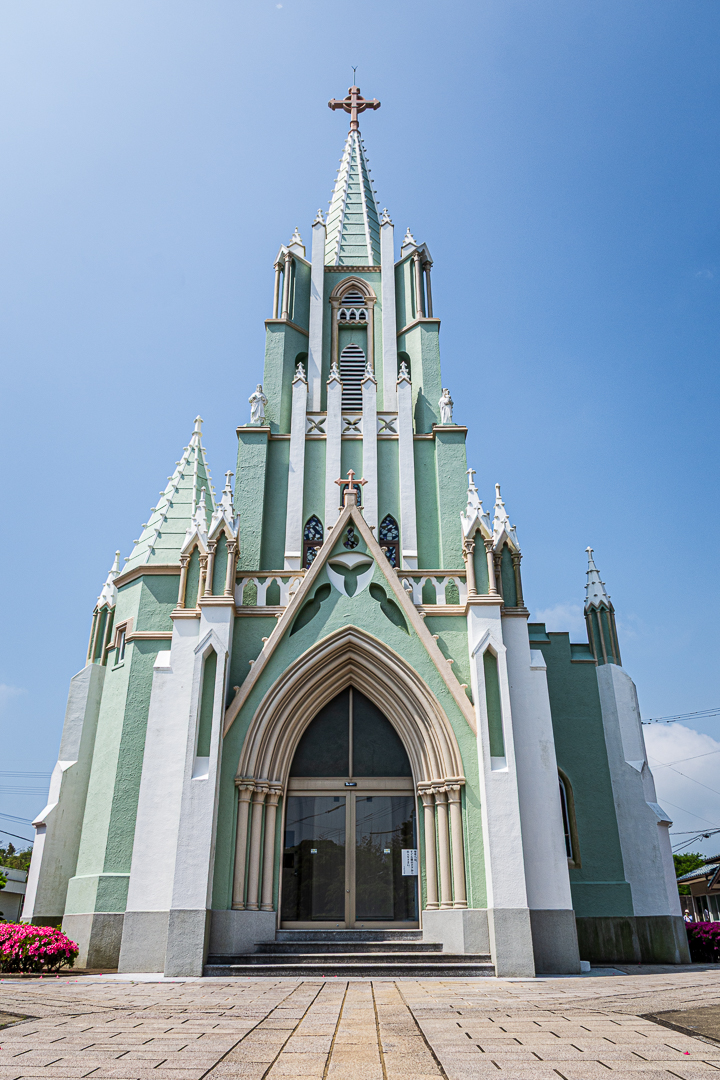
Francis Xavier visited Hirado in 1550, a year after arriving in Japan. The present Gothic-style church was built here in 1931, replacing an earlier church elsewhere in town.
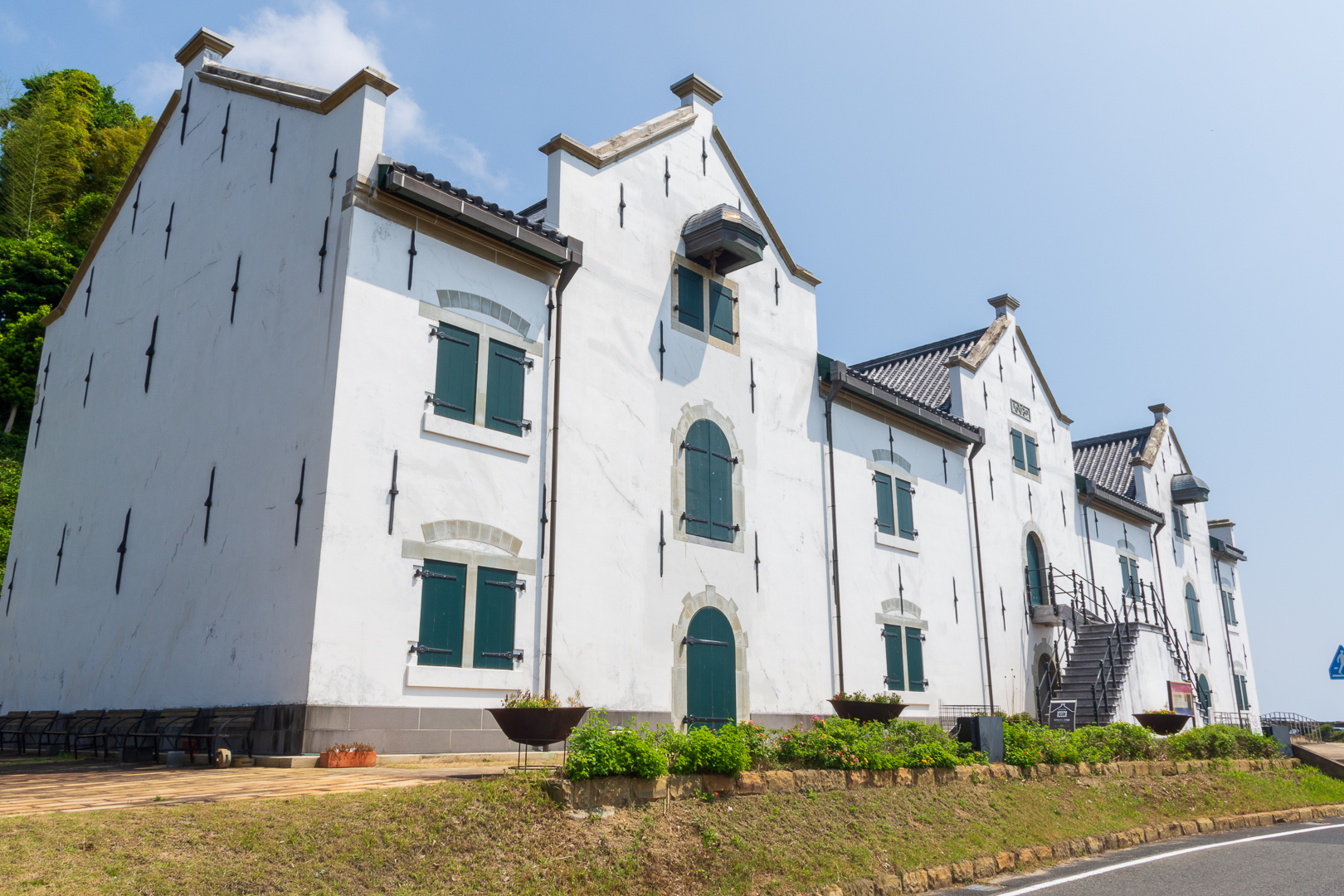
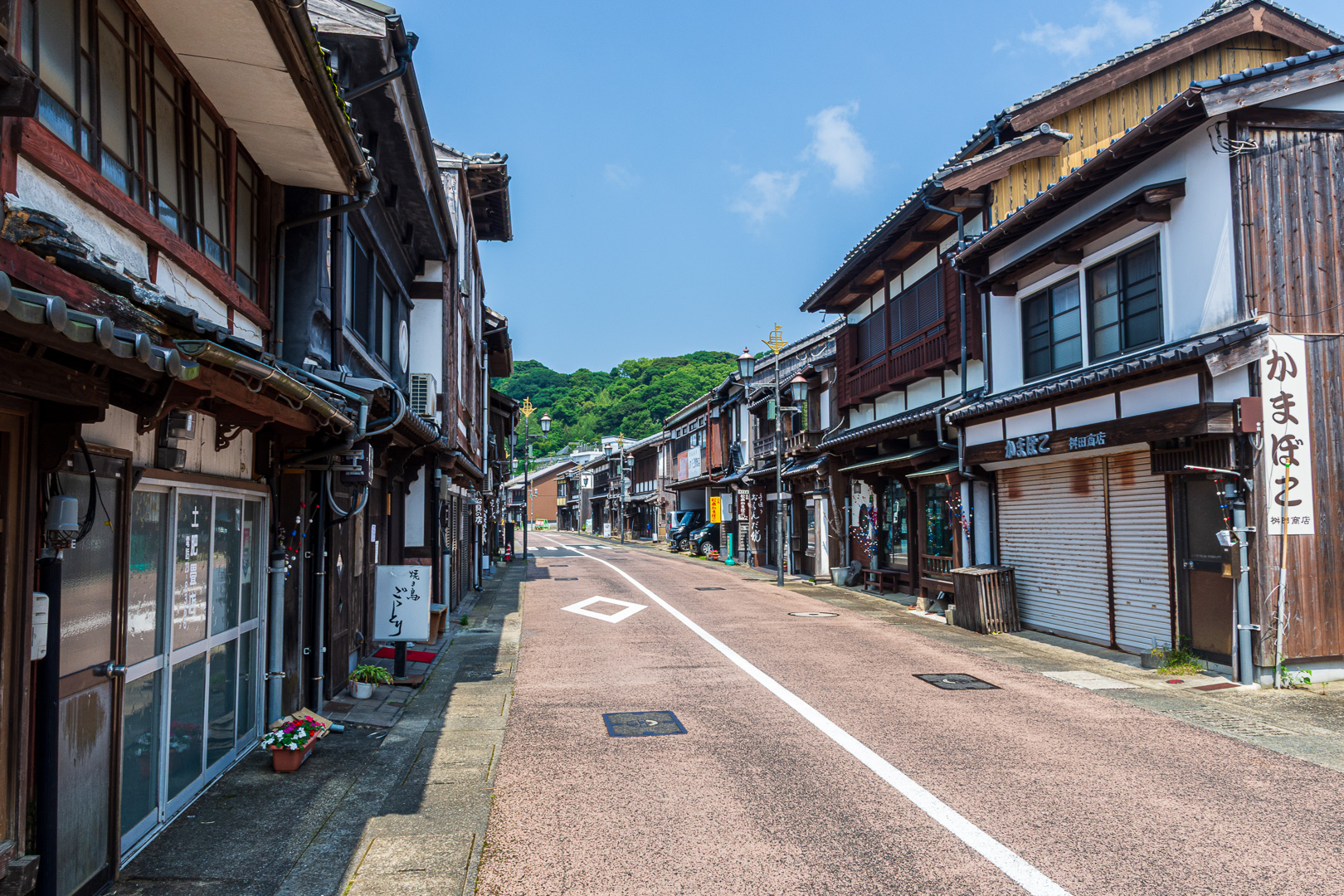
At Dejima the day before, I had learned how the Dutch trading post had moved from Hirado to Nagasaki in 1641. Here in Hirado, its former site is now a museum where you can learn about the earlier history of Dutch trade in Japan. The post had operated here from 1609. Its 1639 warehouse, built in a Western style, has been reconstructed. Other sites include a historic shopping street and an onsen for the arms and feet.
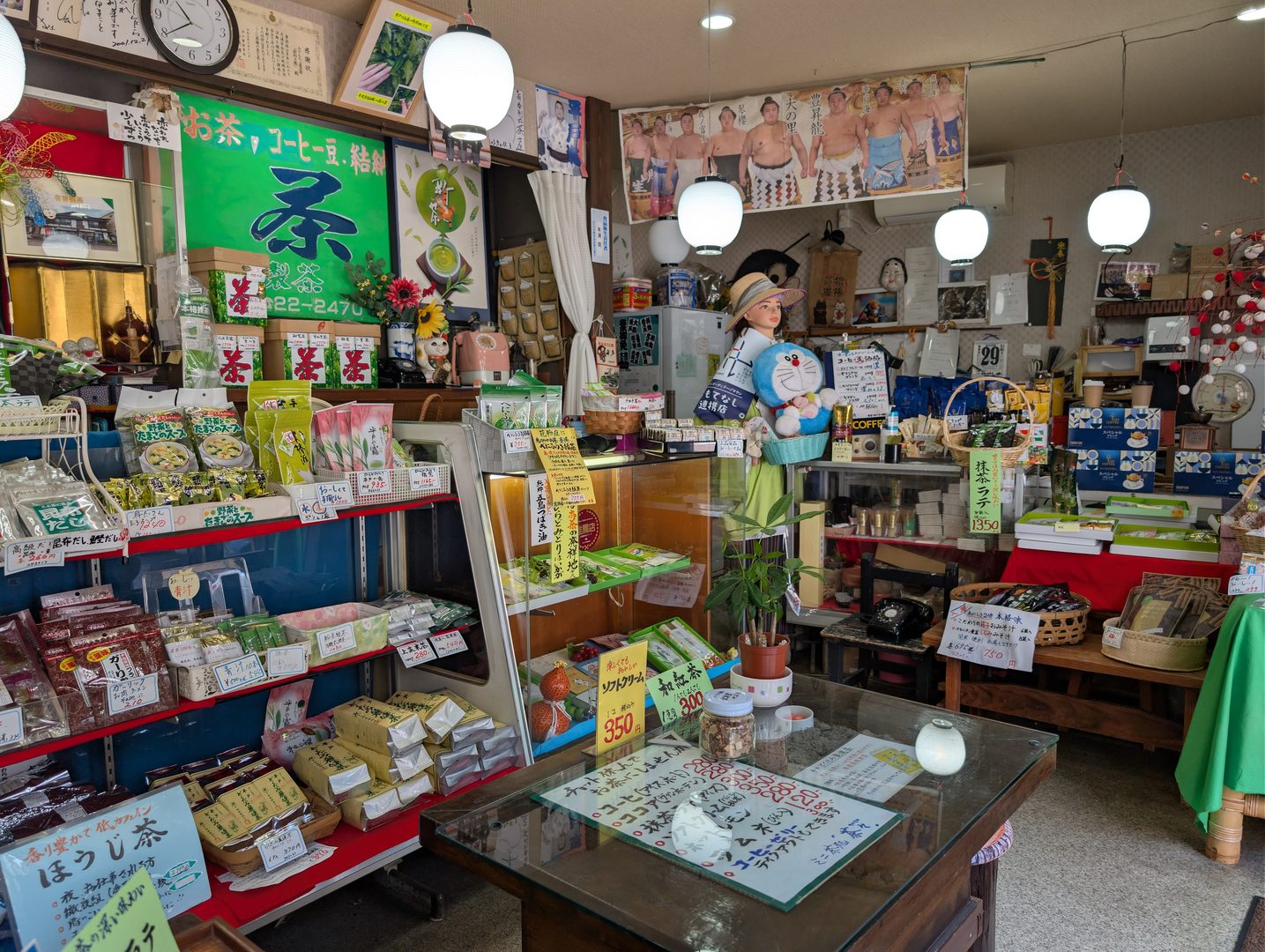
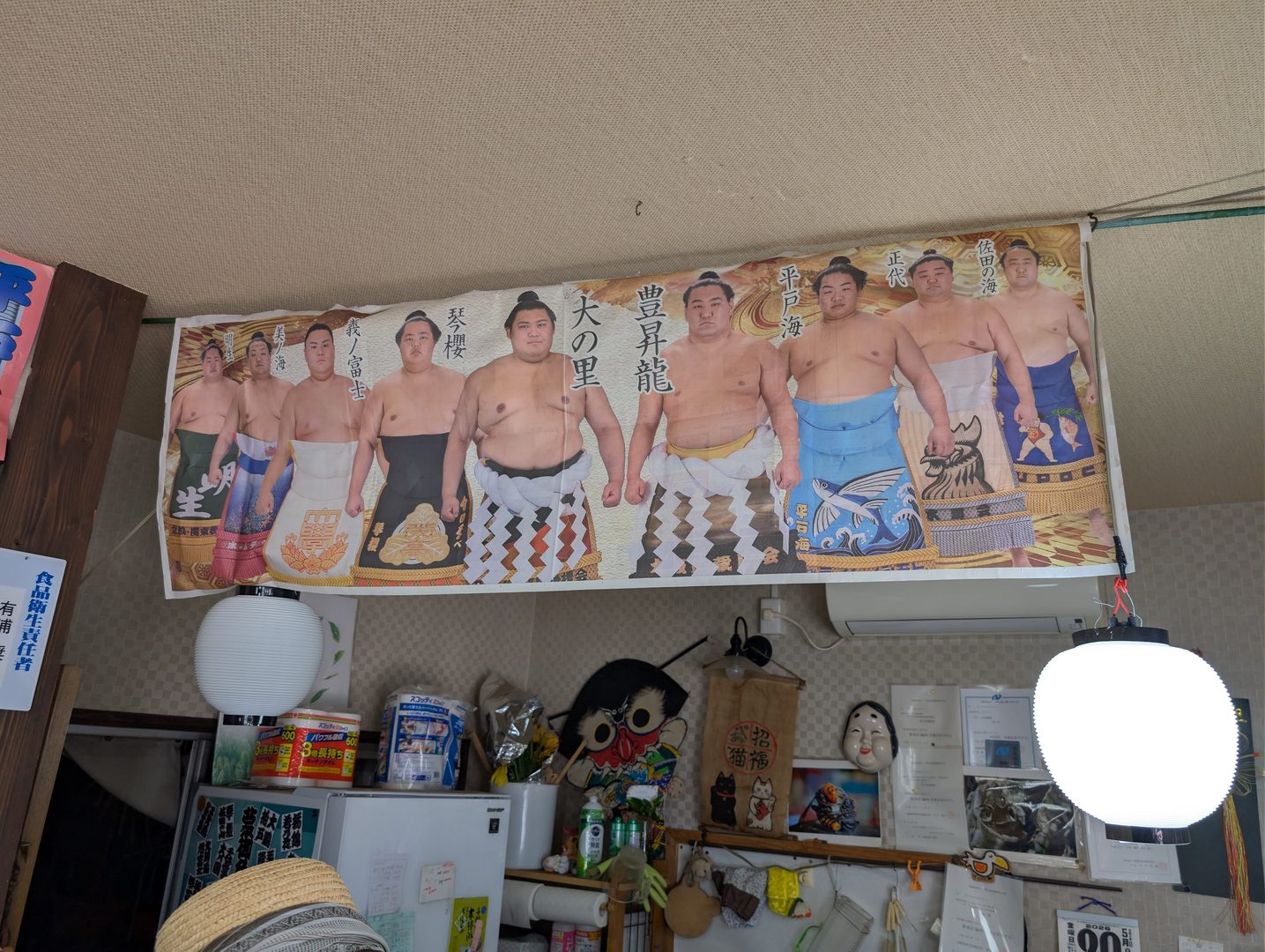
Passing a tea shop, a kind woman invited me inside and served me cold tea and a wet towel to cool down. She told me that the sumo wrestler Hiradoumi is from this region and that she knew his relatives. I bought some tea from the area, and she let me compare different grades by tasting them—not as tea, but by eating the dried leaves.
Seafood and Quiet Roads on Ikitsuki
Half an hour later, I crossed another bridge to Ikitsuki Island, west of Hirado. As I entered the town, the smell of sea and fish was in the air and fishing boats filled the harbor, so I knew what I would have for lunch.
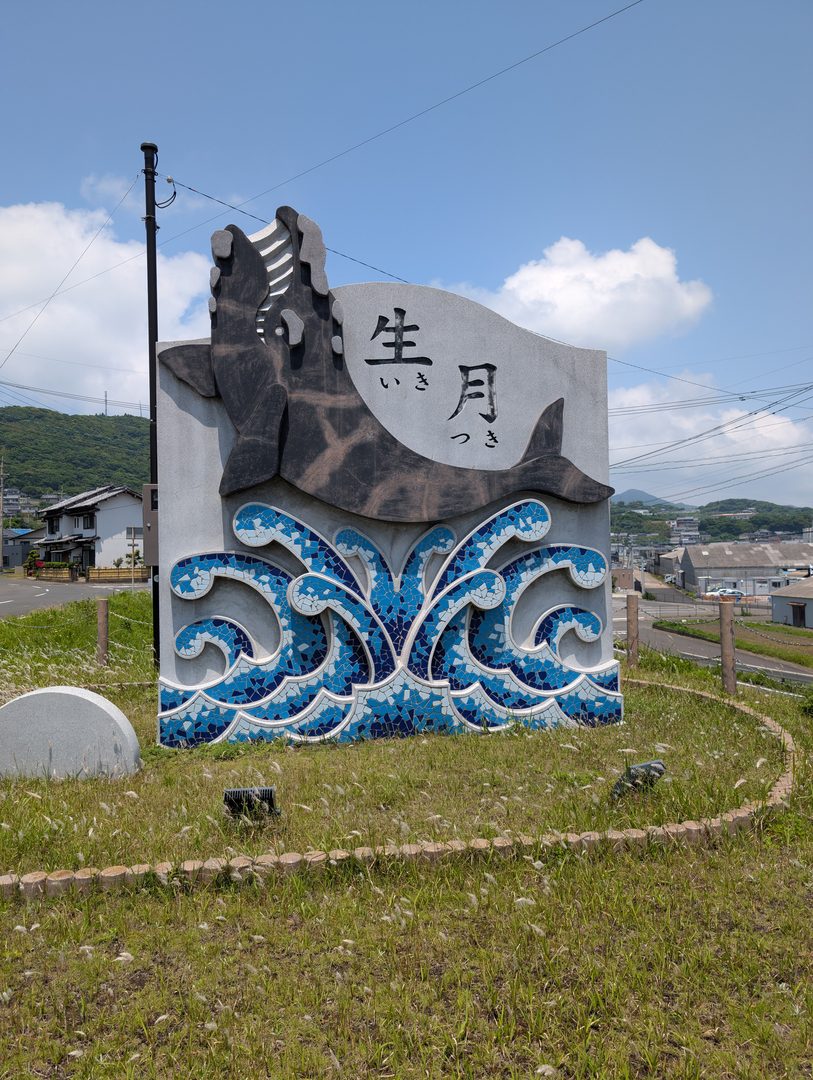
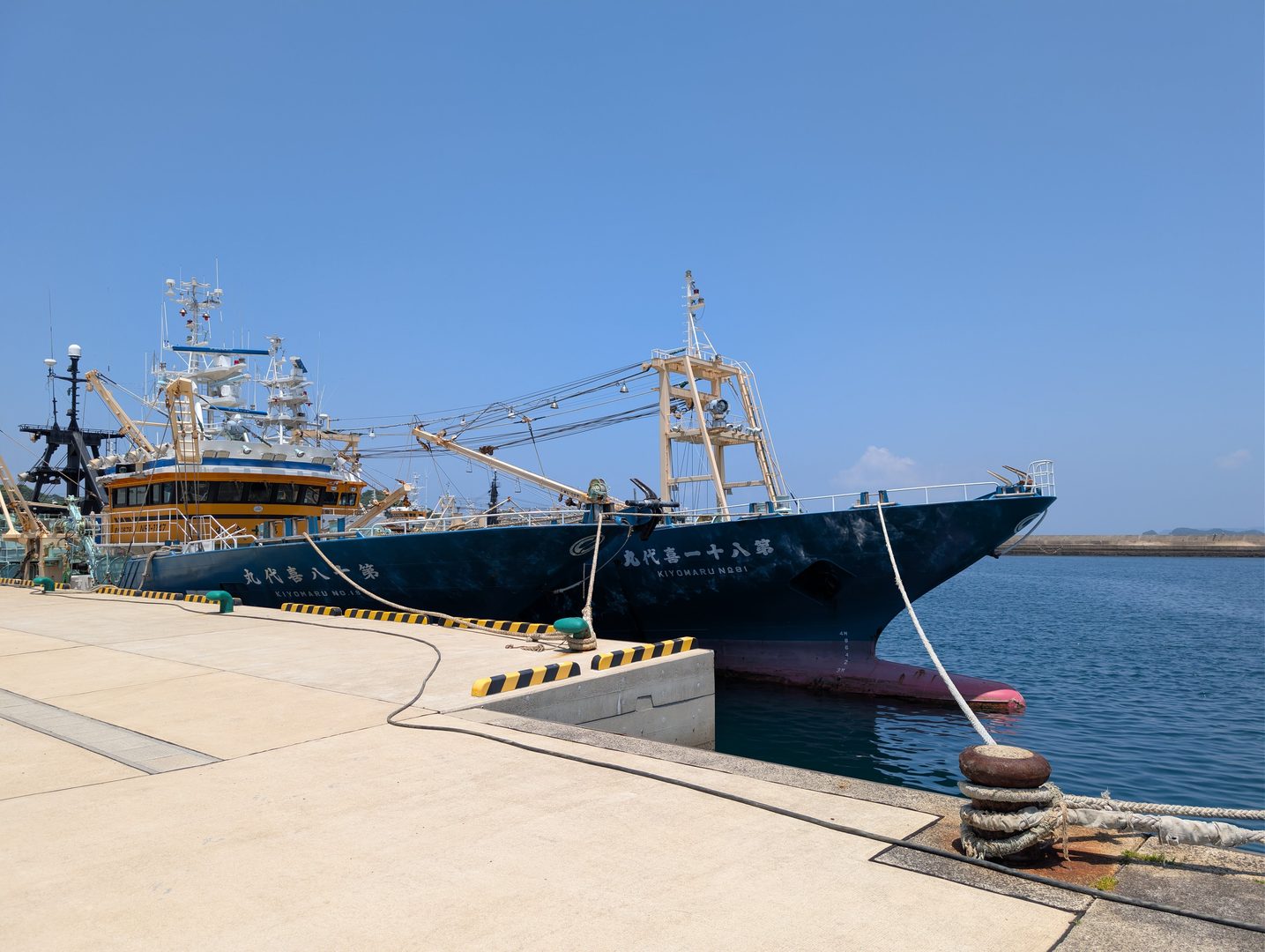
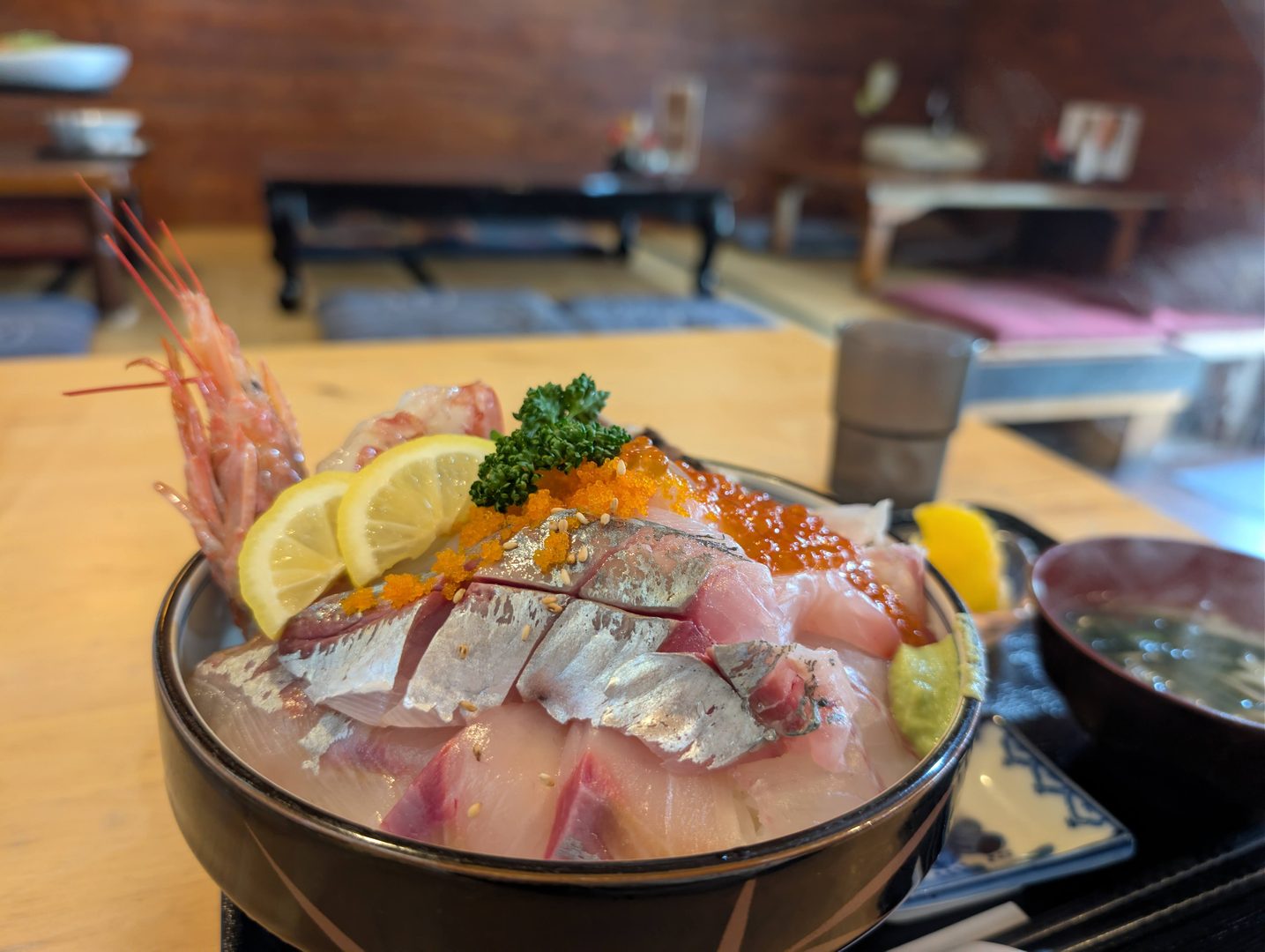
In the small town of Ikitsuki, overlooking the fishing boats, I found Oshiki Shokudo (大敷食堂), a cozy restaurant full of locals. I ordered the well-regarded deluxe kaisen-don seafood bowl, which was both delicious and affordable. The bowl included hirame flounder, suzuki sea bass, tai sea bream, and akaebi shrimp. Funnily enough, the locals were ordering other dishes without seafood—perhaps they were hungry fishermen after a long day of work.
At the adjacent shop, I bought ochazuke with small fish and pickled daikon. I really like this kind of tsukemono. The owner kindly gave me a dorayaki on the house, and we talked a little about my journey so far and where I had come from.
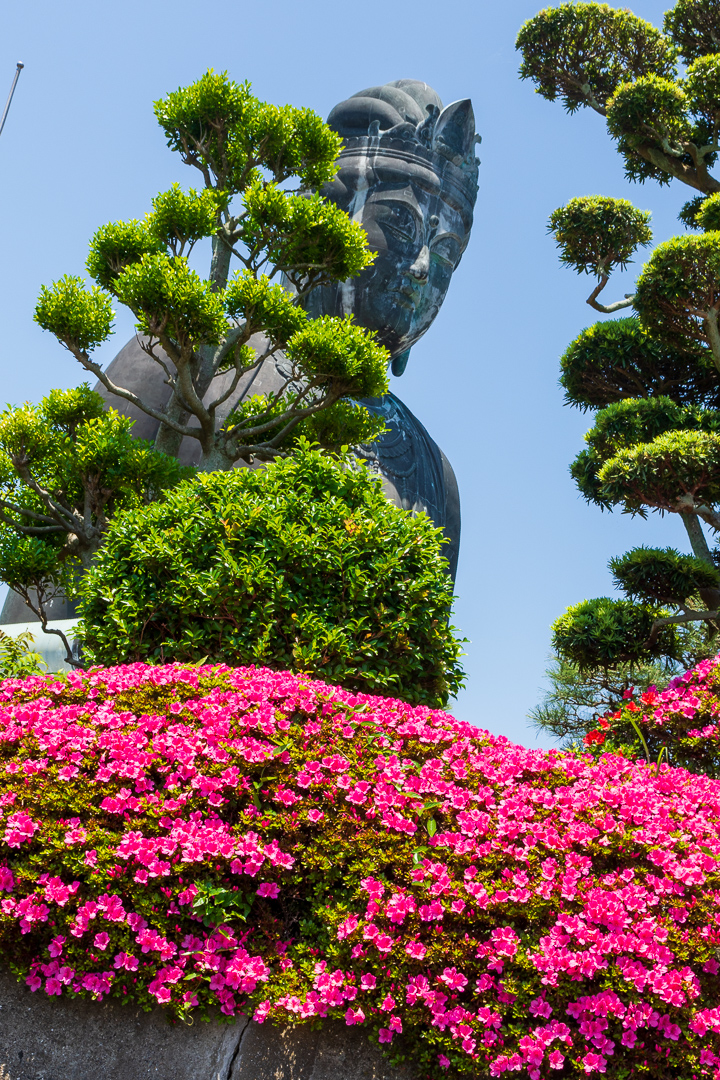
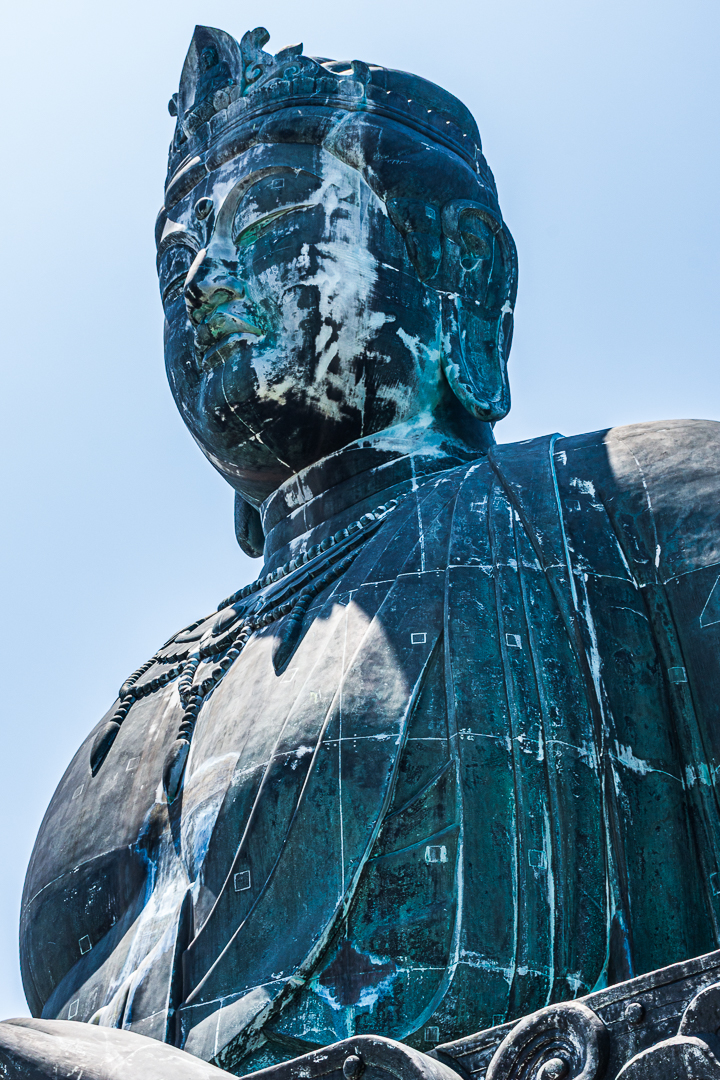
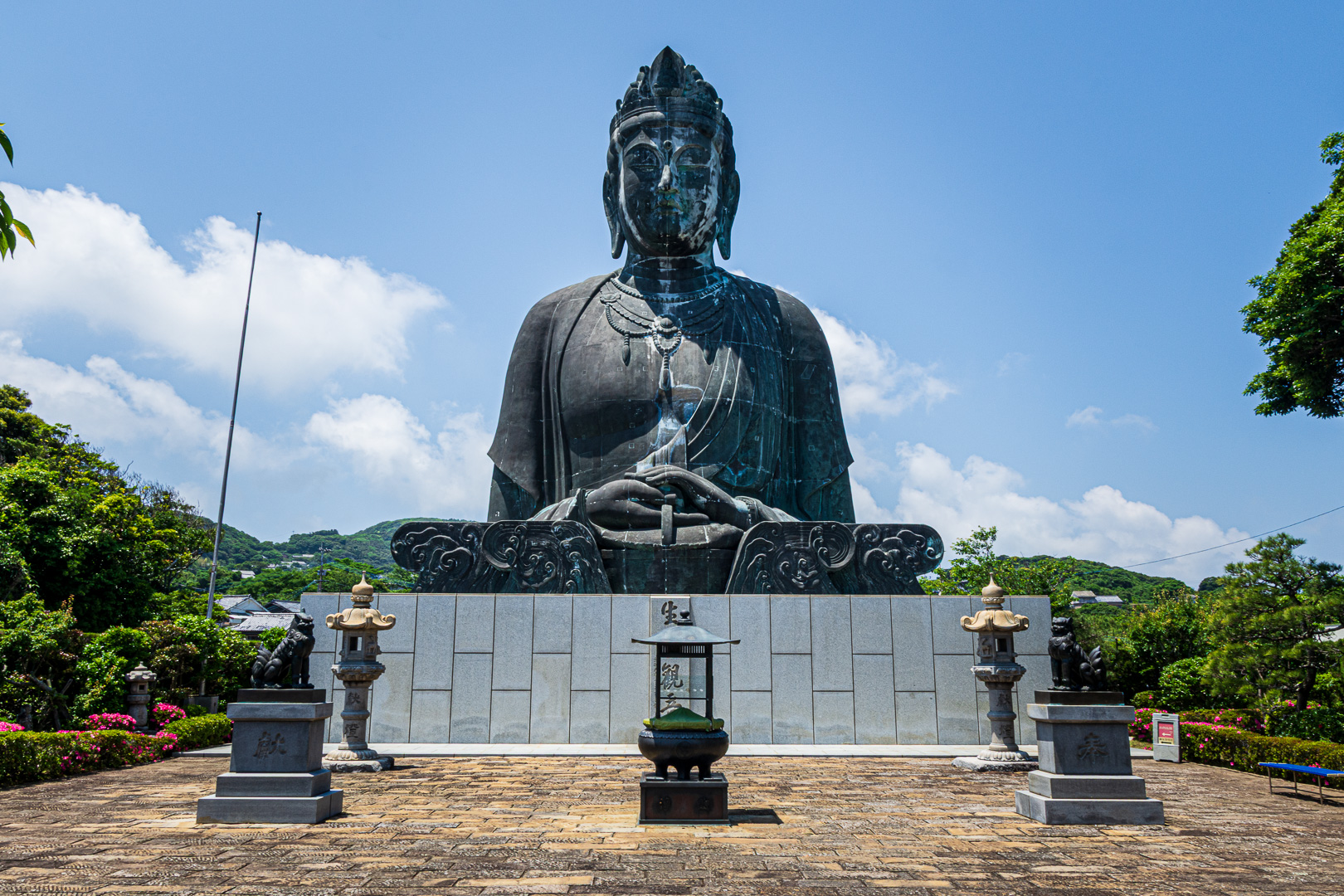
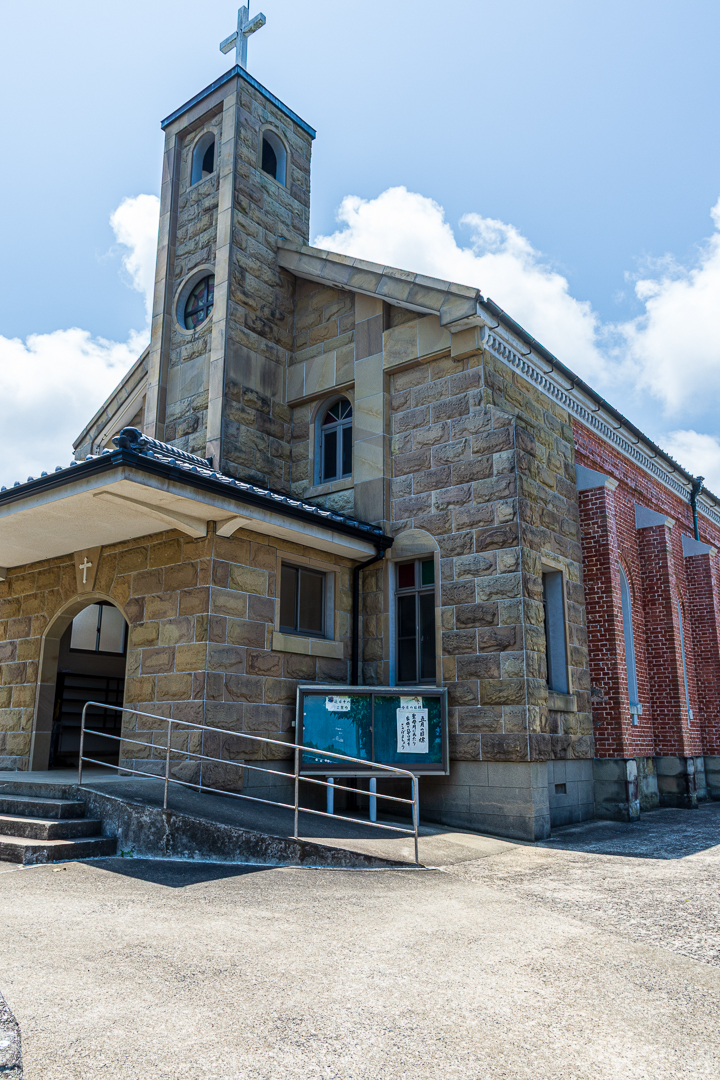
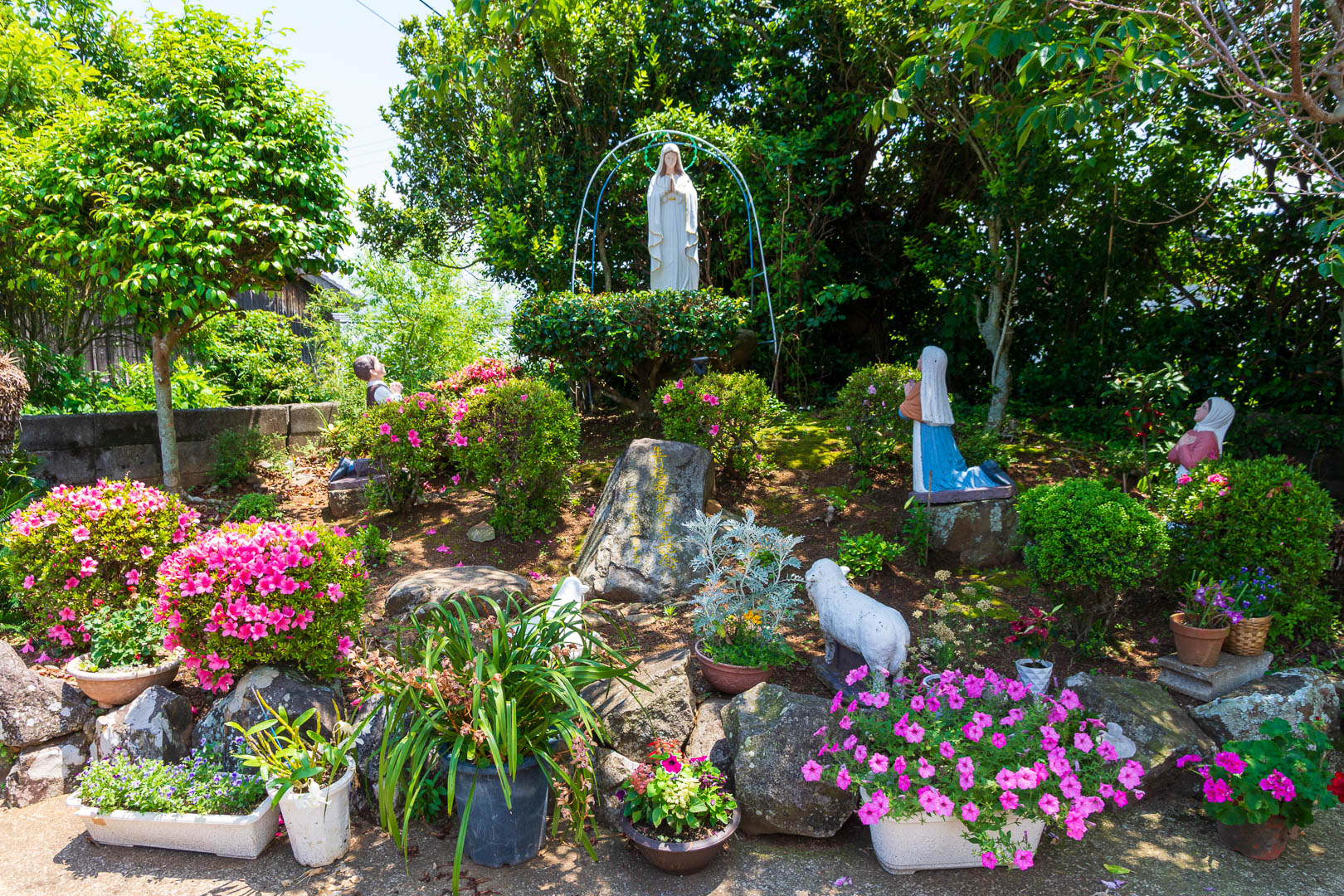
At the top of the hill, I found two religious monuments: a bronze Kannon statue towering above the city and, farther uphill, Yamada Church (山田教会), a Catholic church that was empty when I visited but clearly still maintained and in use. It was beautiful, with wooden elements, ornaments, stained-glass windows, and everything needed for a service.
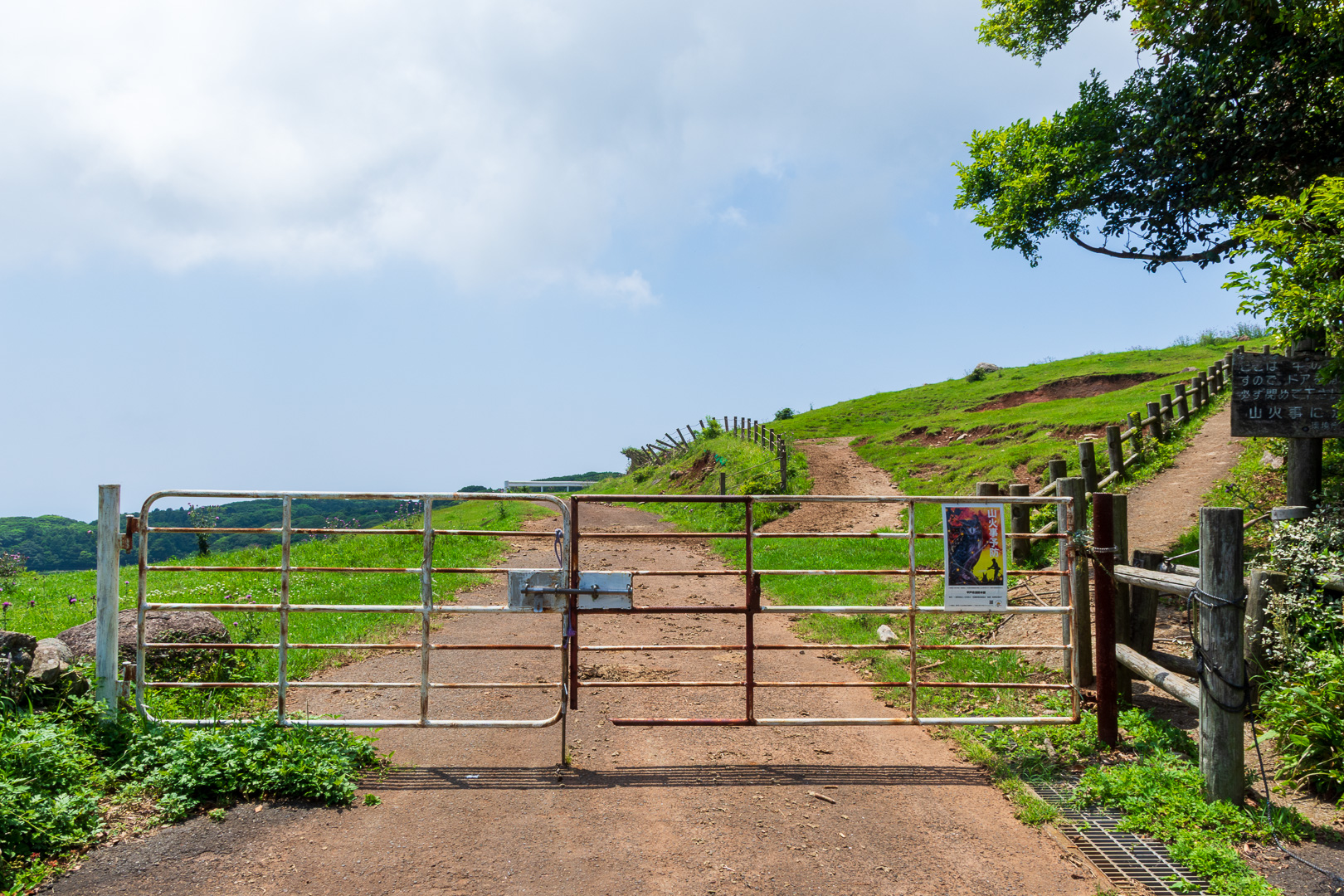
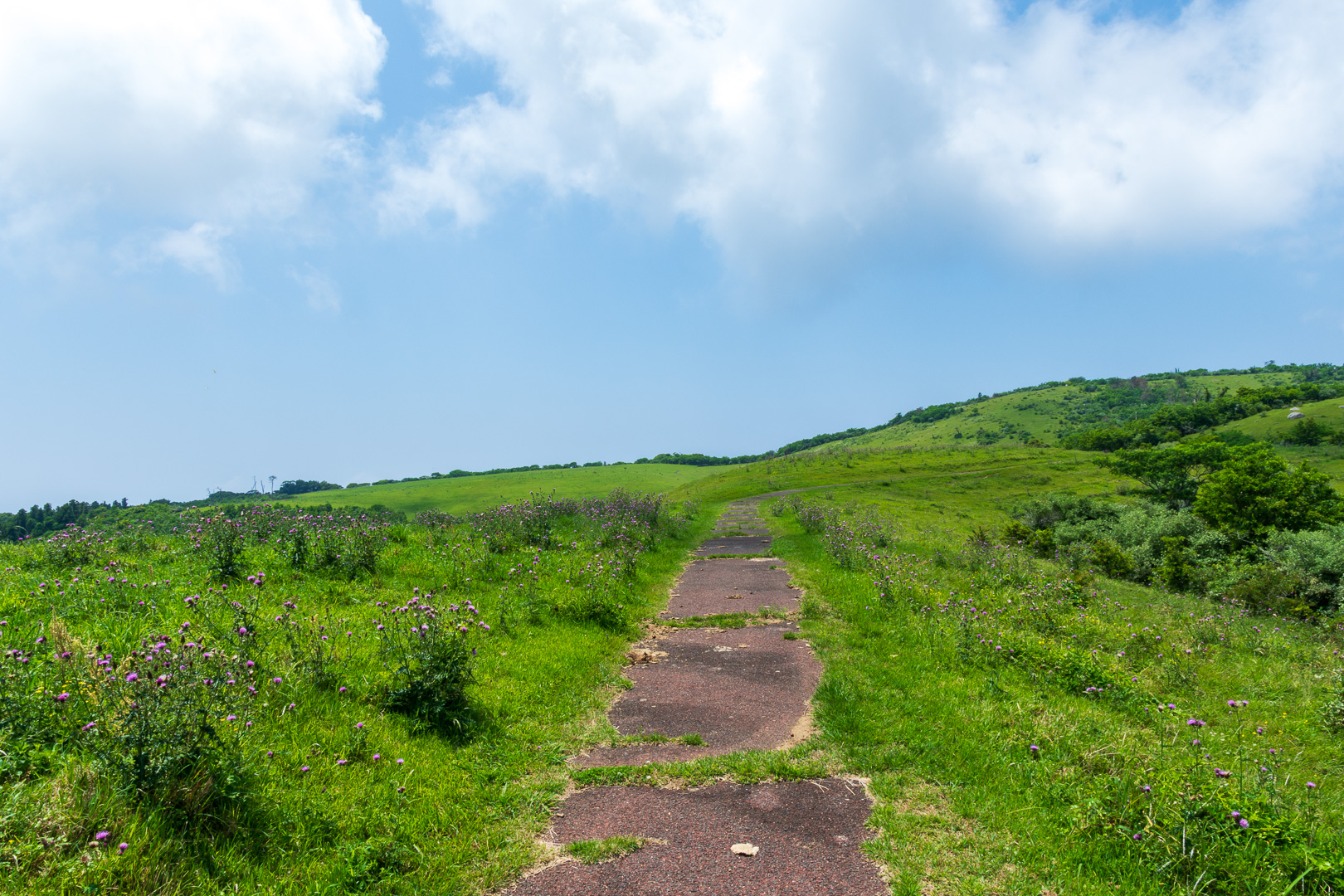
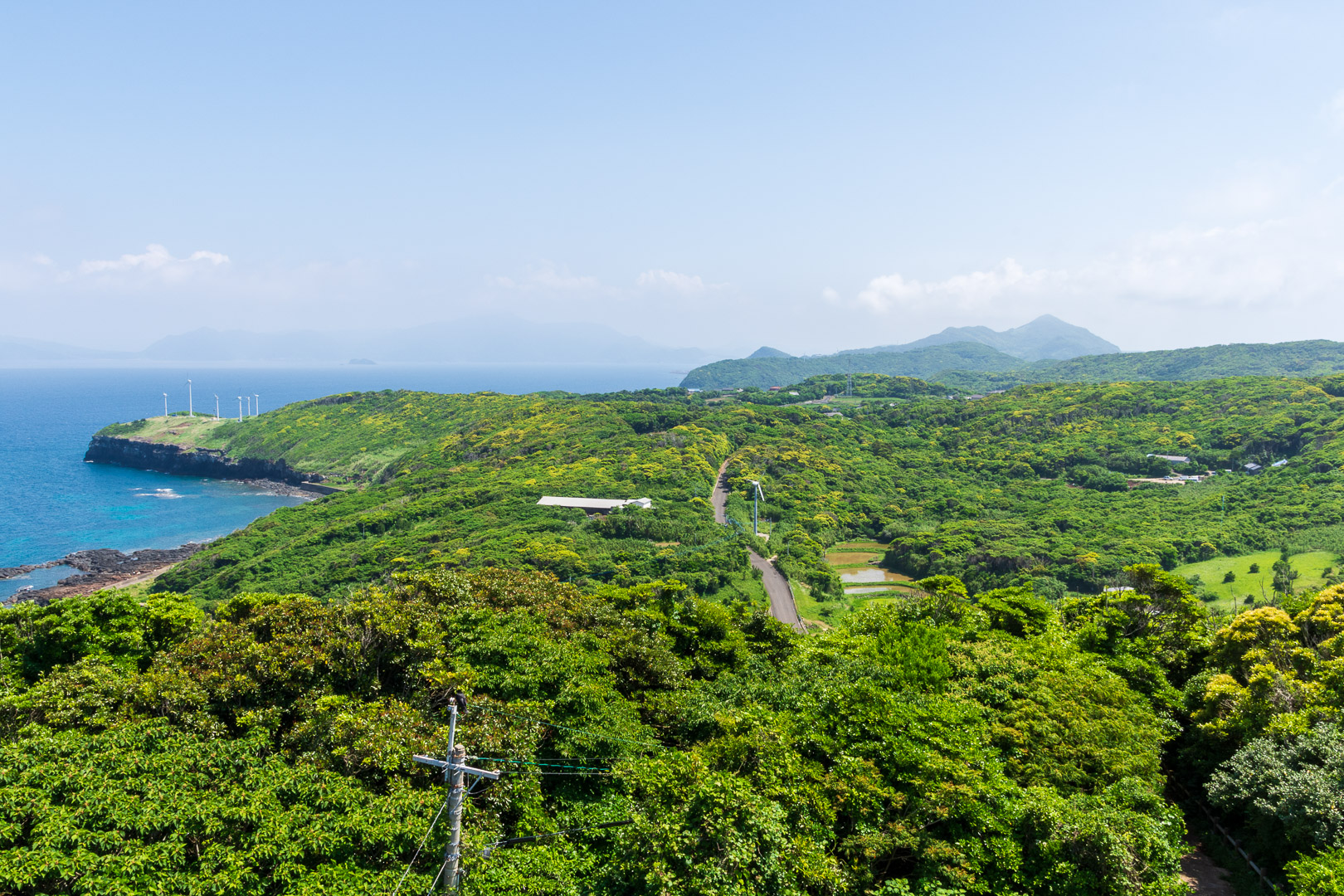
I followed a road that hardly deserved the name: very narrow, full of plants, and slowly curving toward the top of the island. It led to the untouched-looking Yamagashira Pasture and a single farm. After parking the car, I walked through the grass and found a beautiful view across the whole island and toward the others beyond it. I was alone there with butterflies, bumblebees, and the sound of the waves.
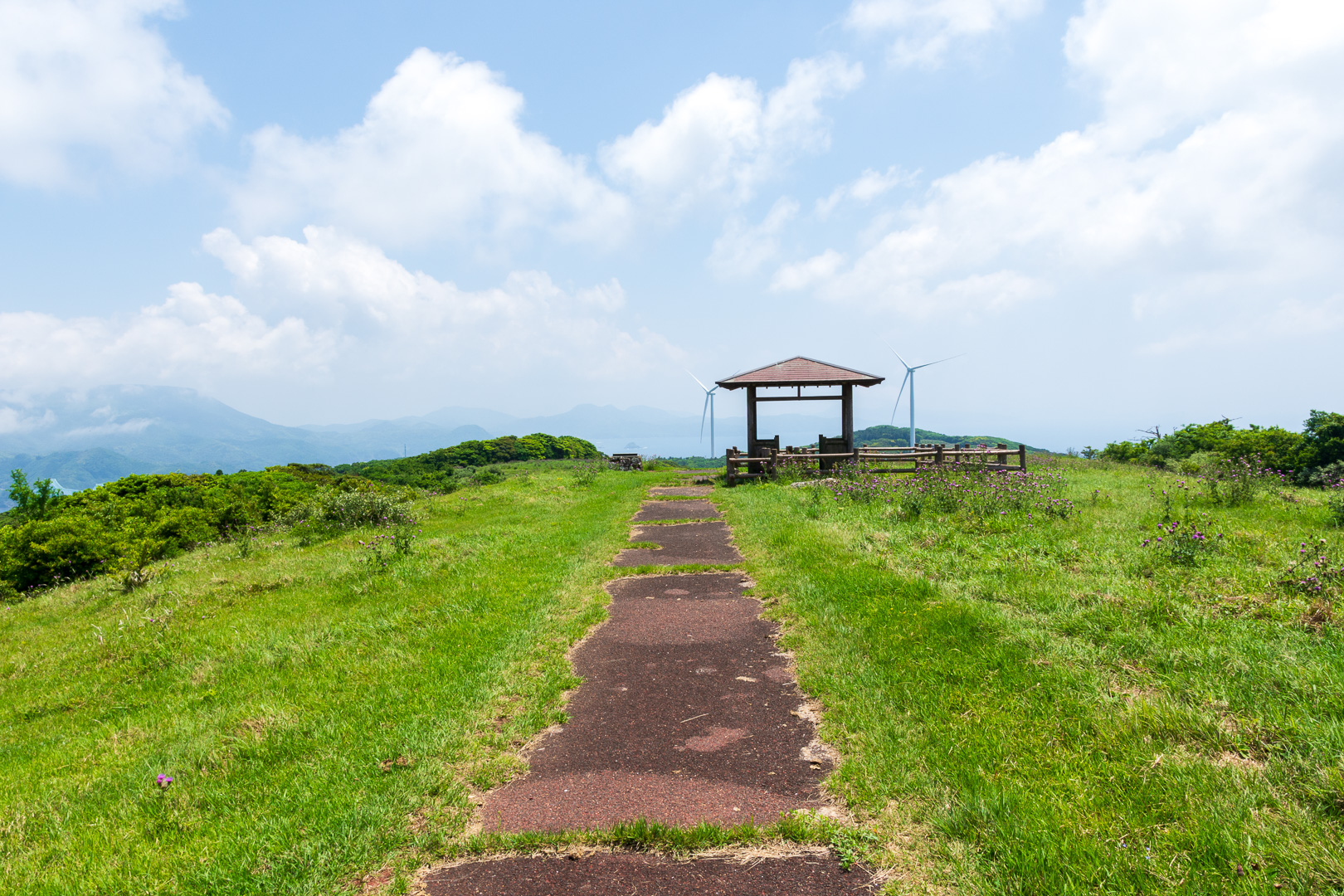
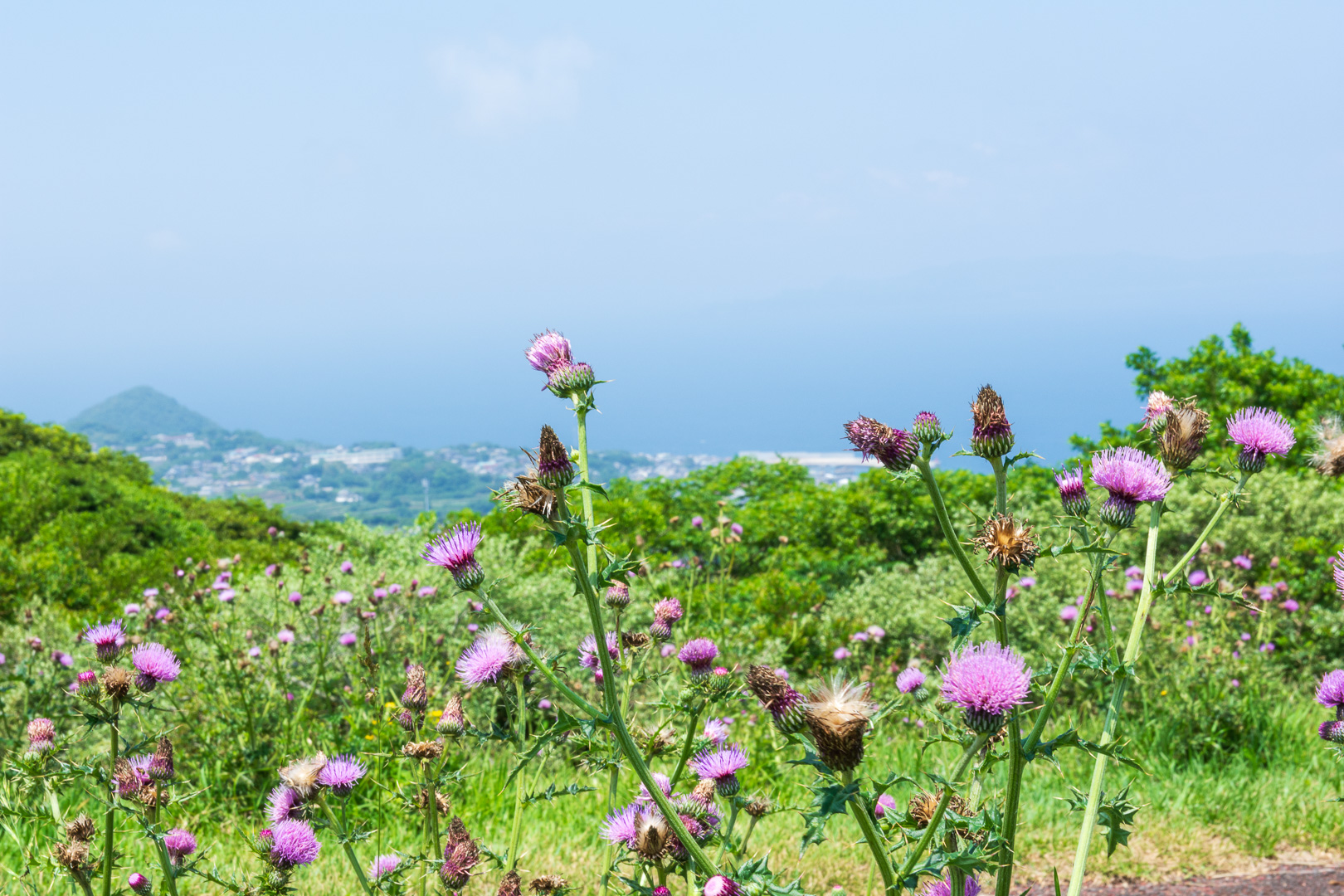
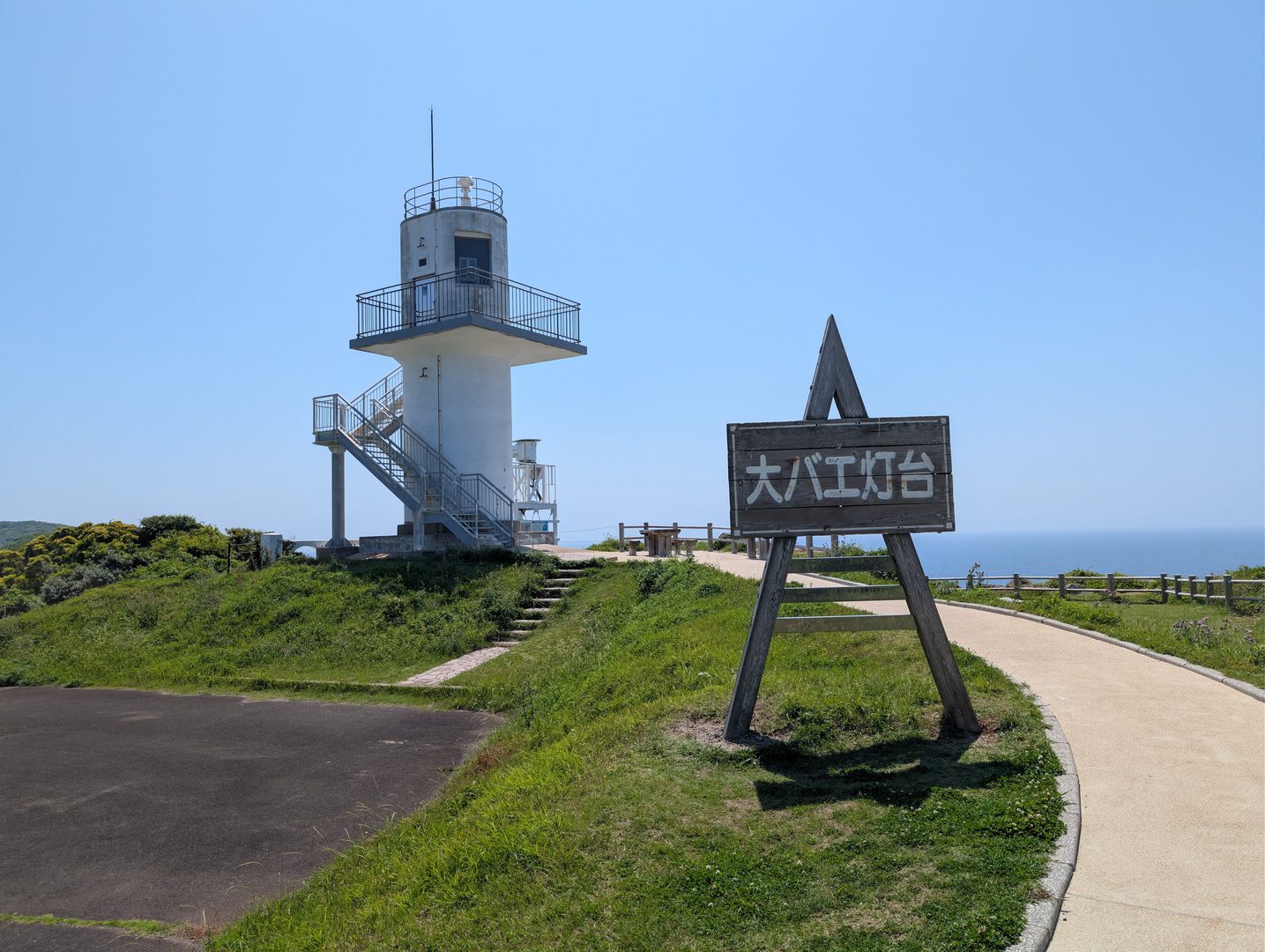
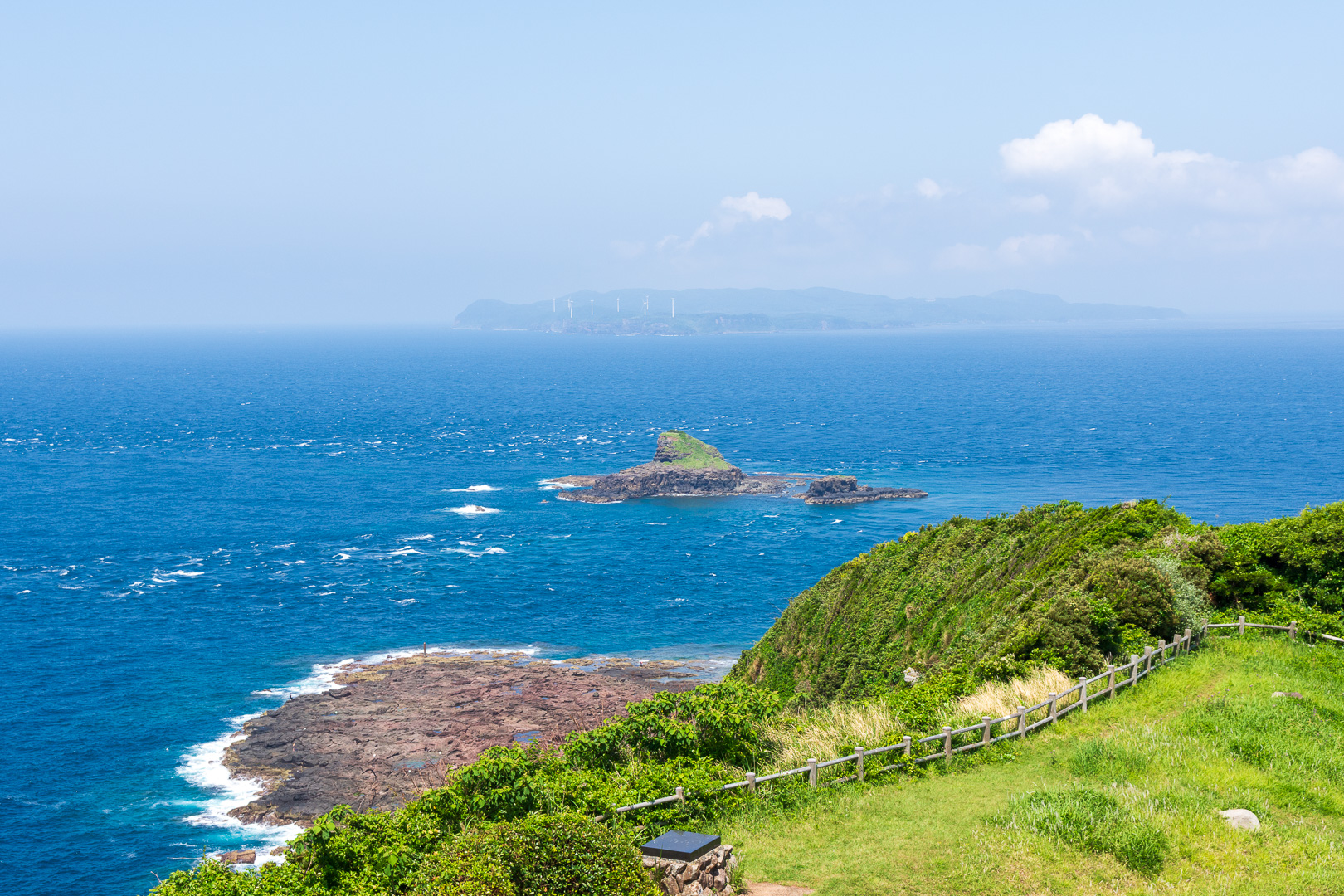
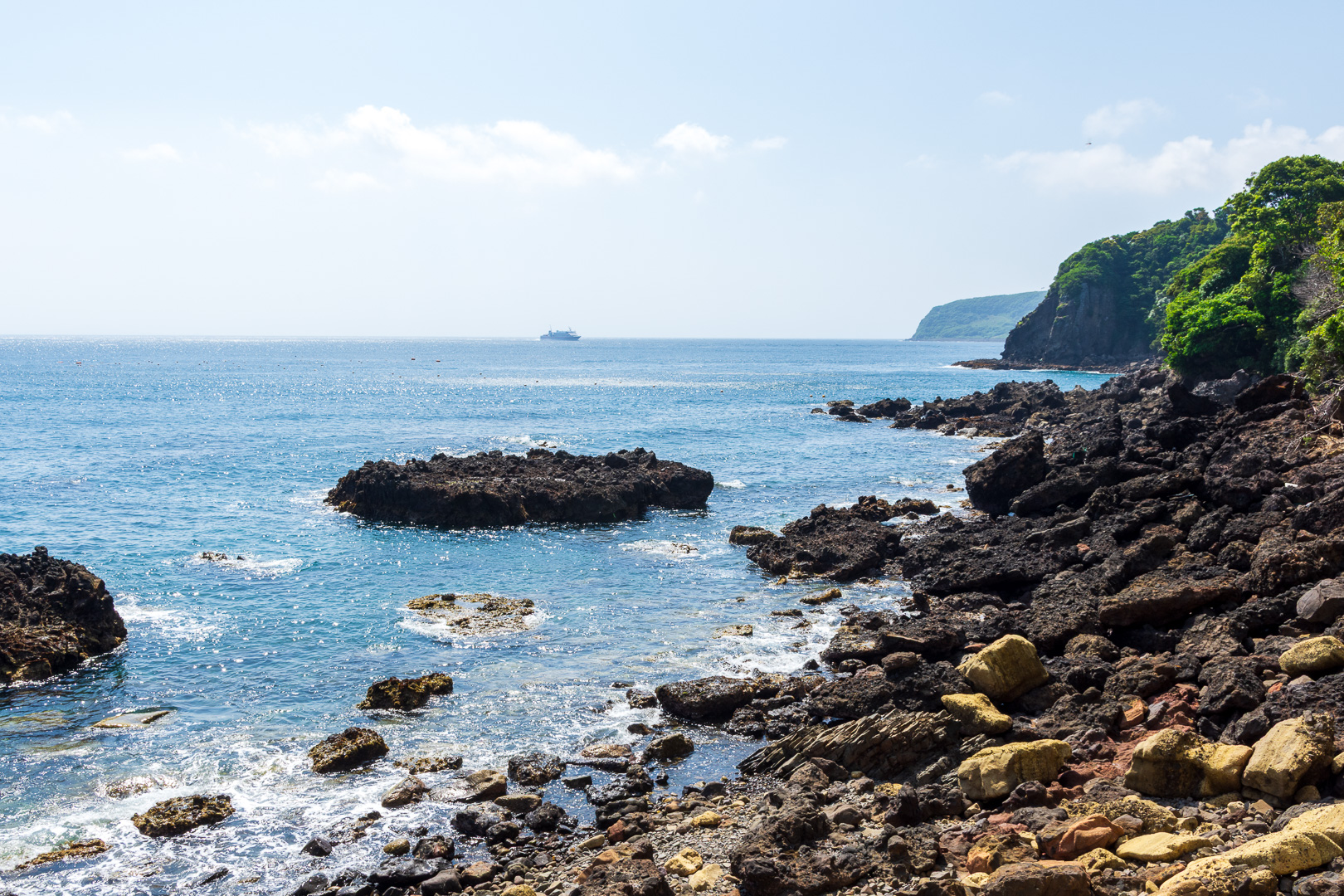
At Ōbae Lighthouse, I spent a little more time on the coast. Reaching this far out along the coast felt like a small mission accomplished, even though the foggy horizon made the distant islands hard to identify with certainty.
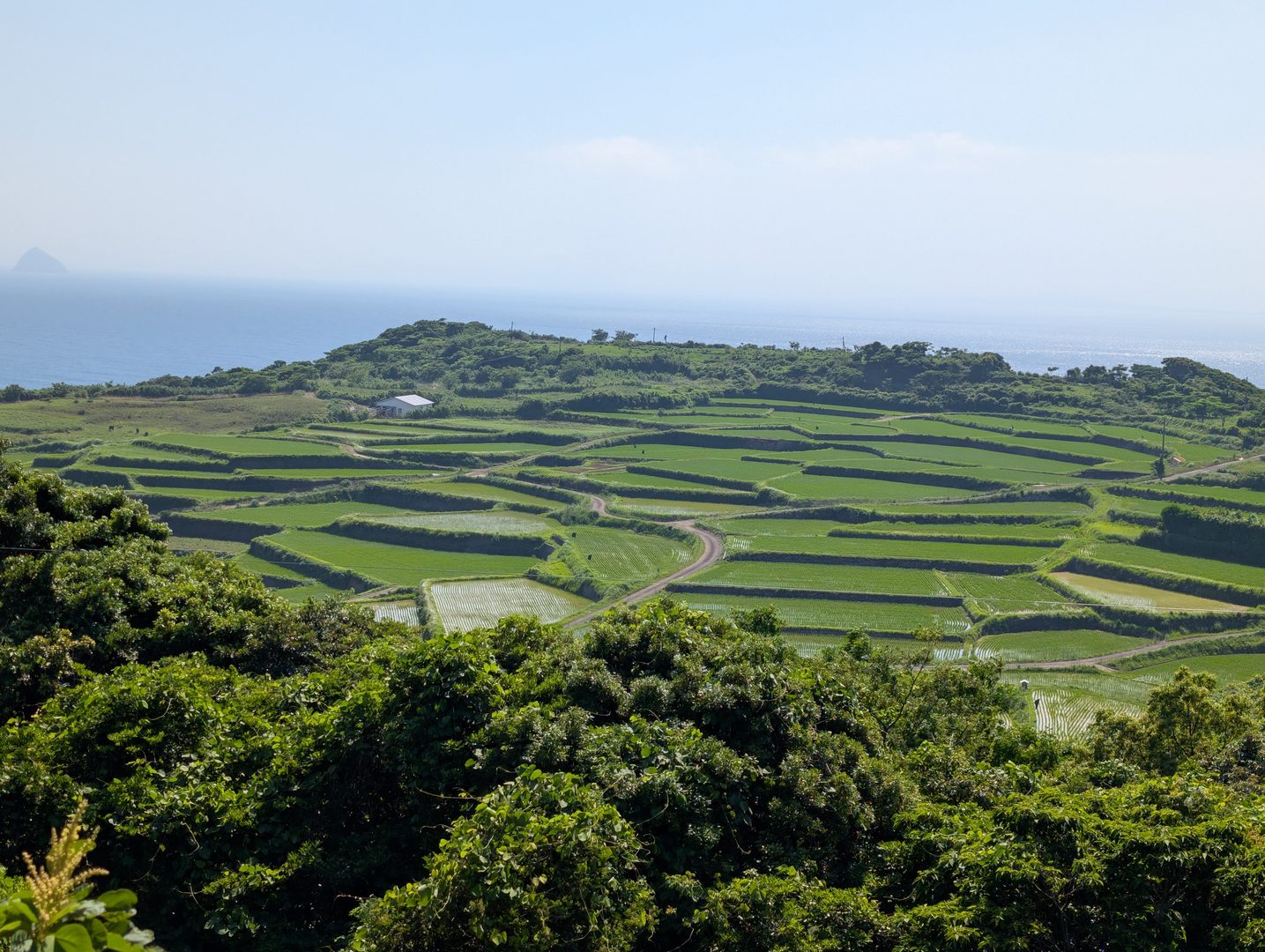
I then took a considerable detour to see some of the terraced rice paddies at Kasuga.
Back to Sasebo: Islands and Shipyards
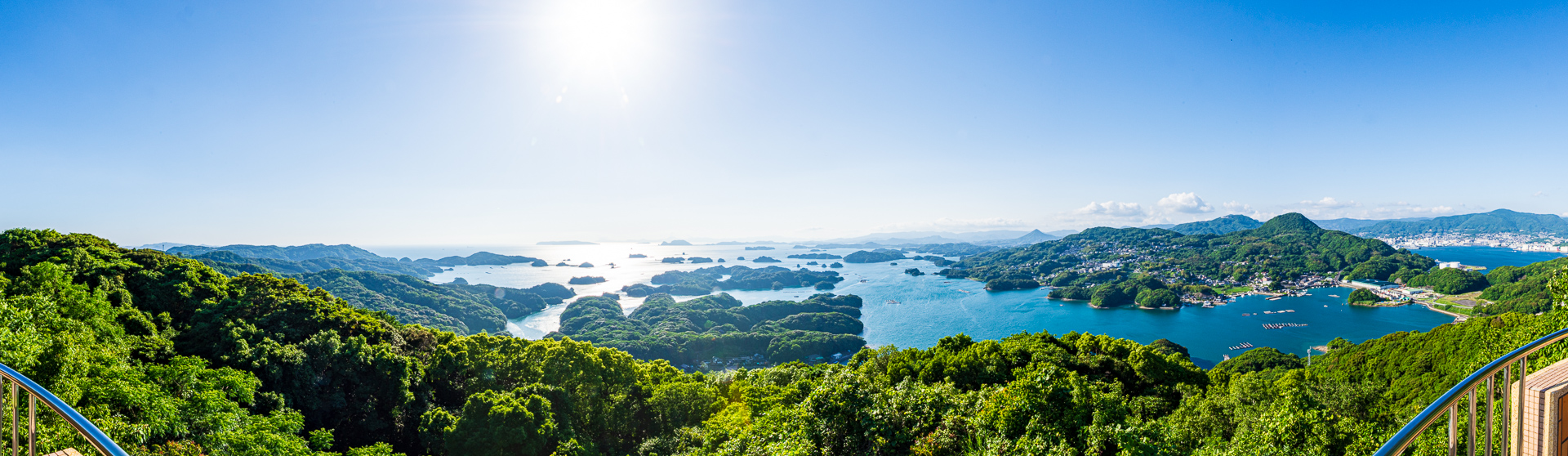
An hour later, I was back in Sasebo and could still squeeze in another highlight: Tenkaiho Observatory. From there, the compact green islands of Kujukushima spread across the water in layer after layer, with Sasebo Port in the wider panorama. Kujukushima literally means ninety-nine islands, a traditional way of saying many, though the archipelago actually includes 208. After the close-up island roads and coastal stops of the day, this broad view made the scale of the archipelago clear.
On the drive back, the heavy-duty cranes along Sasebo’s waterfront caught my attention. I later learned that they belonged to Sasebo Heavy Industries, whose shipyard occupies part of the former Sasebo Naval Arsenal. The arsenal once built and repaired warships, and the site remains in industrial use today.
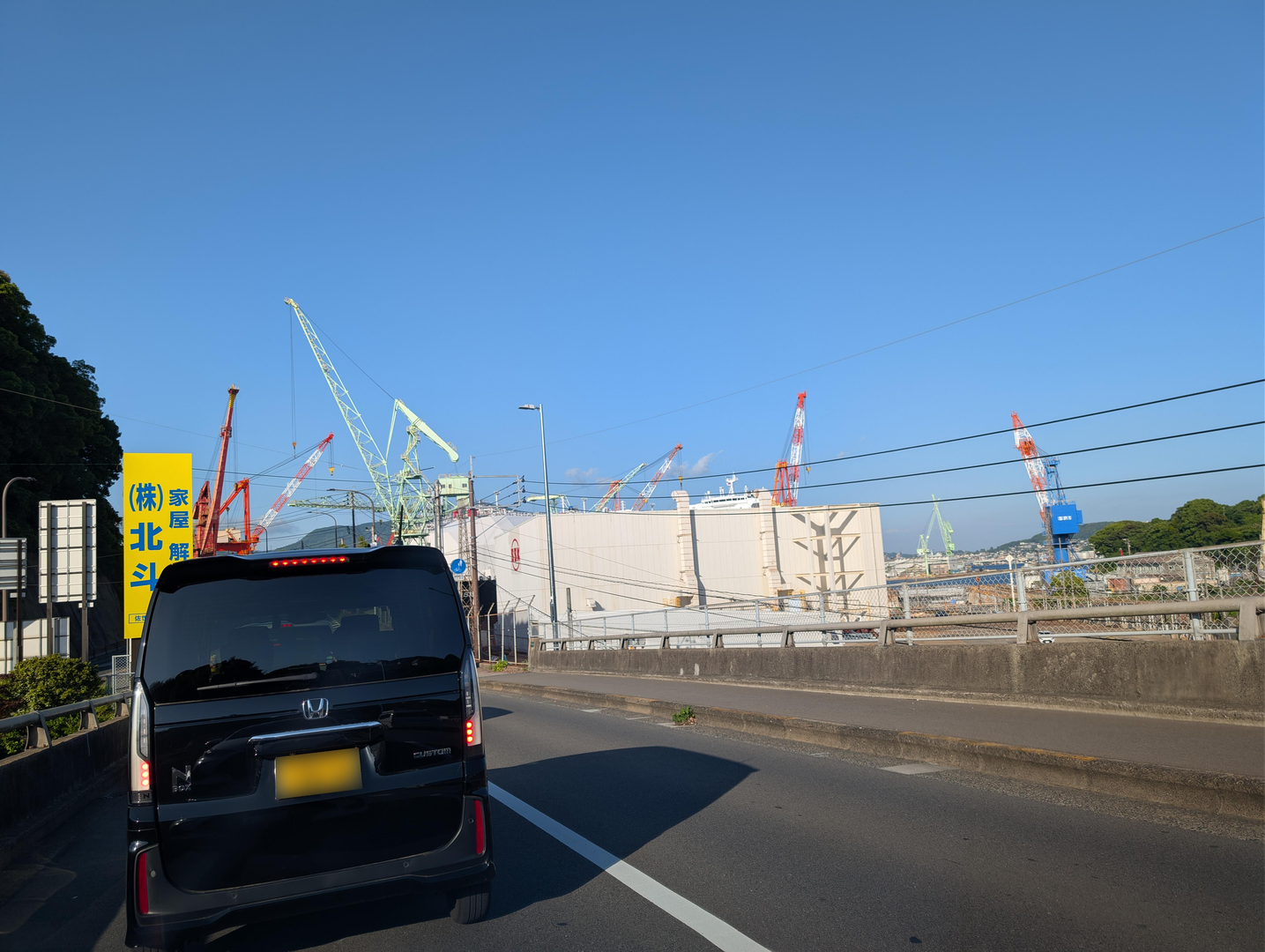
After fueling up, I returned the car on time and made a quick stop at the hotel. The bus connections made another observatory visit impractical that evening, so I returned to the waterfront instead. It took about half an hour to reach the shipyard area again. Several ships were in dock: a large oil tanker in a wet dock and what looked like a warship in a dry dock.
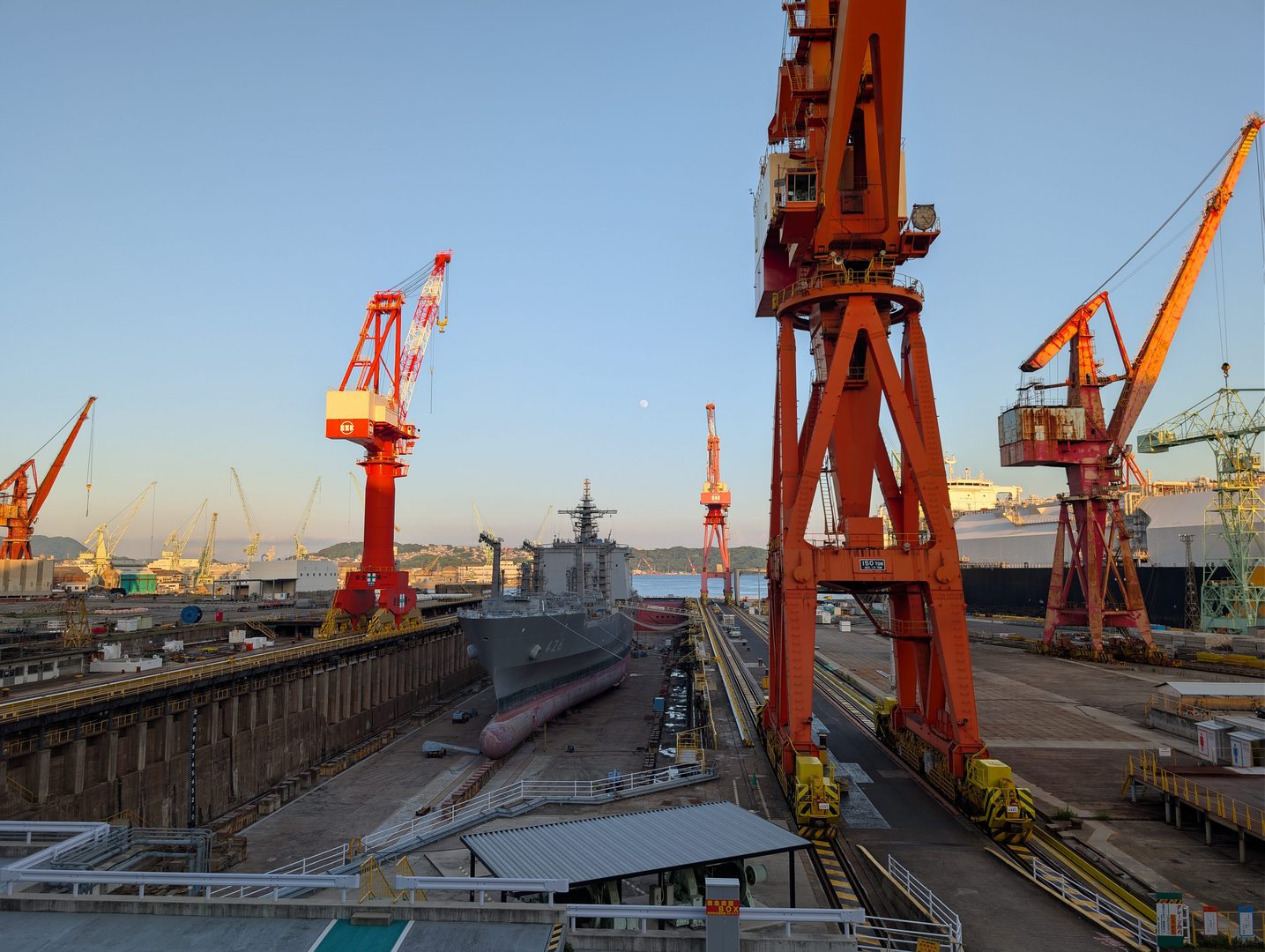
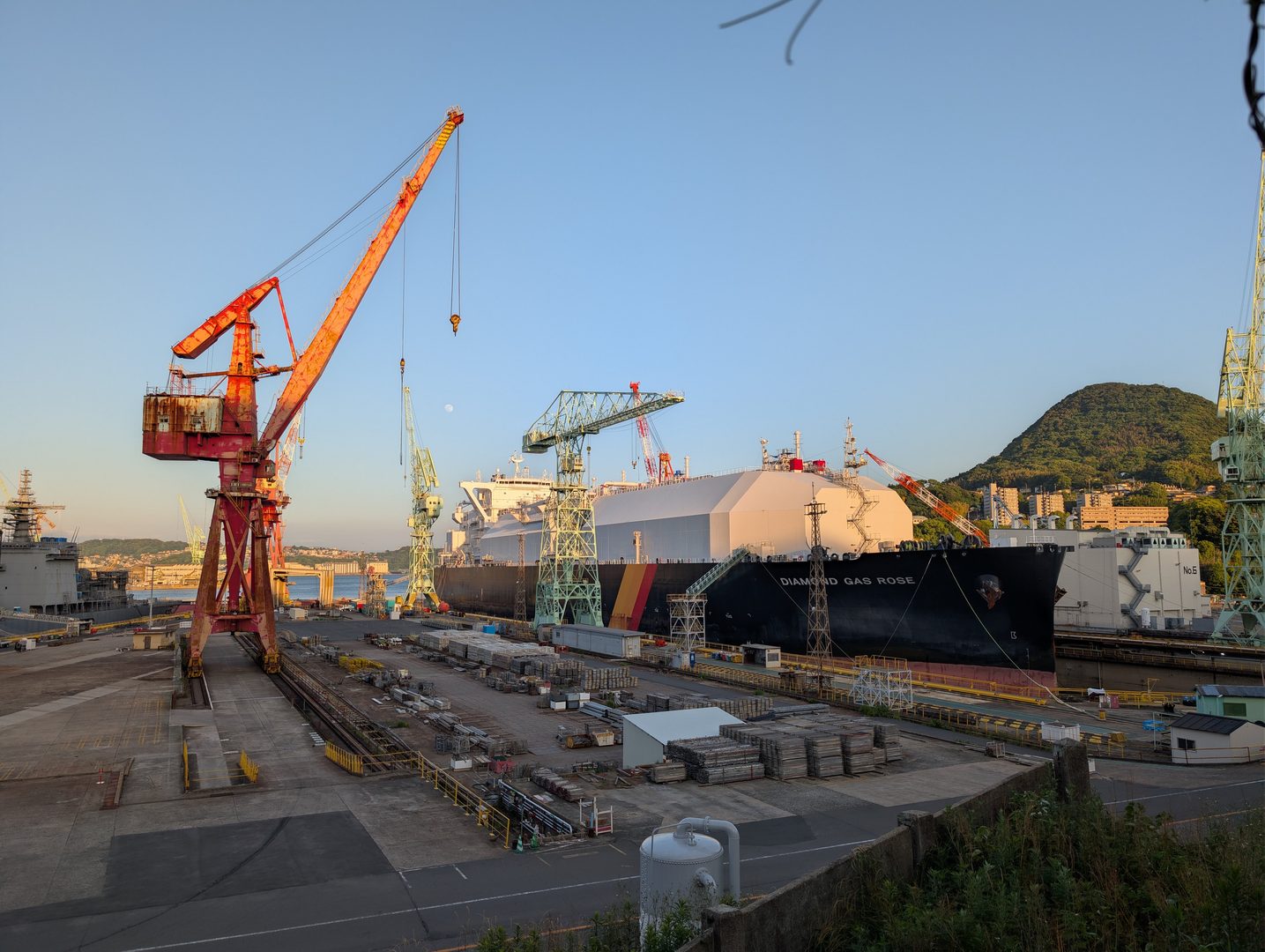
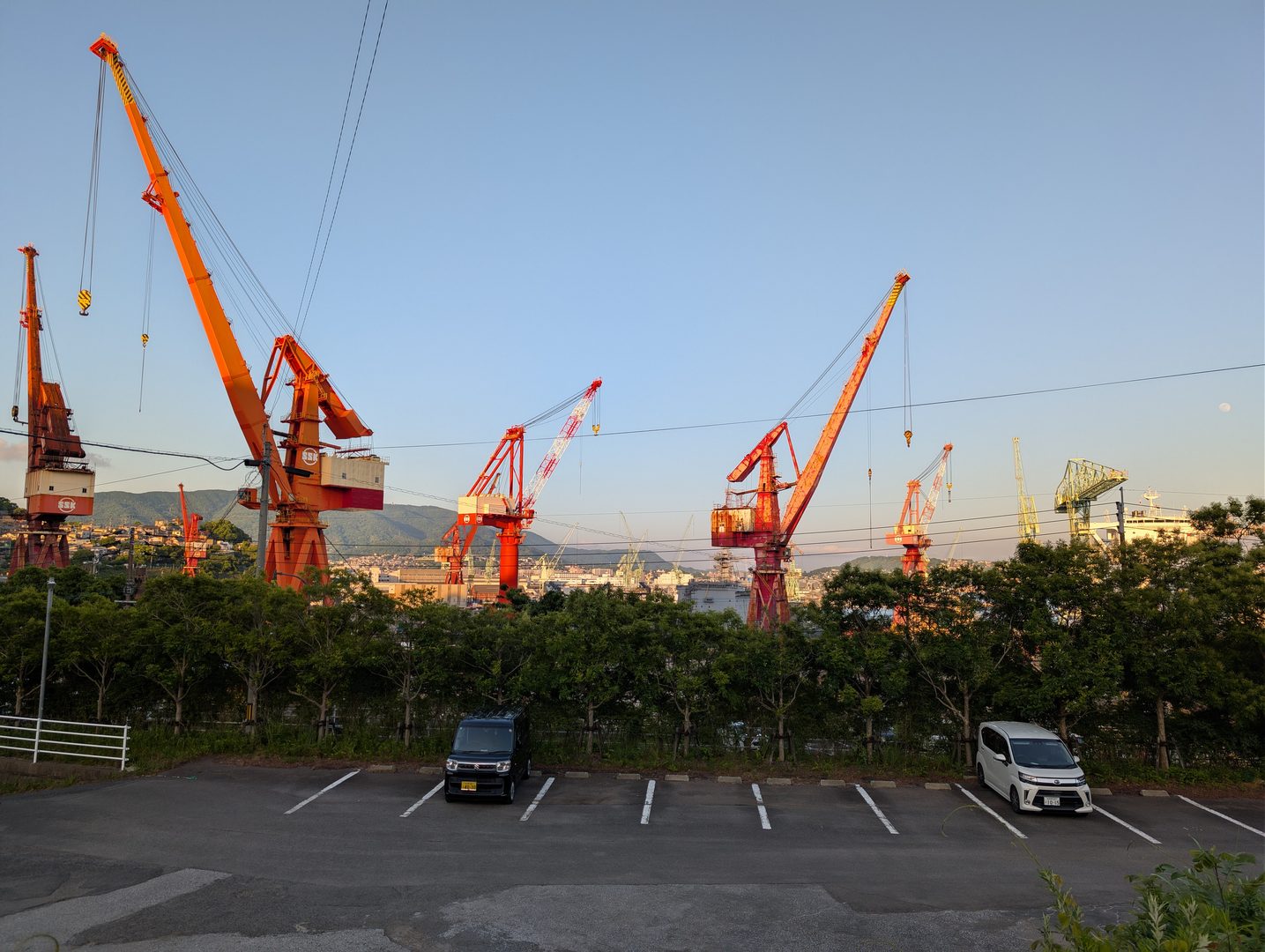
Between the ships stood several bright-red cranes. In the warm evening light, this industrial romance was a good counterpoint to the beautiful nature earlier in the day.
For an easy dinner, I went to Sushiro, one of the big, inexpensive sushi chains. Wherever you go in the country, they work in much the same way: take a number, get assigned a seat, and start ordering on a tablet.
Although Sushiro is a conveyor-belt sushi chain, everything at this restaurant was delivered to order rather than circulating for diners to choose.
Back at the hotel, I organized the next section of the trip and prepared to leave the following morning.
The Next Morning on Kujukushima
The next morning was sunny and hot again. After seeing Kujukushima from Tenkaiho Observatory, I wanted to travel through the islands before leaving Sasebo.
At Kujukushima Pearl Sea Resort, there is a mix of activities, including an aquarium and the boat cruise. Because buses were infrequent, I arrived at 9:00 a.m. for the first cruise at 10:00 and used the time to walk farther along the waterfront.
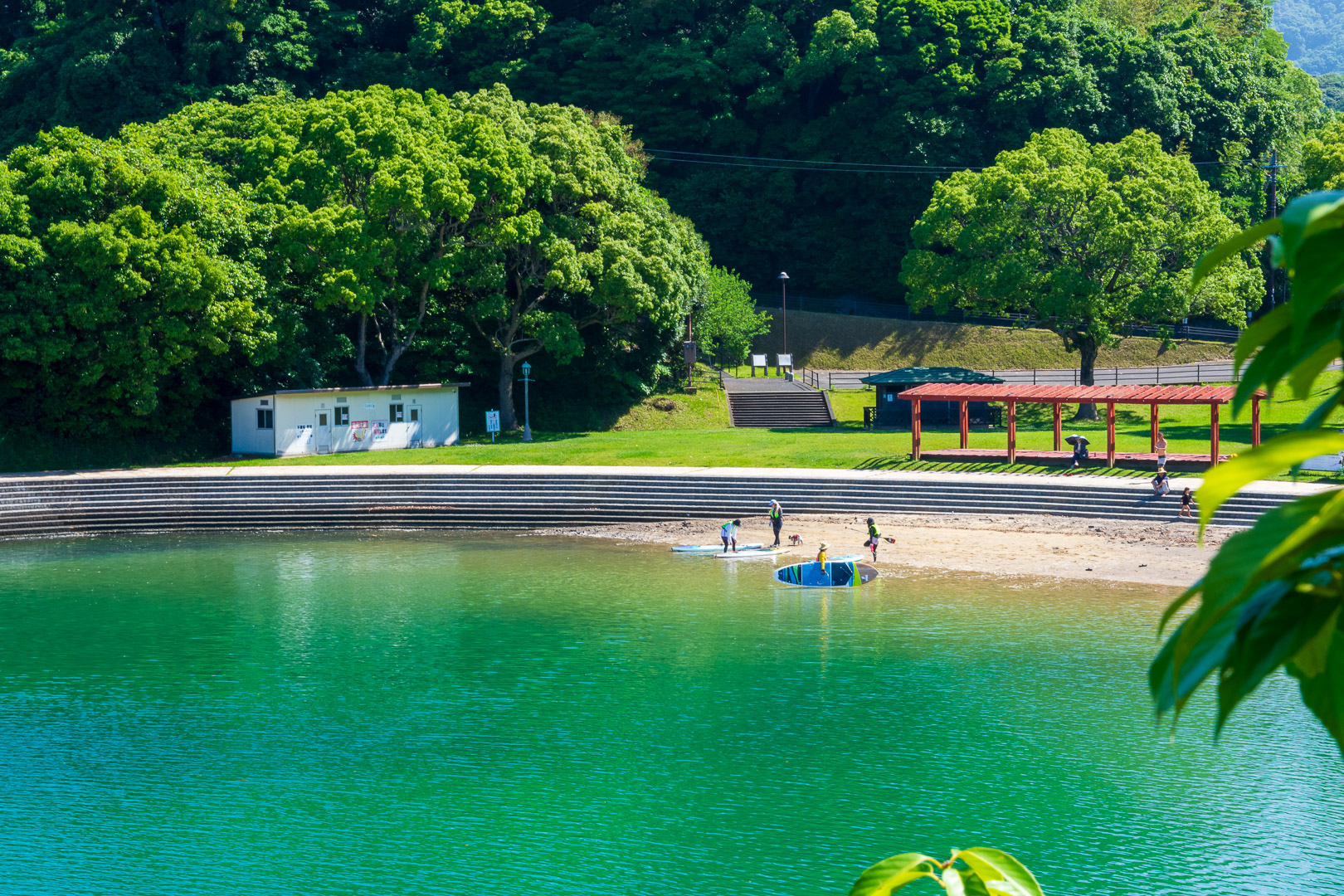
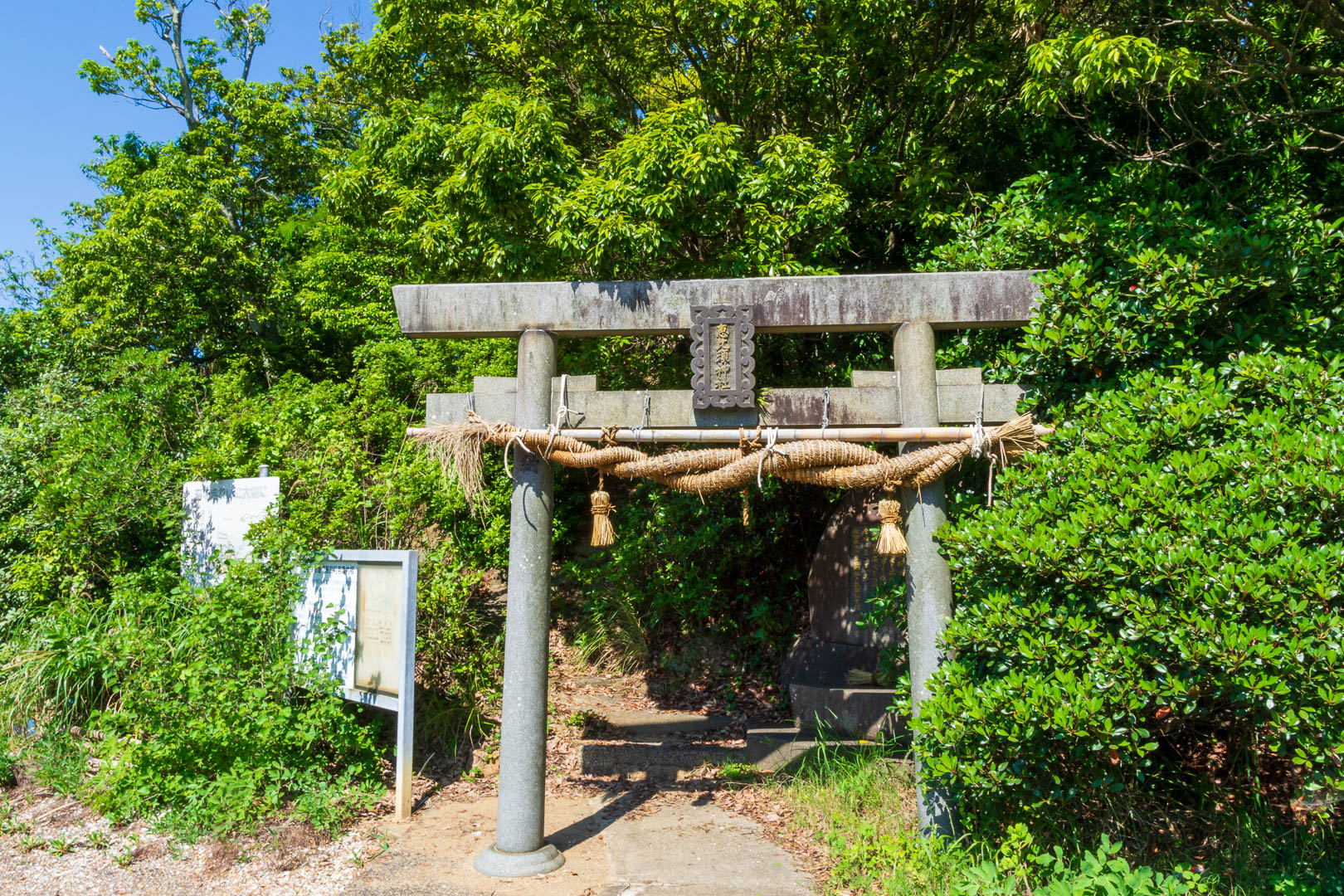
The waterfront was quiet: a few boats at anchor, early SUP paddlers, and an Ebisu shrine tucked into the greenery of a small island.
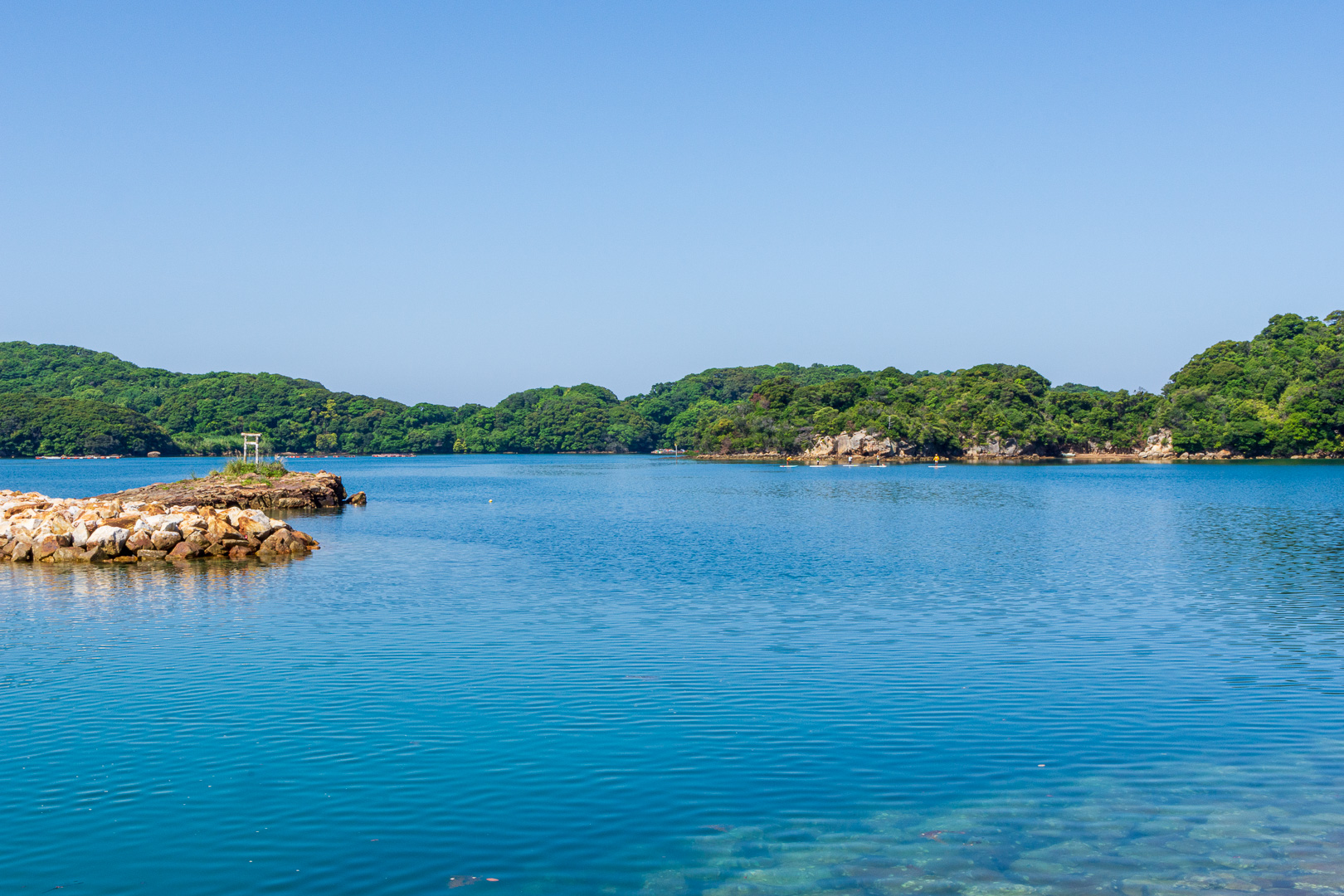
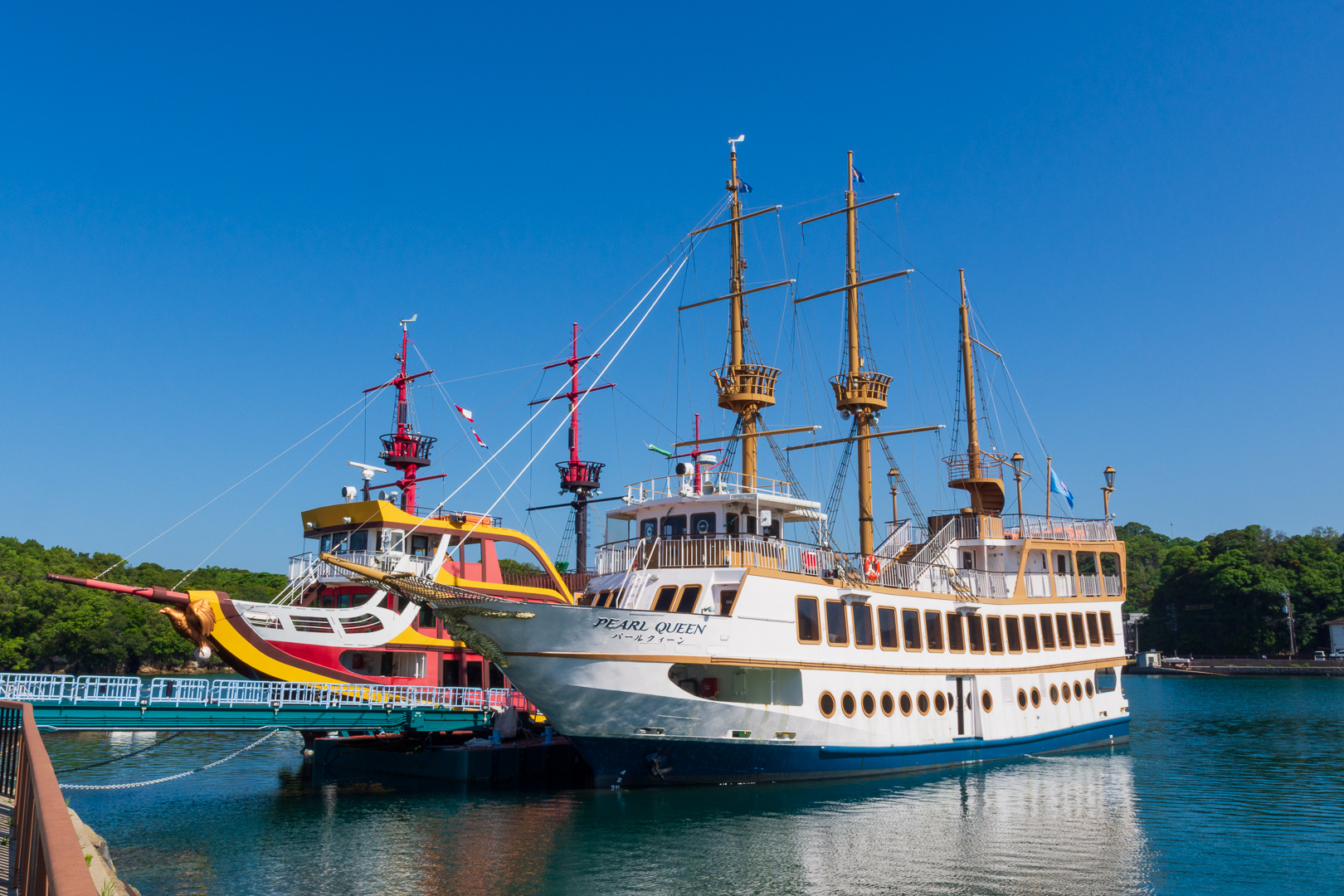
The cruise ship, the Pearl Queen, was built to resemble a three-masted vessel, complete with a figurehead. The cruise took about an hour. In perfect weather, it was very enjoyable to pass through the islands and narrow straits between them. From the boat, the landscape felt much more enclosed than it had from Tenkaiho Observatory: low, densely wooded islands sat one behind another, with small coves and channels opening between them. Some looked like little more than green humps above the water, while others had rougher, more distinct outlines. Multilingual recorded commentary explained the different island shapes and the names derived from their appearance. Some islands that look separate at high tide are connected when the water recedes.
I skipped the aquarium and caught the next bus back to Sasebo shortly after the cruise returned, wanting to make the most of the day. I made a quick pass through Tonoo Market, a small market street built into former air-raid shelters. By late morning, there was not much happening: a few fresh-food stalls, takeout places, and non-food shops.
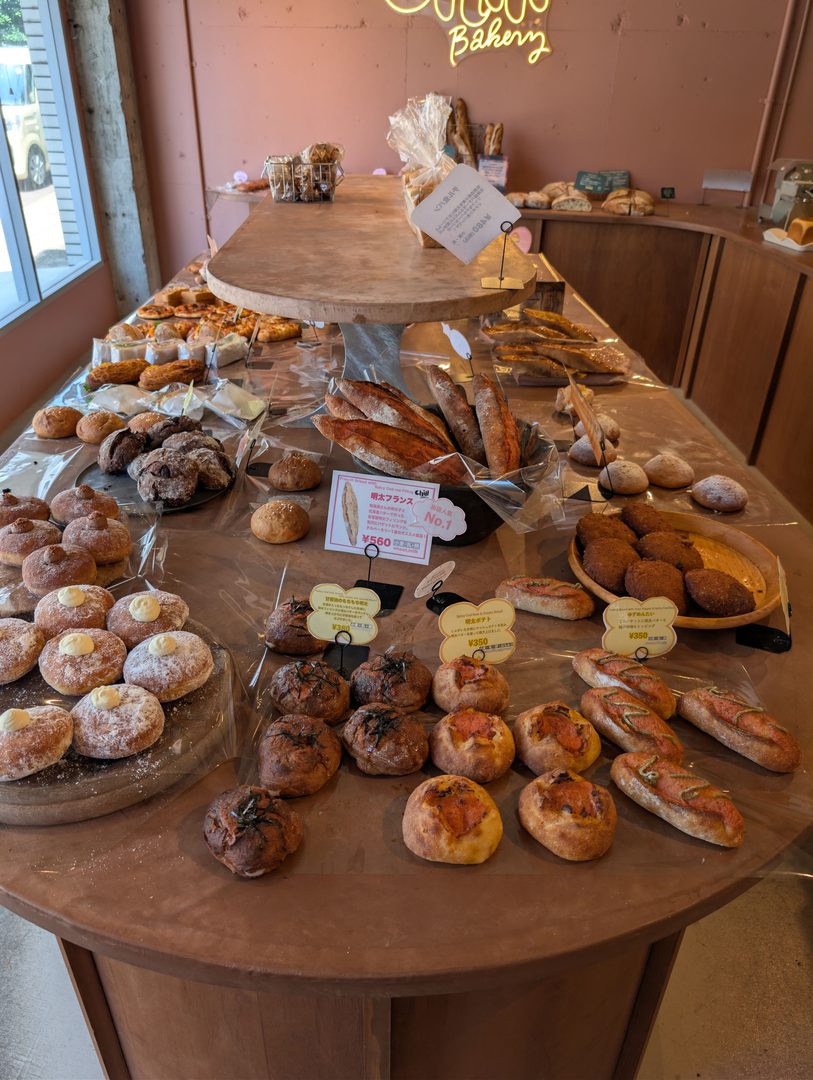
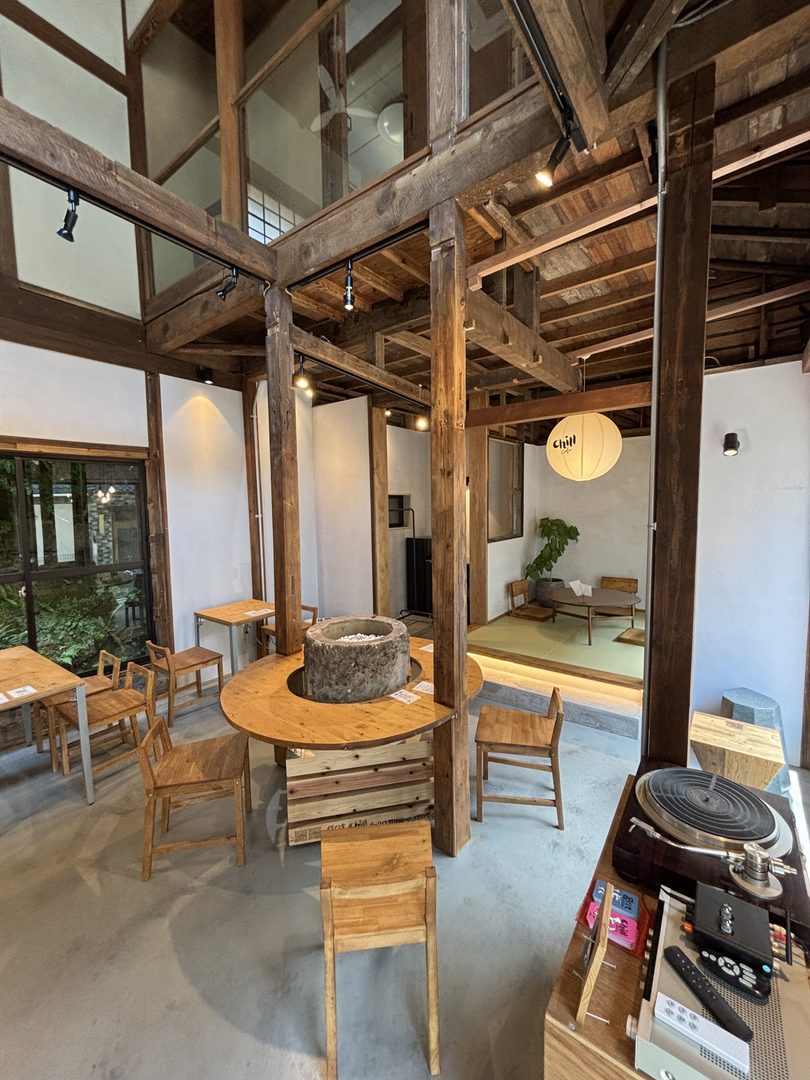
Continuing on, I came across a bakery and coffee shop called Chill Bakery. It was a modern Japanese-Western bakery, and I tried mentaiko mochi-filled bread for the first time, along with a chocolate-raspberry croissant. They also offered freshly brewed coffee in four blends. Around the corner, a remodeled apartment had become an appealing eating space with exposed wood, what sounded like soft instrumental music, and a relaxing atmosphere. It was a good moment to slow down before the next train to Takeo-Onsen.
Japan 2026 · Part 4 of 12
← Previous: Nagasaki in Rain and Clearer Light
Start of the series
Coming next: Takeo Onsen: Baths, teamLab and Fireflies — November 13, 2026.
Entdecke mehr von Tabimonogatari - 旅物語
Melde dich für ein Abonnement an, um die neuesten Beiträge per E-Mail zu erhalten.