The rain did not stop when we arrived in Kakunodate from Nyuto Onsen, and of course it did not hinder us from doing some sightseeing. Kakunodate has a historic samurai district, one of the remaining examples of how this class of people lived in the 17th century.
The Kakunodate samurai district, which once housed around 80 families, is one of the best-preserved examples of samurai residential architecture in Japan. Today, six houses are open to the public, some of them free to enter. While the street itself can be walked at any time, most interiors close in the late afternoon, so it makes sense to explore earlier in the day.
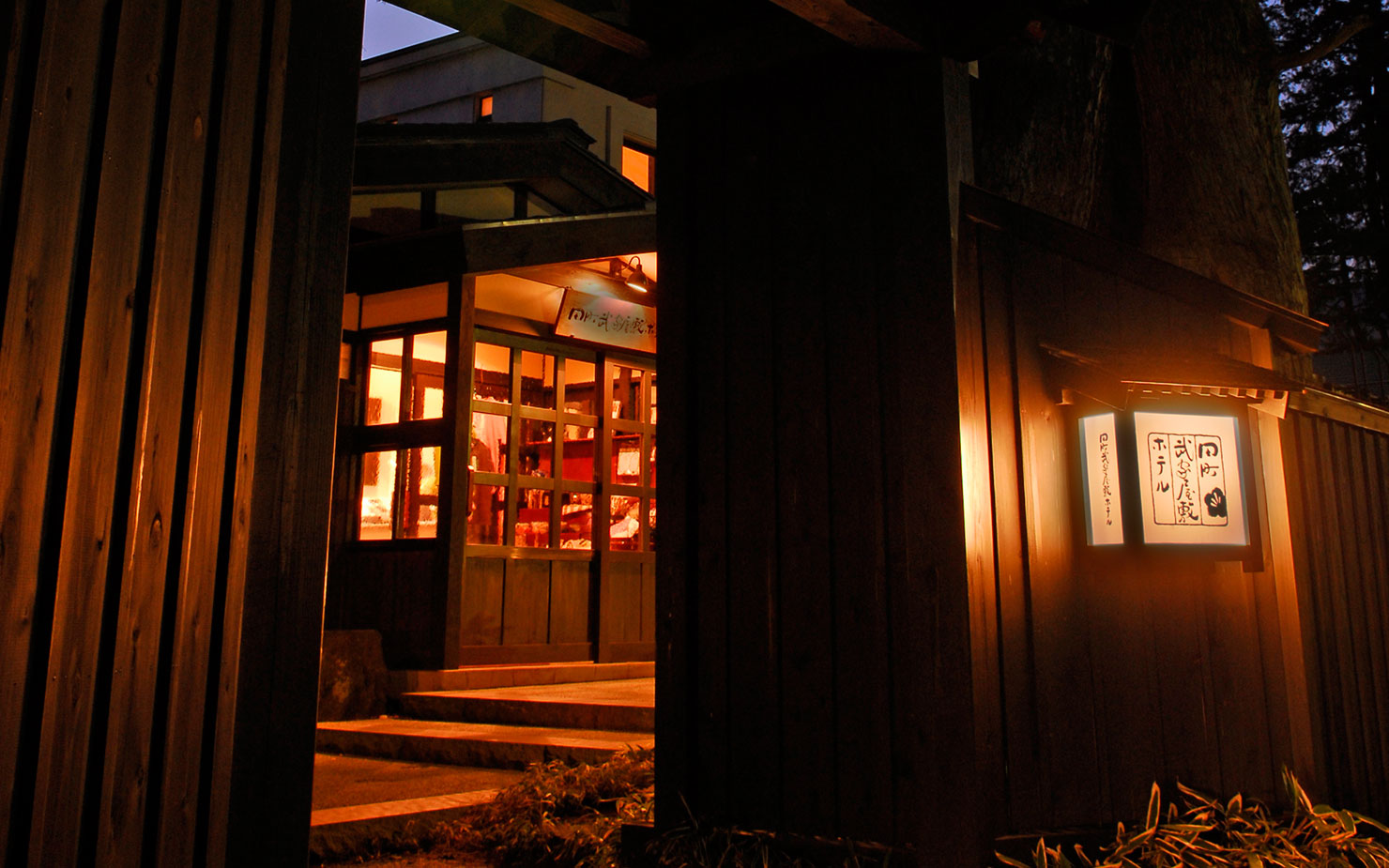
To stay in the mood, we chose a historic hotel: the Tamachi Bukeyashiki Hotel, located directly on the preserved samurai street. We arrived in the early afternoon and parked our car for free at the hotel. From there, everything was within walking distance. The hotel lent us umbrellas, which were very welcome on this rainy day, and we set out to explore the town.
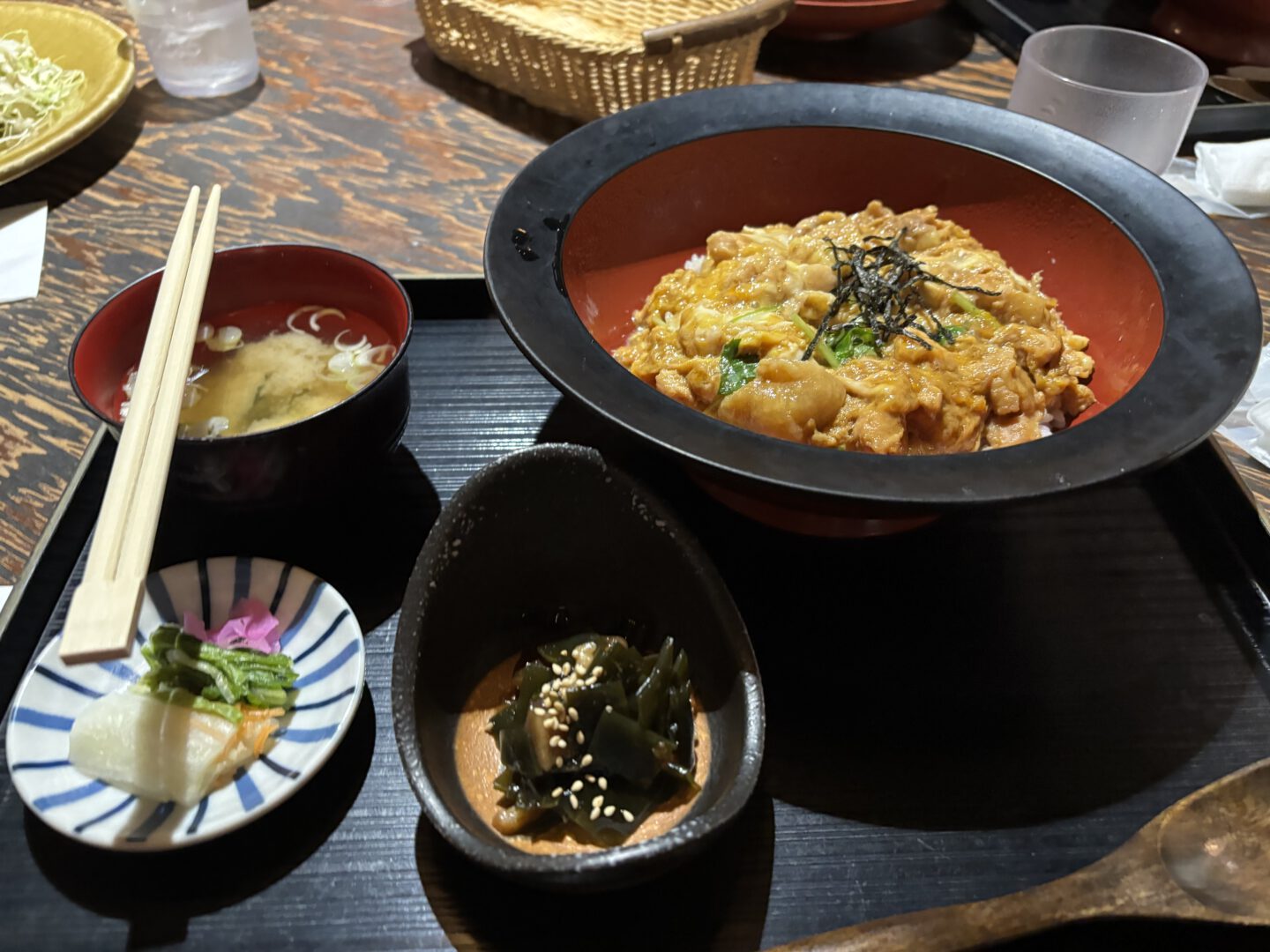
First things first: lunch. We went to Domanin, a well-regarded local restaurant, and were happy with the selection of regional dishes. We ordered Oyakodon made with Hinai jidori chicken and katsu curry. Akita’s Hinai jidori is raised more slowly than standard chicken, resulting in firmer meat and a deeper, more savory taste that suits the local style of cooking well.
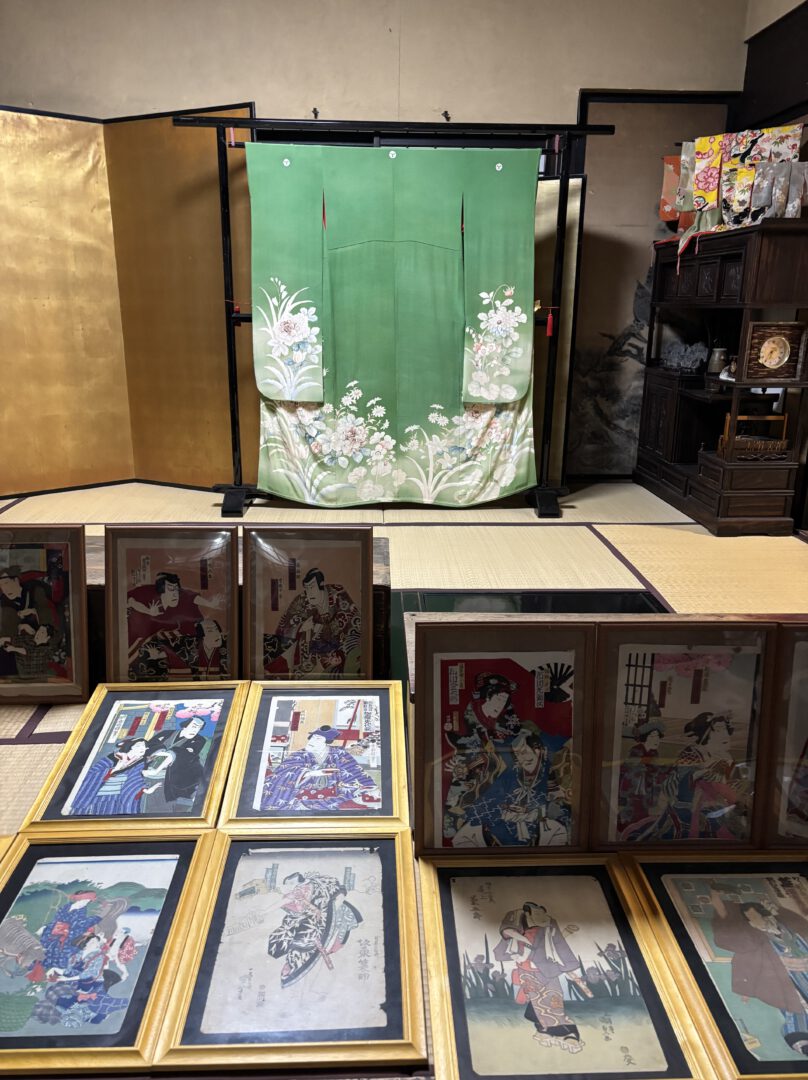
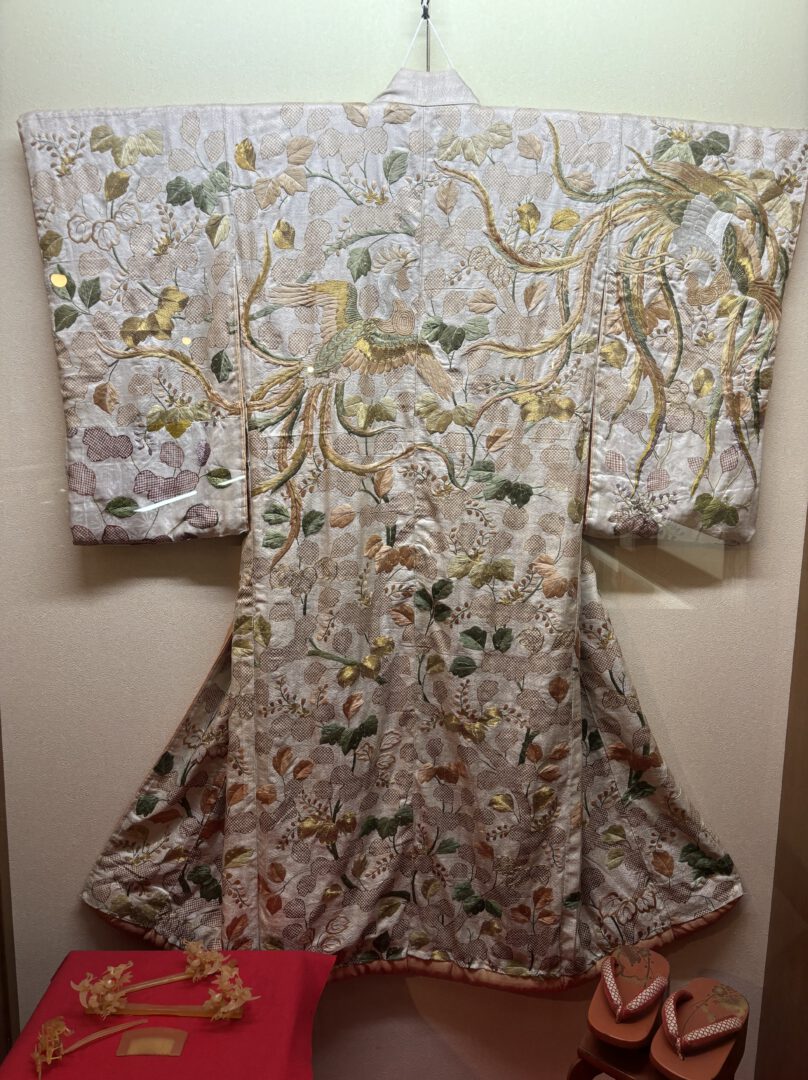
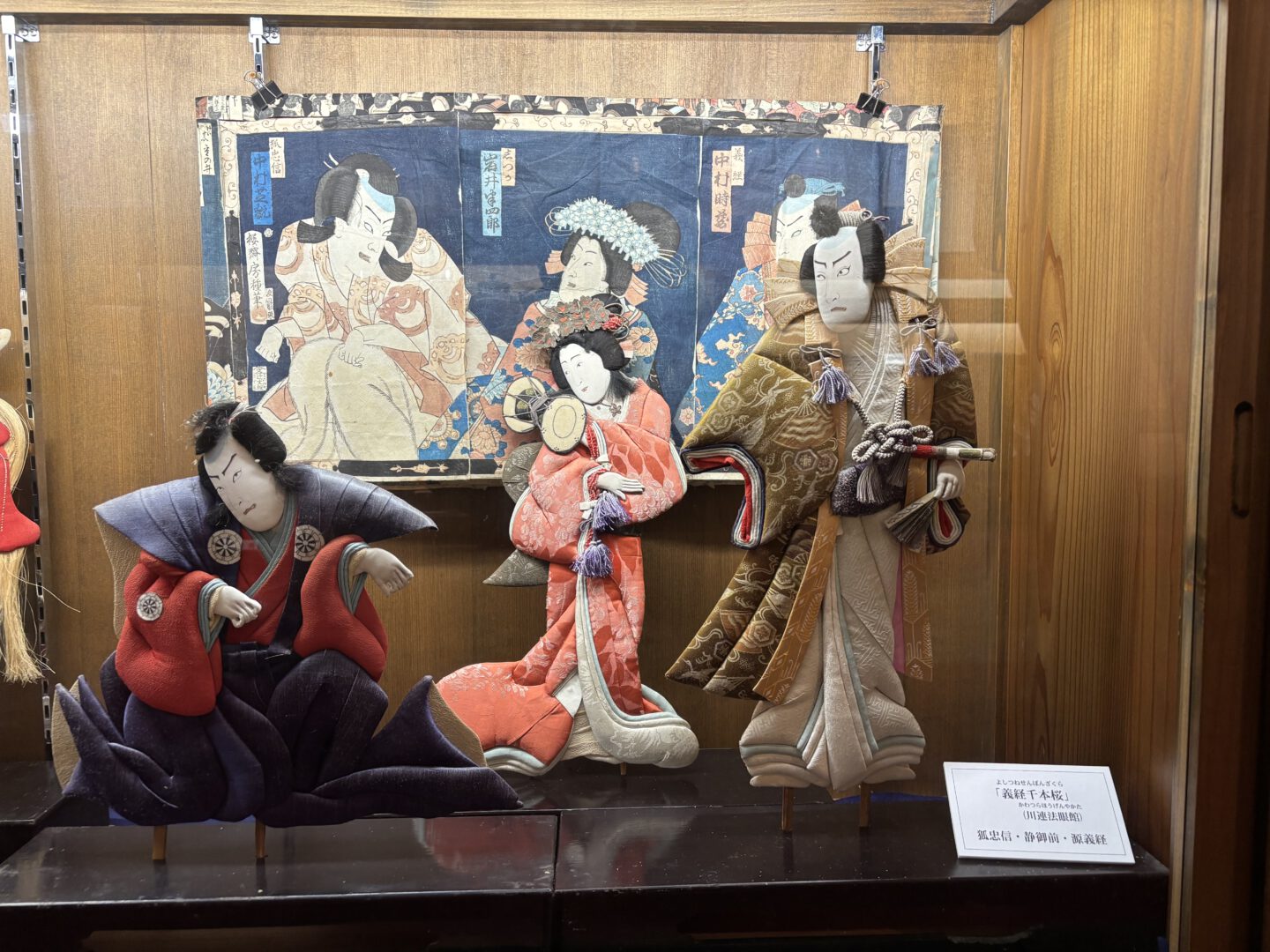
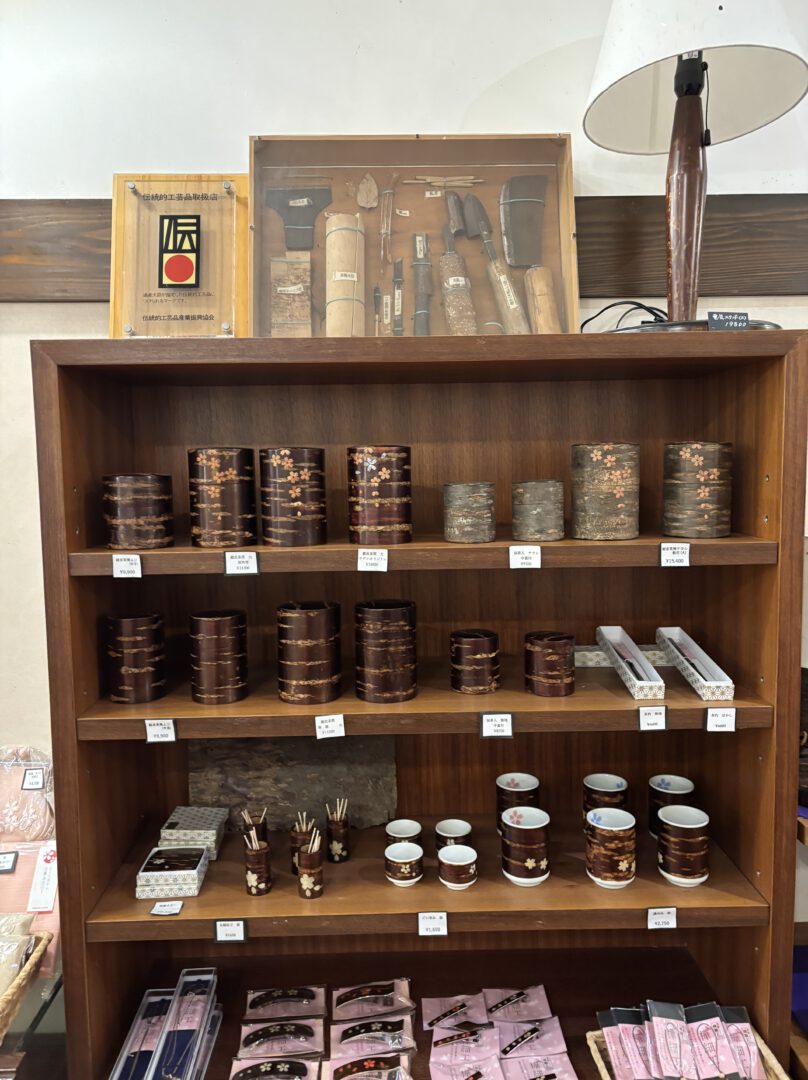
After lunch, we entered the Tamachi History Museum Tatetsu. At first glance, we mistook it for a shop, as the front area displays local crafts with a focus on cherry bark work. For more than 200 years, this craft has been practiced here, supported by the abundance of cherry trees in the area, especially the Shidare Zakura that bloom in May. The bark is processed entirely by hand and used for items such as tea canisters and trays. The shop owner explained the background and techniques in detail. I bought two coasters and a serving tray as souvenirs.
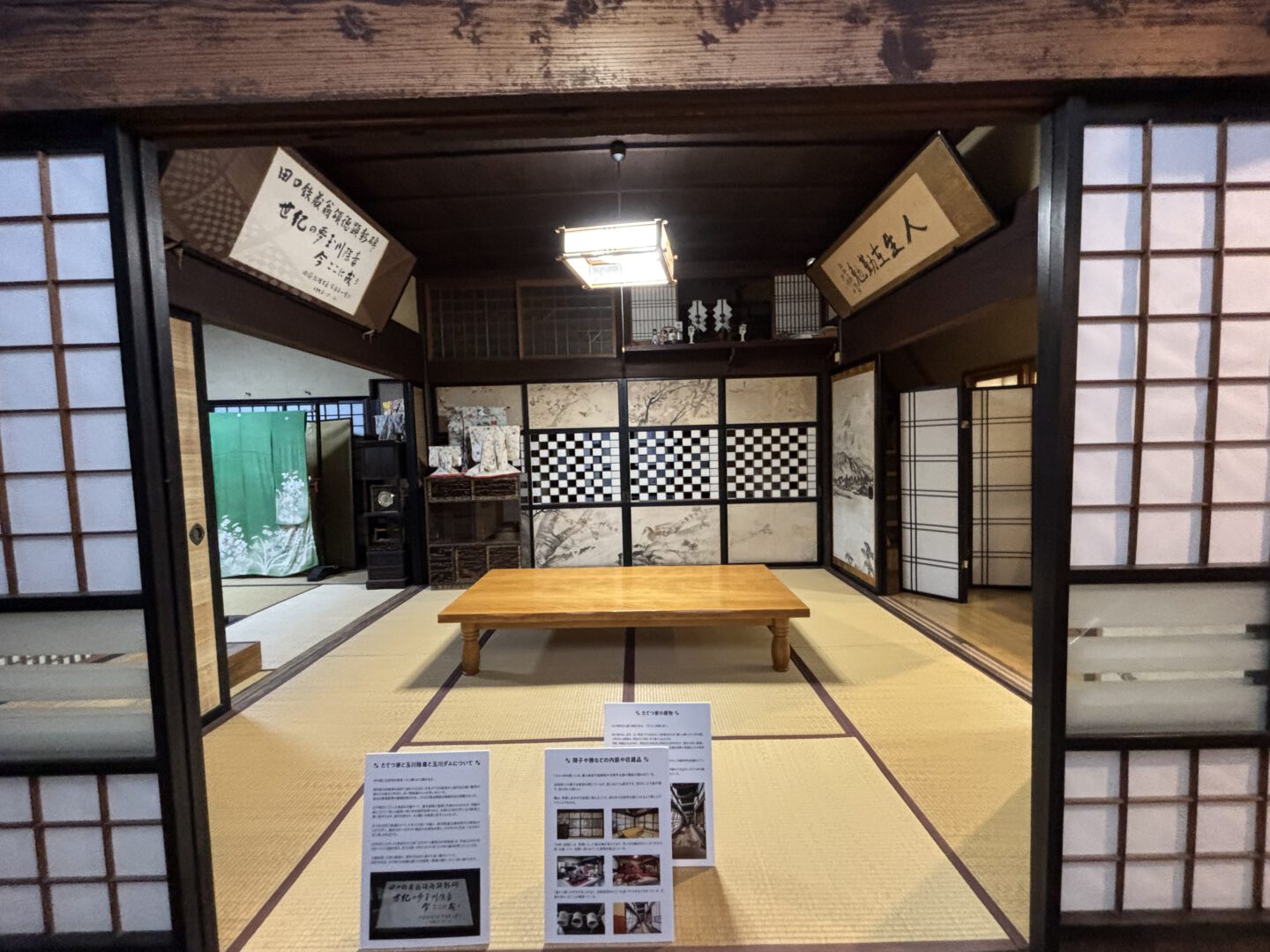
The main appeal of this building, however, lies beyond the shop — and it’s free. It is a former kimono merchant’s house, and the historic interior is open to visitors. Inside, there are exhibits from earlier times, including kimonos, ukiyo-e prints, and other cultural objects that help place Kakunodate in a broader historical context.
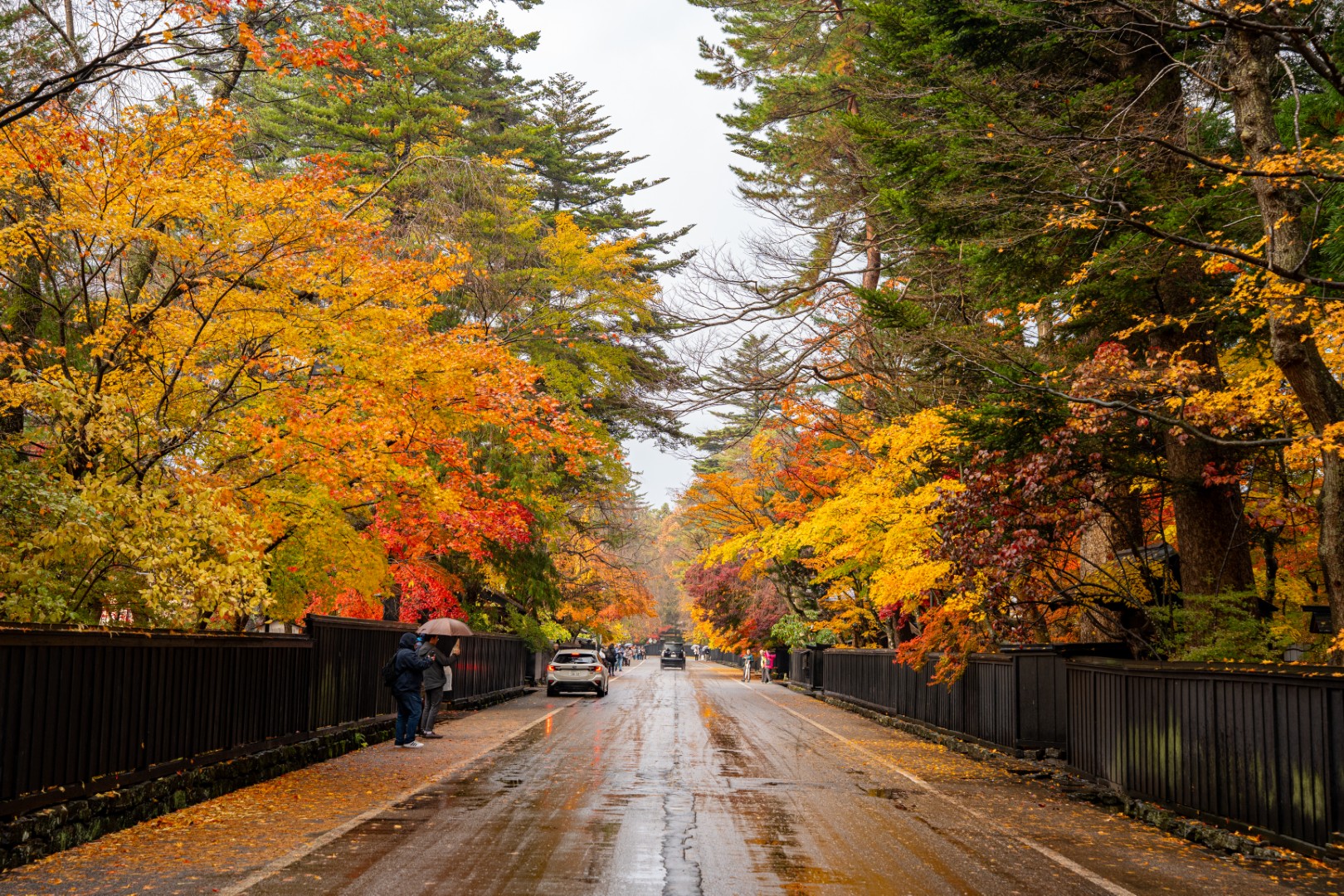
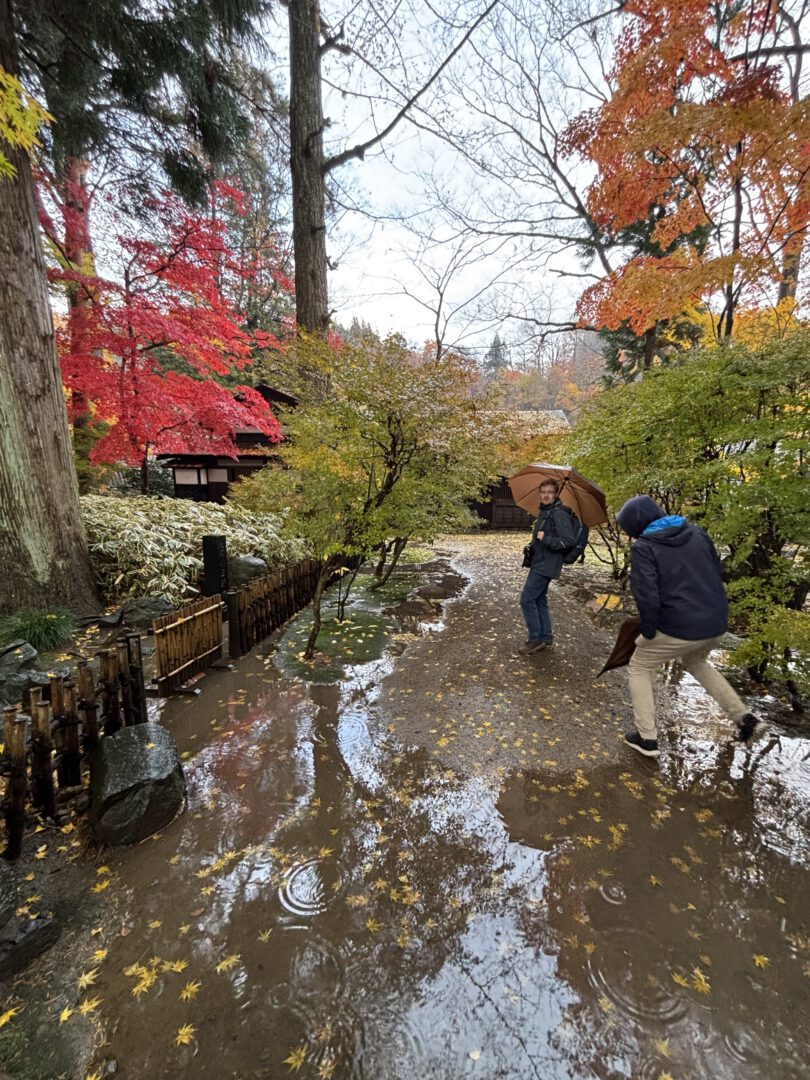
We then continued walking north along the main street, where historic samurai houses line the road, each set behind carefully maintained gardens. Autumn colors were at their peak, and the rain made the foliage appear even deeper in tone. Some houses were free to enter, so we for example stopped briefly at the Odano-ke Samurai House. Large puddles had formed, and staying dry was more a matter of balance than planning. We still managed to handle camera and umbrella at the same time.
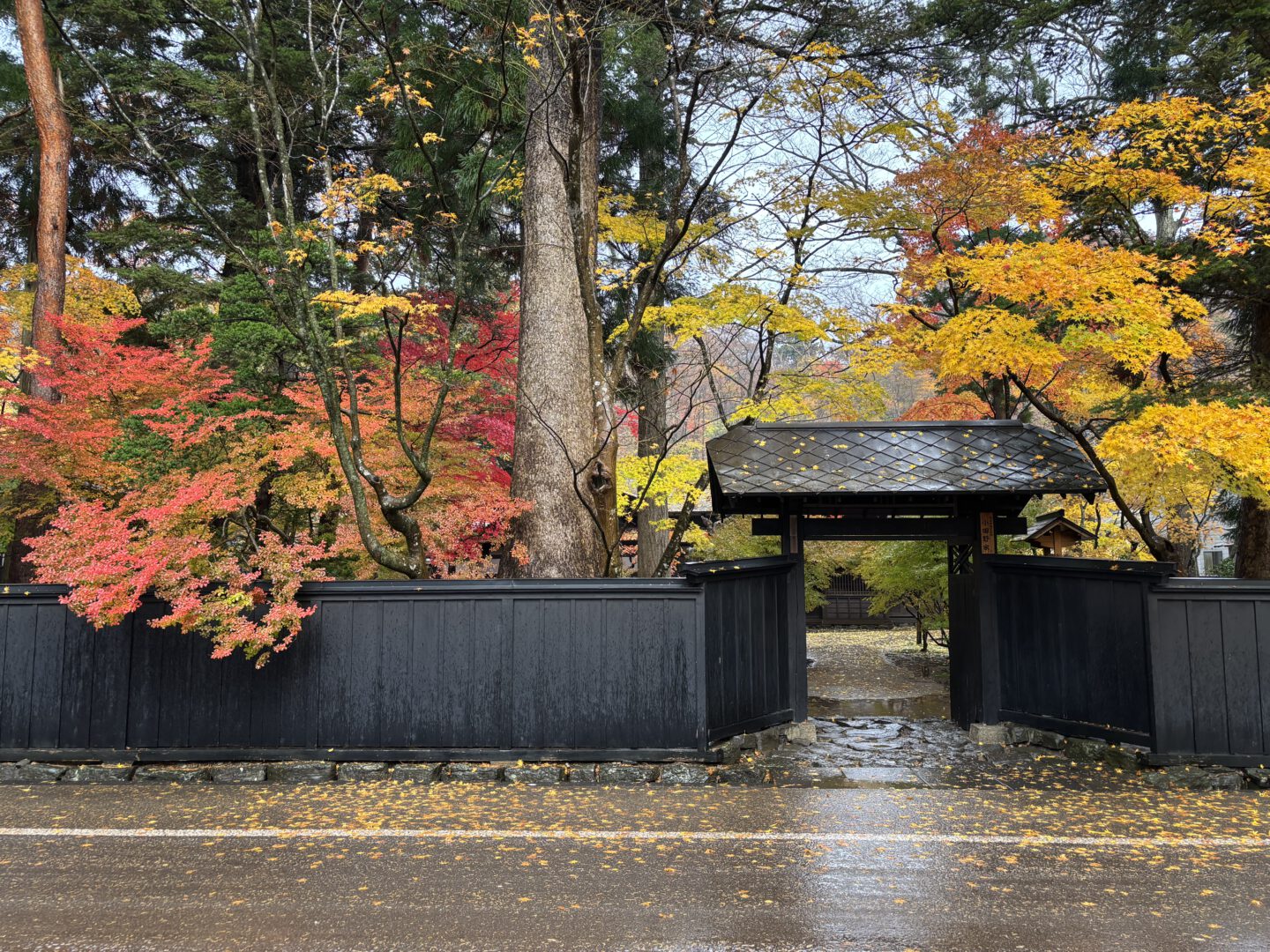
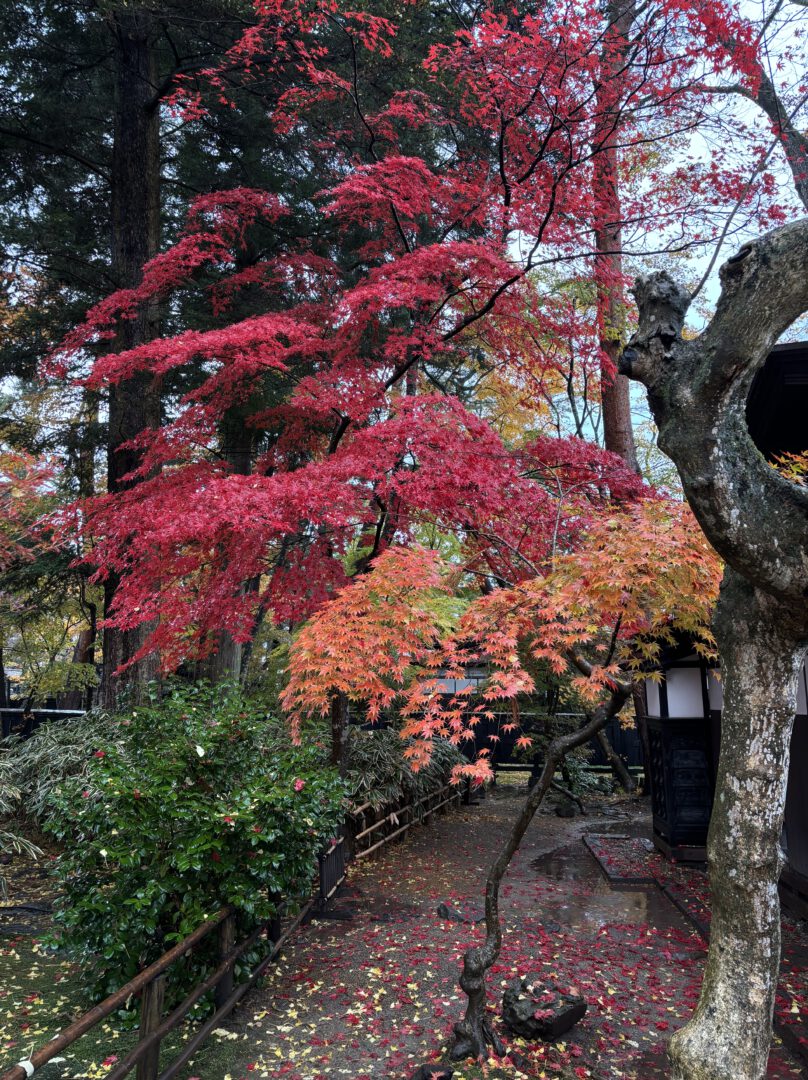
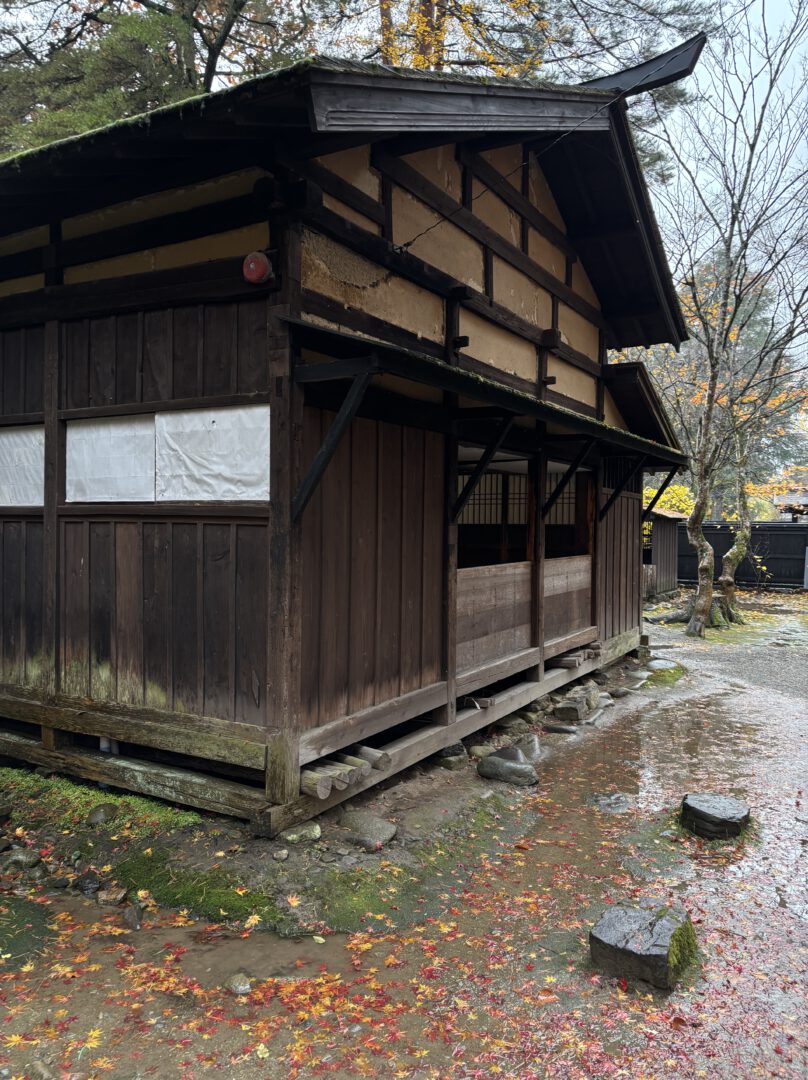
The clear highlight of Kakunodate was the Aoyagi Residence, one of the two major samurai estates in town and the former home of the Aoyagi family, middle-ranking retainers of the Satake clan. This is the largest and most substantial site in the district and requires an admission ticket.
The importance of the residence is evident from the main gate alone, which is far more elaborate than others in town. Built in 1860 with special permission from the feudal lord, it reflects the family’s status and contributions to the domain. Inside the grounds, multiple buildings are open to visitors, each offering a different perspective on samurai life. On this rainy autumn afternoon, the residence felt less like a museum and more like a place briefly paused in time. The garden contains the Aoyagi Yae Beni Shidare Zakura, an eight-petaled red weeping cherry tree found only here.
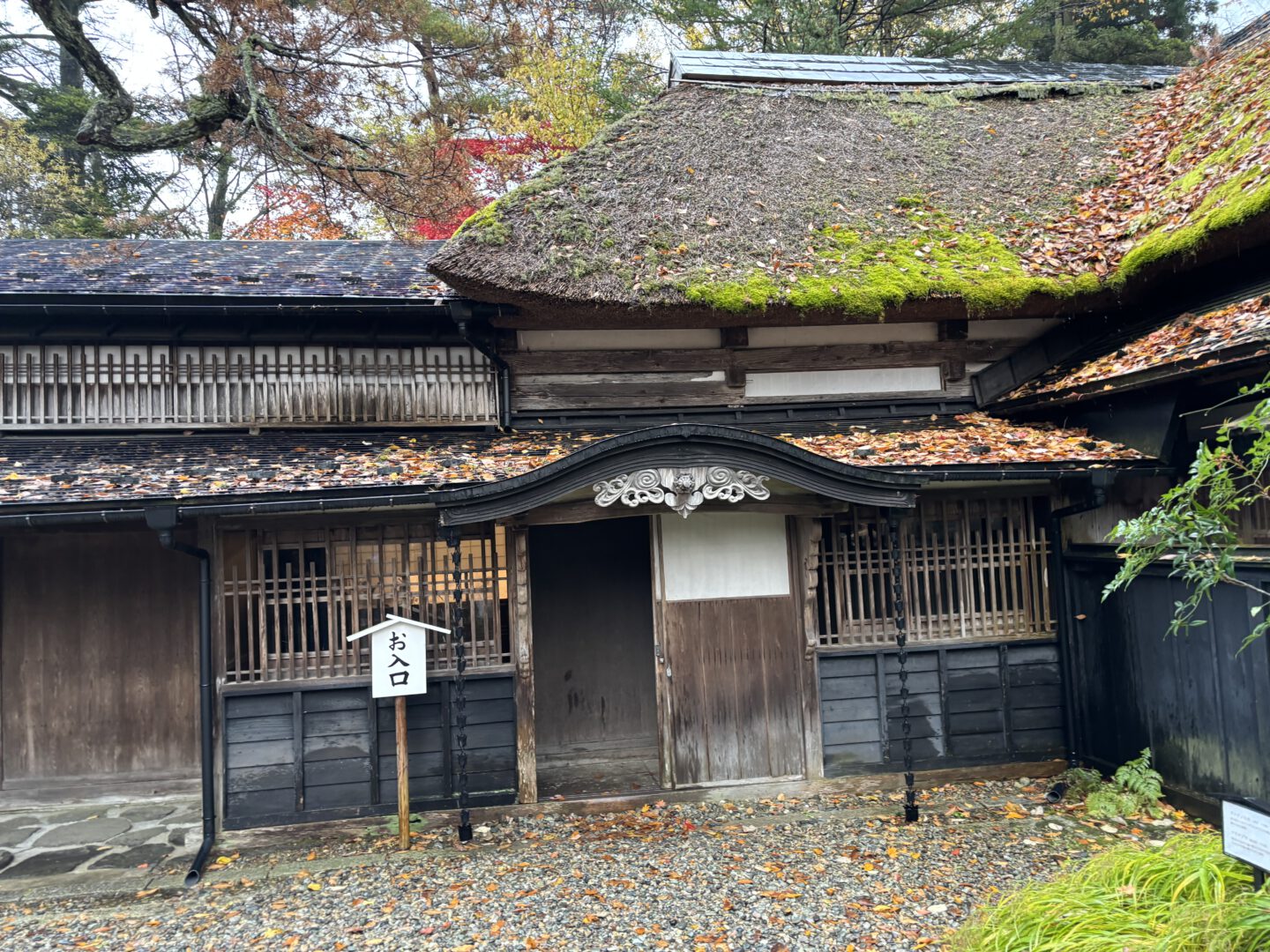
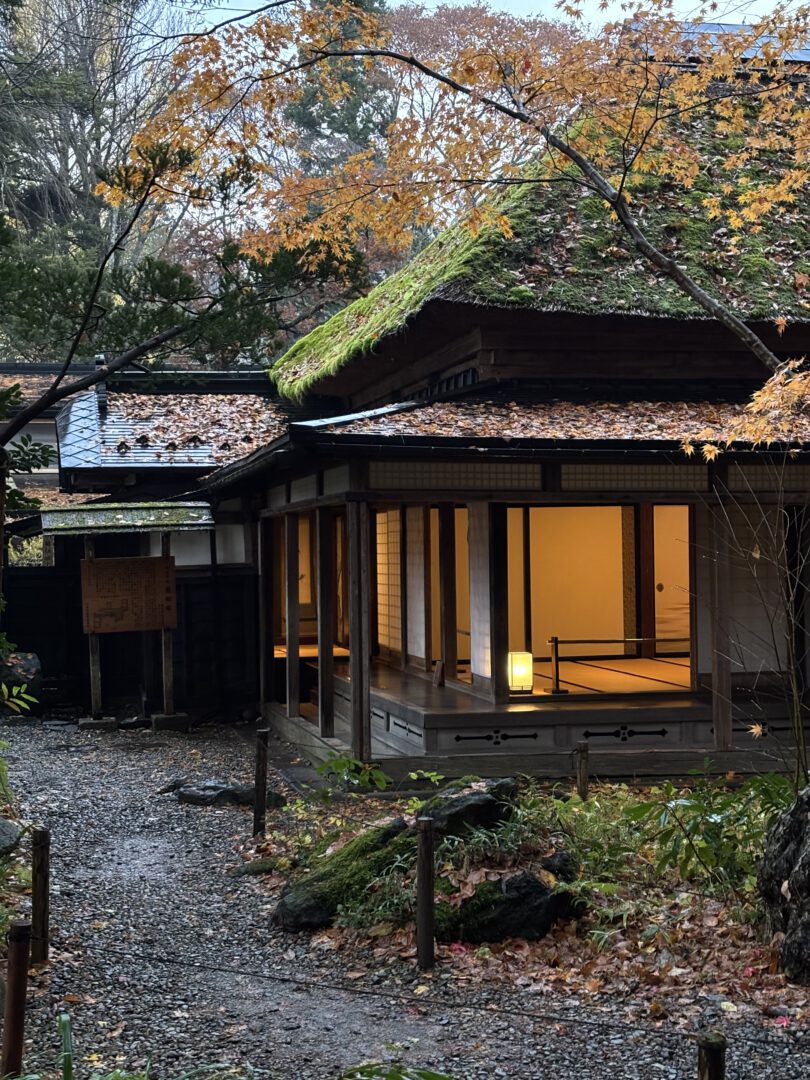
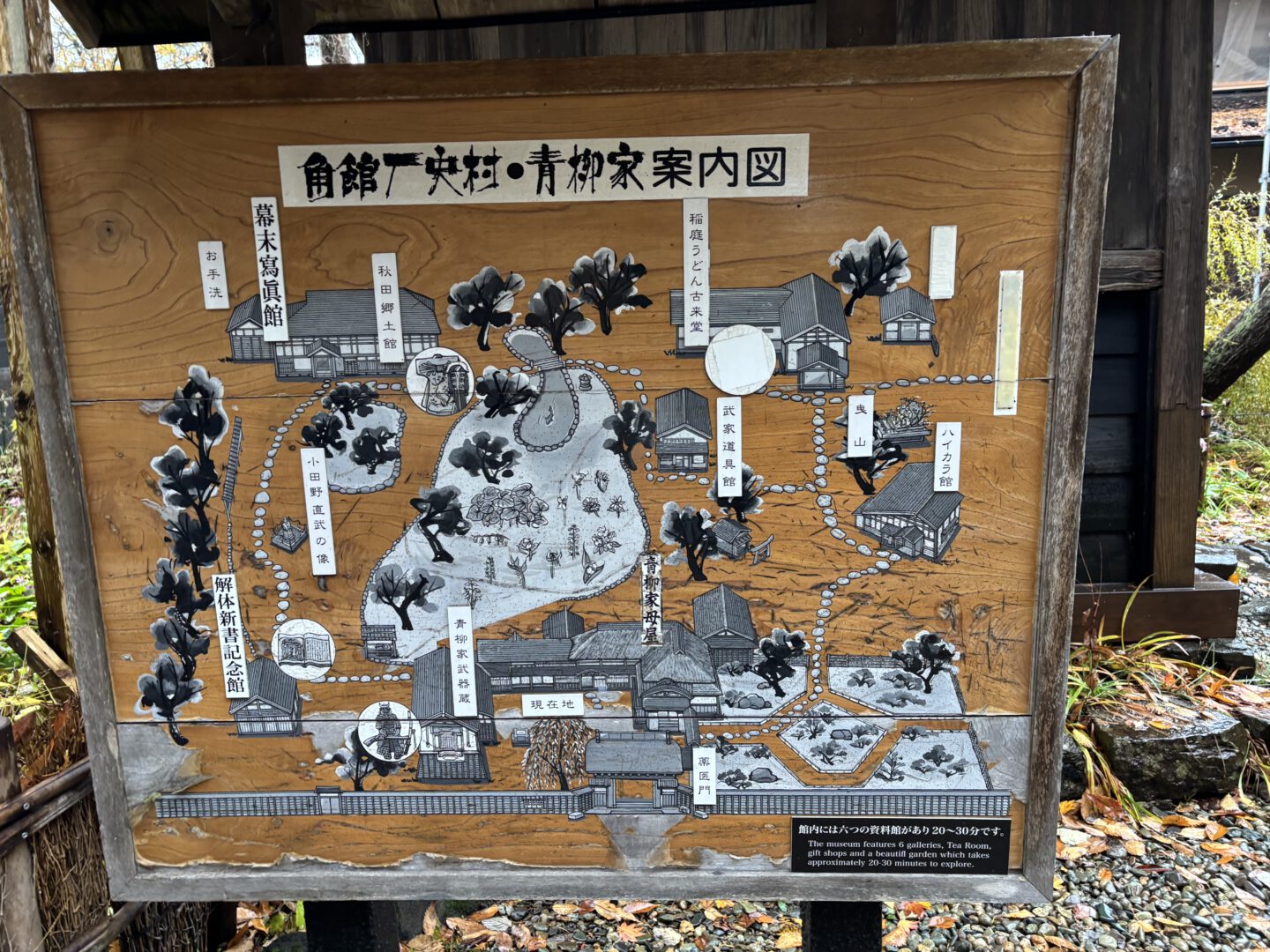
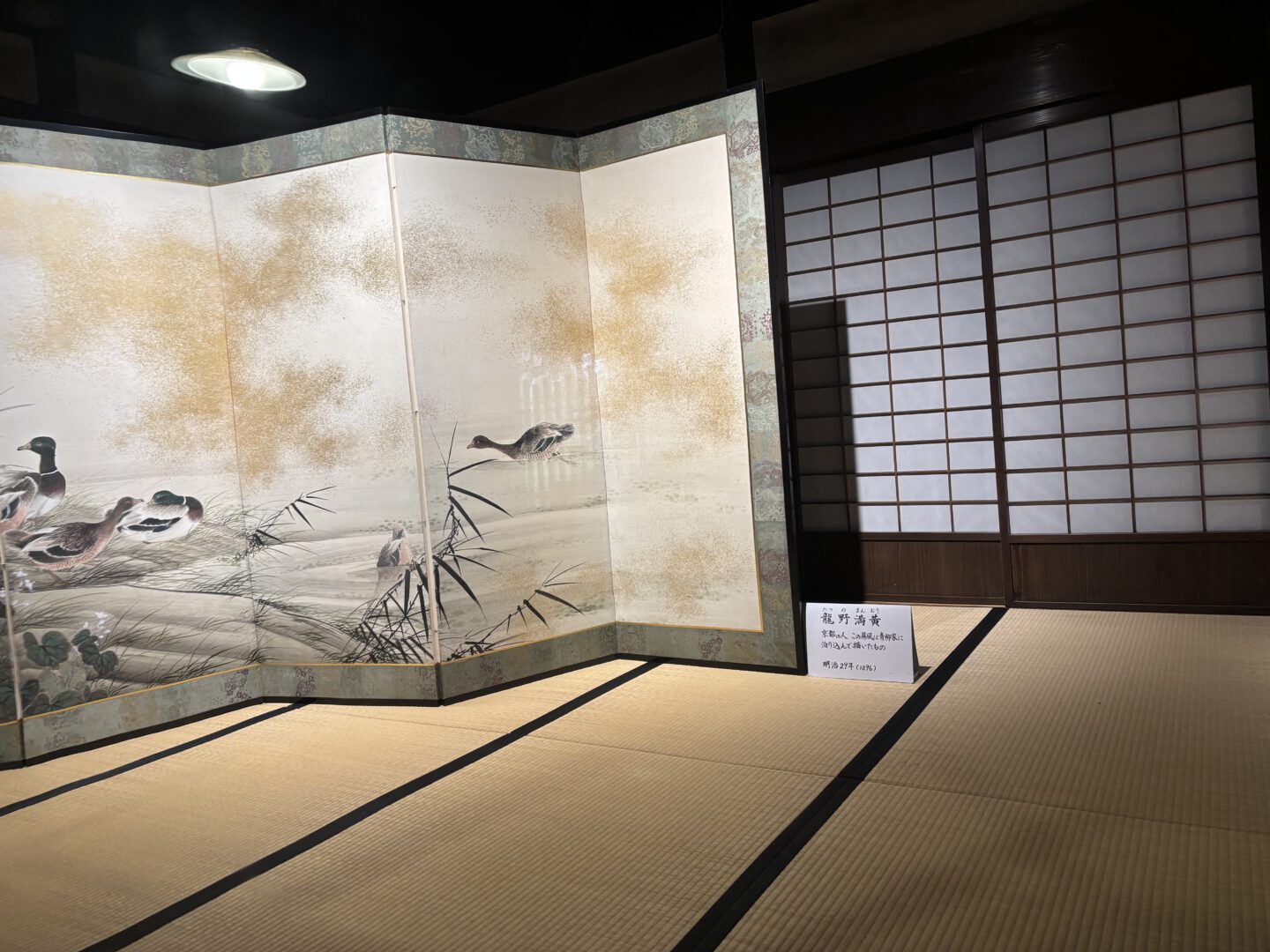
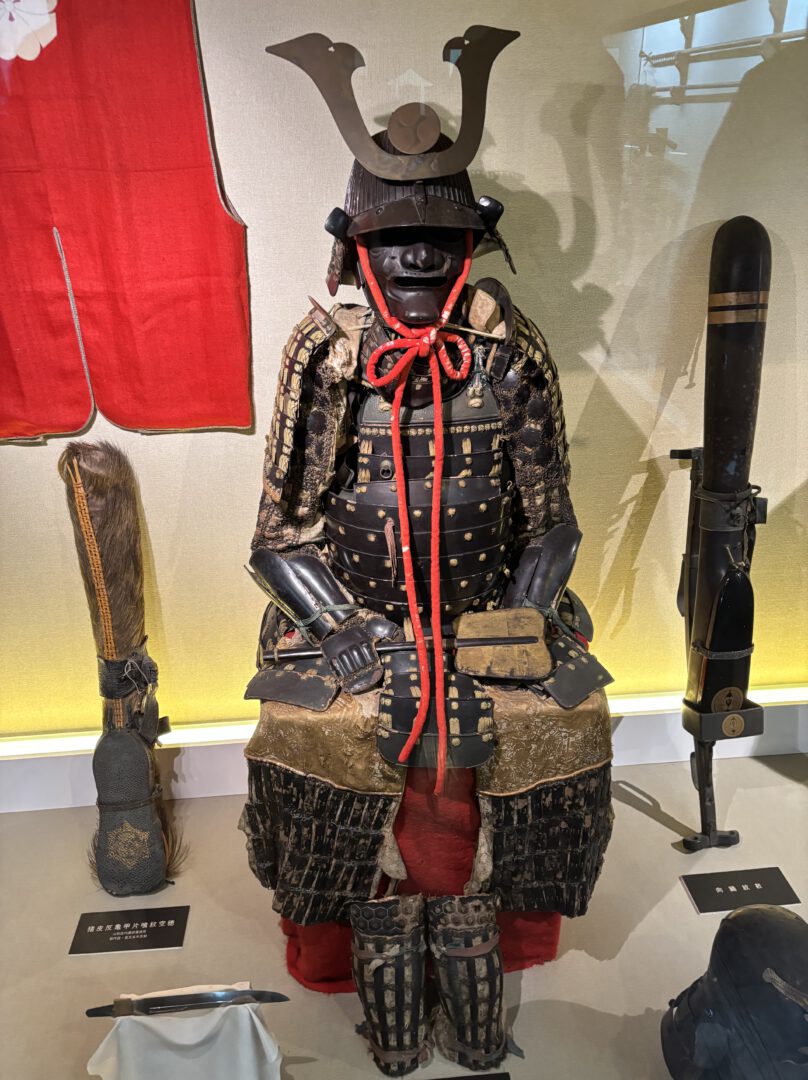
The main house, with its thatched roof, is among the best-preserved samurai residences in the country. Three separate entrances lead to guest reception rooms, private living quarters, and servant areas. Storehouses display armor, helmets, swords, and firearms, providing a concrete sense of daily and ceremonial life. Another exhibition focuses on rangaku, the study of Western knowledge. Naotake Odano, a samurai connected to the Aoyagi family, applied Western shading techniques to create Japan’s first accurate anatomical illustrations, which later influenced education across the country. The displays also include imported Western goods that were rare and valuable at the time.
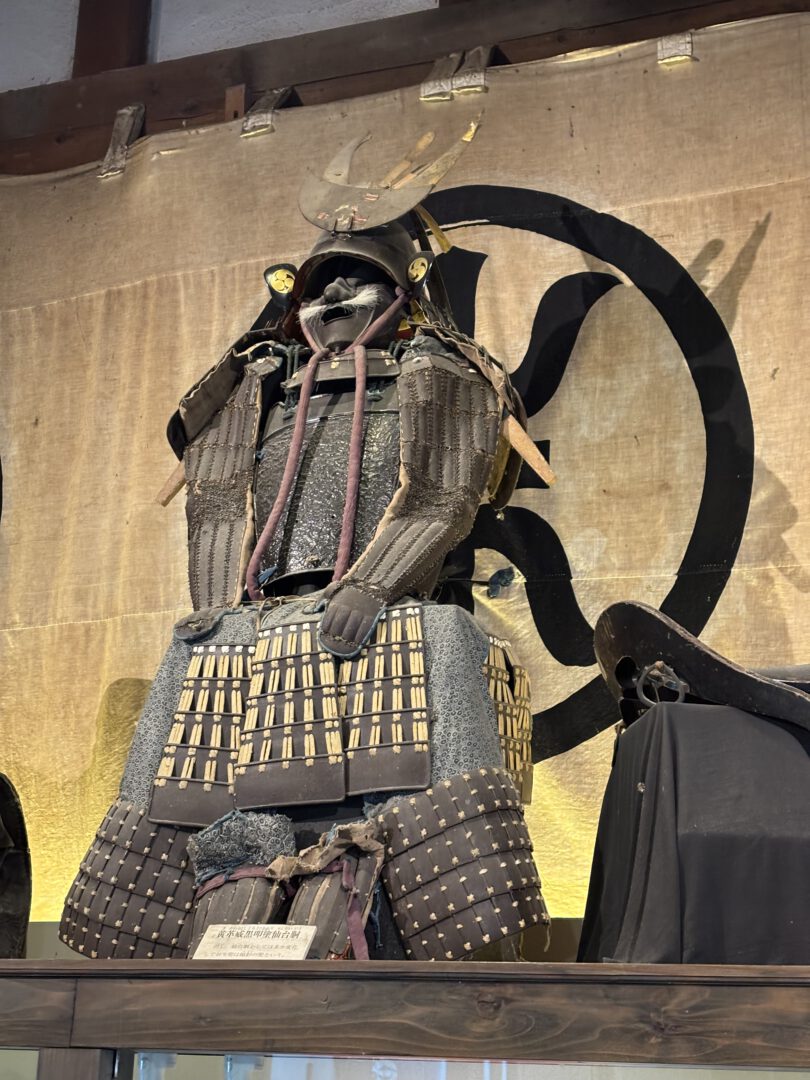
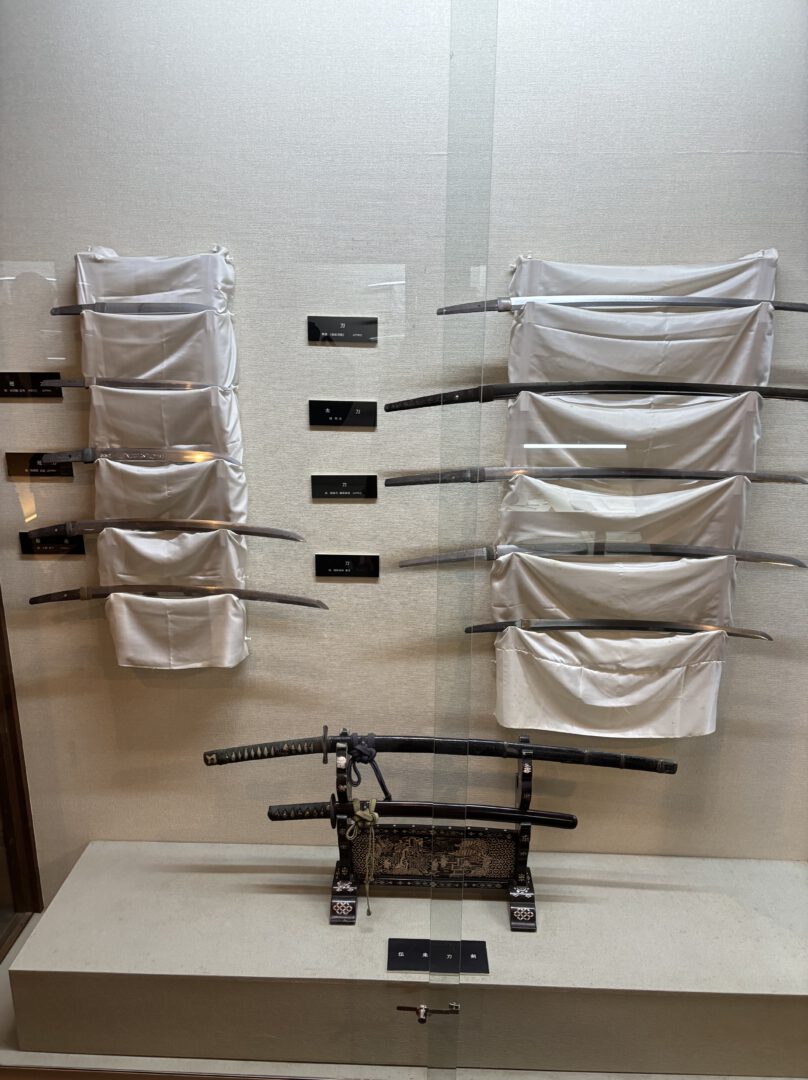
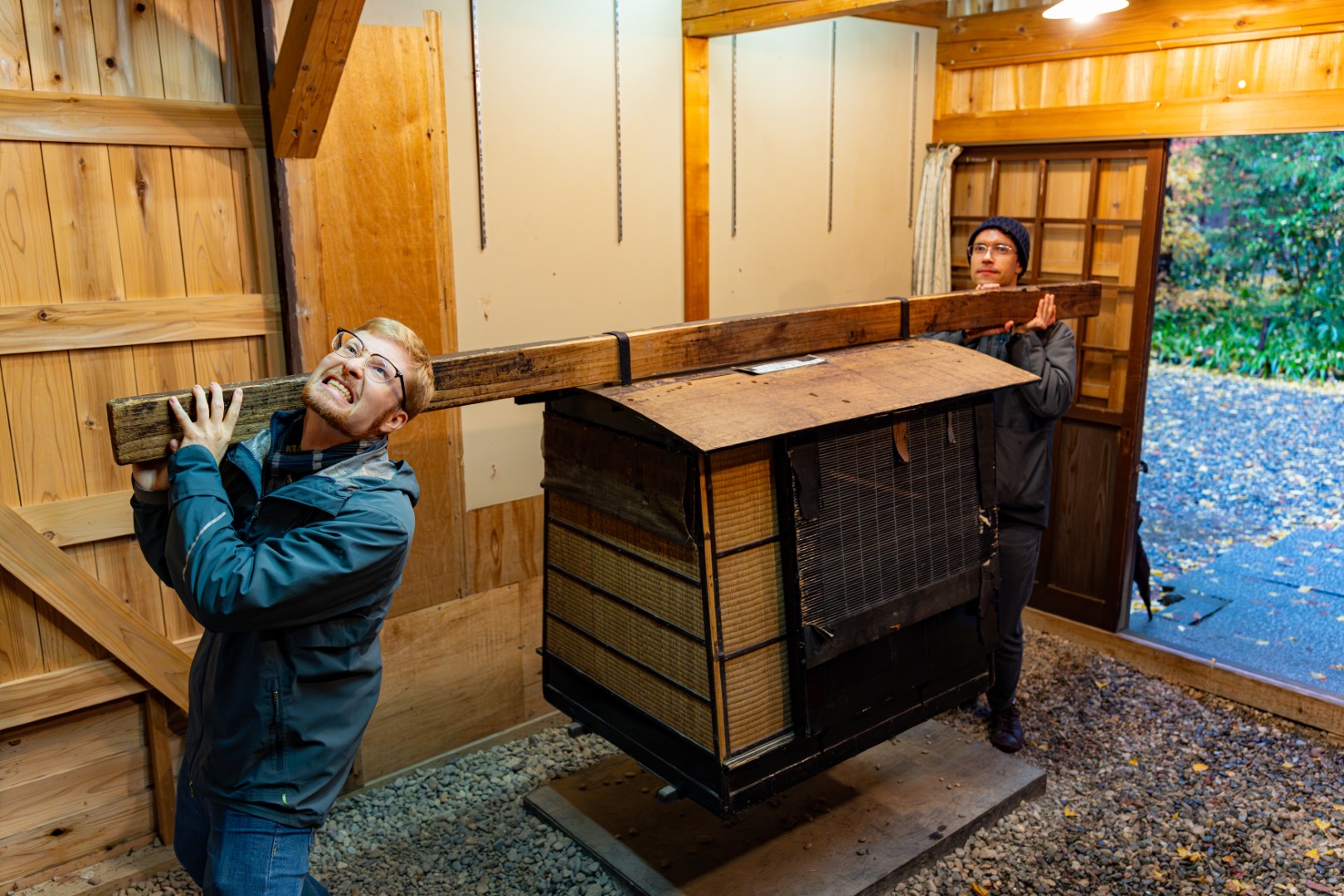
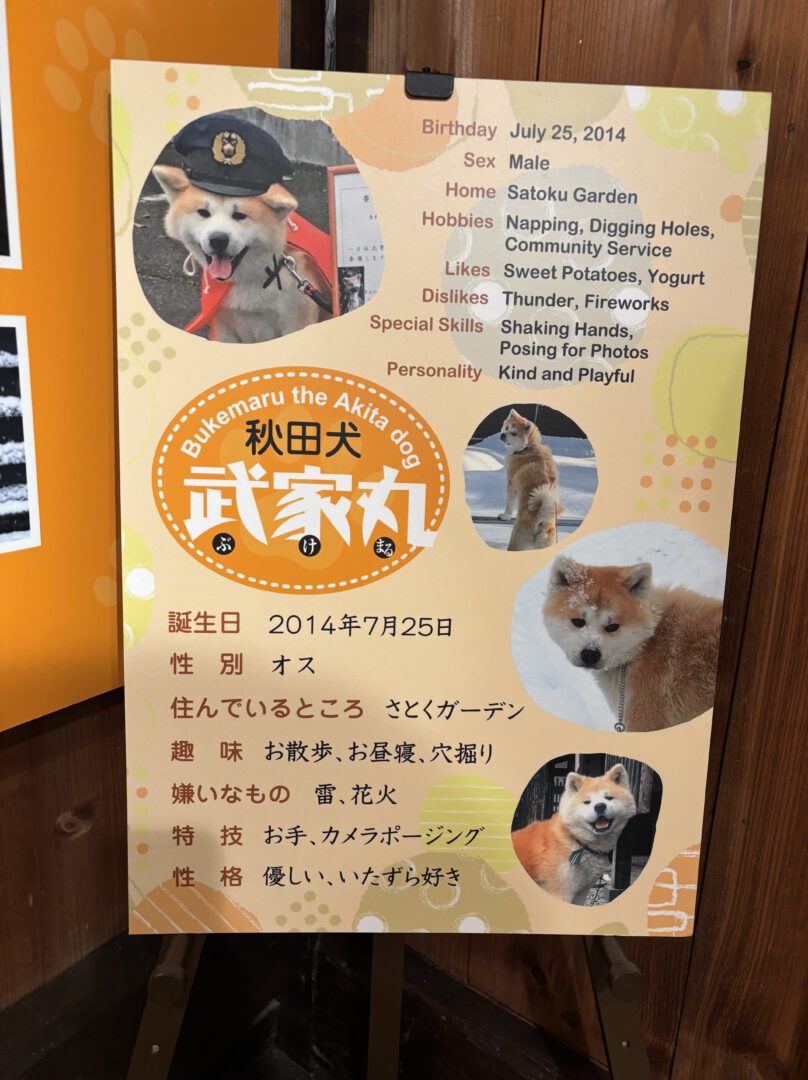
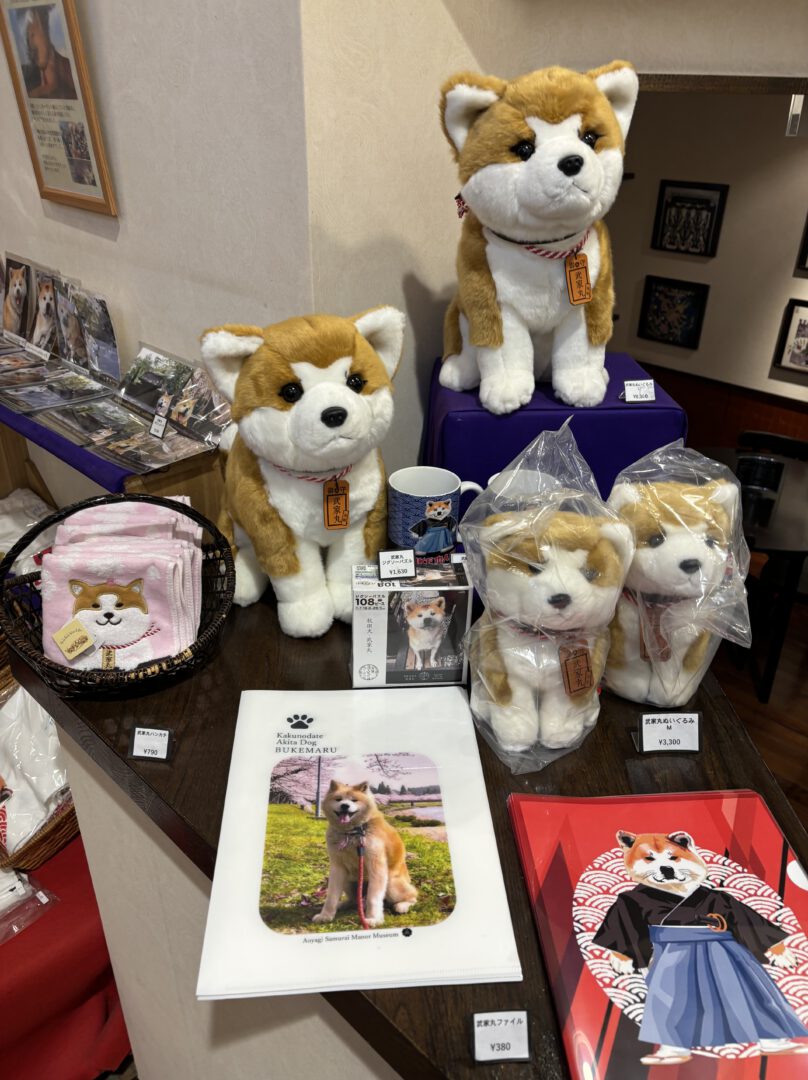
The museum includes hands-on elements such as lifting a samurai sword or a kago palanquin. At the end of the route, a souvenir shop offers local products, with a noticeable emphasis on Akita dog goods. The breed, native to this region, is used widely as a local symbol, and here it became especially apparent. Sadly, the depicted Bukemaru passed away in 2024.
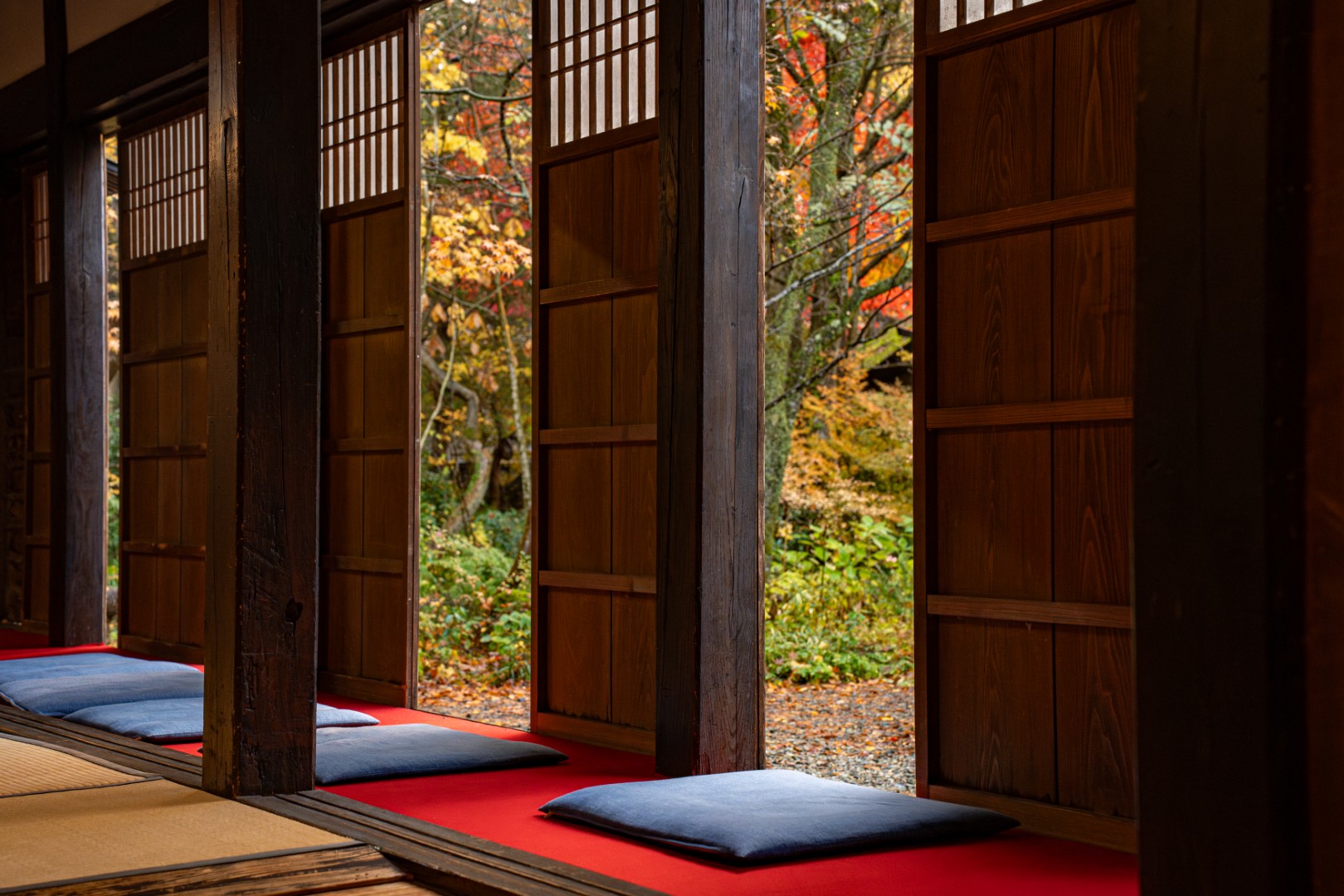
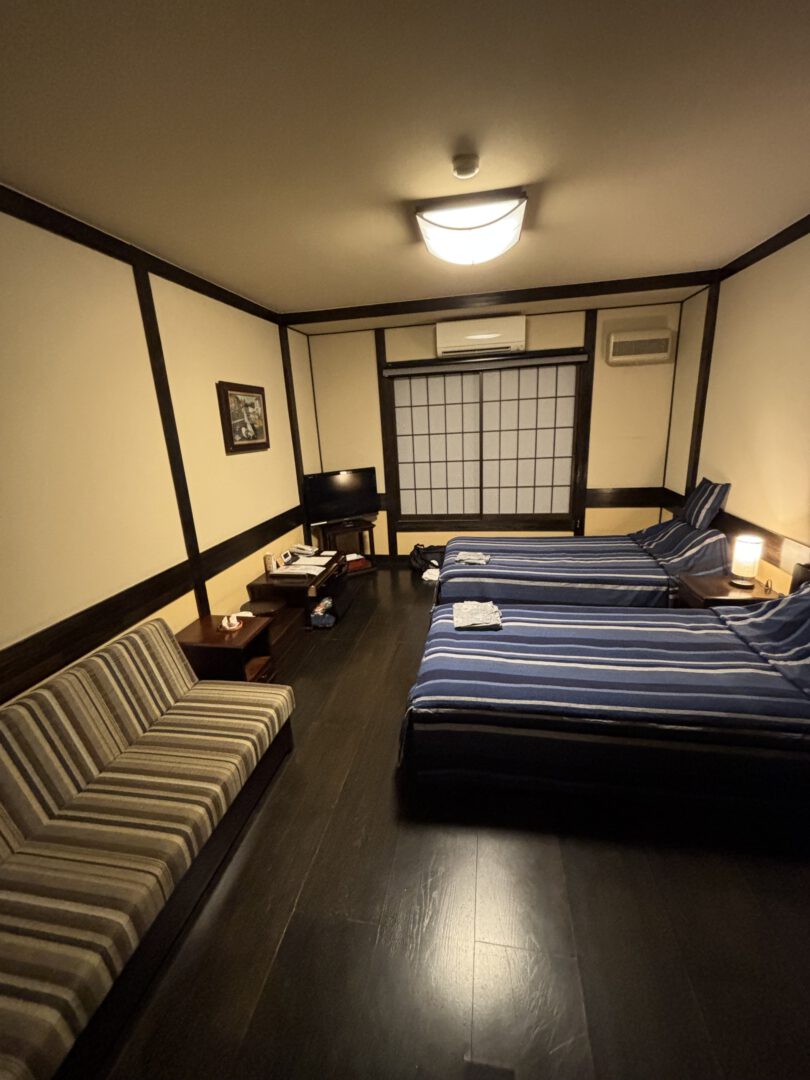
Our hotel continued the historic theme, not only through its location but also through the room’s interior, which reflected a Meiji-era atmosphere, featuring Western-style beds sit alongside wooden furniture. Instead of dining at the hotel, we decided to eat out for a change. The staff kindly made a reservation for us at a nearby izakaya.
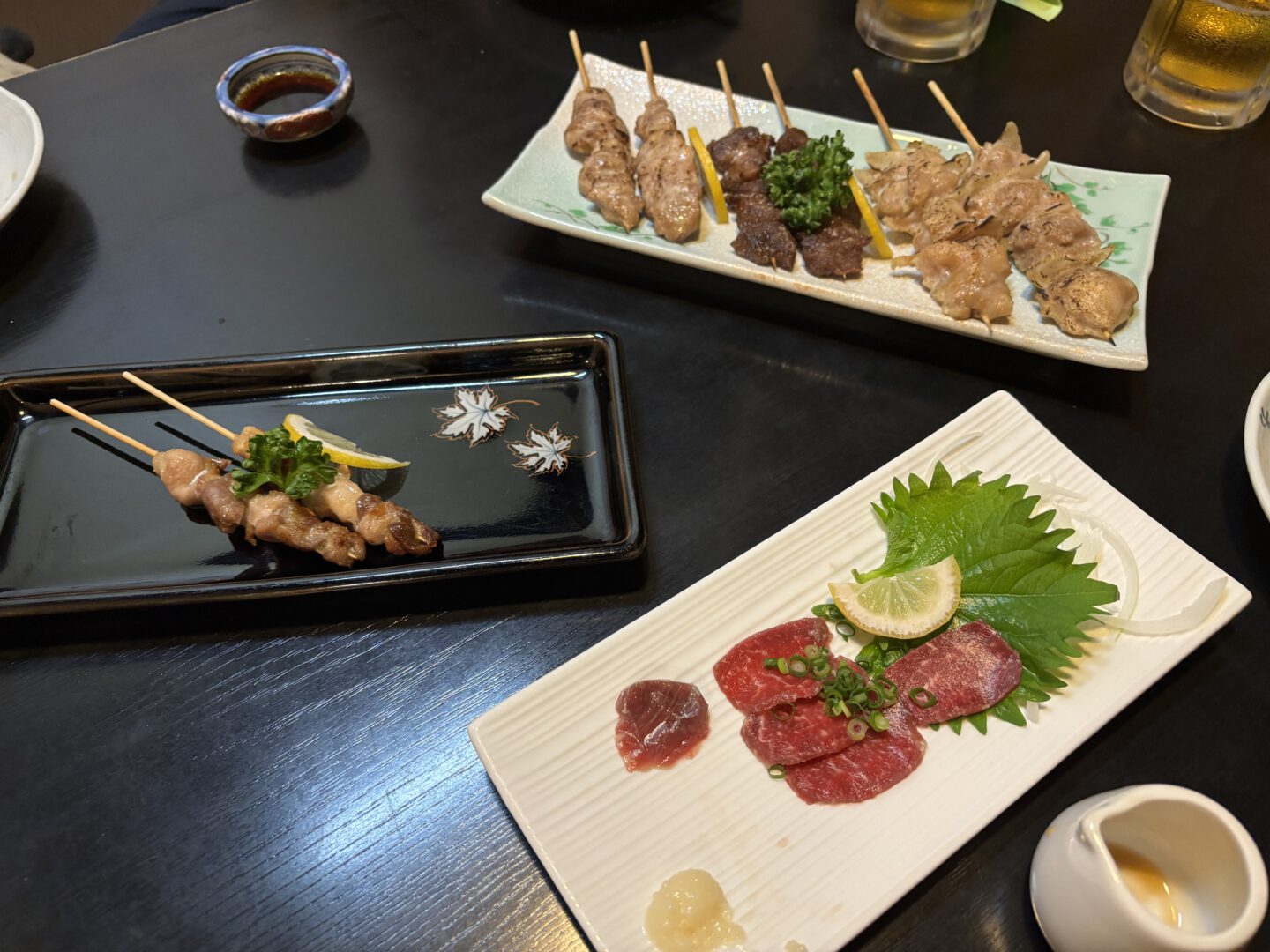
At Izakaya Naruhodo, whose name roughly means “ah, I see,” we ordered from a handwritten menu on a whiteboard. Not every dish was clear to me, but we ended up with a good variety of classic izakaya dishes: raw and grilled fish, yakitori, horse sashimi, karaage and rich salads.
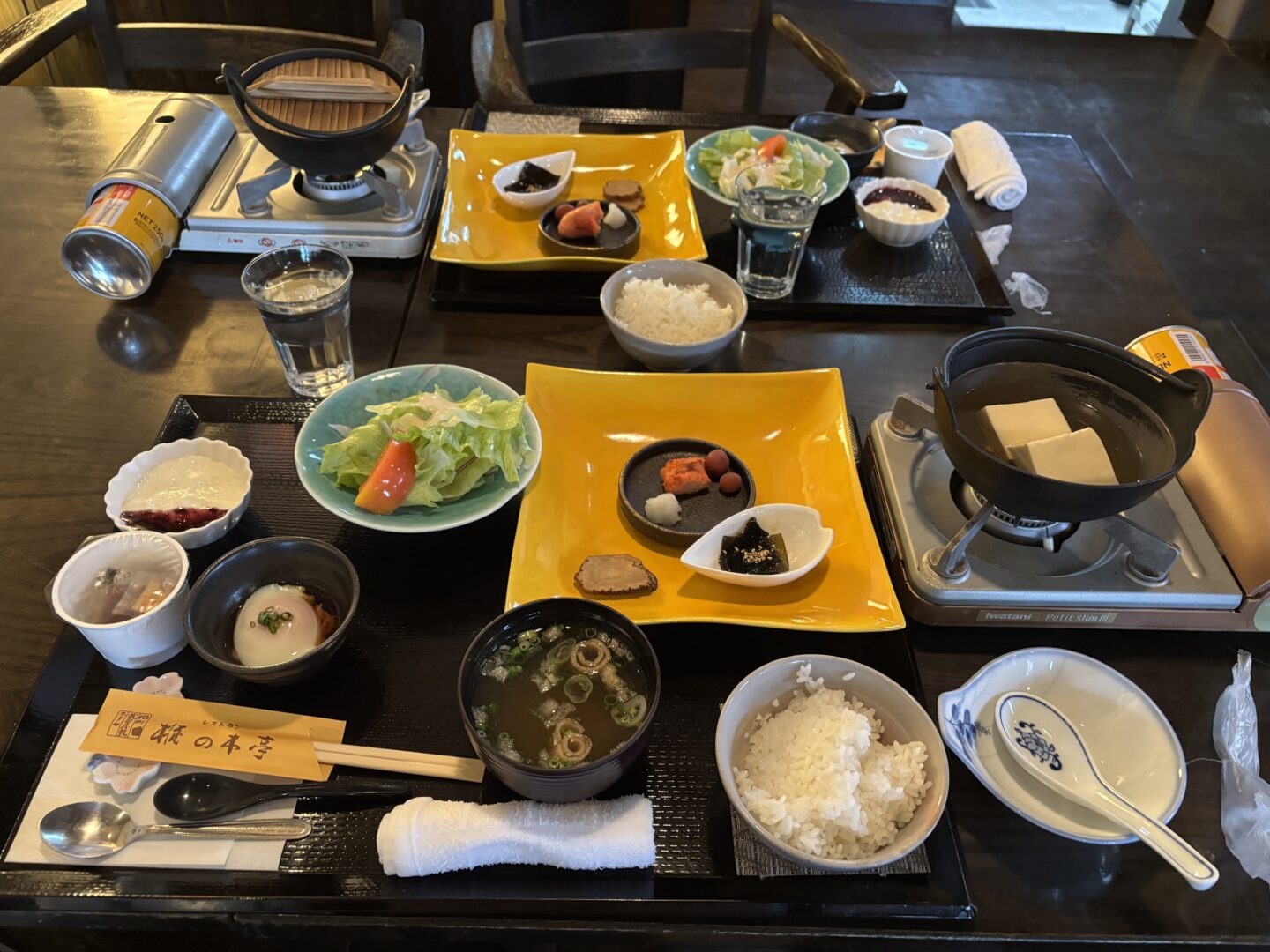
The next morning, we had breakfast at the hotel. It was solid but less special than at the ryokan we had stayed at previously.
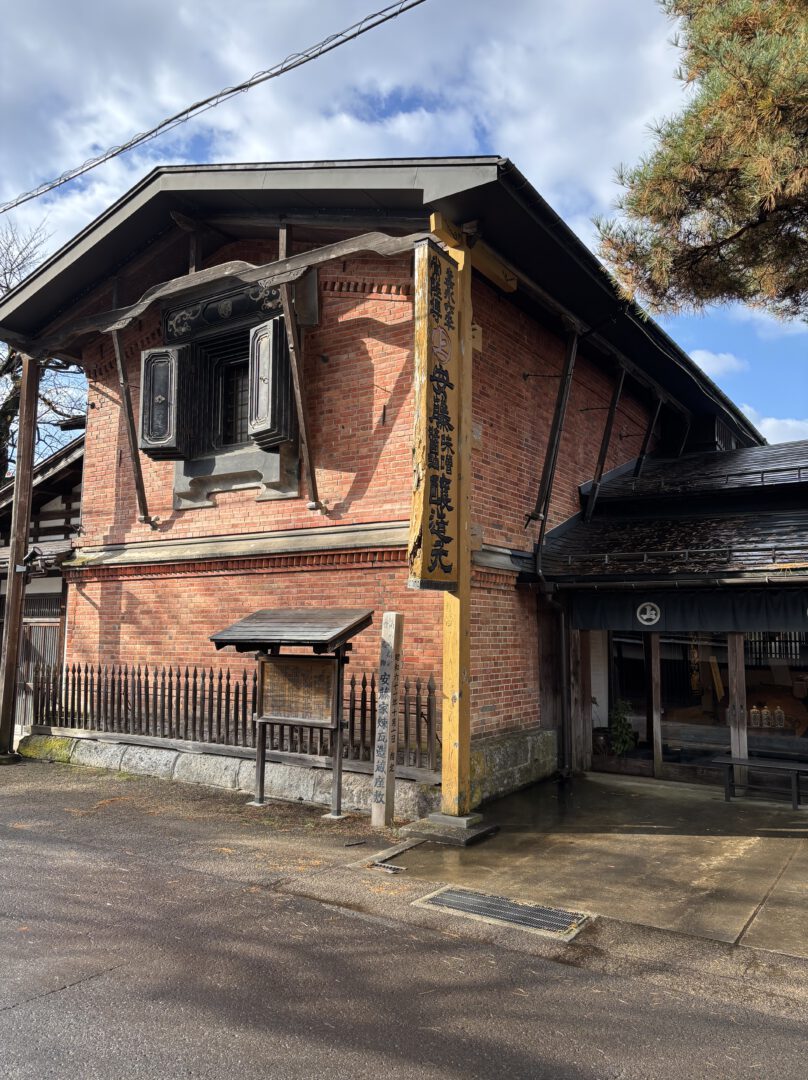
Before leaving Kakunodate, I wanted to stop at the Ando Fermenting Store (安藤醸造 本店), located in the former merchant district south of the center. The brick building reflects the long history of the brewery, which has been producing soy sauce, miso, and other fermented foods using the same method for over 150 years. As fires used to be the norm back then, this building in its current form has been rebuilt in 1891. At the time bricks were still a rare luxury but they were chosen to prevent further damage by fires. And this has proven as the building still remains in its original form.
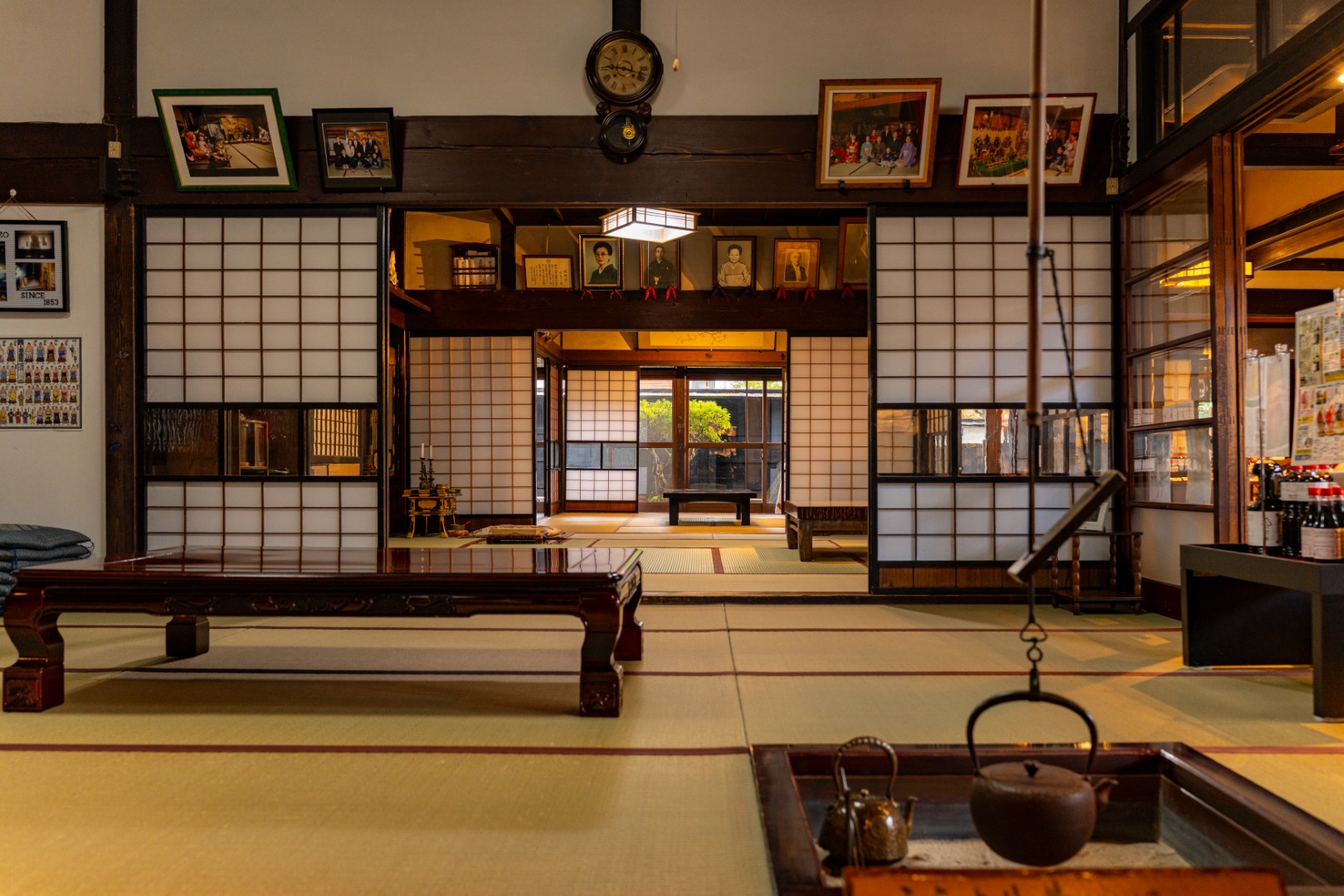
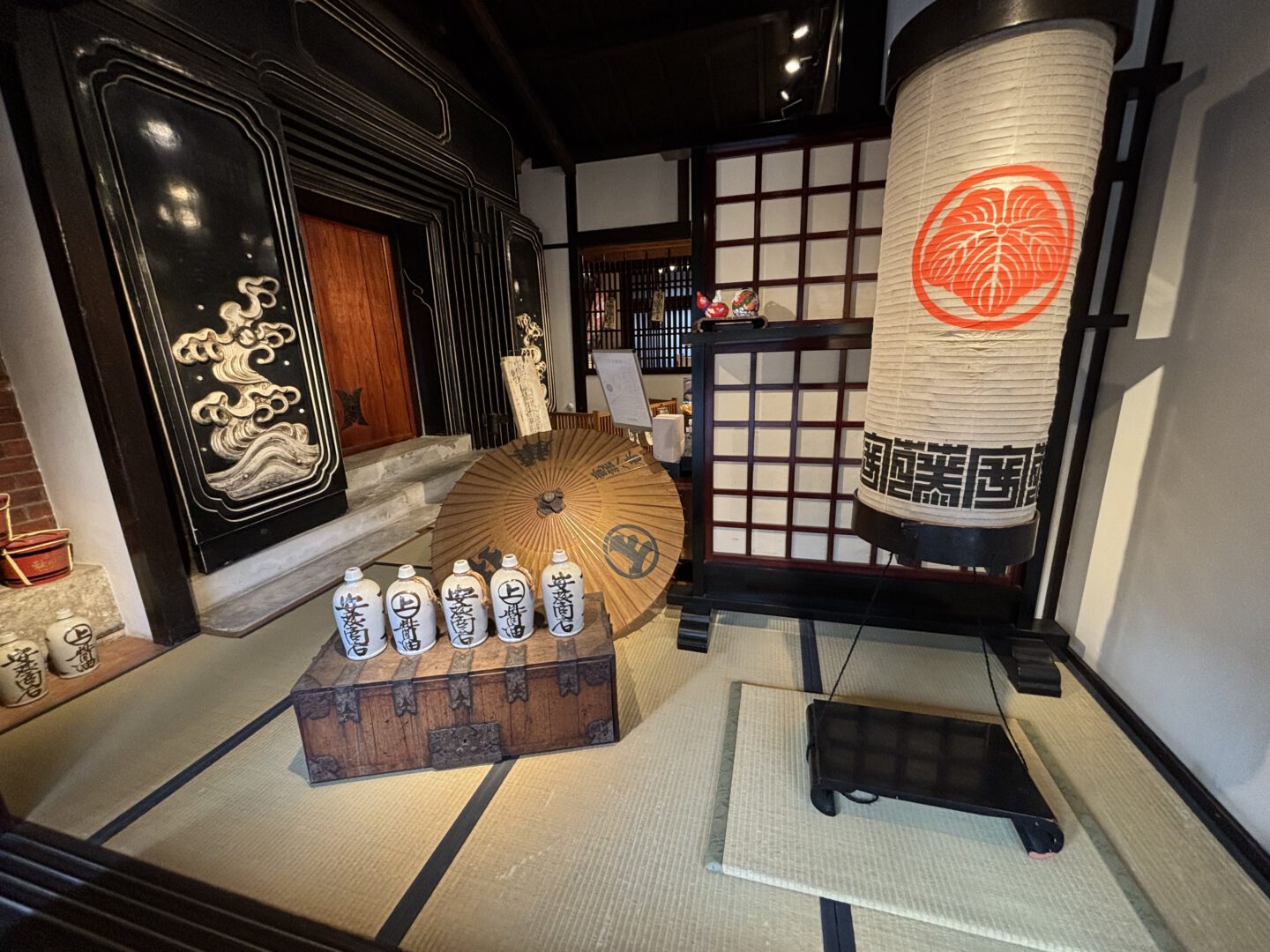
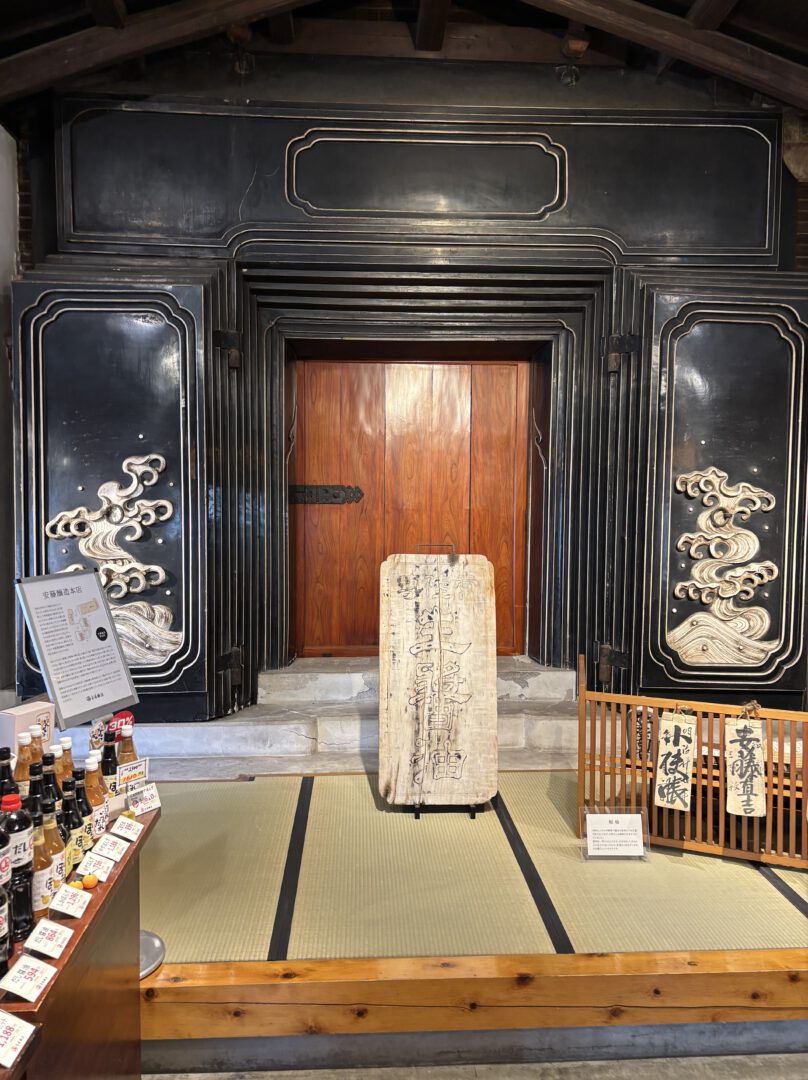
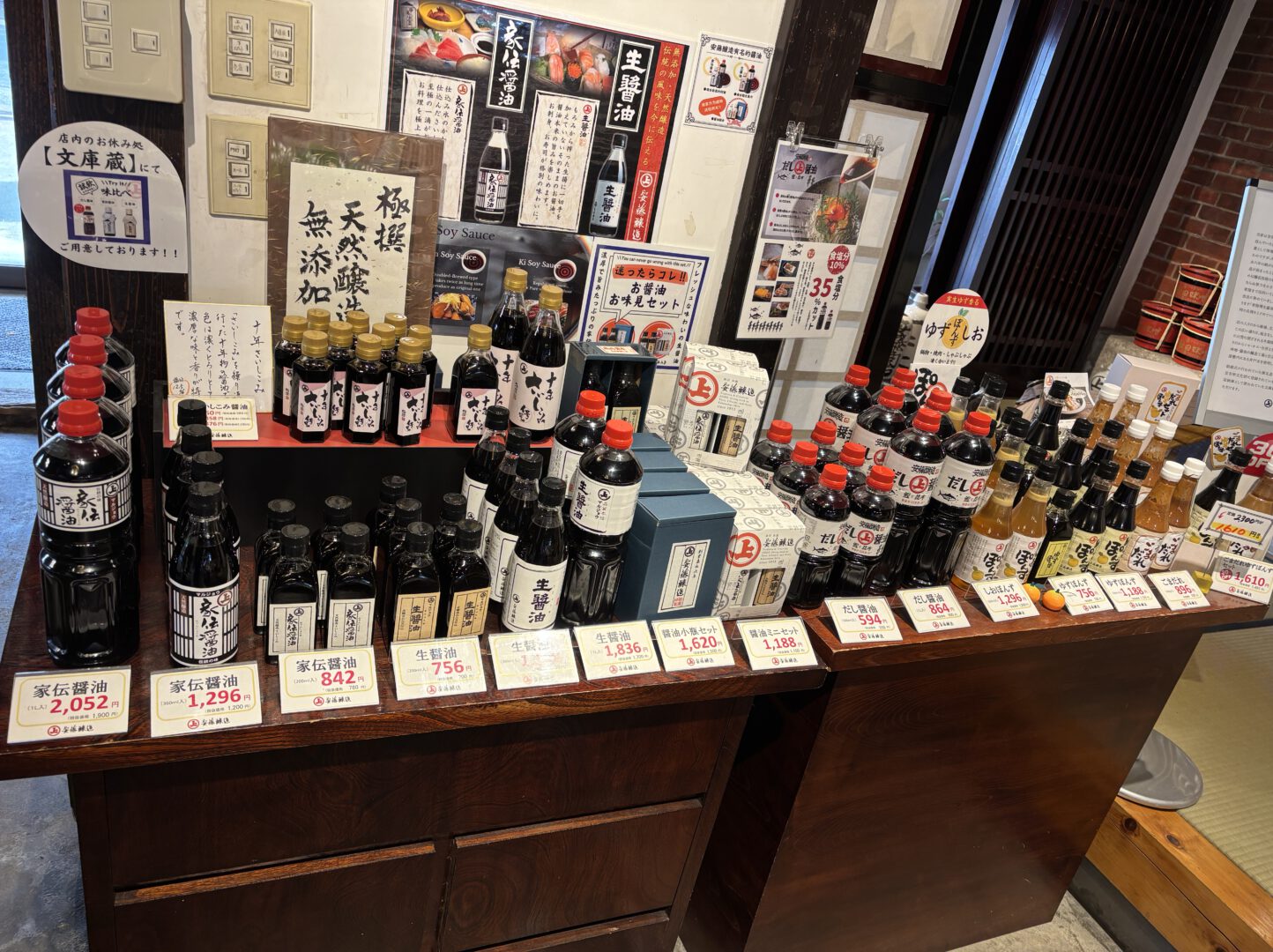
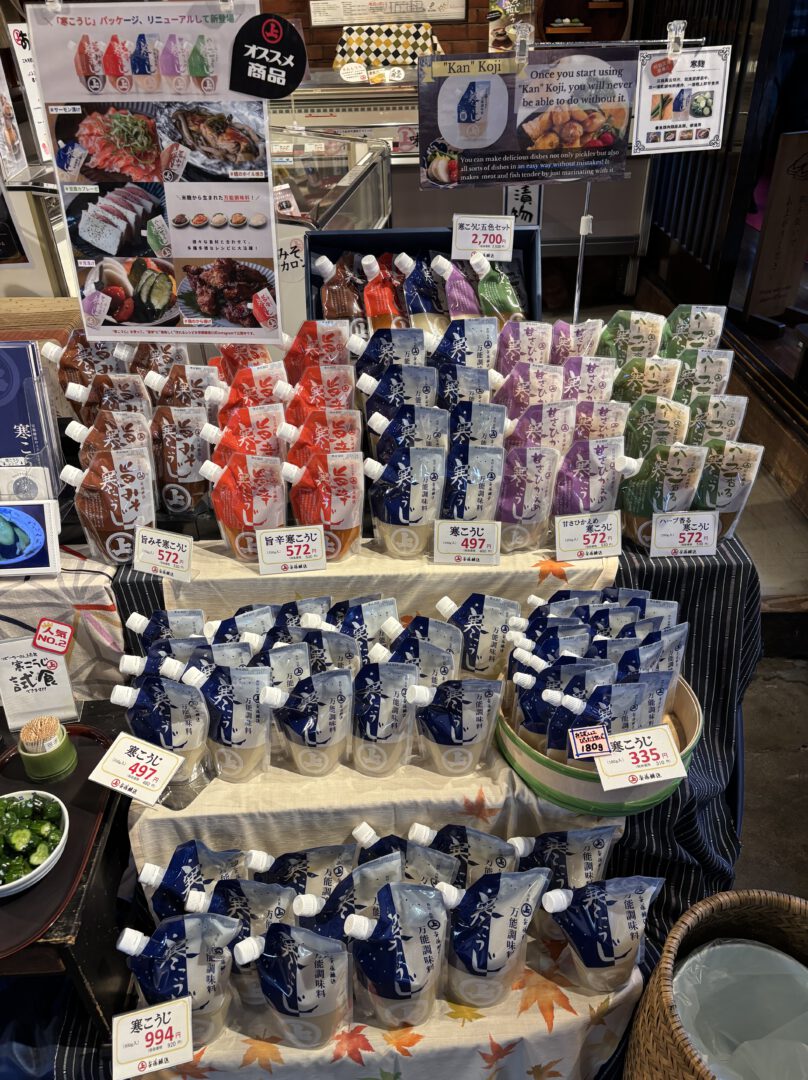
We all had soy sauce from Kikkoman before I think. And you would think: „Ah soy sauce is just soy sauce.“ Tasting the products made it clear how varied soy sauce can be in Japan. I bought both soy sauce and miso, along with several packs of Kan Koji, fermented rice used for pickling and cooking. You can use it to pickle your own vegetables and use it in many other dishes. On the back side of the products there are many hints on how to use them. I also picked up iburi gakko, smoked pickled radish, which I had already come to enjoy during our time in Akita.
With good weather expected the next day, we had planned to hike Mount Chokai. After checking road conditions, however, we learned that access was already closed for winter. Accepting that climbing the mountain was no longer possible, we changed plans. Rather than driving straight south to Yokote and Shinjo, we turned west, hoping to see the sea after several days inland.
We drove through quiet rural roads, passing rice paddies, small villages, and long stretches without traffic. At first glance, there seems to be little happening here, but the landscape offers more when you look beyond the obvious.
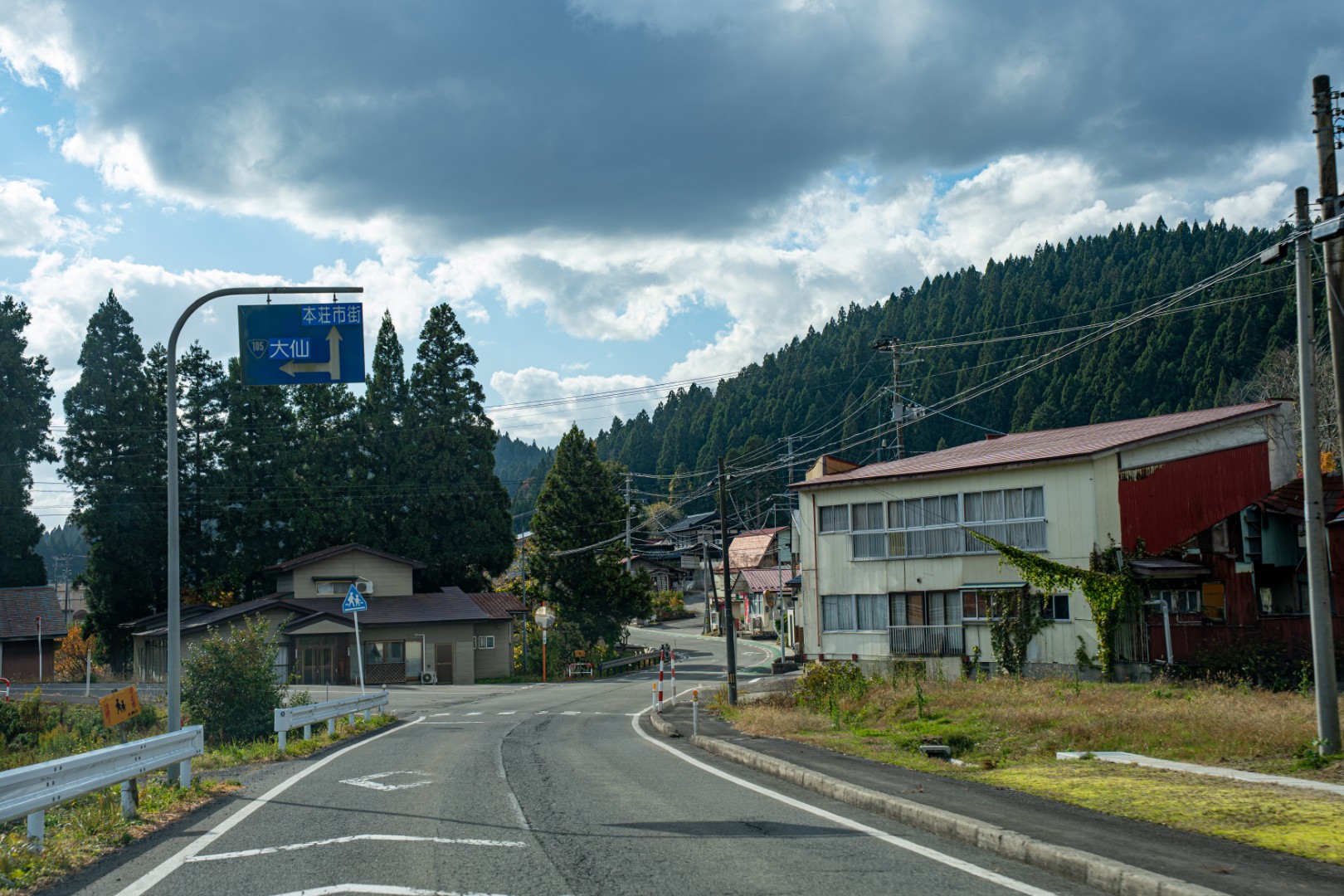
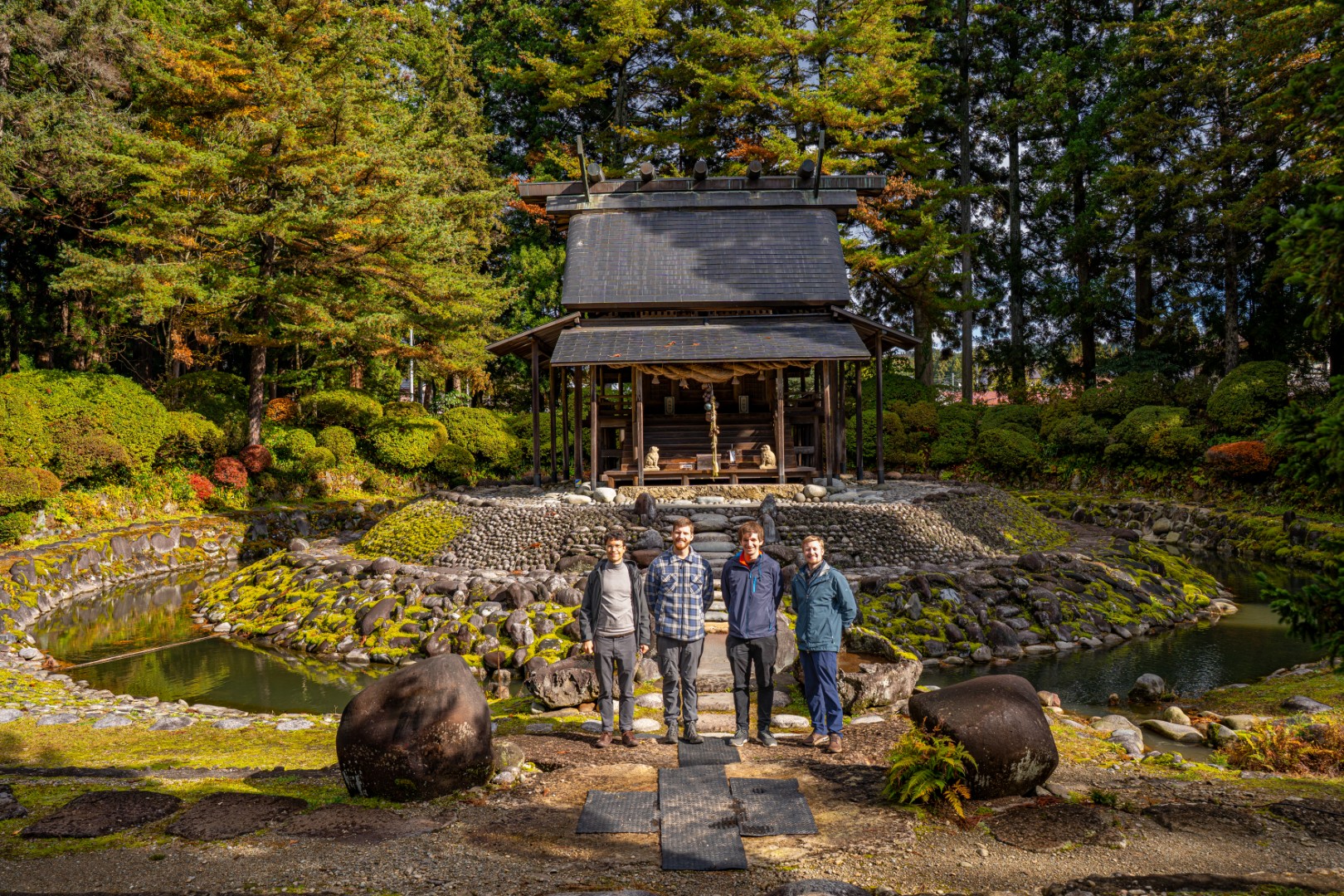
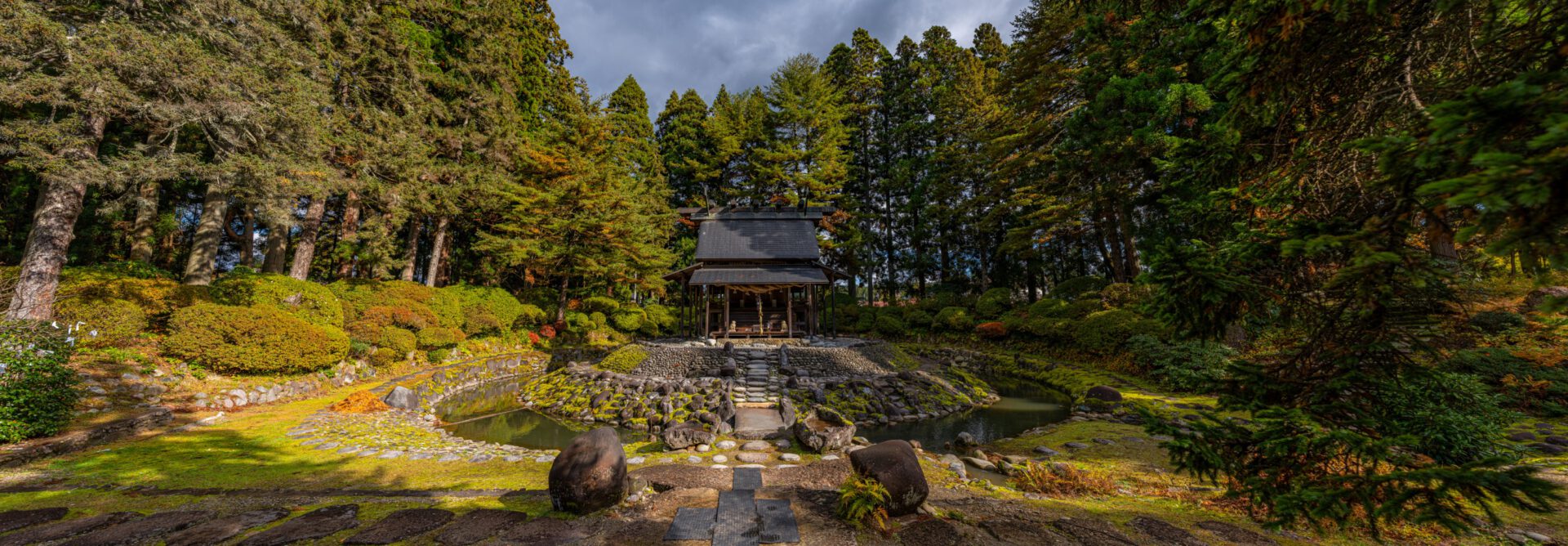
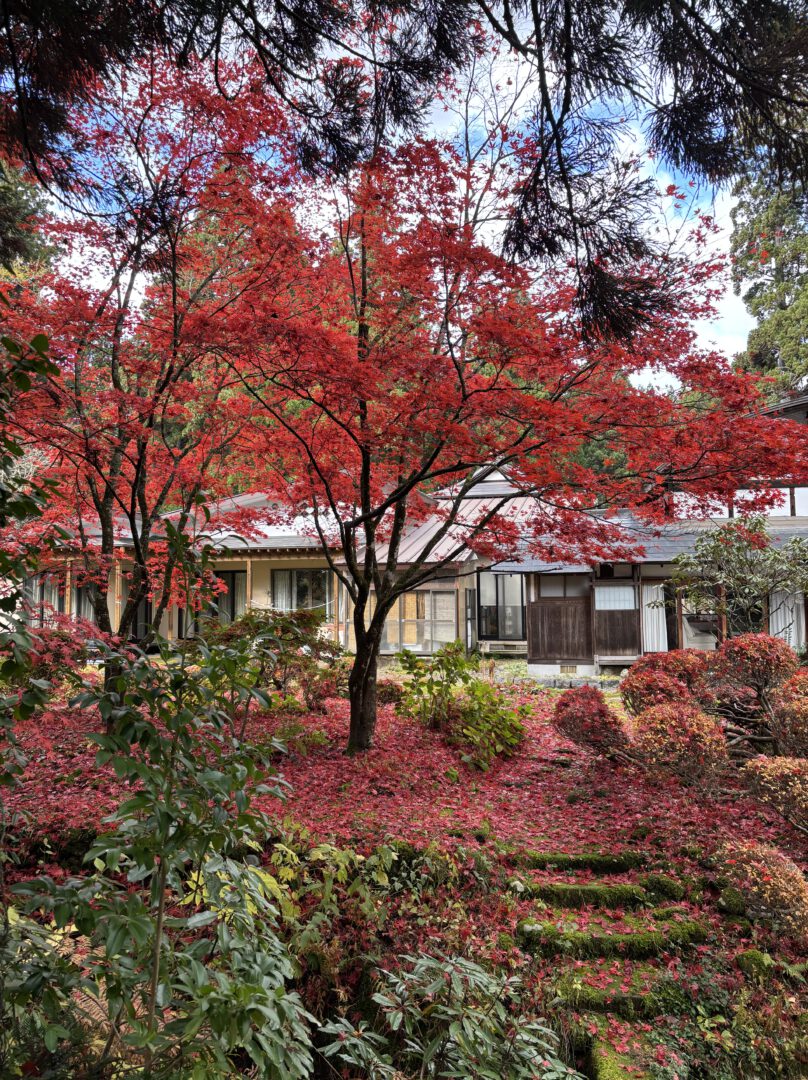
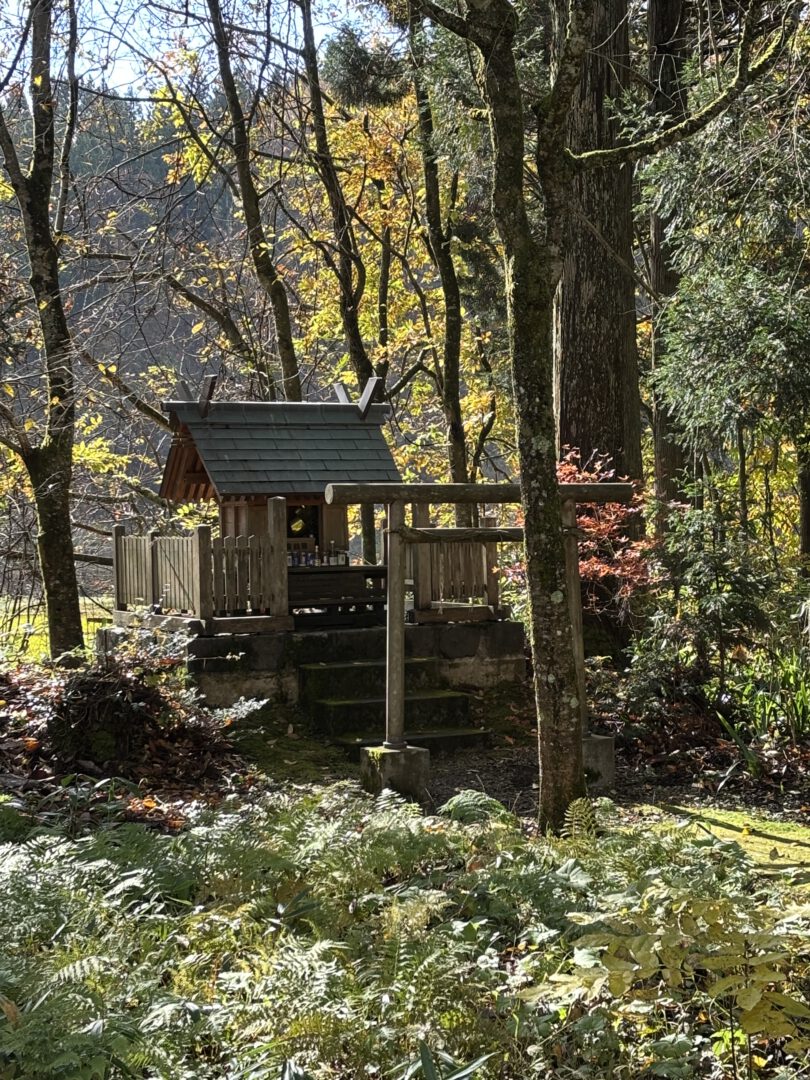
Unsure where to stop next, we came across Karamatsu Shrine by pure coincidence. The shrine is set deep among cedar trees, away from towns and main roads. Tall trunks line the grounds, and the area feels removed from surrounding settlements.
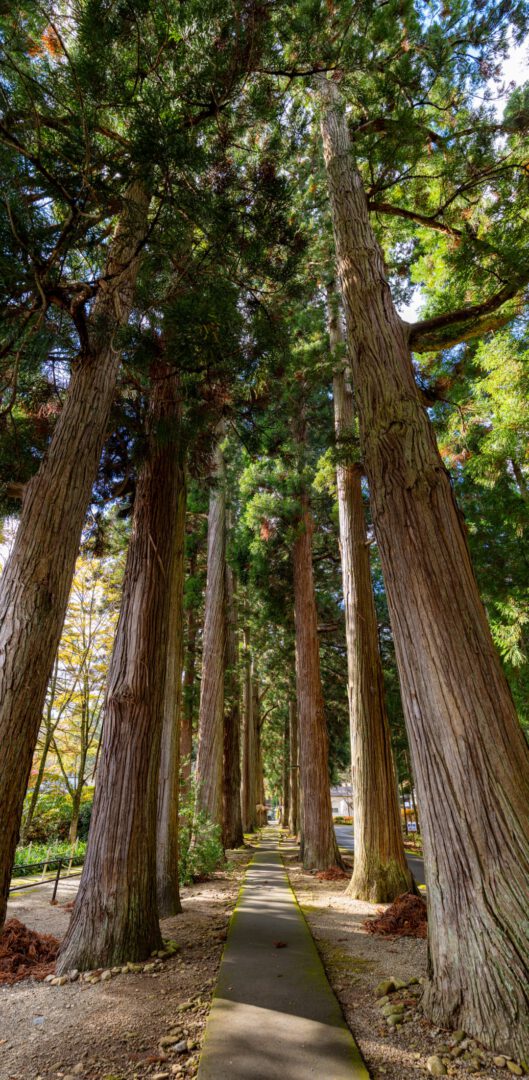
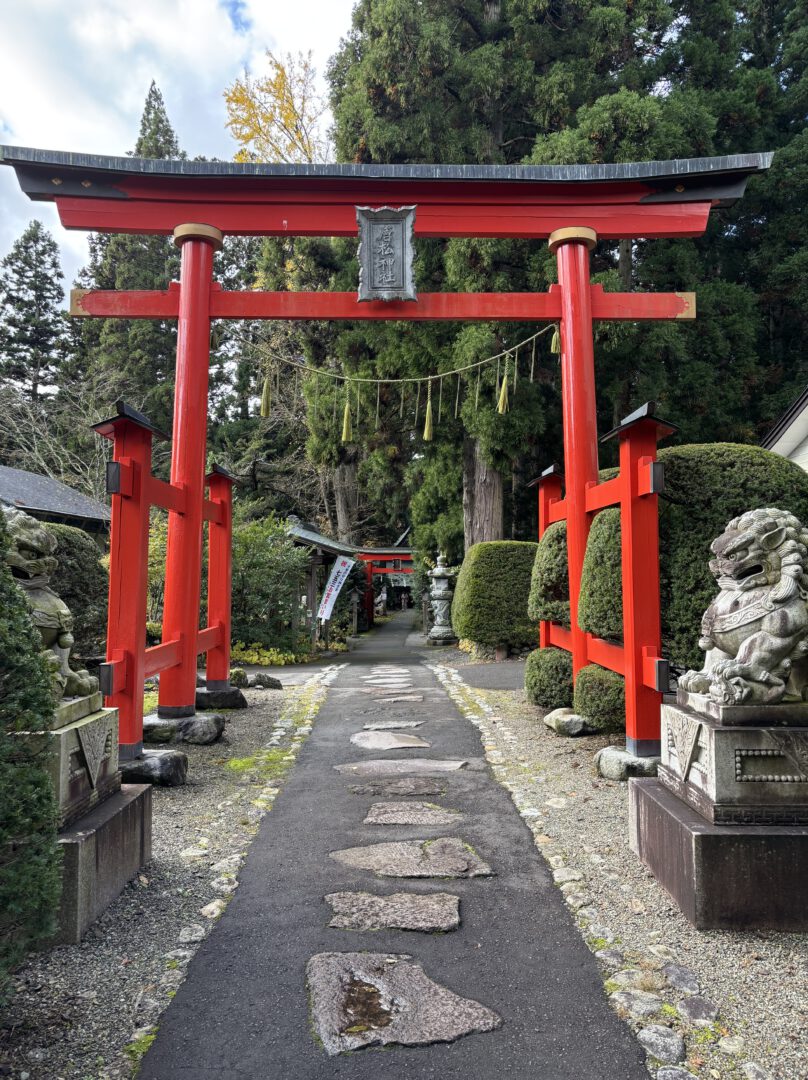
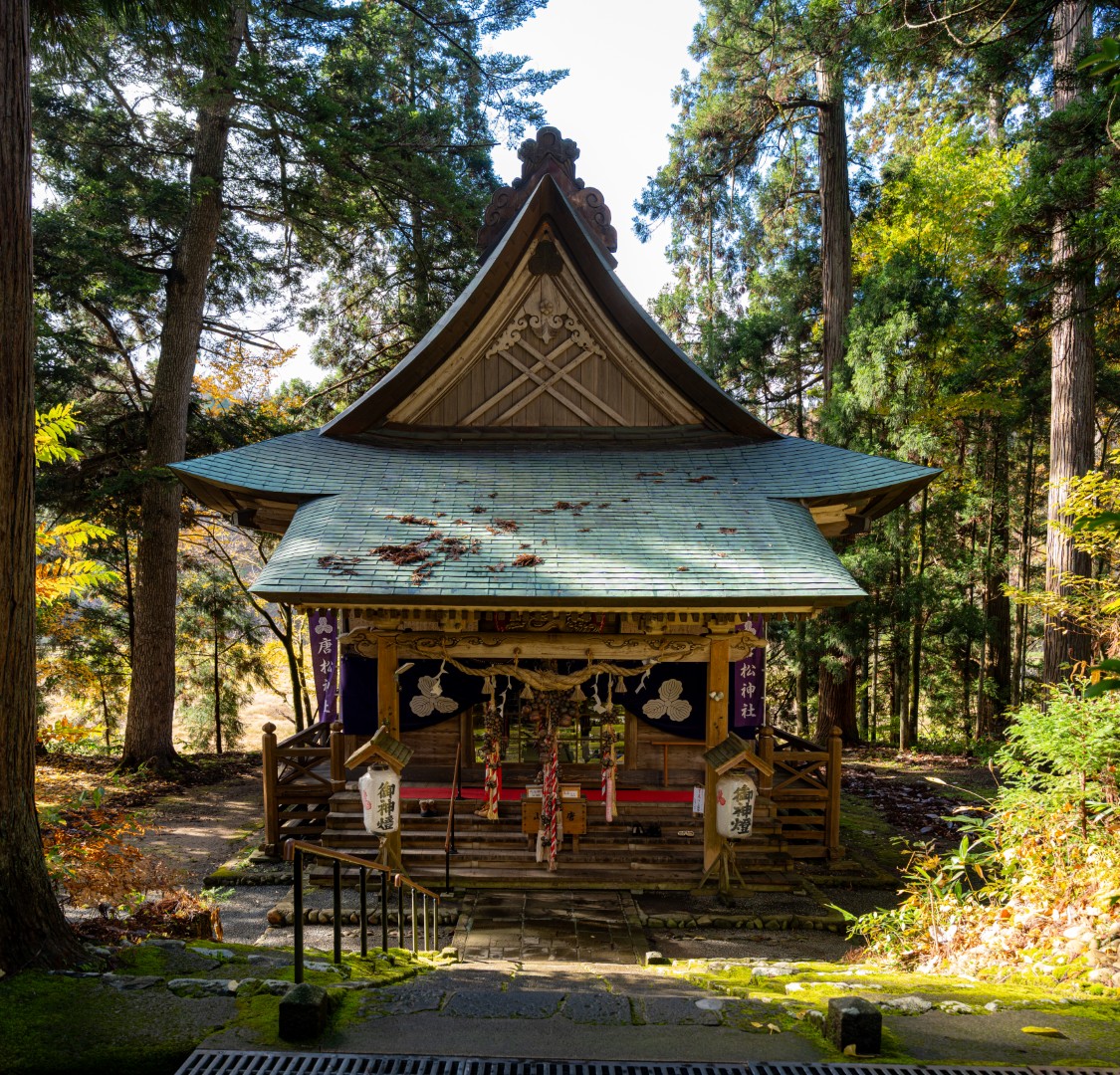
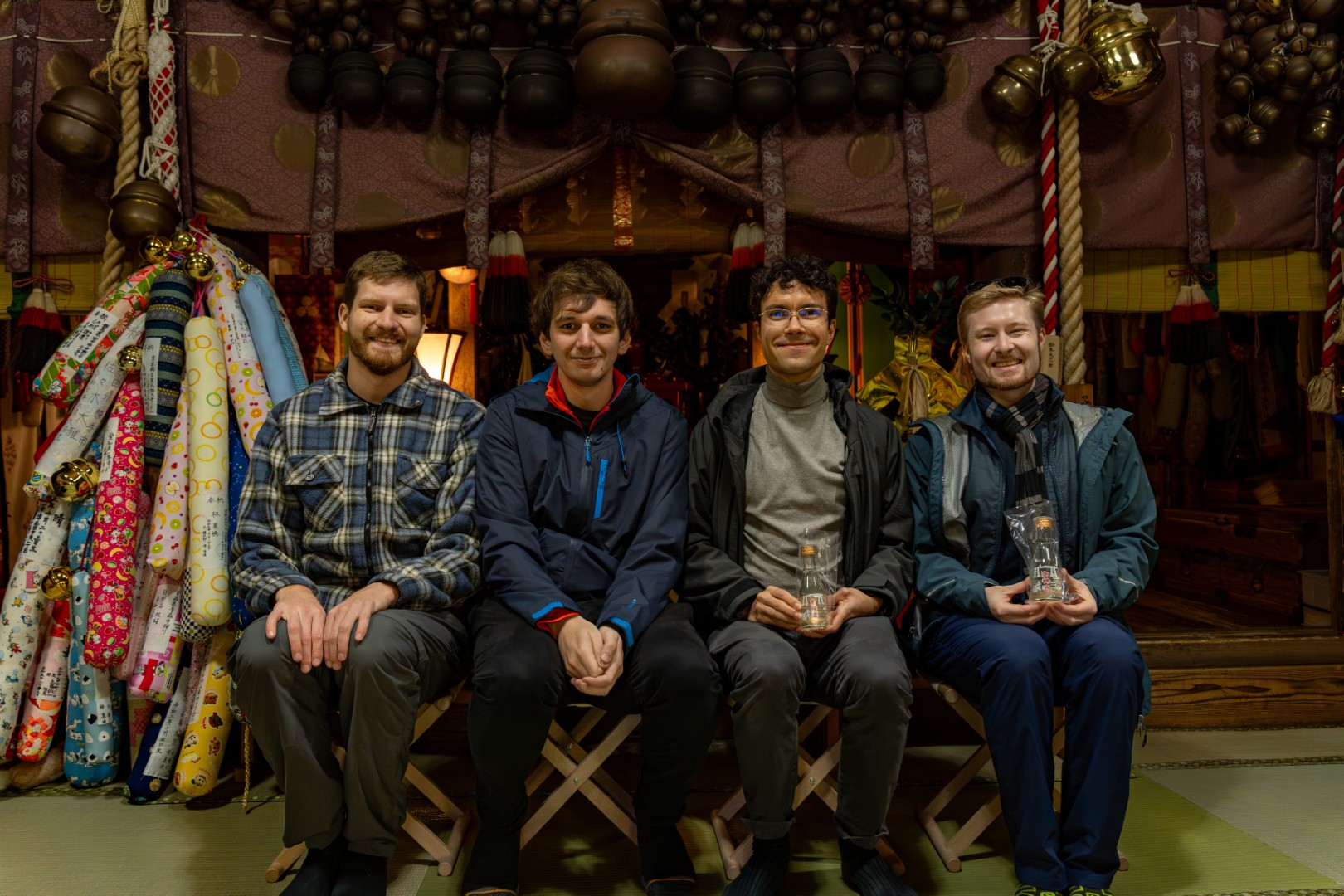
Karamatsu Shrine is known for prayers related to safe childbirth, and families from across Japan visit for blessings. When we approached the main hall, the priest invited us inside after seeing off another family, likely visiting for the Shichi-Go-San festival. We learned that the shrine has a history of more than 1,200 years, with 64 generations of priests serving here, and that the building itself is over 700 years old.
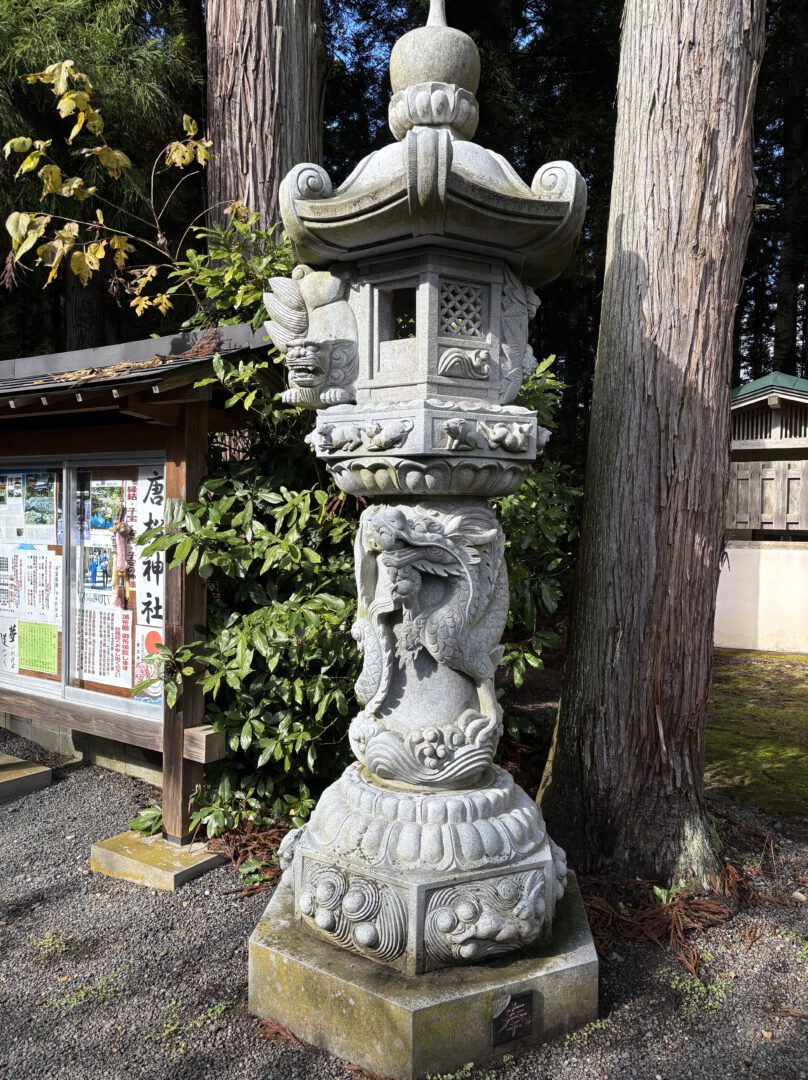
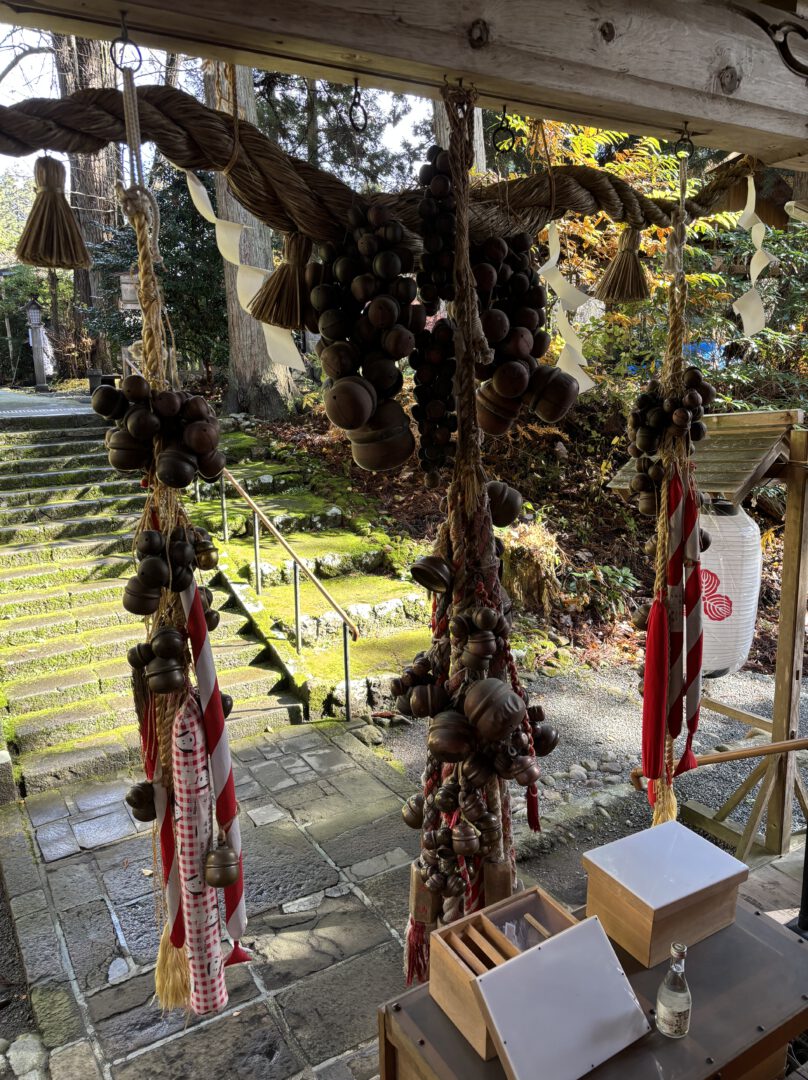
The priest spoke with us for a while, took photos, and gave us a bottle of sake brewed specifically for the shrine.
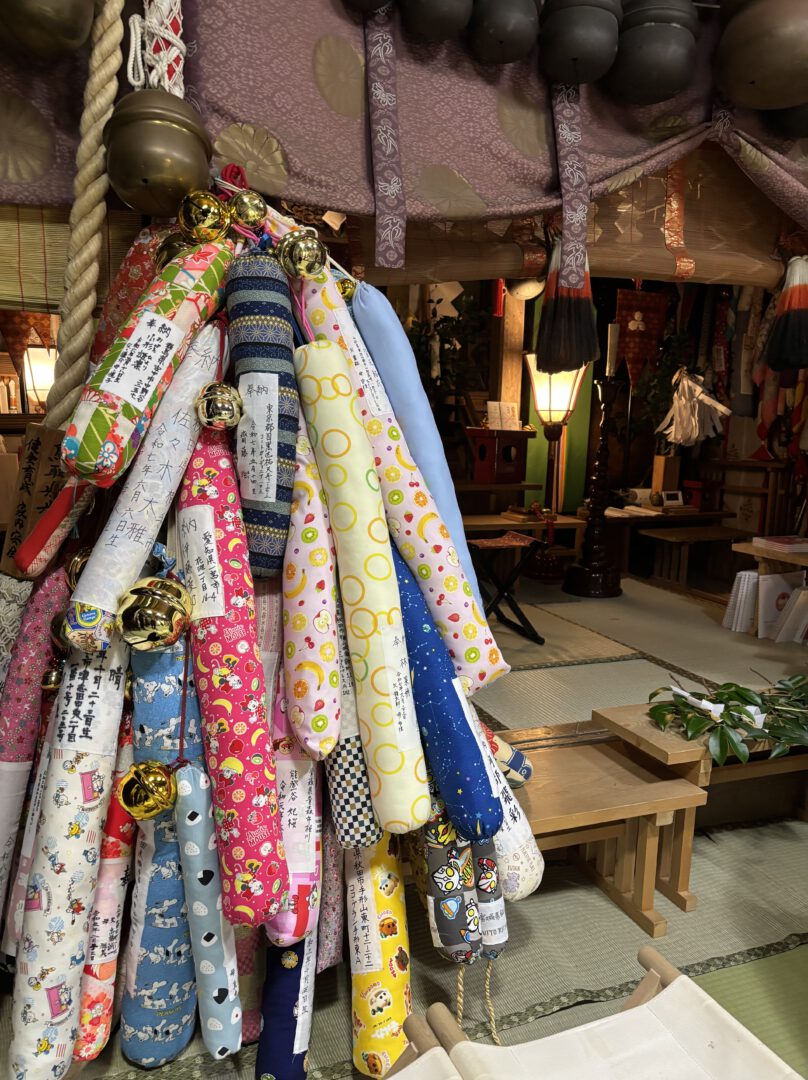
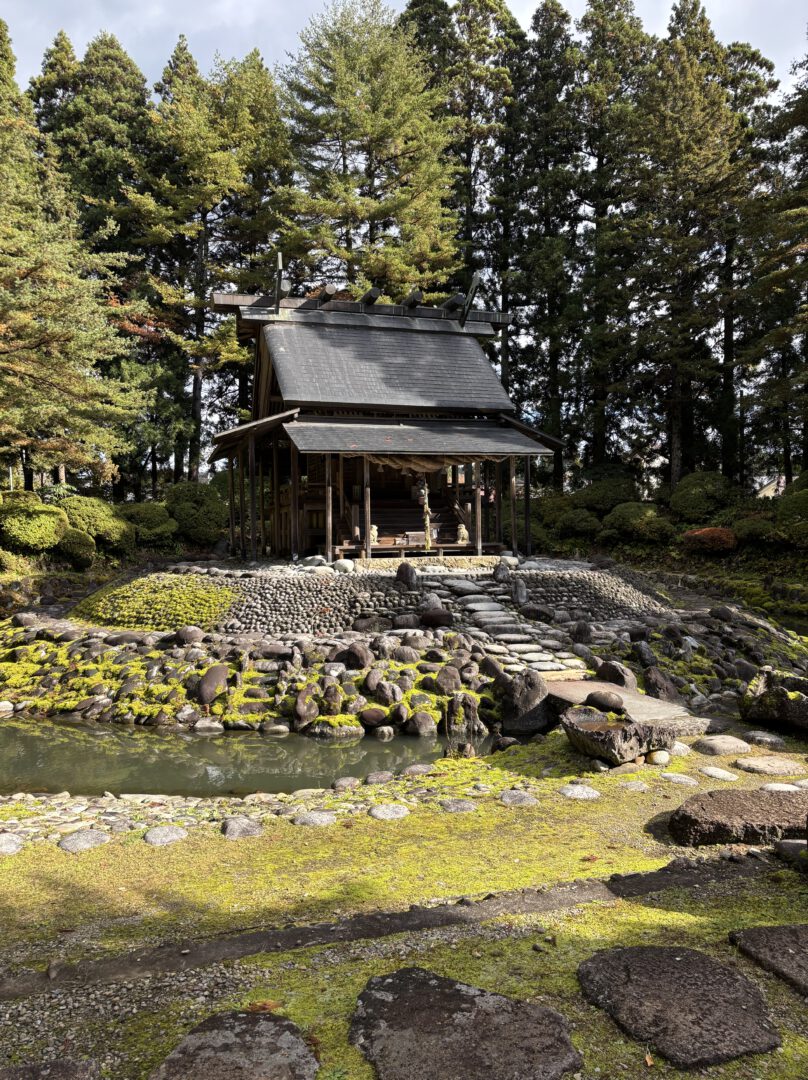
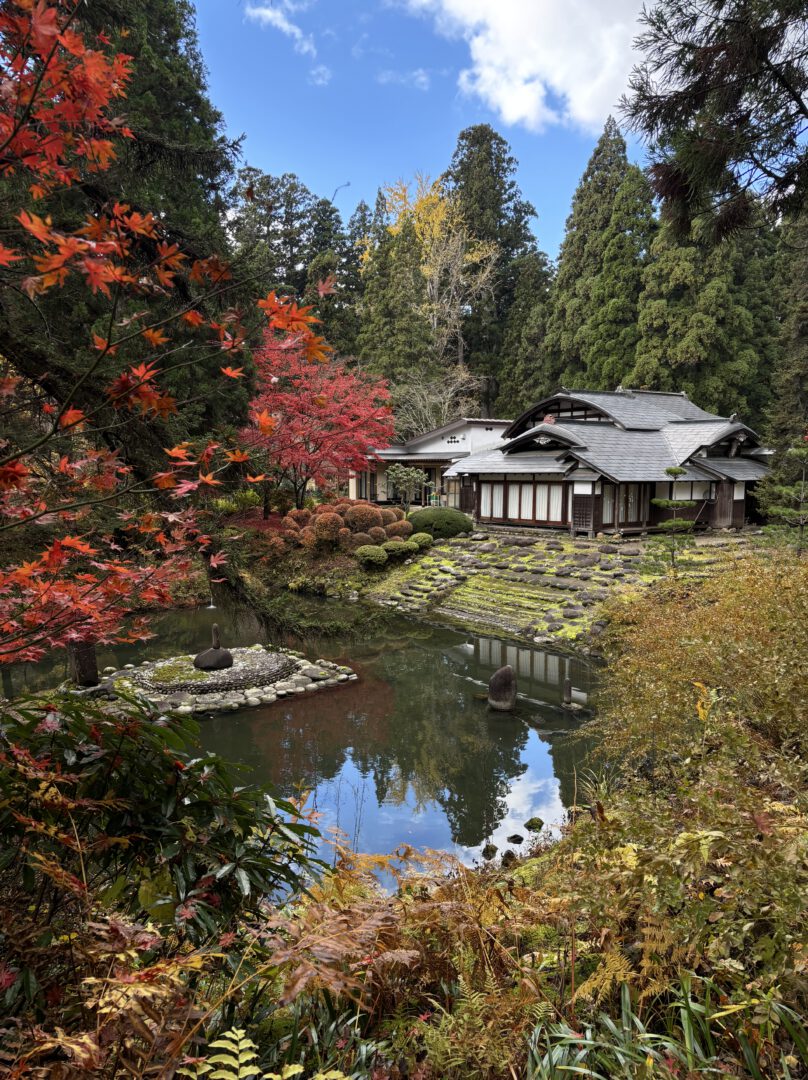
He also pointed out a second shrine nearby, notable for its unusual layout, surrounded by a moat. Light filtered through the cedar trees and reflected on the water around the building. Some of the trees are said to be more than 400 years old. As we left, more families arrived with young children.
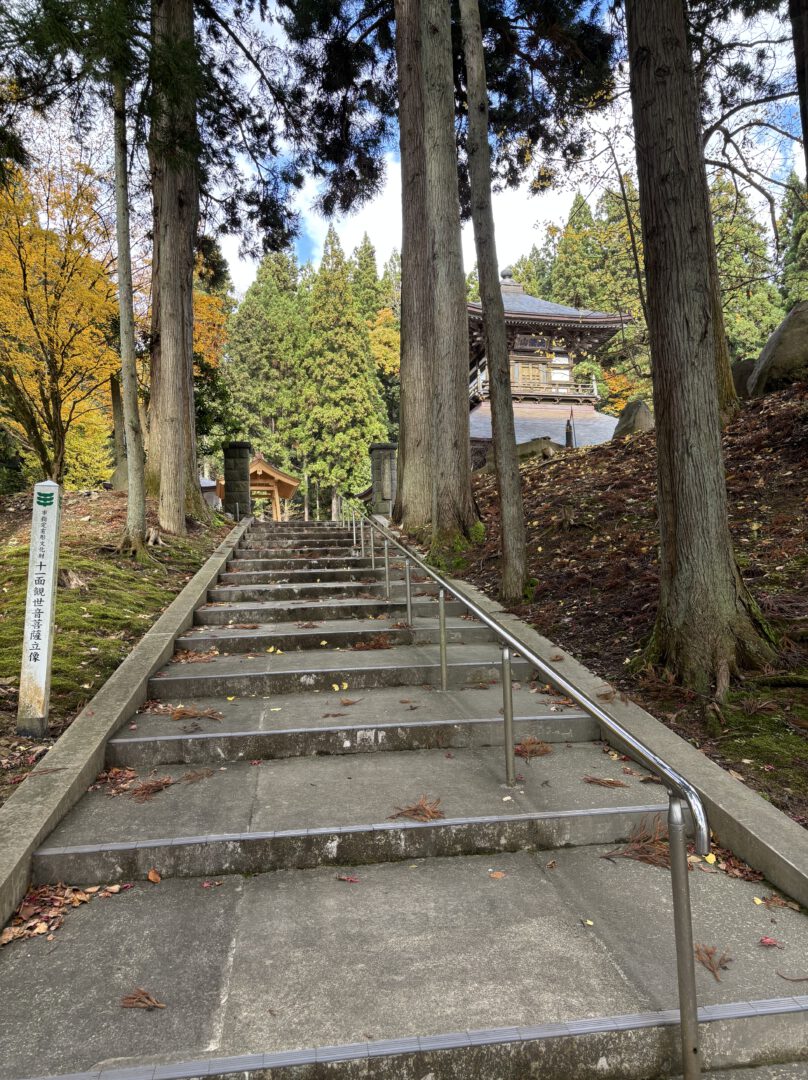
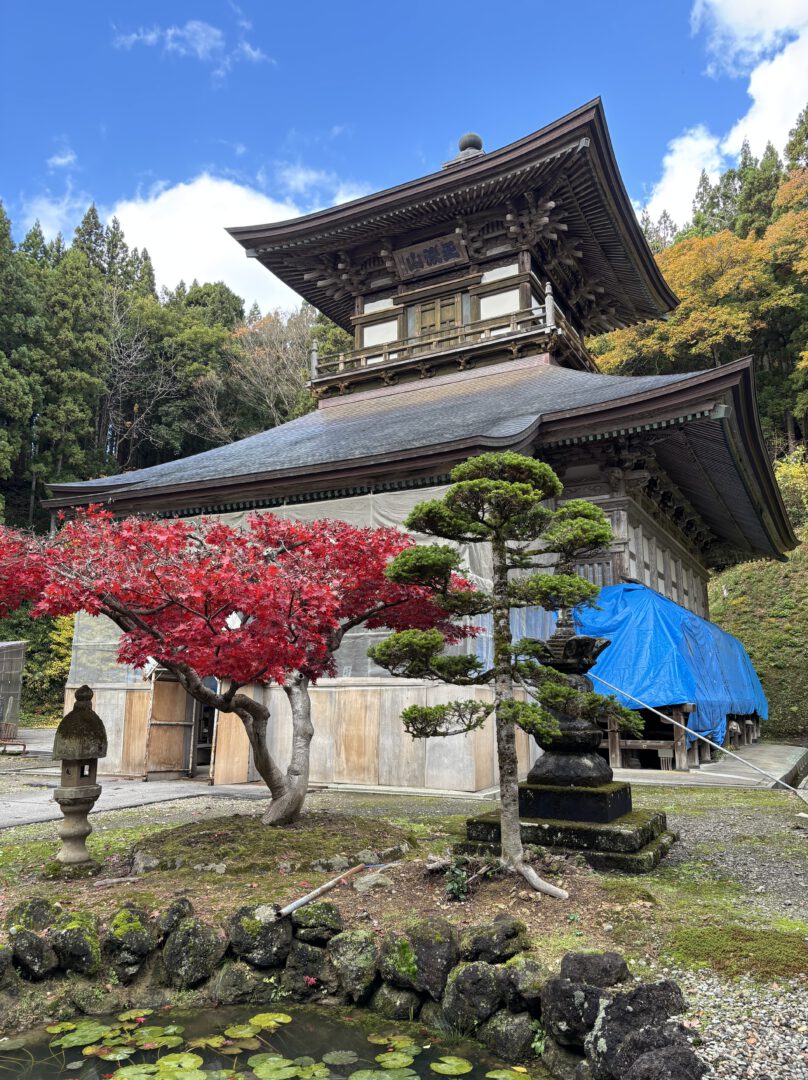
We next headed for Chuku-ji temple, which harbors a big Buddha statue. However, when we arrived, we saw that they were currently renovating, so we could not see much of the inside of the main hall. But still, the outside wooden structure was quite impressive, so it was not completely pointless to visit.
By late afternoon, we were hungry and continued toward the coast, aiming for Yurihonjō, the next bigger town in this area. We were in the mood for sushi and found Sushi Take (寿司竹), located in a quiet residential neighborhood. From the outside it looked closed, but as I reached for the door, it suddenly opened from the inside. A man appeared, holding a bucket filled with ice water, clearly on his way out. We both froze for a moment, equally surprised. He turned out to be the chef and explained that lunch service had already ended and he was preparing for dinner. So just like that, our sushi plan was over before it even started.
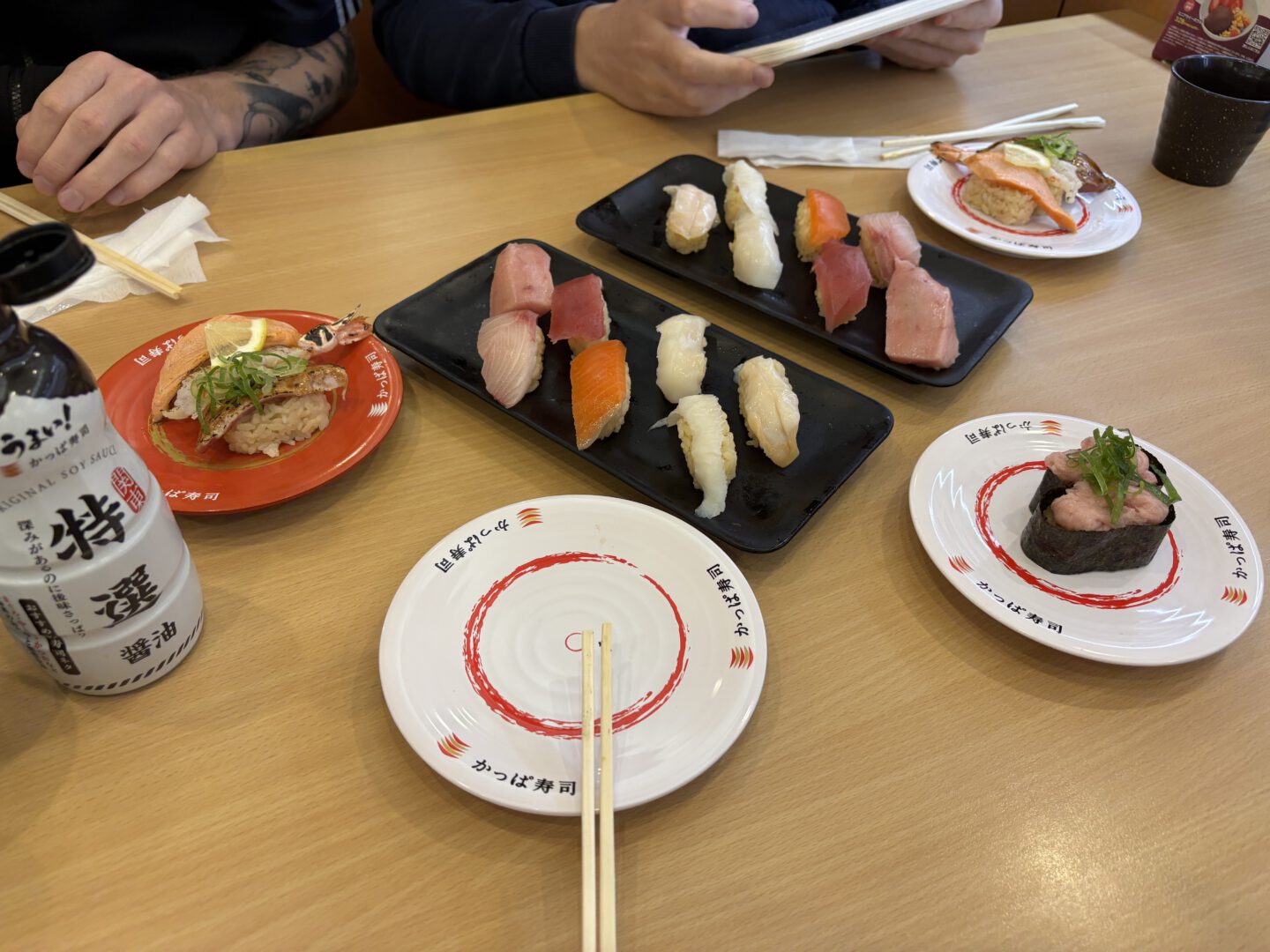
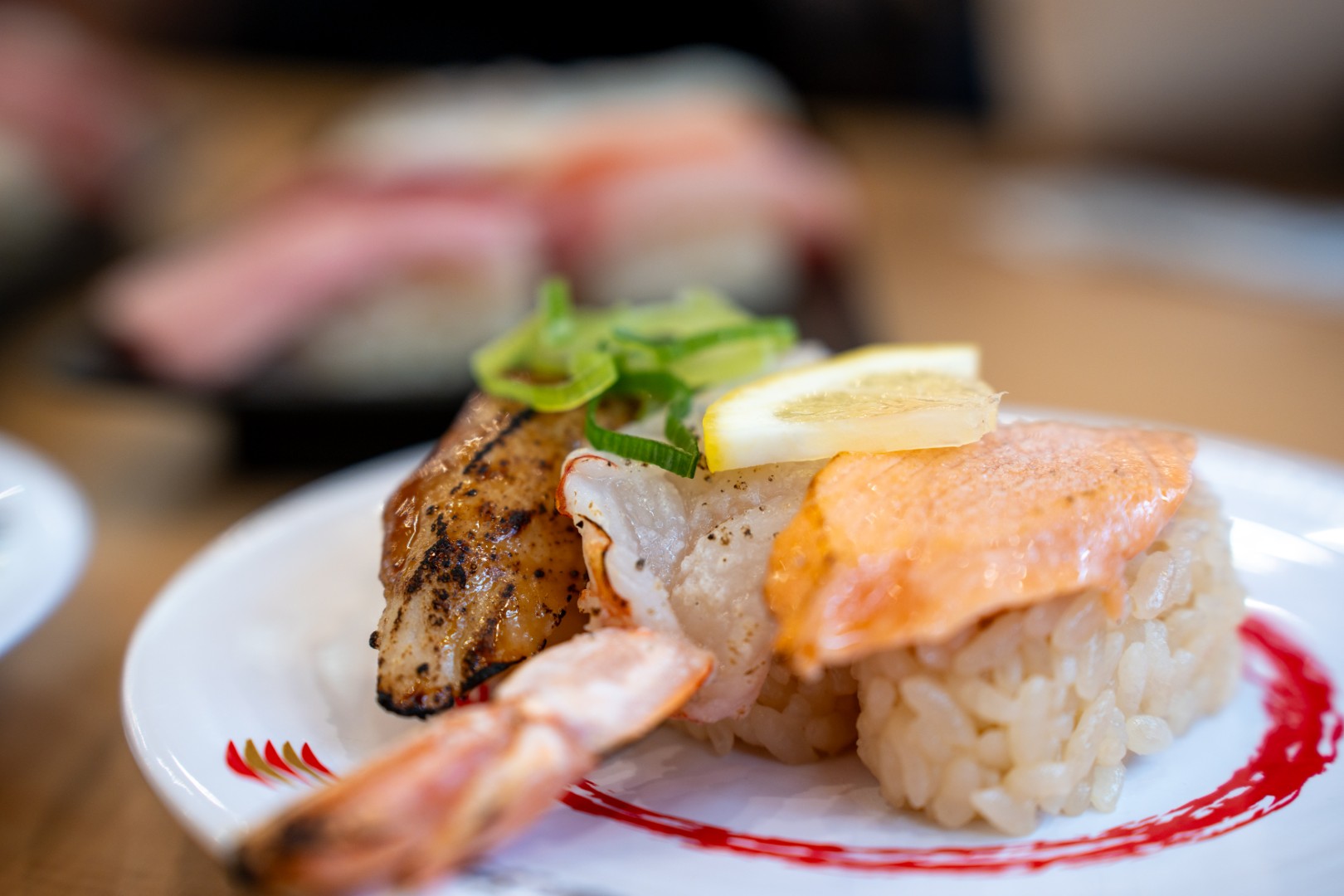
Still wanting sushi, we settled for Kappa Sushi. While very different from a counter experience, the quick service and ease of ordering made it a convenient stop, and we left satisfied.
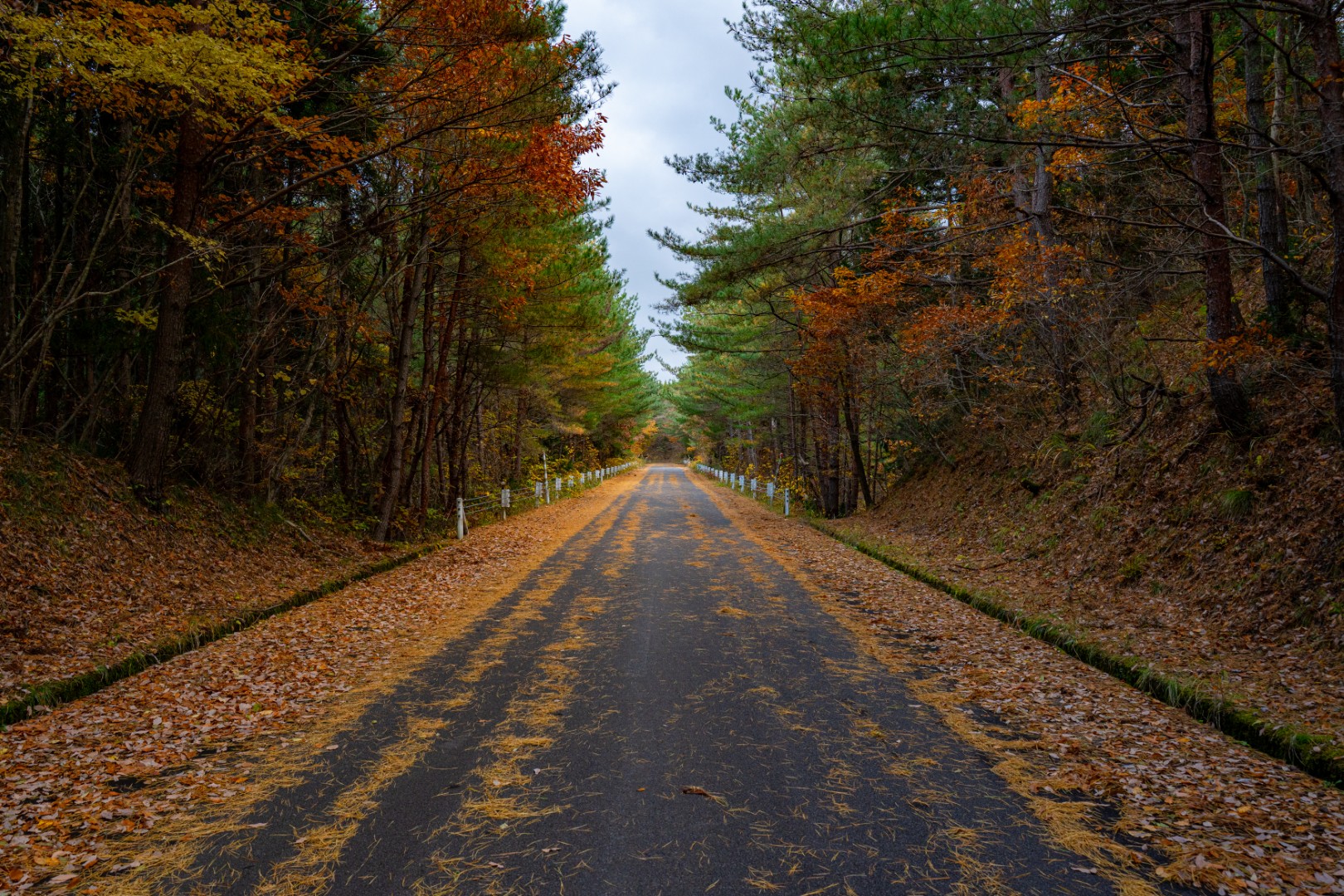
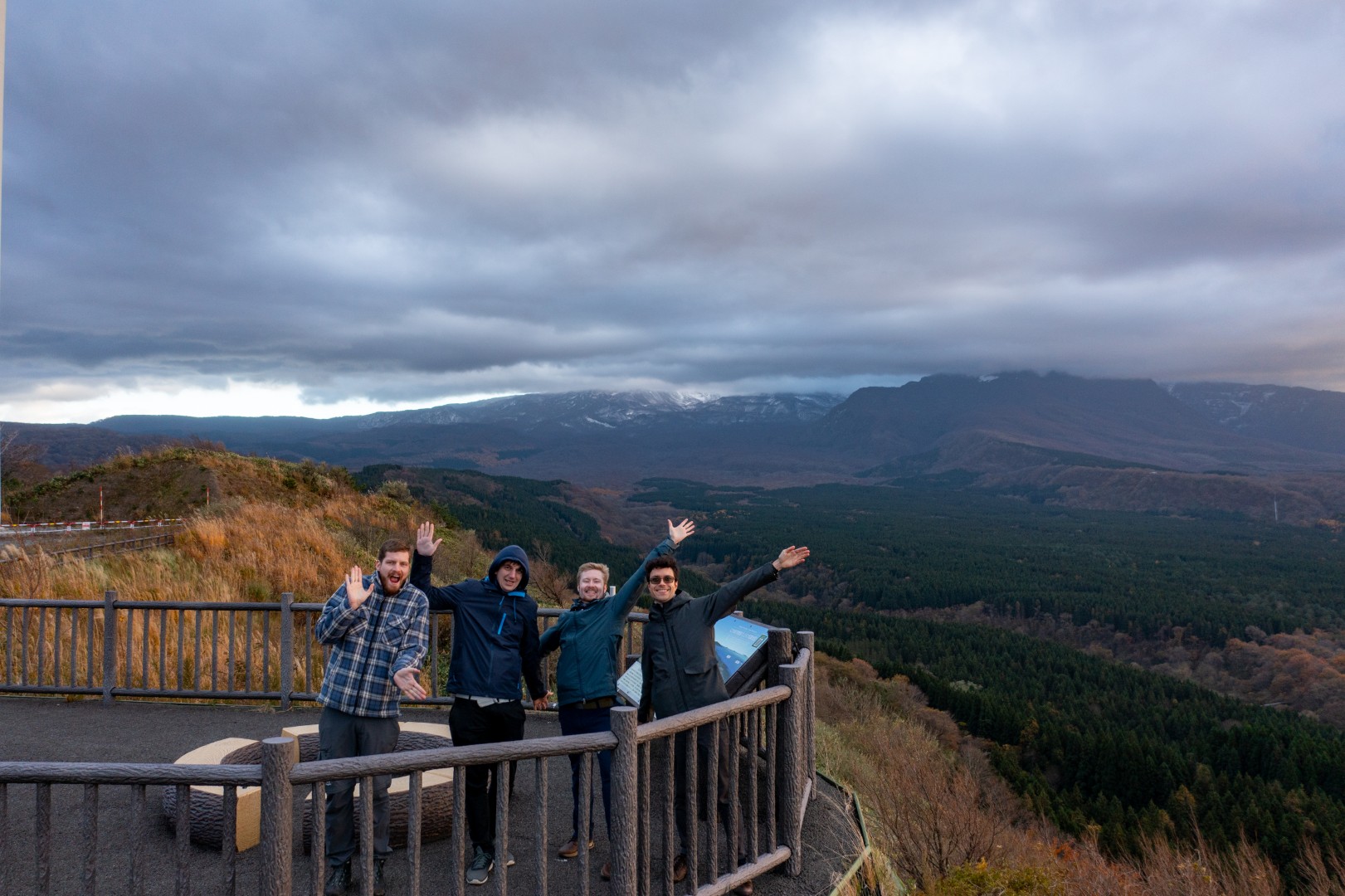
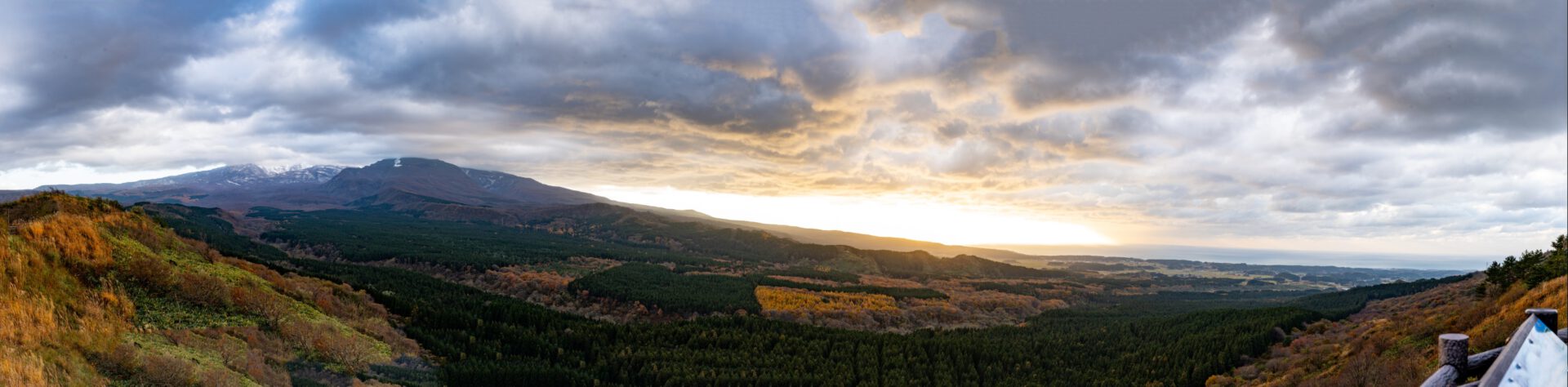
As we continued south toward Yamagata, Mount Chokai appeared again in the distance. Since hiking was no longer an option, we searched for a viewpoint and eventually reached a high plateau (Nikaho Kogen) via empty roads. Wind turbines stood against the sky, and the cold wind made it hard to stay long. Still, the view of Mount Chokai and the coastline under a soft yellow evening light made the stop worthwhile.

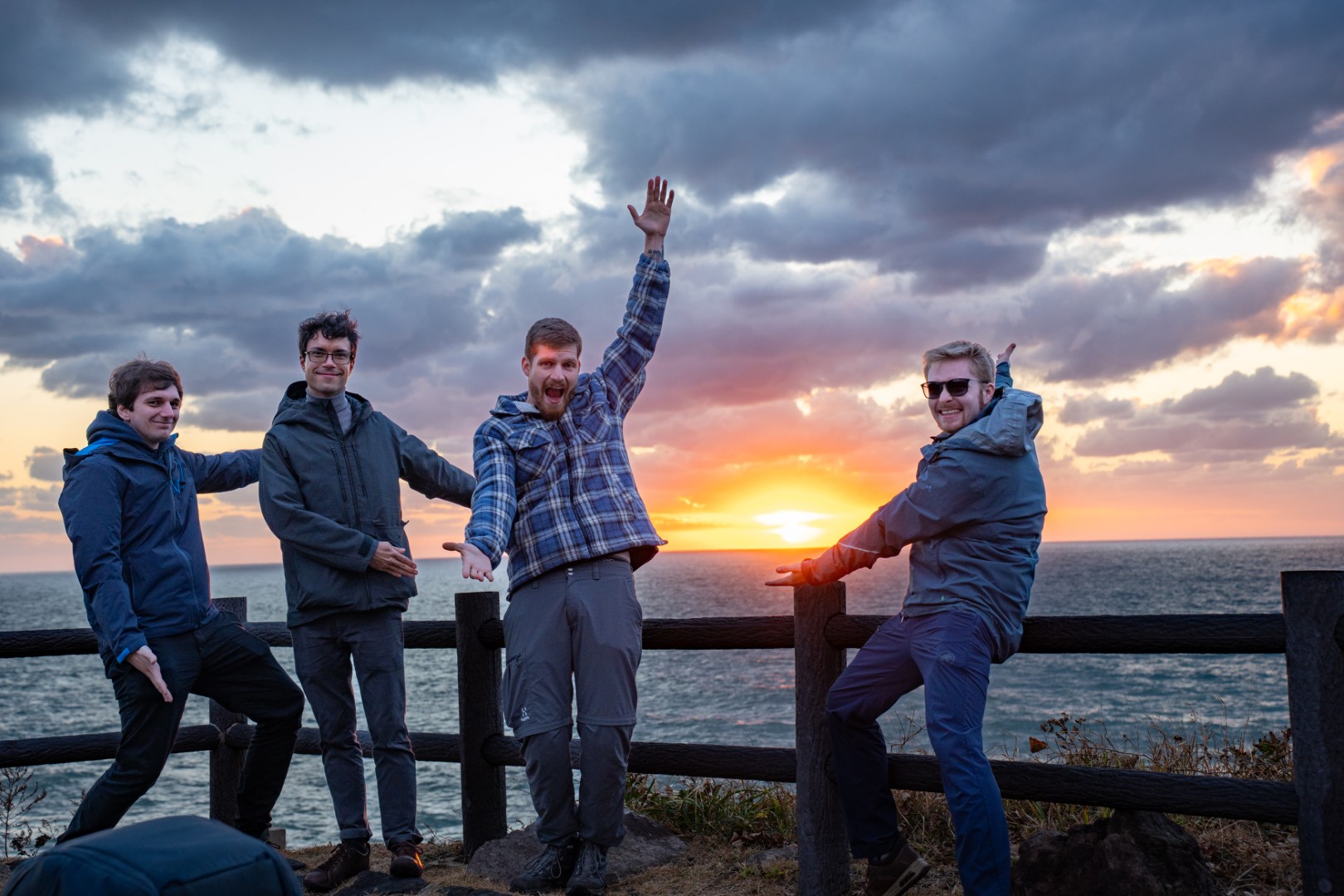
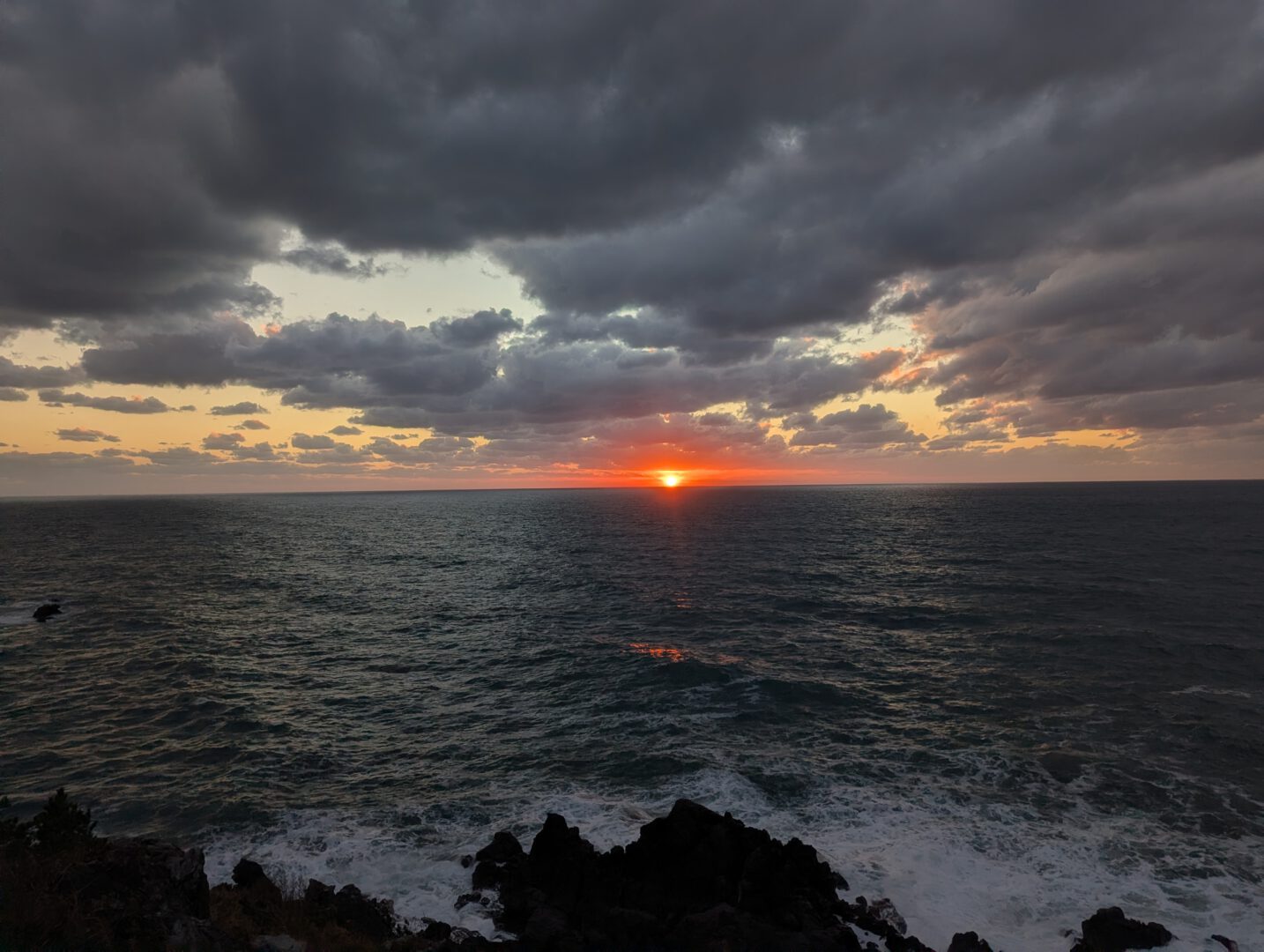
We returned to the coast and drove toward Tsuruoka. Just before sunset, we pulled over at Misakiyama Observatory and we could watch the sun sink below the horizon.
About an hour later, we arrived in Tsuruoka, Yamagata Prefecture. We checked into our hotel, and that will be a story for another day.
Entdecke mehr von Tabimonogatari - 旅物語
Melde dich für ein Abonnement an, um die neuesten Beiträge per E-Mail zu erhalten.