After the morning cruise around Kujukushima, I left Sasebo on the Limited Express Midori for Takeo-Onsen. Passing through Arita, I saw the brick chimney of a historic pottery workshop, windows stacked with plates, and houses with shiny black roof tiles.
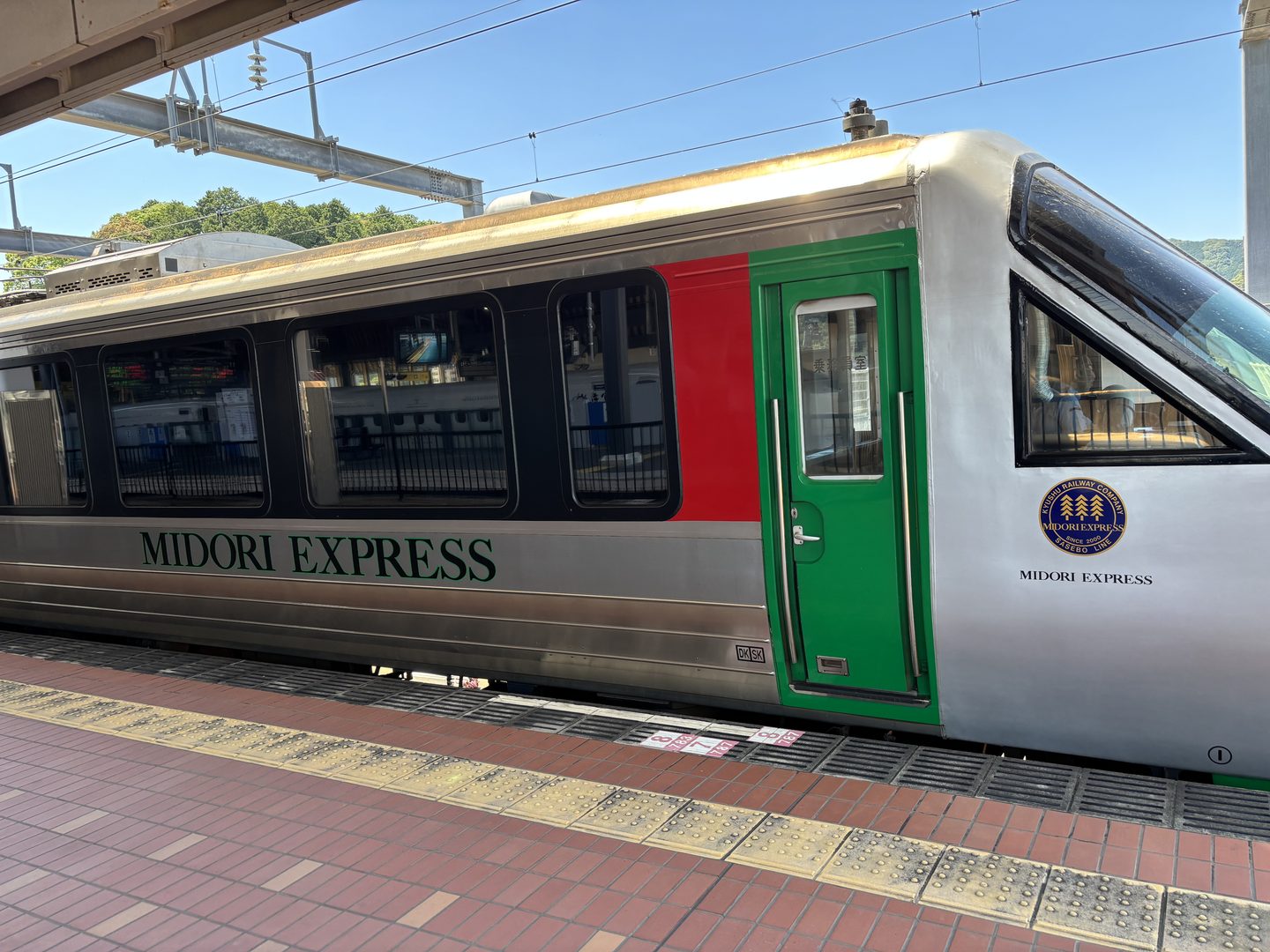
Saga is not one of Japan’s best-known or most-visited prefectures, and it has never been a major destination even for domestic tourism. That was precisely why I was curious to see what it had to offer beyond the better-known names nearby.
Takeo was quiet on arrival, not empty but without much visible activity. When I stepped out of the station, the intense sun made being outside uncomfortable.
Around Takeo’s Old Bathhouses
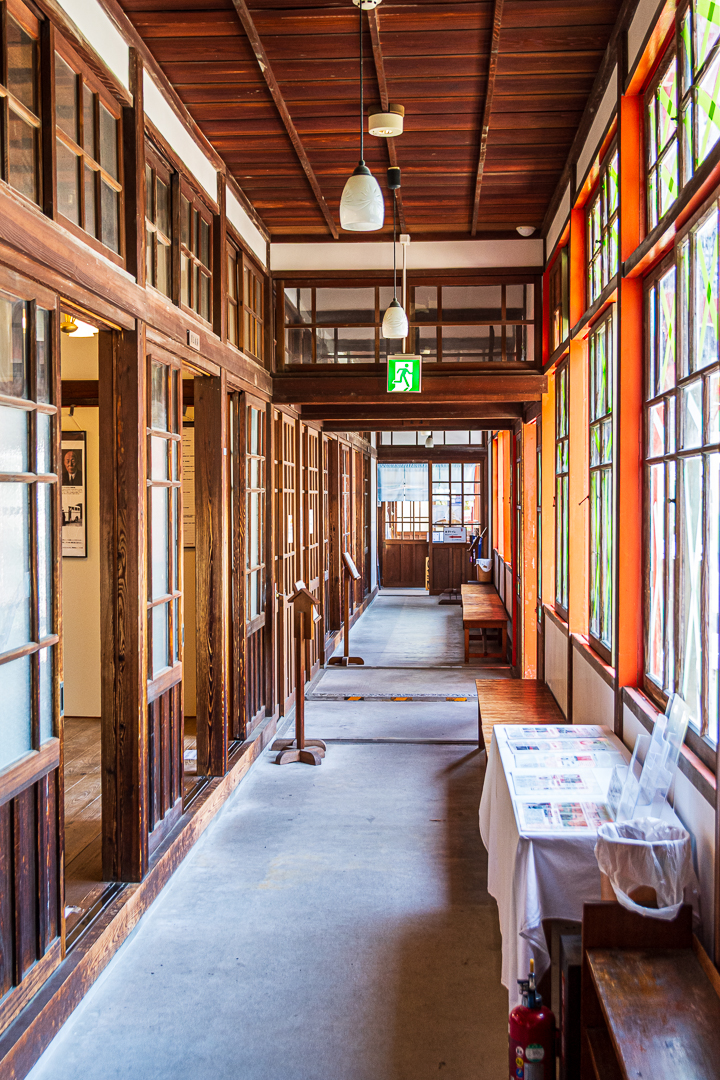
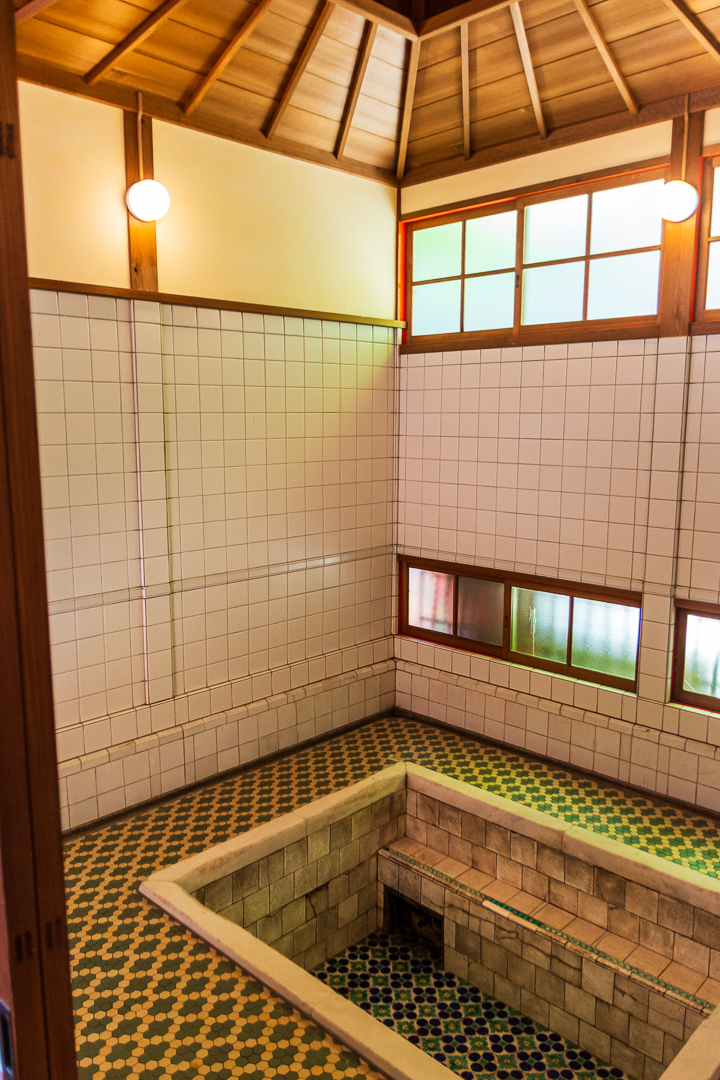
Takeo is a 1,300-year-old onsen town. Its compact historic bathing district is about a 15-minute walk from the station. At its entrance stands the Rōmon Gate, designed by the same architect as the Tokyo Station Marunouchi Building and built without nails. Behind it are several onsen, either shared or rentable by the hour, with extremely hot water above 42°C. The former Shinkan bathhouse, with its Japanese-only signage, dry baths, and tatami rooms upstairs, is another reminder of the town’s long bathing history.
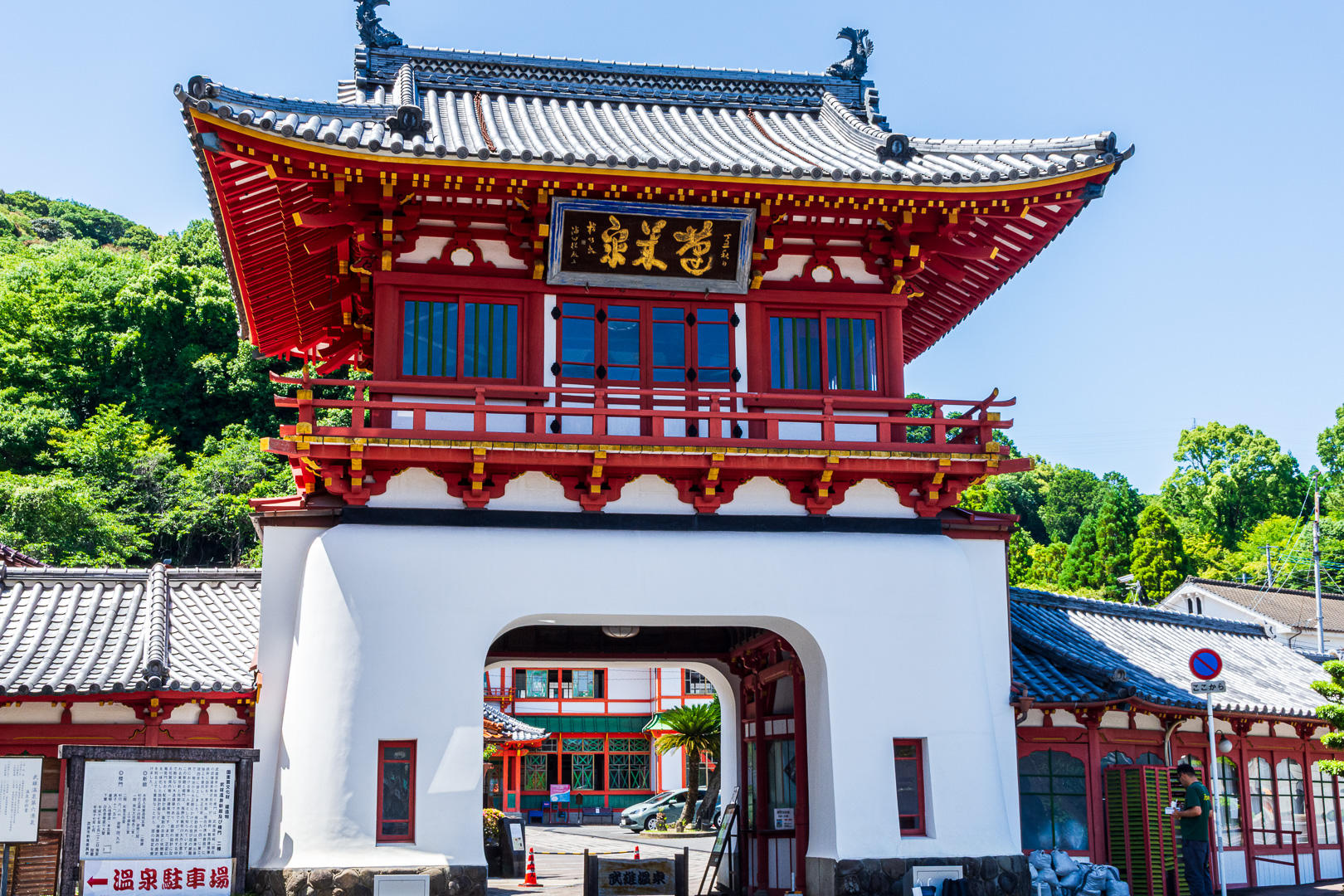
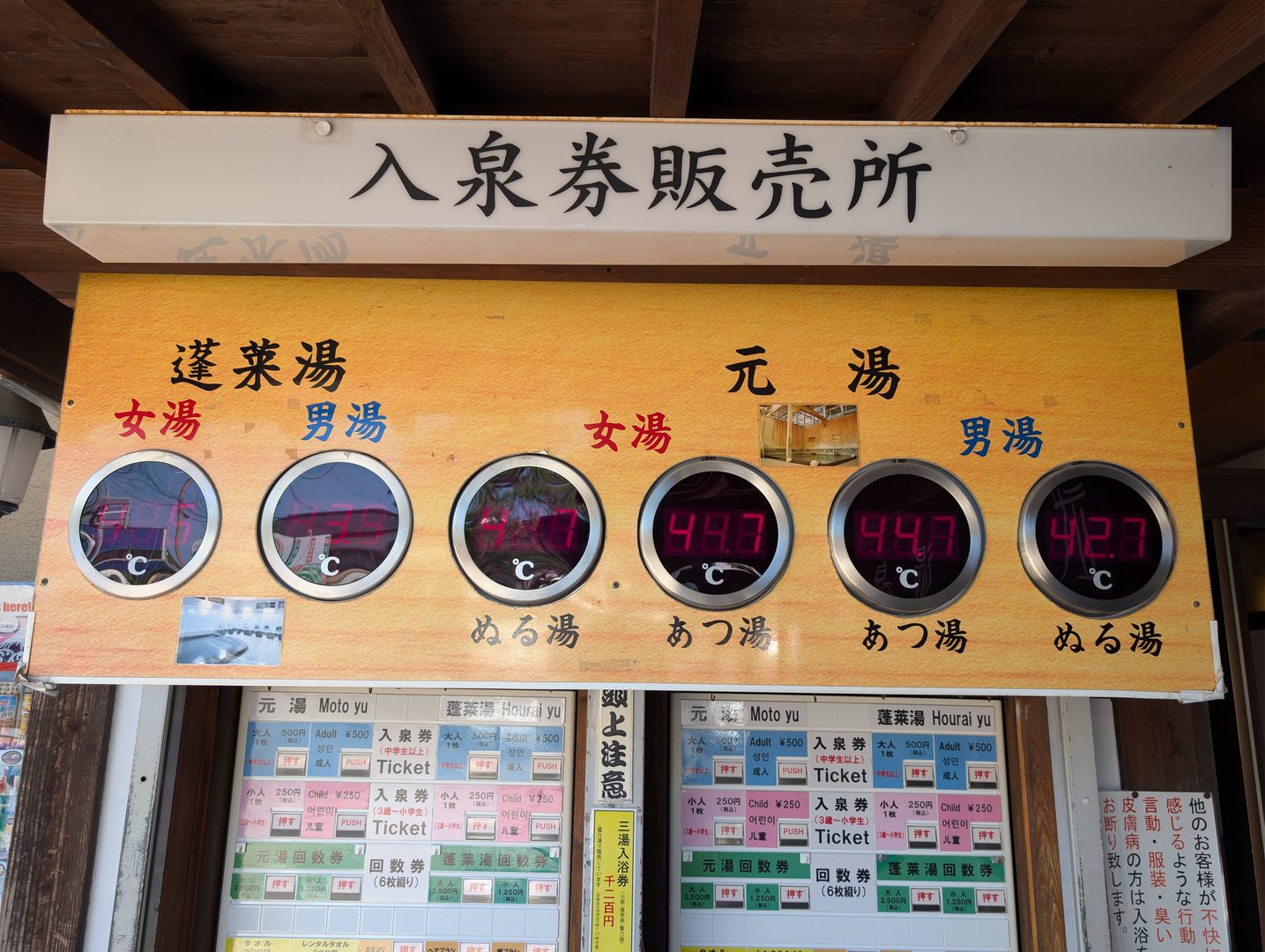
It was already hot enough outside that I did not feel like entering the onsen myself. That would wait until later at the hotel.
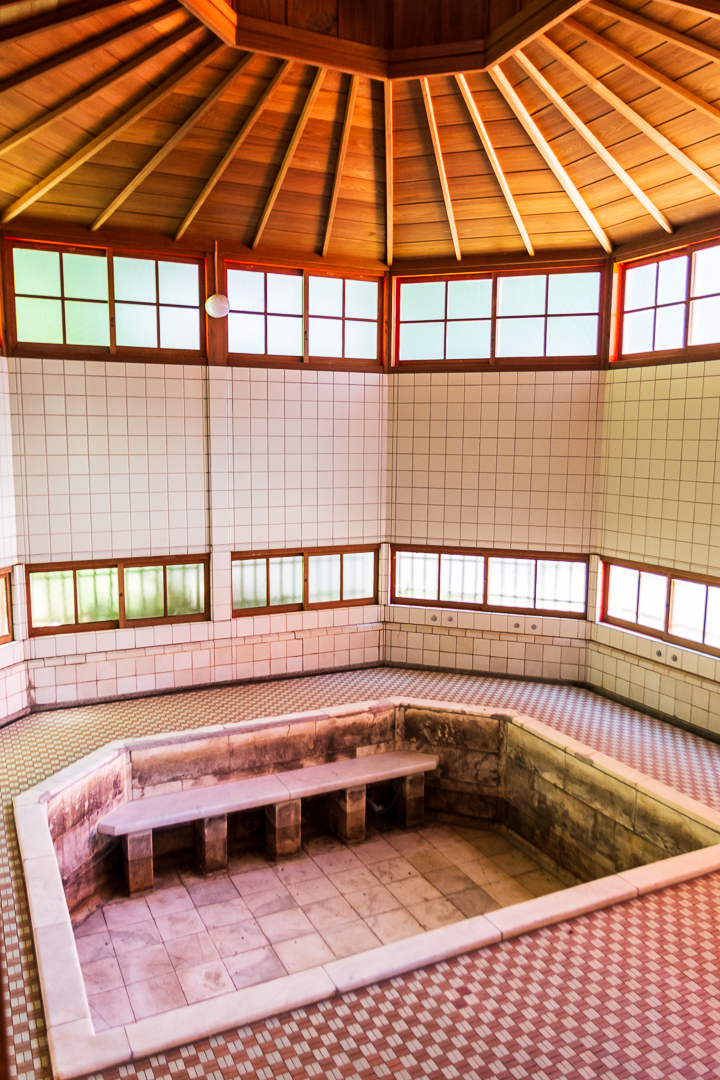
I toured the Shinkan, which was free to visit. Inside, the old wooden floors creaked and shifted softly under my steps, and the former bathhouse had the worn, slightly hushed feeling of a place that had seen generations of bathers. I could look into the now-empty bathing rooms and see the carefully built tiled baths without water.
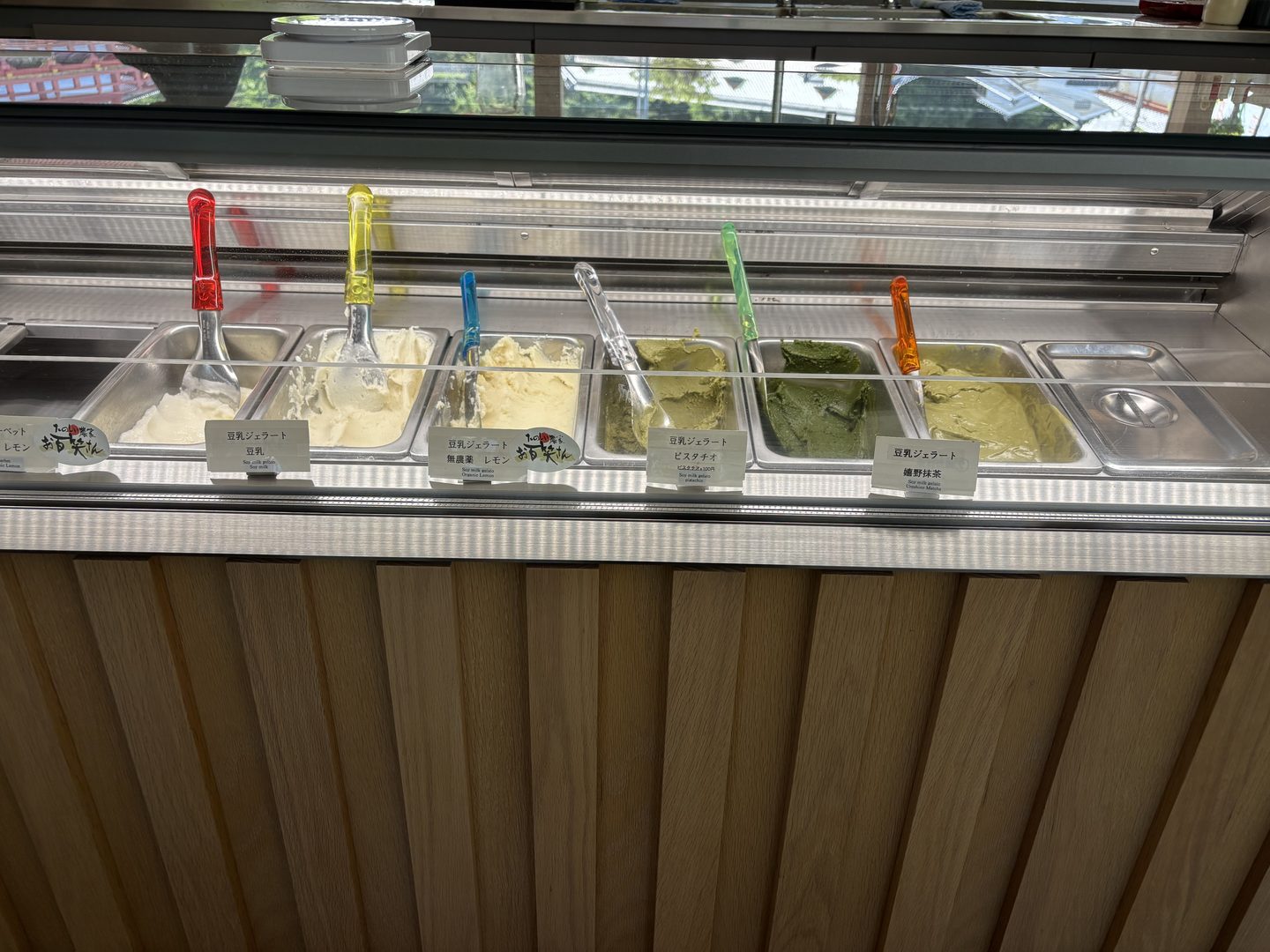
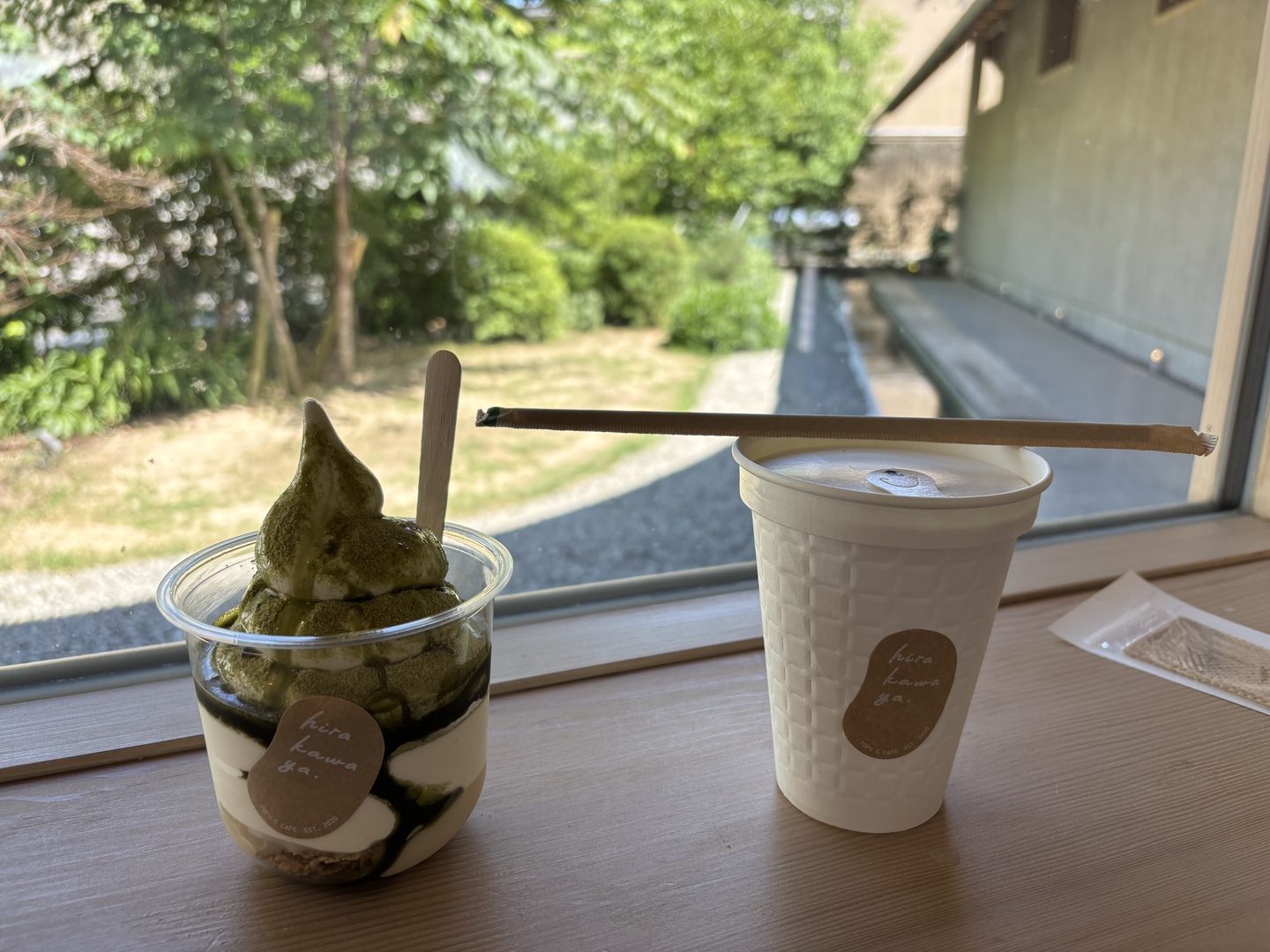
Next door was Saga Hirakawa Ya Takeo Onsen Honten (佐嘉平川屋), the flagship store of a local tofu maker. It was clearly popular, with a busy restaurant side centered on onsen yudofu nabe—silken tofu cooked in hot-spring water—and a separate café and retail space. The latter sold tofu products to take away and cook at home, as well as soy desserts and drinks. I stopped at the café for a soy ice cream parfait and a soy latte.
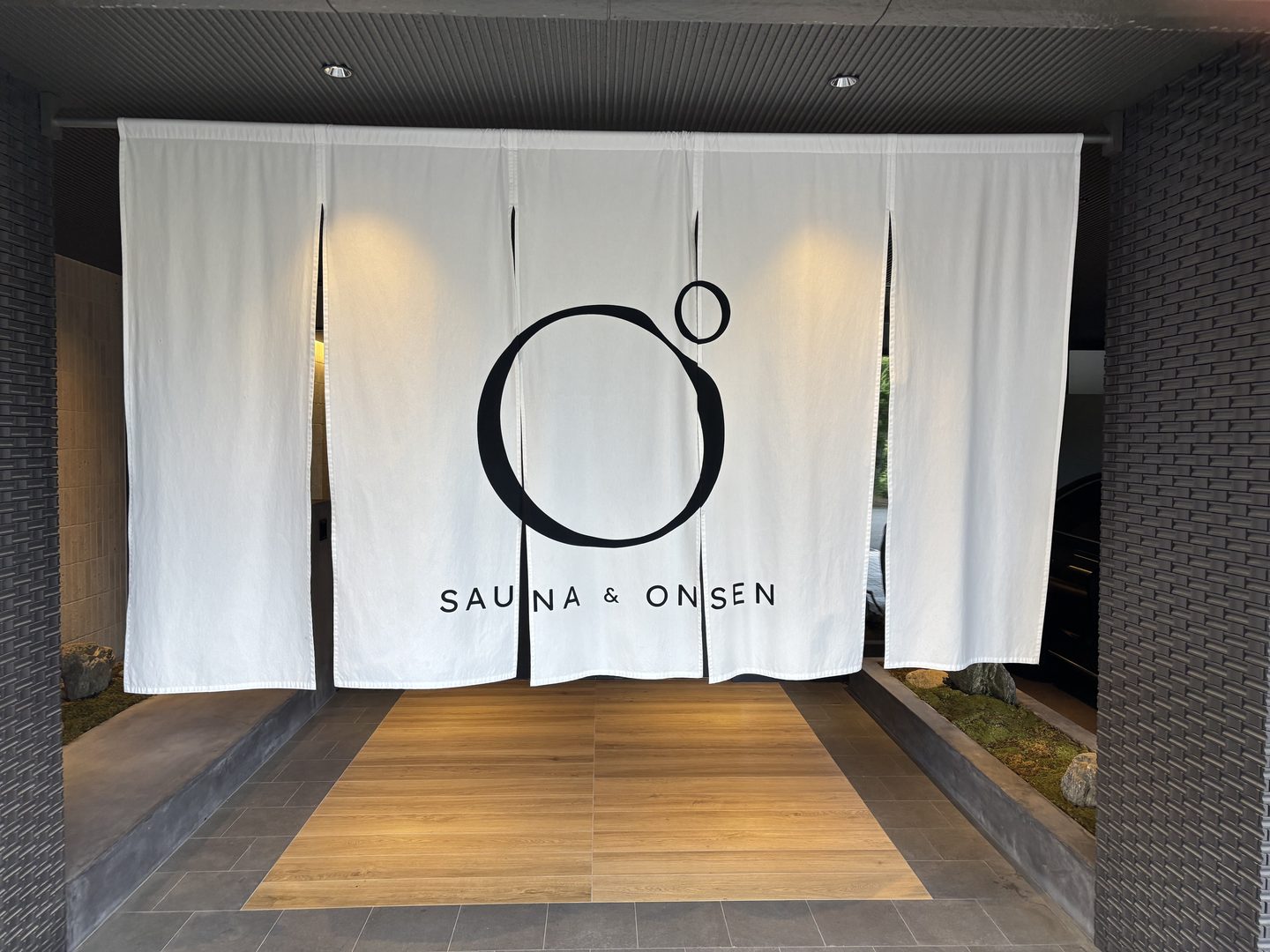
Checking In at OND
Back at the station, I was just in time for the shuttle I had arranged to OND, my hotel for the next two nights. The hotel offered only a few pickup times, none of which fit neatly with my plans, and I had never received a confirmation, so I was not fully sure the ride would be there. The hotel was far from the station and otherwise required a taxi or car. At the station, the driver was already waiting. I had thought I might be the only guest, but when we reached the hotel, around 20 cars were parked outside and the lobby was busy. Check-in took a while, but I was eventually greeted with excellent cold green tea from Ureshino, another well-known tea-growing region.
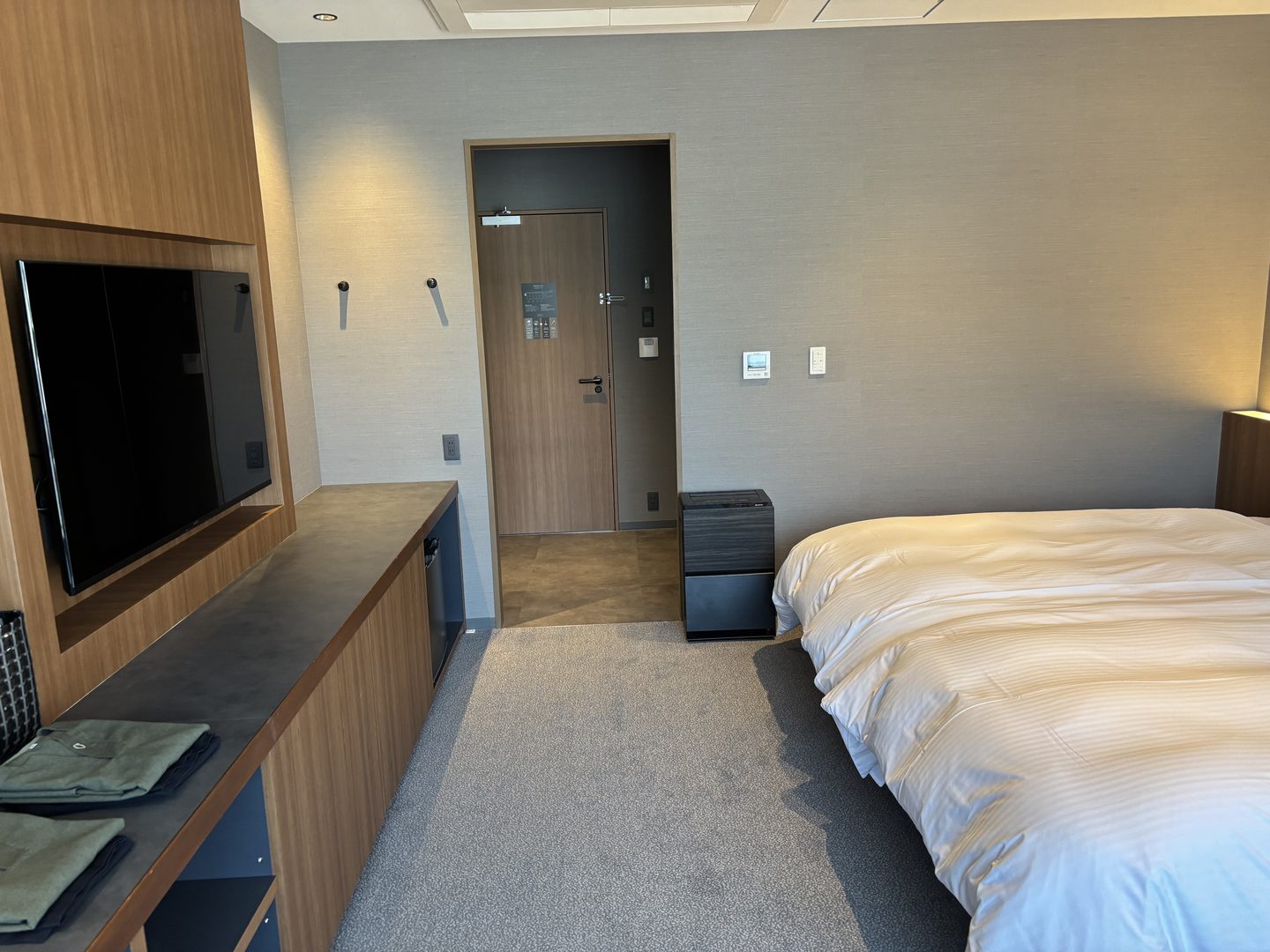
I was then shown to a room much bigger than the previous one, although I was still not sure it justified the price. Because of the remote location and lack of access without a car, dinner at the hotel was the practical choice that night. I planned to eat out the following evening, when I would have the car.
Mifuneyama Rakuen and teamLab
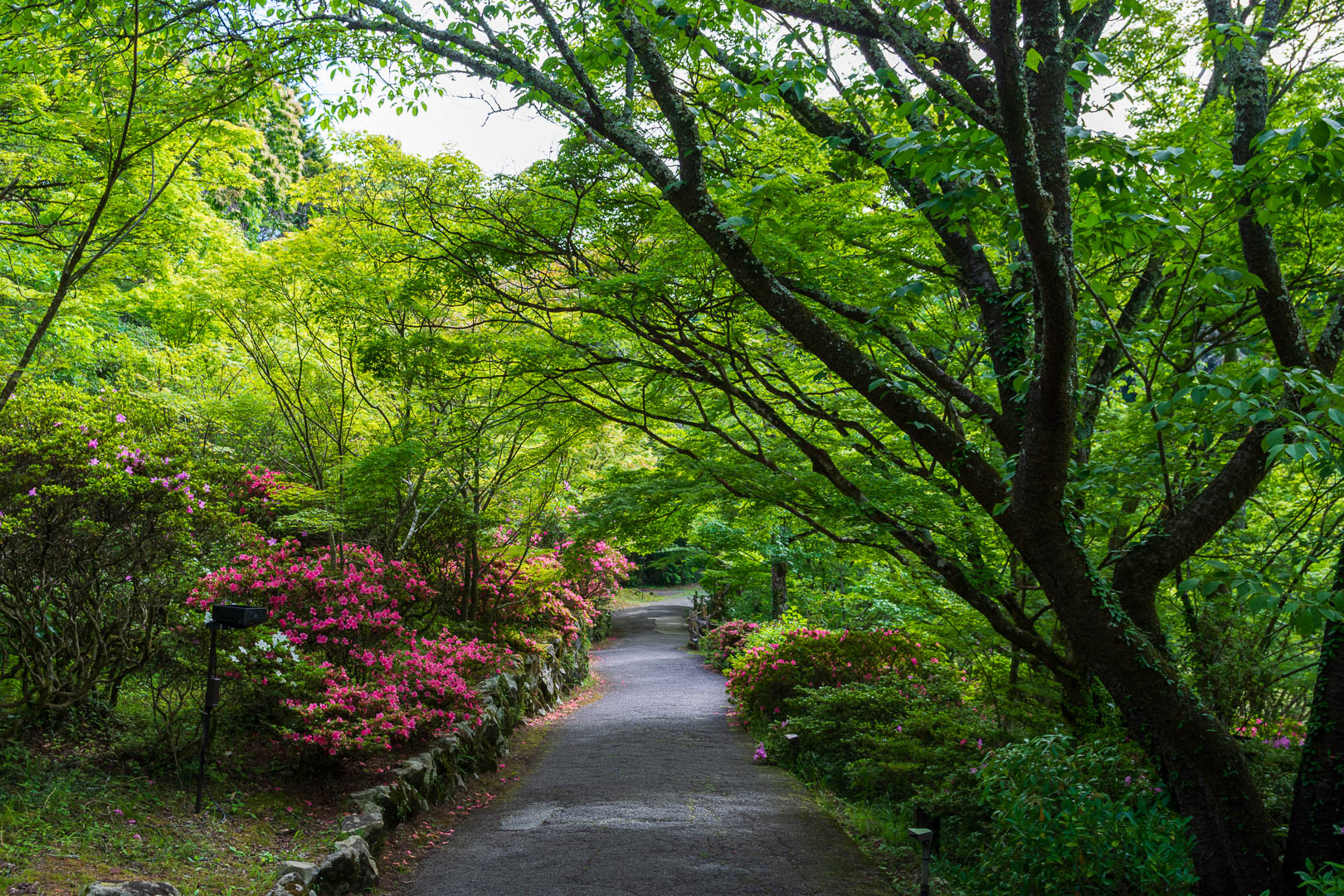
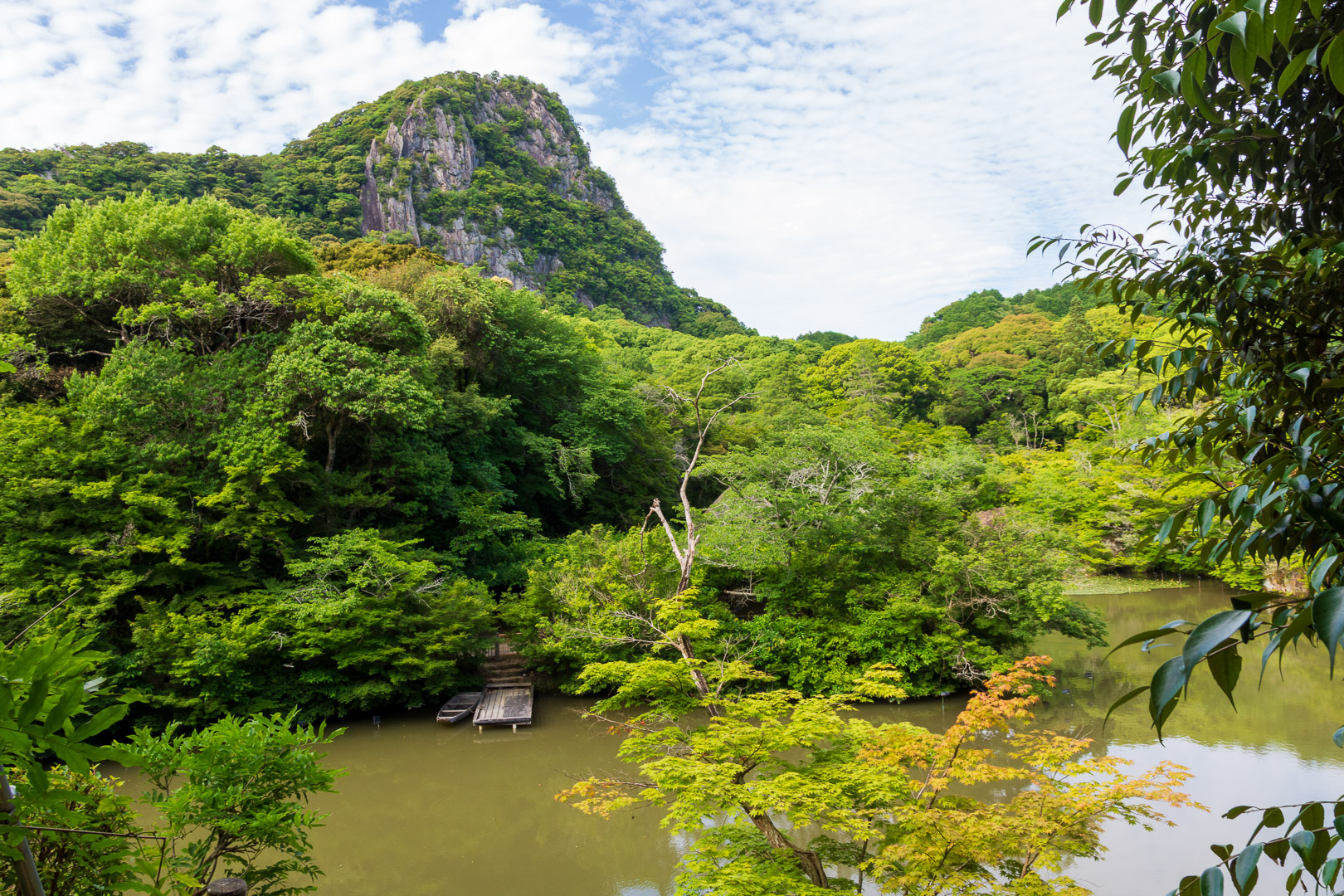
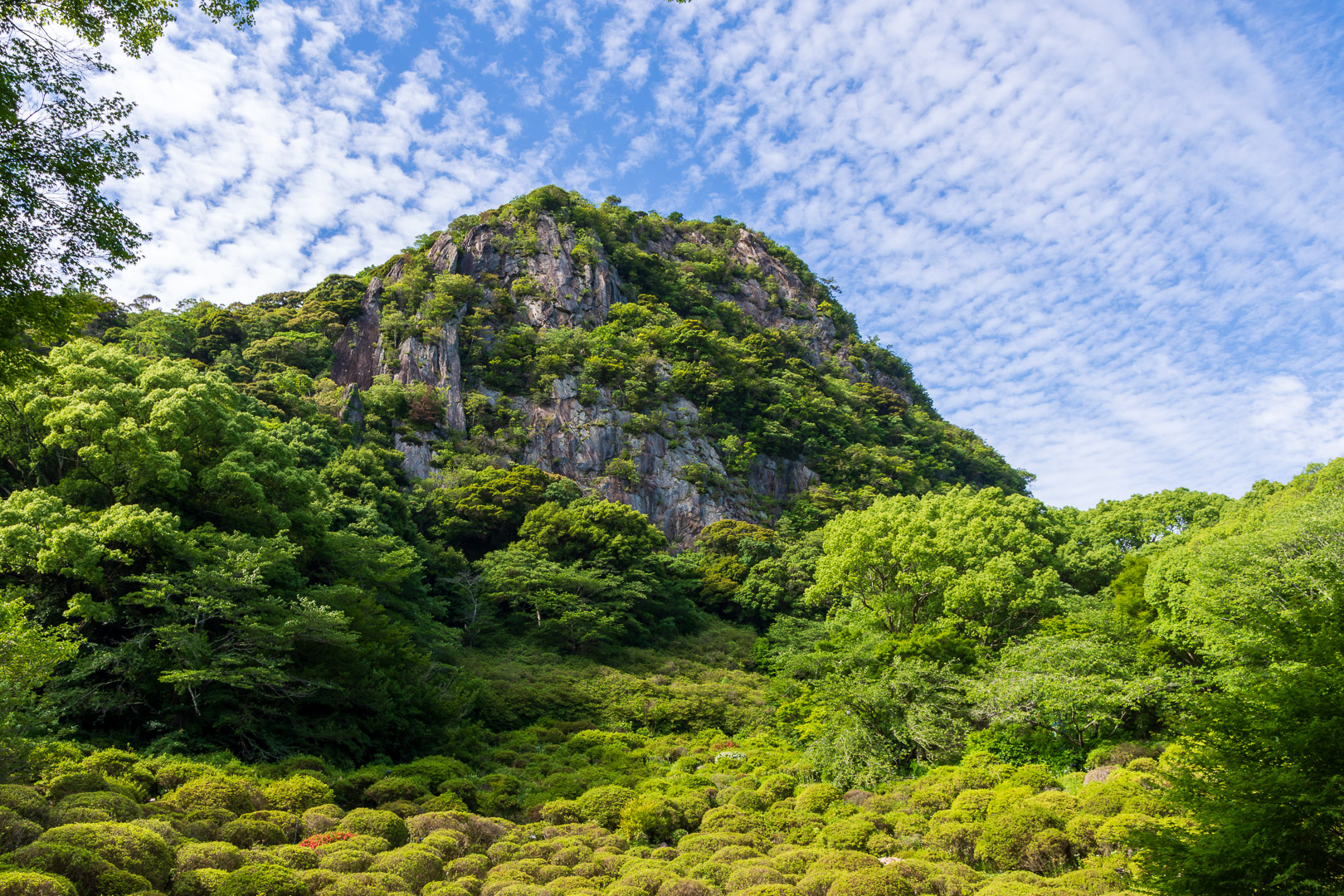
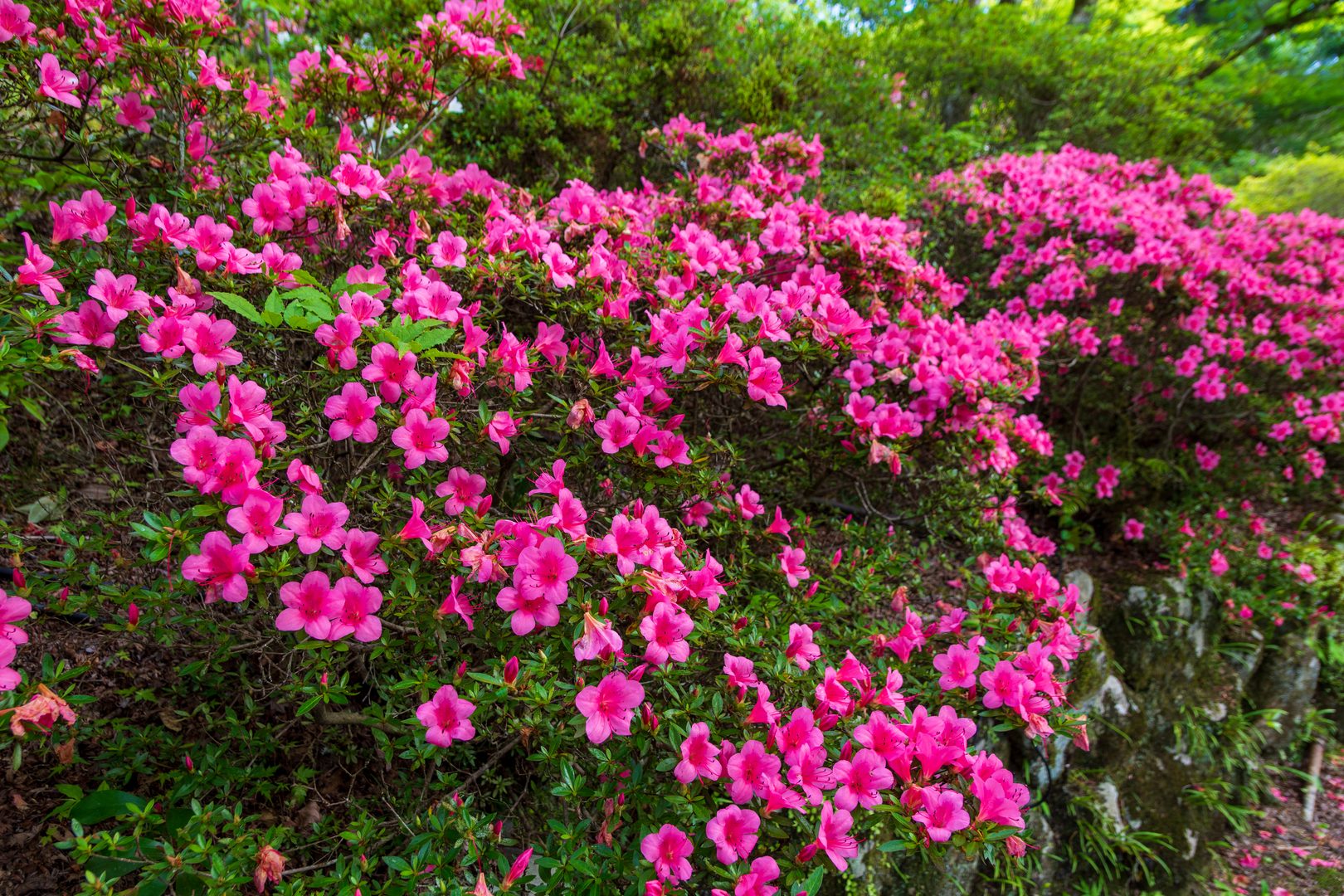
After settling in at OND, I went to Mifuneyama Rakuen. Lord Nabeshima Shigeyoshi created the 50-hectare strolling garden in 1845, using the rocky face of Mifuneyama as borrowed scenery. From the garden, I climbed toward Mifuneyama Rakuen Hotel, a separate ryokan where I visited the teamLab installations. By late May, the park was already past the peak of its most famous floral displays. Even so, the landscape garden was breathtaking, with the exposed rock face of Mifuneyama rising above it.
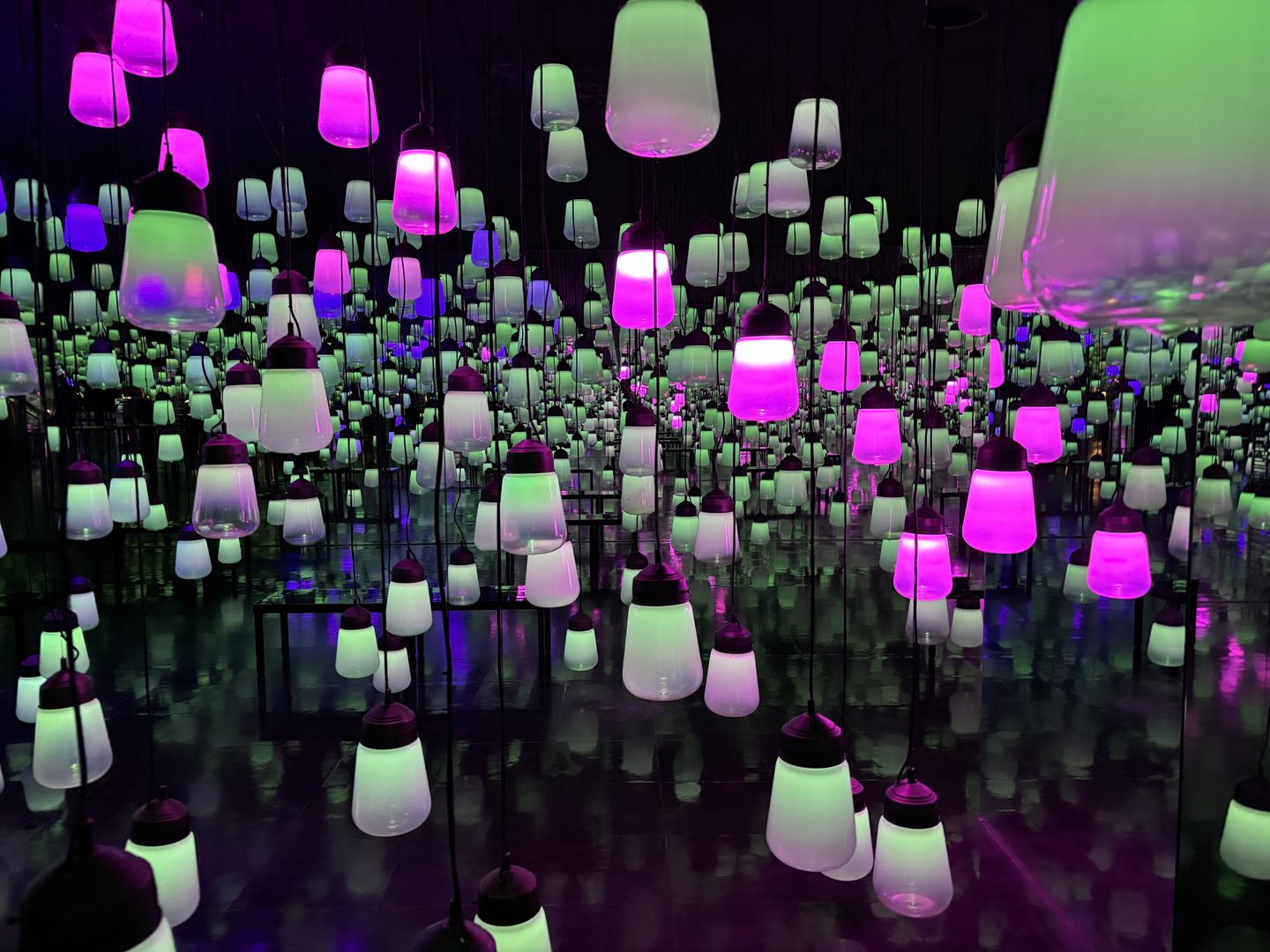
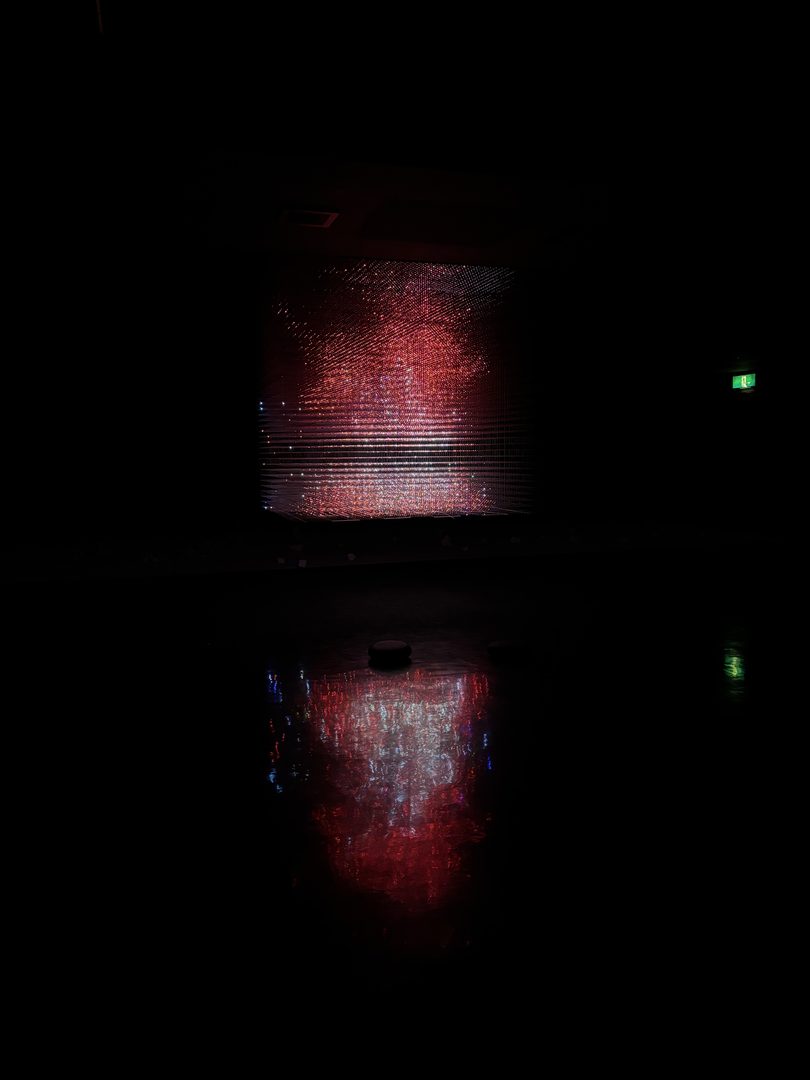
The teamLab experience started directly in the hotel lobby, which was dark and atmospheric, and not what I expected in a hotel. Countless lights pulsed slowly around me. At first, their colors and brightness seemed random, but when I approached one of the lamps, it brightened, made a gentle sound, and passed its light on to the lamps nearby. Only then did I begin to notice the connection between them. Other works occupied an old hall and the hotel’s bathhouse ruins. In a former banquet room, virtual fire filled the space. The light installation was interesting, but the fire-lit LED cube made the strongest impression because it looked so different from far away and up close. Its flame was built from points of light and grew more intense when people approached.
A Missing Bag, a Run and a Bath
When I came back to my room, I still could not find the luggage I had handed over at check-in. I walked back to reception and asked about it. After some confused discussion, the receptionist wondered whether it had accidentally been delivered to the room next door. We went back, checked, and indeed found it there.
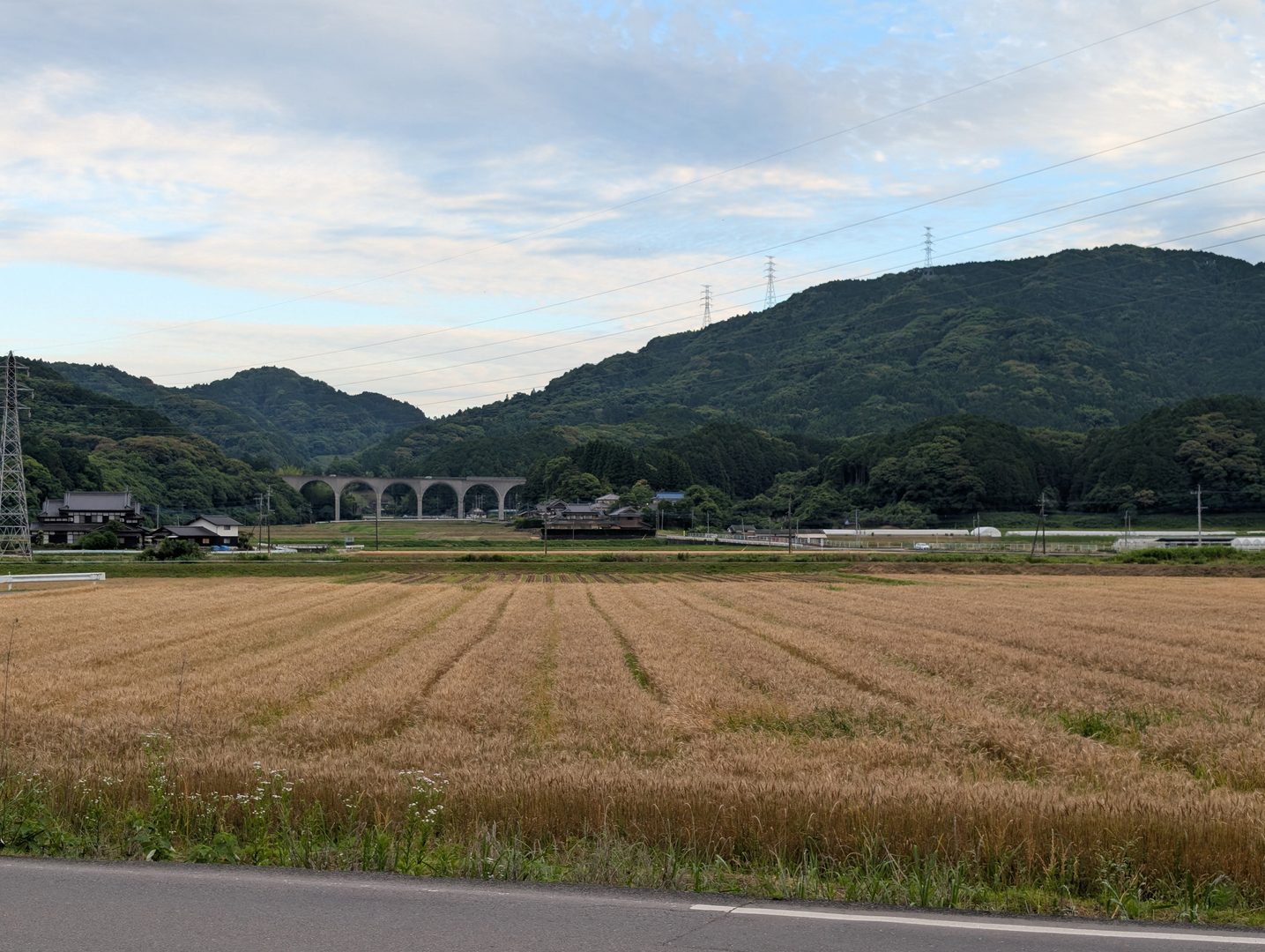
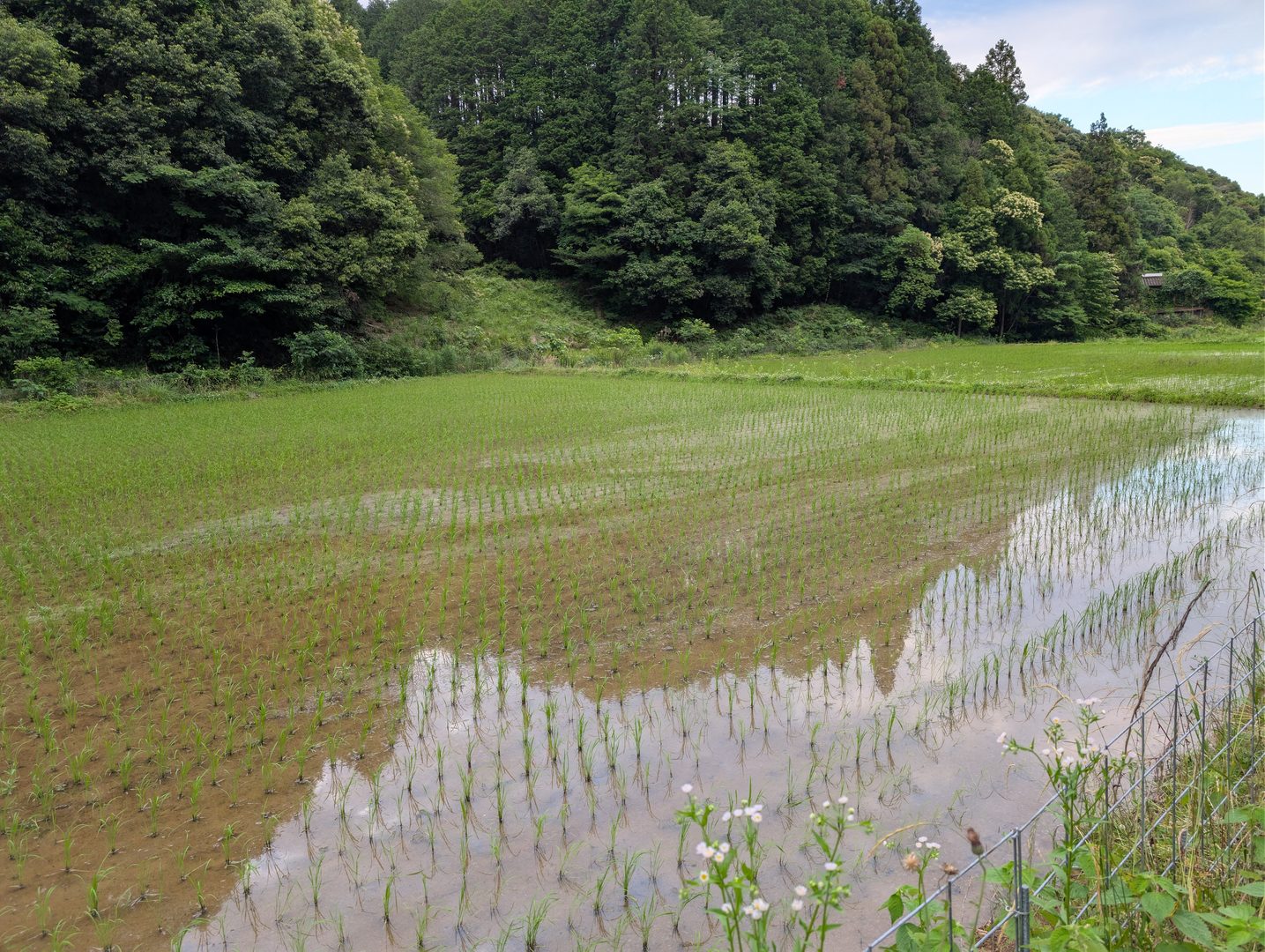
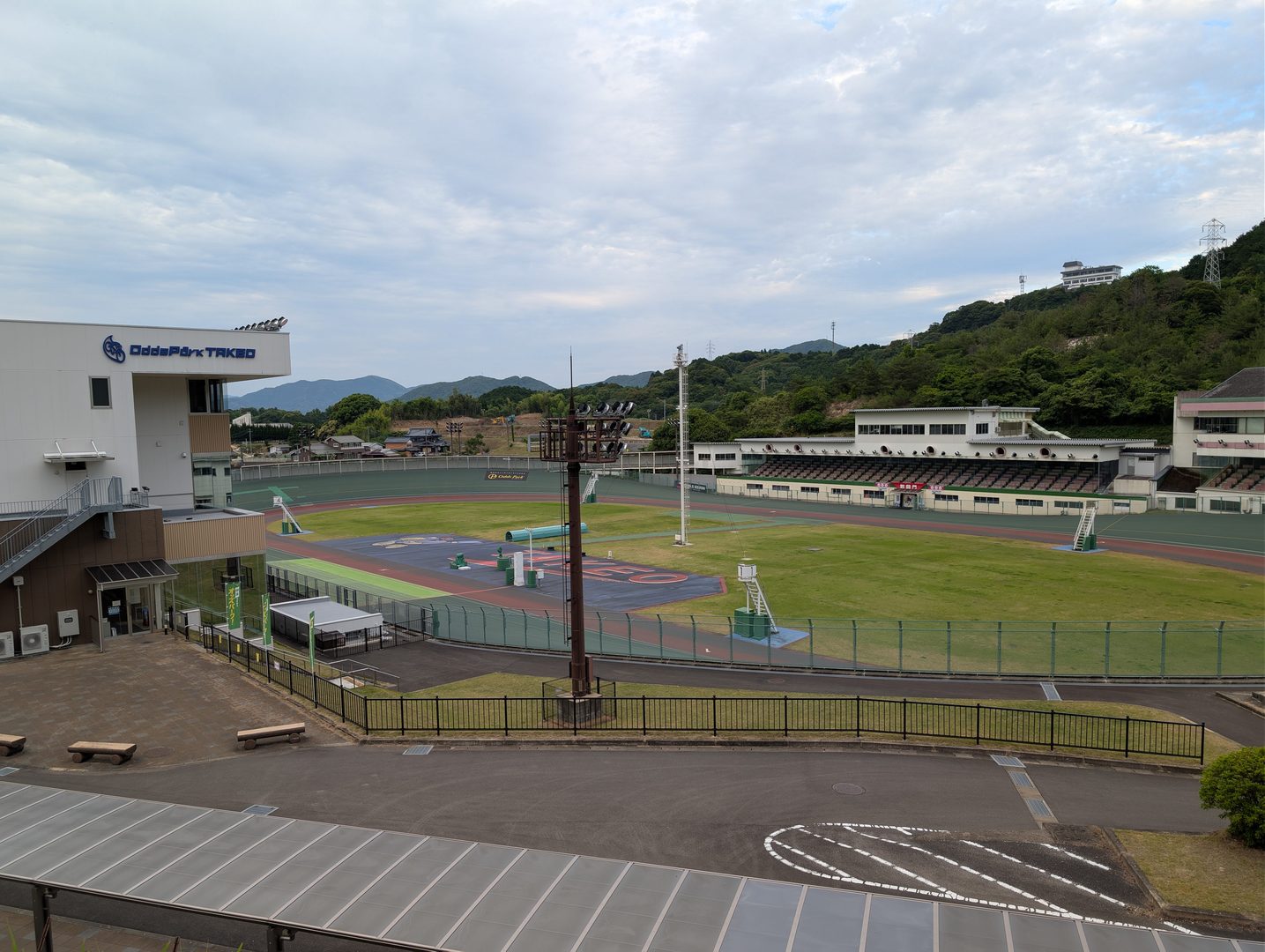
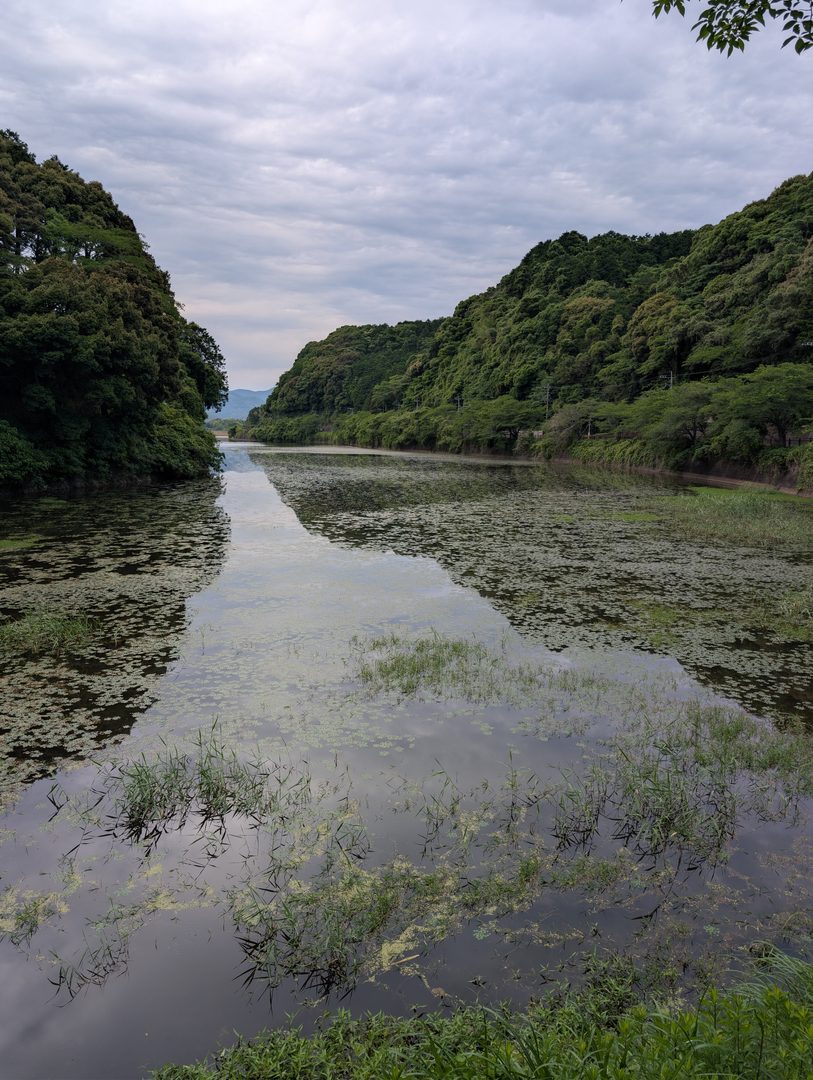
With the weather still good and some time before dinner, I went for a run. I chose a circular road route close to Mifuneyama, which was hillier than I had expected. It passed Ikenouchi Pond, a sports ground, and water-filled rice fields. I finally had a little space to wind down, and I wanted to explore the quiet area around the hotel rather than stay indoors. Back at the hotel, I stopped at the onsen before heading to dinner.
Dinner and Fireflies
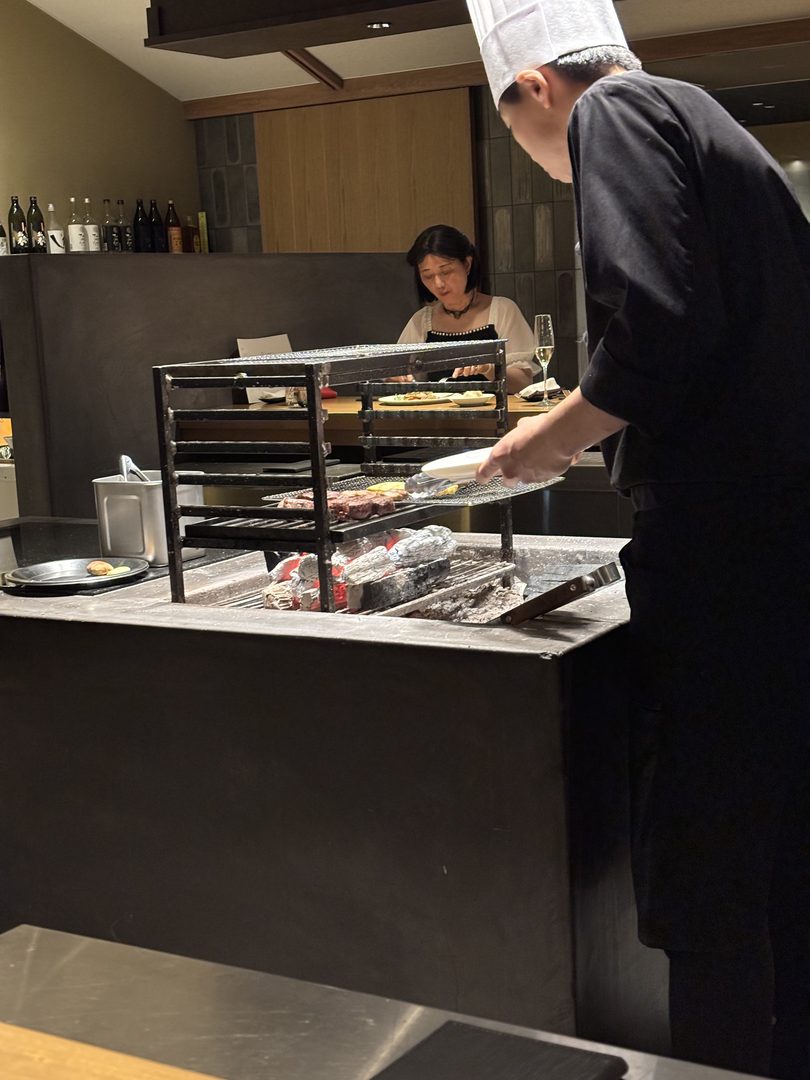
The dining room was calm, and the open counter let me watch the chef at work.
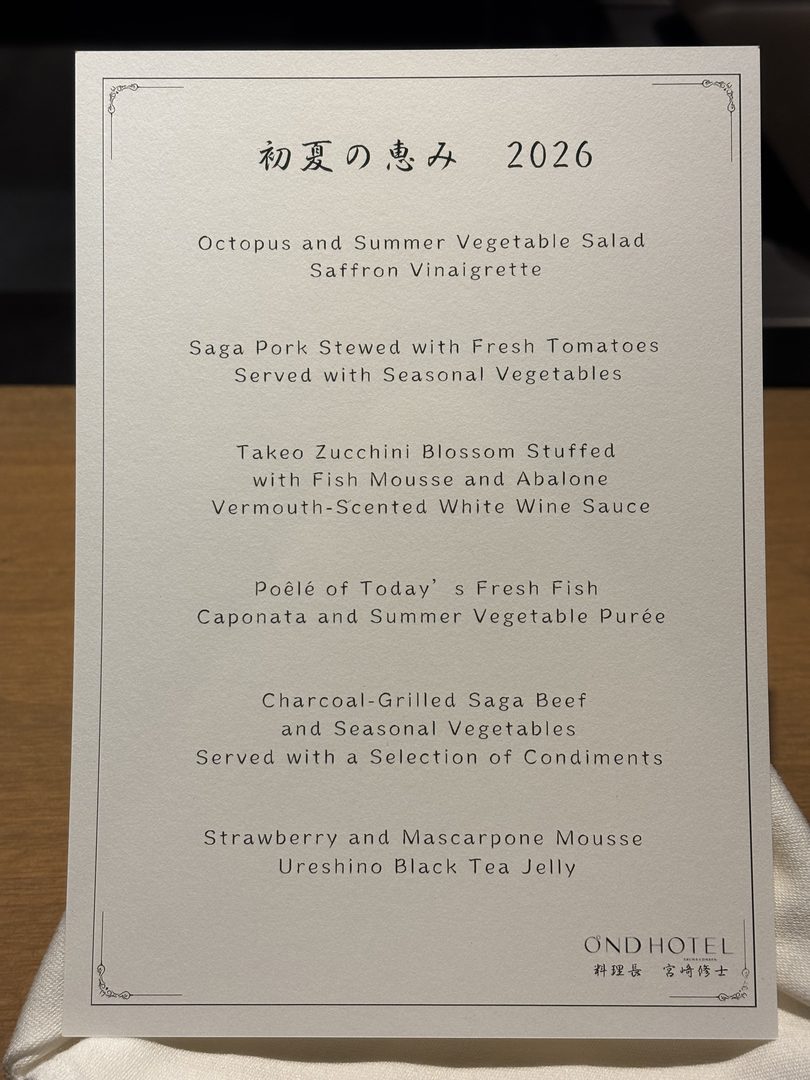
Dinner was a six-course meal centered around a charcoal grill: tasty, creative Japanese-French fusion. It began with soft octopus, summer vegetables, and saffron vinaigrette, followed by Saga pork stewed with fresh tomatoes. The pork looked and felt as soft as tofu. Next came a Takeo zucchini blossom stuffed with fish mousse and abalone, then isaki, a prized and highly seasonal white fish in Japanese cuisine. The Saga beef, cooked slowly over indirect heat, was a constant presence through the meal before it was served as the final savory course. Dessert combined strawberry and mascarpone mousse with Ureshino black tea jelly.
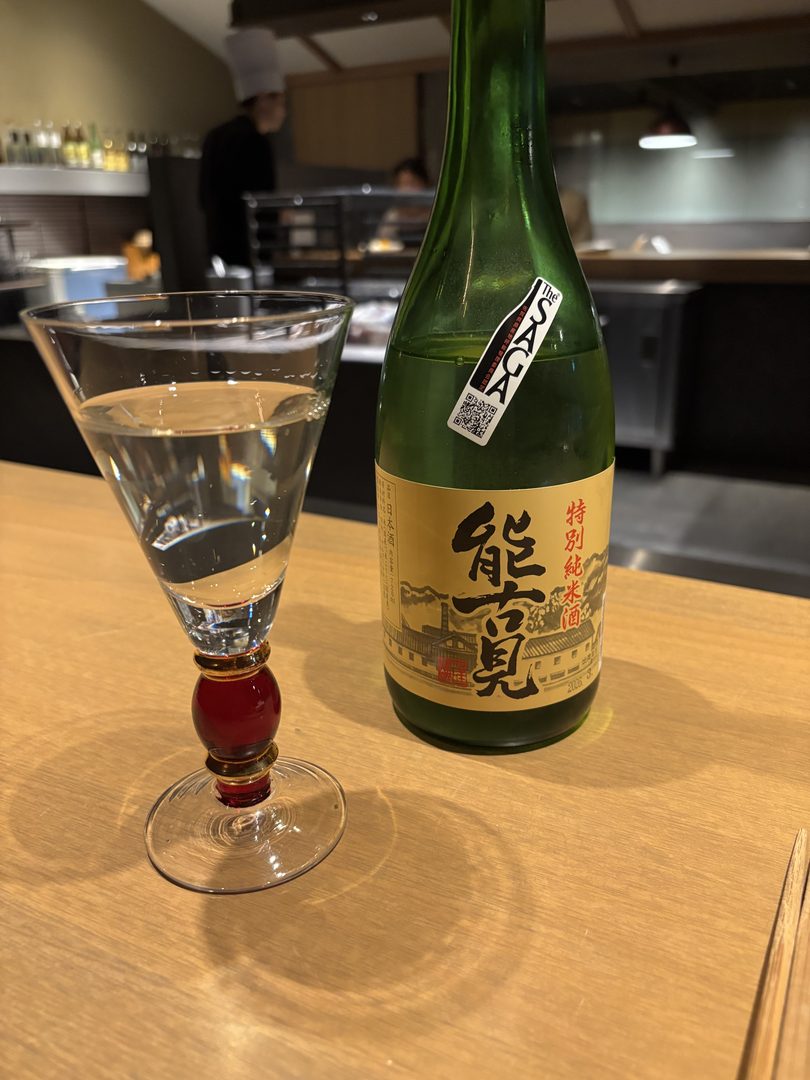
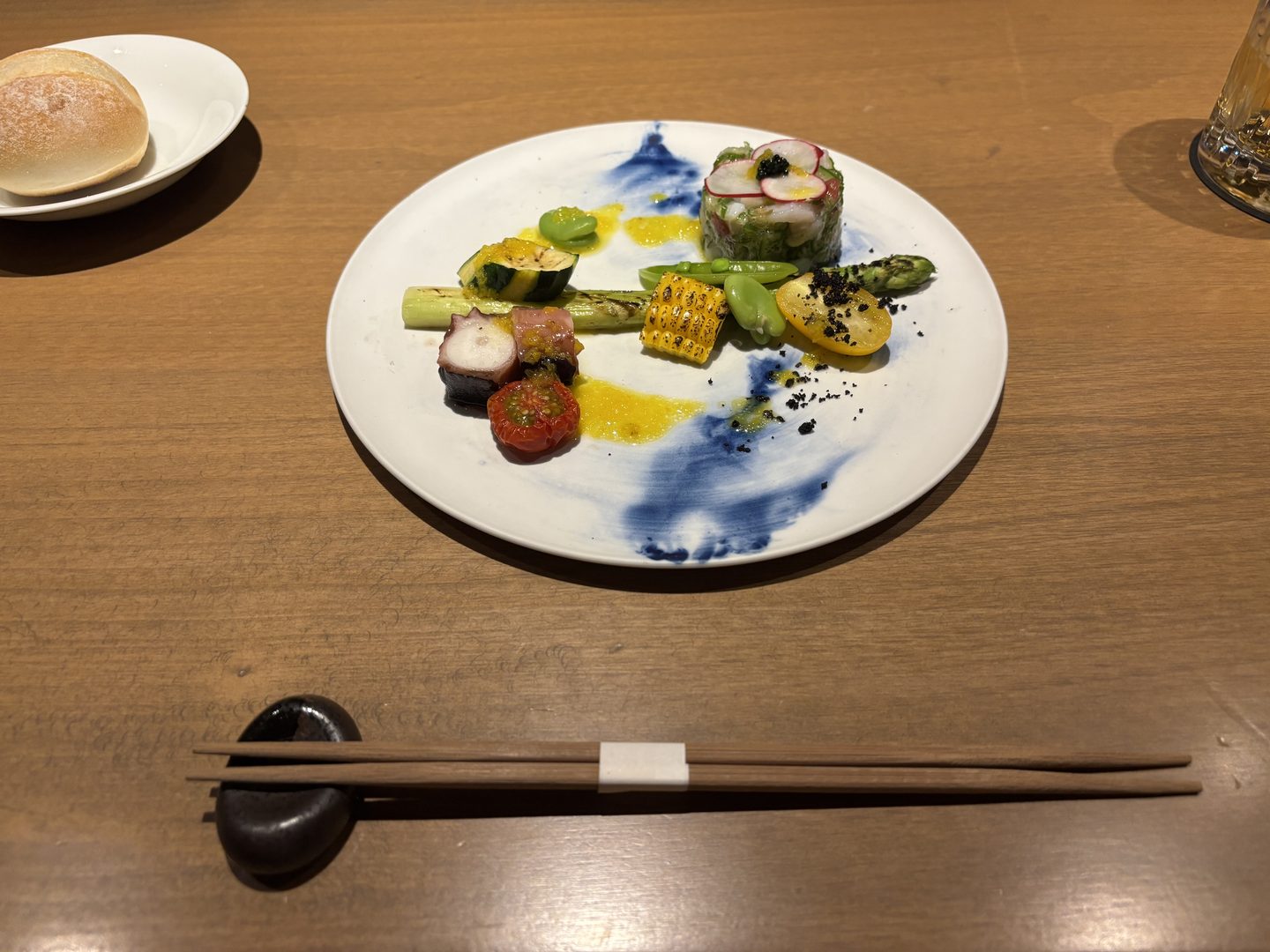
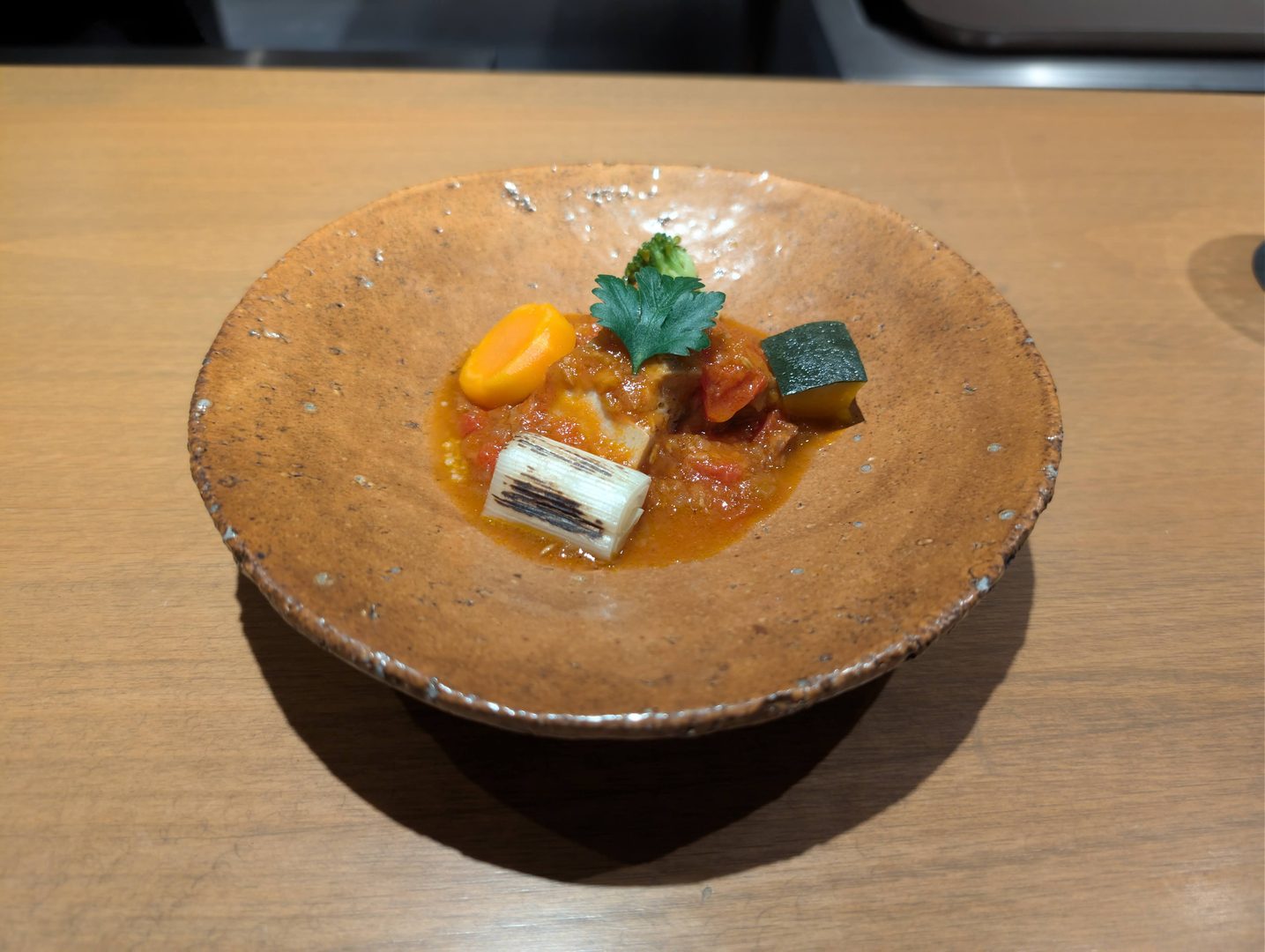
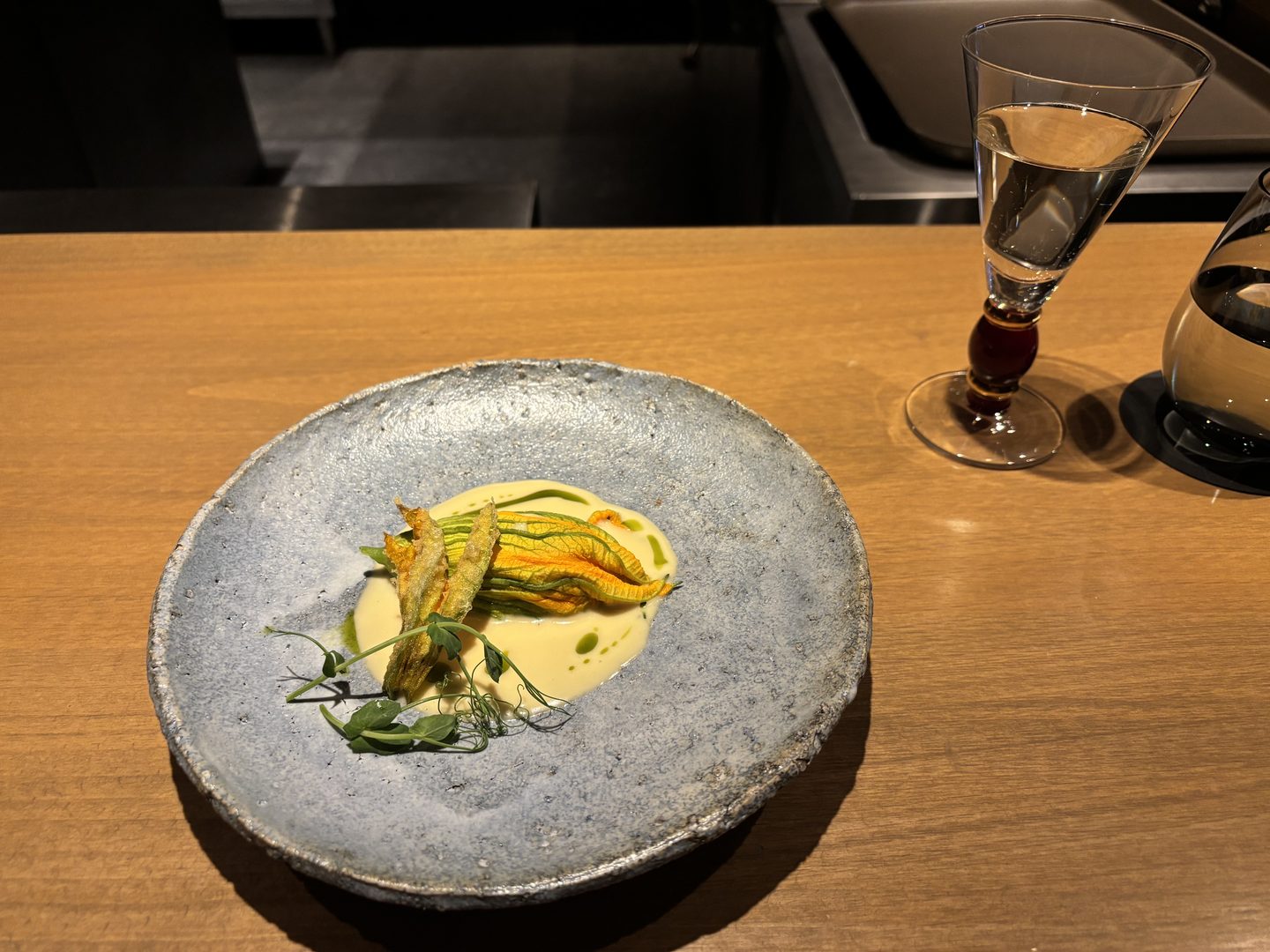
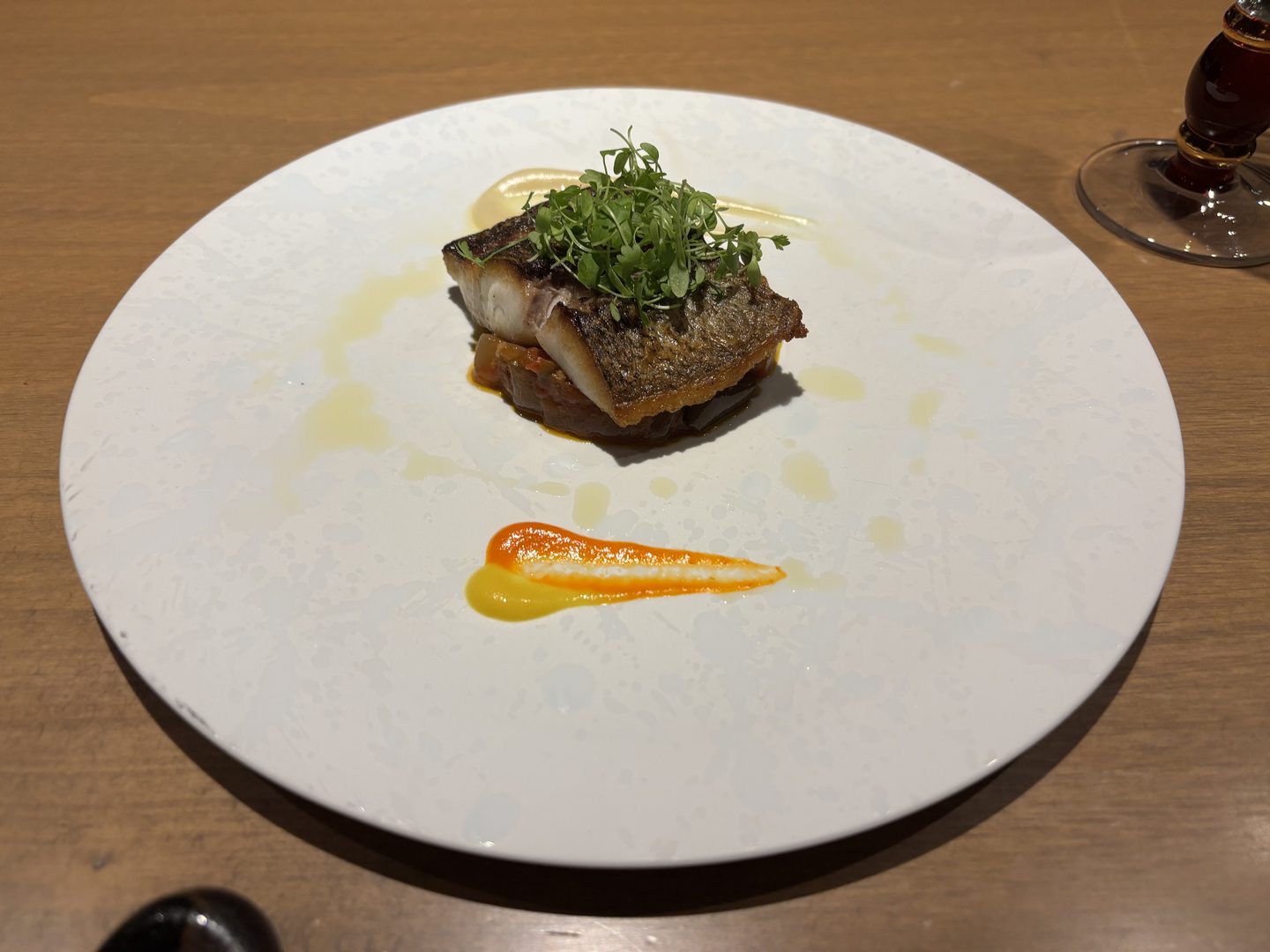
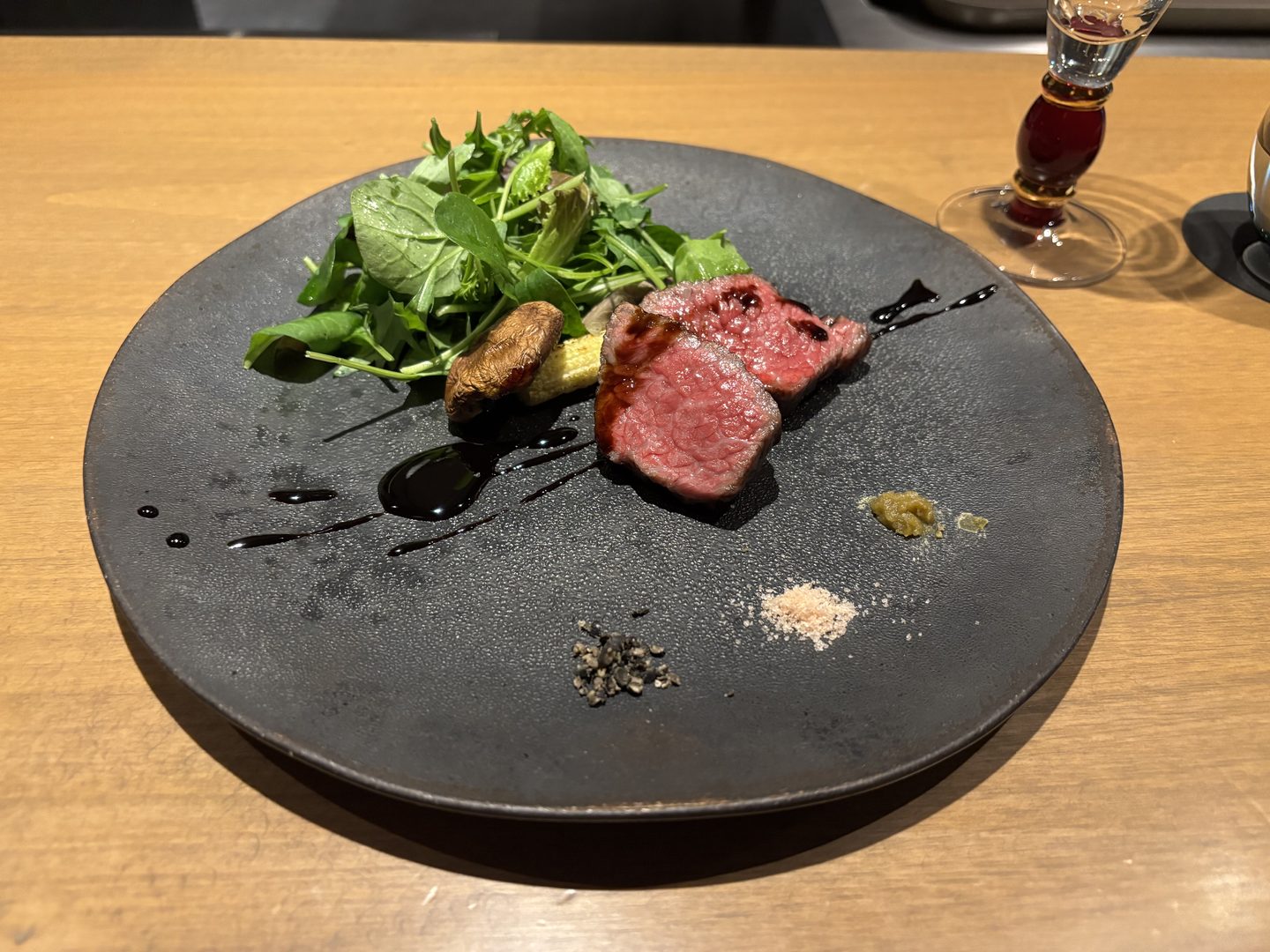
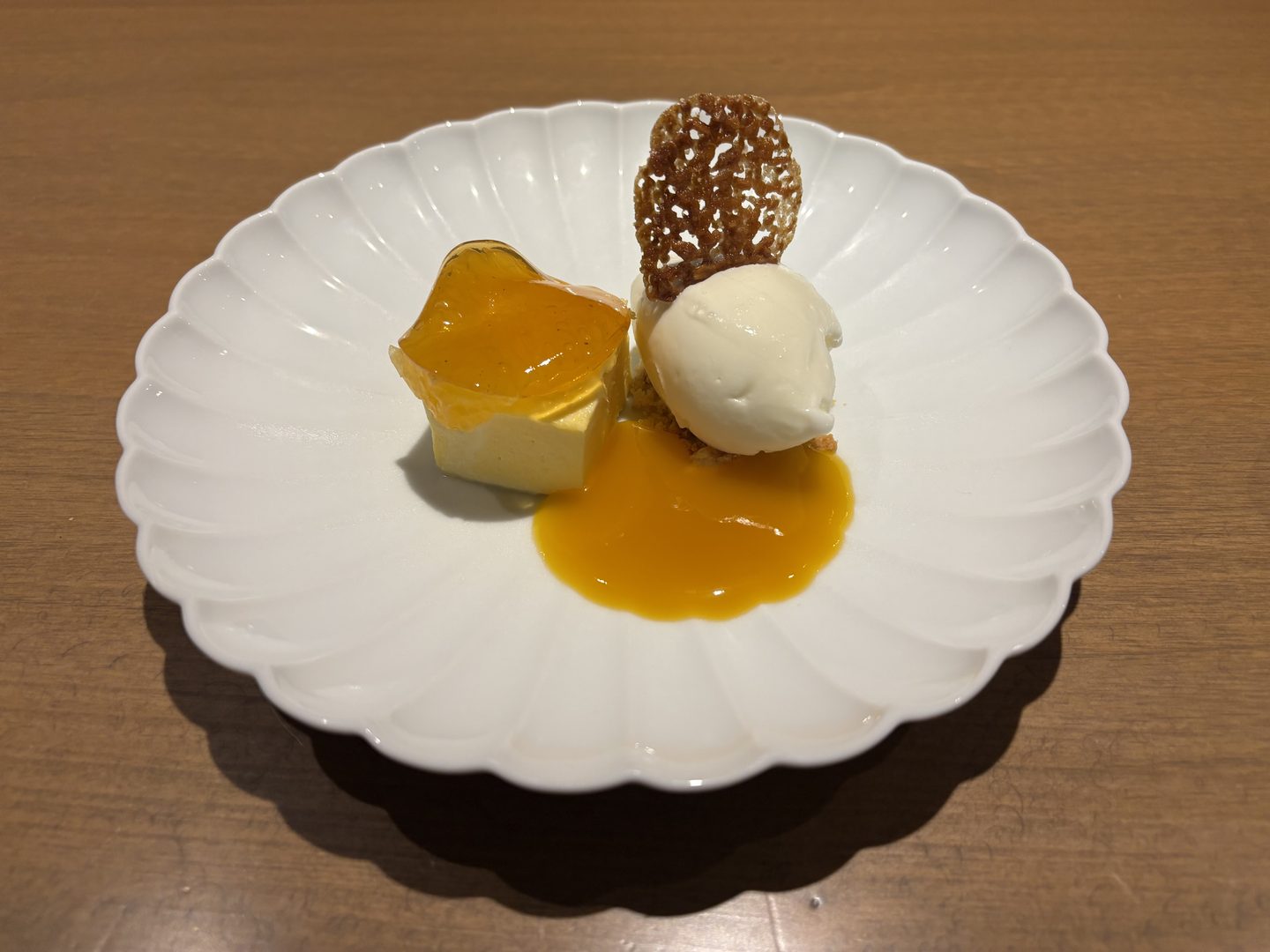
After the meal, the waiter asked about my plans for the next day. I told him I wanted to see the ceramics villages of Arita and Imari. He was from Arita himself and recommended a particular spot for the quality of the work made there.
While I was browsing the souvenir shop in the lobby, the receptionist who had helped me find my luggage told me about fireflies he had just seen at a nearby spot. I had arrived during the brief local firefly season, which usually runs from late May into early June. Without further ado, I went to see them myself.
And indeed, after a short walk to a nearby park and gentle stream, I saw small white dots blinking slowly, perhaps twice a second. They were fireflies. People had gathered to watch them, but the fireflies were spread out and hard to spot, and seemed to stop flashing when people came close.

By then I was too tired for another onsen, so I went back to the room and called it a night.
Japan 2026 · Part 5 of 12
← Previous: Hirado, Ikitsuki and Kujukushima: Along the Coast from Sasebo
Start of the series
Coming next: Porcelain Villages and Sea Caves: A Day around Saga — November 20, 2026.
Entdecke mehr von Tabimonogatari - 旅物語
Melde dich für ein Abonnement an, um die neuesten Beiträge per E-Mail zu erhalten.