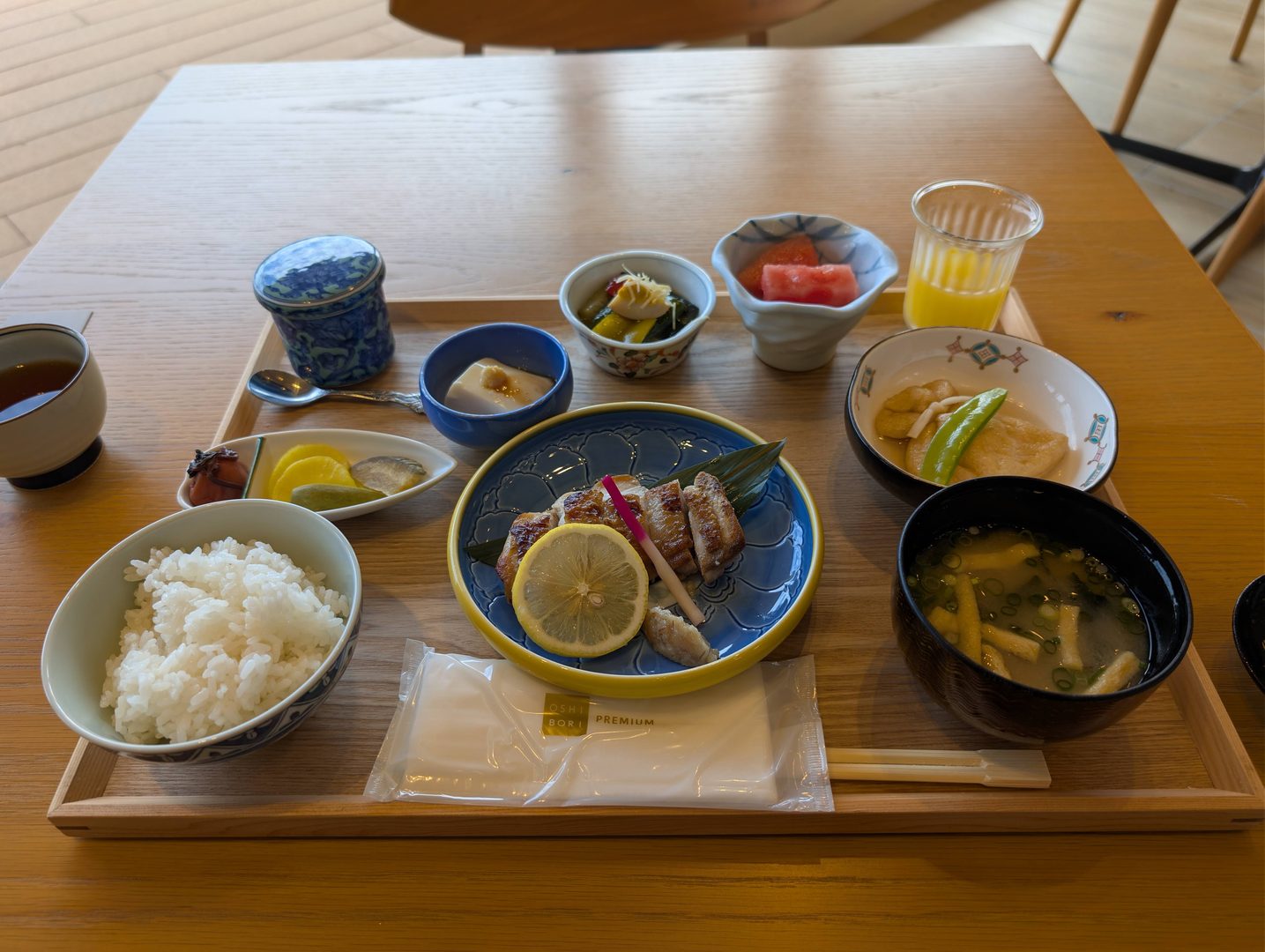
After one last morning onsen and another breakfast at OND—similar to the day before, but with a different main dish—I left the hotel at 9:30 a.m.
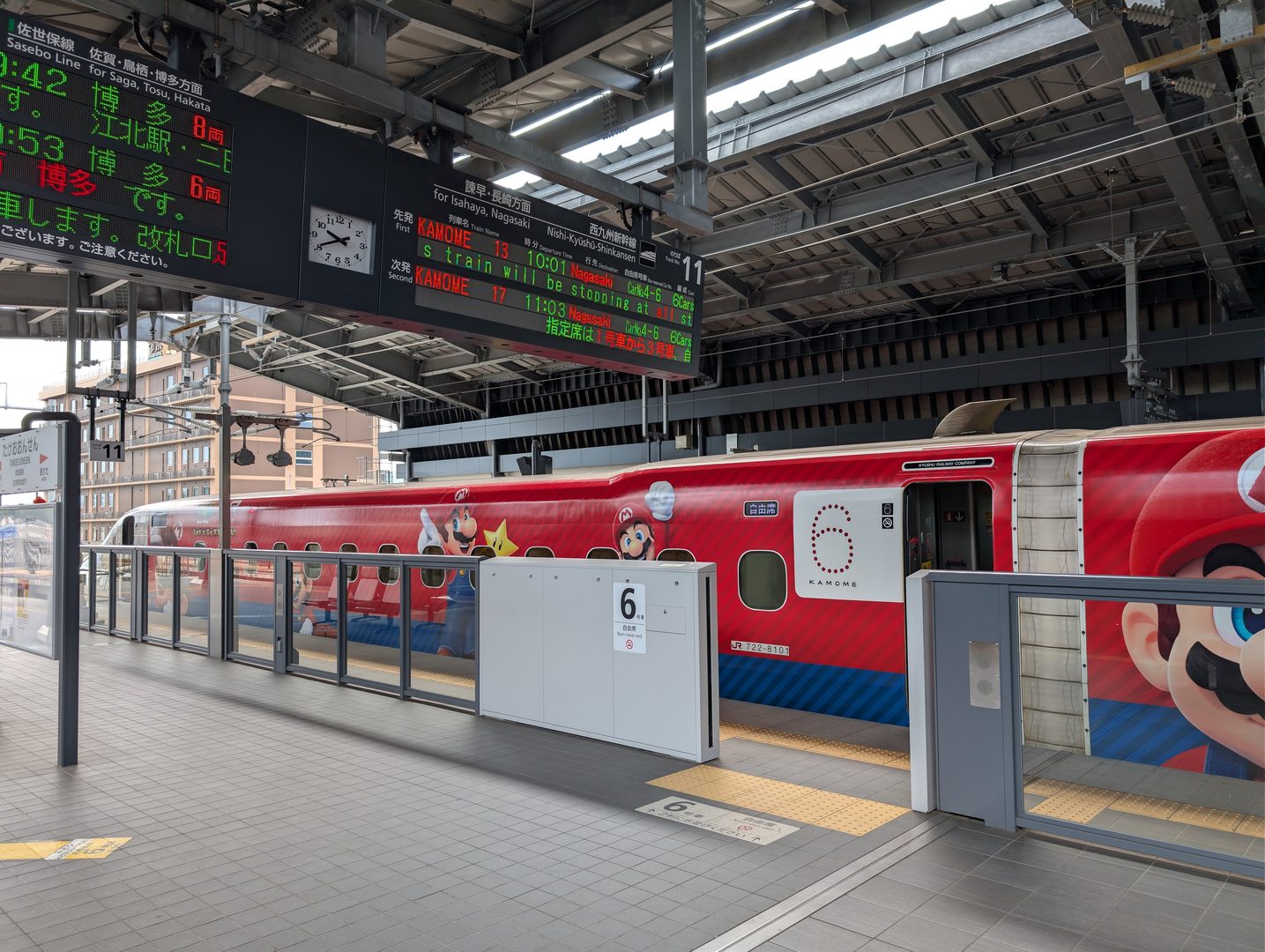
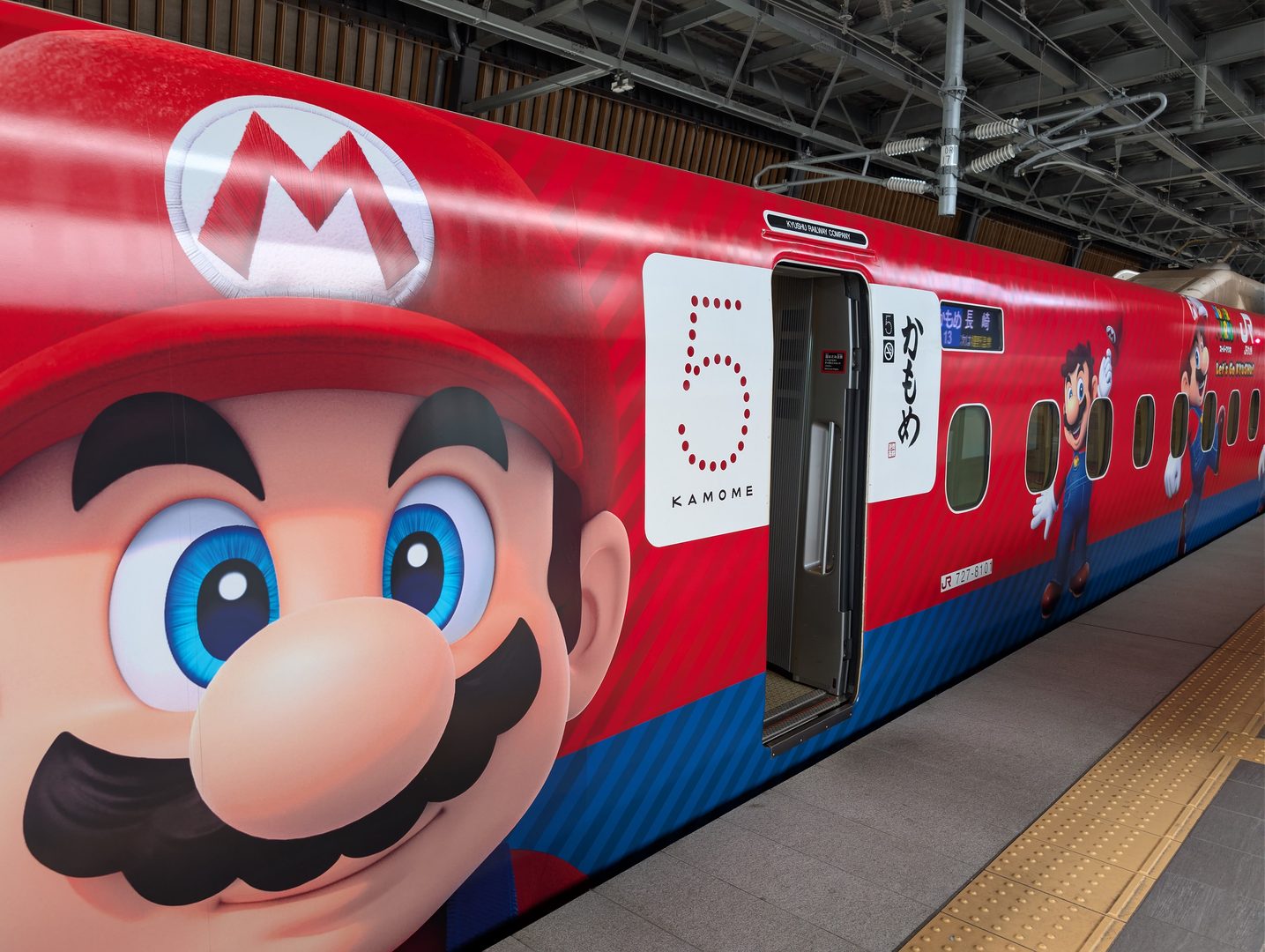
For the journey to Fukuoka, I used the conventional limited express. Takeo-Onsen now has a Shinkansen station, but the Nishi Kyushu Shinkansen begins there and runs south to Nagasaki. The originally planned through route from Hakata has remained unfinished amid Saga Prefecture’s resistance, so the Hakata–Takeo section is still served by limited express trains. The Shinkansen instead follows new track to Nagasaki, bypassing Sasebo and the route I had taken earlier on the trip. At the time, selected JR Kyushu trains carried Super Mario designs as part of a Nintendo collaboration.
I reached Fukuoka before 11. The city was much busier than the places I had stayed in so far, with noticeably more tourists, including many Korean visitors from just across the sea. After the smaller cities, Fukuoka felt like the Tokyo of the west: much more urban. I put my suitcase in one of the last available coin lockers at the station for the day.
Hakata, Nakasu, and Tenjin
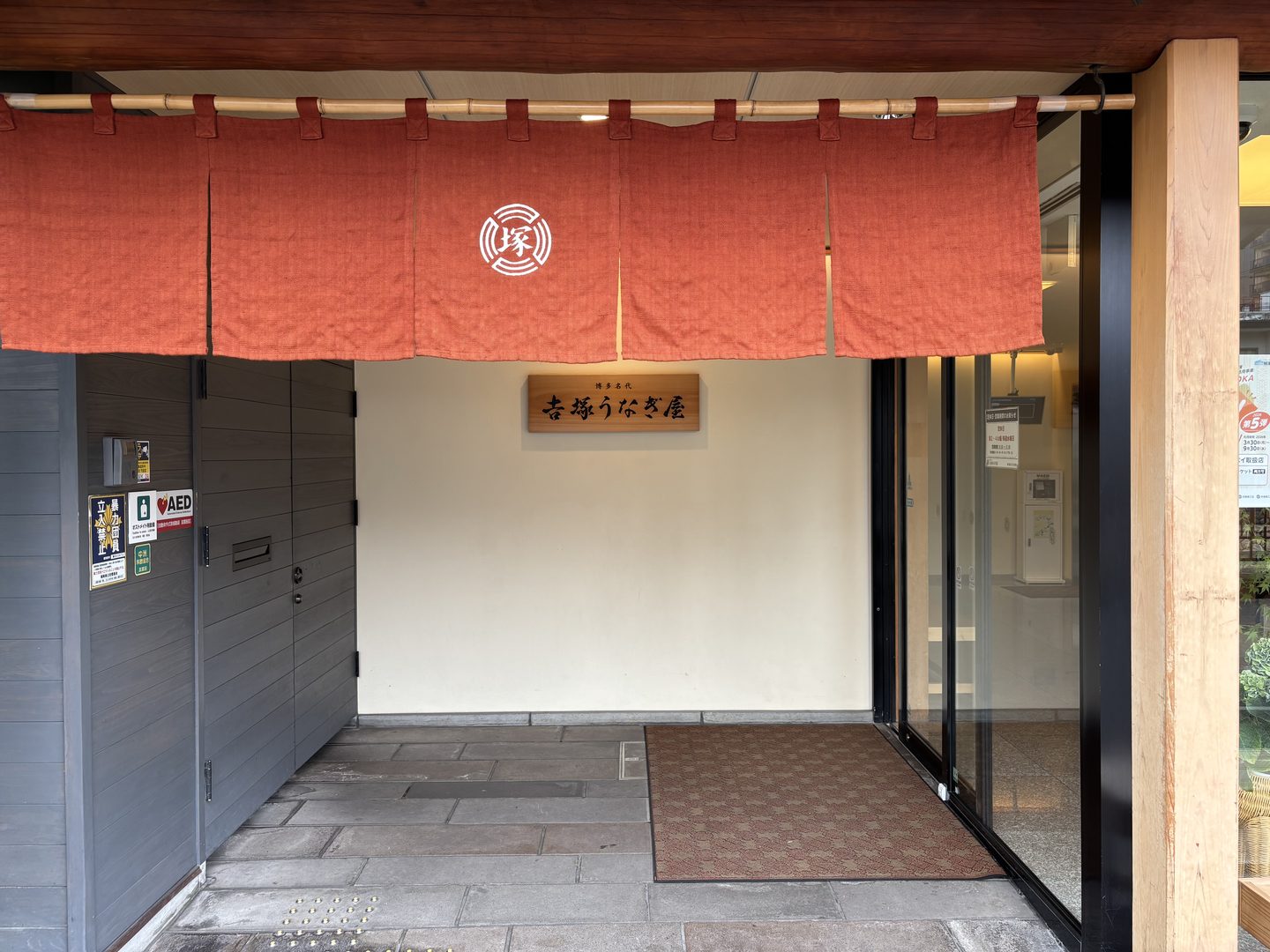
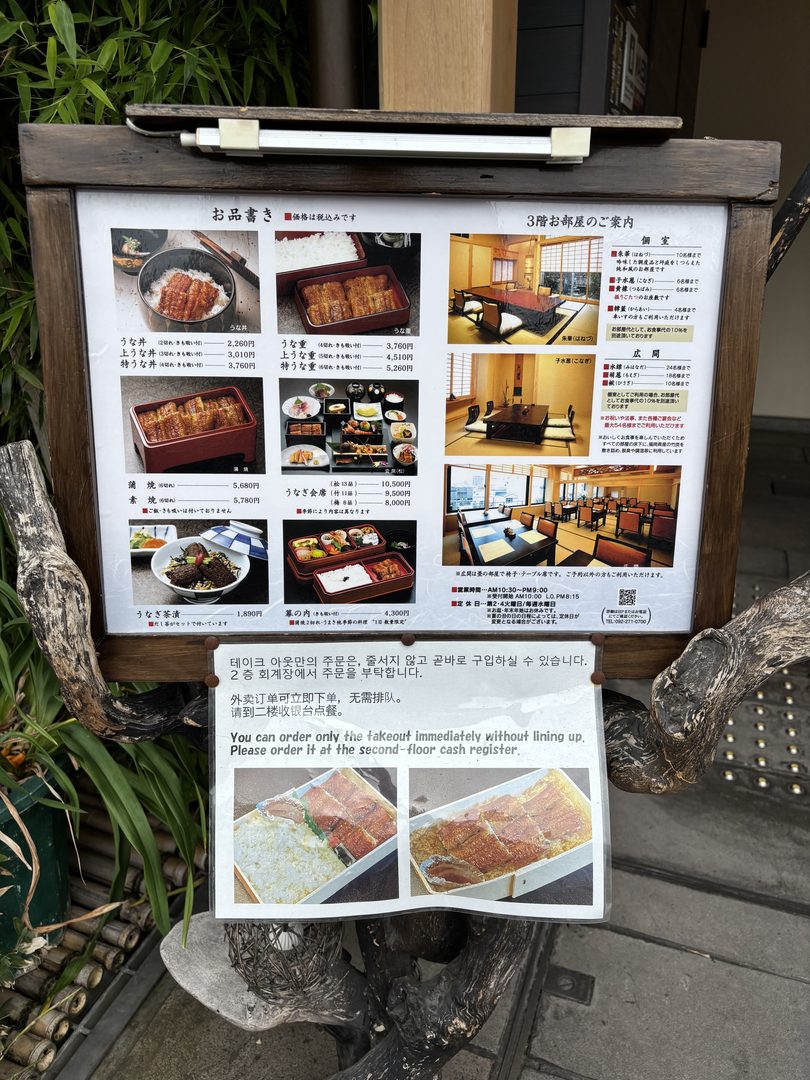
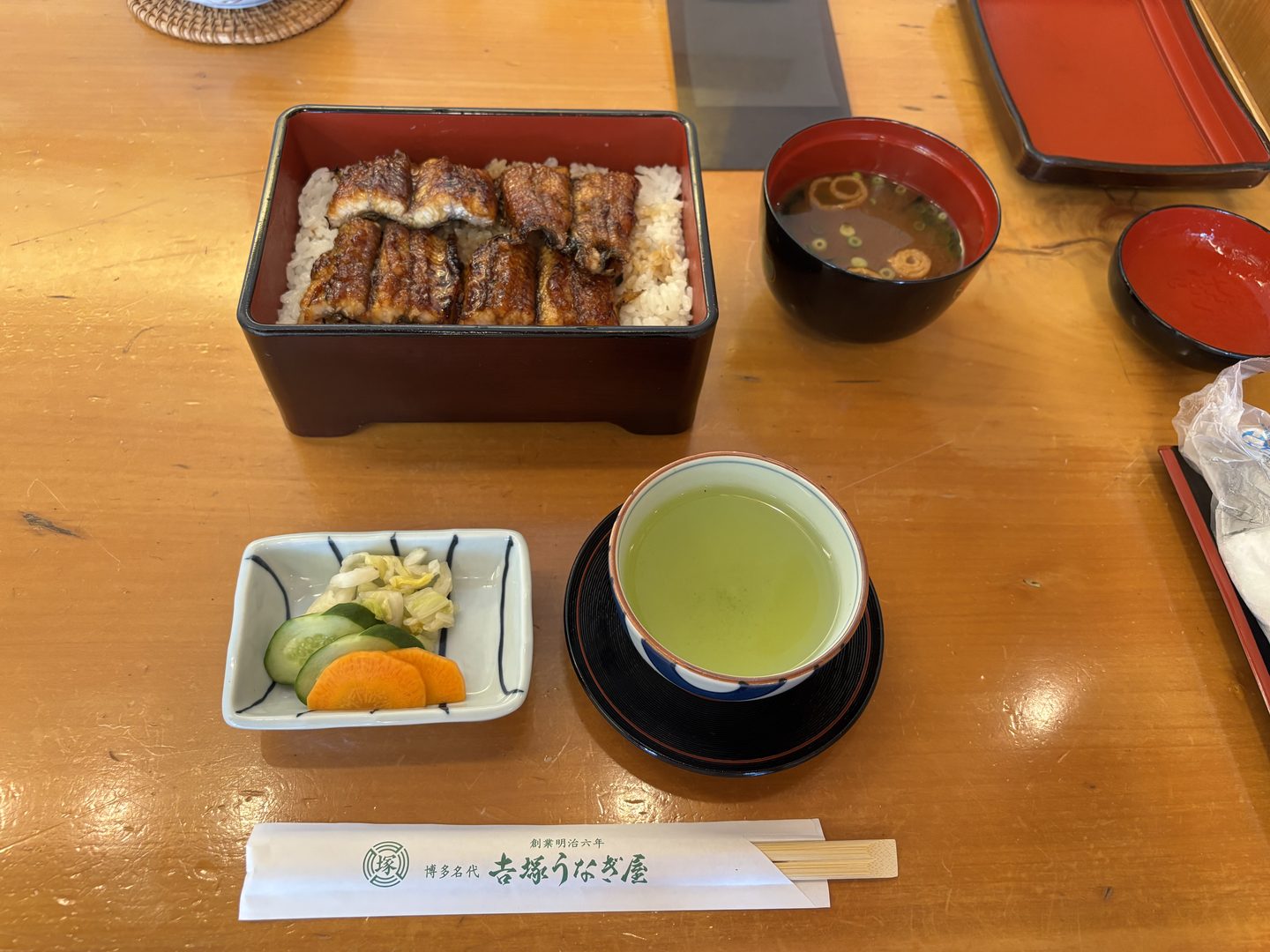
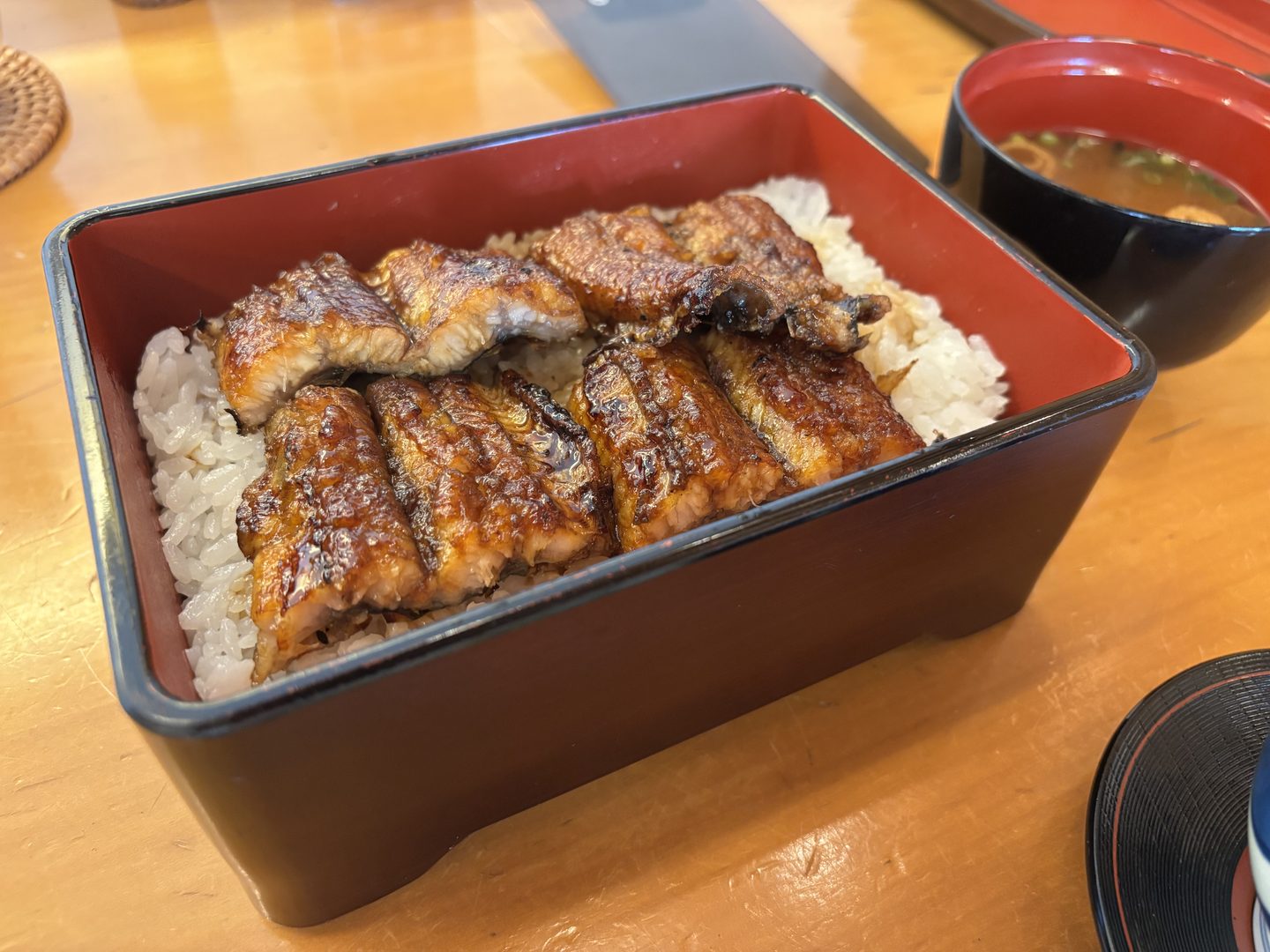
From Hakata Station, I walked toward Nakasu and the older Hakata area to an unagi restaurant recommended by a Japanese YouTuber: Hakata Meidai Yoshizuka Unagiya (博多名代 吉塚うなぎ屋). I expected a long wait, but could enter right away, probably because it was a weekday. It got busier soon afterward, though. I ordered unaju, grilled eel served over rice. The eel was soft and smoky, with a rich sauce soaking into the rice underneath; after the morning train, it was exactly the substantial lunch I had hoped for.
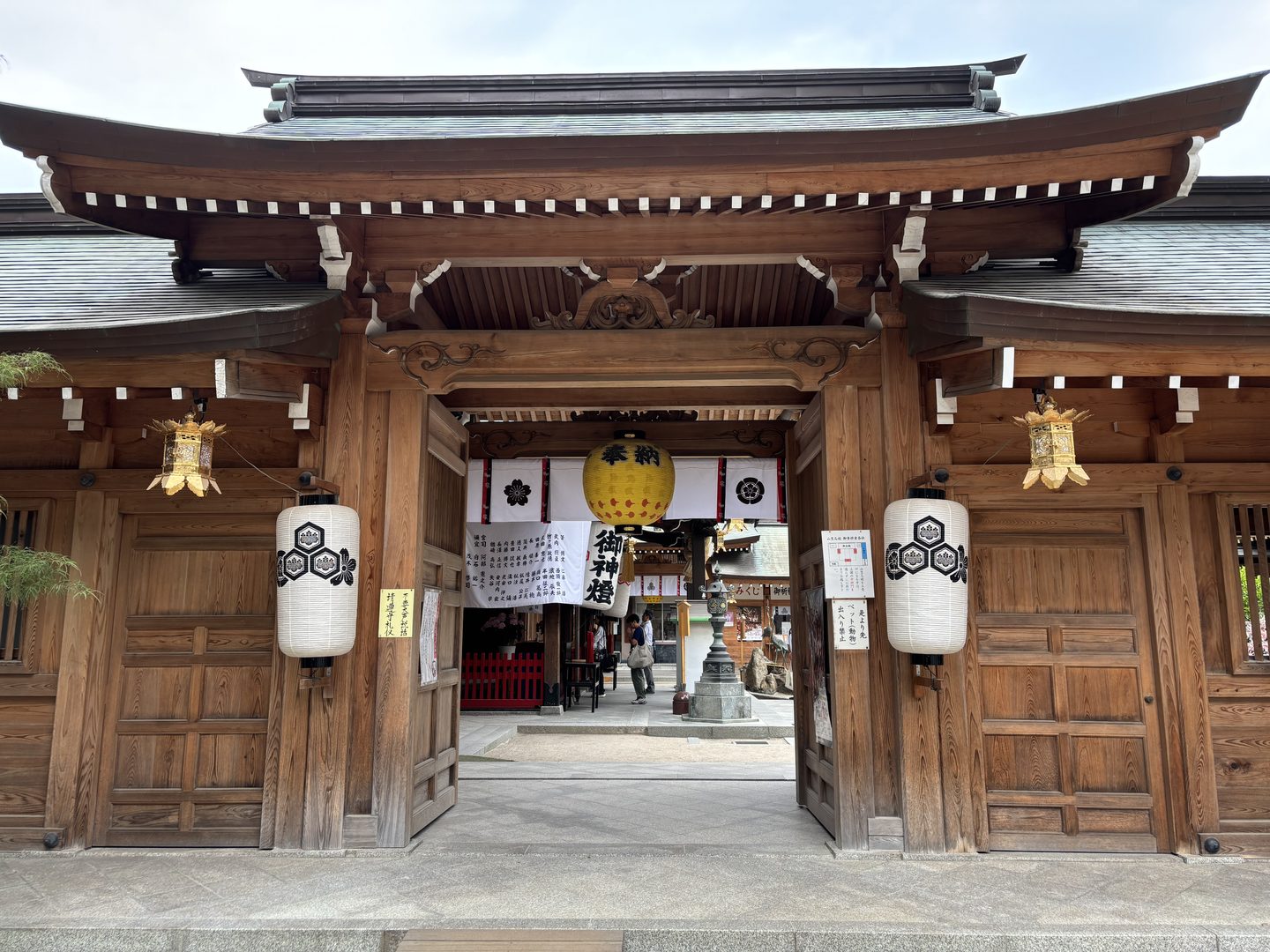
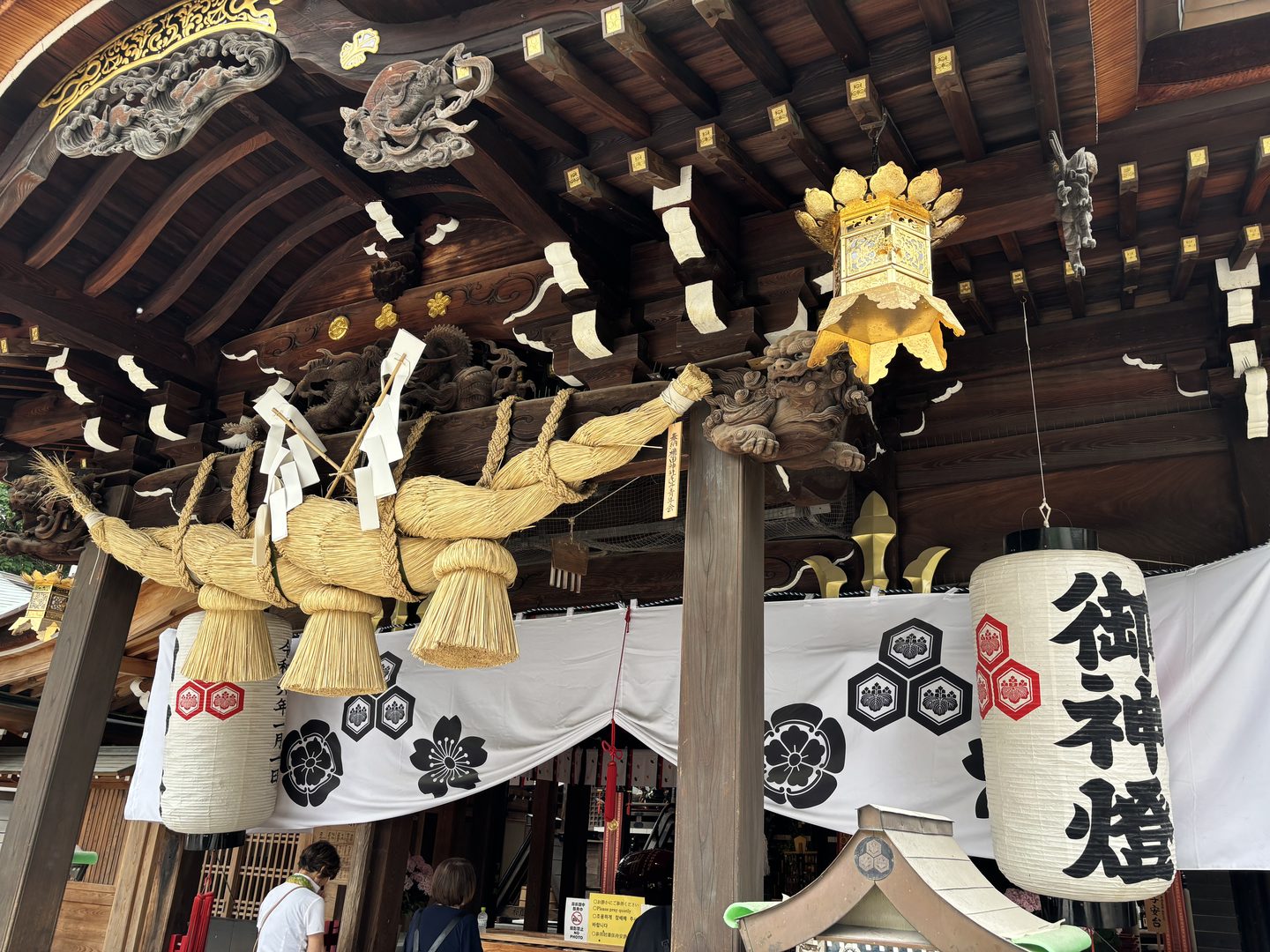
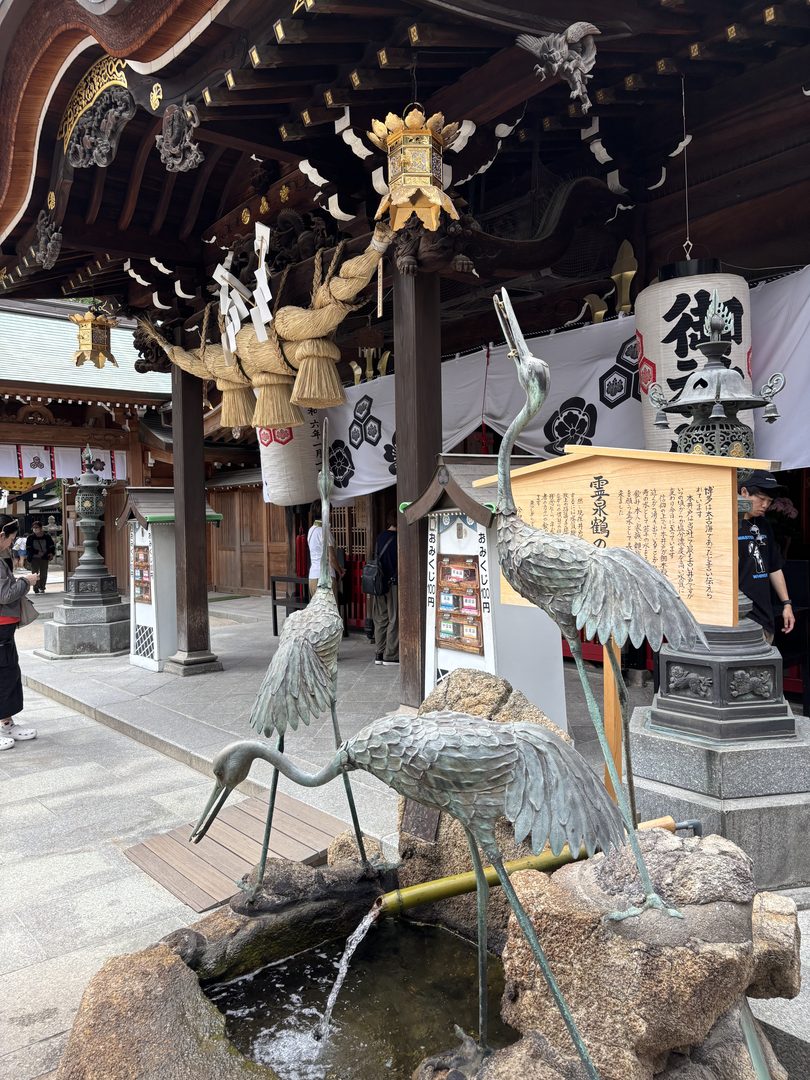
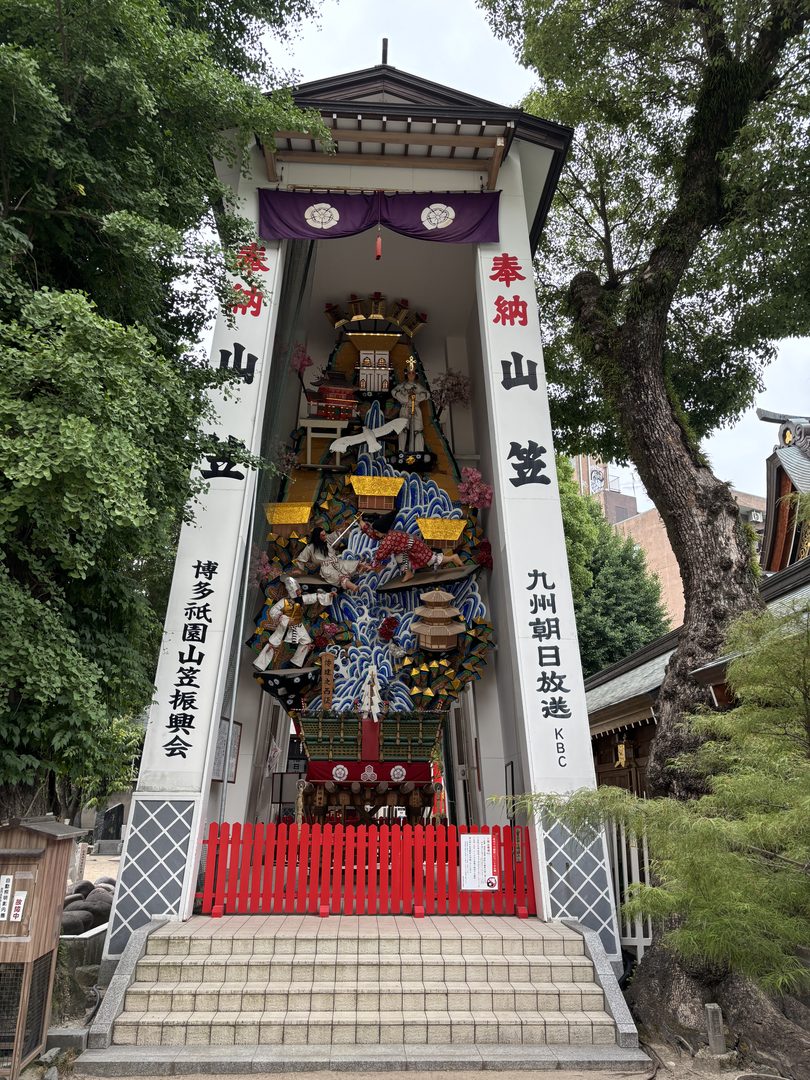
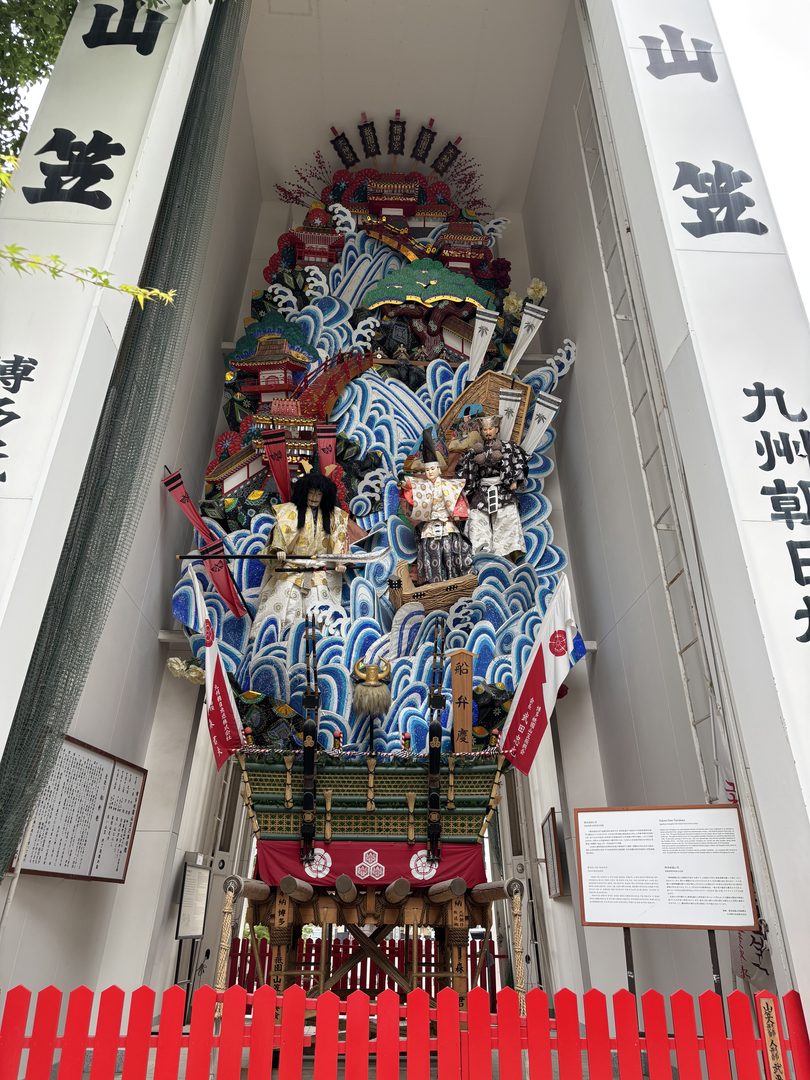
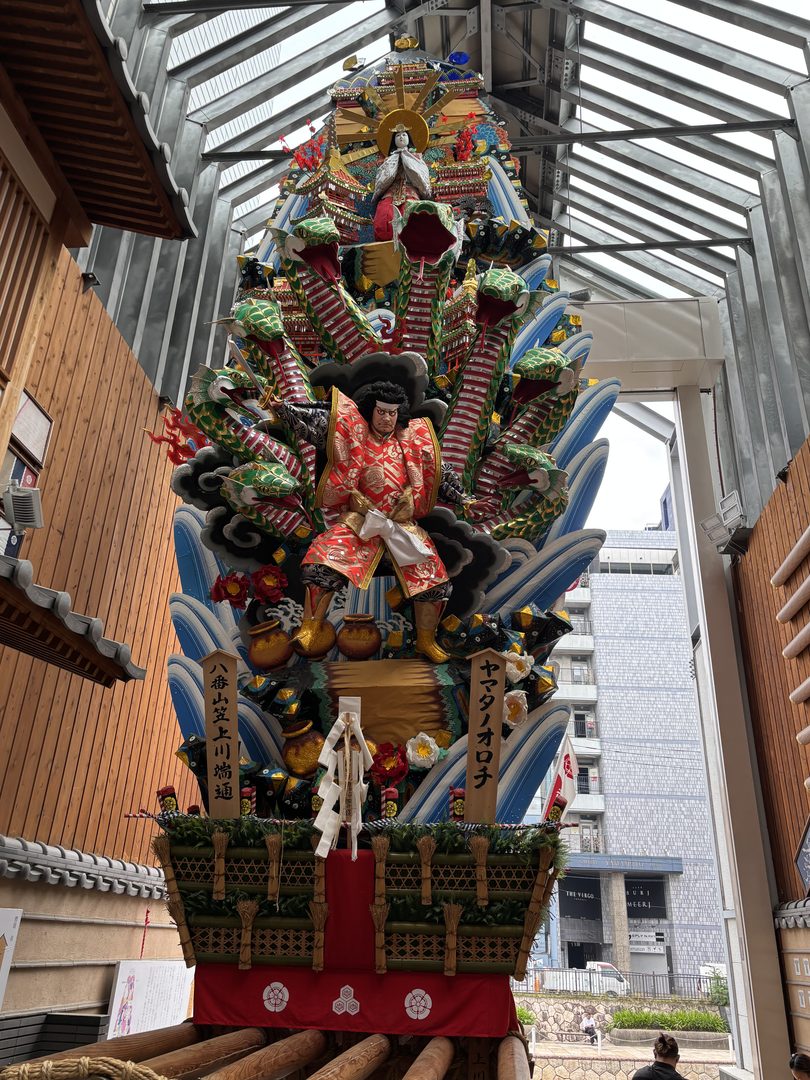
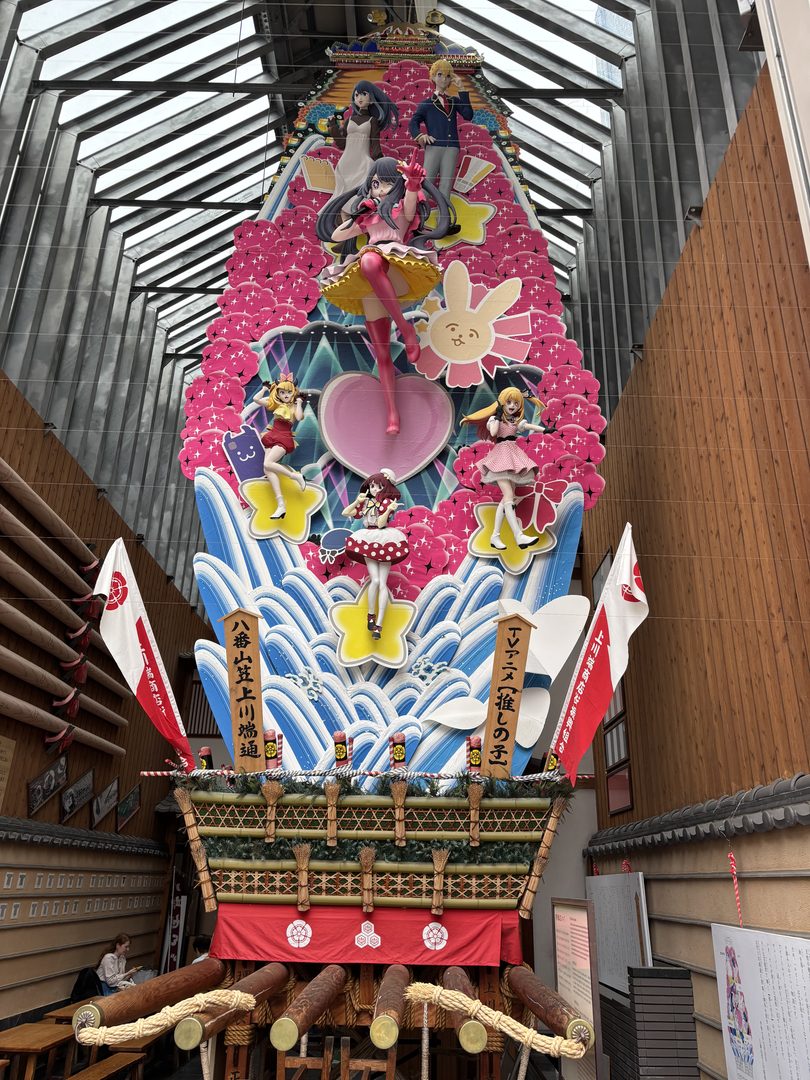
Still in Hakata, I went to Kushida Shrine, where two Hakata Gion Yamakasa floats were on display, and then continued to the Kawabata shopping arcade. The shrine and arcade were close enough that the walk through this older part of Hakata felt unhurried, despite the larger city around it. The festival takes place every July 1–15 and culminates in teams carrying racing floats through the streets of Hakata. These decorative floats, with their elaborate figures, remain on display at the shrine for much of the year.
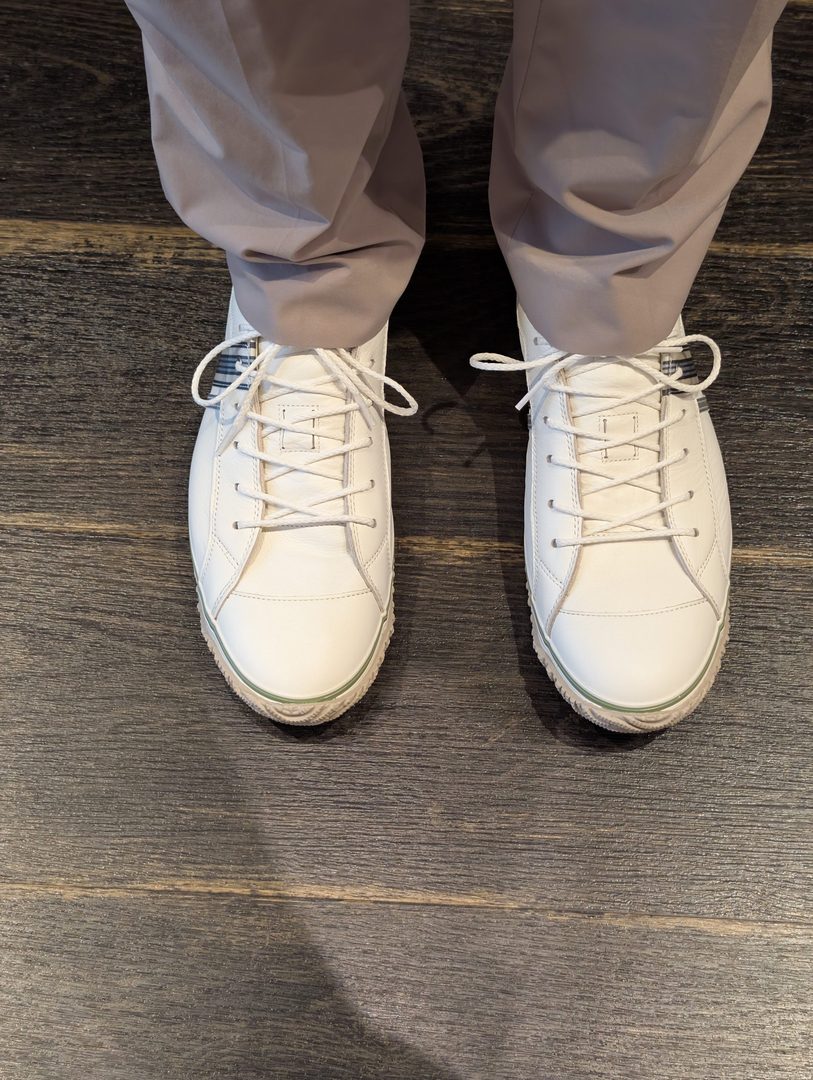
At Kawabata, I took my time looking into the shops. During my earlier stay in Tokyo, I had discovered Spingle, a Japanese shoe brand, and noticed that it had a store here. I went in to see whether they had a good pair of white sneakers, tried a few on, and decided that I would buy them later in Tokyo. I also found Kadota Chōchin-ten (門田提灯店), a paper-lantern shop offering a painting experience and shipping abroad.
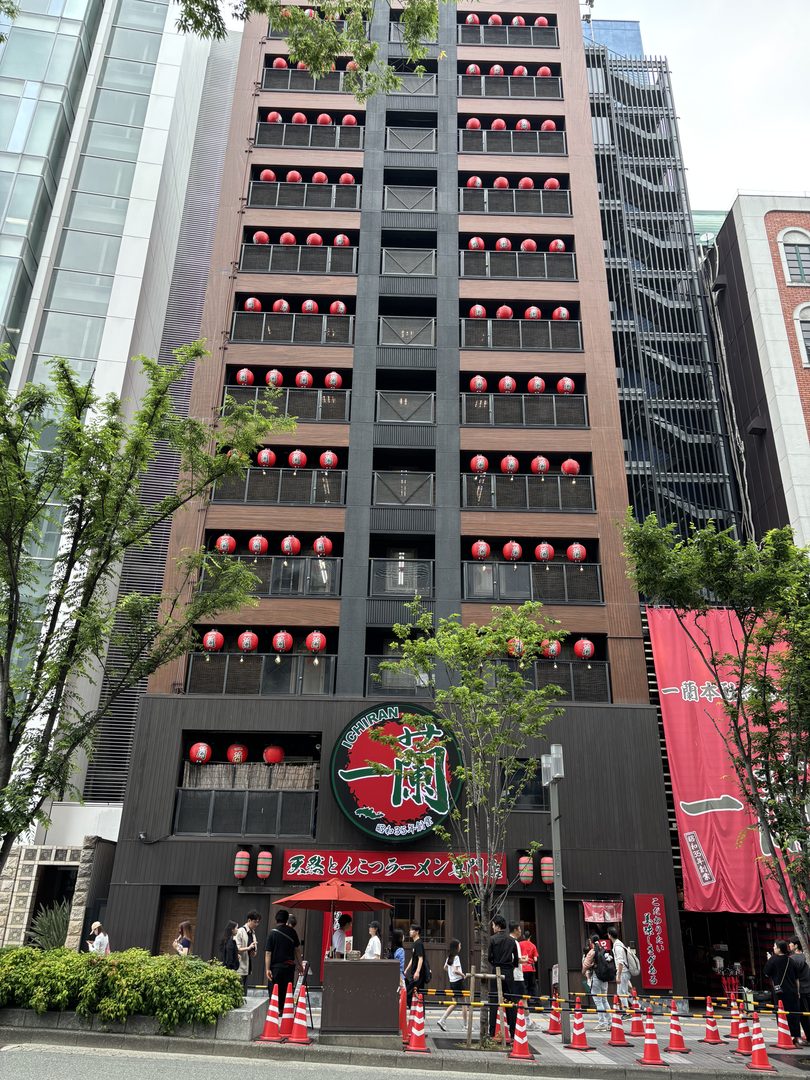
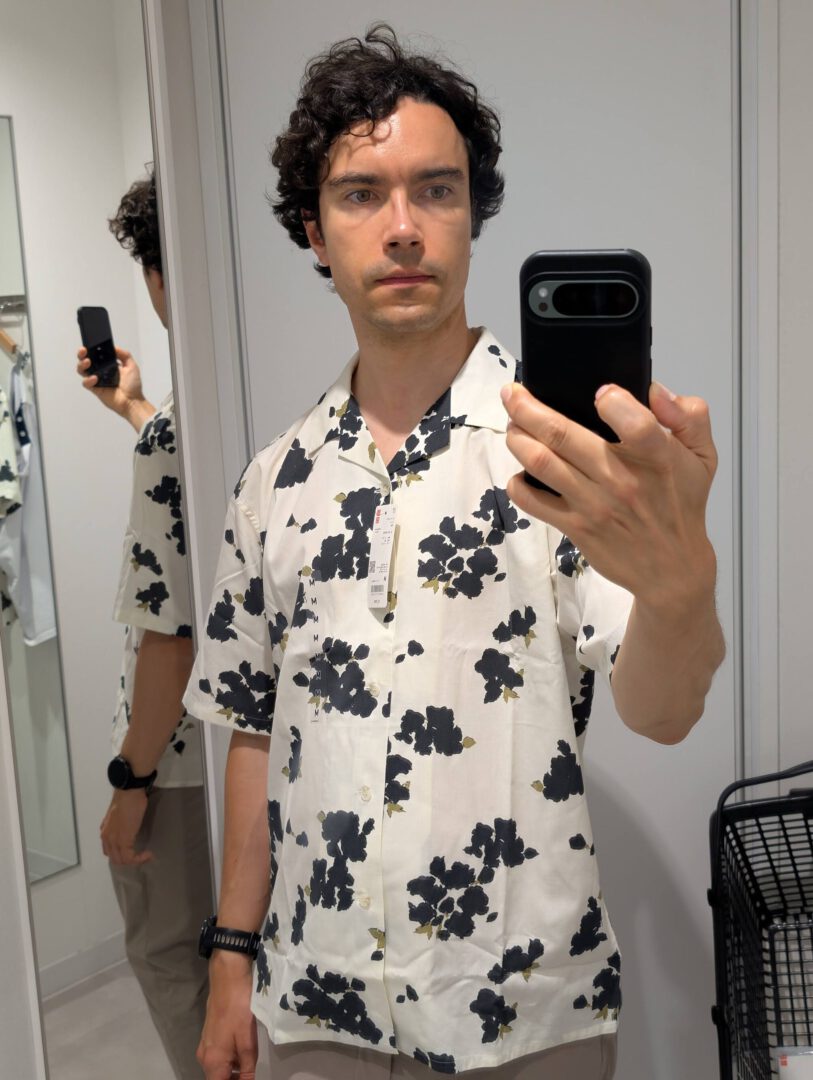
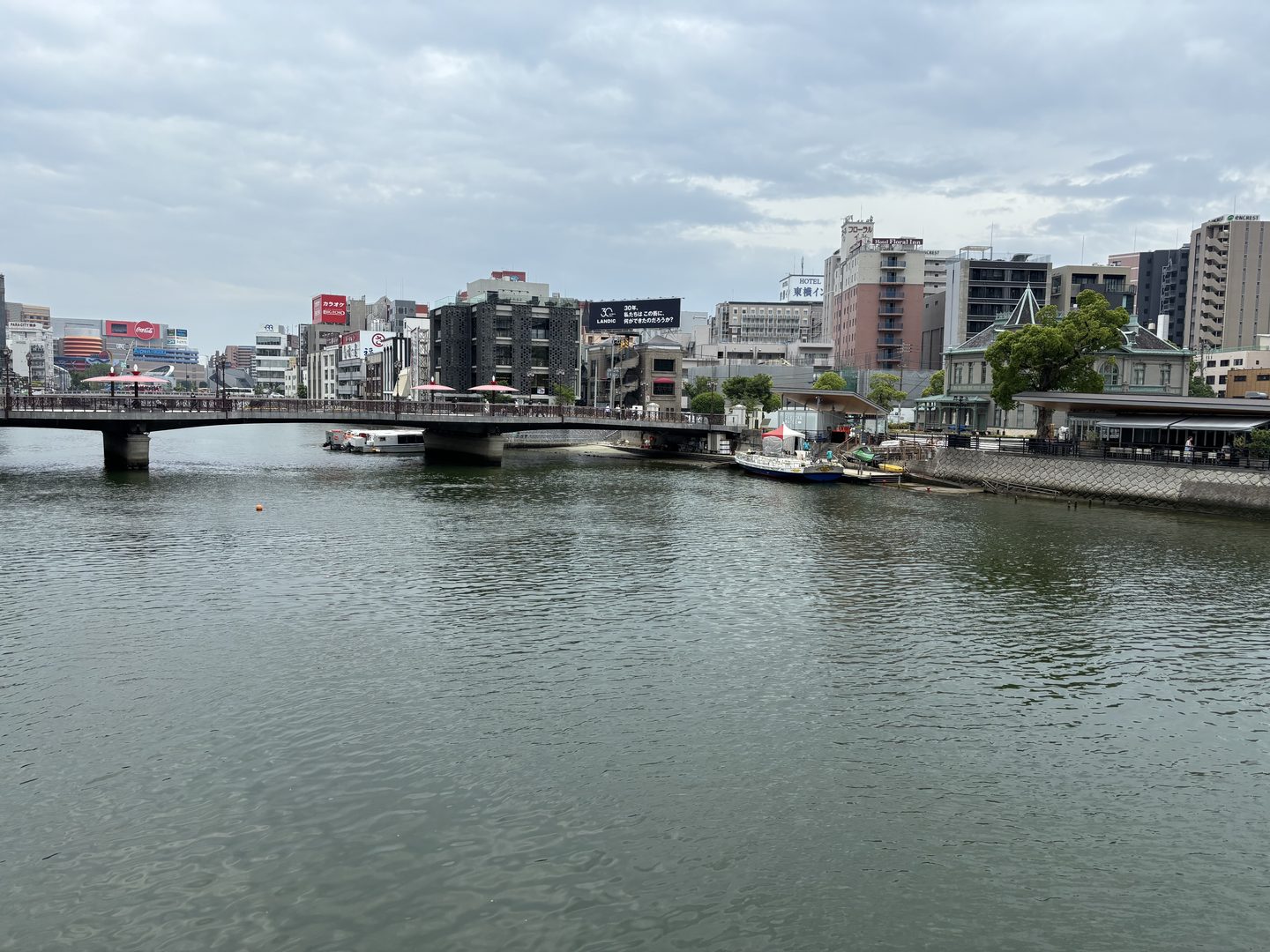
From there, I moved on toward Tenjin, crossing the waterways that run through the center of Fukuoka. On the way, I passed Ichiran’s easily recognizable 12-story headquarters and flagship. Ichiran is a Fukuoka export, famous for its tonkotsu ramen, and the building had also become known for short evening dance and music performances by staff. I had never been to Ichiran, though, and preferred smaller local ramen shops. The underground passage gave me a break from the streets above and was refreshingly cool. At the Tenjin Mina mall, I went to Uniqlo and bought a summer shirt, a practical stop amid the sightseeing.
Coffee and Shops around Yakuin
Before coffee, I spent some time walking through Daimyō. The area had a young, relaxed feel, with independent fashion labels and small shops along the side streets. The individual storefronts made it worth slowing down and looking around, even when I was not planning to buy anything.
After browsing in Daimyō, I continued toward Takasago. It started to drizzle along the way. It was exactly the right moment to head to Coffee County, where a long queue had formed outside. I could soon move inside, close my umbrella, and settle into the small shop.
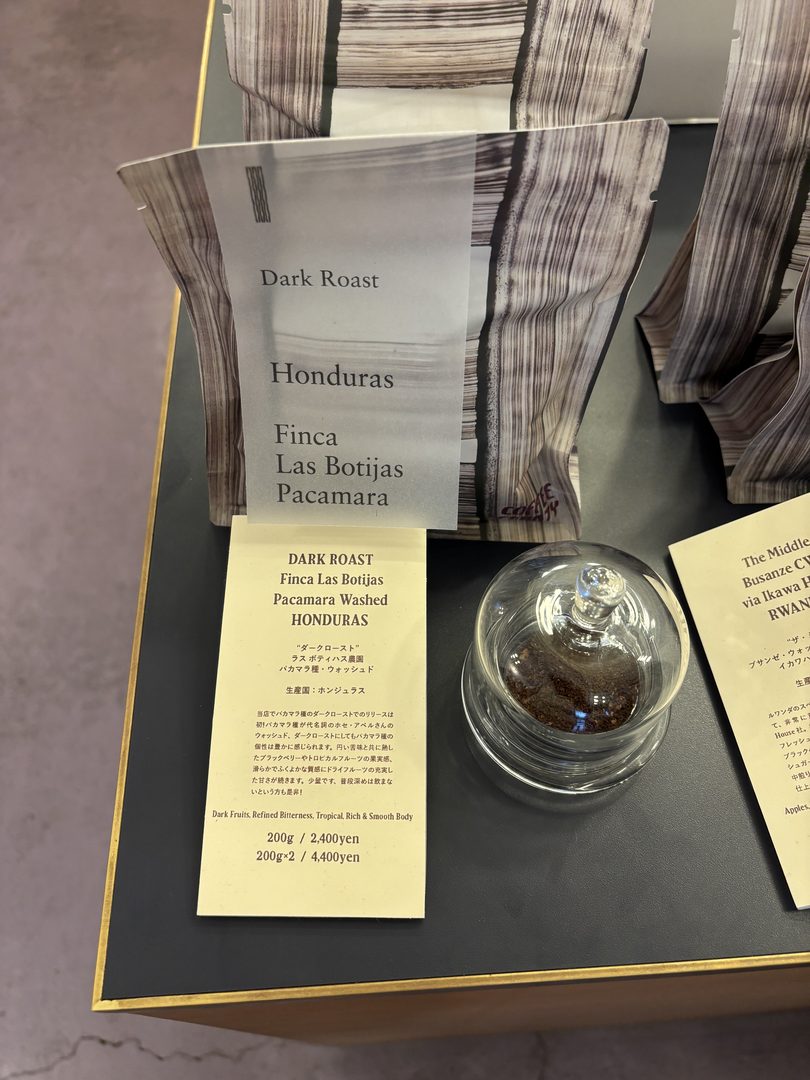
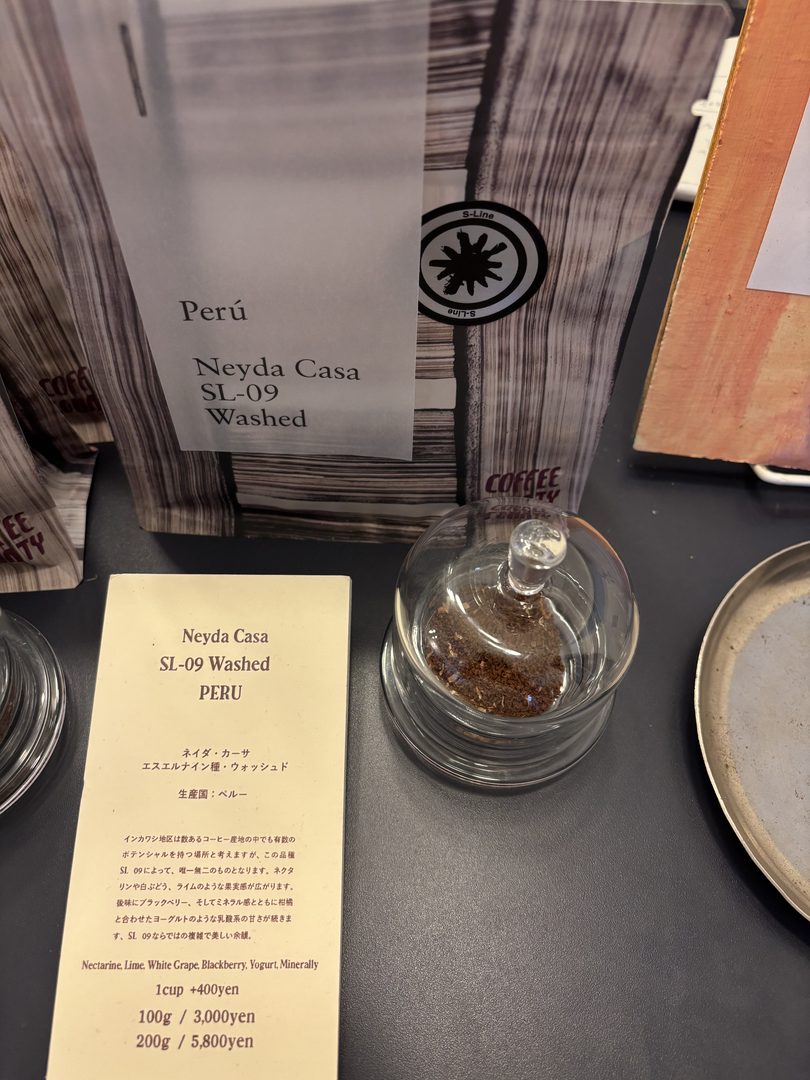
There were five coffees to choose from. I could smell the grounds and choose between them. I bought two bags right away because a cup of coffee was included free with the purchase: a dark-roasted Pacamara from Finca Las Botijas in Honduras and a washed SL-09 from Neyda Casa in Peru. I chose the Honduras coffee to drink there, and it came with a leaflet explaining the farmer’s story. It was the best coffee I had had since arriving in Japan. I also had an excellent tart with oranges from Nichinan in Miyazaki and cardamom. They also had a branch in Shimokitazawa, Tokyo.
Back outside, the rain had not let up. Fortunately, I had my umbrella with me. I continued through the Yakuin area, looking for interesting shops.
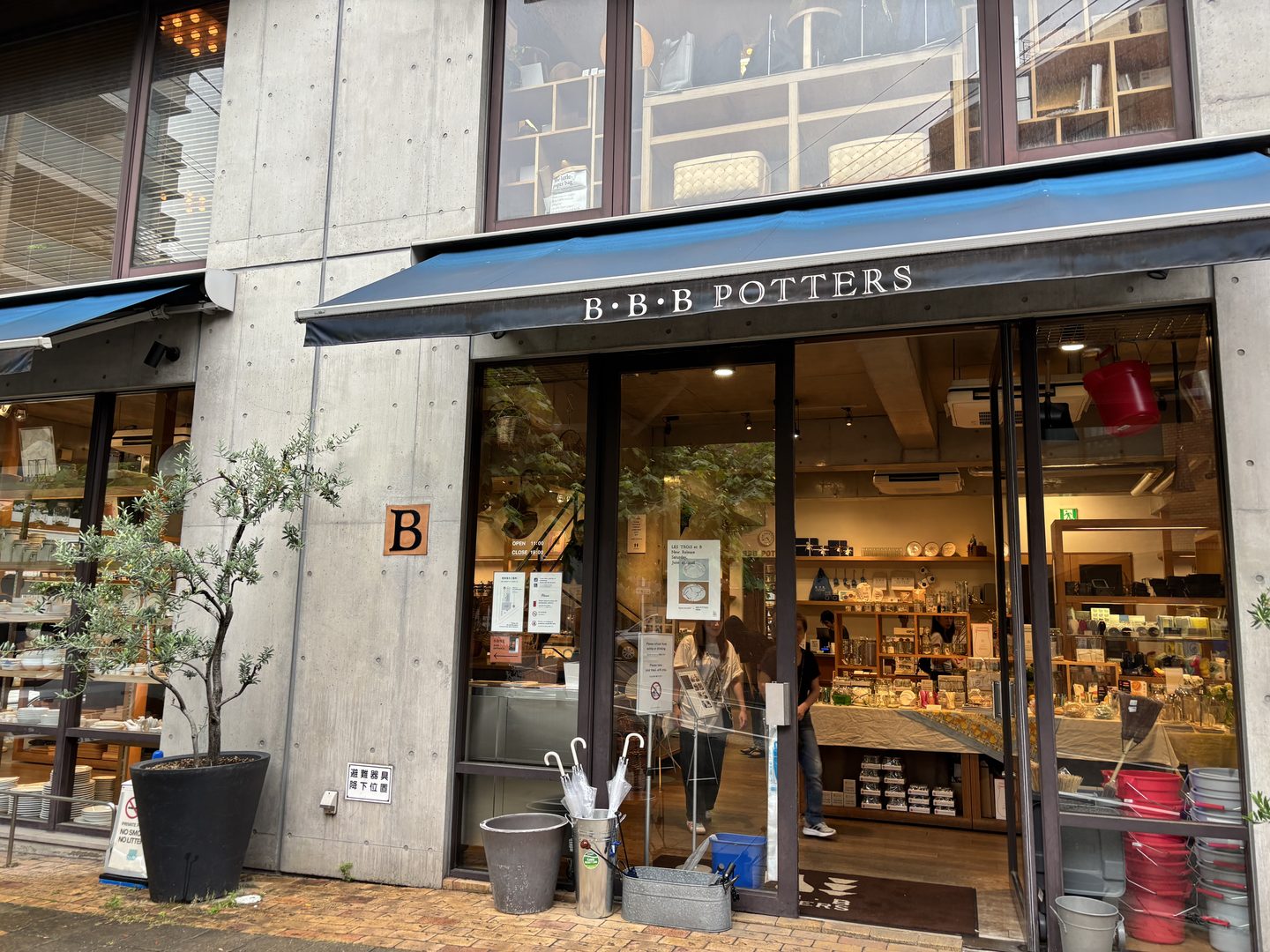
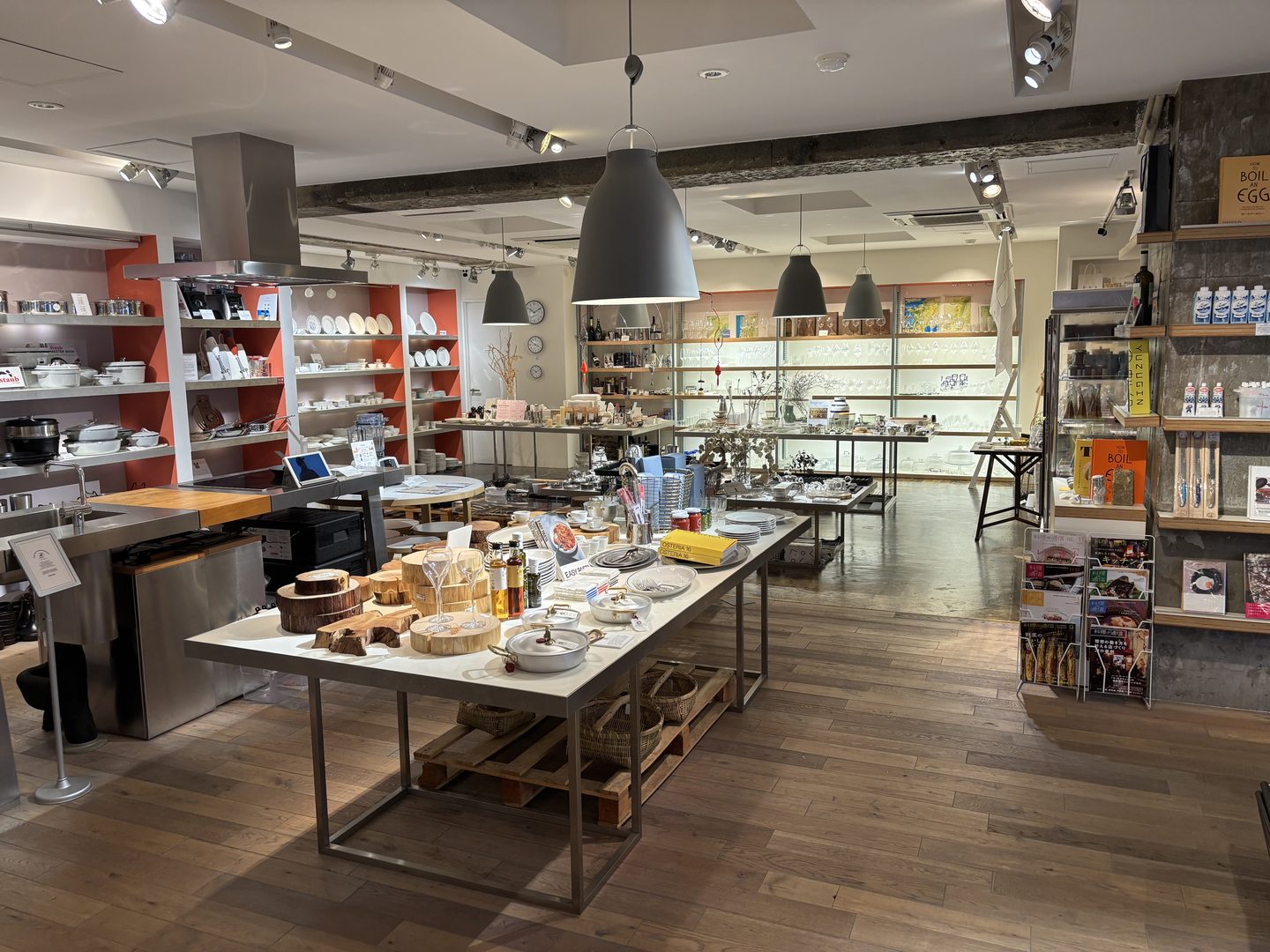
I checked out several interior and decoration stores that I had learned about through my research and by Googling on site. My clear favorite was B・B・B POTTERS, which has two adjacent stores with a very international selection of cookware and other interior products. I was tempted many times to buy something, but, mindful of my carry-on suitcase and the lack of space, I left many items for a future purchase. I would certainly come again. When I saw leaf-shaped plates from Portugal, however, I had to buy them, so I bought one in each of two sizes.
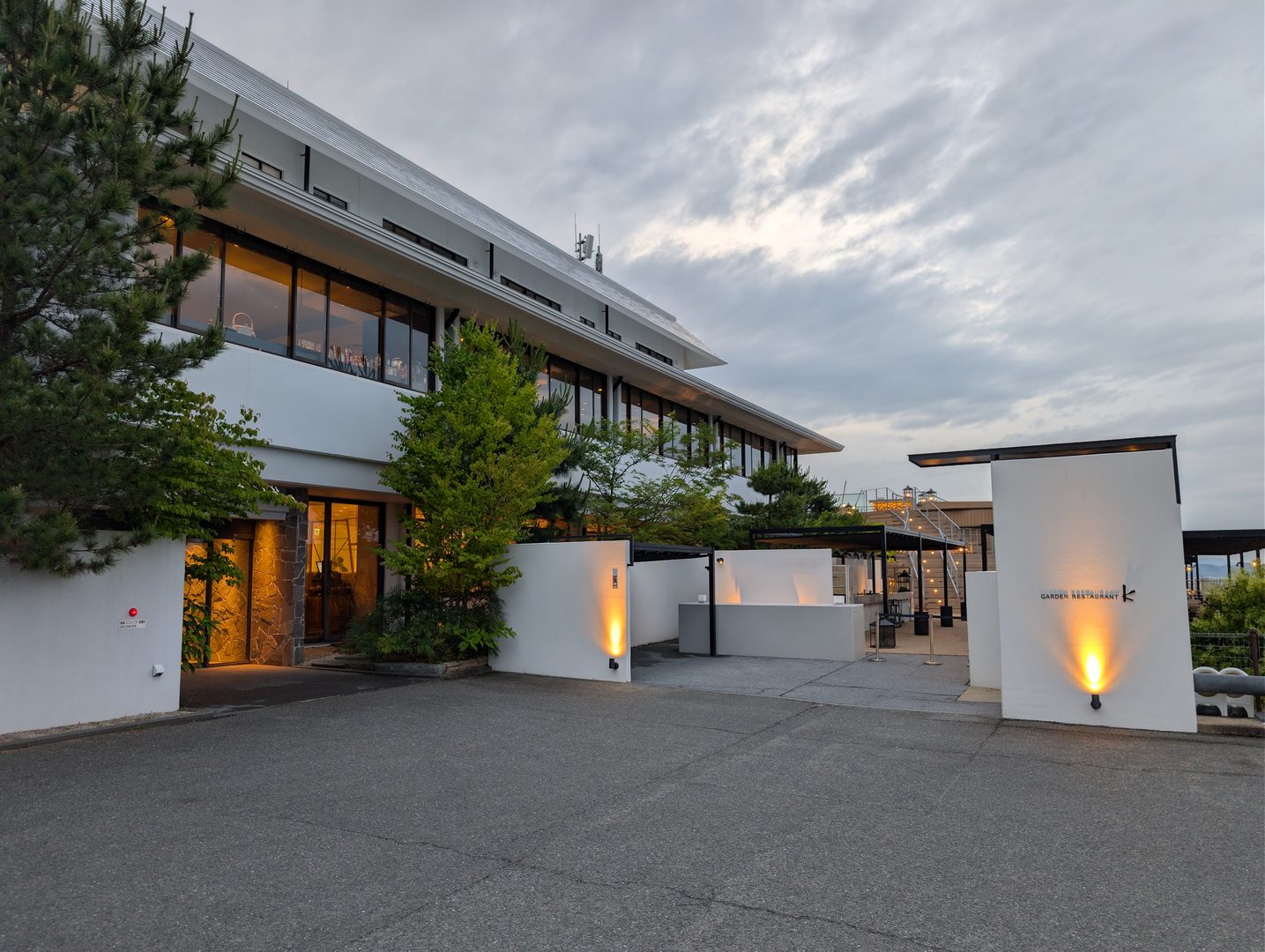
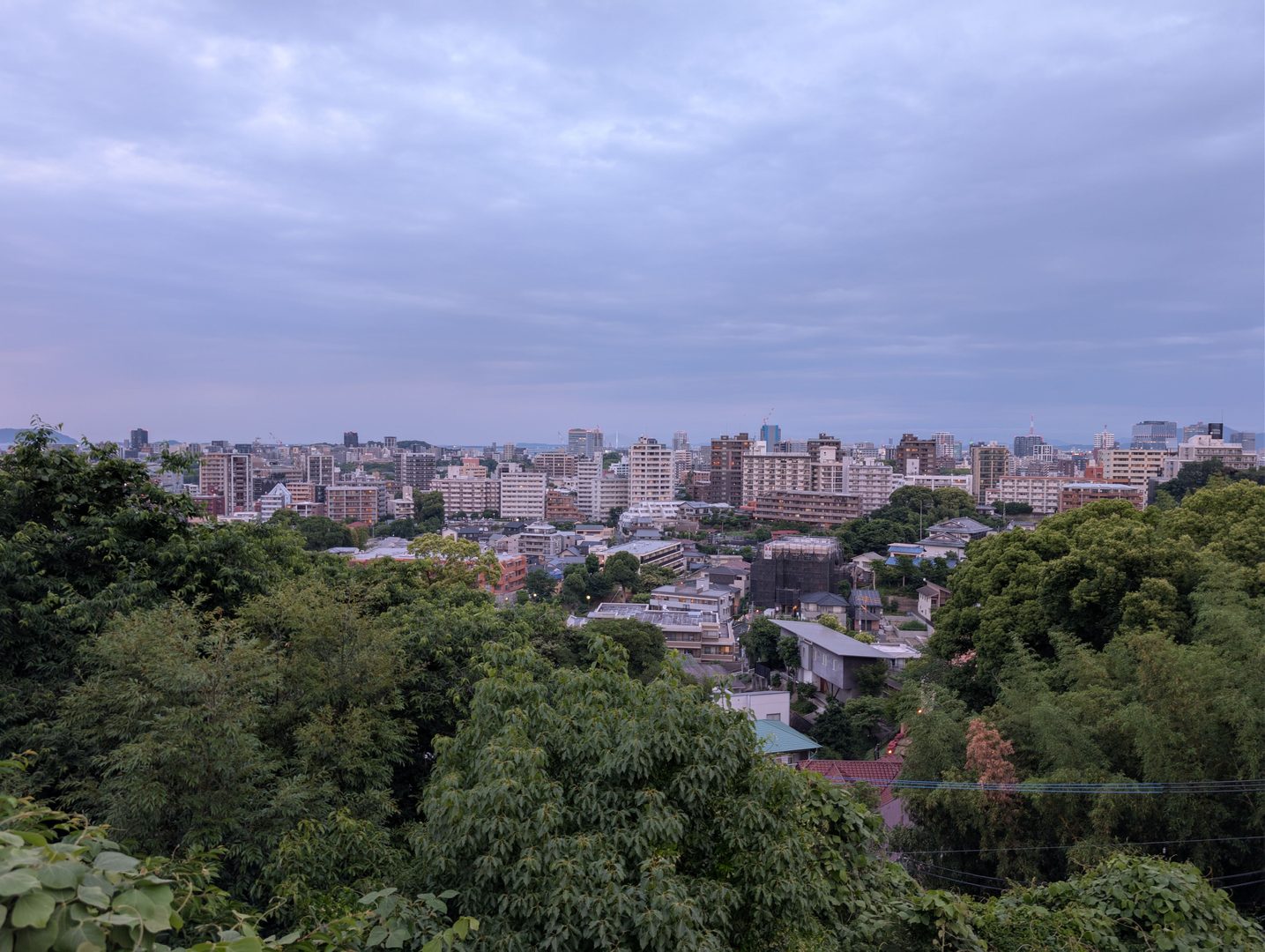
By late afternoon, it was finally time to check into the hotel. I returned to Hakata Station to pick up my suitcase, then took the shuttle bus to Hilltop Resort Fukuoka. Since the hotel was set back on a hill, this was a very smooth way to arrive. It felt like good value: slightly removed from the city center, but with a large lobby that gave the place a faintly prestigious atmosphere. I had chosen the cheapest room category, so there was not much of a view from my room. I freshened up in the onsen before heading out again for dinner.
Dinner at Musashiza
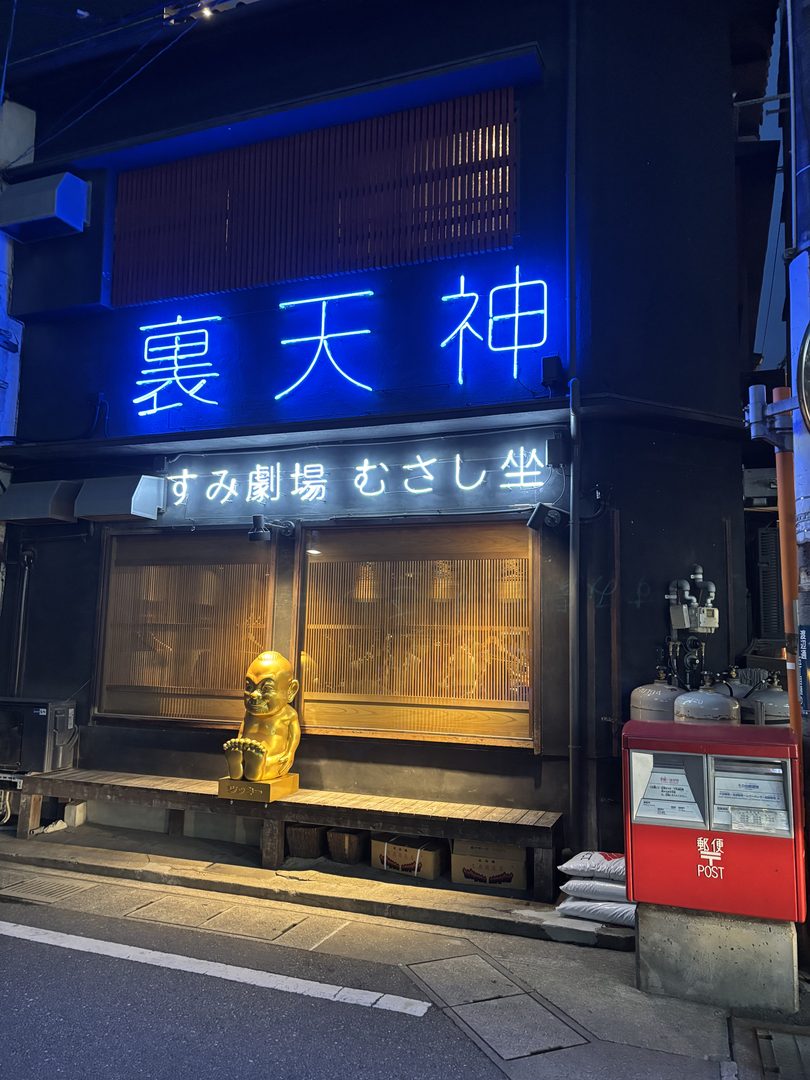
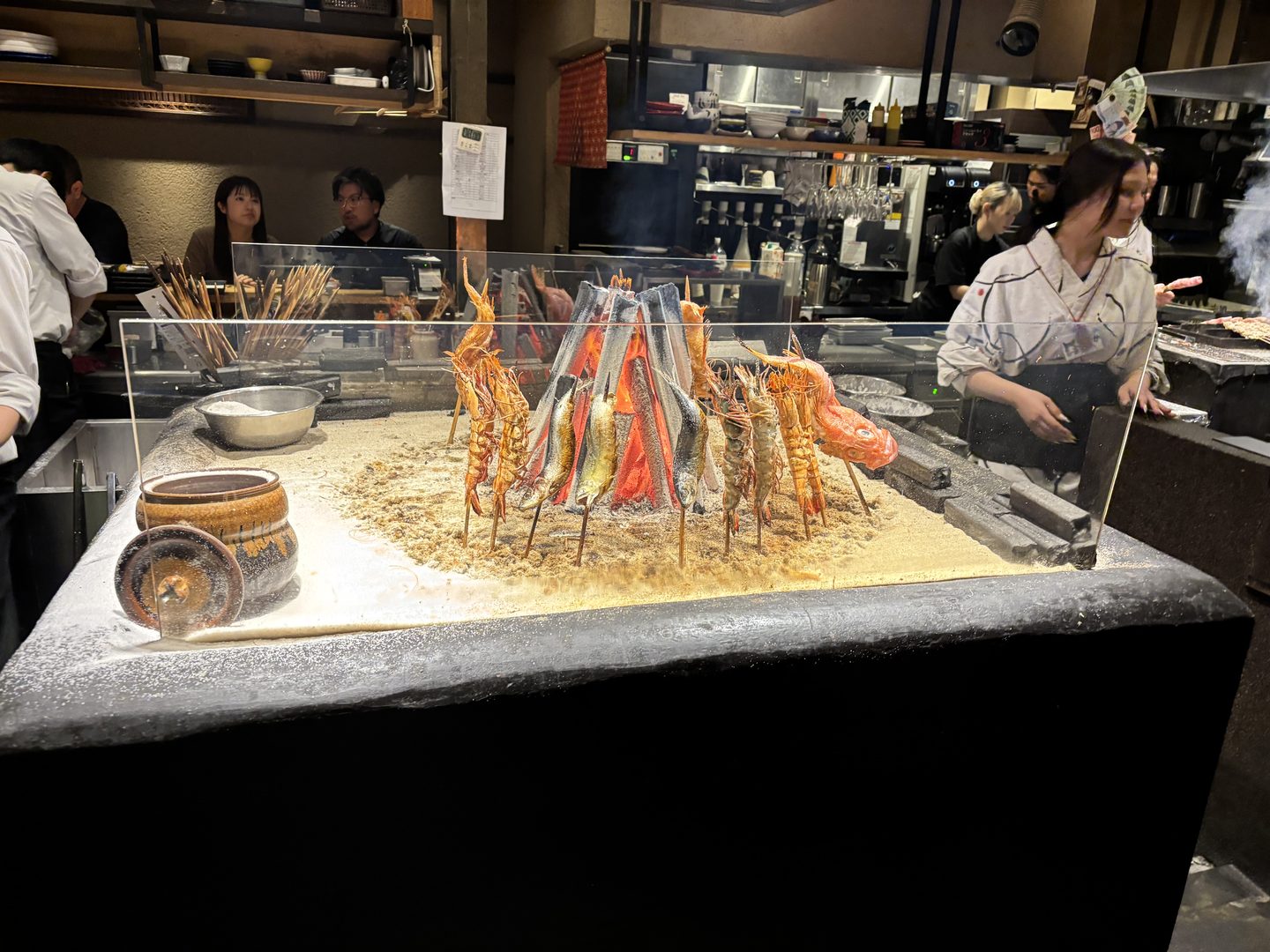
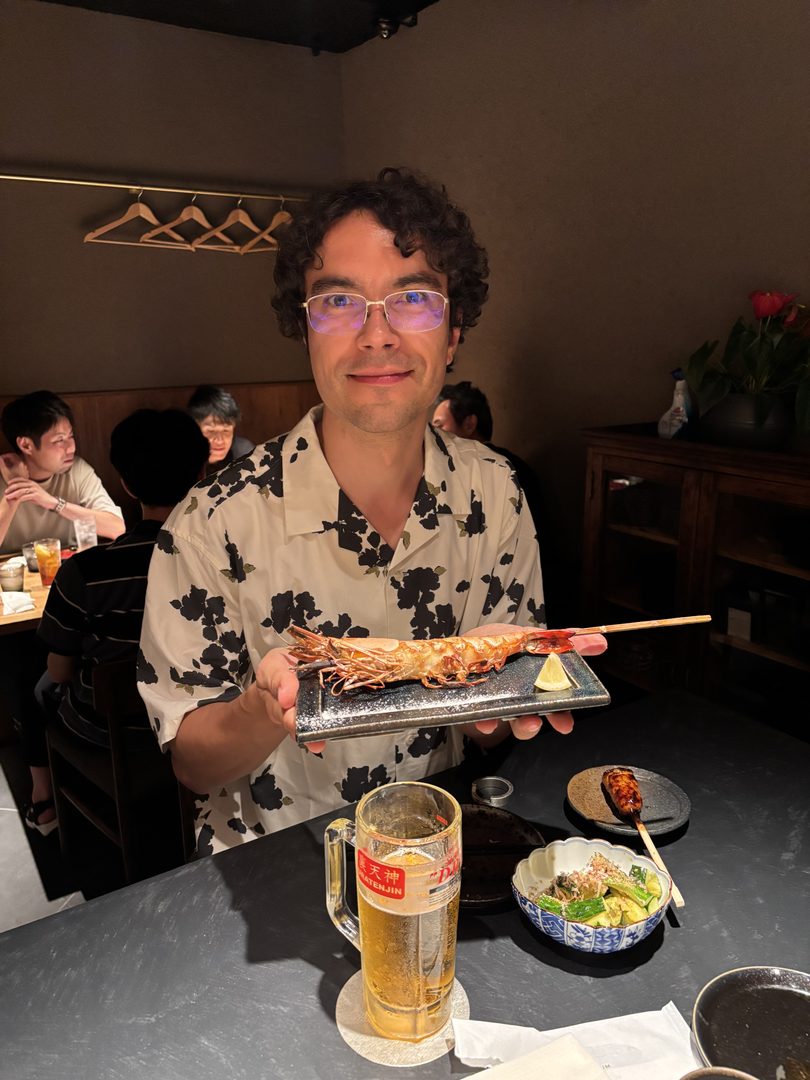
For dinner, I tried Musashiza, a robata izakaya specializing in grilled dishes that I had seen frequently on social media. It was full, and the staff initially wanted to turn me away. I persisted in Japanese, and they directed me to another restaurant in the same group, Musashiza Gin Medal (むさし坐 銀メダル). It was staffed by young people—five male cooks and three waitresses—and had an easygoing atmosphere in which the usual barrier between employees and guests seemed to dissolve.
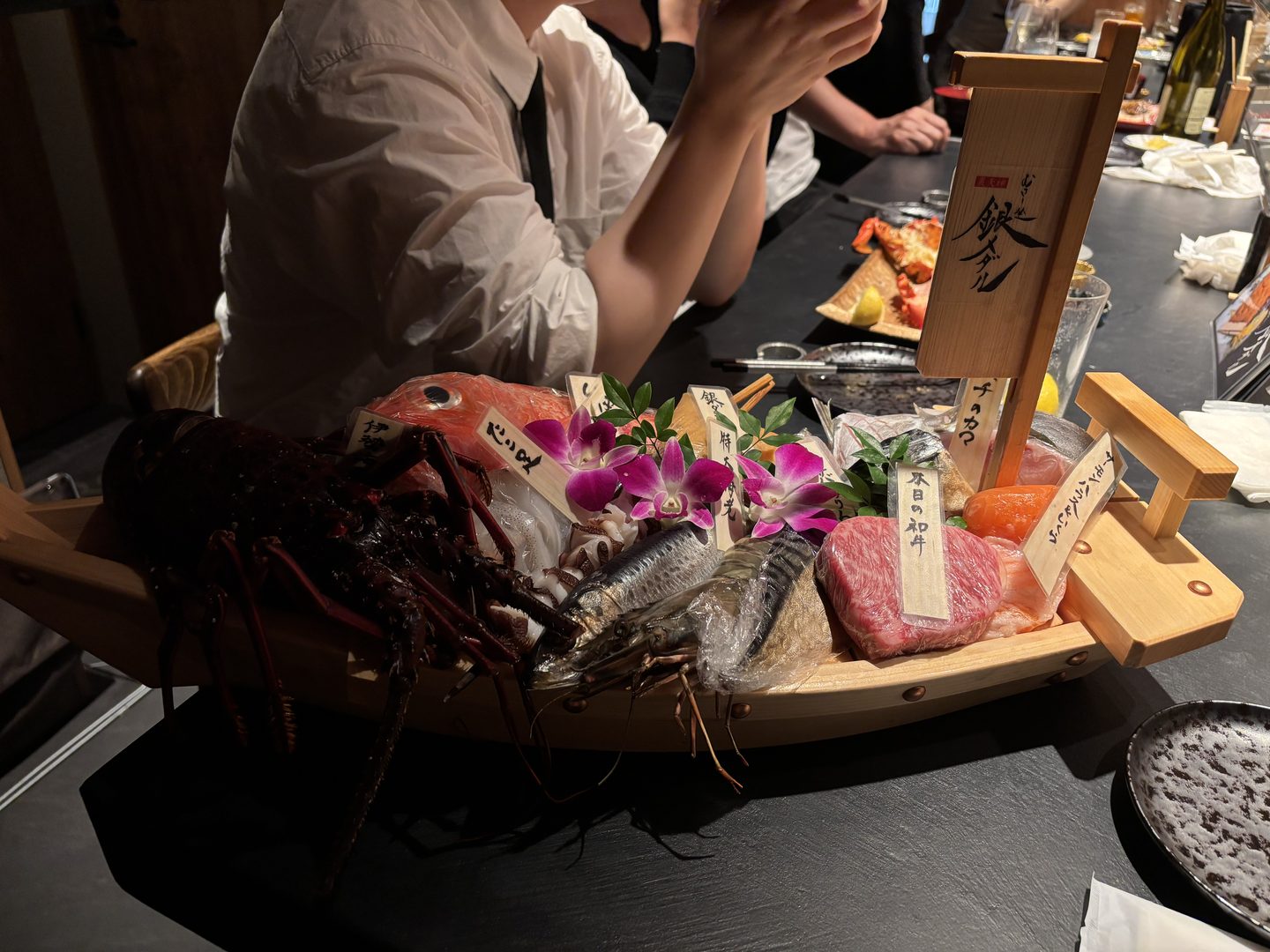
Before ordering, every guest was shown an elaborate tray of plastic replicas of the dishes that could be freshly grilled to order. Giant shrimp, lobster, and wagyu steak stood out, but I did not go as far as some of the guests around me.
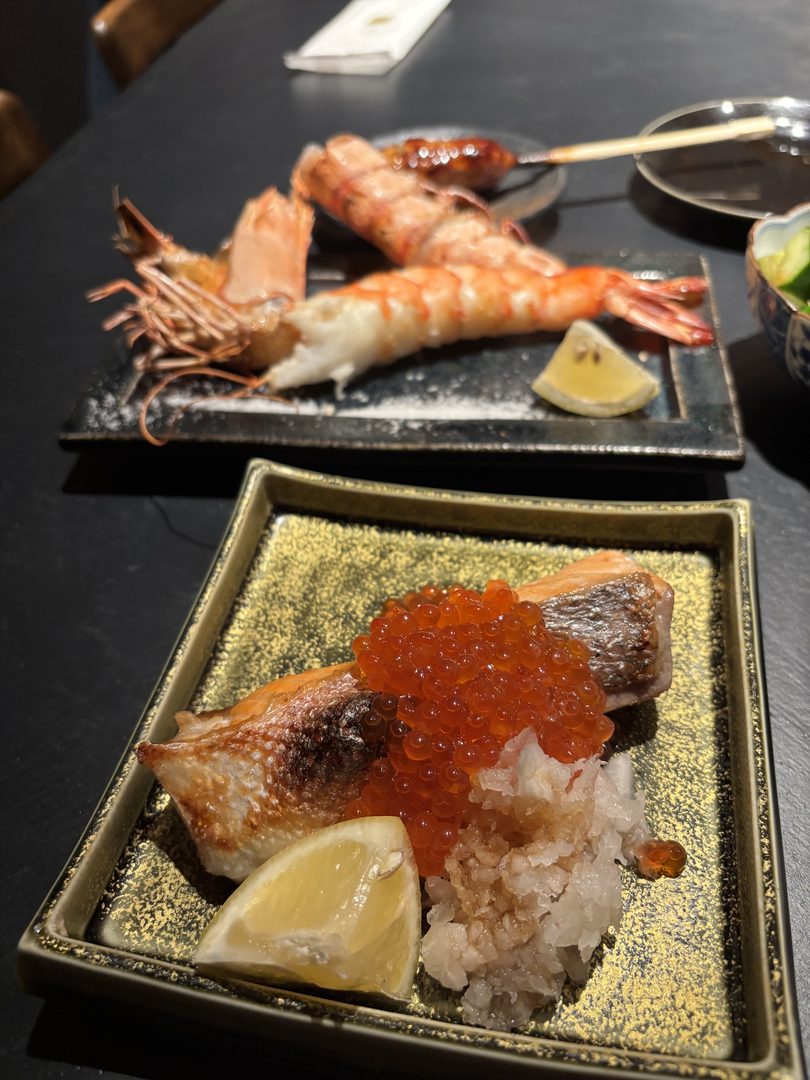
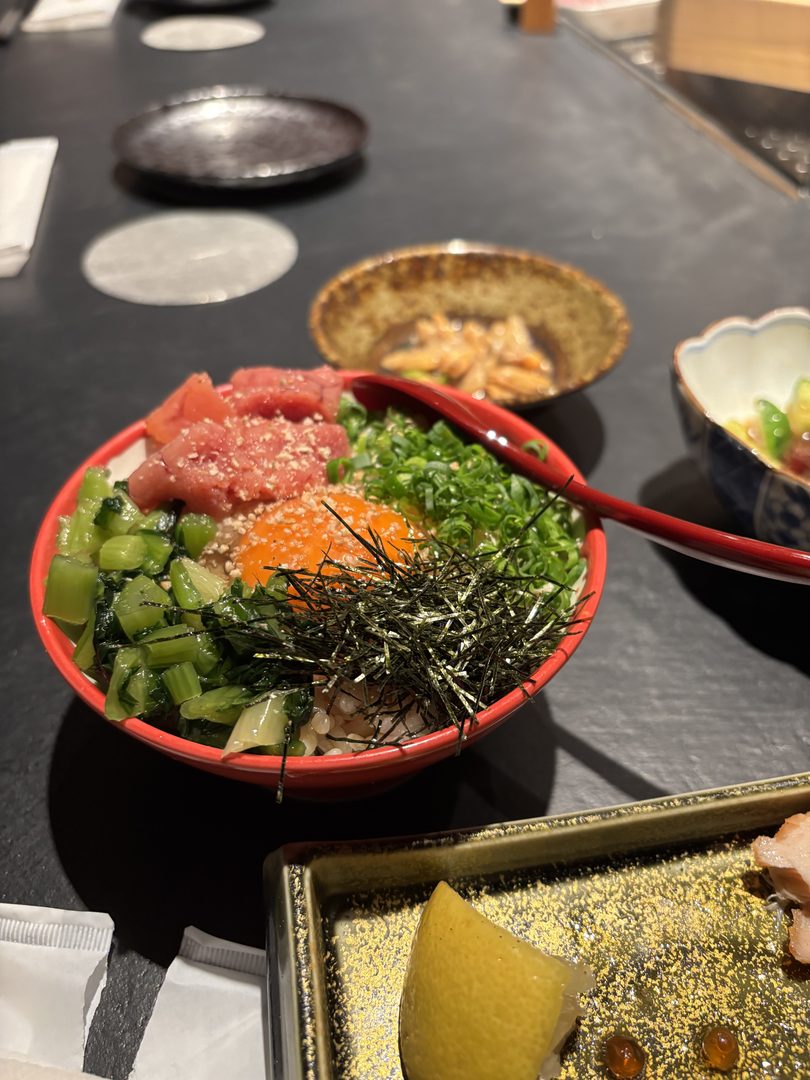
I had a cucumber salad and ordered one of the giant shrimp. Later, I ordered a salmon steak, then finished with TKG (tamago kake gohan), rice mixed with raw egg.
Jazz at JAB
After the joyful dinner, I was in the mood to visit a second place.
I had recently become interested in jazz kissa, or cafés and bars devoted to listening to jazz, after encountering the topic more often and taking part in a pop-up in Basel in spring. I had heard that Fukuoka had a lively jazz-kissa scene, so I wanted to try one that night. Looking at a Japanese list of kissaten, I found that most were either out of town or closed. Surprisingly, one that was open that evening was right next door. A one-minute walk brought me to Modern Jazz & Coffee JAB, a jazz listening bar that had been around since 1969.
Inside, it was dim and old-fashioned in a good way, with red sofas, shelves of records, and music coming through proper speakers. It felt like a real part of the local jazz scene rather than a newly styled listening bar. It was not a purist listening bar: there were tourists and people talking, but I could still focus on the music. It was a smoking place, however, and the smoke eventually made one drink enough for me. I was still glad to have found it.
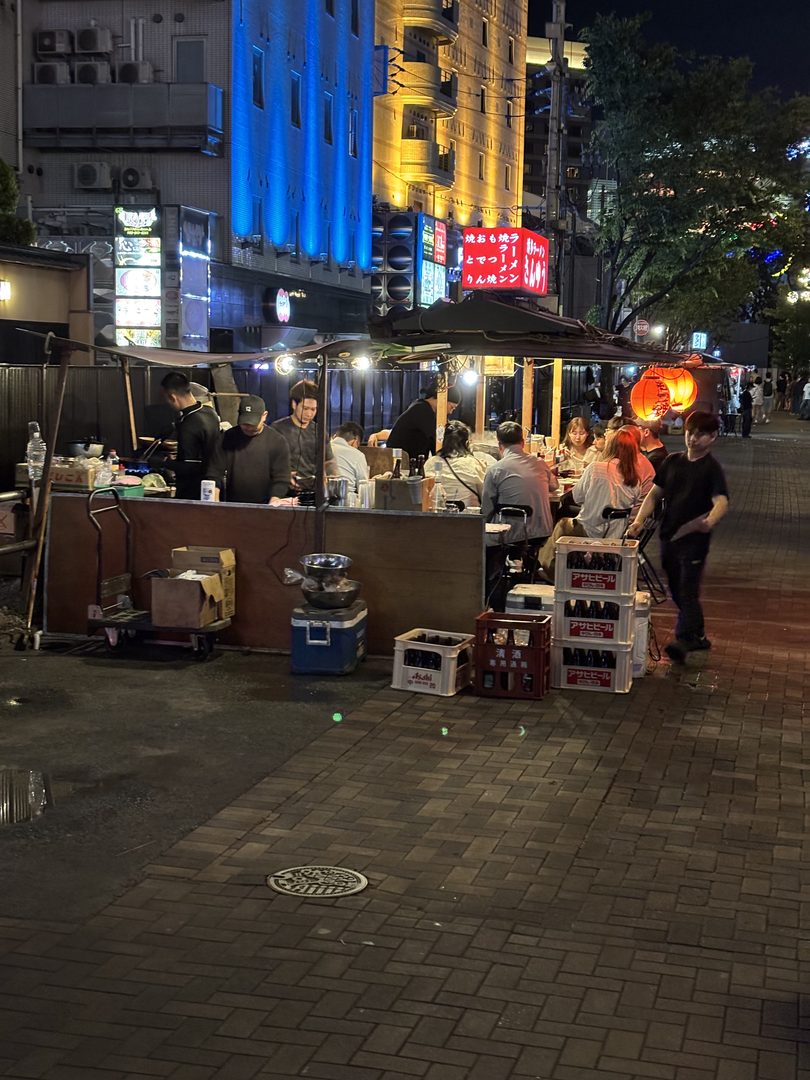
Afterward, I walked a little along the canals of Nakasu to see how the yatai were doing. I still remembered vividly from my first visit in 2014 how many food stalls there had been. They are one of the distinctive parts of Fukuoka’s night-time culture. That night, however, I only saw three at one of the main locations. I remembered reading about a period in which their numbers had fallen as older owners stopped and successors were hard to find. It was fine for me that night because I was too full from the great meal anyway, so I made my way back to the hotel, burning some calories on the walk up the hill.
Japan 2026 · Part 7 of 12
← Previous: Porcelain Villages and Sea Caves: A Day around Saga
Start of the series
Coming next: Mojiko, Kitakyushu, and an Approaching Typhoon — December 4, 2026.
Entdecke mehr von Tabimonogatari - 旅物語
Melde dich für ein Abonnement an, um die neuesten Beiträge per E-Mail zu erhalten.