We finished our grand journey from Aomori to Kanazawa in a little less than two weeks, and this felt like the end of one chapter of the trip. It also meant a short goodbye with my friends, because they were heading to Tokyo by Shinkansen. However, I took a different route and went south to Kyoto instead, to meet a good old friend of mine who lives and works in Osaka.
For context, I once lived in Kyoto for six months during a PhD exchange, and one of my friends from the lab back then is now a full professor at Osaka University. We made a plan to meet in the evening, but I tried to catch the earliest train possible so I could spend some time in Kyoto beforehand.
The trip from Kanazawa to Kyoto is straightforward. You first take the Hokuriku Shinkansen to Tsuruga, which takes about one hour, thanks to the recent extension of the Hokuriku Shinkansen beyond Kanazawa to Tsuruga in 2024. From there you still have to transfer at Tsuruga to the limited express Thunderbird, which reaches Kyoto in another hour. There are government plans to extend the Hokuriku Shinkansen further toward Kyoto and Shin-Osaka, but because the exact route is still under debate and construction has not yet begun, the extension will likely take many years before completion.
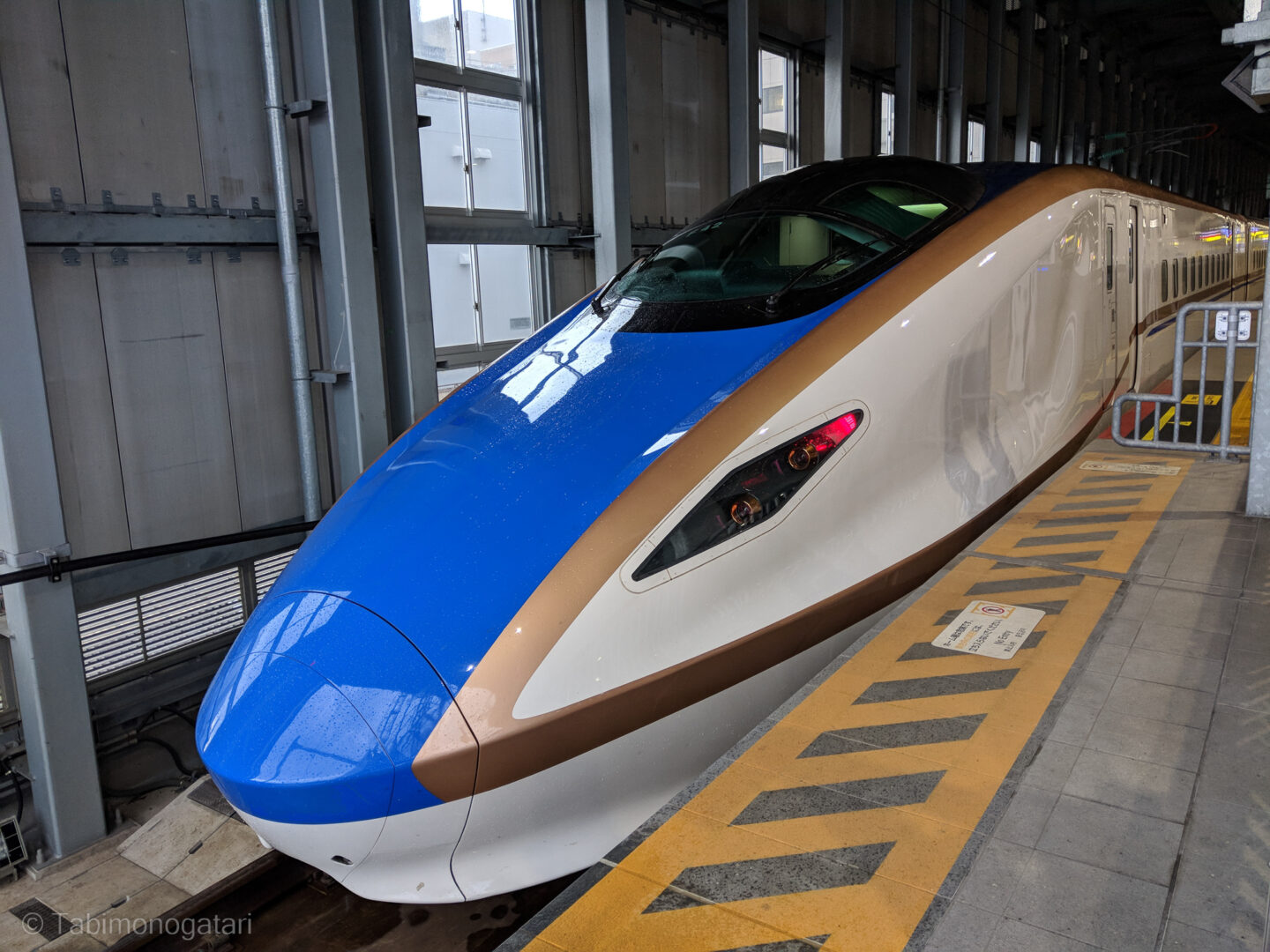
I arrived in Kyoto around noon and went straight to the department store at Kyoto Station, Isetan. After nearly two weeks of traveling through northern Japan, Kyoto felt both familiar and unexpectedly busy. Compared to my earlier stays in the city, it was noticeably more crowded. International visitors had clearly returned in large numbers, and moving through the main areas was slower than I remembered. Still, knowing the layout of the city and a few ways around the busiest streets made it manageable.
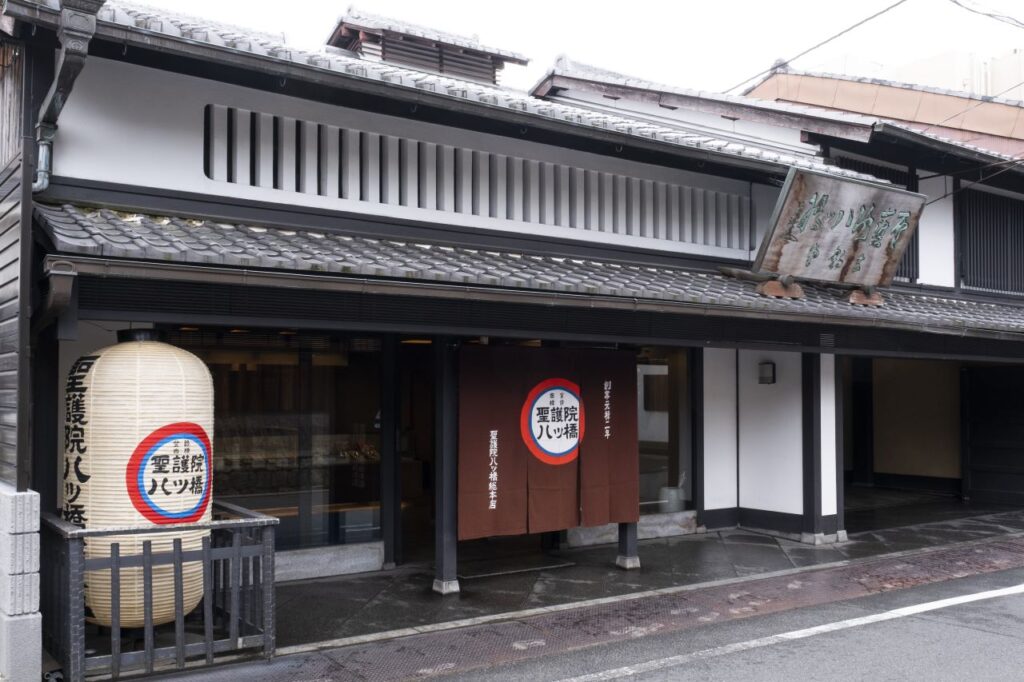
Department stores in Japan are great. Especially the basement floors, where you find all the tasty delicacies of the local region or famous brands. Kyoto, of course, means for me green tea and wagashi sweets. So I went to buy some of my favorite ones and also discovered some new delicacies along the way. With the recent boom of matcha, I noticed it was really hard to buy Kyoto Uji matcha, but luckily I still found some.
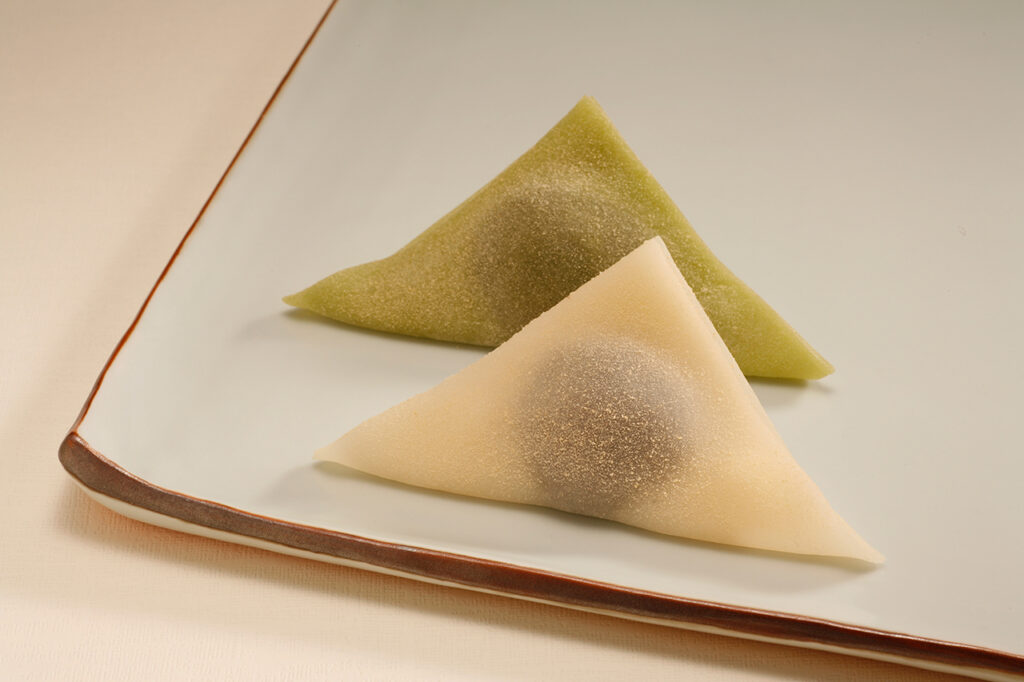
I also bought one of my favorite delicacies, Yatsuhashi, which is a typical wagashi from Kyoto, where you have raw dough filled with anko paste. They mostly come in two flavors, one being cinnamon and the other matcha.
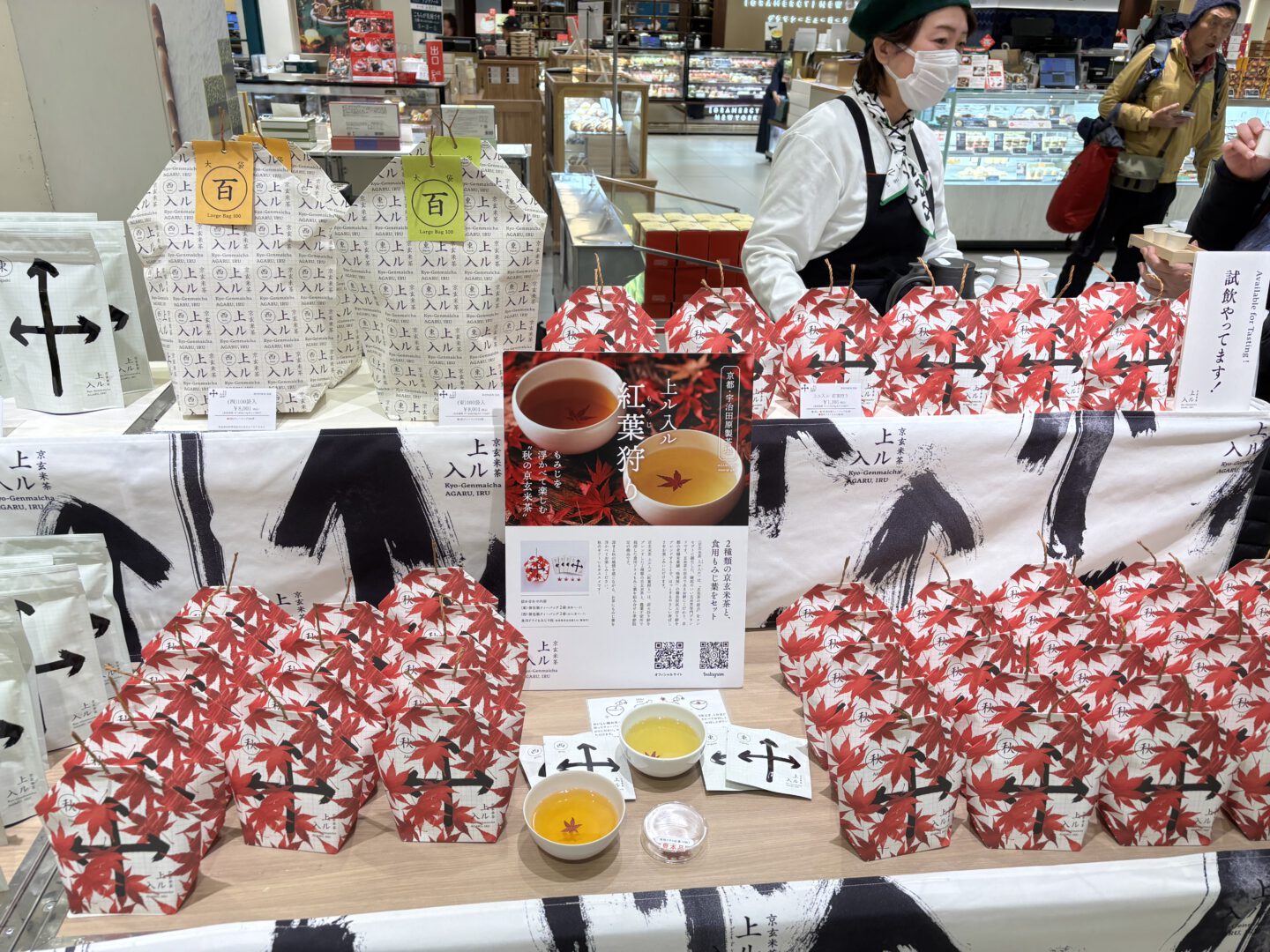
I also came across a new brand of green tea called AGARU IRU, which means ascending arrow, and it had some really nice genmaicha varieties. So I bought a pack of that as well.
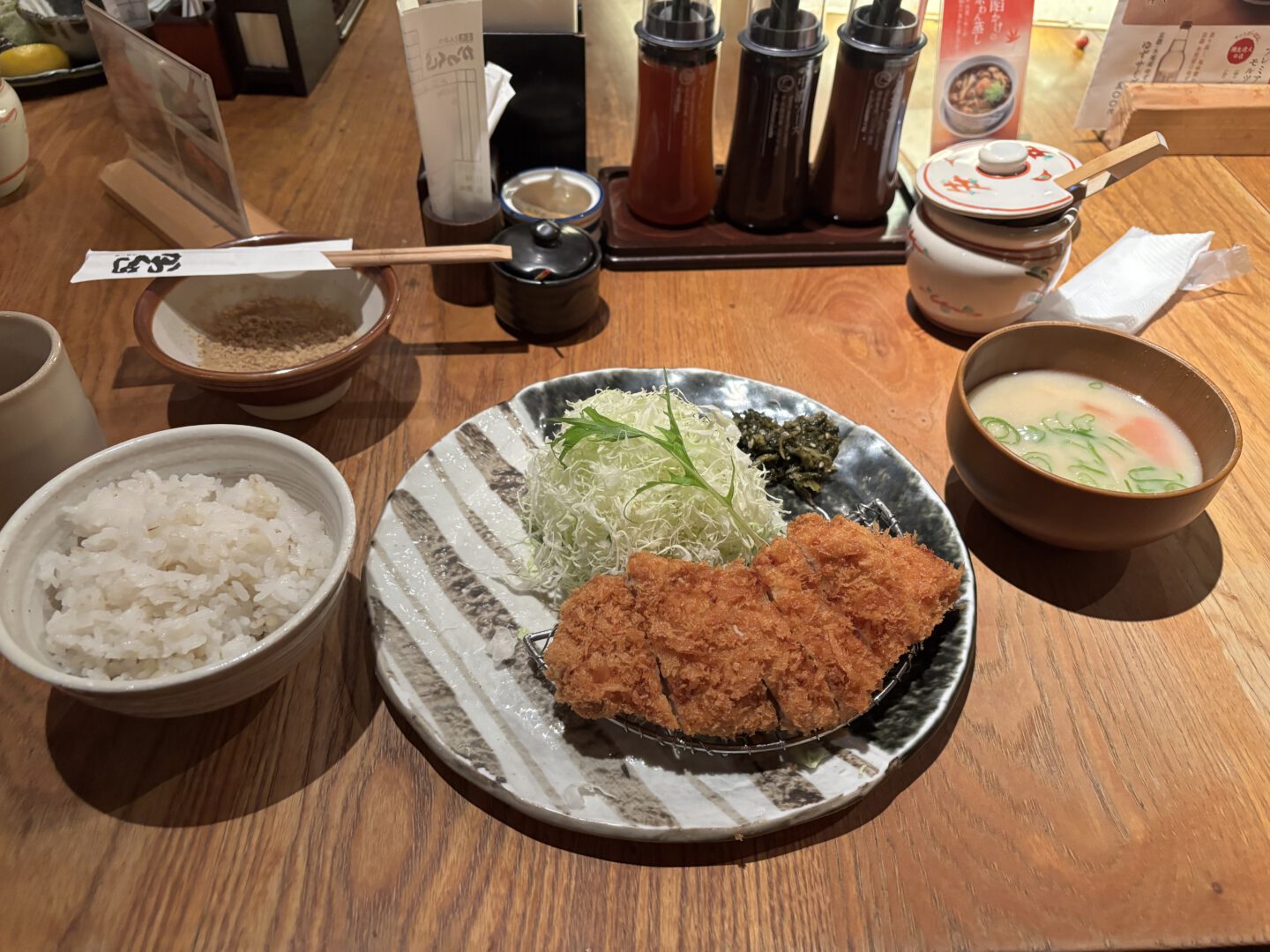
For lunch, I went to one of my favorite tonkatsu restaurants in Kyoto, Katsukura, and ordered the typical tonkatsu teishoku with cabbage, miso soup, and rice. You grind the sesame yourself before mixing the sauce, which is always a nice touch. I was happy to see that one of the employees, an elderly man, was still the same as I remembered him many years ago, and he is still doing his job with the same care as before. Seeing him again felt quite nostalgic.
From there I headed south toward Tambabashi and Uji to visit the newly opened Nintendo Museum. Heads up: it’s important to reserve a ticket up to three months in advance because it is extremely competitive and honestly quite annoying to secure, but it is really worth it if you are a fan of Nintendo franchises such as Super Mario or Zelda.

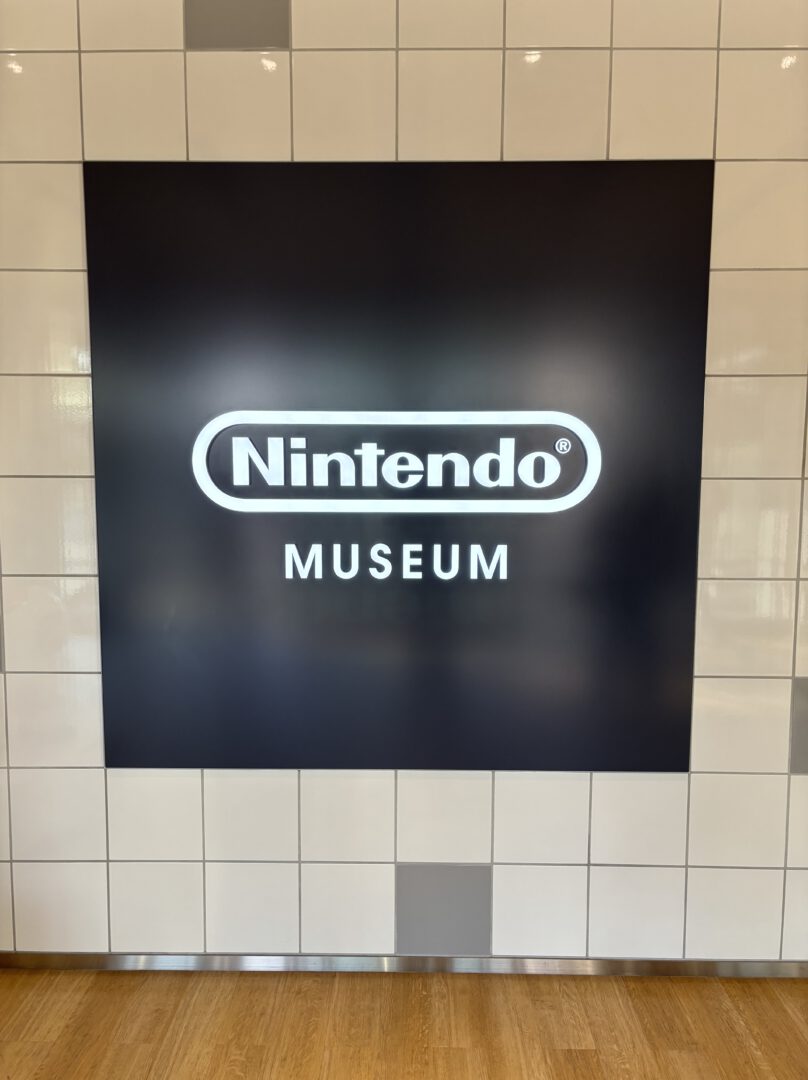
To avoid spoiling too much of the exhibition, I will not describe it in detail. The building has two levels. One presents Nintendo’s history and many of the titles the company has produced, including its early business activities before gaming consoles.
The other floor contains interactive installations where visitors can experiment with oversized controllers and experience different game mechanics from popular games. I had great fun playing Mario Party 3 on the Nintendo 64, for example.
After that, I returned to Kyoto and checked in to the hotel I had chosen near Kawaramachi Shijo, a convenient and central base for the evening. By then it was already night, so most temples and shrines had closed.
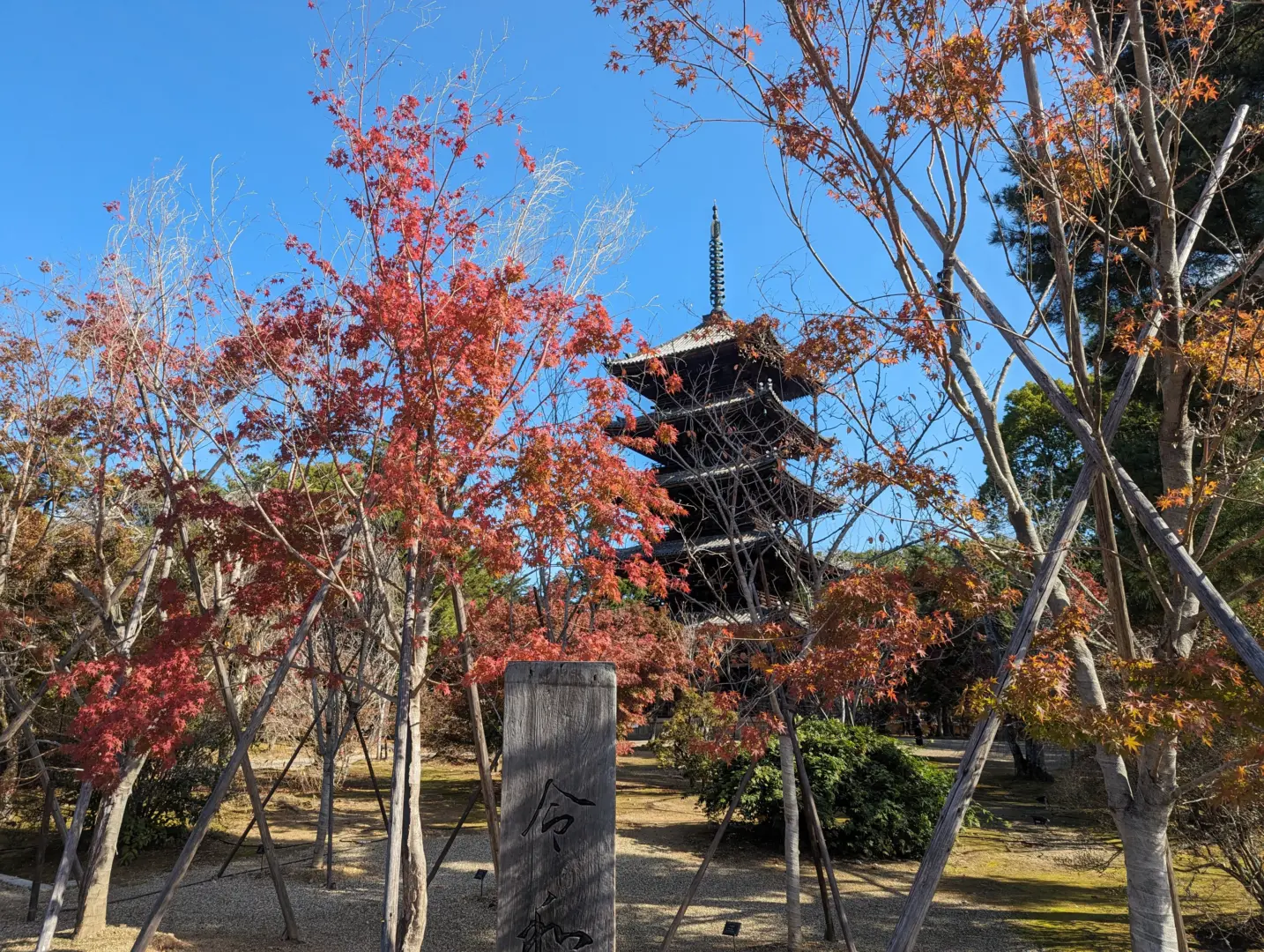
There are a few night illuminations in this season, with the beautiful koyo autumn foliage being the highlight. One of them is Eikan-do, a famous temple in eastern Kyoto located between Nanzen-ji and Ginkaku-ji. Sadly, time did not permit a visit this time because our dinner appointment was approaching.
I met my friend for dinner at the izakaya Sumika, close to Nishiki Street between Kawaramachi and Karasuma. We had worked in the same research group at Kyoto University during my exchange period, sharing an office and many lunches at the time. Since then we try to meet whenever I return to Japan, which usually happens every couple of years.
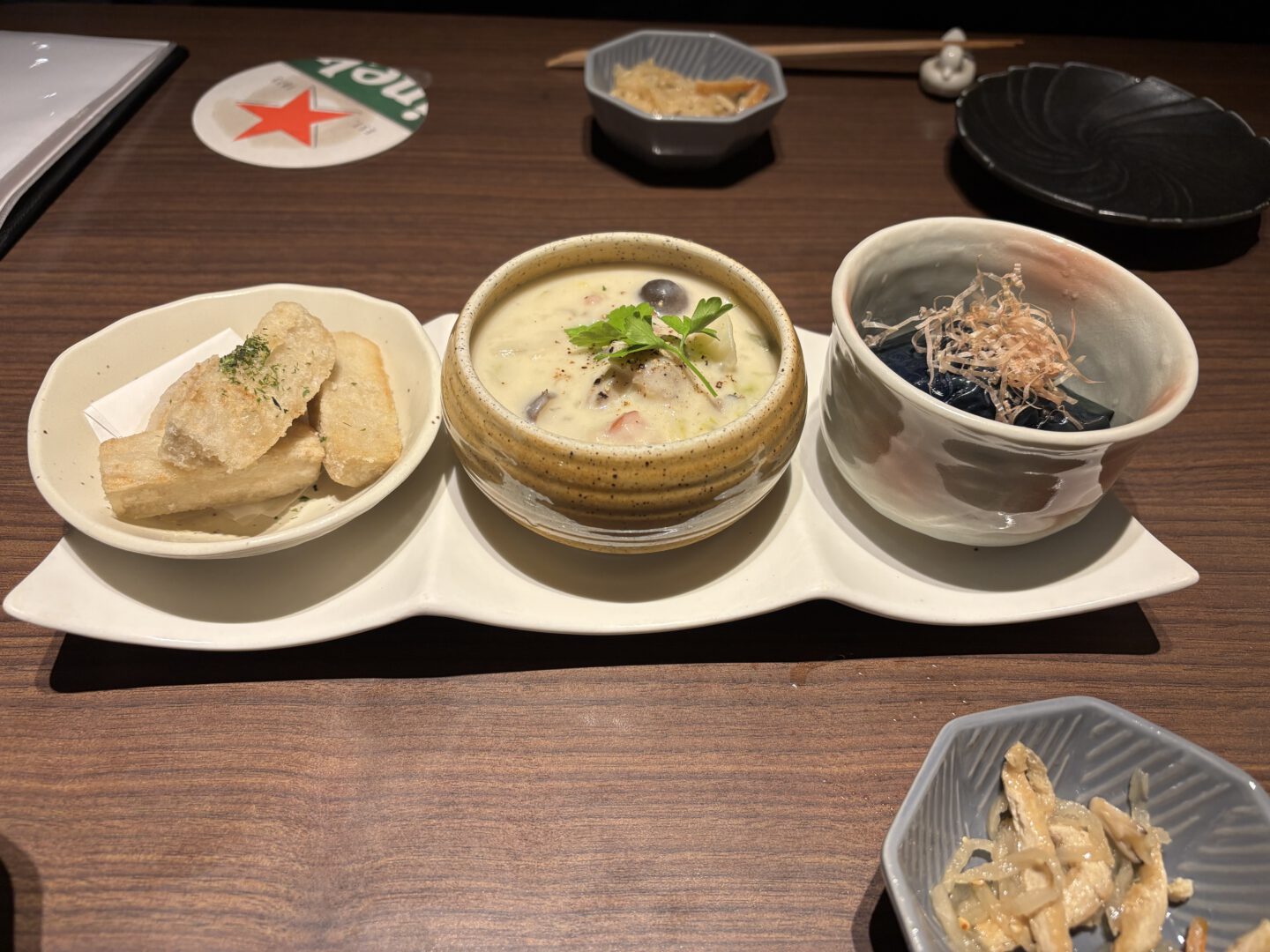
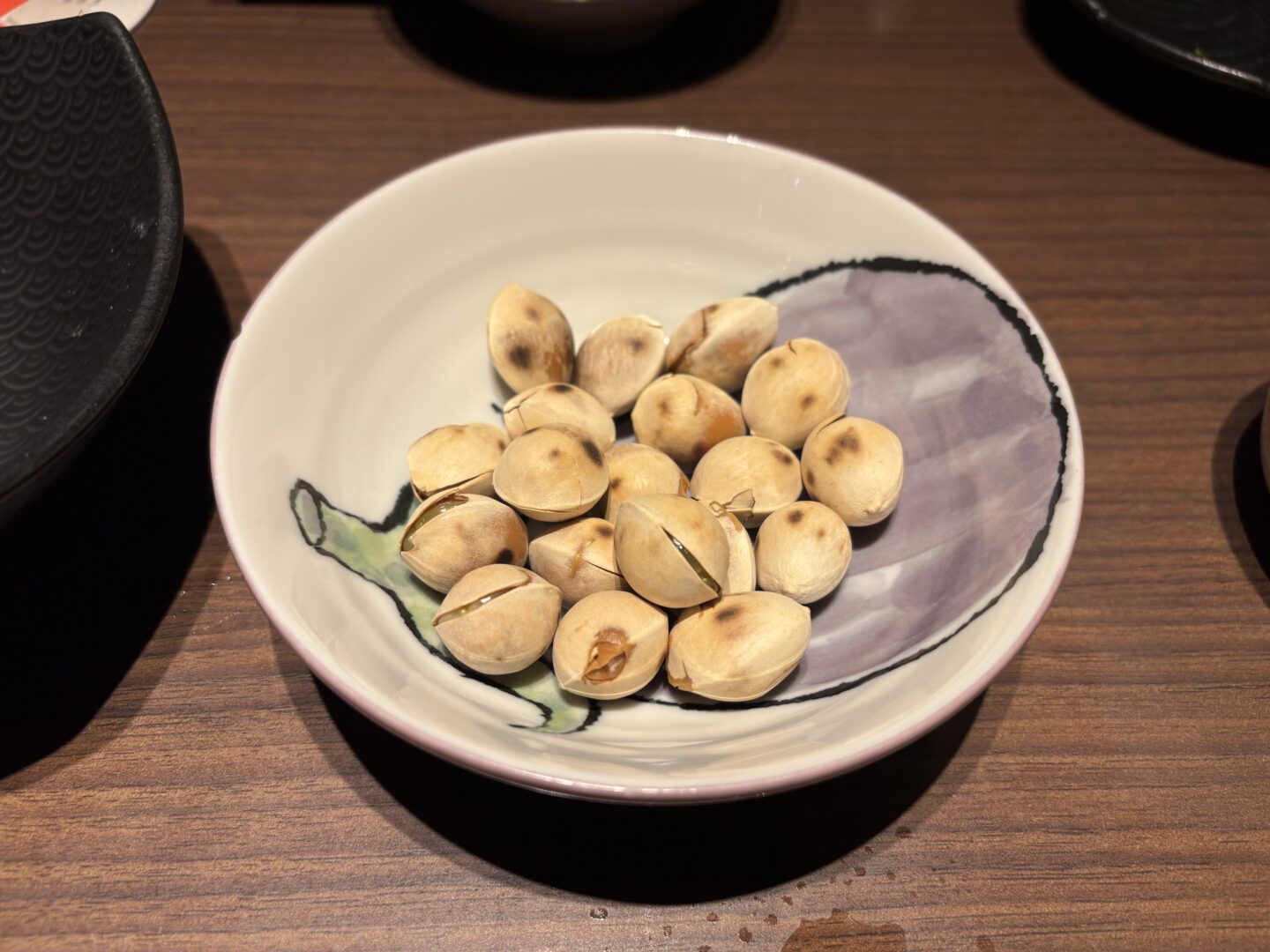
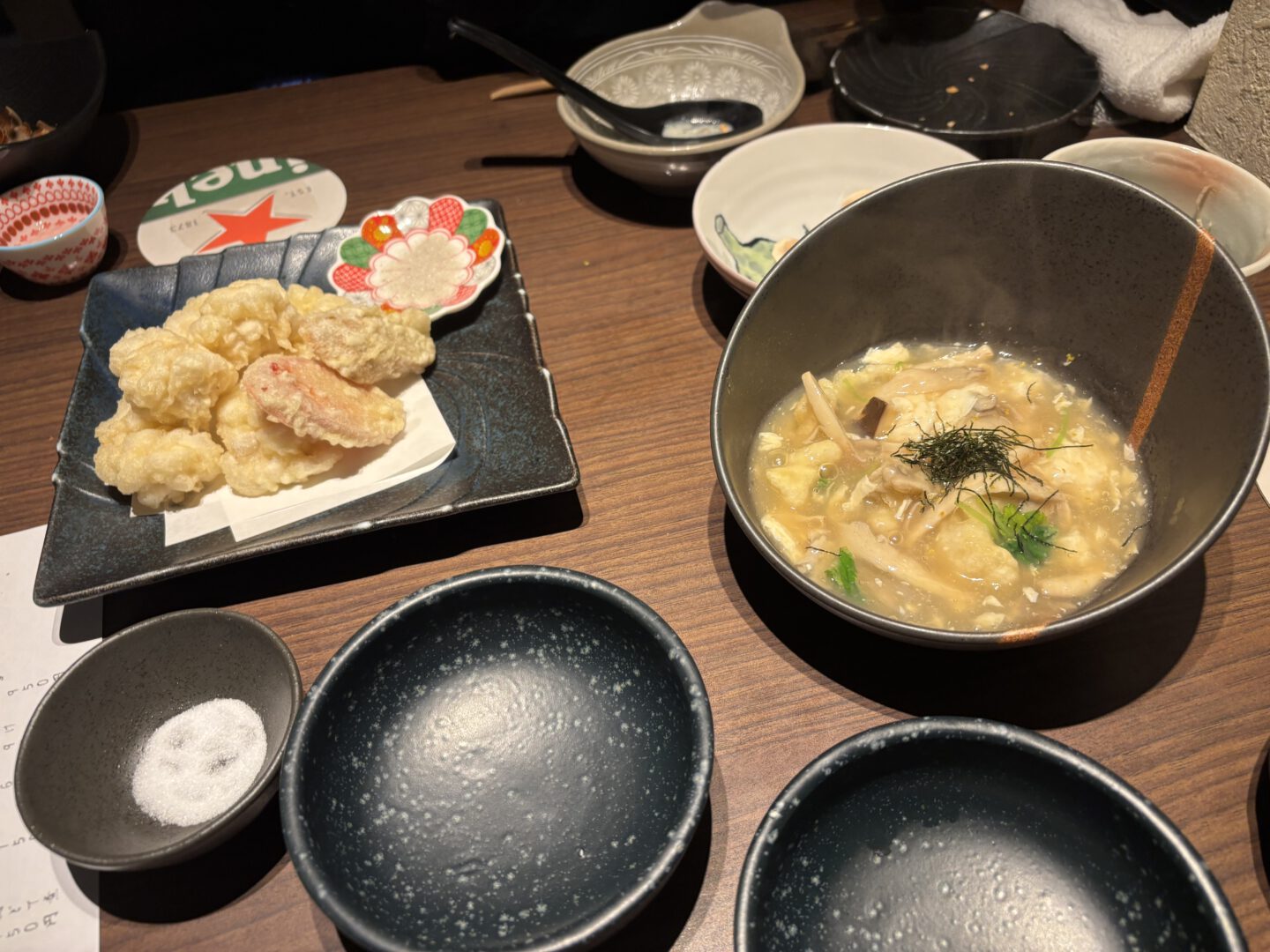
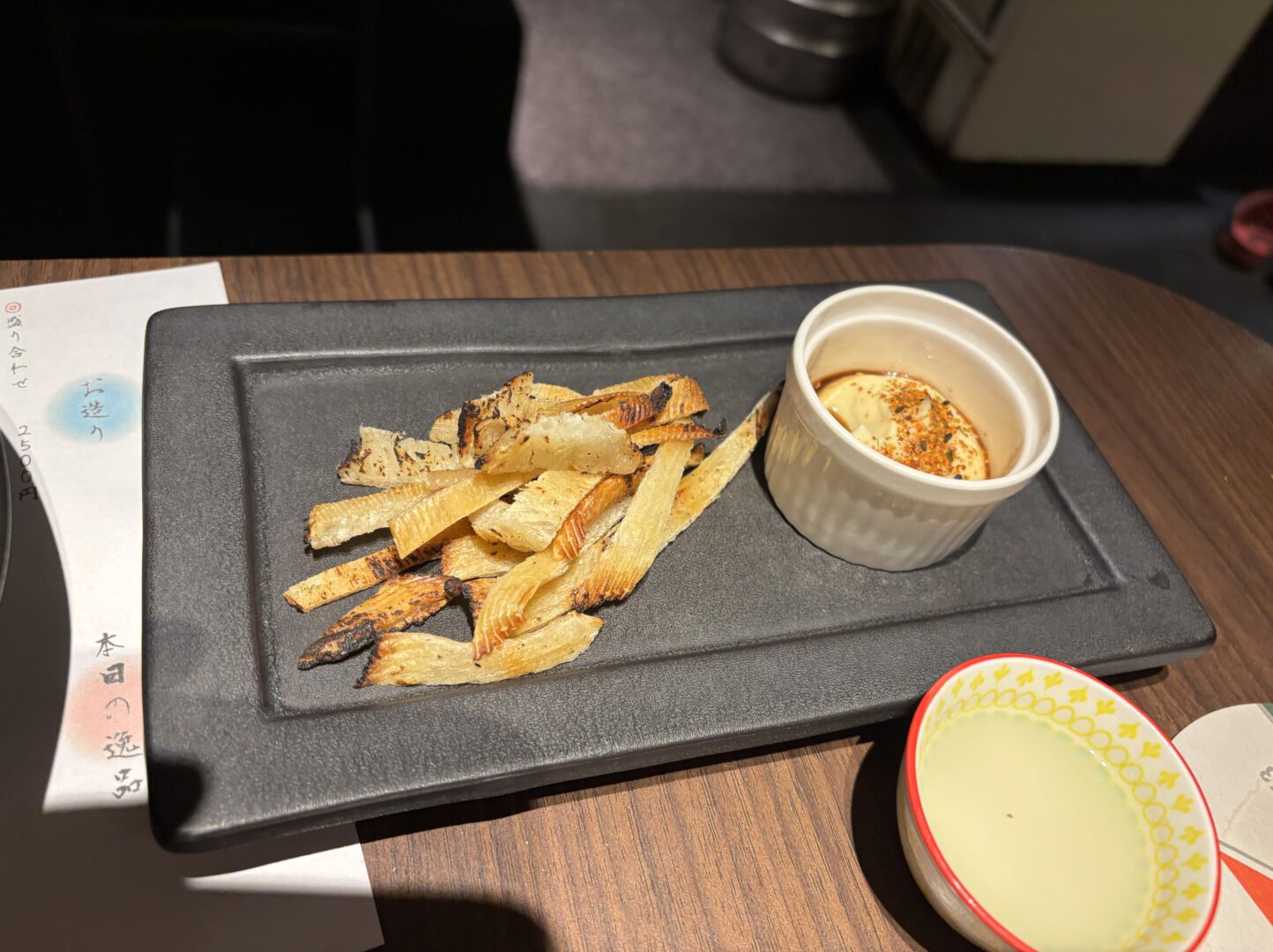
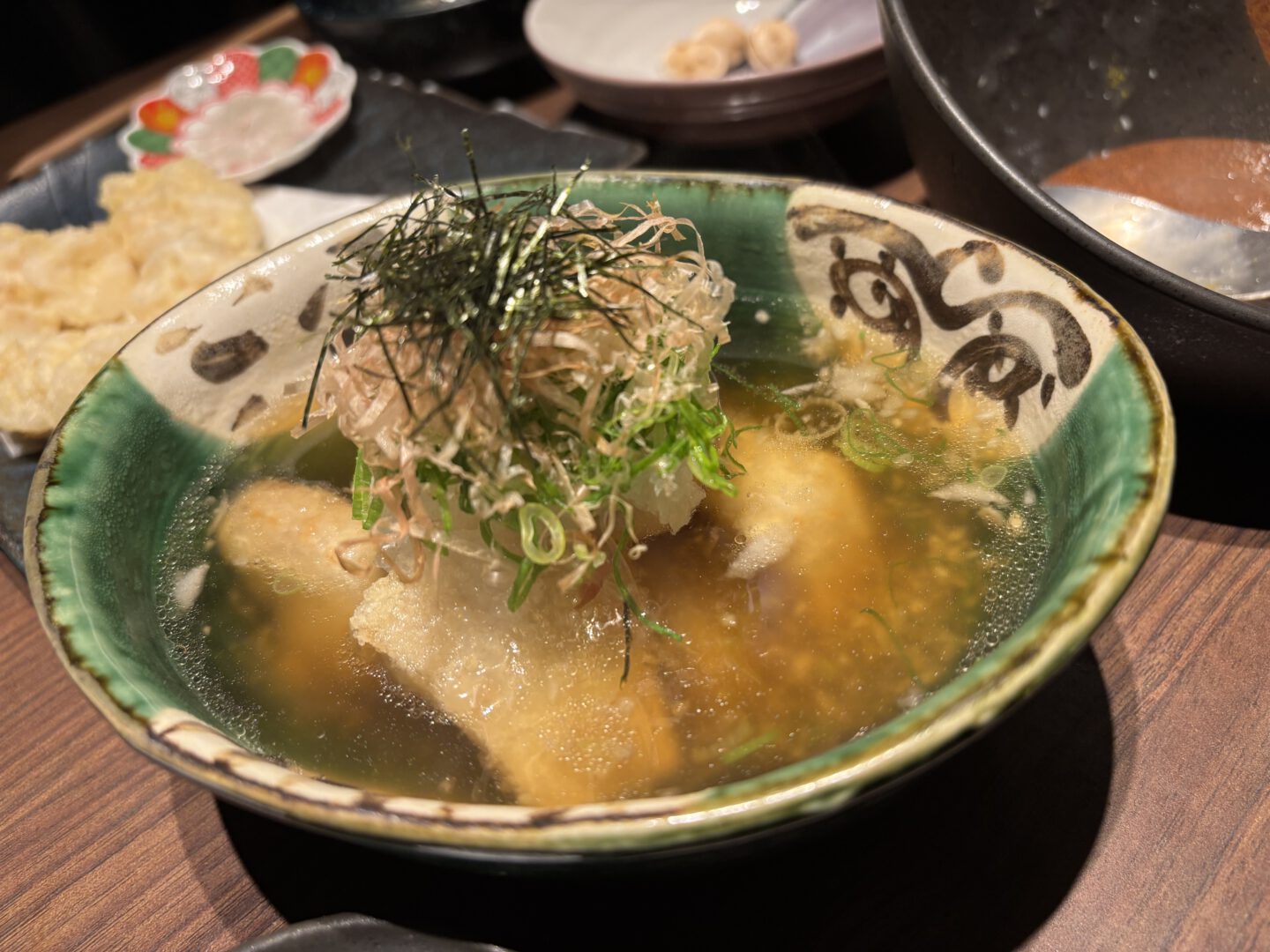
Over sake we shared a variety of dishes, including eihire, tempura, sashimi, and several seasonal specialties. Another highlight for me was ginnan, roasted ginkgo nuts that appear on many menus in autumn.
After dinner we moved to a second place, a sake bar called Masuya a couple of streets away. The bar had a large selection of sake, many of them poured from big bottles behind the counter. My friend had been there before and ordered a few varieties he knew were good, so we ended up tasting several different ones over the course of the evening. We talked for quite a while before realizing we were getting dangerously close to the last train.
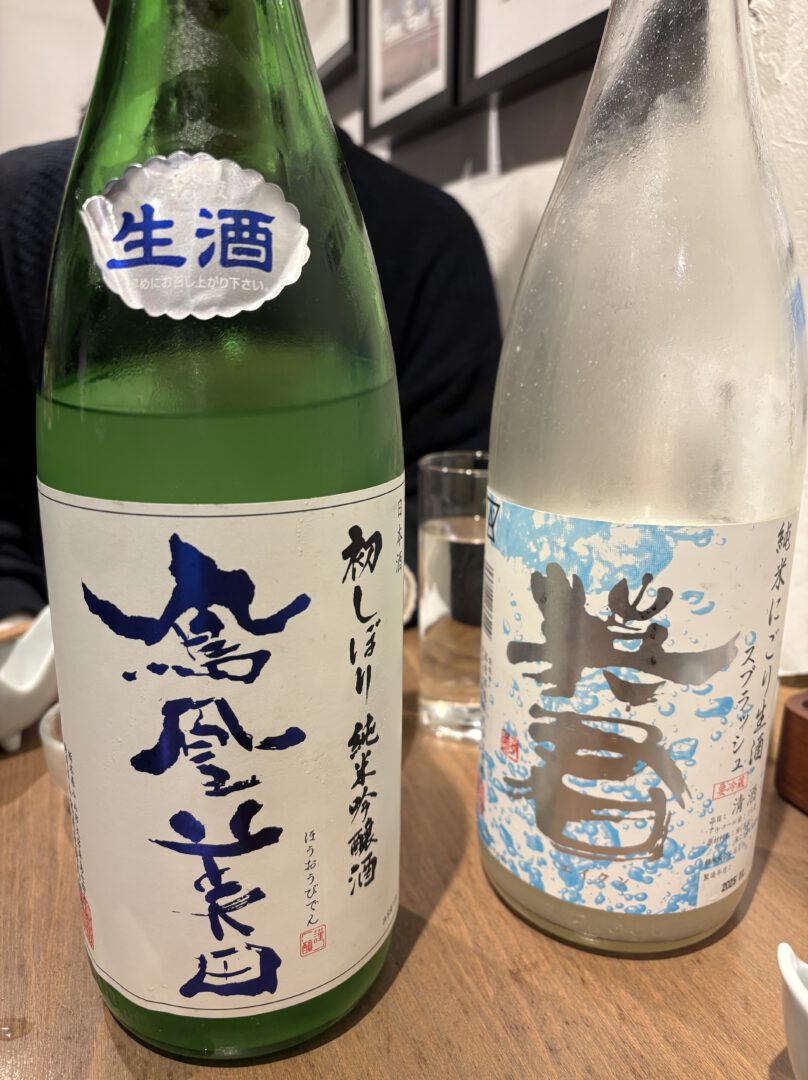
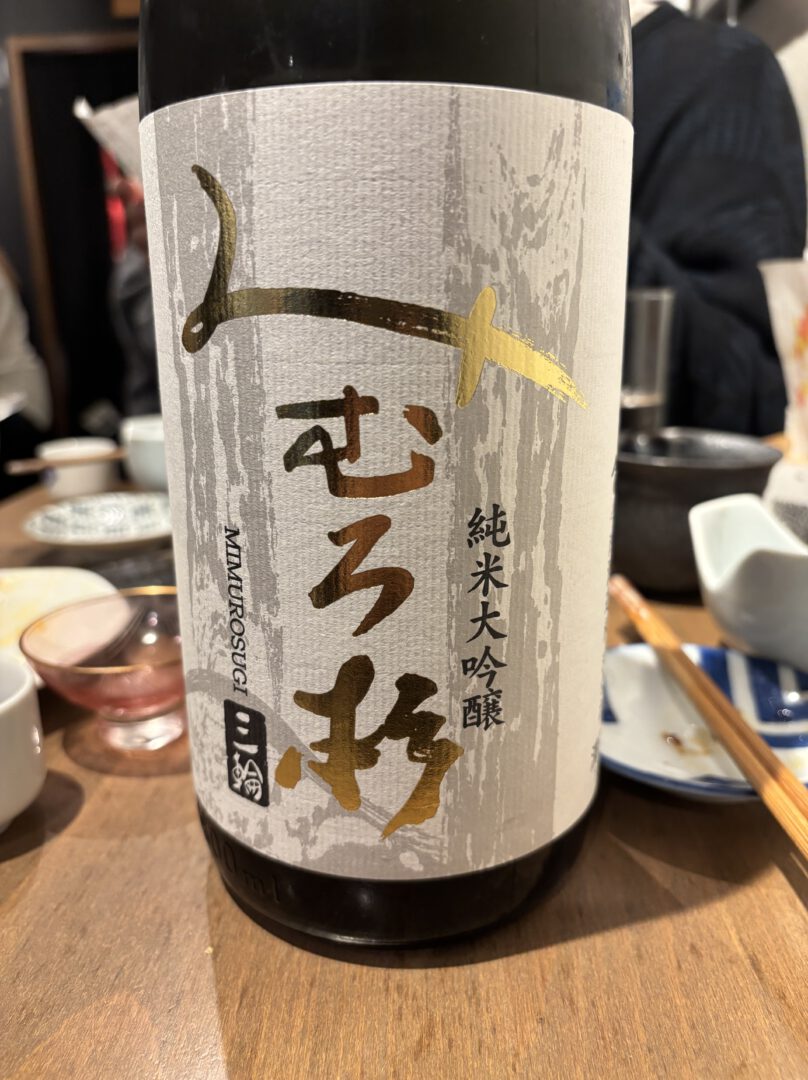
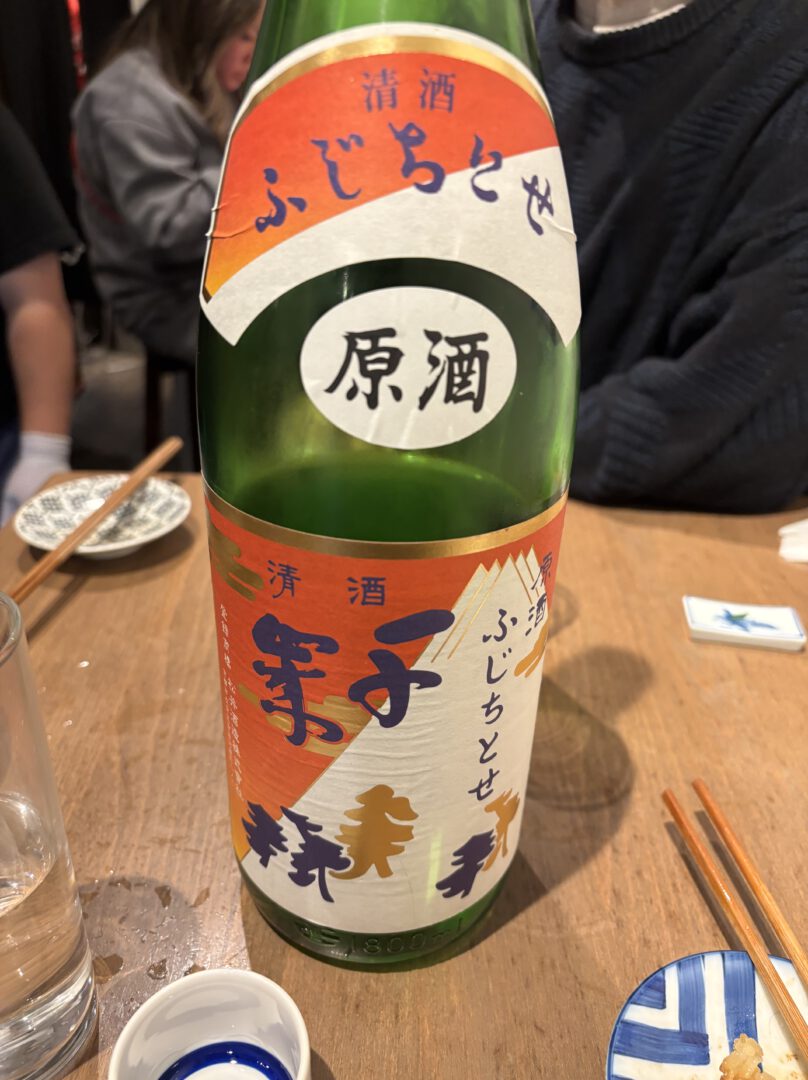
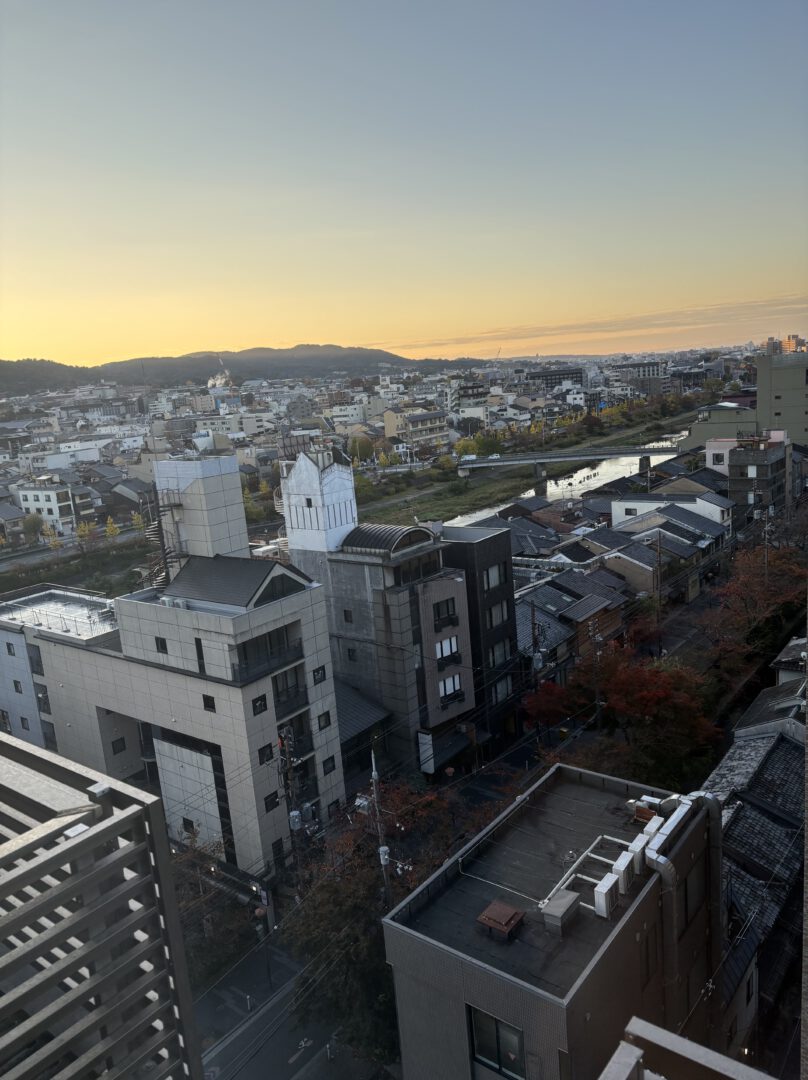
The next morning I had to leave Kyoto early, leaving no time for another walk along the Kamo River. Still, I managed to walk from Kawaramachi Shijo toward Kyoto Station and stop at a café south of Gojo for a coffee.
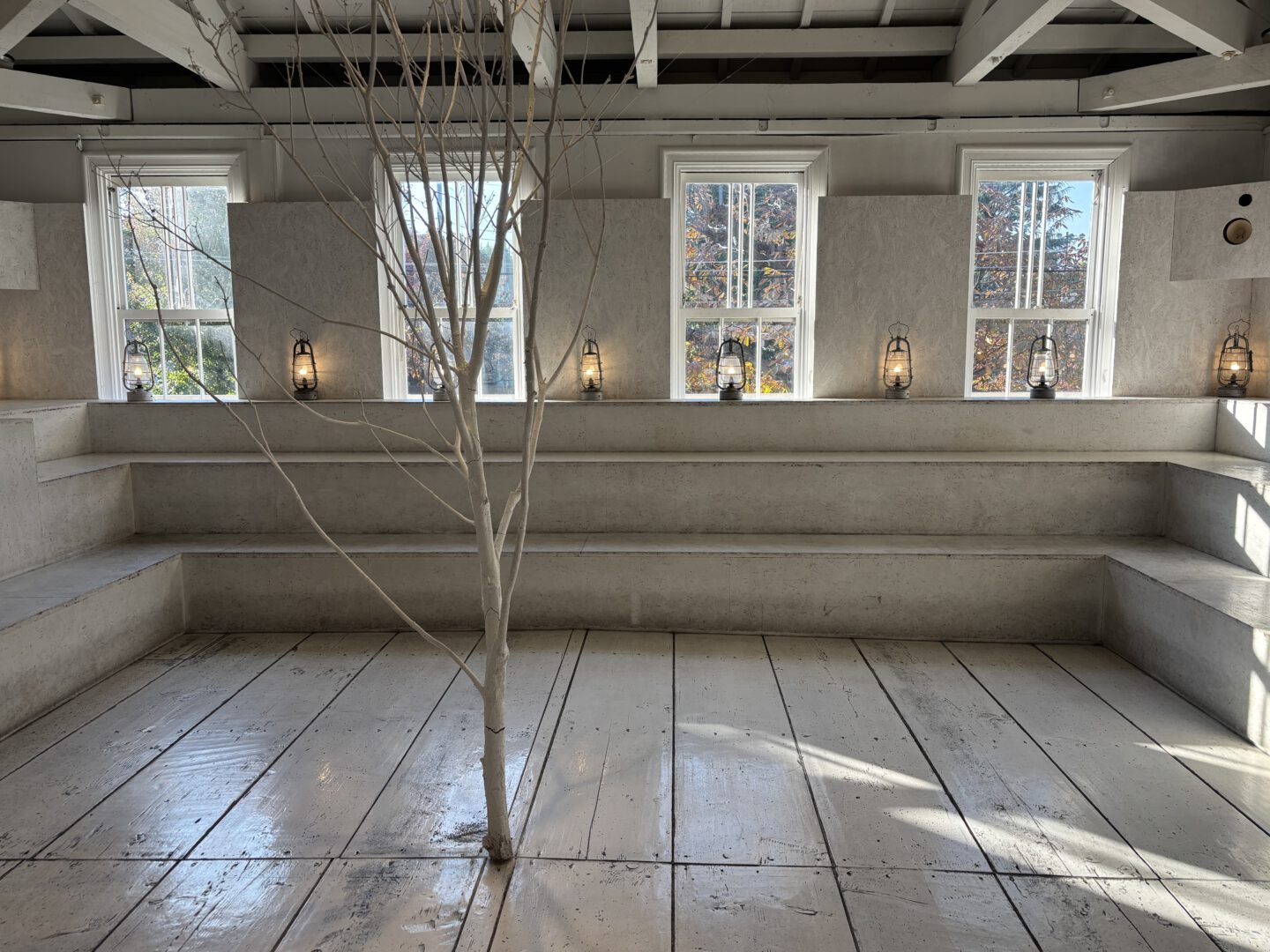
The café, Walden Woods Kyoto, has a striking interior painted entirely white with very little decoration. A single planted tree stands in the center of the upper floor. It was a calm place to sit with a coffee and watch the sunlight come through the windows during my final minutes in Kansai.
At 9 a.m. I arrived at Kyoto Station. As usual it was crowded, and the Shinkansen was heavily booked. Remember to reserve a seat for the Tokaido Shinkansen traveling between Osaka, Kyoto, and Tokyo as early as possible using the vending machines, the ticket counter, or the internet, assuming you have the patience to go through the registration process.
I was so tired that I slept through most of the ride. In terms of comfort, the closest comparison I can think of is a plane journey, though the Shinkansen feels much smoother. My neighbor was also soundly asleep.
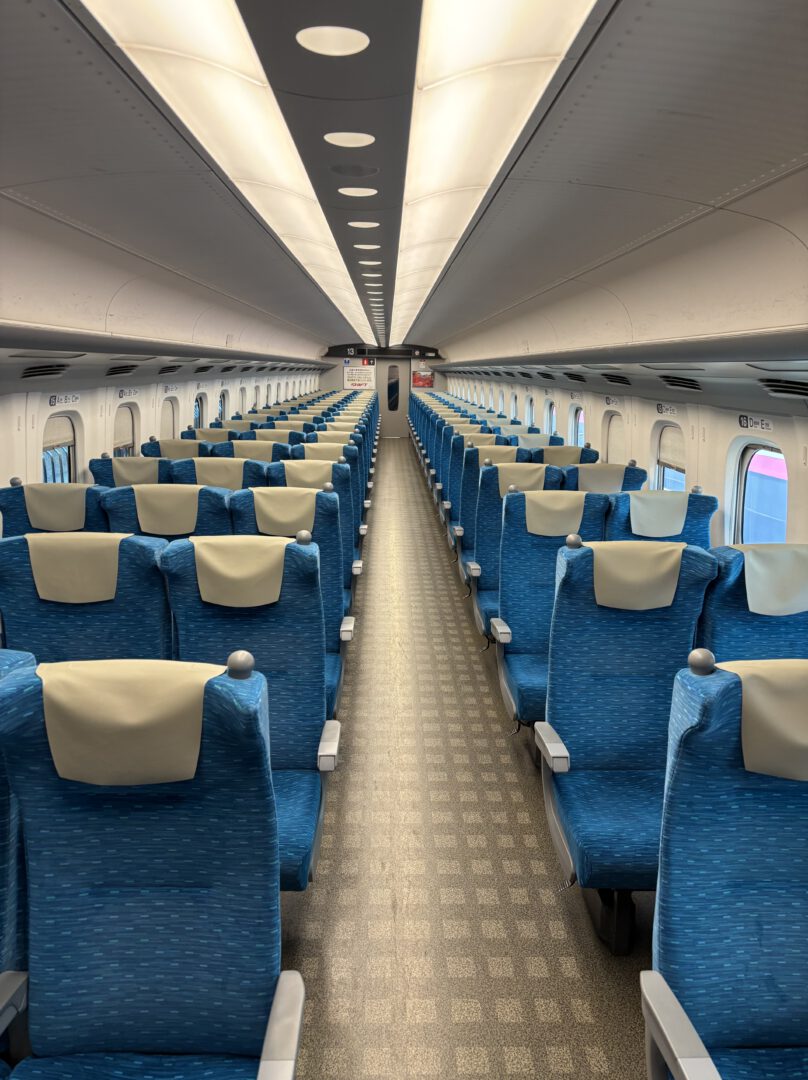
Two hours later we arrived in Tokyo that would be the final stop of this journey. I still had four days there before returning home, enough time to revisit a few familiar places and slowly bring this long trip across Japan to a close.
Entdecke mehr von Tabimonogatari - 旅物語
Melde dich für ein Abonnement an, um die neuesten Beiträge per E-Mail zu erhalten.