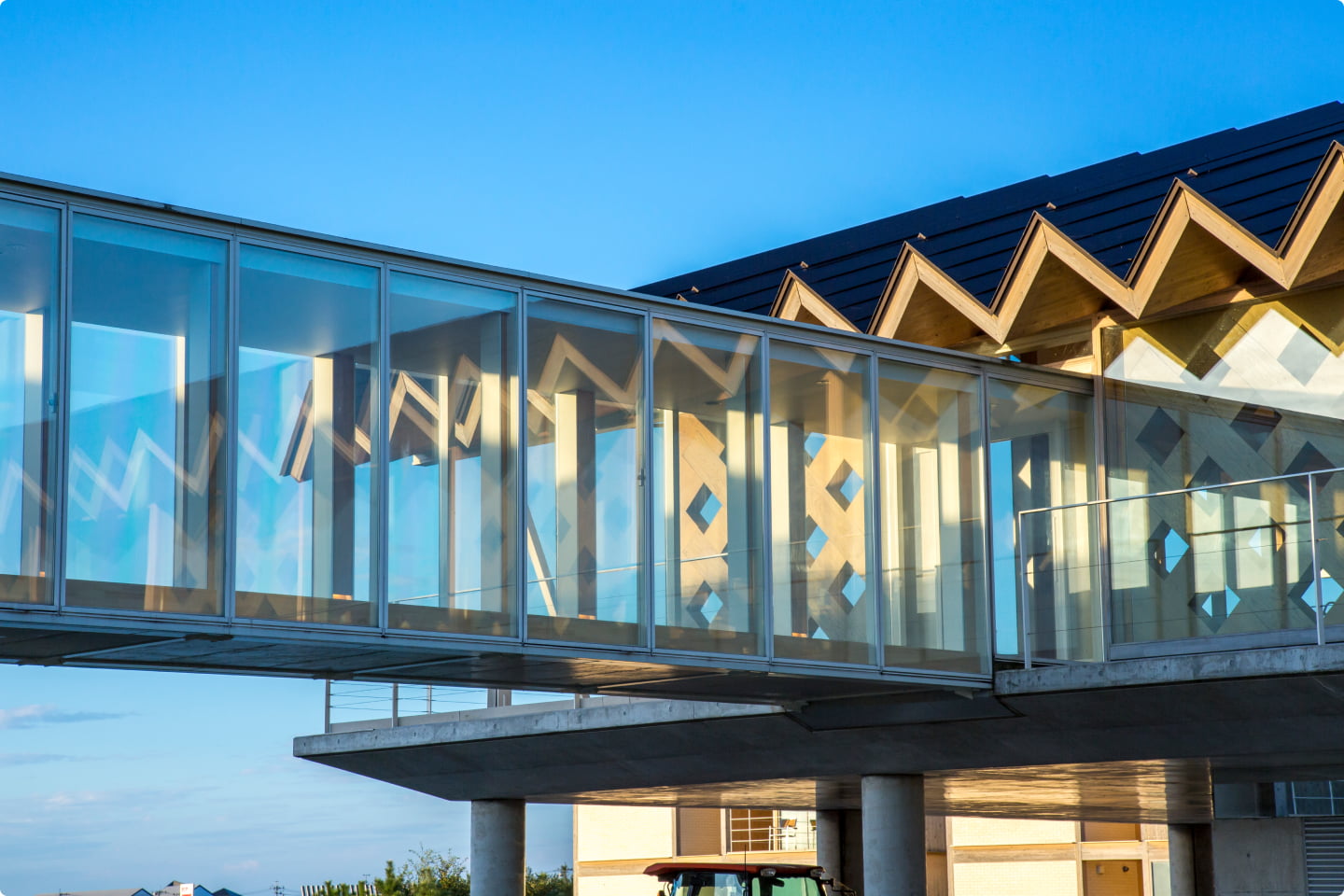
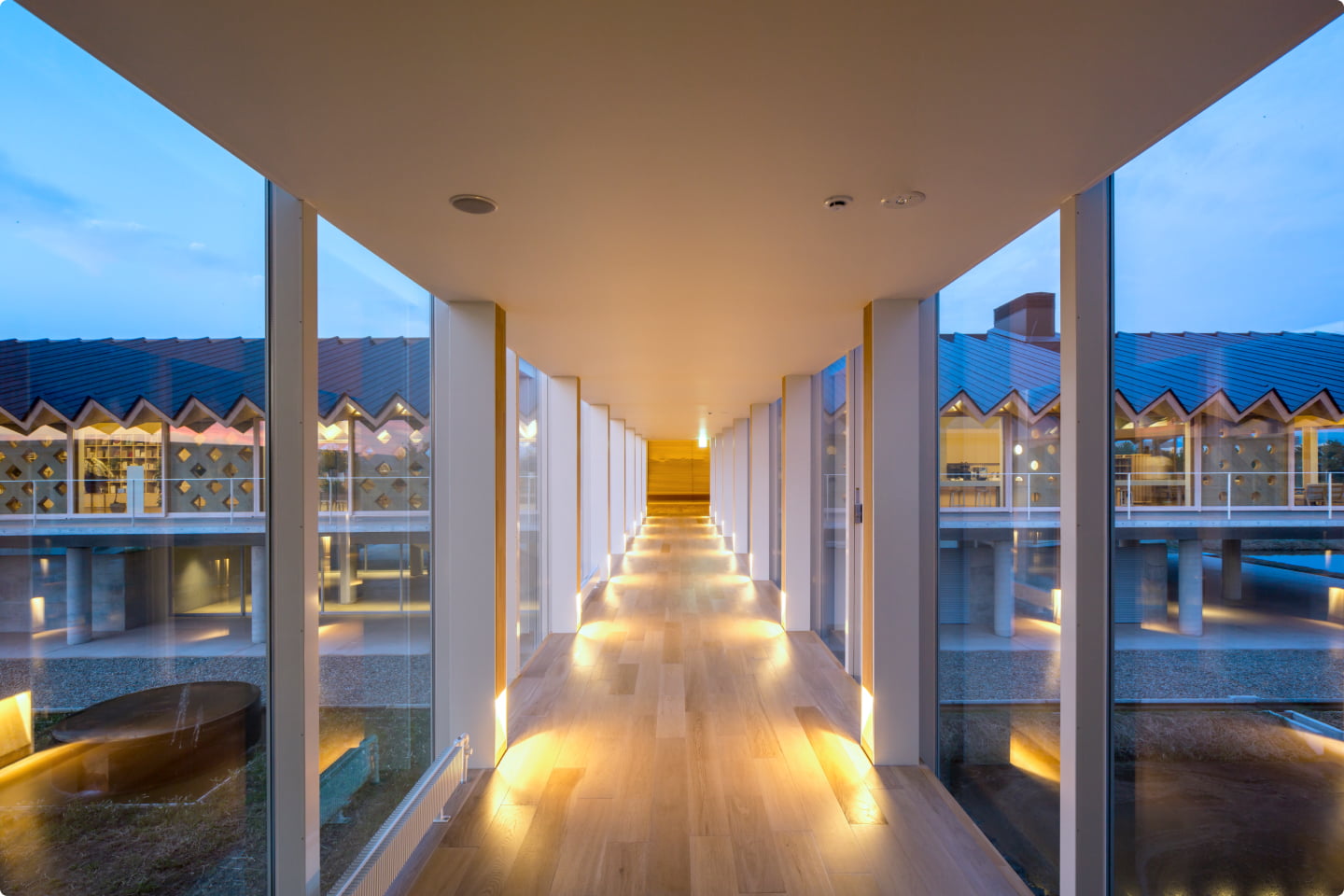
After spending many days in Akita, we finally left the prefecture and entered Yamagata Prefecture from the north. Passing by Sakata, we arrived in Tsuruoka, where we would stay the night. Here, we chose Hotel Shonai Suiden Terrasse, a modern hotel designed by Shigeru Ban. The hotel opened in 2018 and sits about ten minutes outside central Tsuruoka, which explains why most guests arrive by car or taxi and why the area feels calm and open.
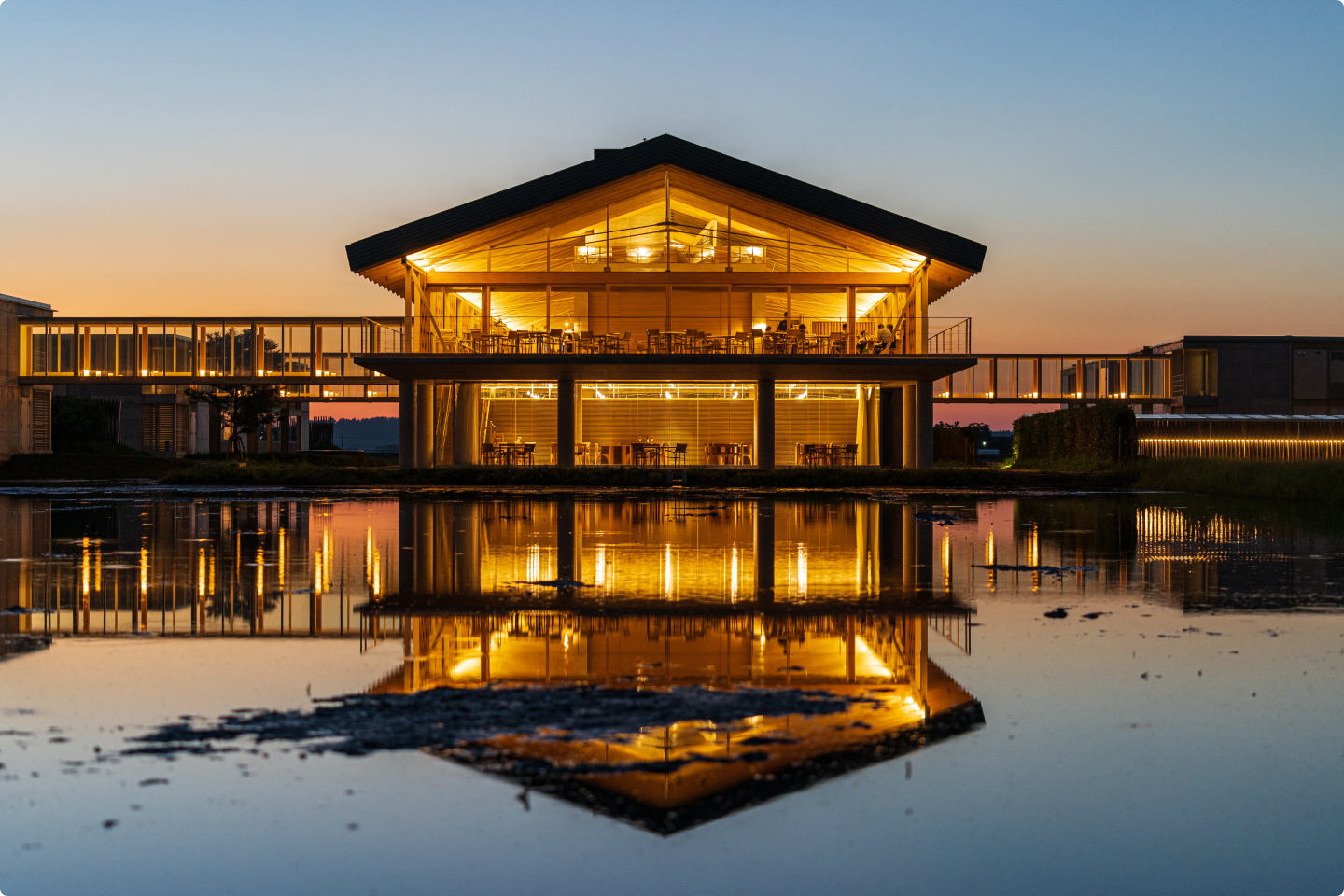
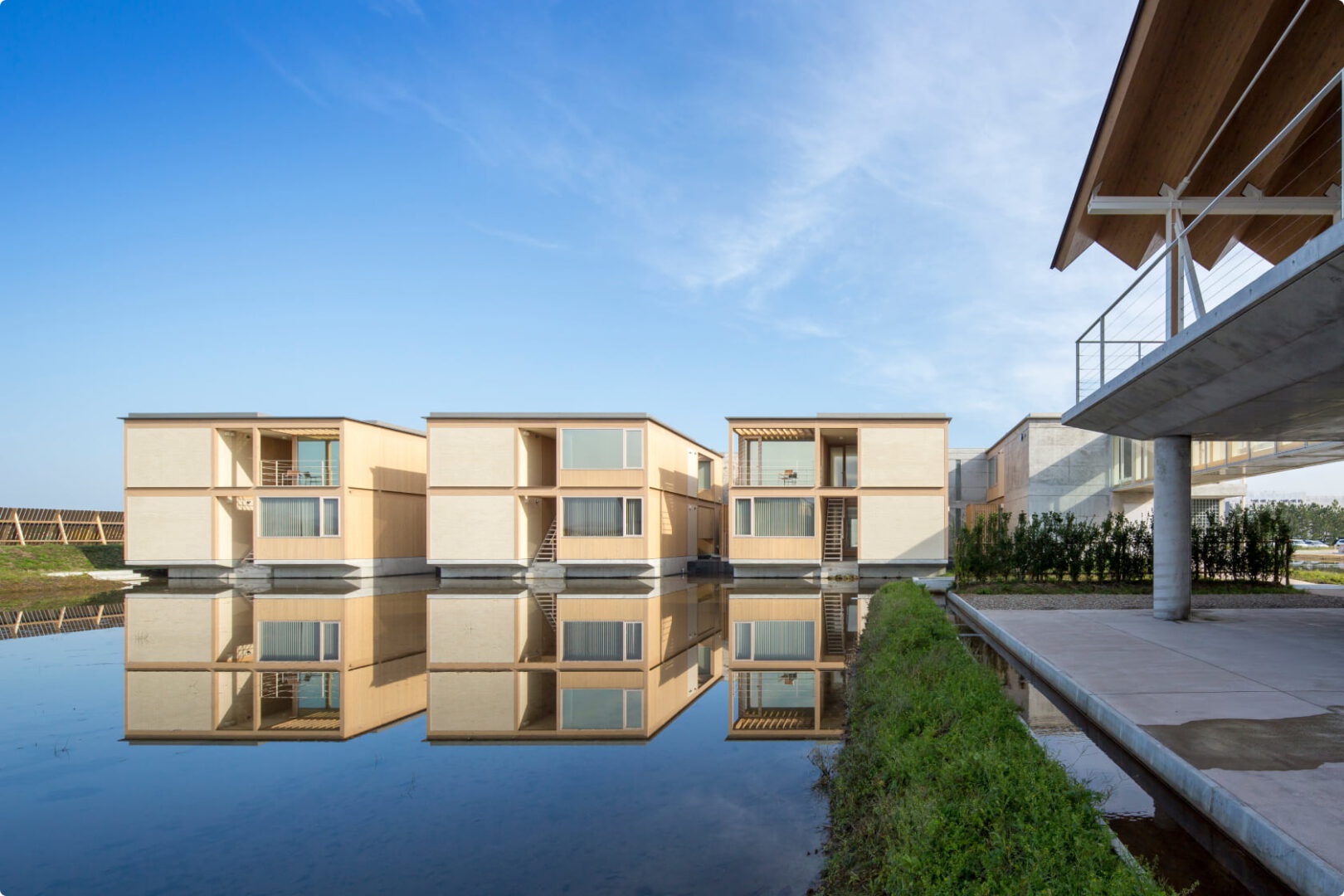
I was drawn to the setting right away. The hotel is built among wide rice fields, which creates a strong link to the surrounding landscape. In November, the rice had already been harvested, so the view did not fully match the green scenes shown on the website. Still, the open layout, natural light, and quiet atmosphere stood out compared to the other hotels we had stayed in. Its location outside the city and its focus on local food and hot springs seem to attract mainly Japanese guests rather than international travelers.
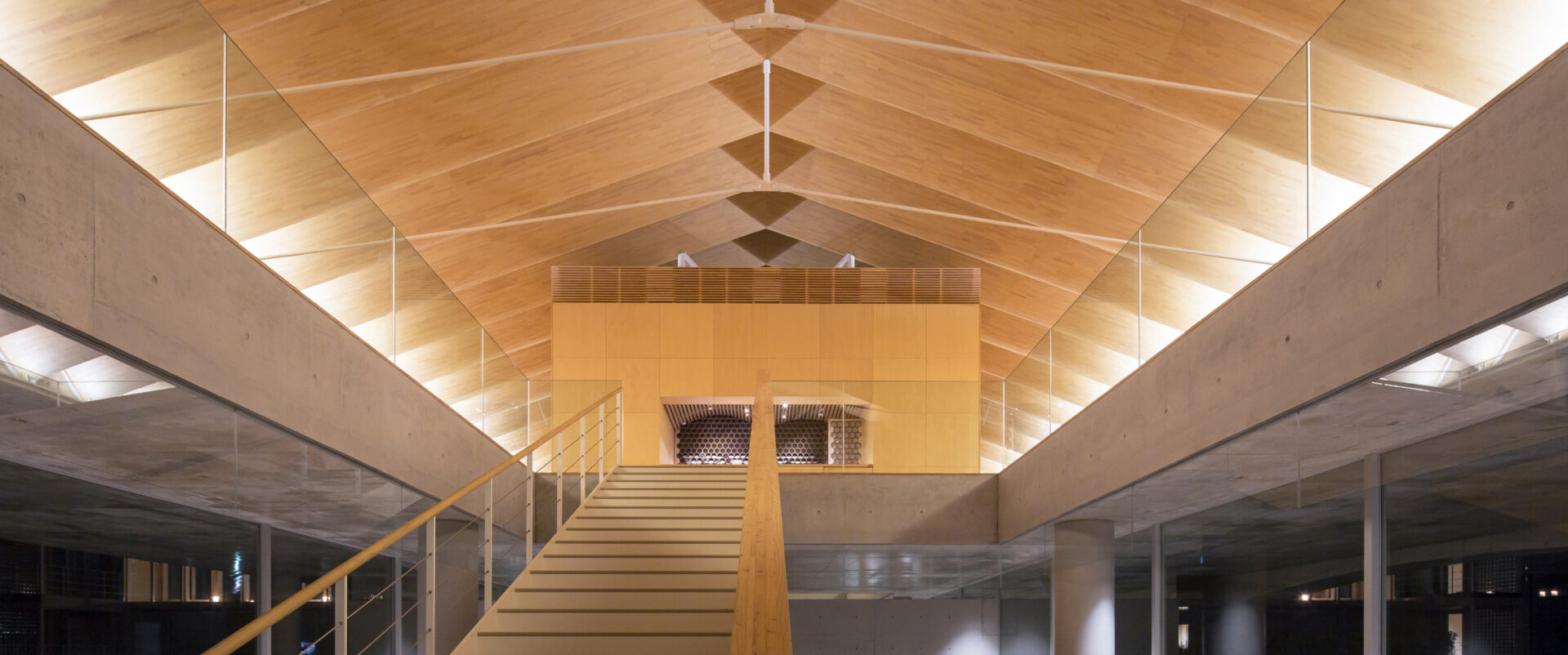
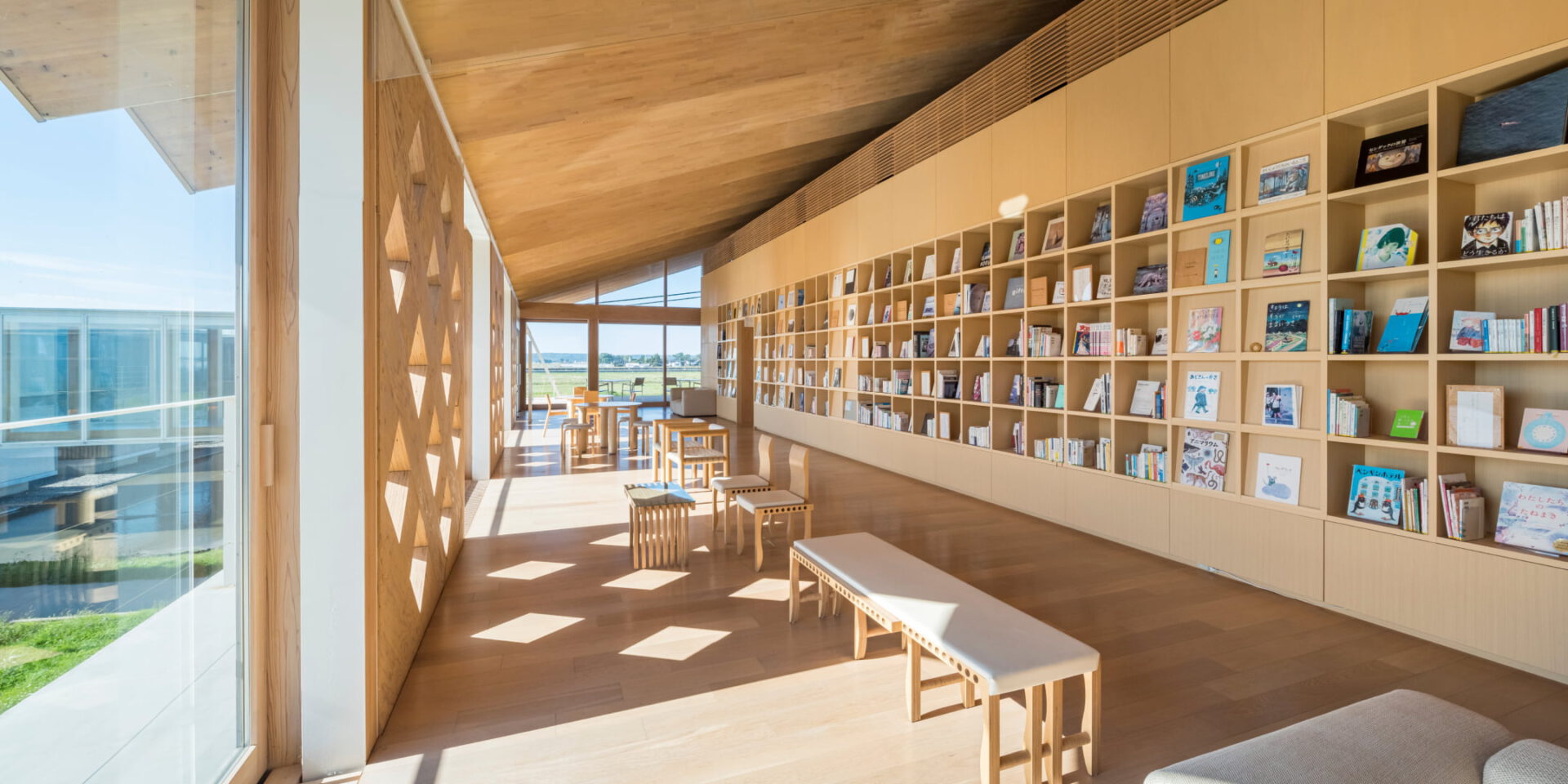
The hotel felt like a large maze. It is divided into three wings, each named after one of the nearby mountains (more about them later). Because many rooms are set apart from each other, the walk to our room at the far end was long and winding. We had chosen a large family room for the four of us, which turned out to be a full suite with a living room and a kitchen. The kitchen did not include any cooking tools, which we did not need, but it raised the question of what it was meant to be used for.
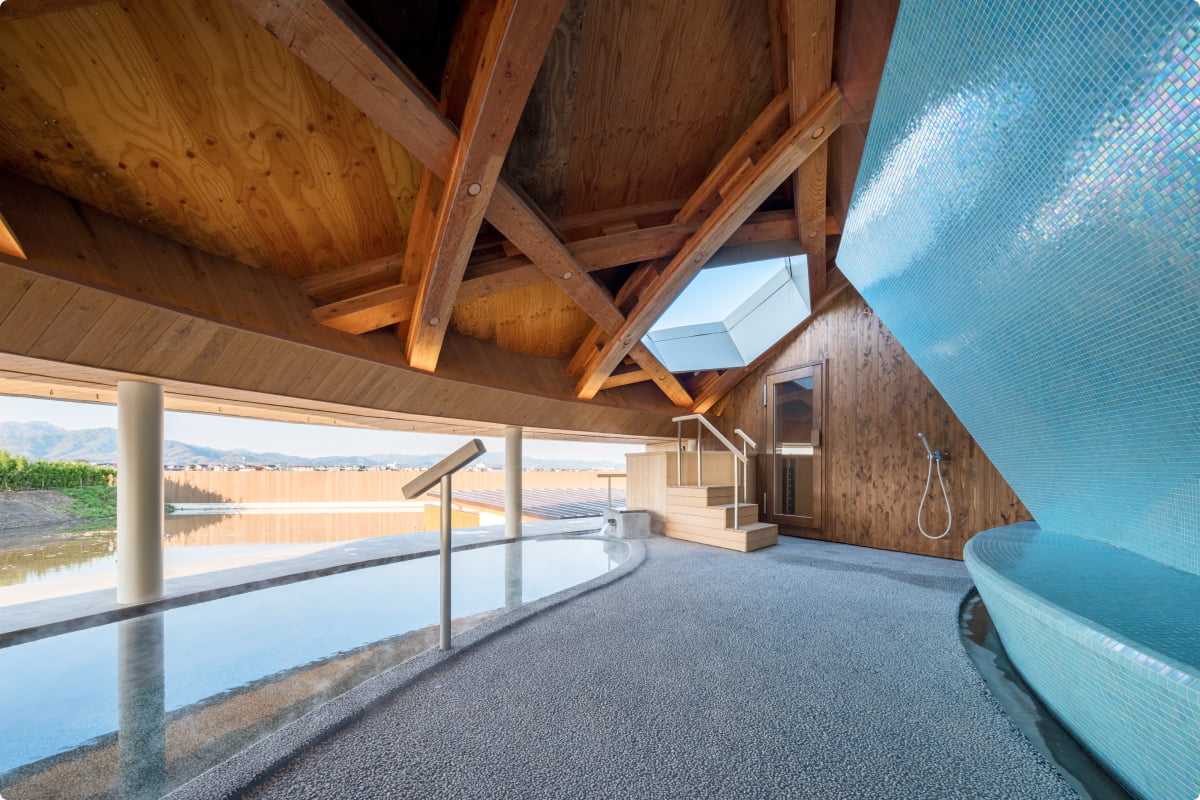
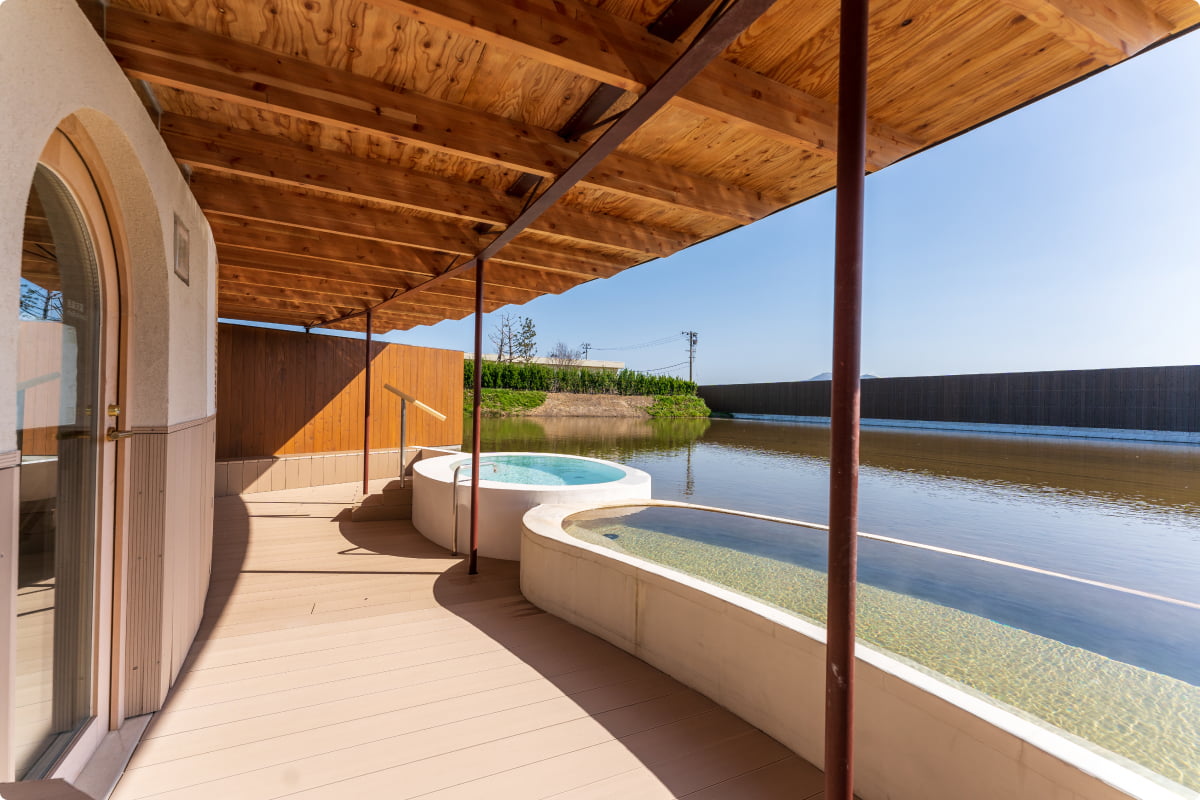
As usual, our first stop was the onsen. The hotel has two bathing areas that rotate overnight, allowing guests to use both during a one-night stay. Rotating bath areas like this are common in larger onsen hotels and give some variation even on short visits. The area we entered first had an open-air bath that faced sideways toward the rice fields rather than opening to the sky. There was also a sauna, though the overall bathing area felt small compared to the size of the hotel.
Because the hotel is some distance from the city and we decided to eat out, we called a taxi and went to a yakitori izakaya (Kurasawaya / 焼鳥倉沢屋) we had marked on the map. The driver was friendly but hard to understand. What came through clearly was that he knew the place well and approved of our choice.
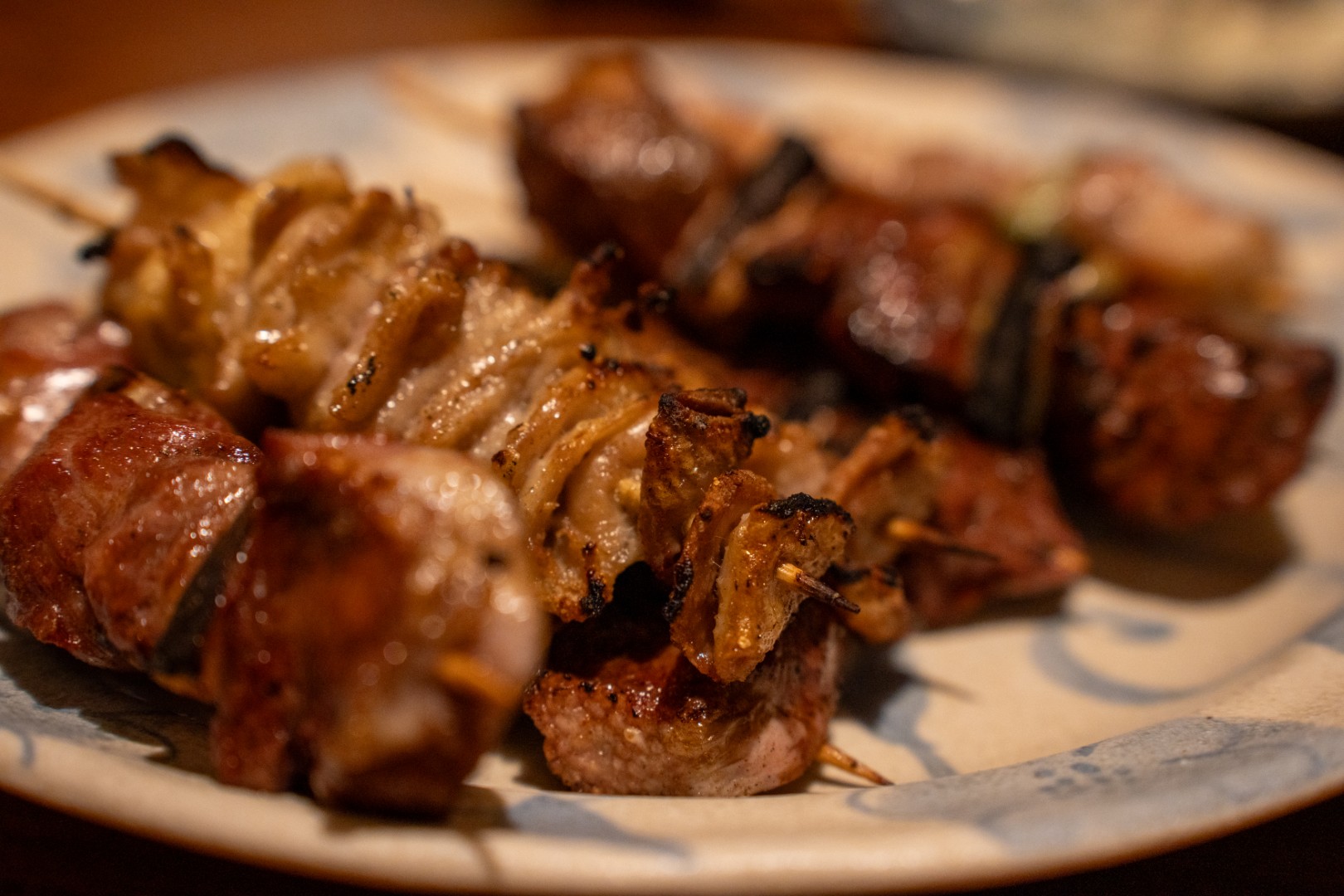
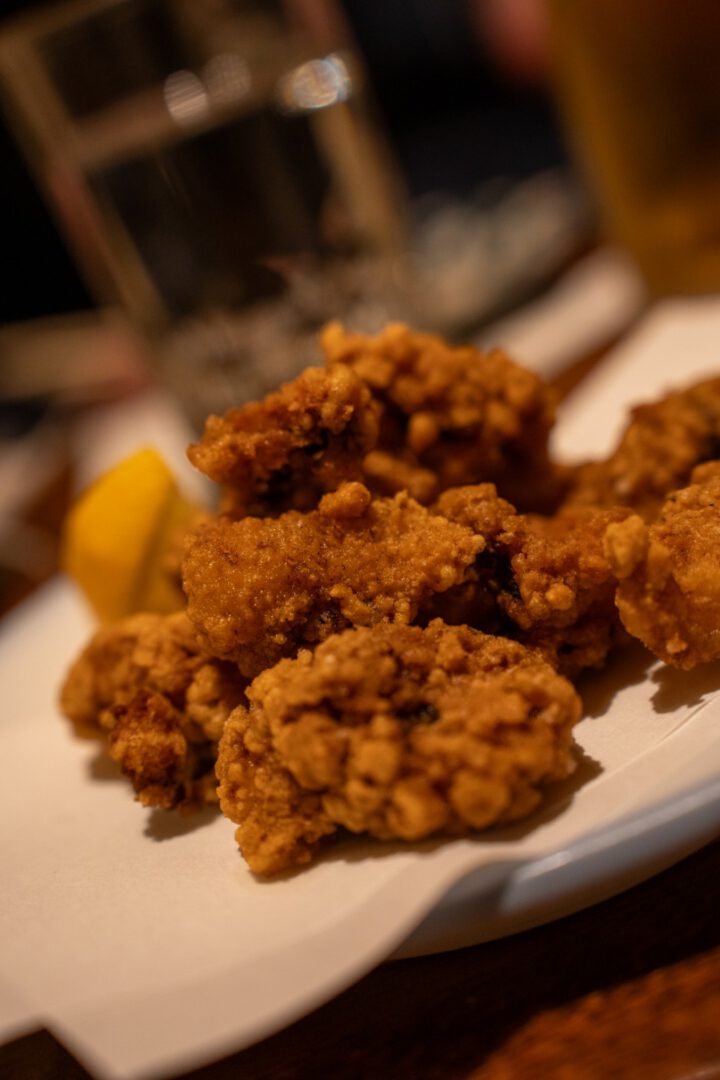
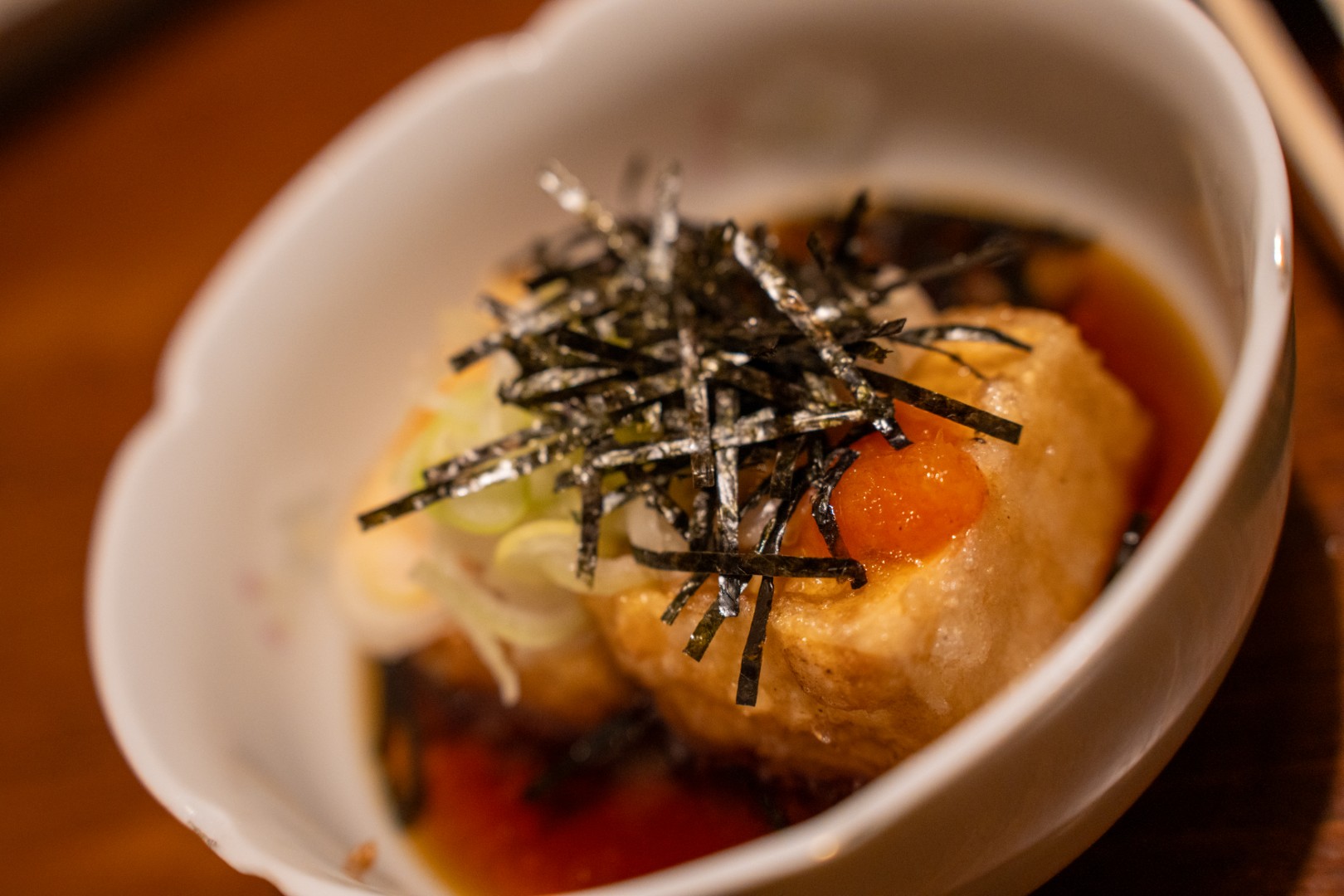
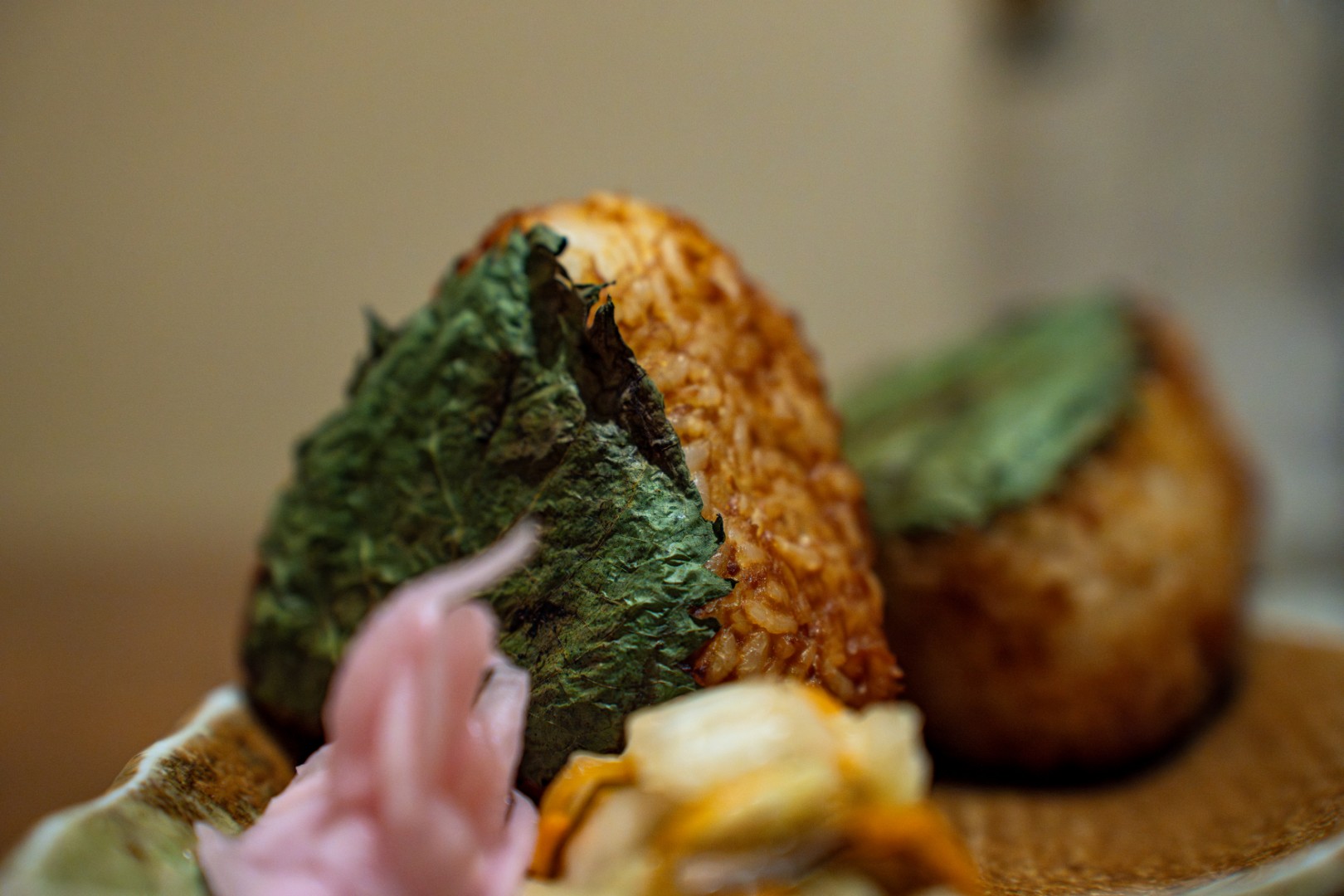
We enjoyed this izakaya much more than the one we had visited in Kakunodate yesterday. We ordered a mix of yakitori, several small dishes to share, and even the head of a tuna.
Breakfast the next morning was extensive and slightly different from the standard Japanese hotel buffet. There was a strong focus on vegetables, pickles, and regional food. Highlights included a hot soup from the Shonai area, smoothies, and several well-prepared healthy dishes. After one last soak in the onsen, we headed out to explore Tsuruoka for a short time.
In the city center, on the grounds of the former Tsuruoka Castle, lies Shonai Shrine. Mid-November is the main period for Shichi-Go-San, so we were no longer surprised by the large number of visiting families. We saw part of a ceremony in the main hall and spent time looking at the omamori charms. Each of us bought one. Many visitors also collect goshuin as part of shrine visits across Japan, and designs often vary by shrine and season. I was especially impressed by the goshuin here, which change regularly and make repeat visits feel different. Also, a small exhibition nearby showed shrine-related objects and traditional crafts such as hina dolls and kokeshi dolls.
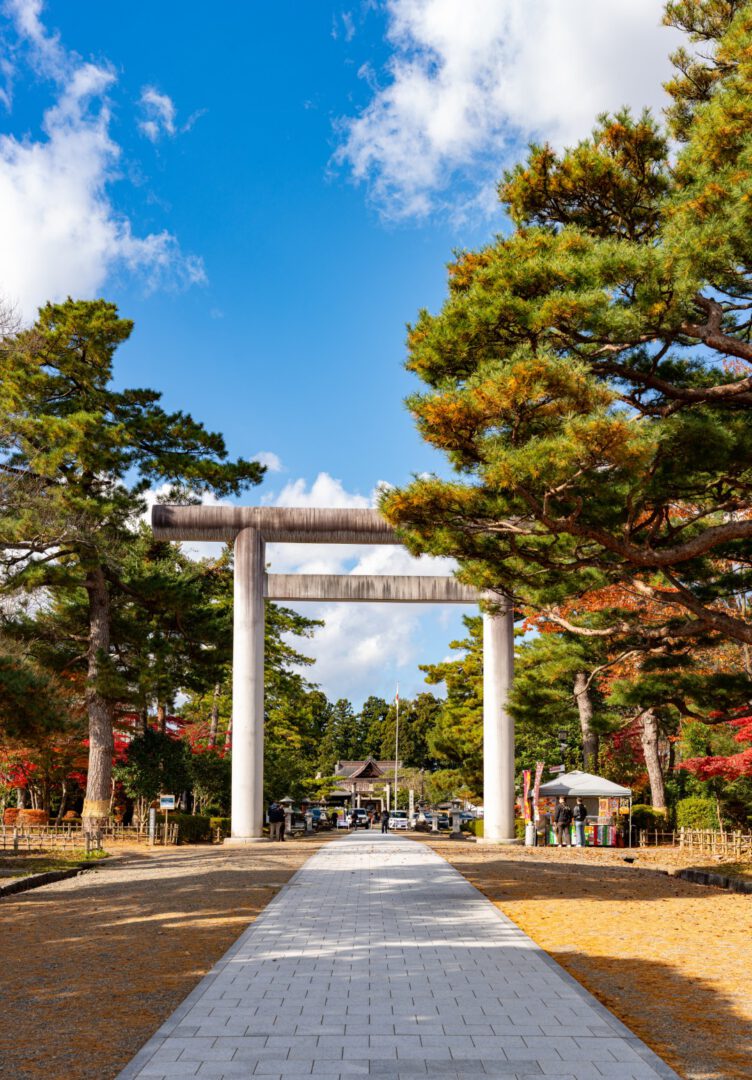
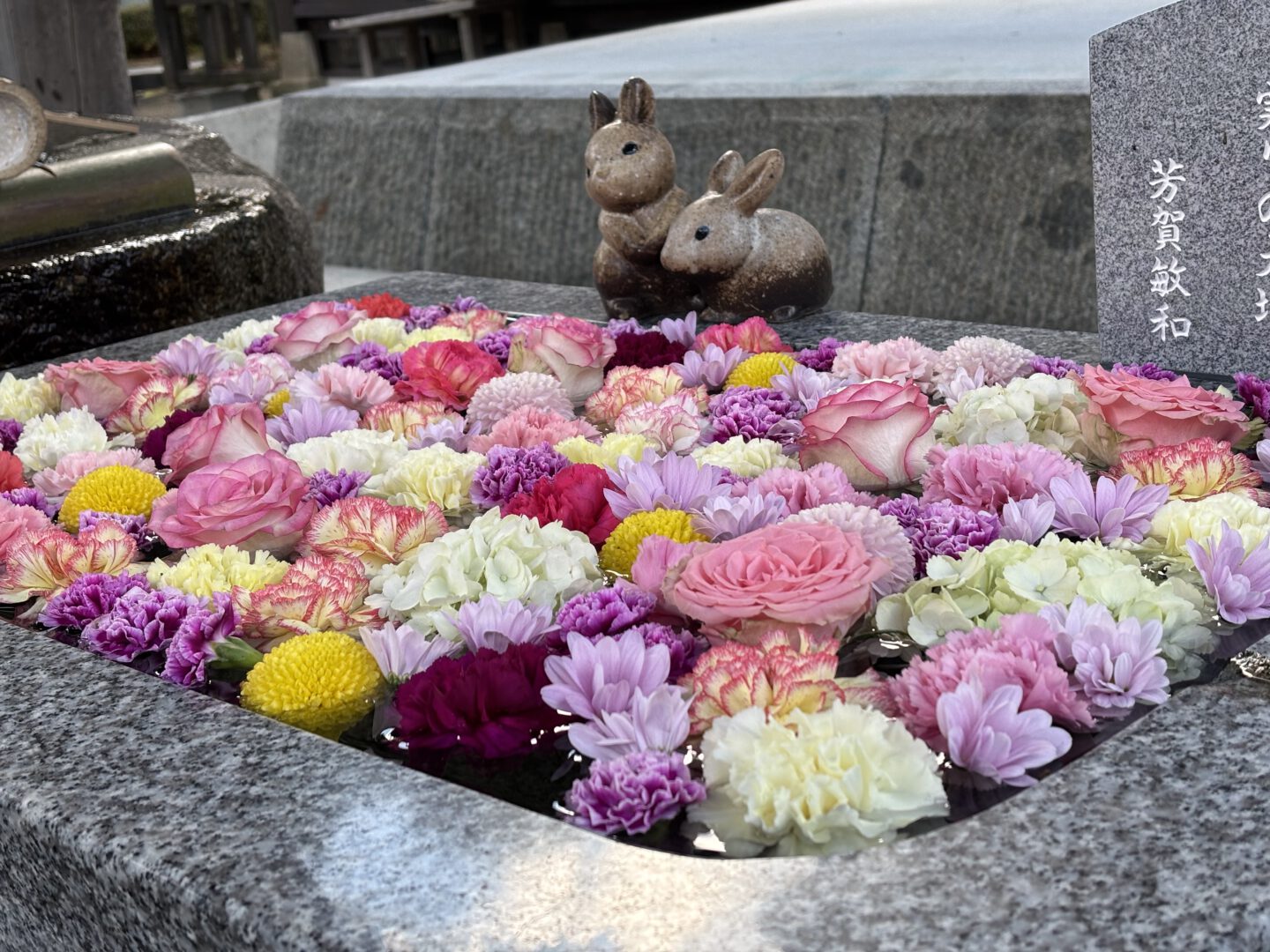
Not far from the shrine are several preserved merchant houses from the Meiji period. We did not have time to visit them, but Tsuruoka left the impression of being a place worth returning to.
Tsuruoka has long served as the main gateway to Dewa Sanzan, with pilgrims traditionally staying here before entering the mountains. We crossed the Shonai Plain toward the hills, heading for this important religious area. The history of Dewa Sanzan goes back about 1,400 years to Prince Hachiko, though much of this story comes from religious tradition rather than written records. The three mountains are Haguro-san (414 m), Gassan (1,984 m), and Yudono-san (1,504 m). Each is linked to a different stage of life, and visitors traditionally move through them in a set order.
We had hoped to visit all three, but the roads to the higher mountains were already closed for winter. Haguro-san is the only one that stays accessible year-round, which is why it is the most commonly visited. As we approached, we passed through the largest torii gate in the Tohoku region, wide enough for a two-lane road.
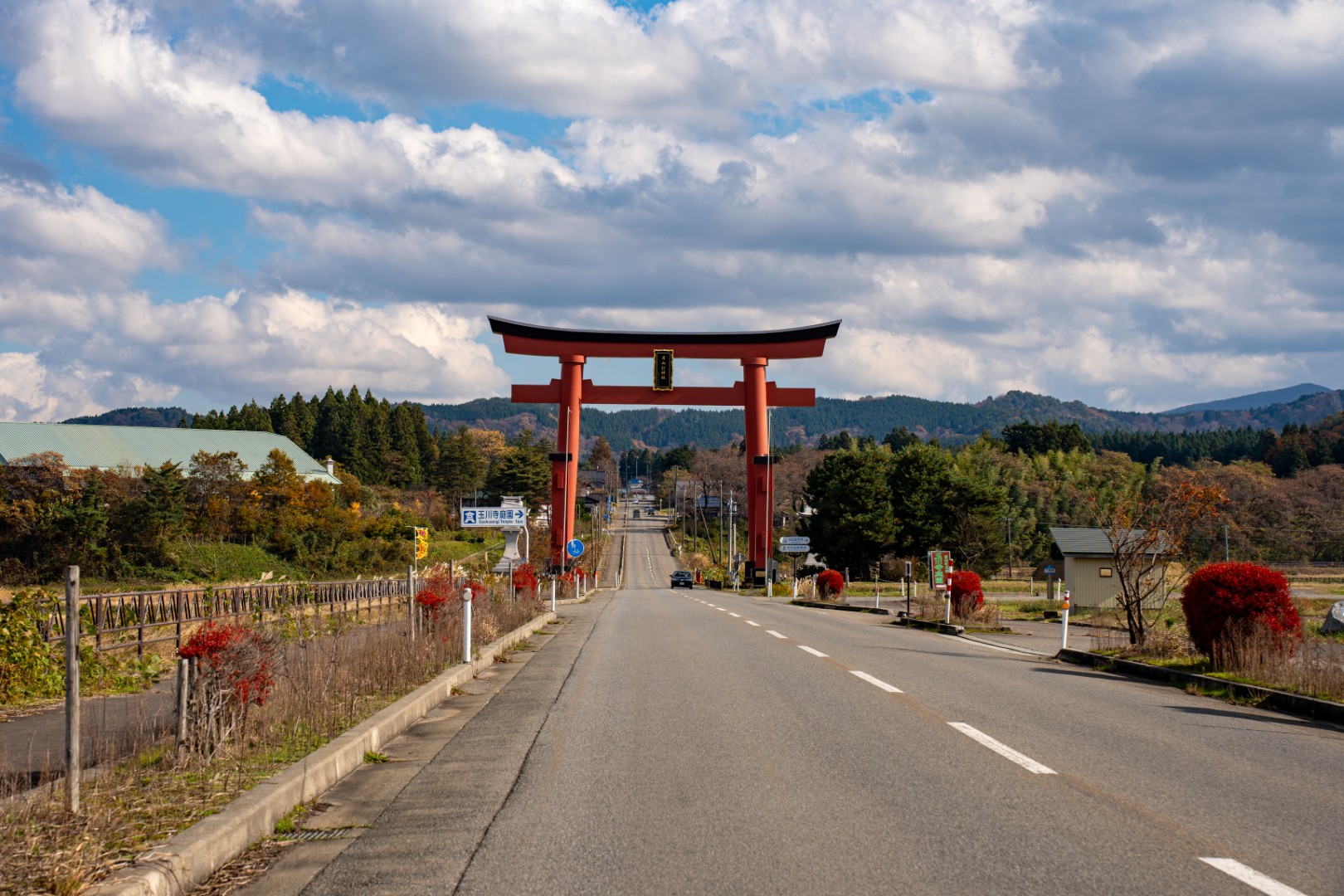
Haguro-san is home to the Dewasanzan shrine complex. While pilgrims usually climb the mountain via the stone stair path, we first drove to the top to visit the main hall and planned to walk the stairs afterward. The atmosphere drew us in immediately, even though the main hall, Sanjin Gosaiden, was under renovation. The building was last rebuilt in 1818 and stands 28 meters high, making it one of the largest wooden shrine buildings with a thatched roof in Japan.
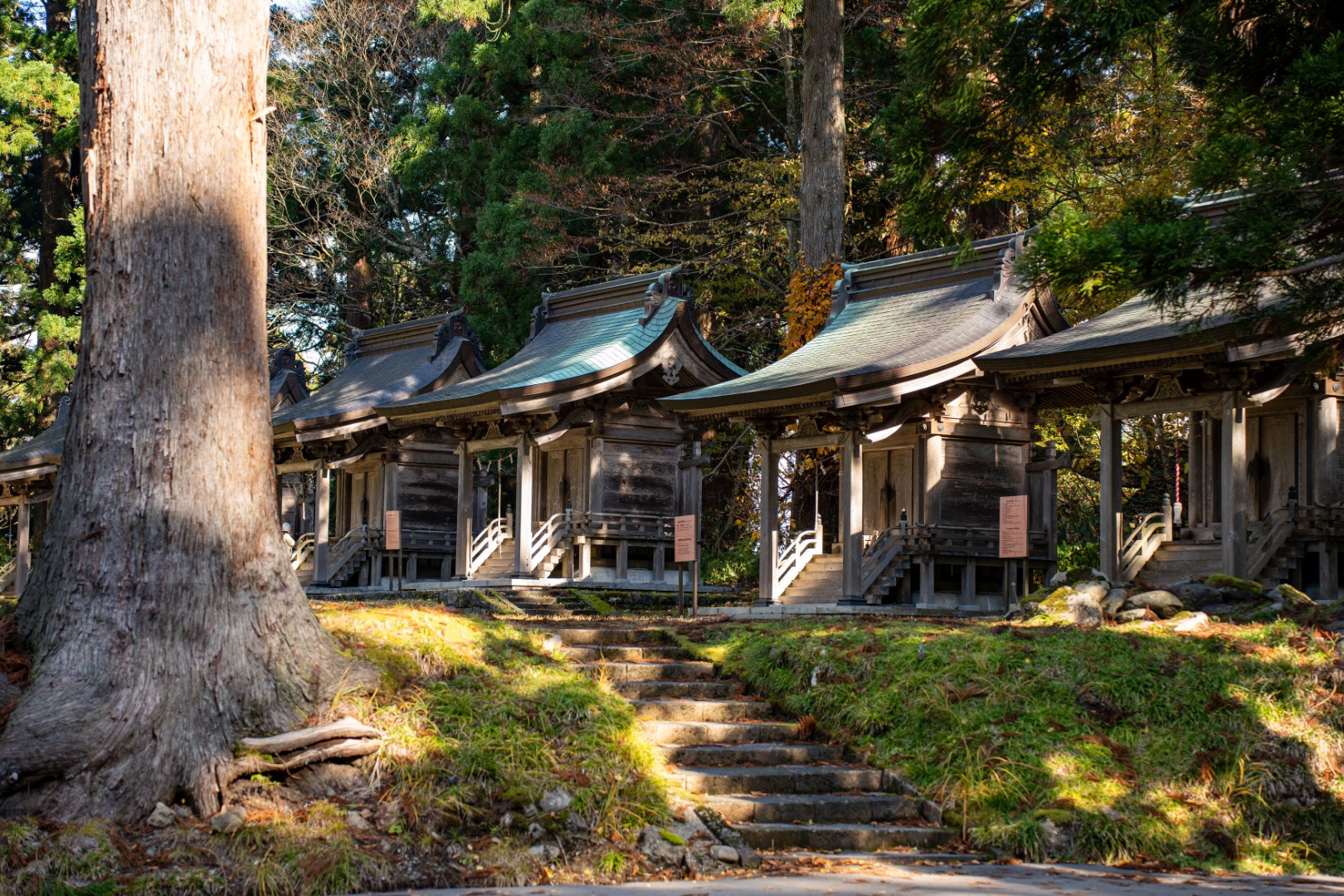
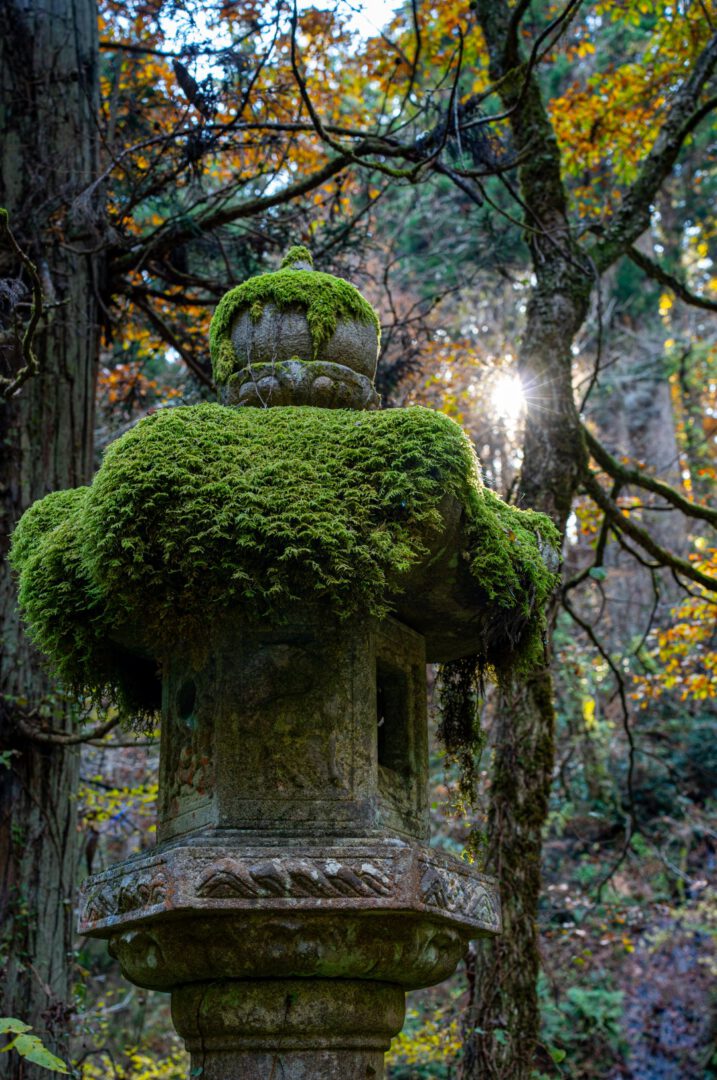
In front of the hall lies Kagami-ike, or Mirror Pond. Bronze mirrors were placed at the bottom long ago as offerings, and the water level remains stable despite the lack of a visible spring. Nearby stands a large copper bell cast around 400 years ago, which is only rung once a year.
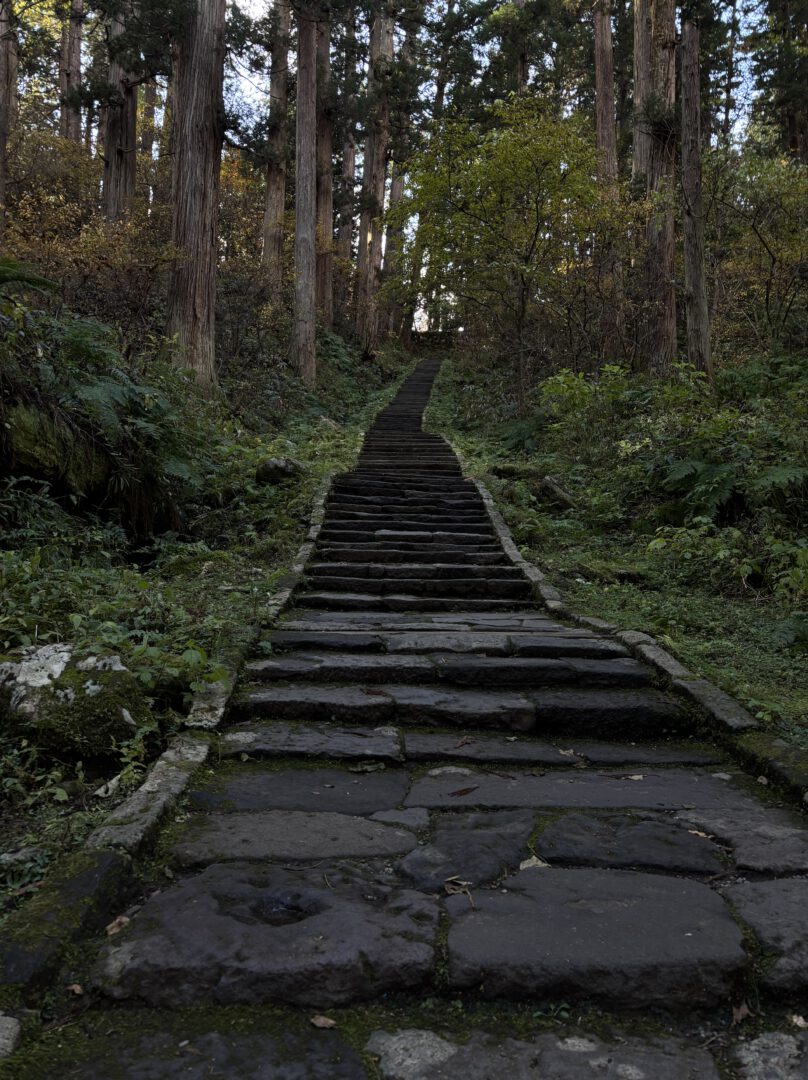
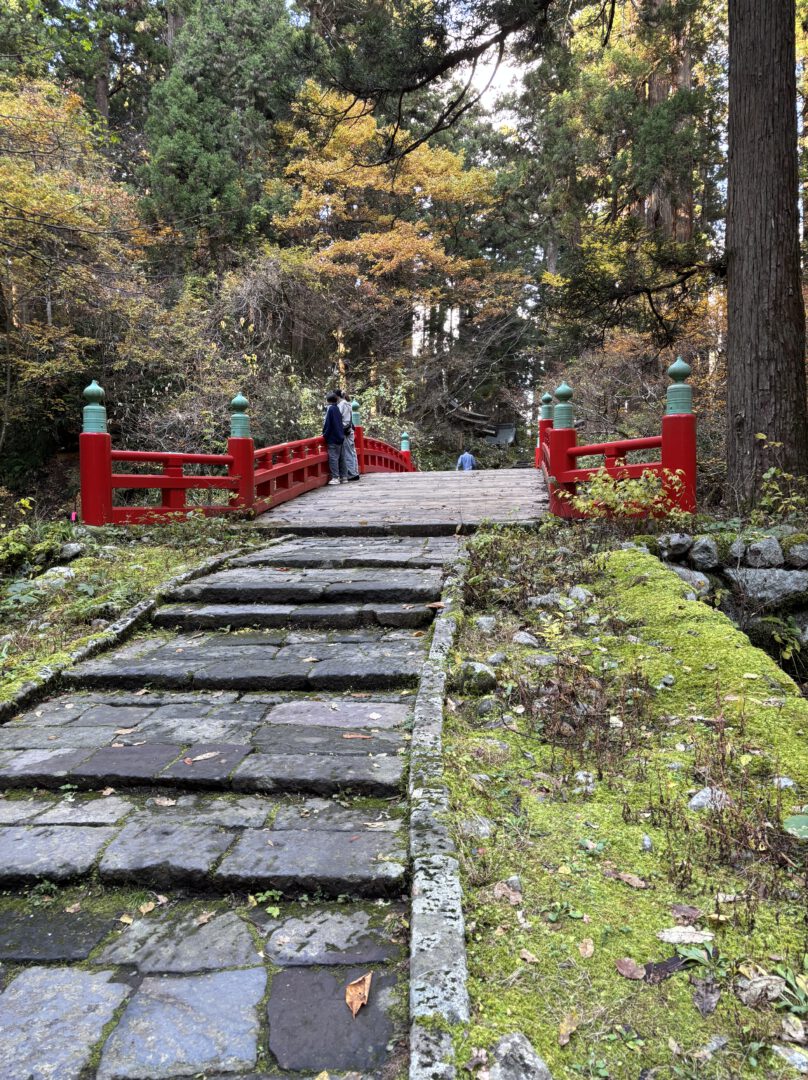
Afterward, we walked the stone stair path in reverse, starting from the top. The route passes through Zuishin-mon gate and into a dense cedar forest. The full path is about 1.7 kilometers long and includes 2,446 stone steps. Walking the entire route usually takes one to one and a half hours, and shoes with good grip are useful, especially in wet weather.
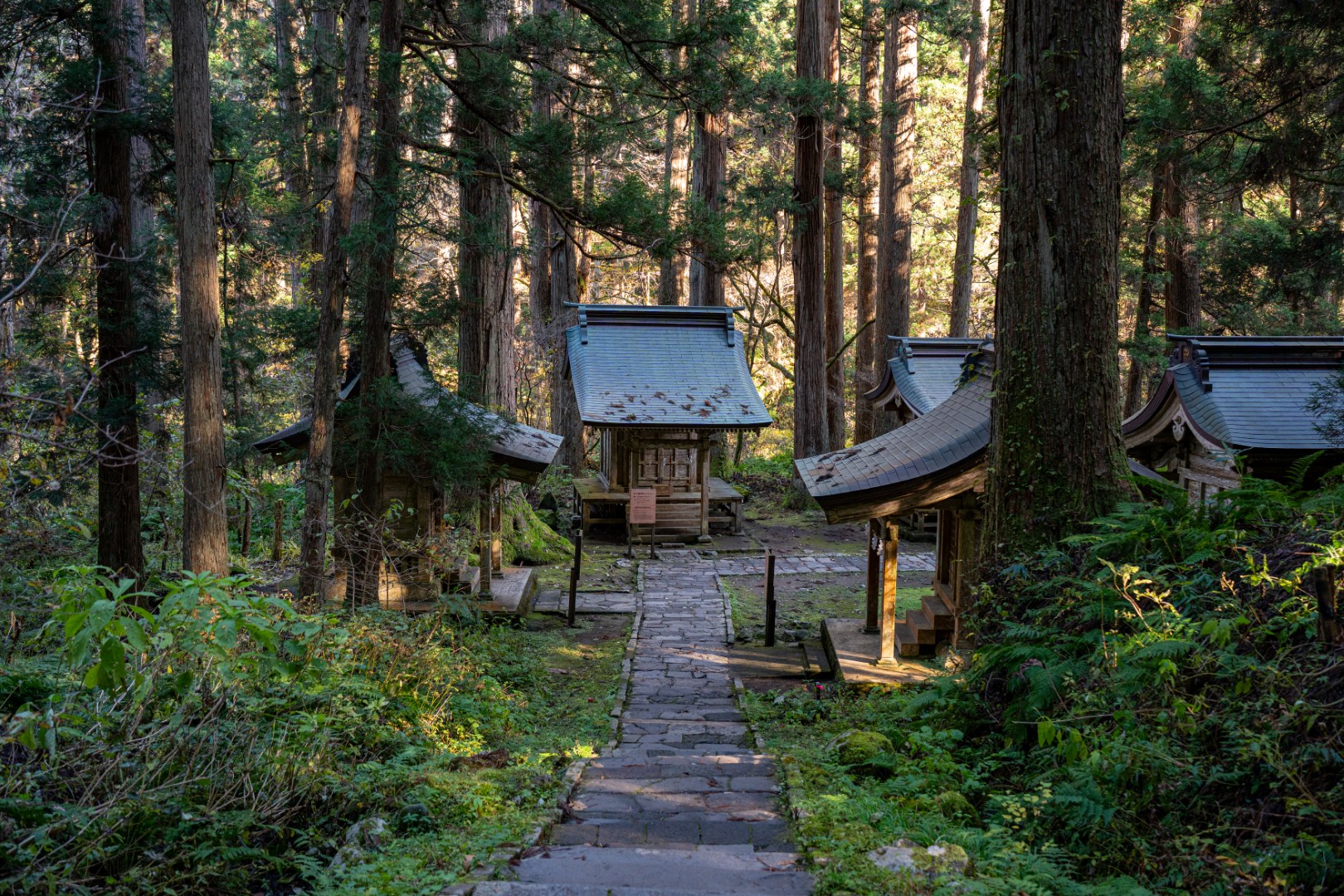
Among the trees is the Grandpa Cedar, said to be over 400 years old. A nearby tree known as the Grandma Cedar was struck by lightning about ten years ago and no longer stands.
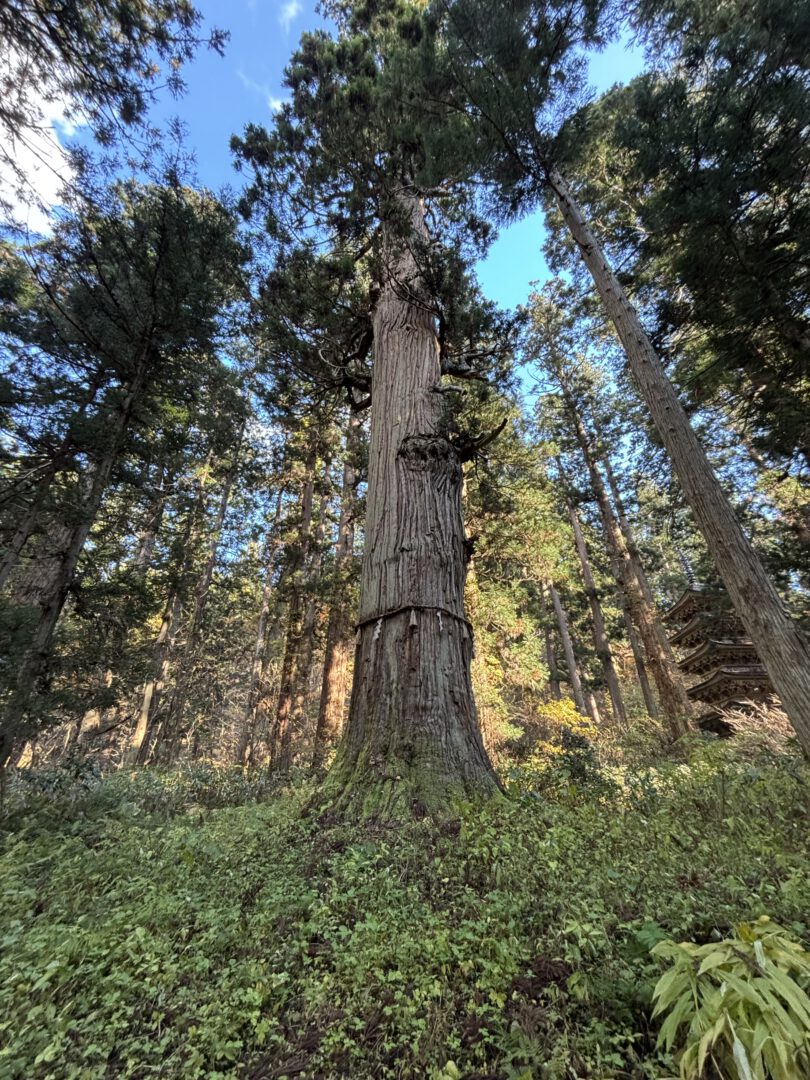
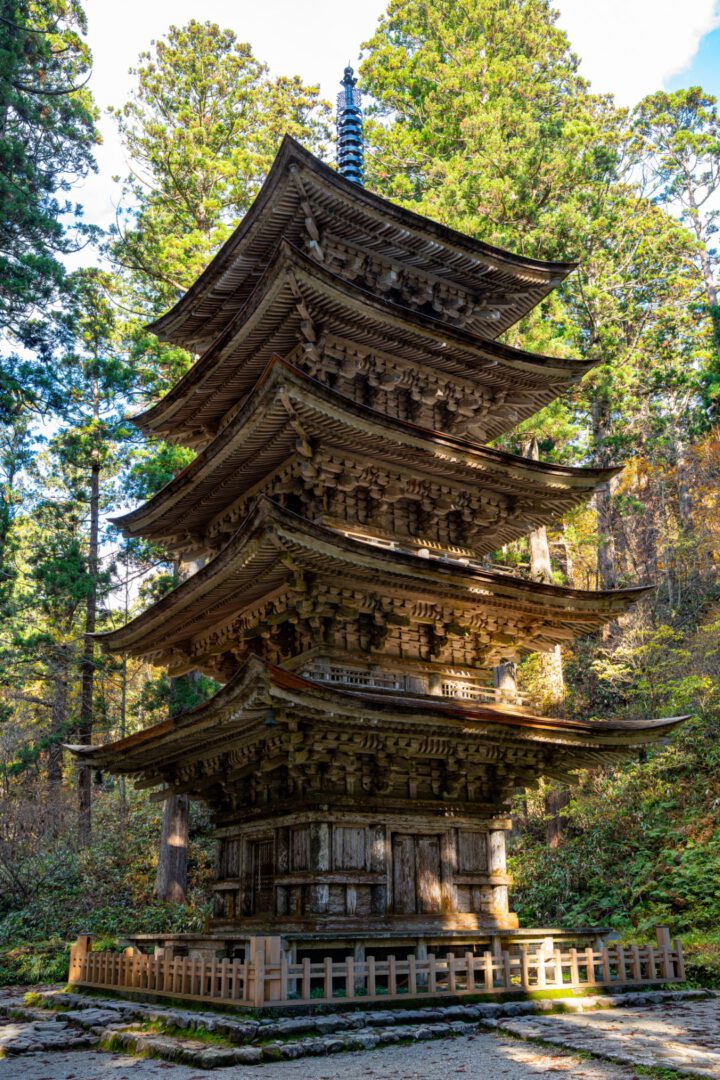
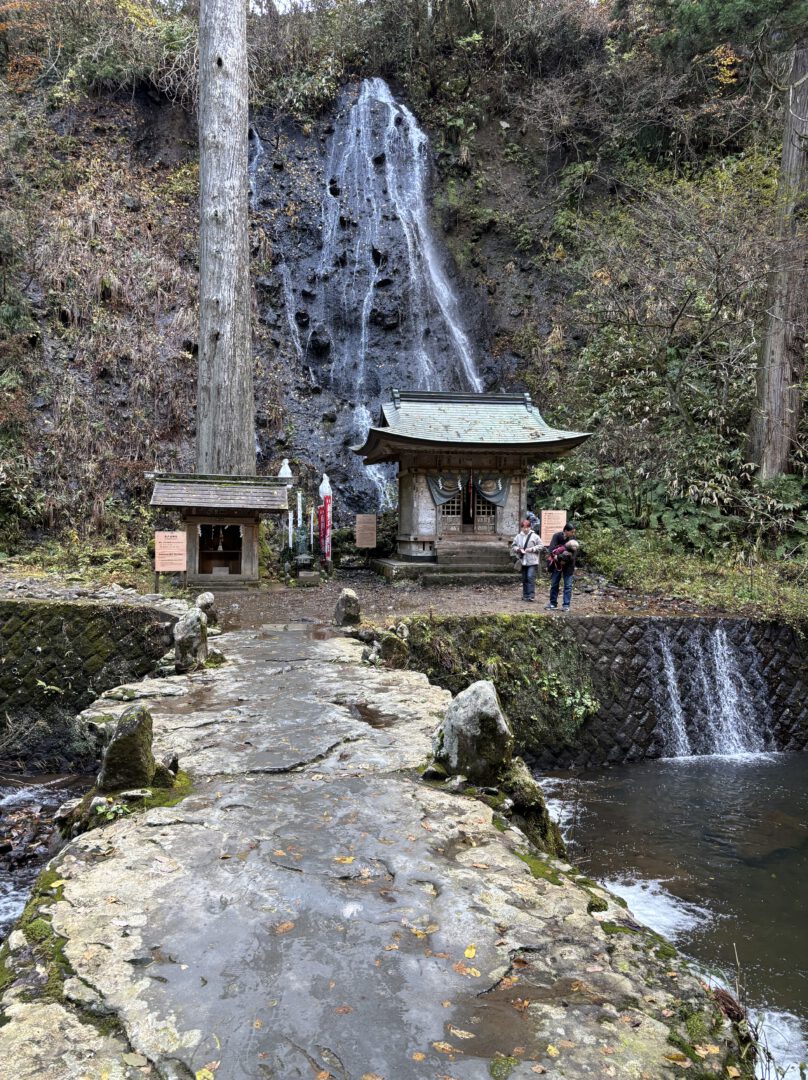
Further down, we reached a man-made waterfall dating back several centuries and then the five-story pagoda. First built in 937 and later restored, it reflects a time when Buddhist and Shinto practices were closely linked.
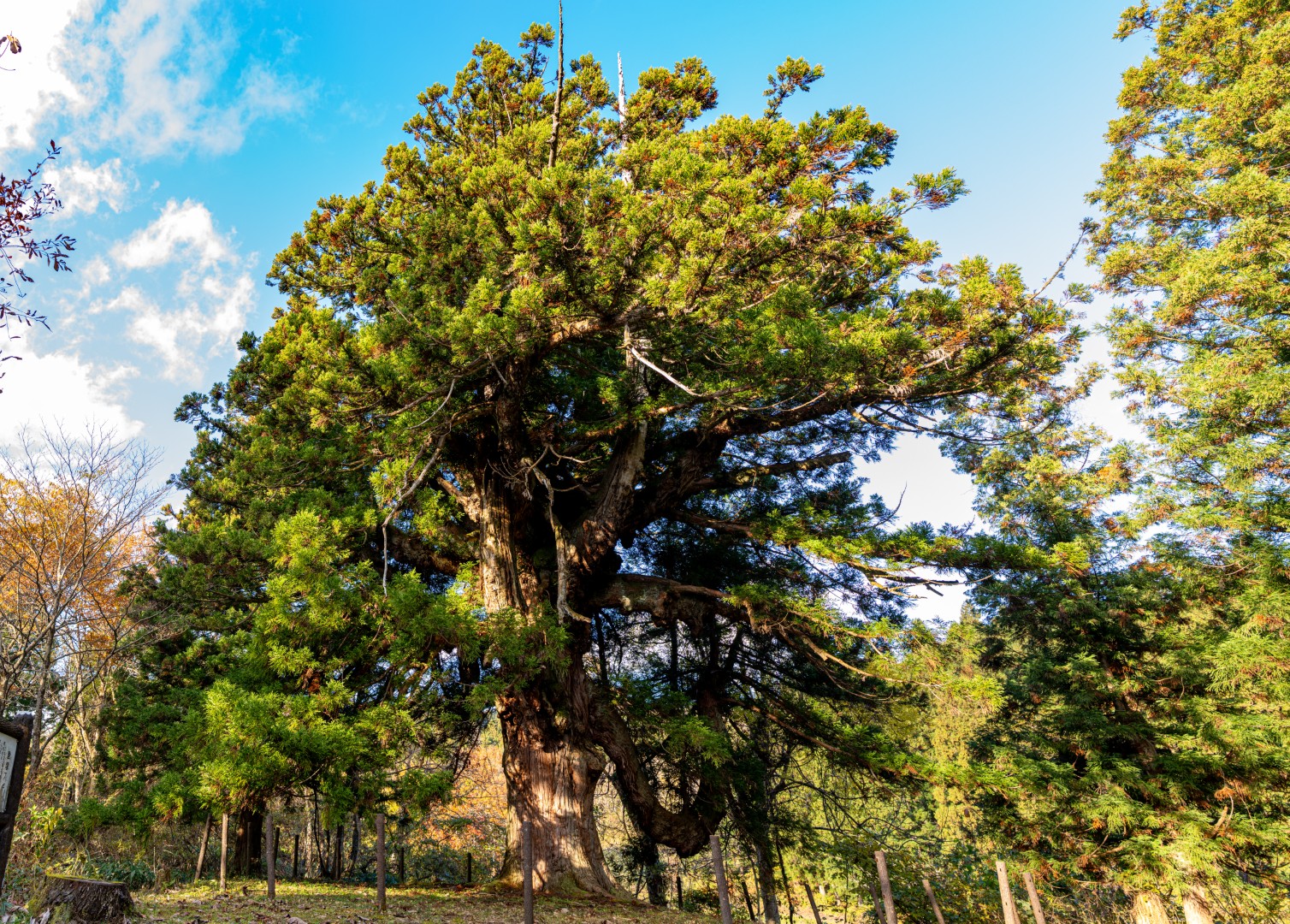
Because Mount Gassan and Mount Yudono are usually open only from late spring to early autumn due to heavy snow, we looked for a nearby viewpoint instead. Along the way, we stopped to see a pine tree said to be around 1,800 years old. After a short hike in the middle of nowhere, we found indeed the arguably oldest pine tree in Japan.
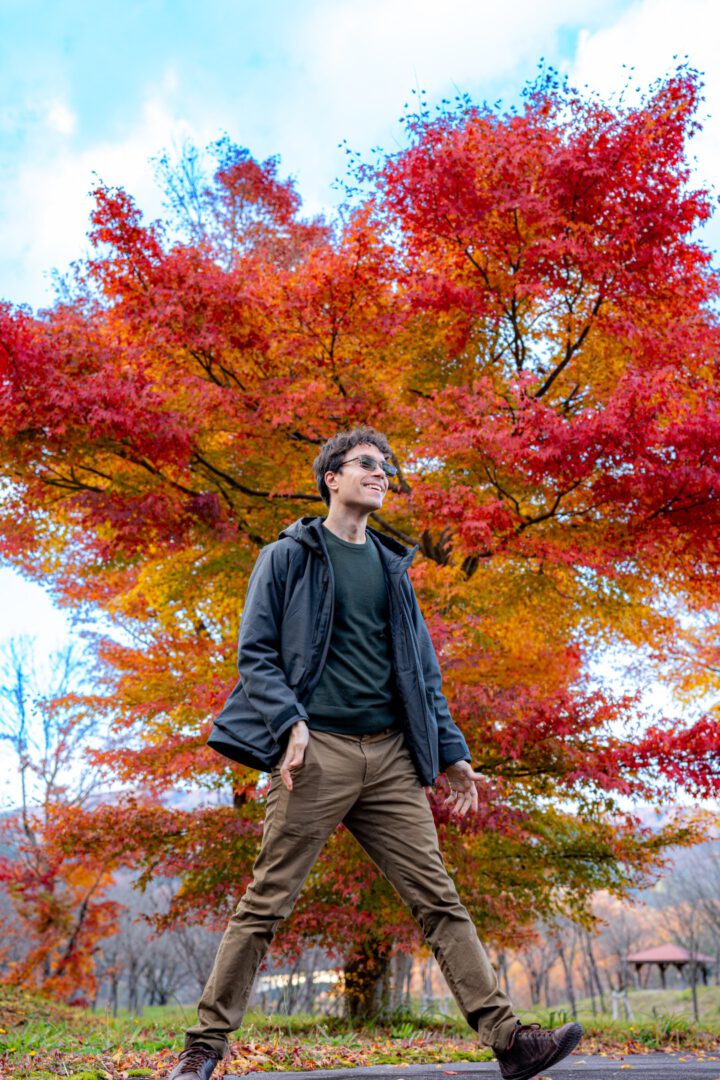
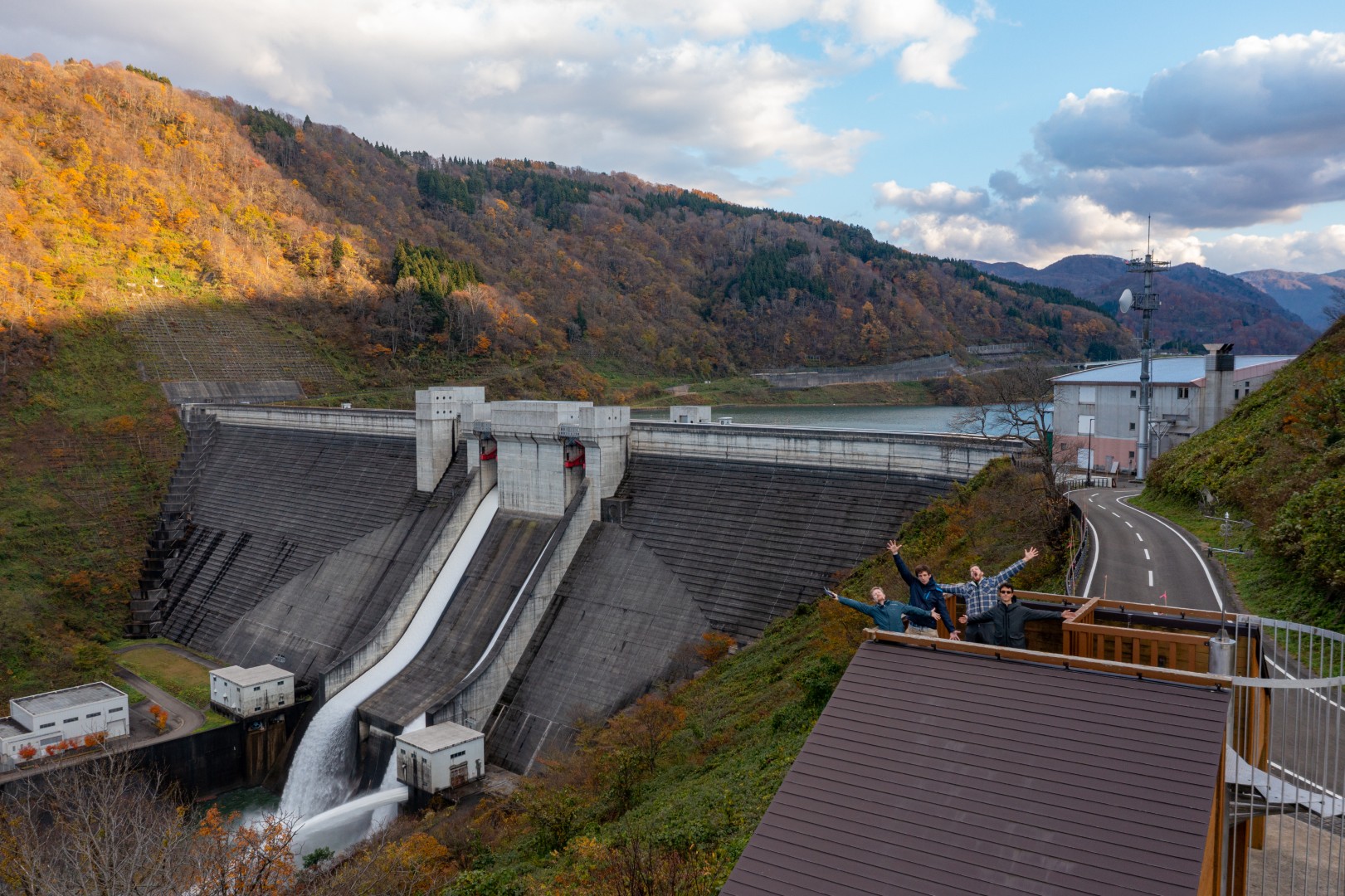
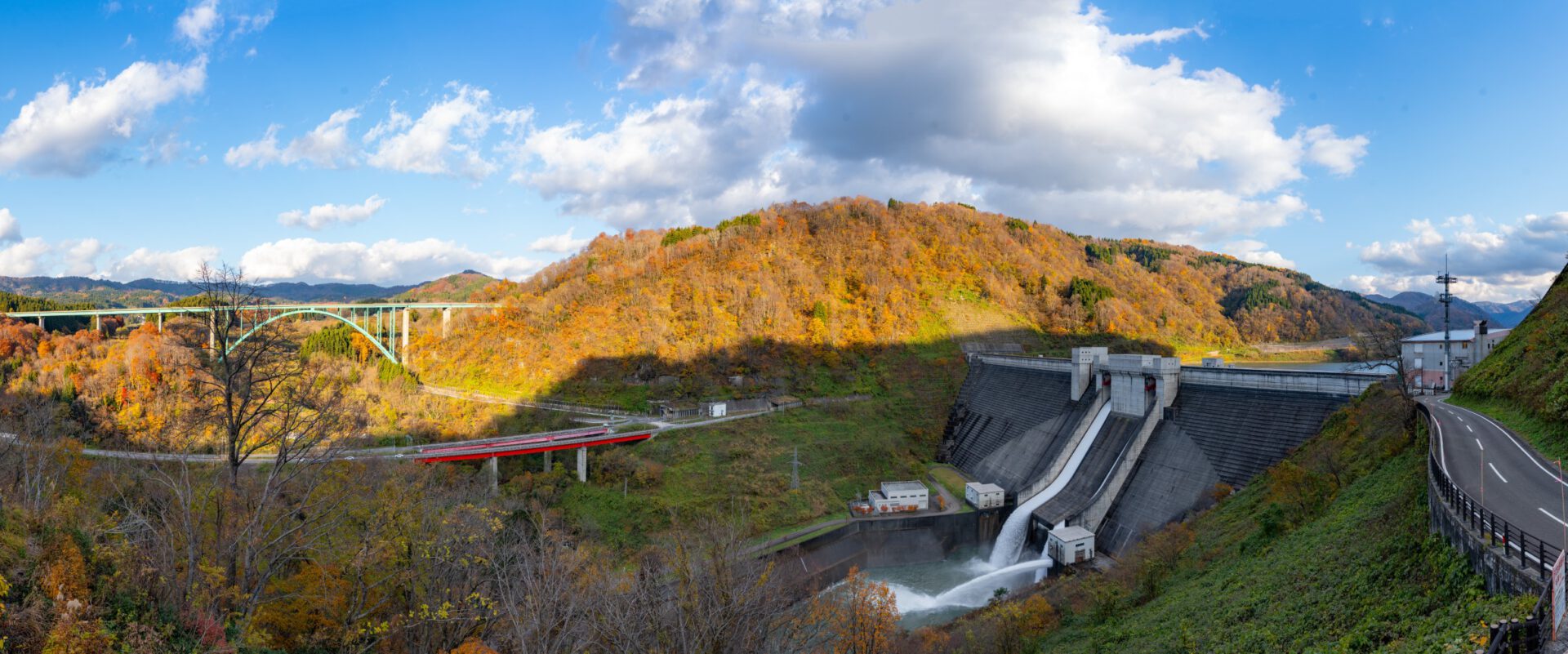
Near a dam close to Mount Gassan, we filmed some footage and took in the autumn scenery before heading toward Niigata.
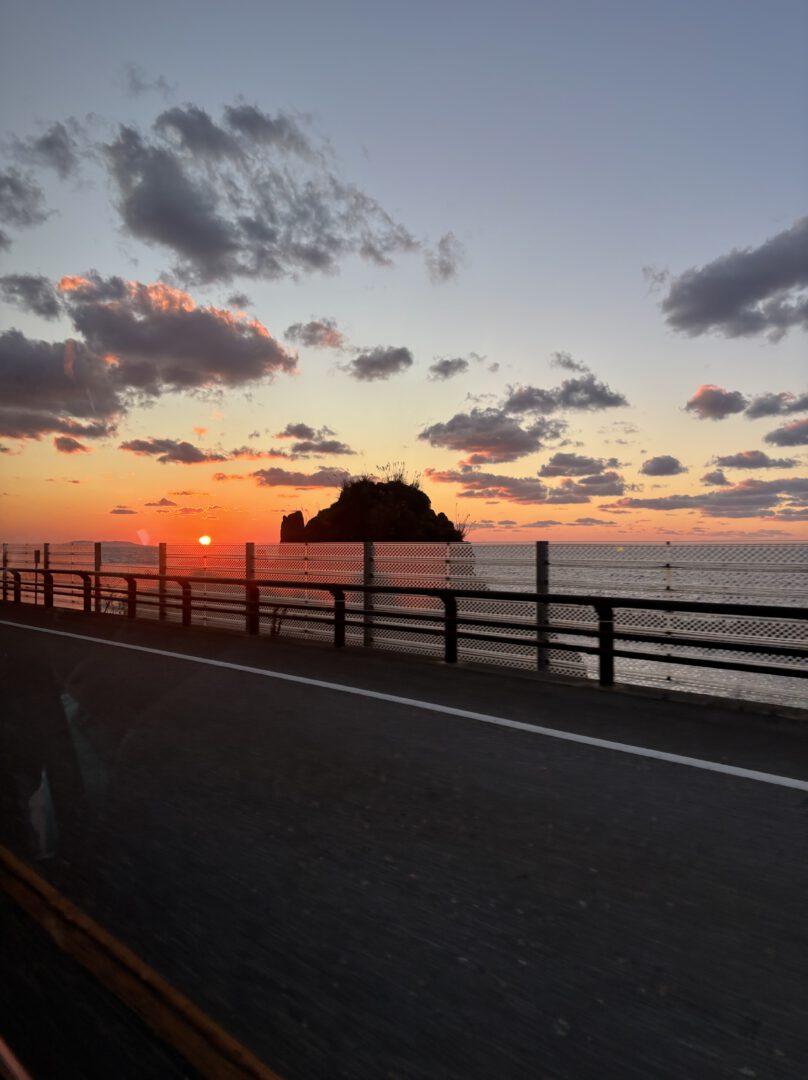
As the sun began to set, we reached the coastline and pulled over near a small roadside repair shop. The owner looked surprised to see us appear, but allowed us to stay for a few minutes and watch the sun sink below the horizon. We then continued to Niigata, where we stayed one more night before leaving for Sado Island the next morning.

After a long drive, we arrived in Niigata in the evening and checked into the hotel. After many days in rural areas, being back in a larger urban setting felt slightly unfamiliar. This time we chose a standard Western-style hotel in a high-rise building, mainly for the view over the city and the coastline. We parked in the hotel’s designated lot, dropped our bags in our two rooms, and headed back out almost immediately.
For dinner, we were craving yakiniku. Near the station, we found ourselves in a busy nightlife district filled with bright signs and steady foot traffic. There were plenty of barbecue restaurants to choose from, but many looked either overpriced or not quite convincing. We walked several loops around the area before finally spotting a small, tucked-away yakiniku place hidden inside a mixed-use building. From the outside it looked plain and easy to miss, and without Google Maps we probably would not have found it.
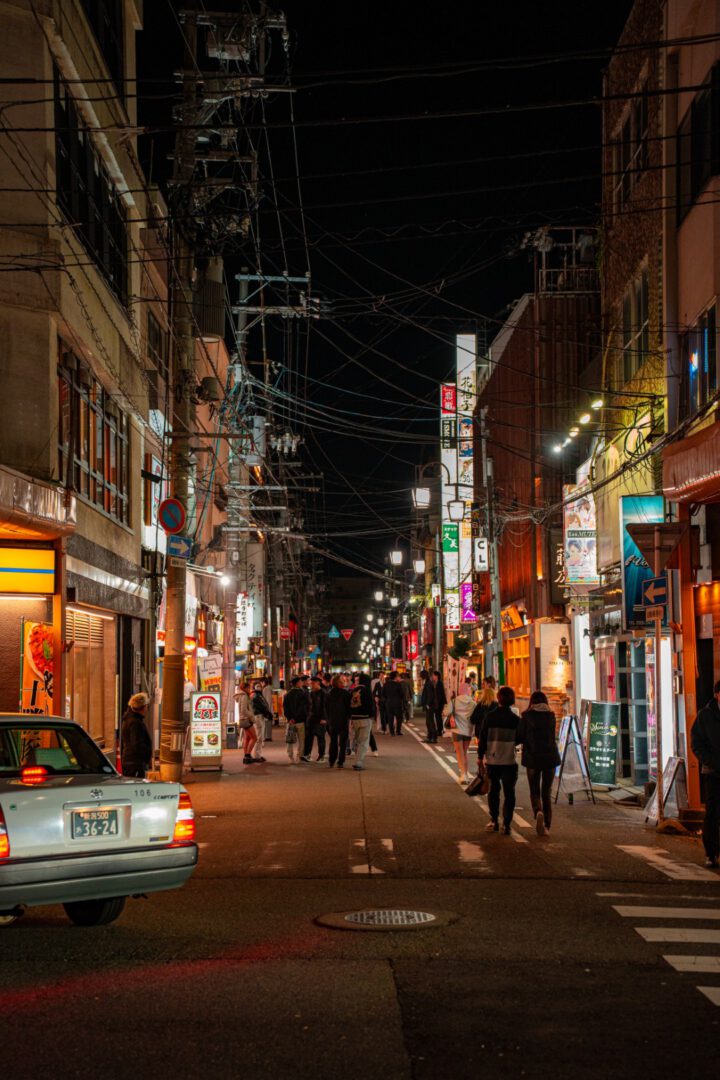
The decision paid off. The prices were modest, the service attentive, and we enjoyed grilling different cuts of beef, chicken, and pork at our table. I tried to introduce the others to horumon, a typical offal dish, and ordered a plate to share. It turned out that I was the only one who appreciated it, so I ended up finishing it myself.
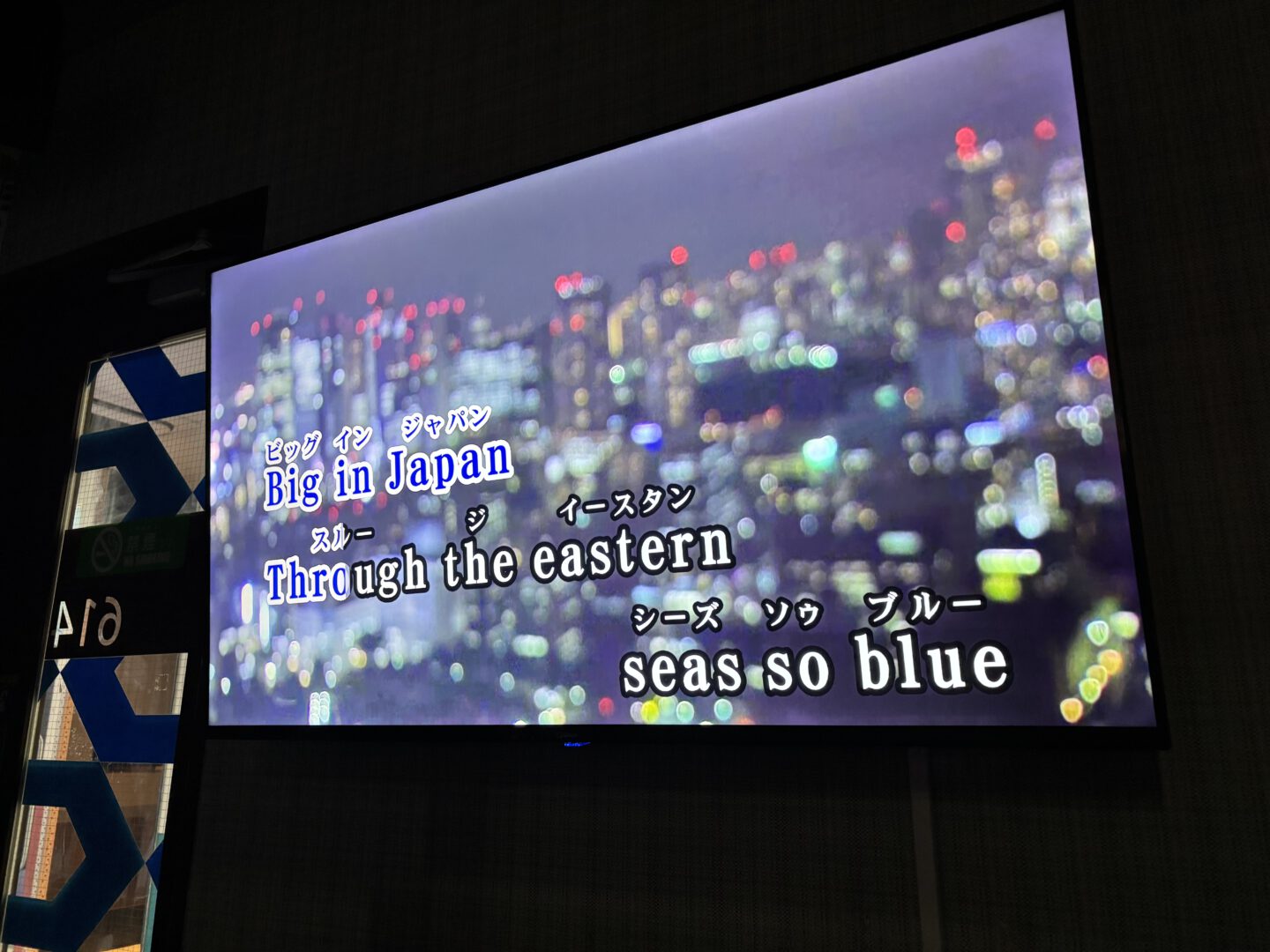
After dinner, and now fully back in city mode, we went to karaoke again for the first time since Aomori. We spent the evening singing loudly and without much concern for technique. When we left, we briefly crossed paths with two groups of local youngsters and almost joined them for a while, but in the end we decided to call it a night. We wanted to leave early the next morning to catch the ferry to Sado Island.
Entdecke mehr von Tabimonogatari - 旅物語
Melde dich für ein Abonnement an, um die neuesten Beiträge per E-Mail zu erhalten.