This trip began early in the morning in Zurich where I boarded my first flight to Vienna. I was lucky to get a good deal on an ANA ticket to Haneda from Zurich with a short layover in Vienna. ANA served me well on my last long-distance trip from Tokyo back to Munich, so I was on the lookout to get a good fare.
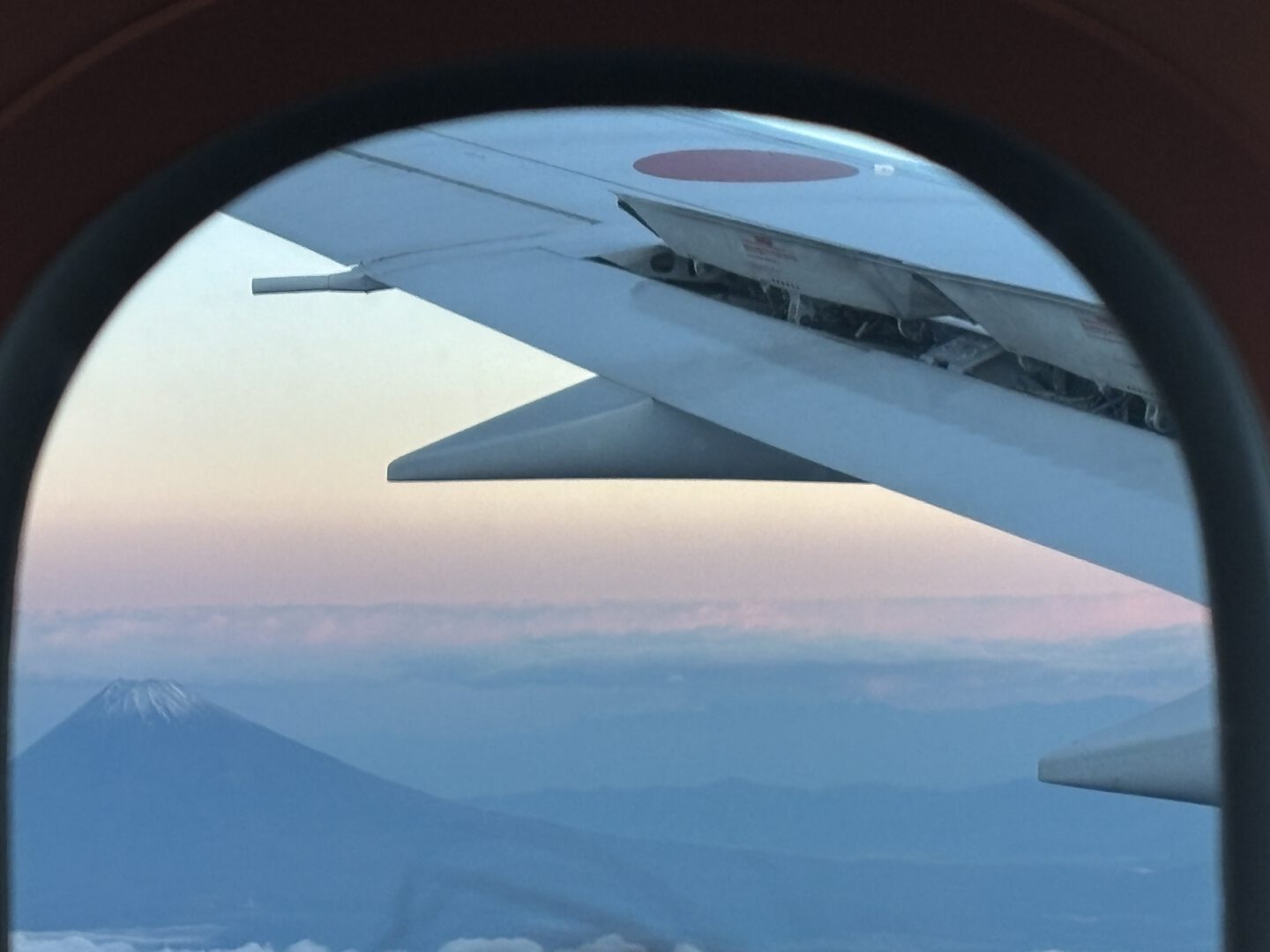
The flight was about 14 hours and when we made our approach towards Tokyo, I could see the sun rise over Mount Fuji with its little snow hat. I could not imagine a better start to this journey. Landing so early in Haneda made immigration and all related processes smooth, so I headed into town in less than an hour after landing.
The first day in Tokyo was fairly uneventful, so I will skim over it. I arrived in the morning and was completely exhausted, but instead of waiting around for shops to open or my hotel to allow check-in, I decided to use the quiet early hours to go to the cinema. It turned out to be a surprisingly good way to ease into the city again.
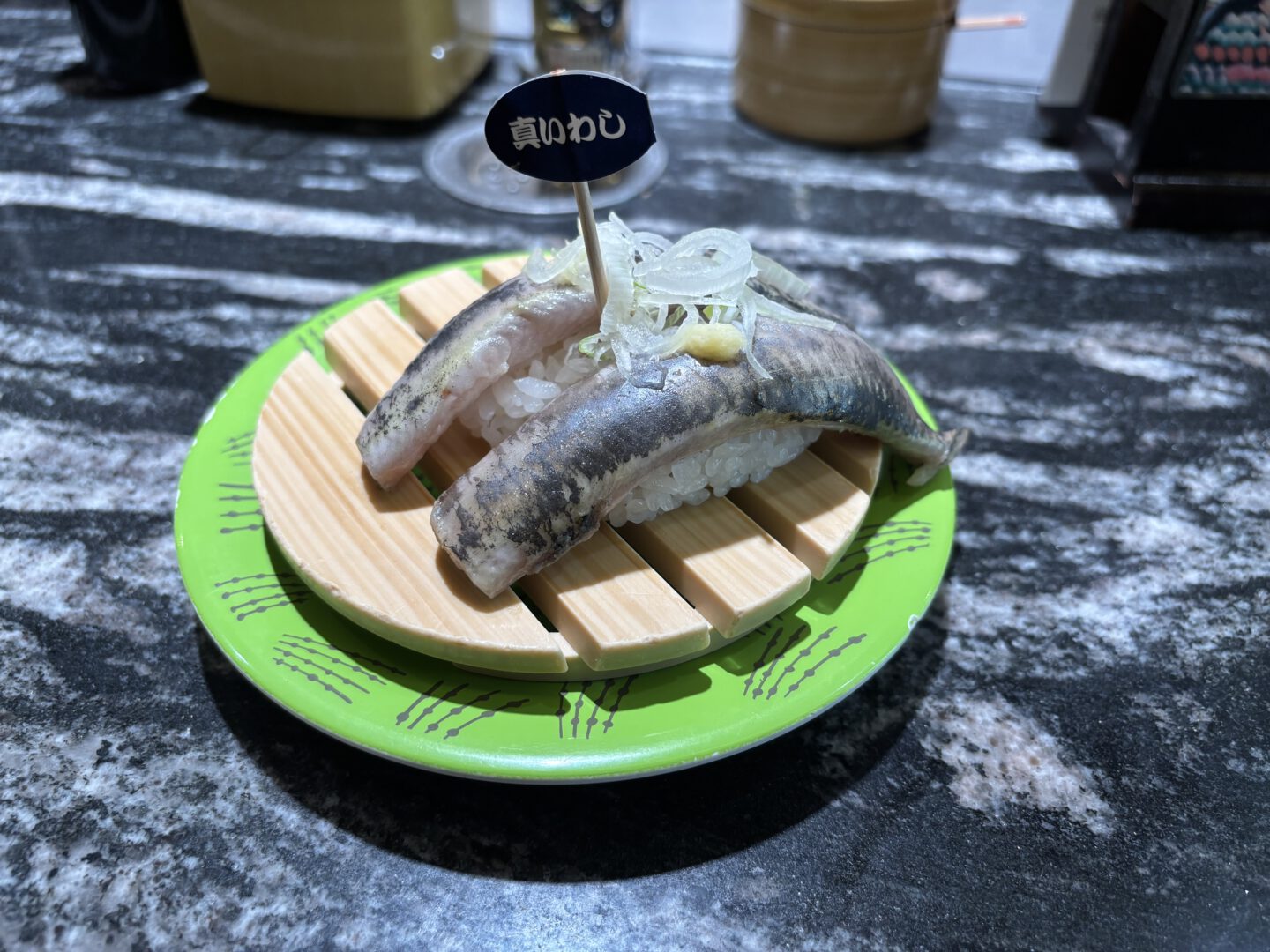
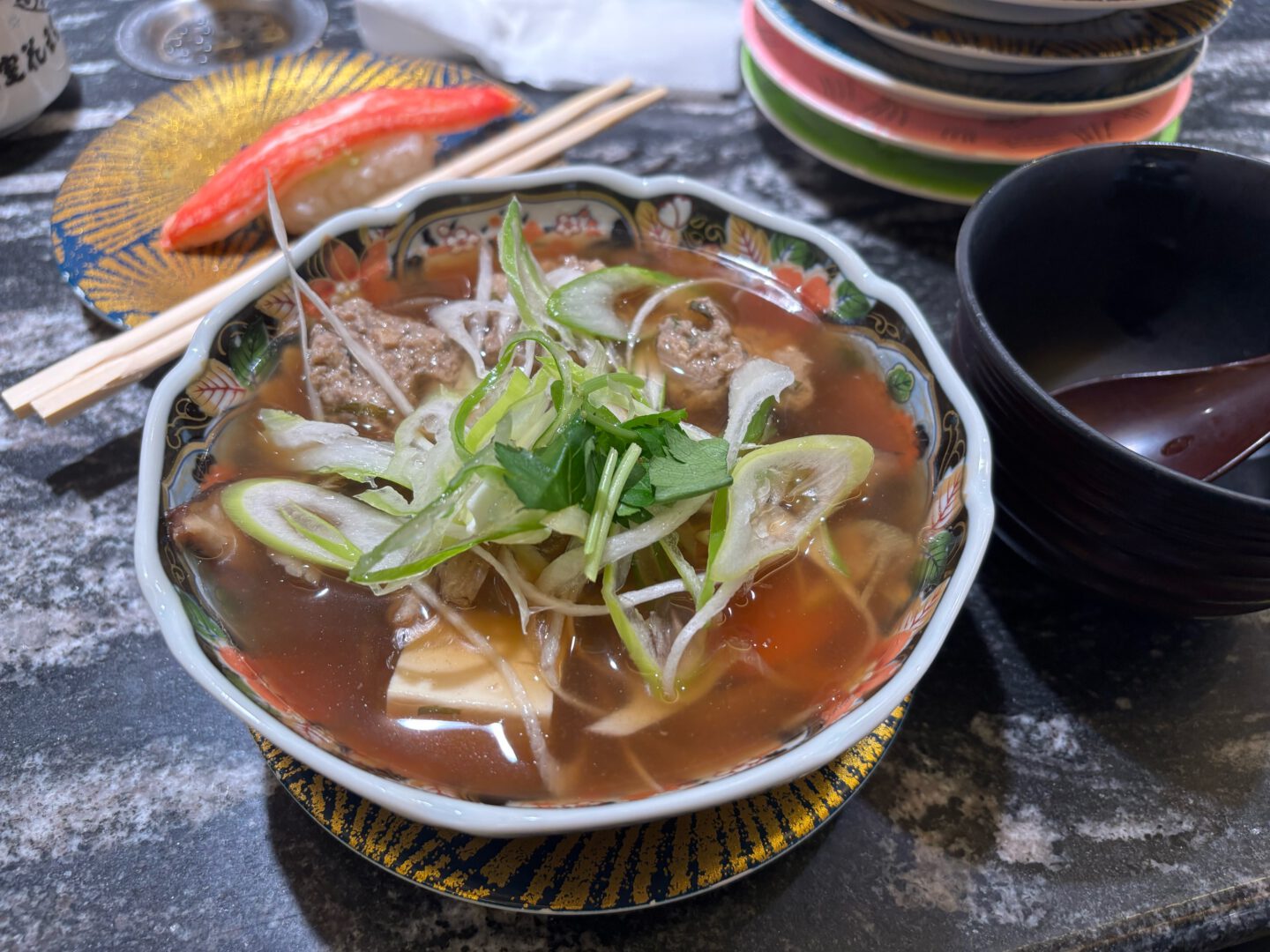
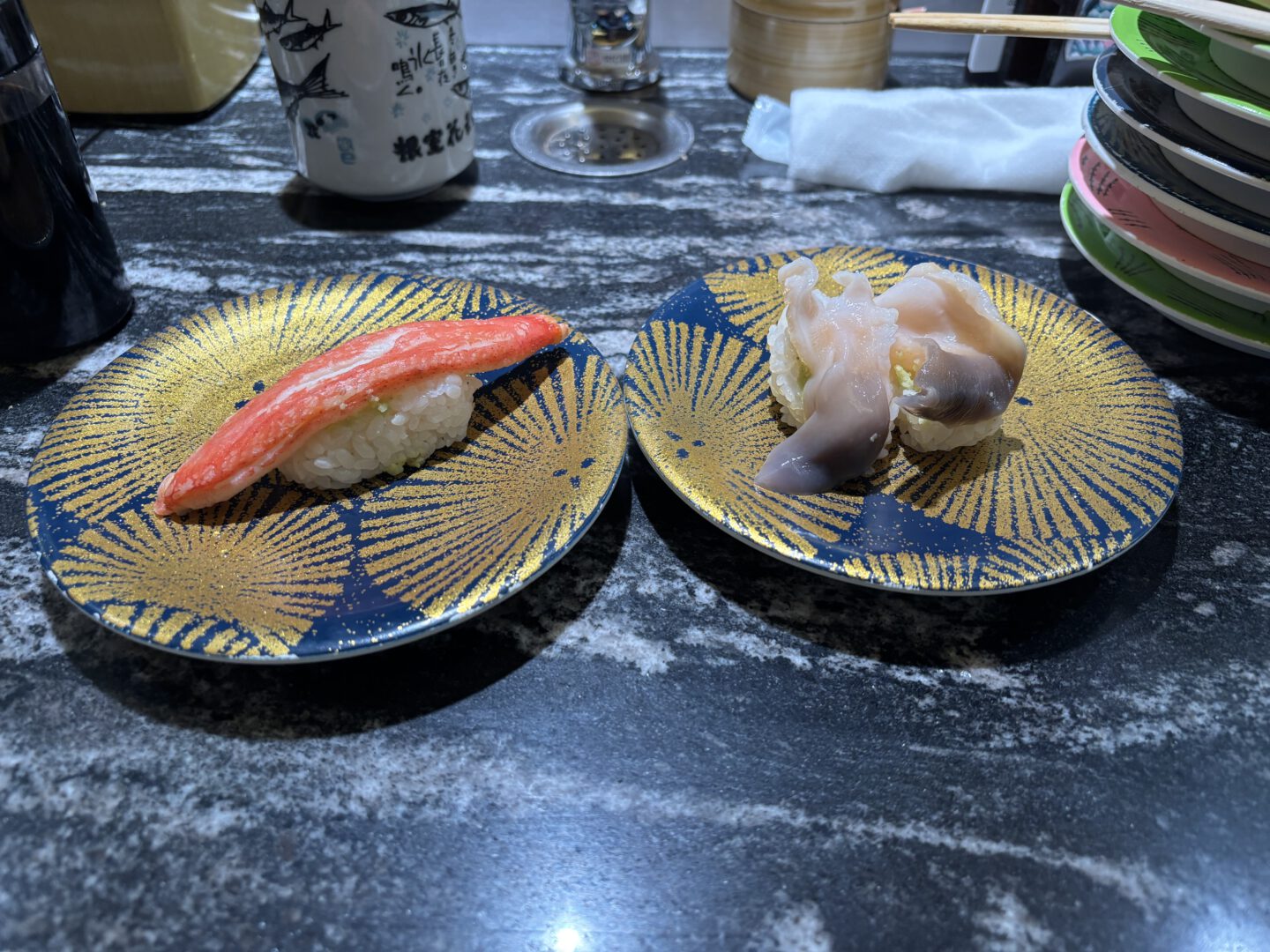
For lunch, I headed to Ginza for sushi as my first proper meal on the ground and ended up at Kaiten Zushi Nemuro Hanamaru on the top floor of the Tokyu Plaza building. While kaiten sushi is often associated with quick and casual dining, places like this show that conveyor-belt sushi can also be the setting for freshly caught local fish and shellfish.
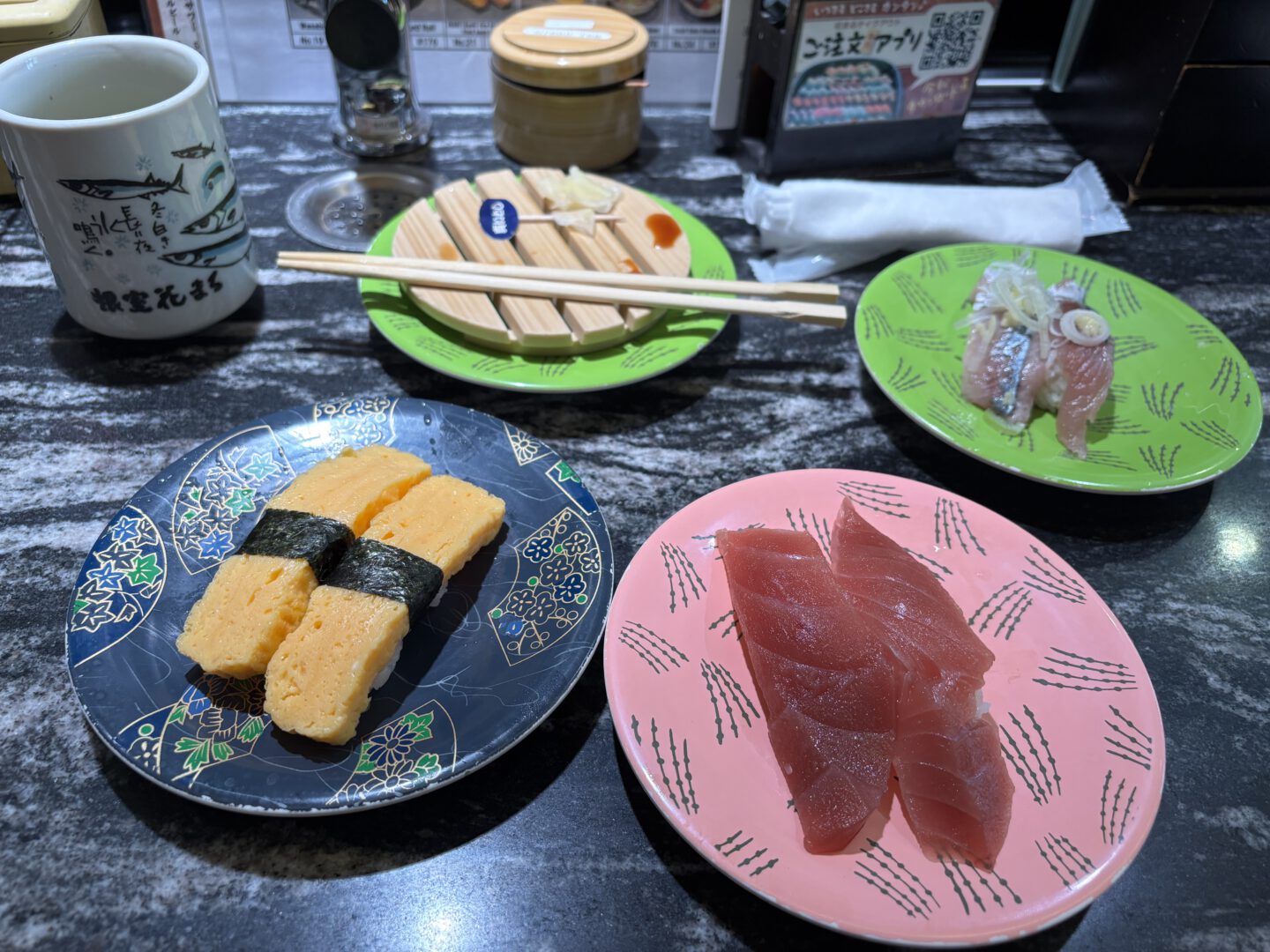
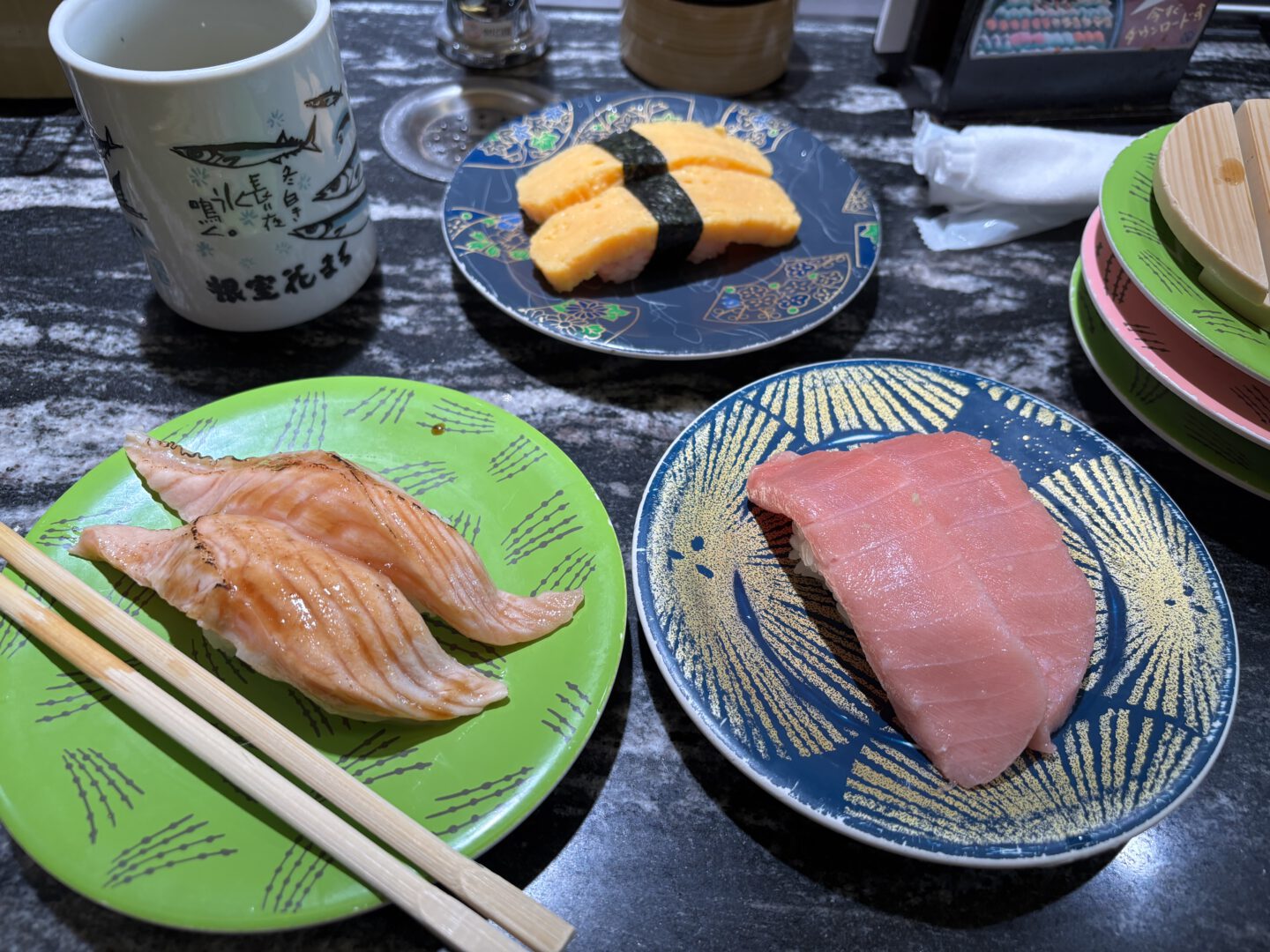
Jet lag stayed with me throughout the day. Since I had not slept on the plane during the so-called nighttime, I was effectively running on a 48-hour shift. That might not have been such a bad decision, as it forced my body to adjust more quickly. Still, I felt constantly tired, and caffeine did most of the heavy lifting.
After a late lunch, I finally checked into my hotel in Akihabara, well known for electronics and pop culture. It is also one of the most practical places to stay if you plan to move around and out of Tokyo frequently. Next to Kanda this is my favorite area to stay in town.
After some well-deserved sleep, I was ready to start the journey properly the next day.
On day two, we set off for a small side adventure to Chichibu, together with my two Swiss friends Reto and Micu, who were just wrapping up their own Japan trip.
Before leaving, logistics needed to be solved. I had two large suitcases with me, and since I would be back in Tokyo two days later, I did not want to drag them to the countryside and back. One suitcase I already sent ahead to Aomori, and the other I deposited at the hotel. Most hotels will store luggage before or after check-in, but for a small fee, they are often happy to keep it for an extra day as well—something worth knowing if you plan similar detours.
At Ikebukuro I met Reto and we transferred to the Seibu Railway toward Chichibu. Seibu operates its own network distinct from JR, and for this route there are two main options: a slower local connection or the limited express. We chose the La View, one of Seibu’s special trains, which brought us directly to Chichibu in about two hours. The train looks slightly unusual from the outside and even more so on the inside, with a fully yellow interior, but it is comfortable and relaxed—well worth the surcharge.
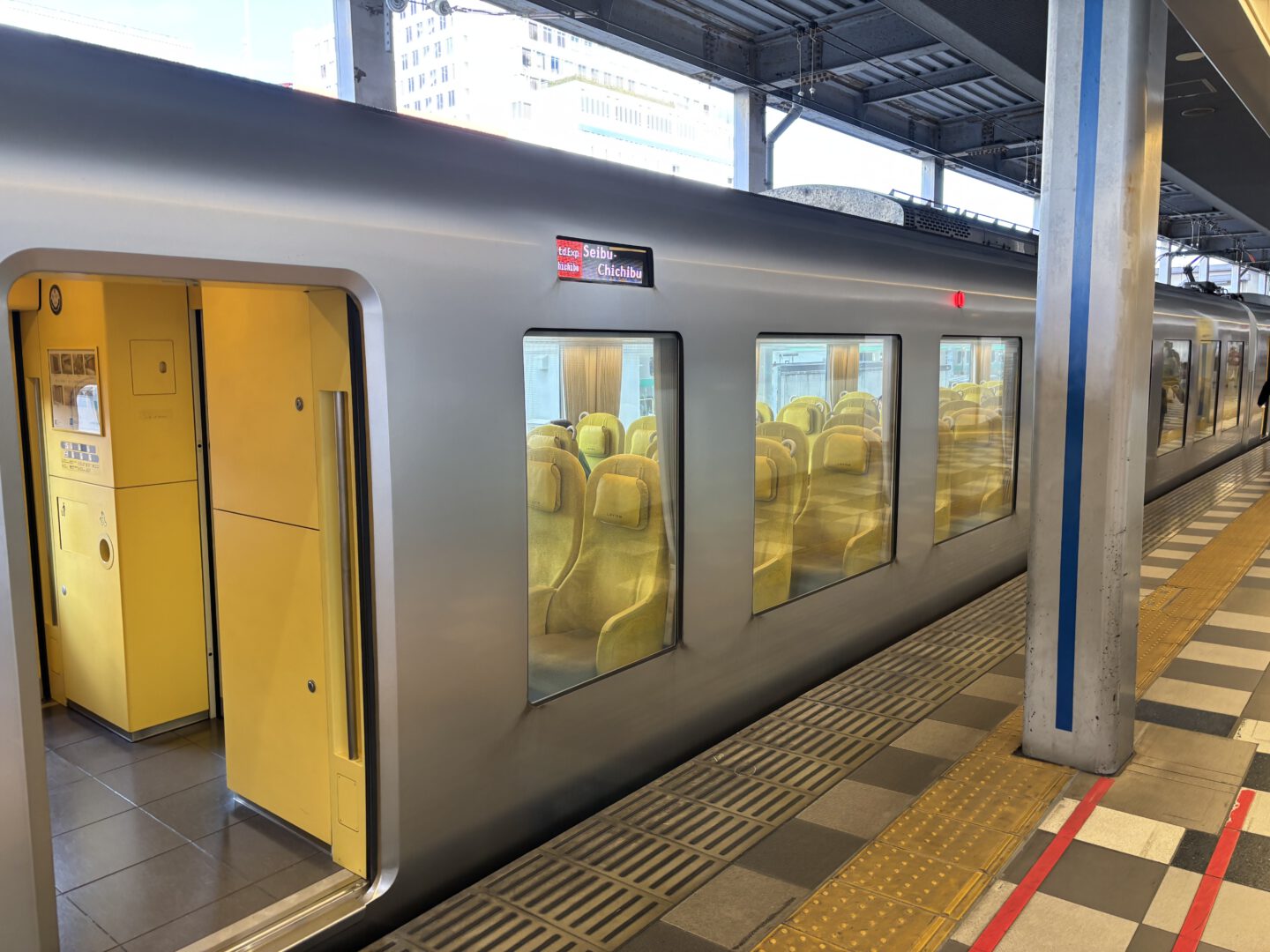
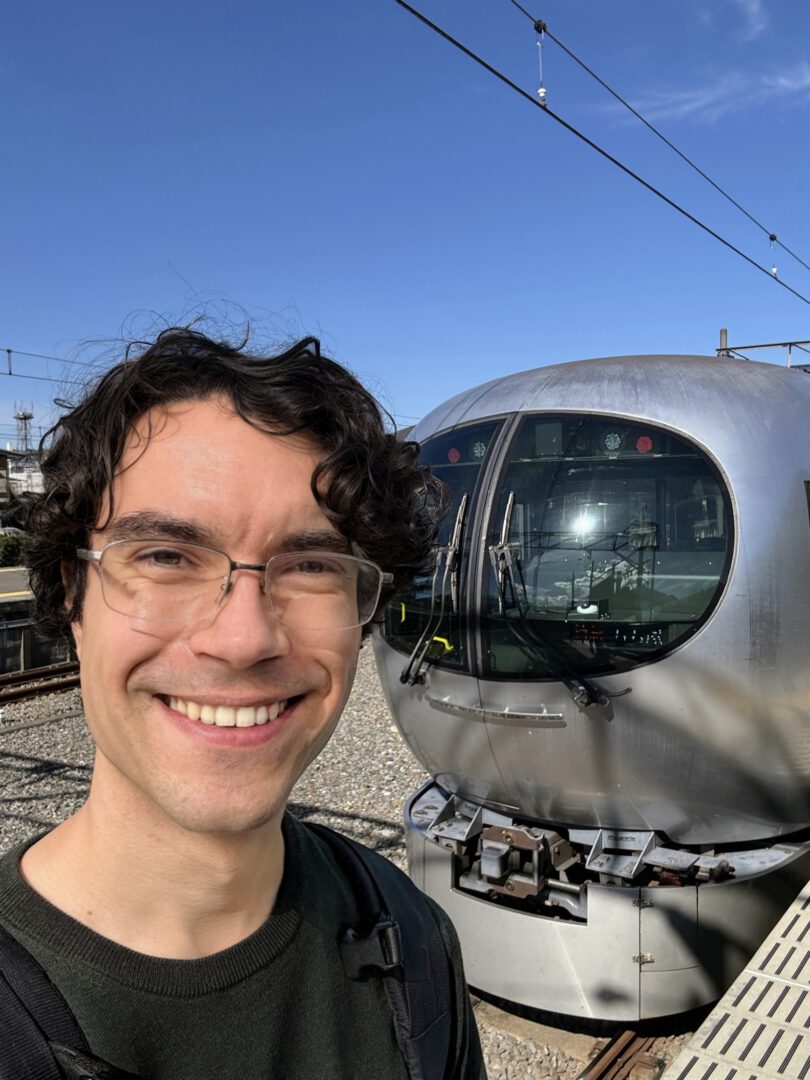
Leaving Tokyo behind, the scenery gradually shifted from dense urban neighborhoods to suburbs, forests, and finally mountain foothills. By the time we arrived in Chichibu, autumn was already making its presence felt. The leaves had just started to turn, and the town itself seemed to be slowly preparing for the colder season. I had been here twice before in autumn, but this time it felt noticeably quieter, almost subdued.
At the station, Micu was already waiting for us, and together we walked toward the city center. Posters advertising the Chichibu Yomatsuri were everywhere. The festival, held every year on December 2nd and 3rd, is one of Japan’s three major float festivals and has been celebrated for more than 300 years.
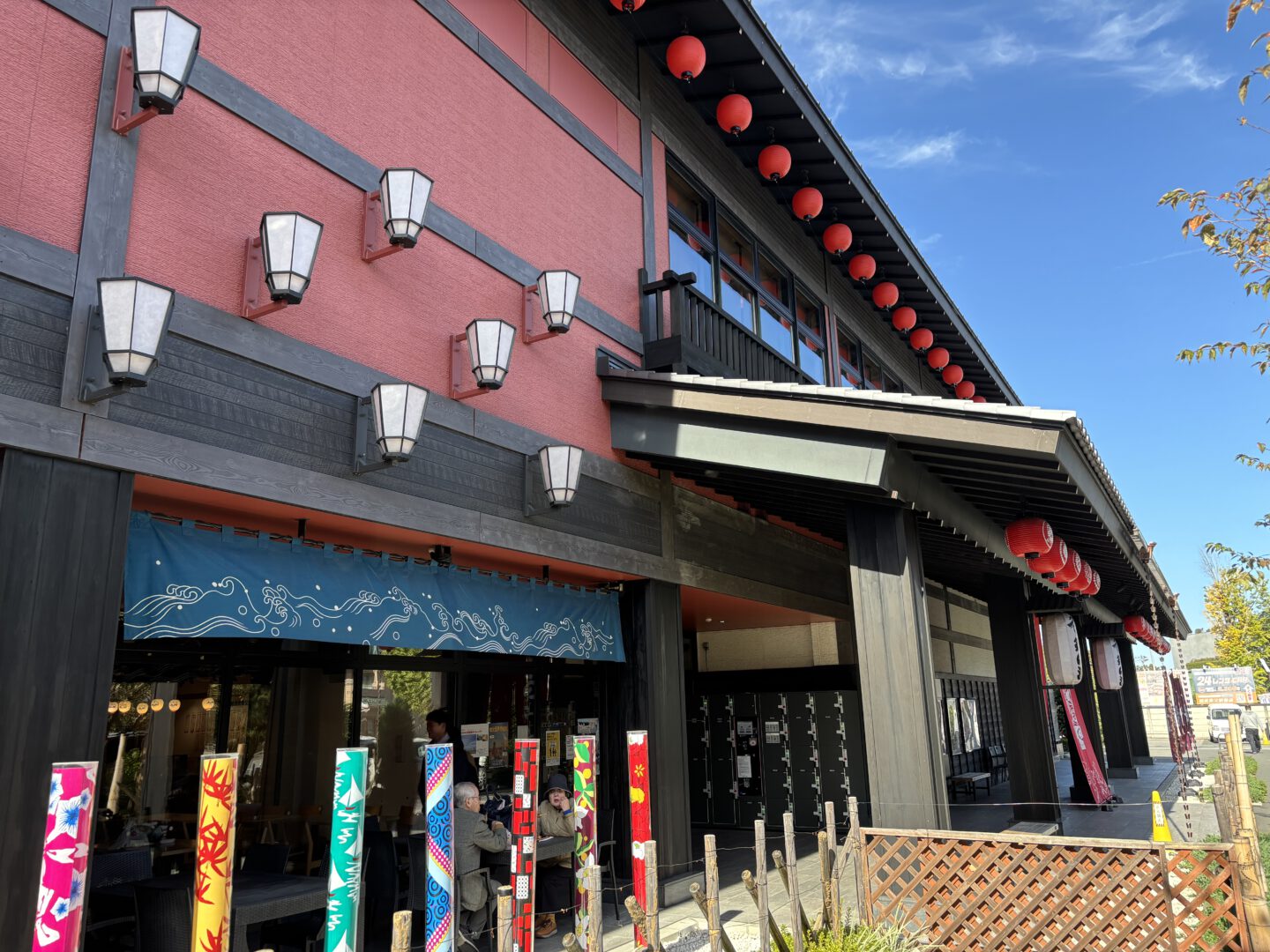
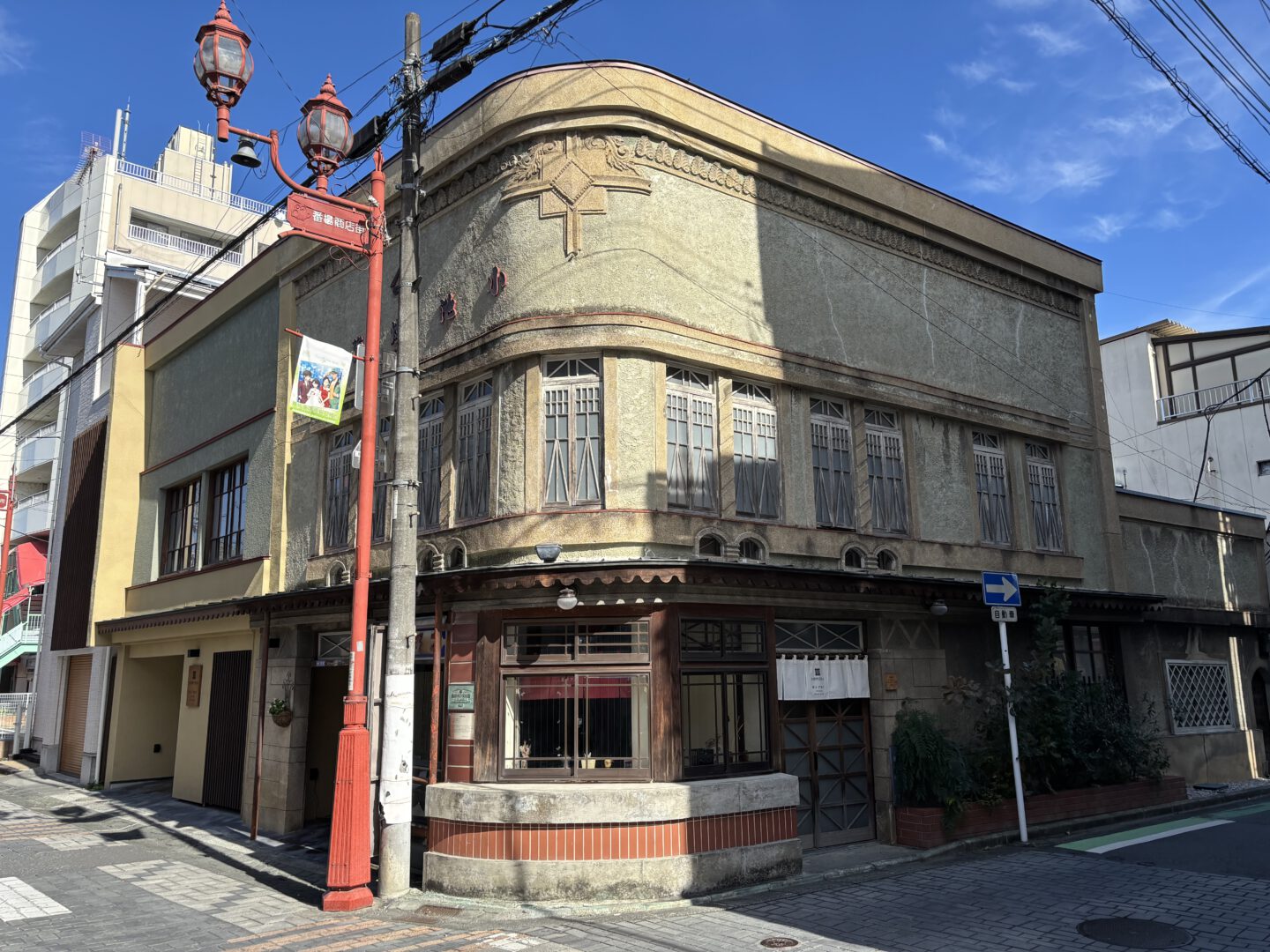
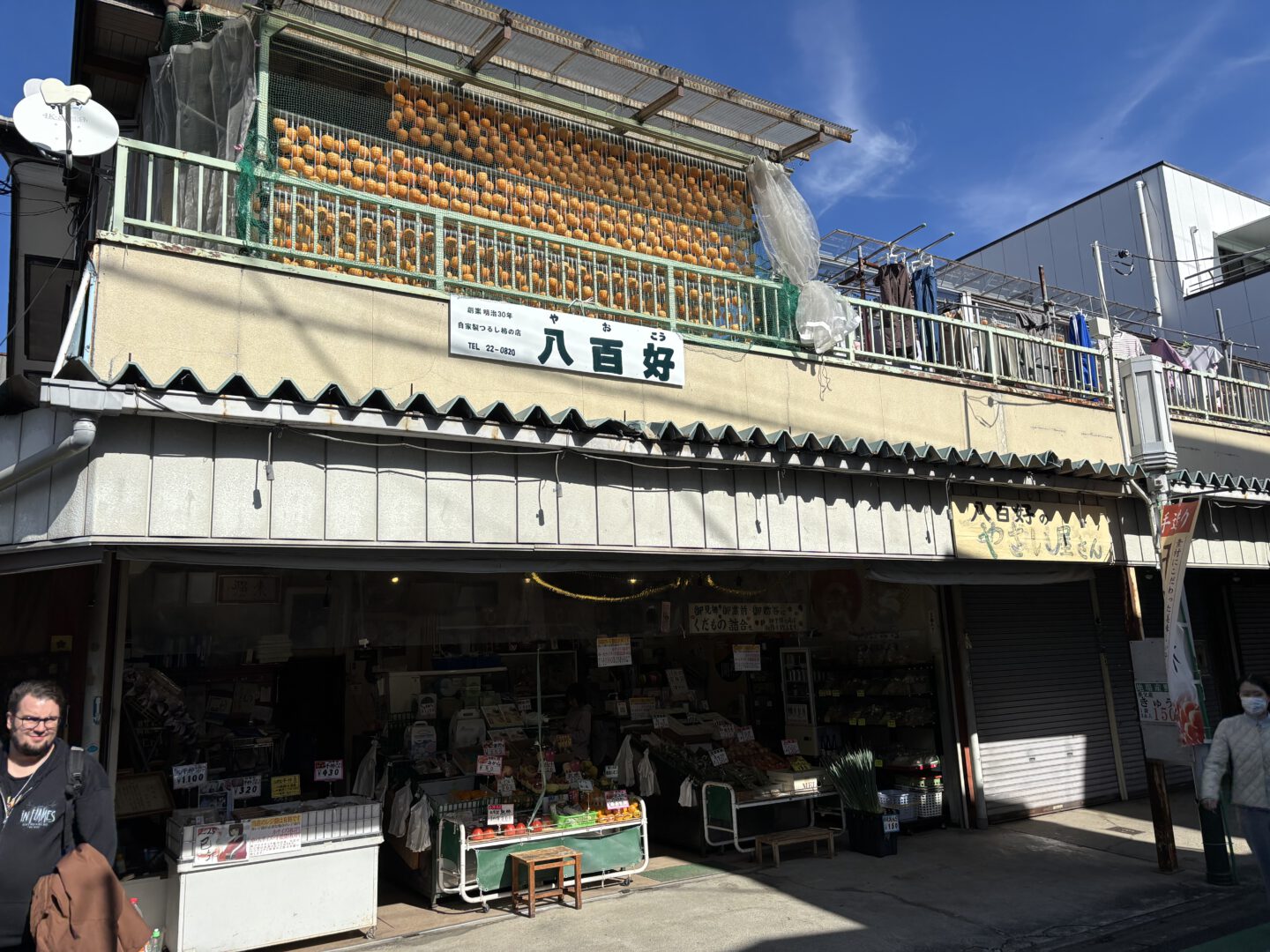
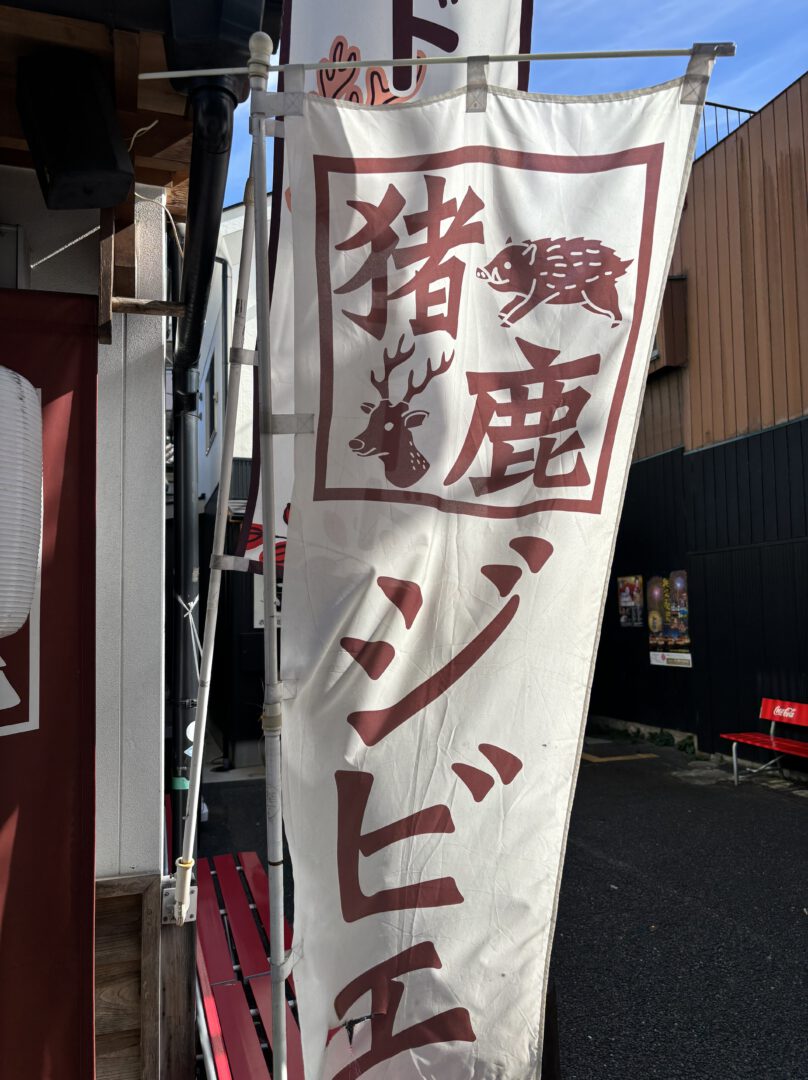
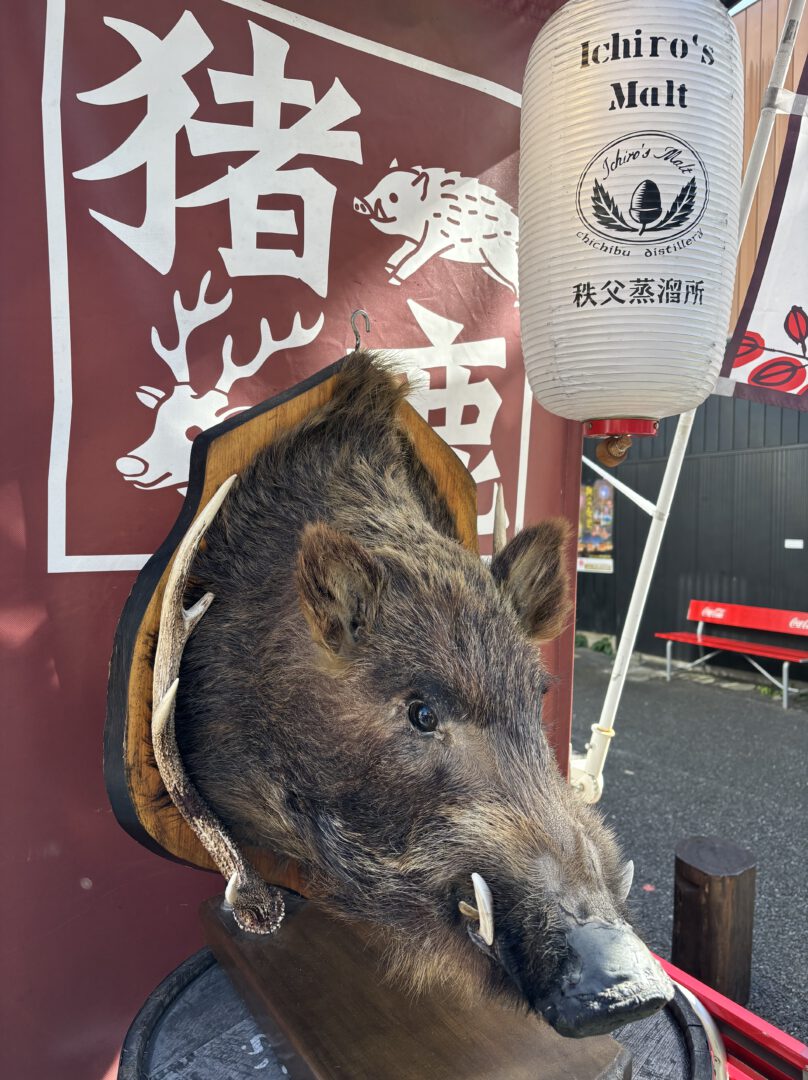
Walking down the main street, we noticed that many shops were closed, quite in contrast to how lively I remembered the area from previous visits. Still, one familiar shop selling wild boar and deer skewers was open, and we could not resist trying them. In mountainous regions like Chichibu, game meat is more common, and it felt fitting as a snack while wandering through town.
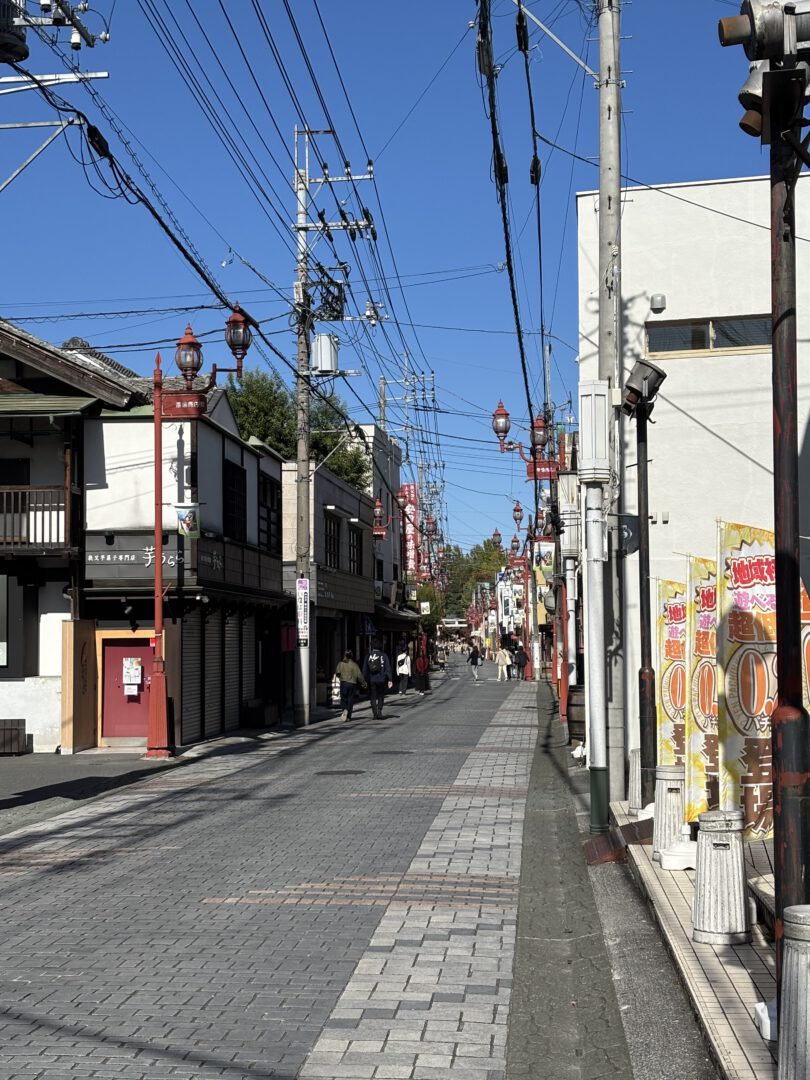
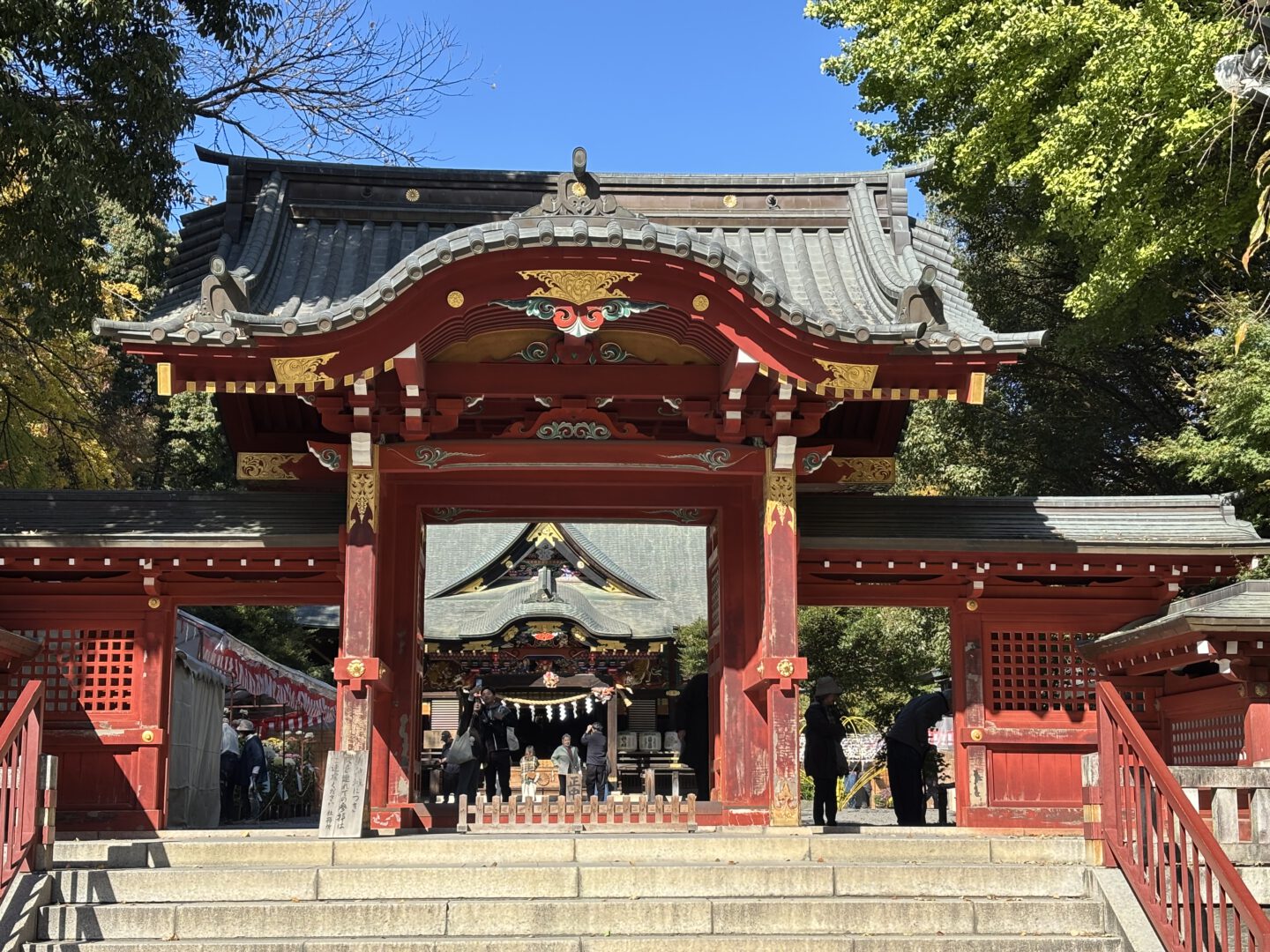
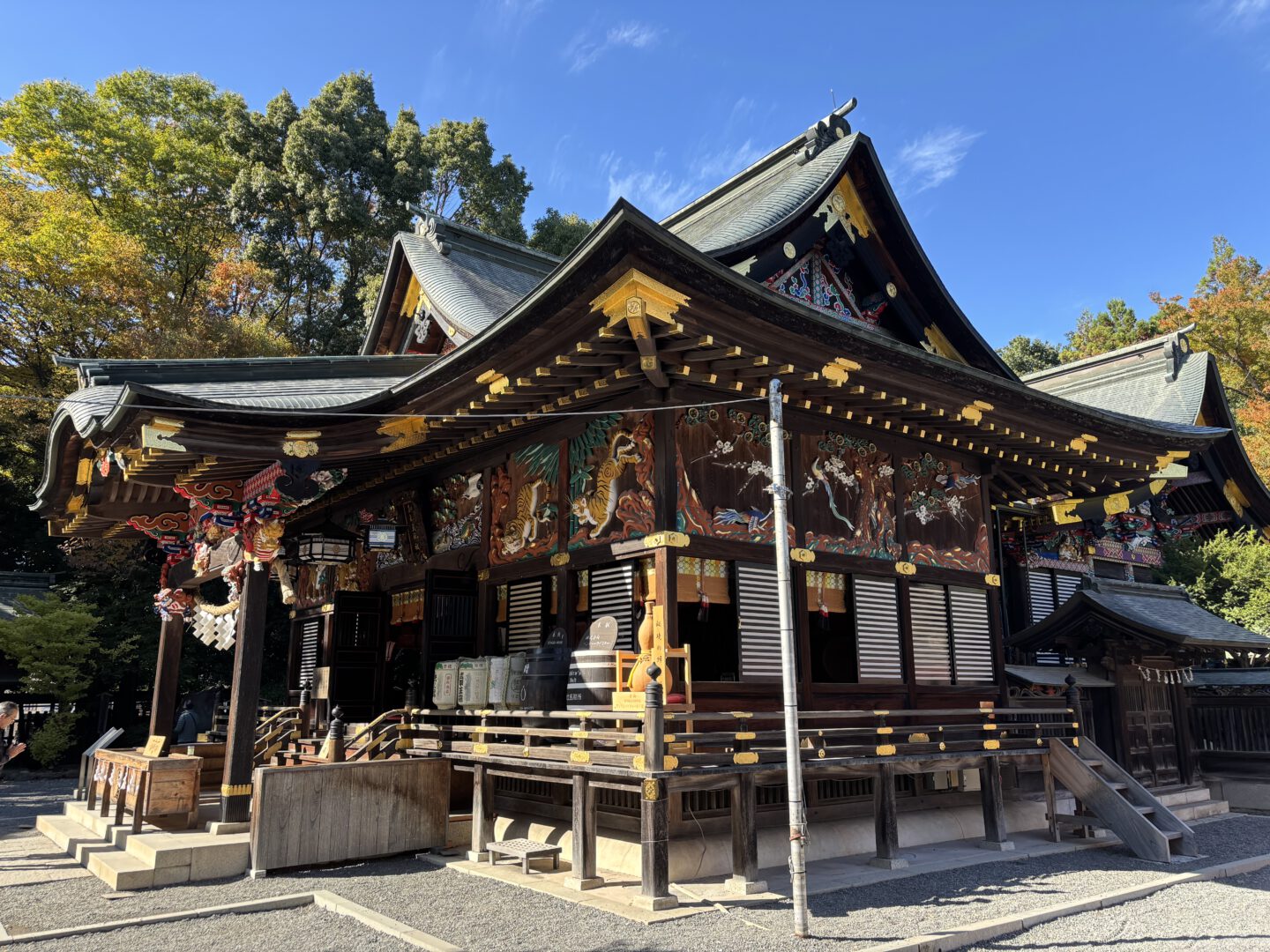
At the end of the main road, we reached Chichibu Shrine. The shrine does not need to hide away from some of Japan’s more famous ones, with the beautifully detailed main hall, with colorful carvings. After paying our respects and taking our time around the grounds, hunger started to take over.
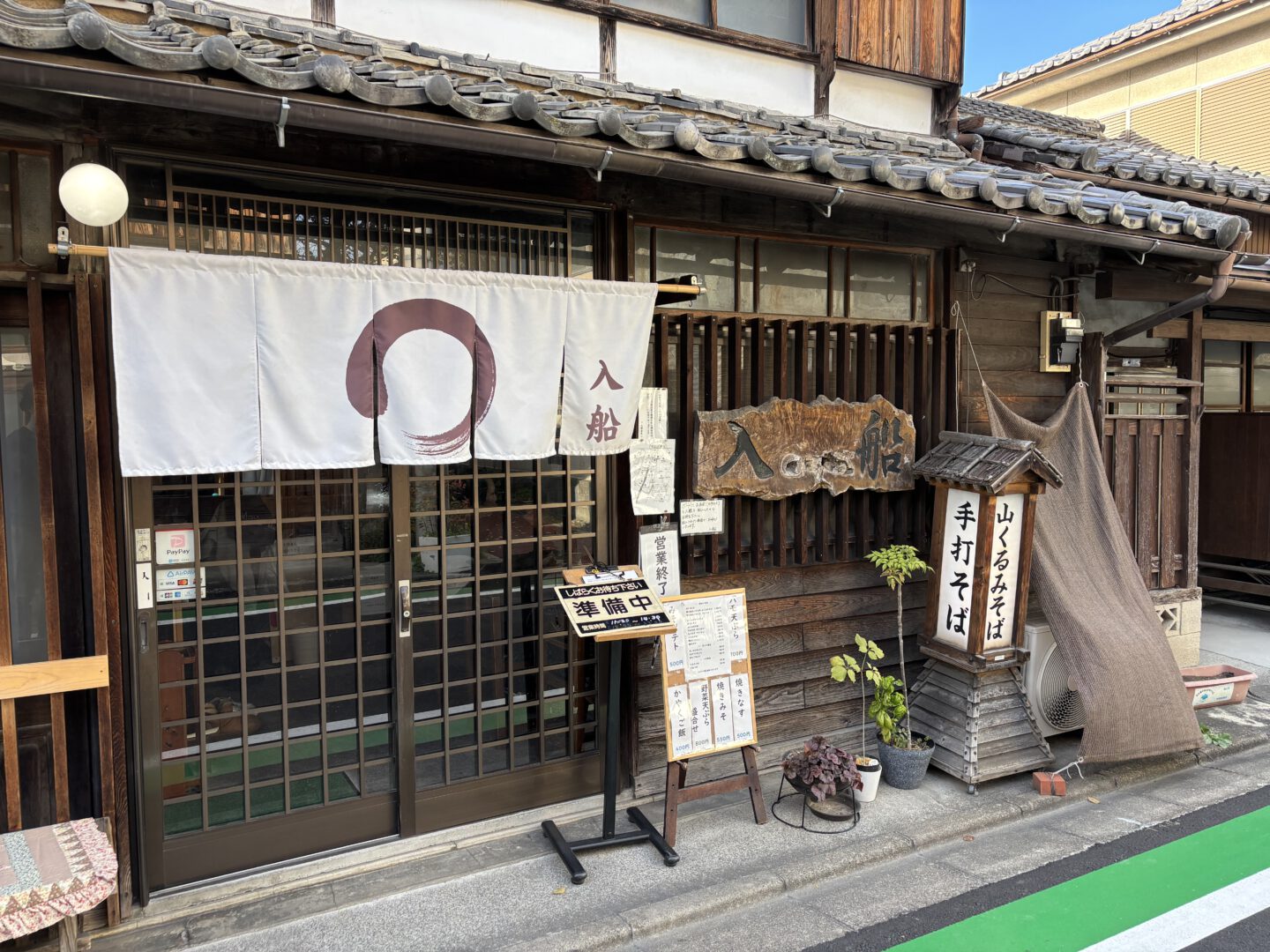
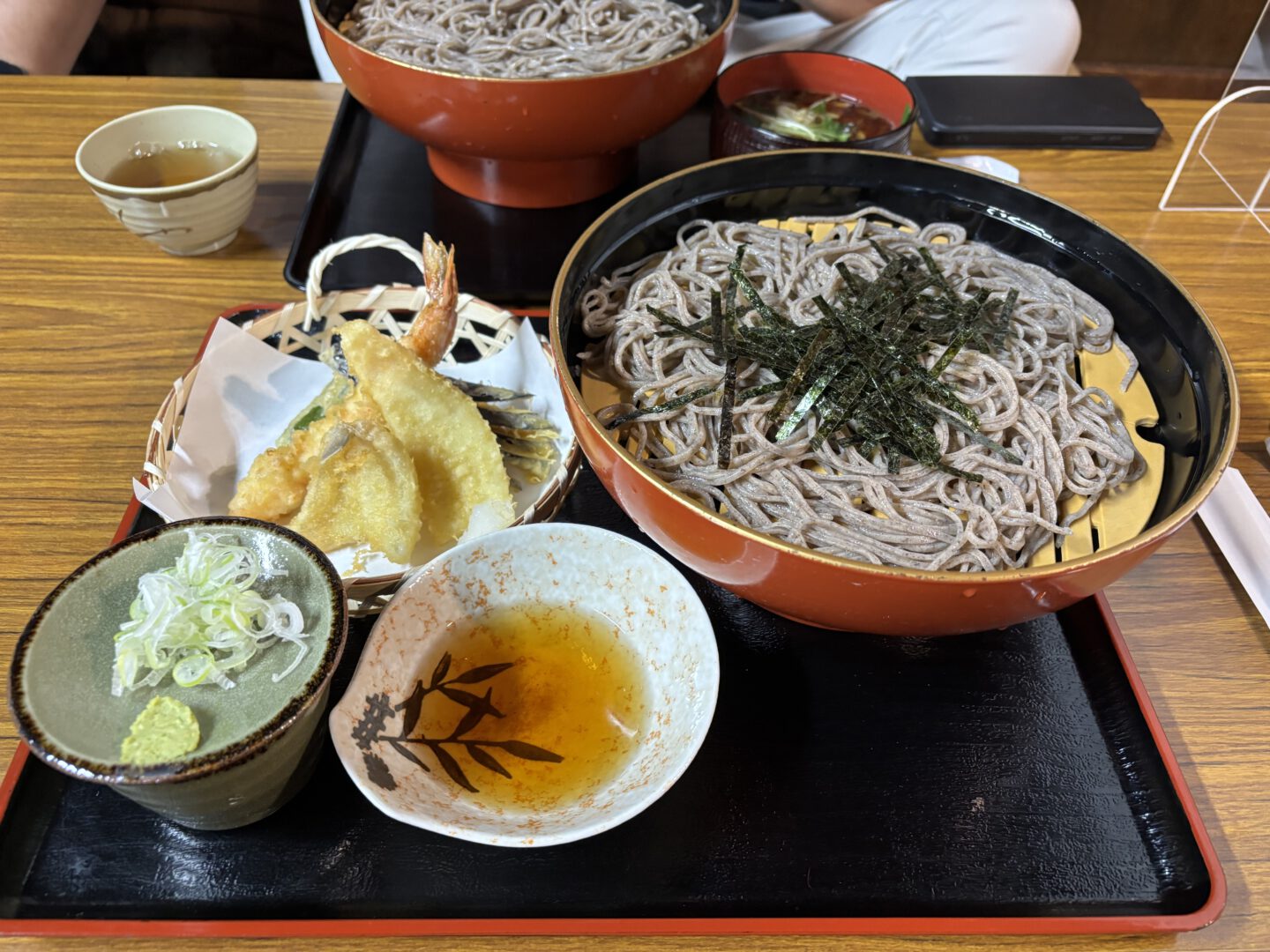
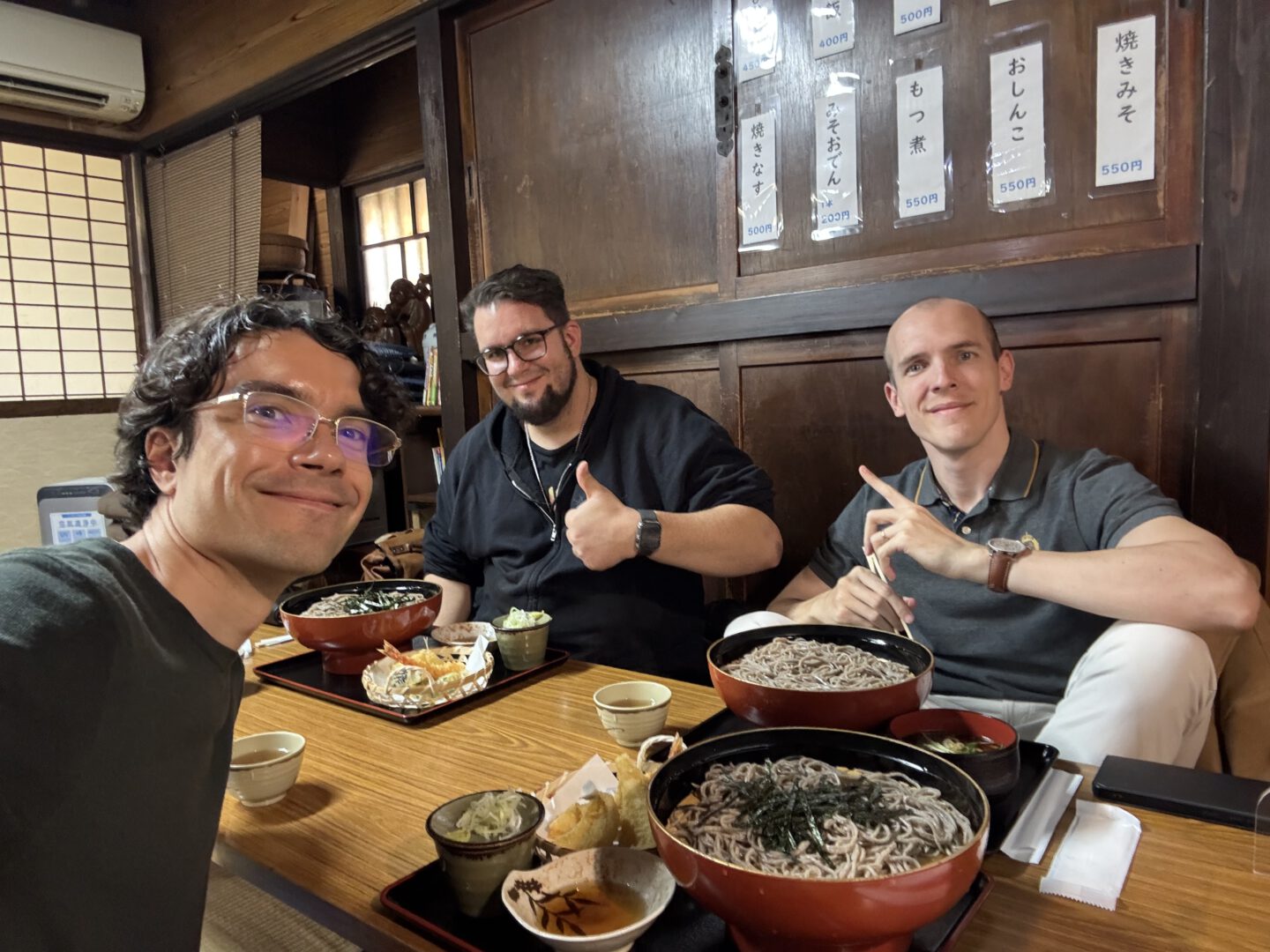
Lunch was at a small soba restaurant called Irifune, hidden away in a narrow alley. A line of locals had already formed, which was all the reassurance we needed. We ordered chestnut soba, niku soba, and tempura. Chestnut soba is a local specialty, especially in autumn, when local chestnuts are mixed into the noodles, giving them a subtle, earthy flavor. Everything was excellent and well worth the wait.
Chichibu is compact, but it also serves as a base for outdoor activities. In other seasons, hiking, river activities, and visits to nearby temples are popular. I had originally hoped to do some hiking in the mountains around Chichibu, but recent bear sightings had made that a questionable idea. Every day this was a topic in the news, and people were killed by them! In rural Japan, these warnings are taken seriously, and for good reason.
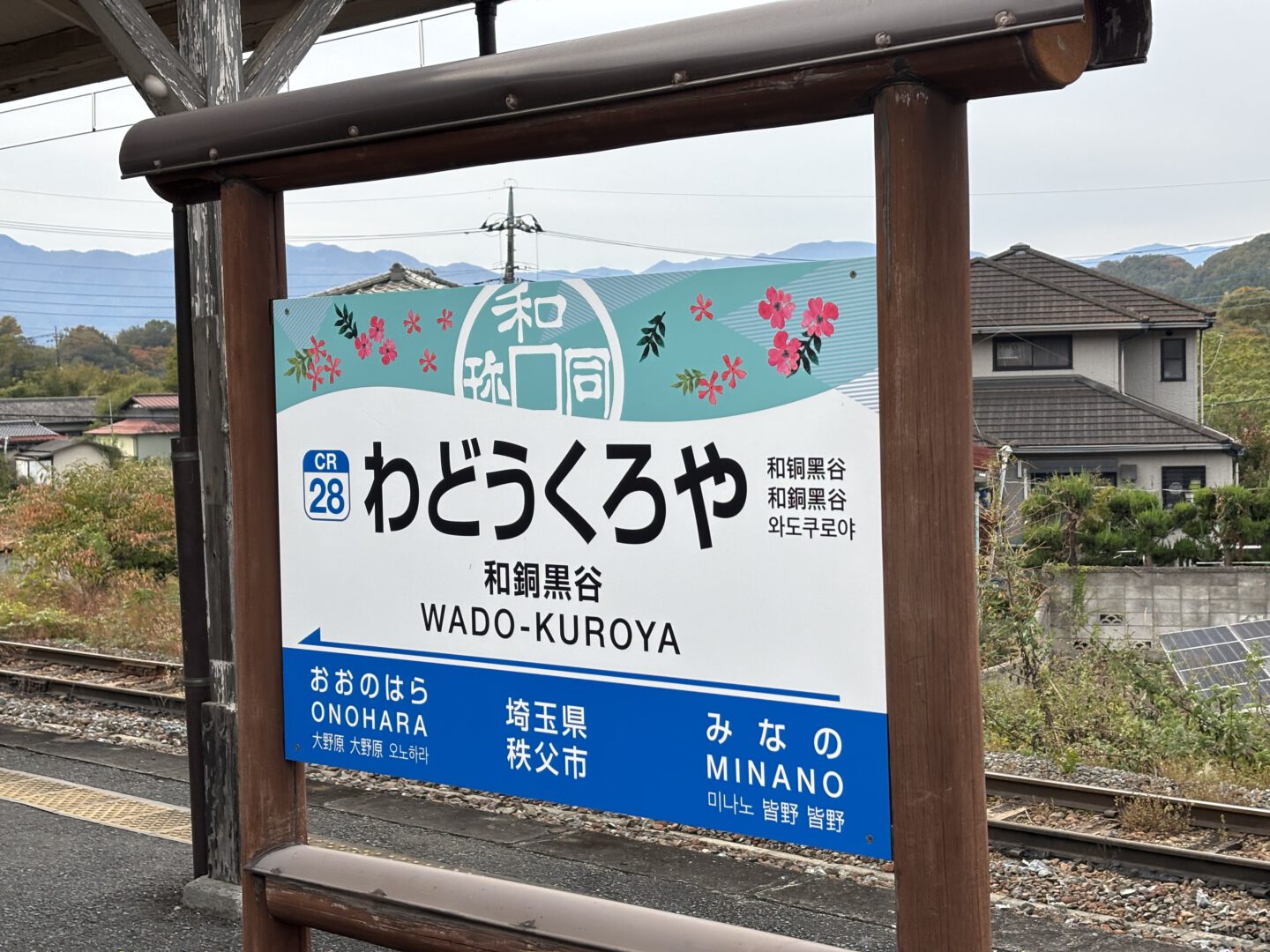
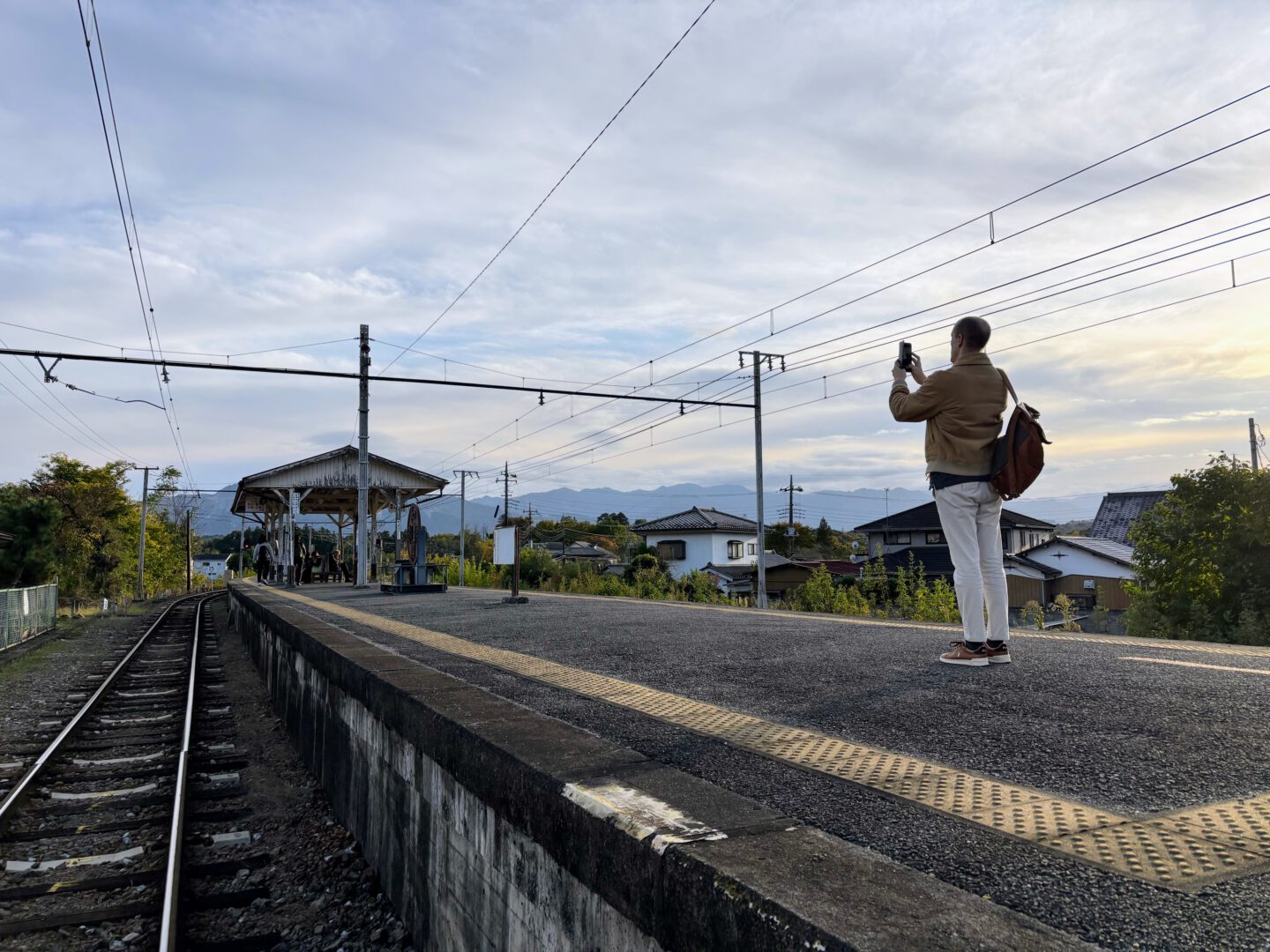
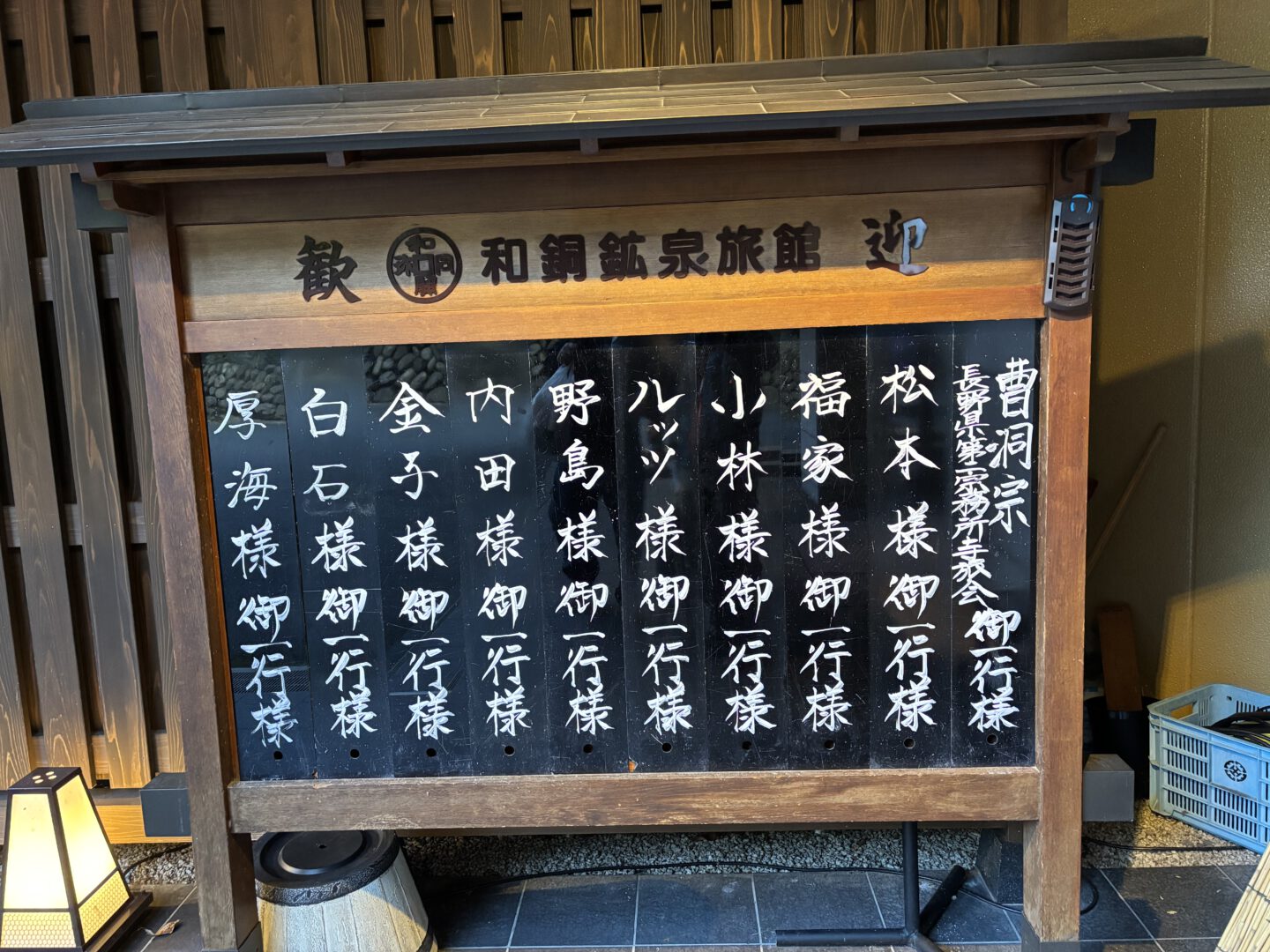
Wishing to live longer, we headed north on a local train to Wado Kuroya Station, a small rural stop north of the city center. From the station, a minibus picked us up after calling and brought us to our hotel. Even before entering, a sign with my name displayed outside made it clear that we were expected. Inside, we were invited to sit down, served a welcome drink, and guided through explanations about dinner, breakfast, and the baths.
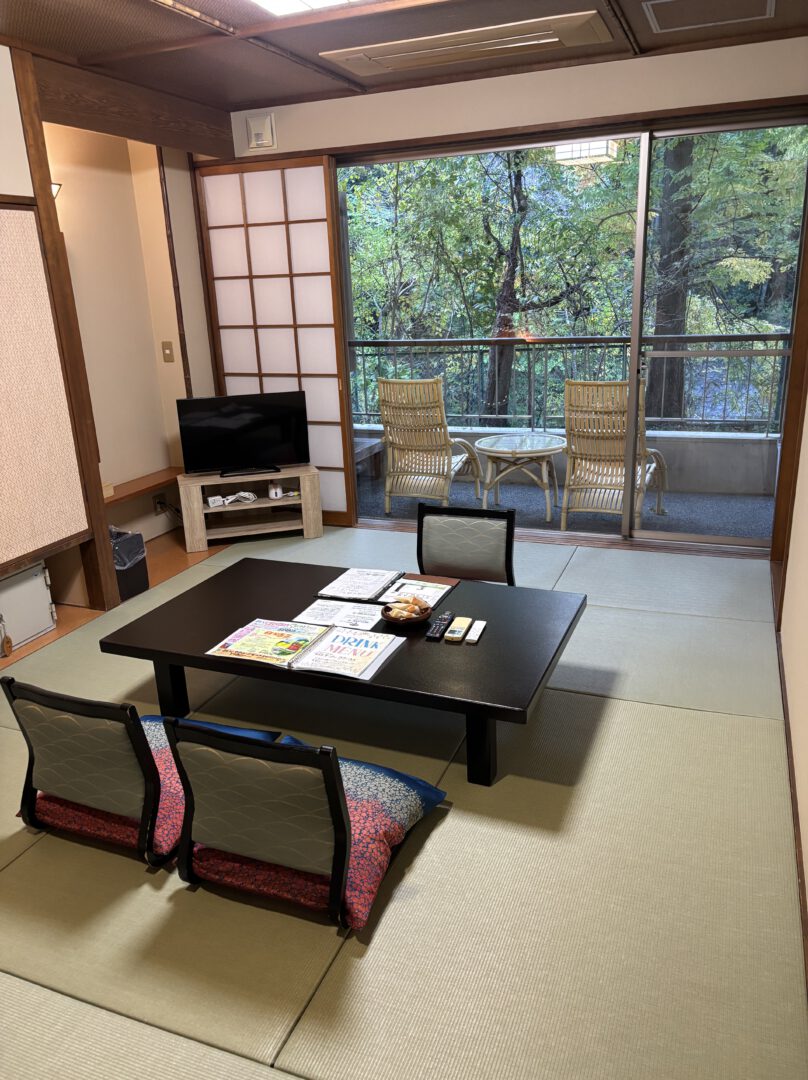
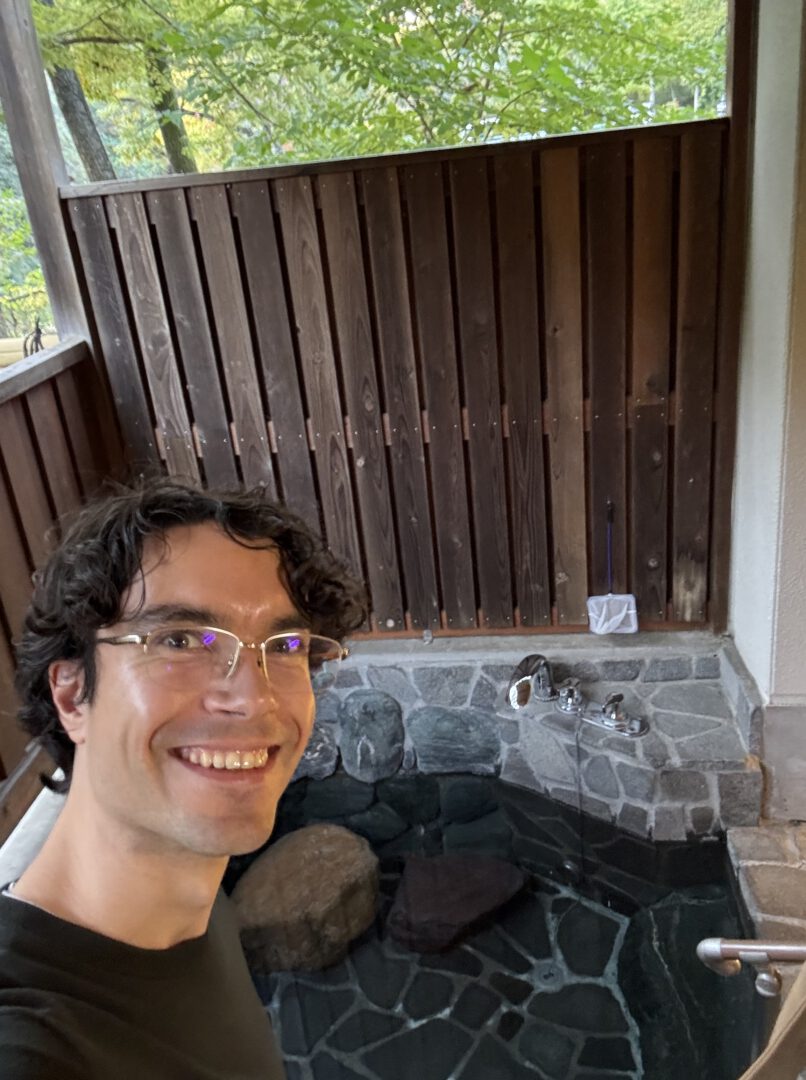
Our room turned out to be an upgrade, located on the lower floor with a view over the Yokose River flowing through the valley. The highlight was our private open-air rock bath. Staying together as a group of three, having a private rotenburo felt like a luxury, especially in such a quiet setting. Before using it, we visited the public bath on the third floor.
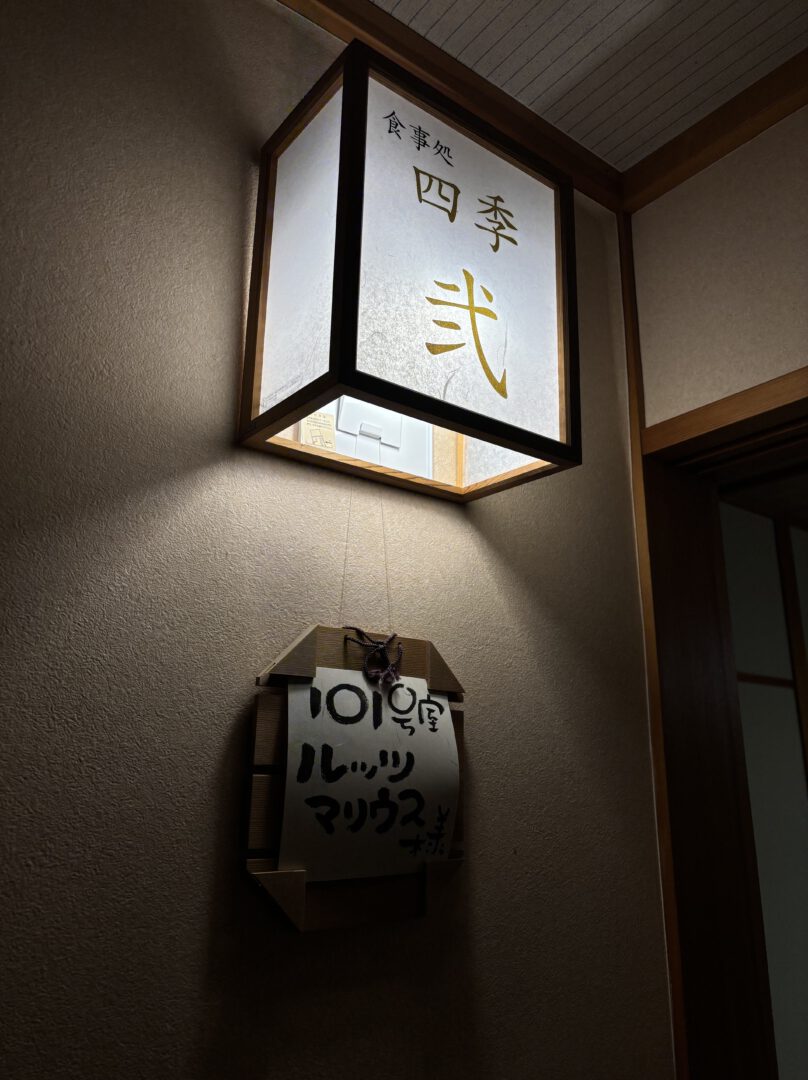
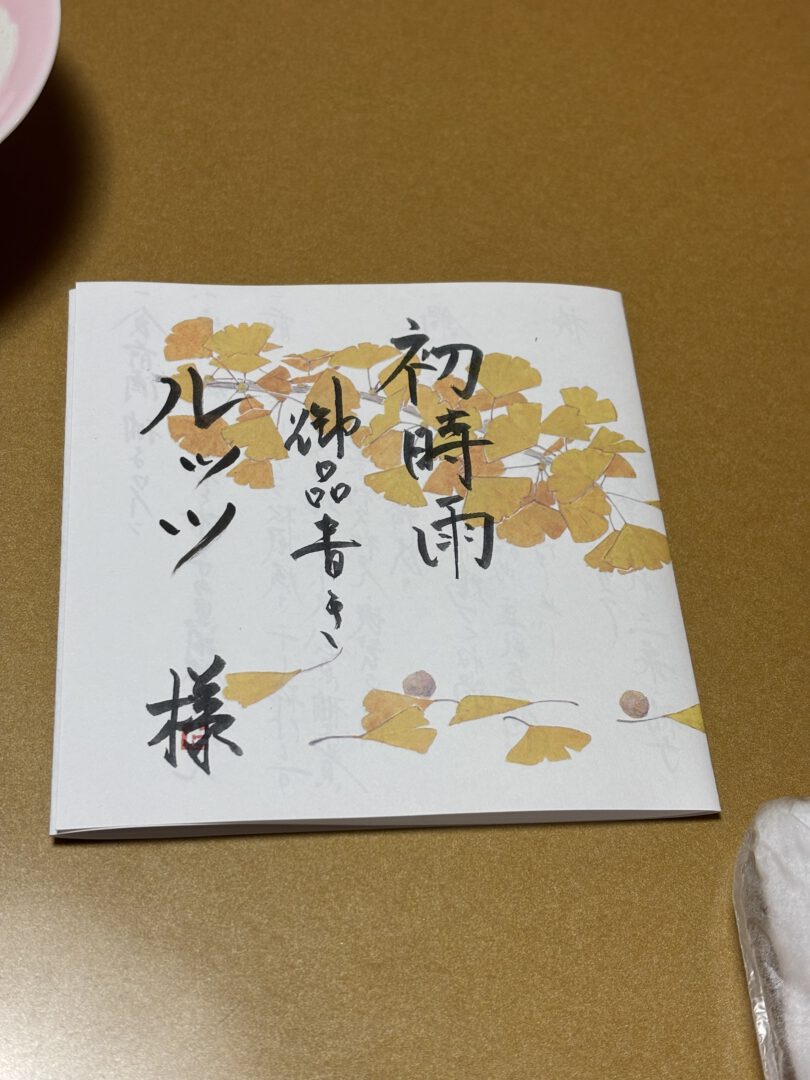
Dinner was the undisputed highlight of the stay. Micu had been here several times before and had promised outstanding food—and it delivered. My name was again printed both outside the dining room and on the menu, a small detail that immediately set the tone. We sat at a hori kotatsu (sunken low table), ordered sake, and settled in.
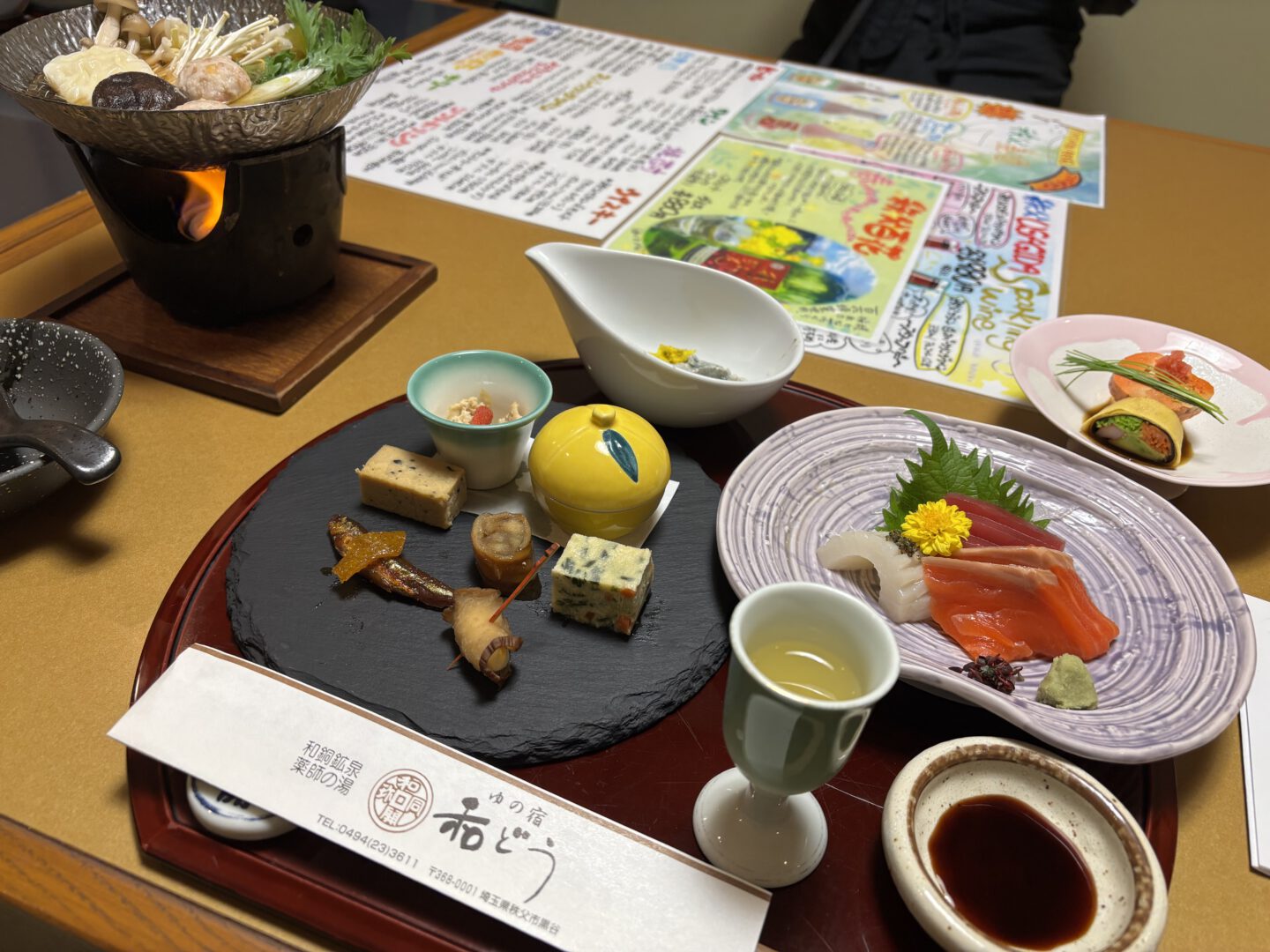
What followed was a full kaiseki dinner built around local and seasonal ingredients: smoked, grilled, steamed, and fermented dishes, river trout sashimi, hot pot with chicken meatballs, grilled fish, a small shrimp burger with a black bun, seasonal tempura, clear dashi soups, rice, miso soup with mushrooms, pickles, fruit, and bancha tea. Course after course arrived until we genuinely wondered how much more there could be. I am sure I have forgotten to list some dishes, but the photos will give the full account.
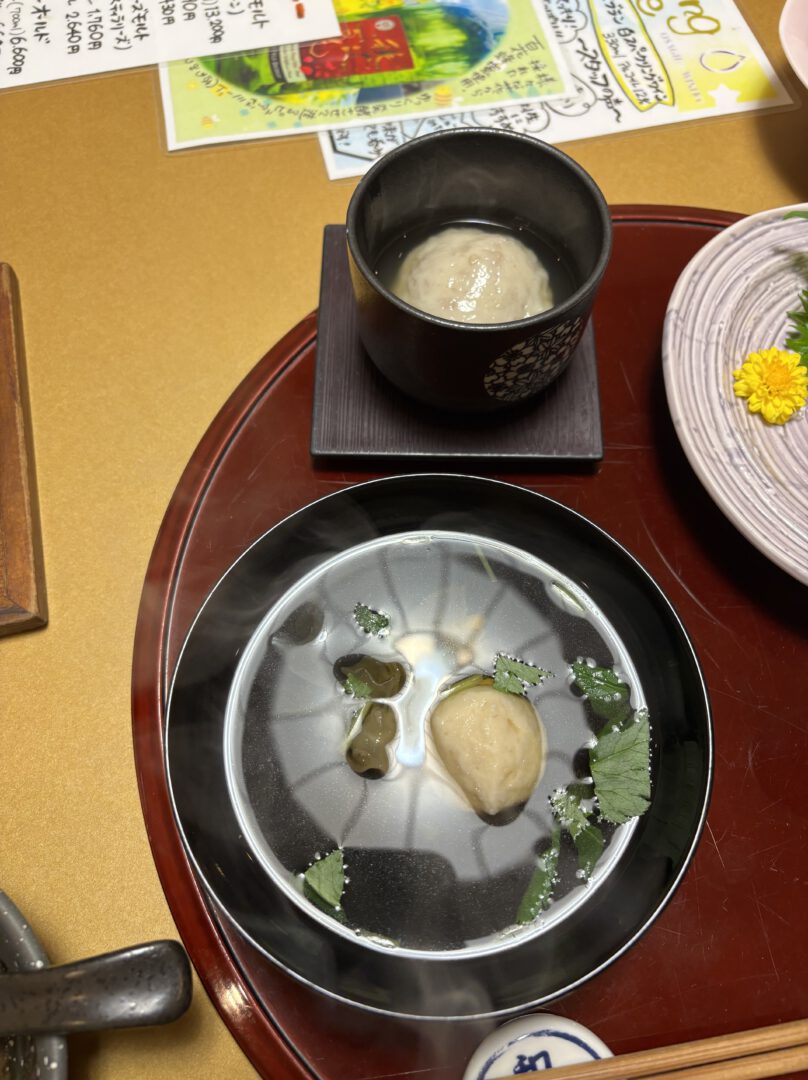
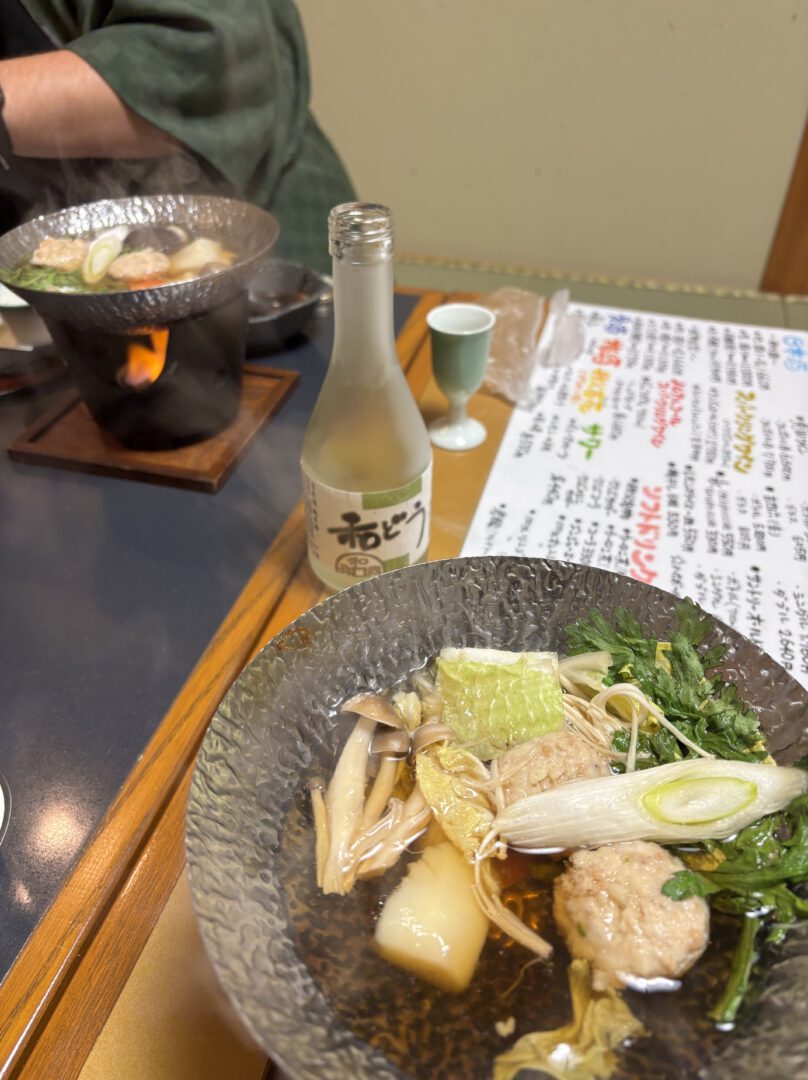
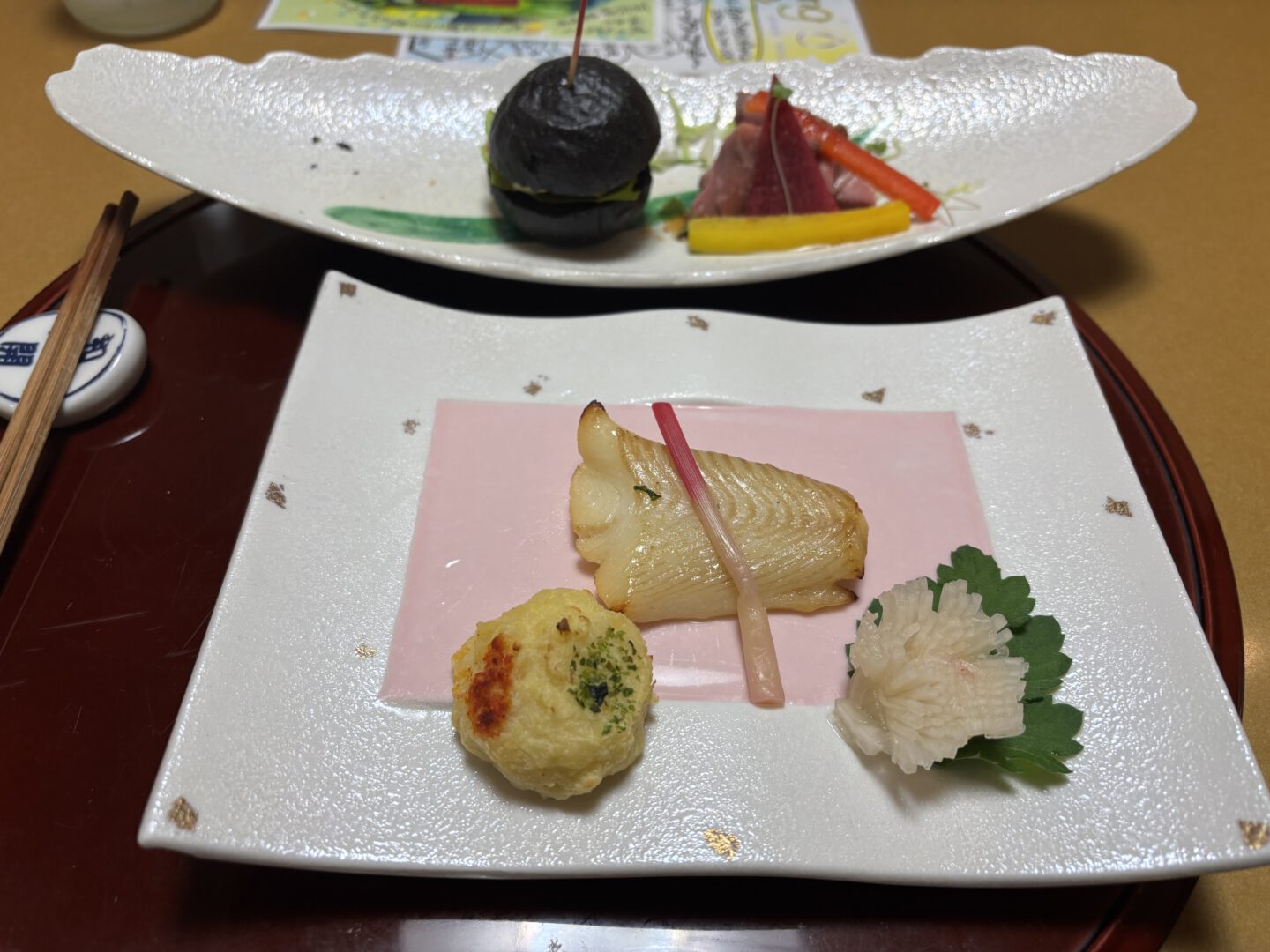
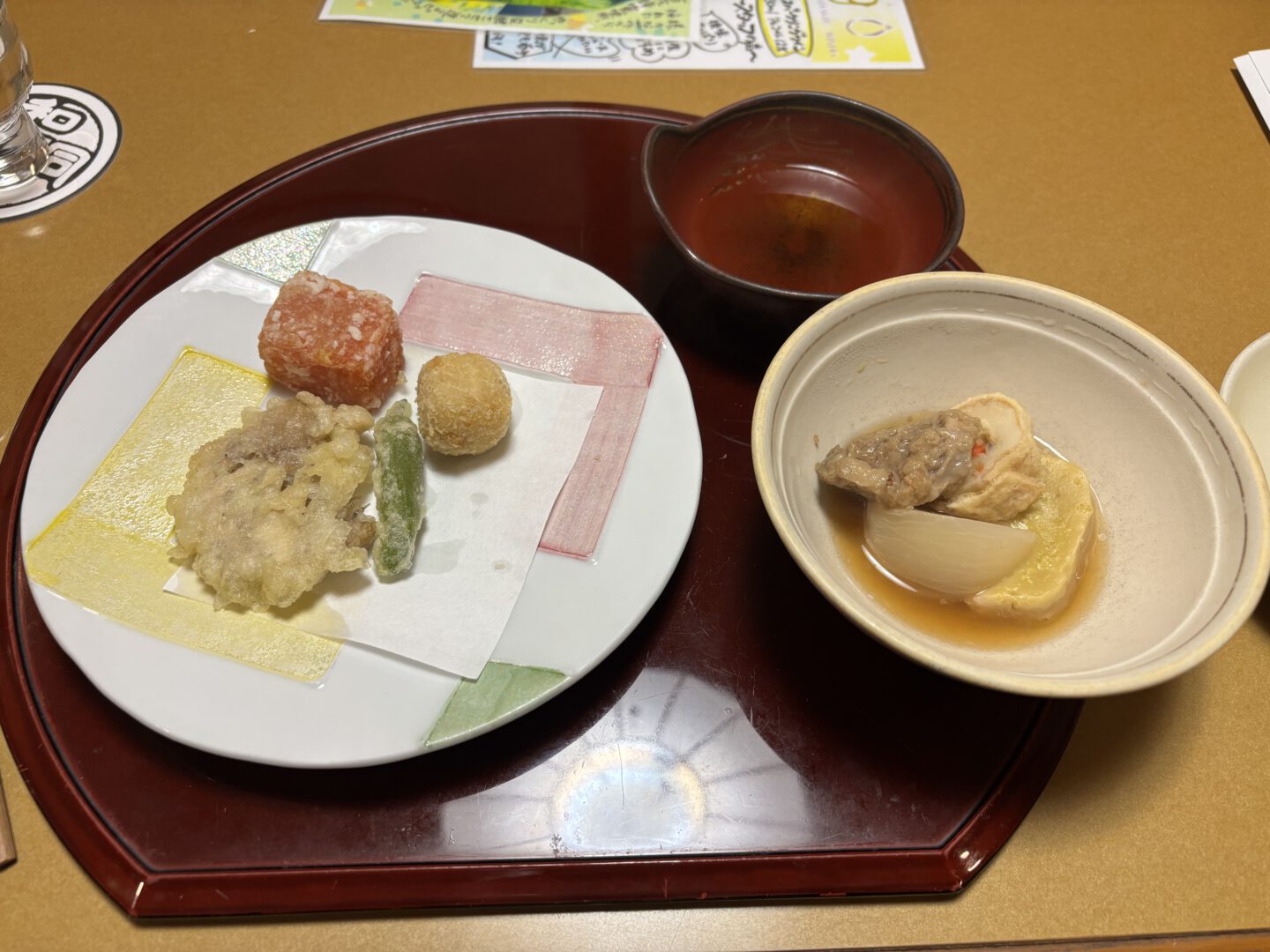
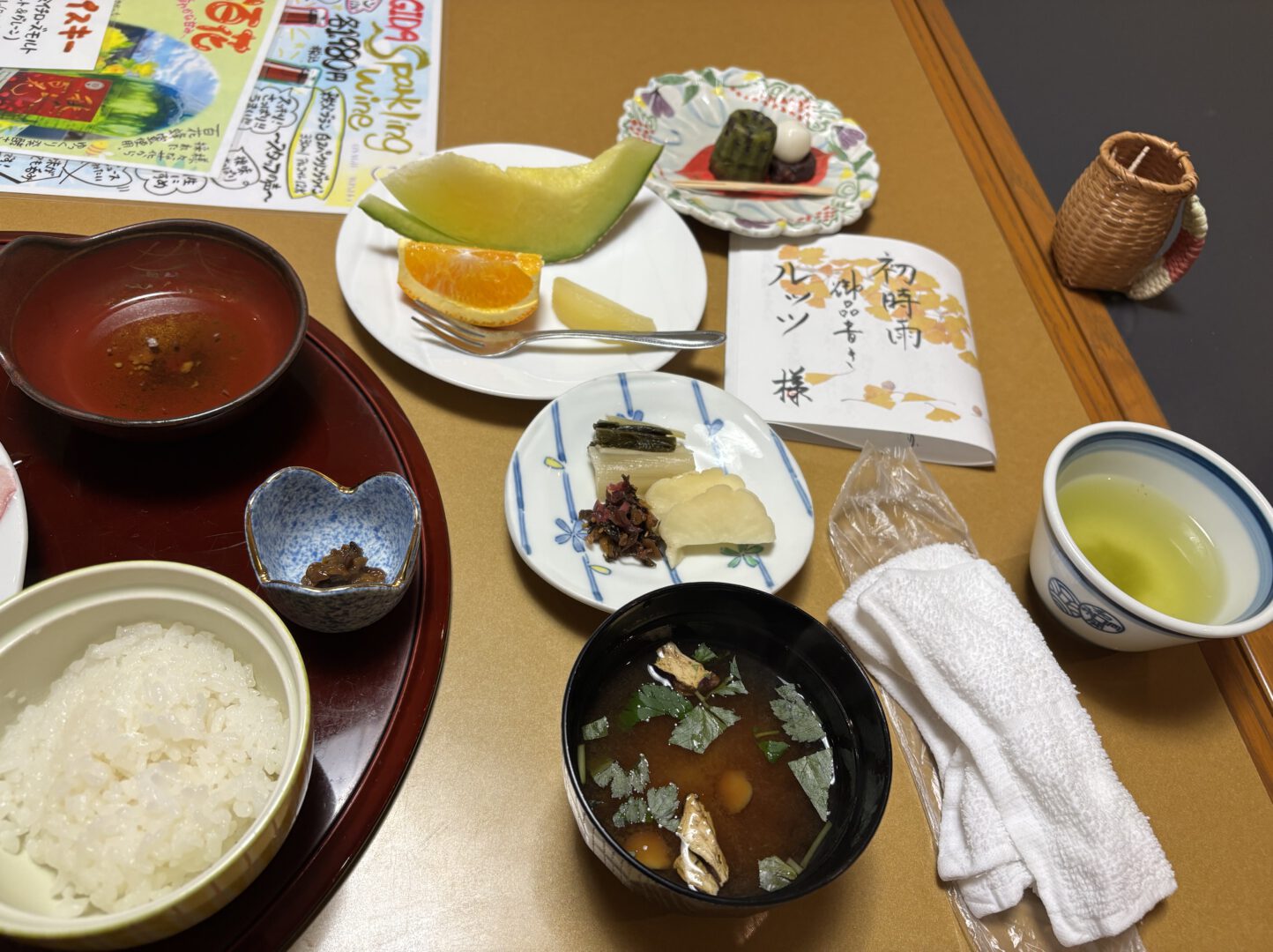
After dinner, climbing the stairs back to our room felt like a minor challenge. We ended the evening quietly, sharing a bottle of whisky from the Chichibu Distillery Ichiro (we did not finish it mind you), which has gained international recognition in recent years.
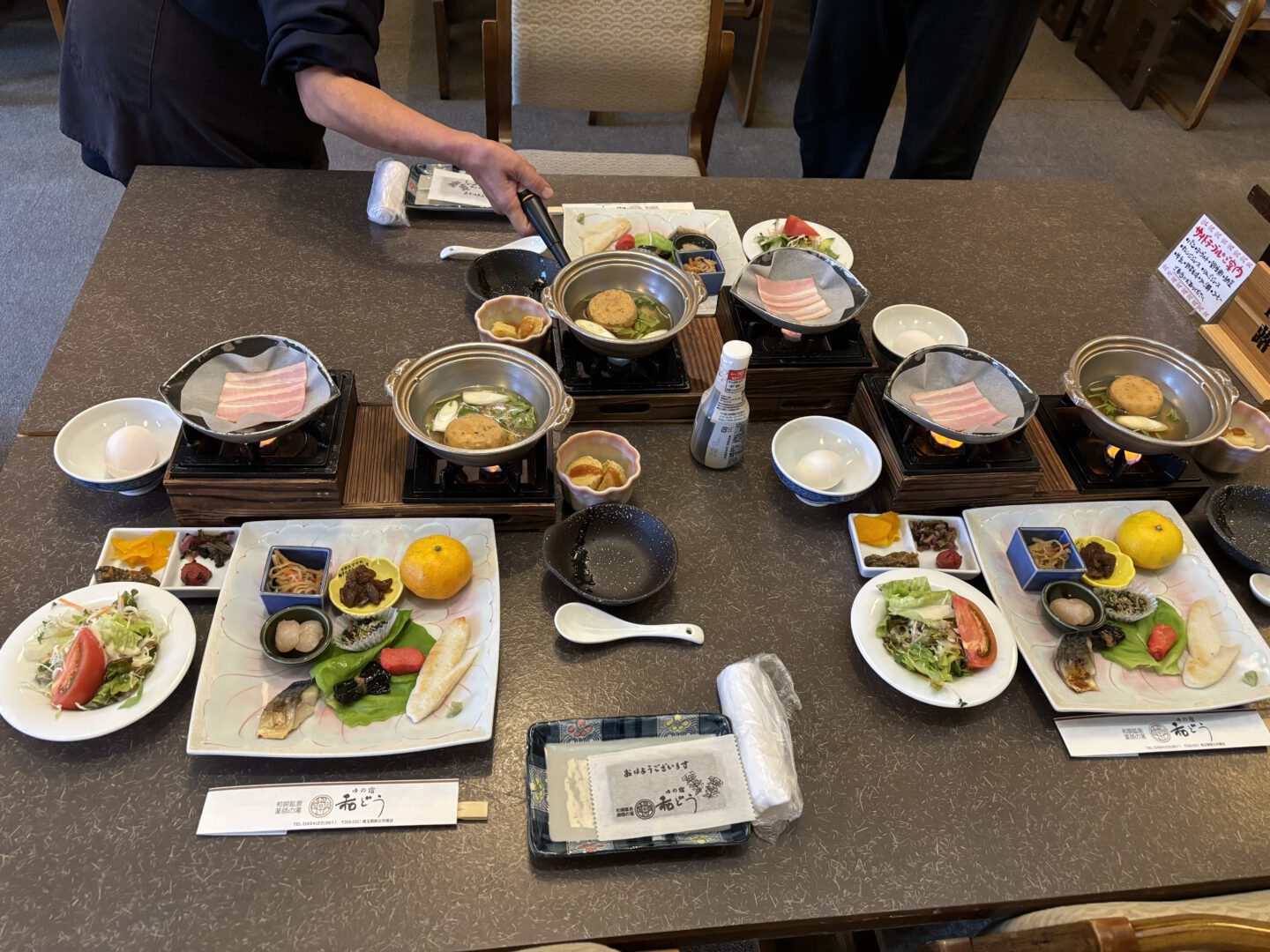
Breakfast the next morning was served in an open dining room, with several dishes already set on the table and additional sides available buffet-style.
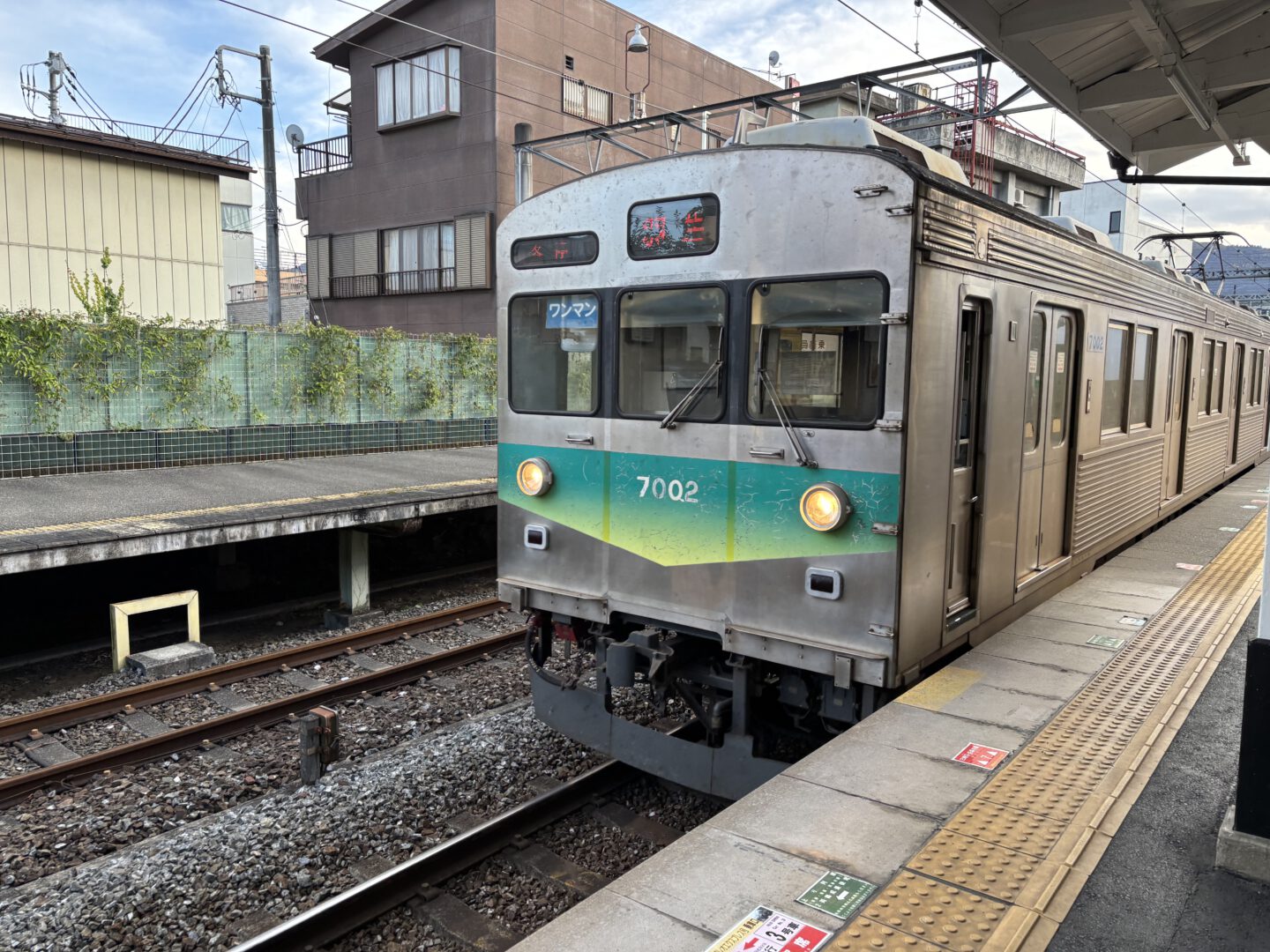
On our way back to the station, the opposite train arrived carrying an entire class of elementary school students. When they saw the three of us, their faces shifted from surprise to excitement, and soon they were waving enthusiastically. Moments like these still feel surprisingly rare in rural Japan.
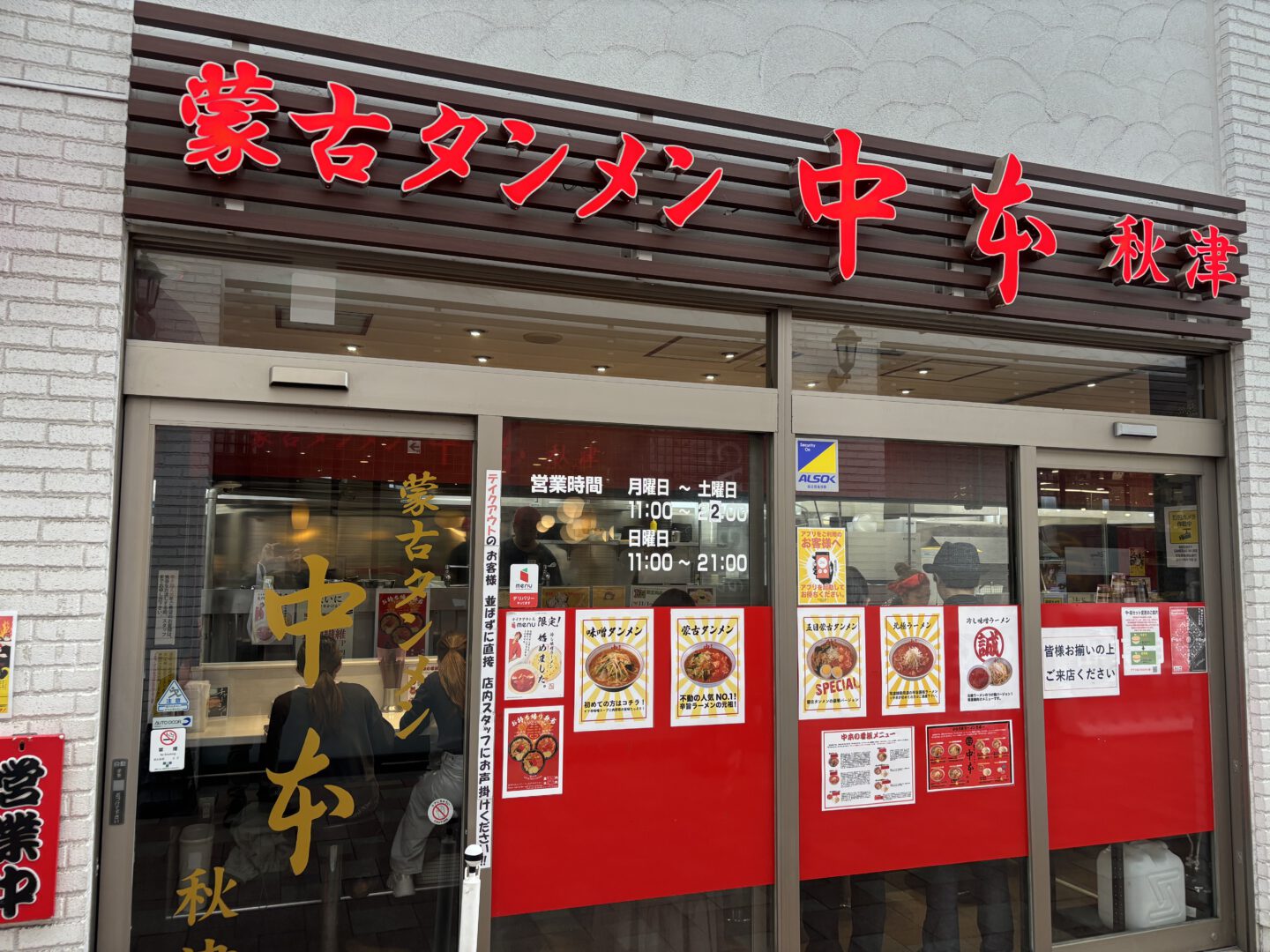
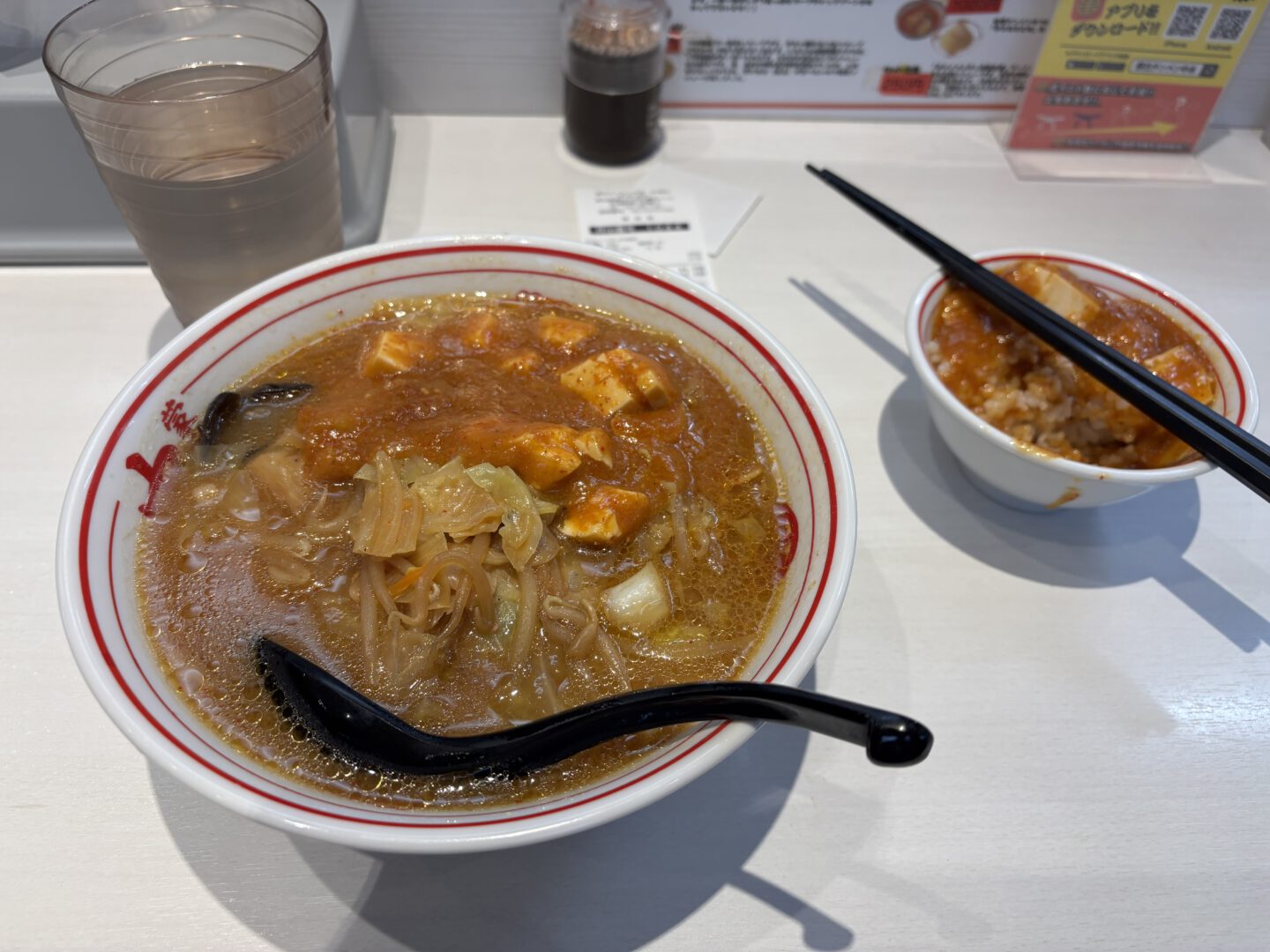
Back on the Seibu line, Reto parted ways with us to meet his wife, as they were heading to Disneyland later that day. Micu and I got off in Tokorozawa, transferred once more, and continued to Akitsu. There, we joined a line of locals at his favorite ramen chain, Nakamoto, famous for its extremely spicy ramen. I played it safe and ordered a medium-spicy version, still intense and very satisfying.
After lunch, we said our goodbyes too. Micu headed off to meet family and friends, while I made my way to Kawagoe, about half an hour away. Kawagoe has recently gained popularity among international visitors thanks to its well-preserved Edo-era streetscapes and easy access from Tokyo. It is often referred to as “Little Edo,” reflecting its history as a prosperous merchant town.
From the station, it was about a 20-minute walk to the Warehouse District, where traditional buildings still line the streets. The main road is unfortunately open to car traffic, but both sides are filled with sweets shops, cafés, and small craft stores. Kawagoe is especially known for sweet potatoes, which appear in everything from snacks to desserts.
One stop I had long wanted to make was Kuon Chocolate, a shop that employs people who have difficulty finding regular office jobs. I first heard about them through a documentary screened at the Ginmaku Film Festival in Zurich years ago, and now having the chance I wanted to support this effort.
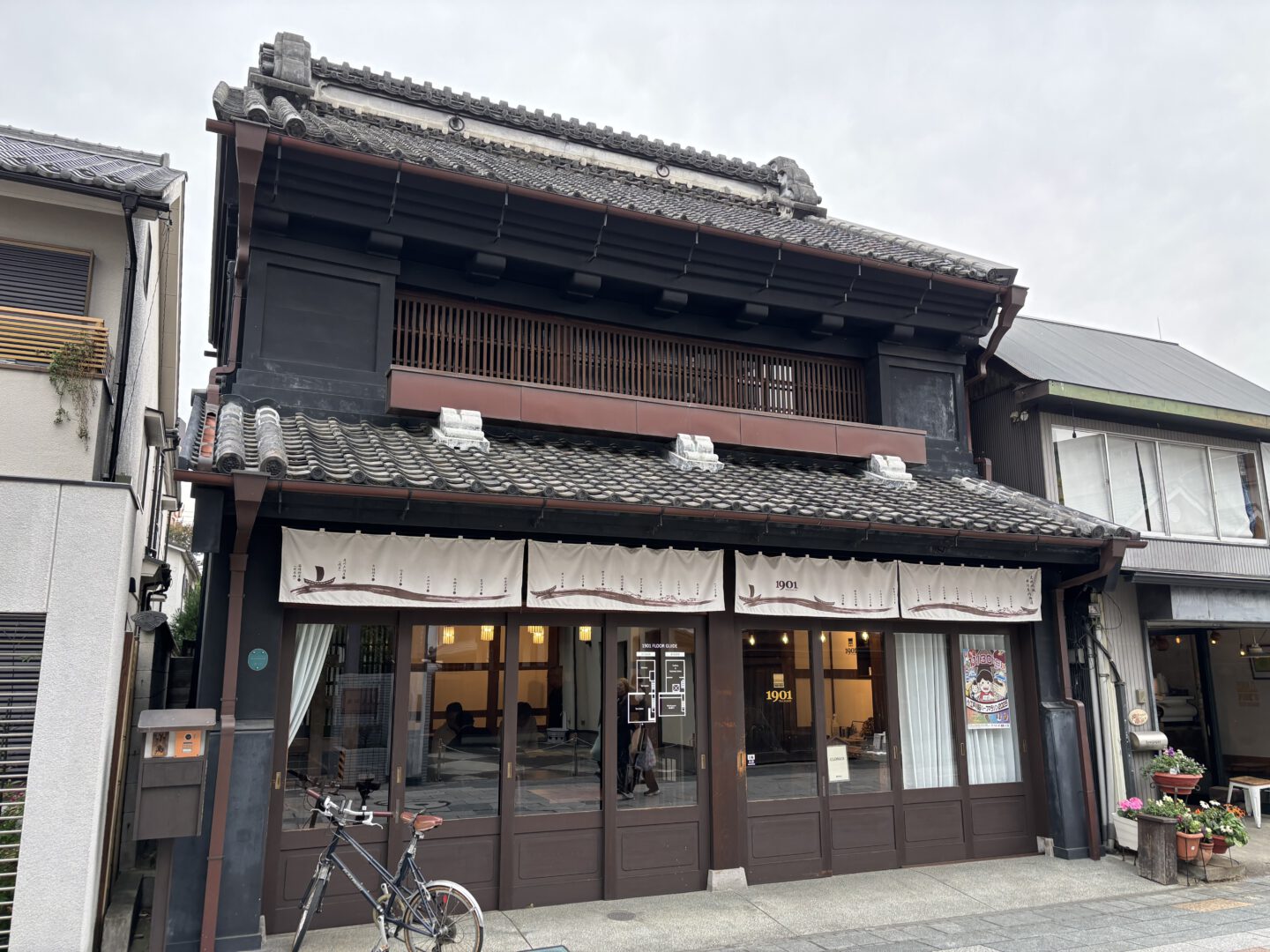
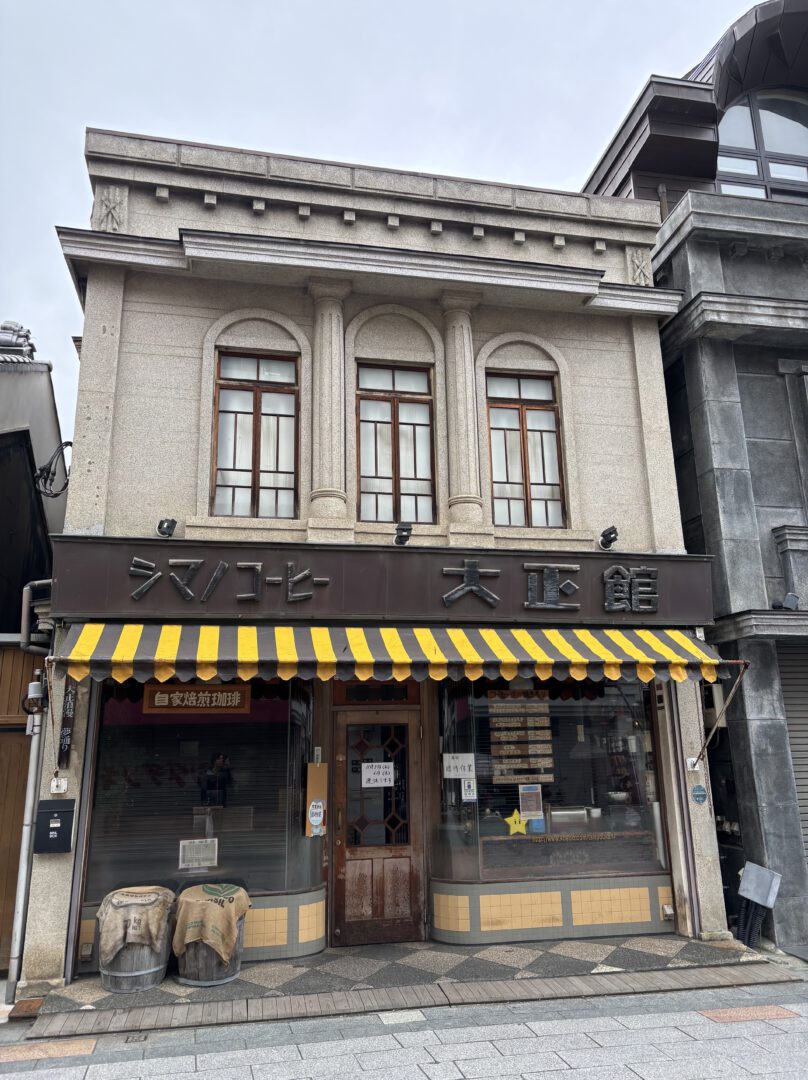
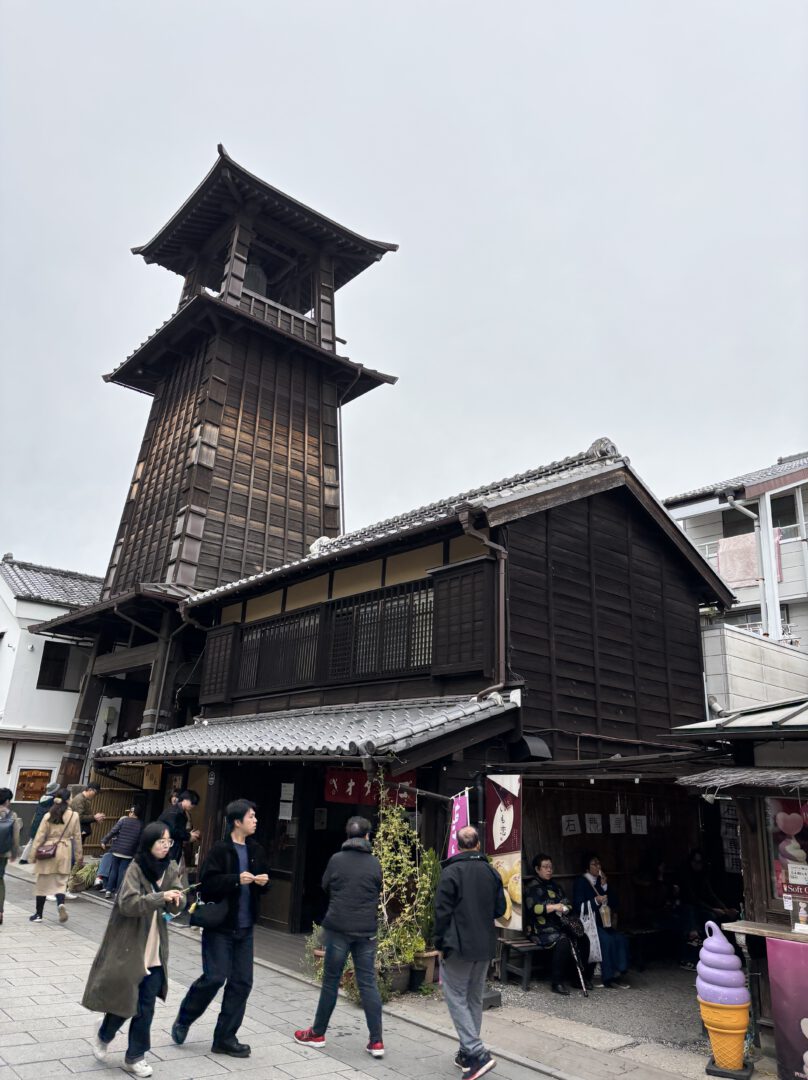
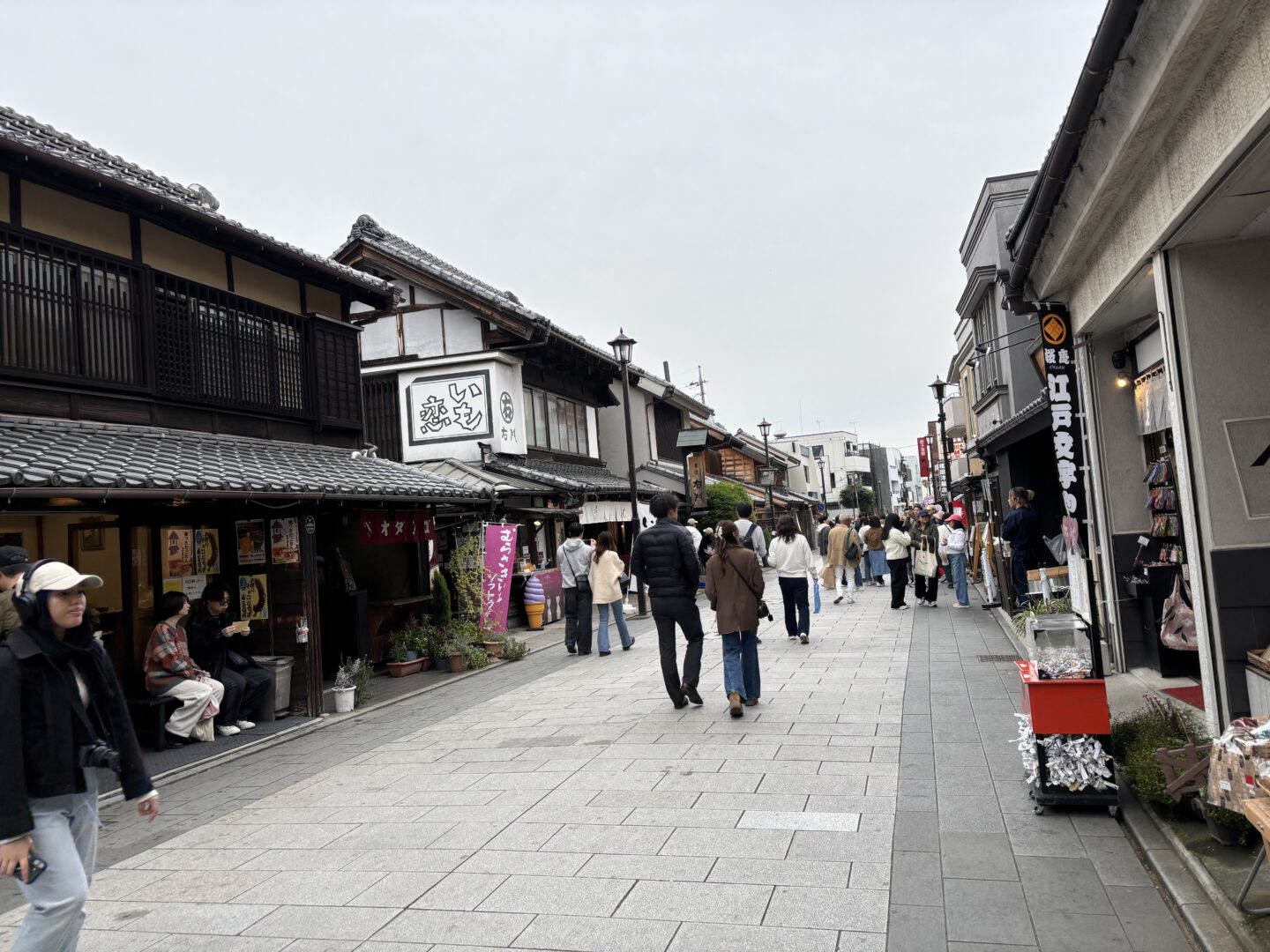
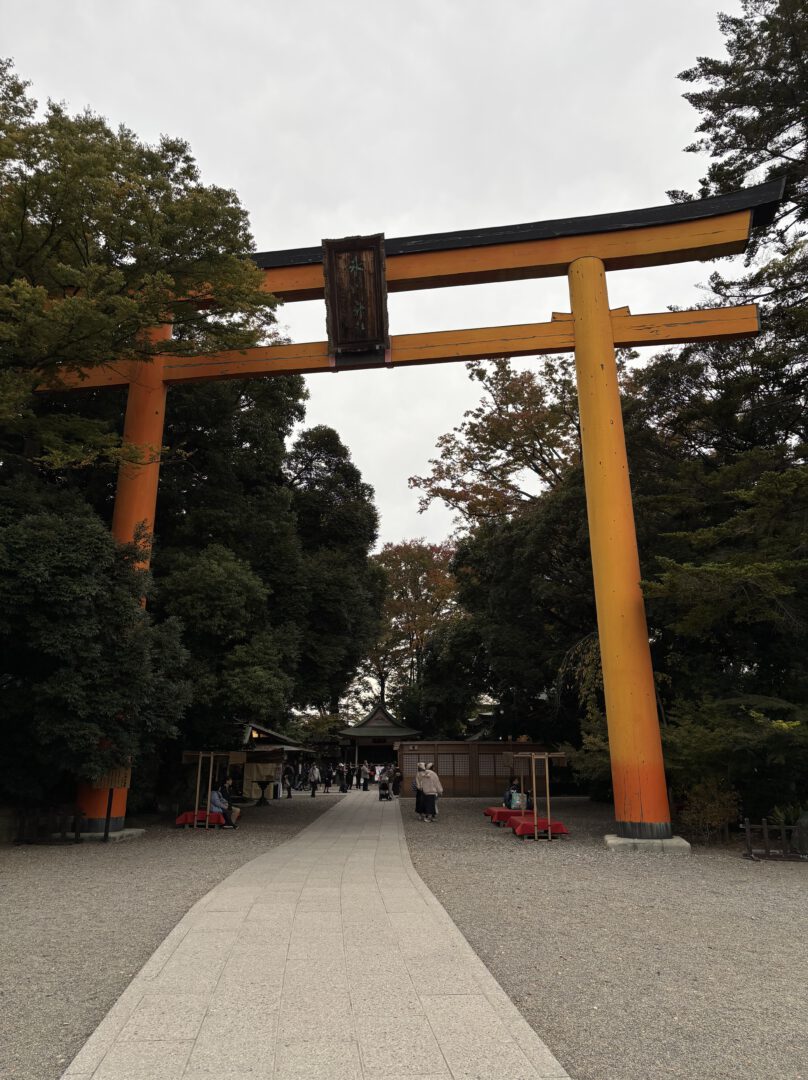
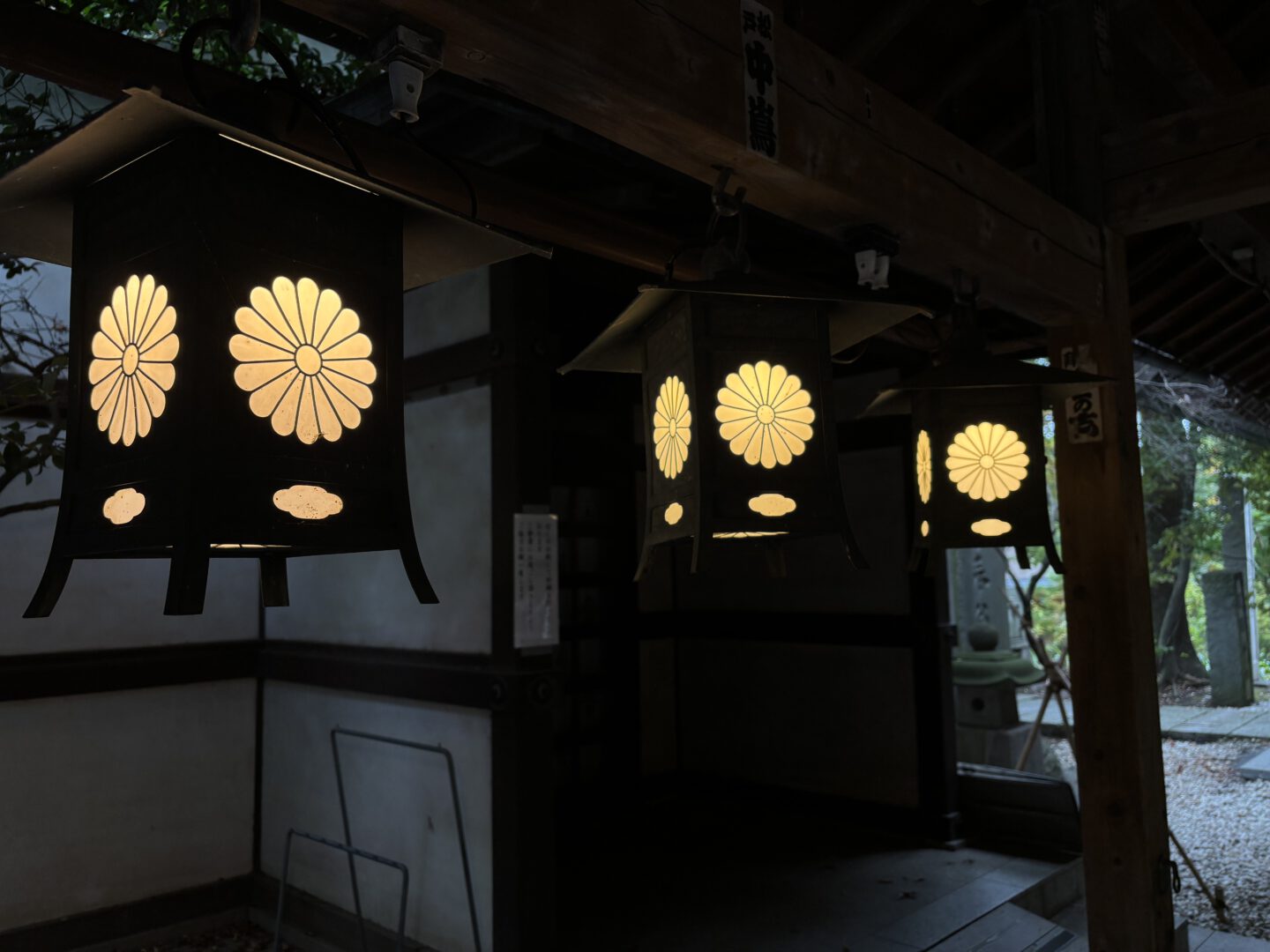
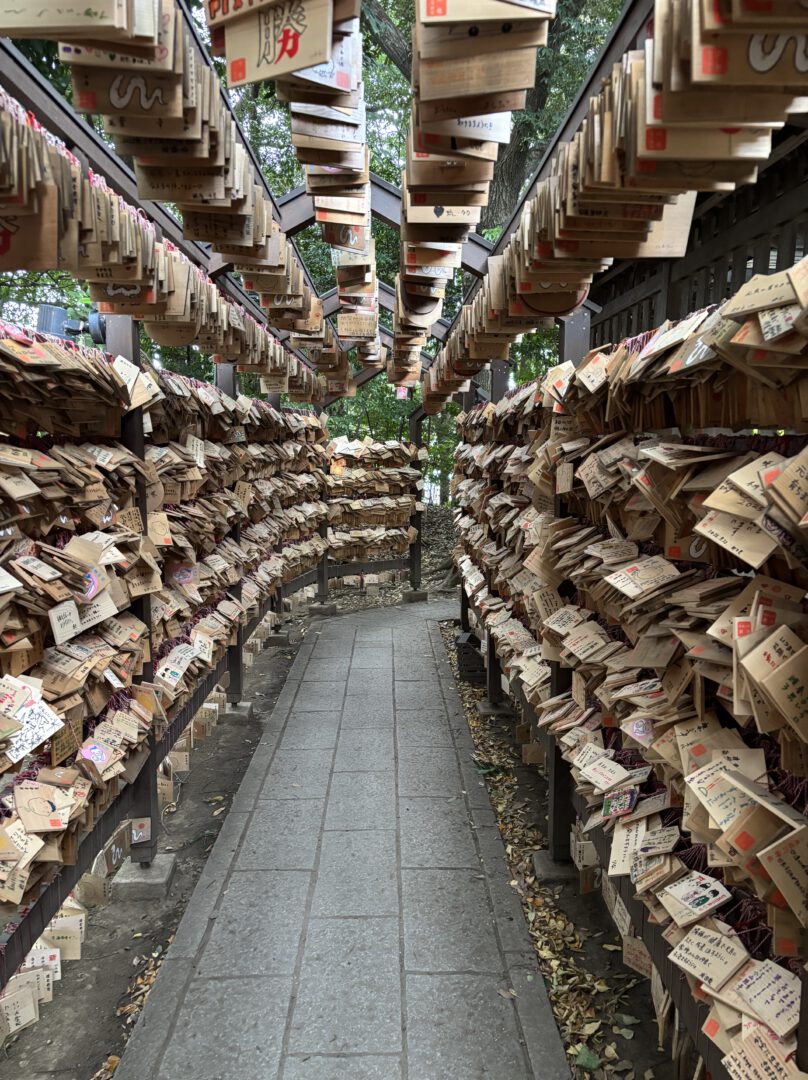
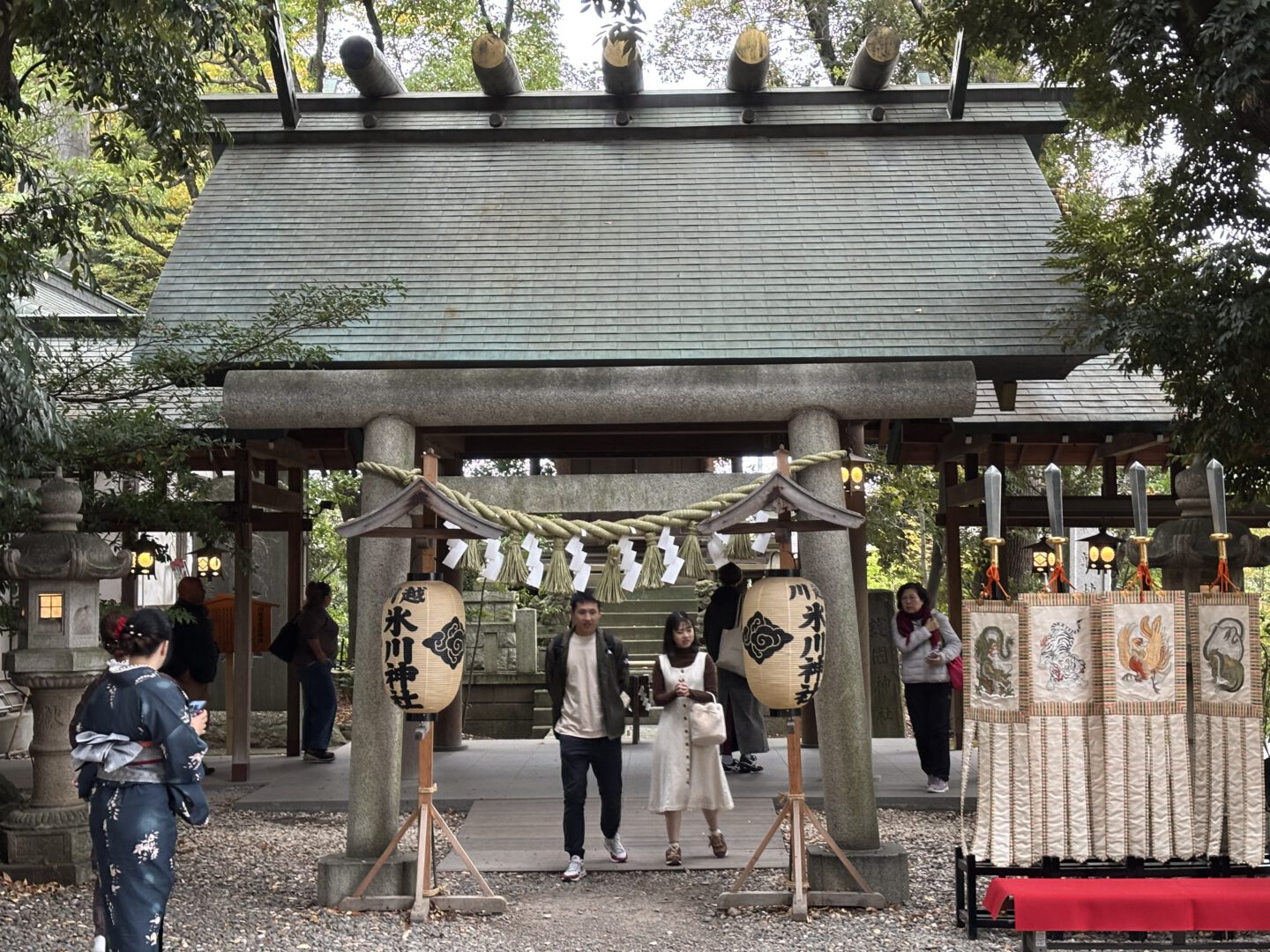
After passing the iconic bell tower, the streets gradually became calmer again as I walked further out beyond the historic quarter. Soon, I reached Kawagoe Hikawa Shrine. Around this time of year, the shichi-go-san festival is celebrated across Japan, marking the third, fifth, and seventh birthdays of children. Families dressed their kids in kimono and visited shrines to pray for healthy growth. Hikawa Shrine, with its spacious grounds and countless ema prayer plates, felt especially welcoming during this time.
In the evening, I returned to Tokyo and stopped by Tokyo University, my alma mater, where I had spent the previous year as a postdoctoral researcher. I had planned a proper reunion later in the trip, but with some free time on my hands, I decided to drop by and suggest having dinner with one friend of mine. As soon as I appeared, everything went fast, and soon eight of us were on our way to dinner.
We ended up at the izakaya Kagaya near Hongo-sanchome station, the same place we had visited for my farewell party back then. Ordering half the menu, we talked late into the evening about past and present, science and music.
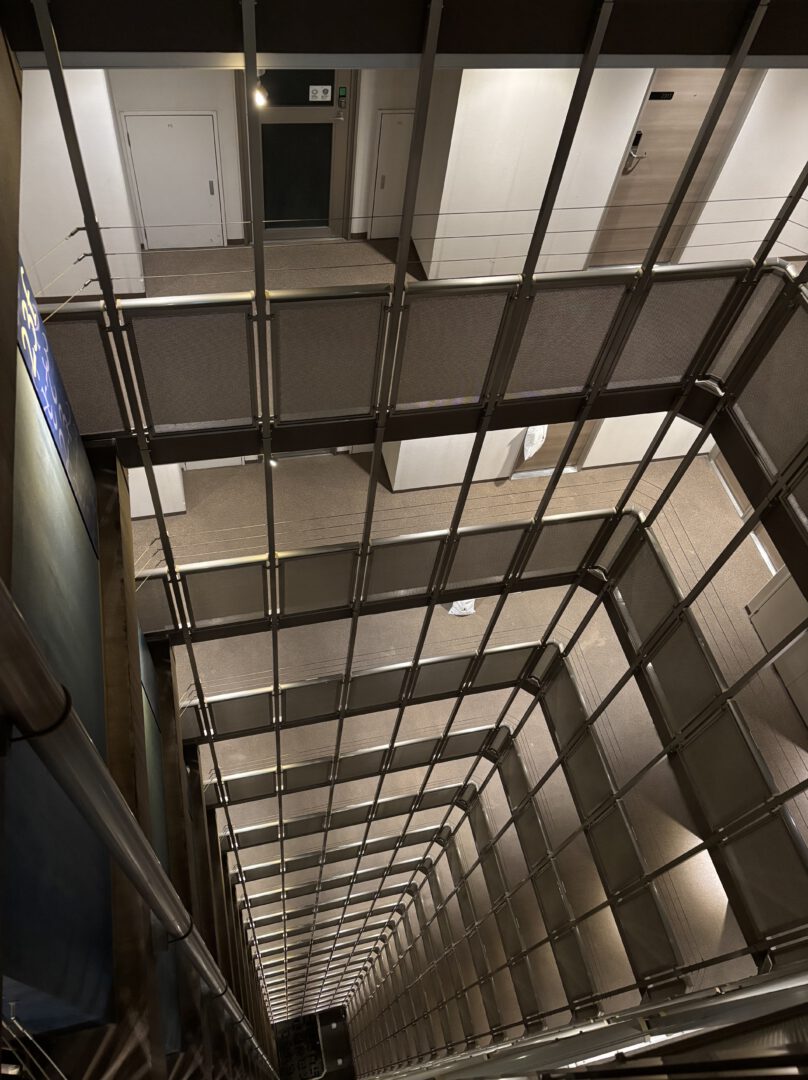
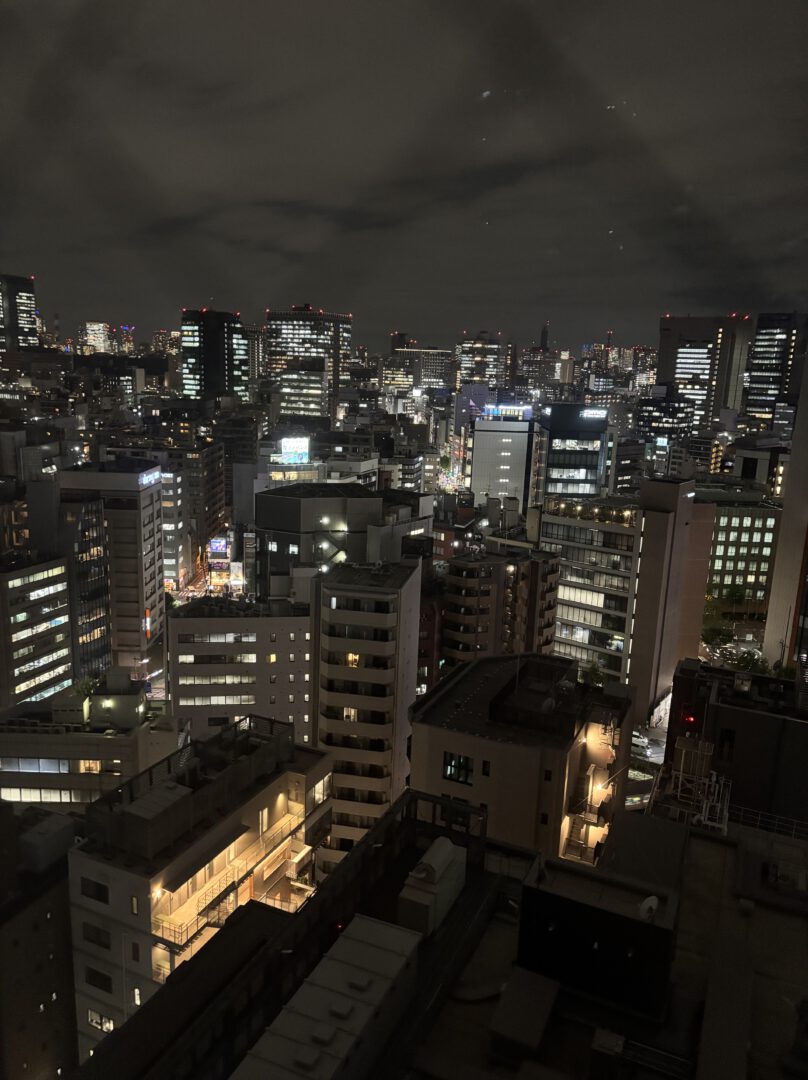
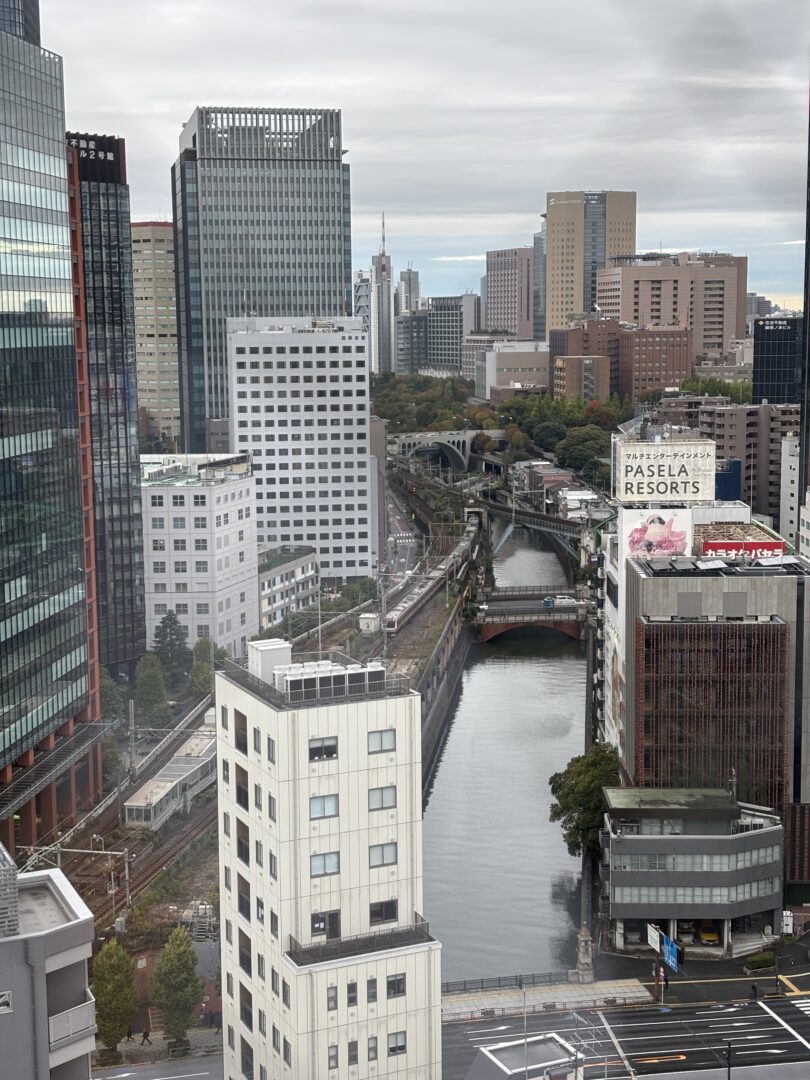
Late at night, I returned to Akihabara, this time staying at hotel Via Inn just two minutes away from my previous hotel. It remains one of my favorites, not only because of its round-tower architecture, but also because I managed to get a high-floor room overlooking the Kanda River.

The next morning, I laced up my running shoes and went for a run around the Tokyo Imperial Palace. The roughly five-kilometer loop around the inner moat is a classic among Tokyo runners, with the unwritten rule of always running counter-clockwise.
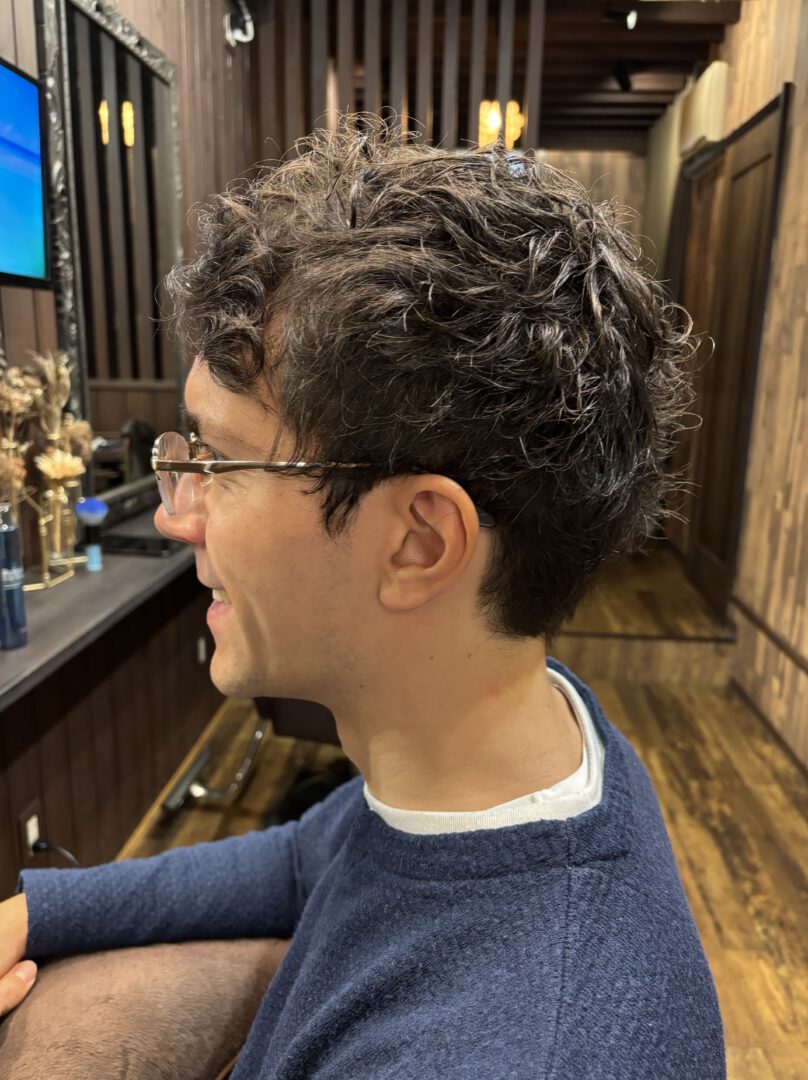
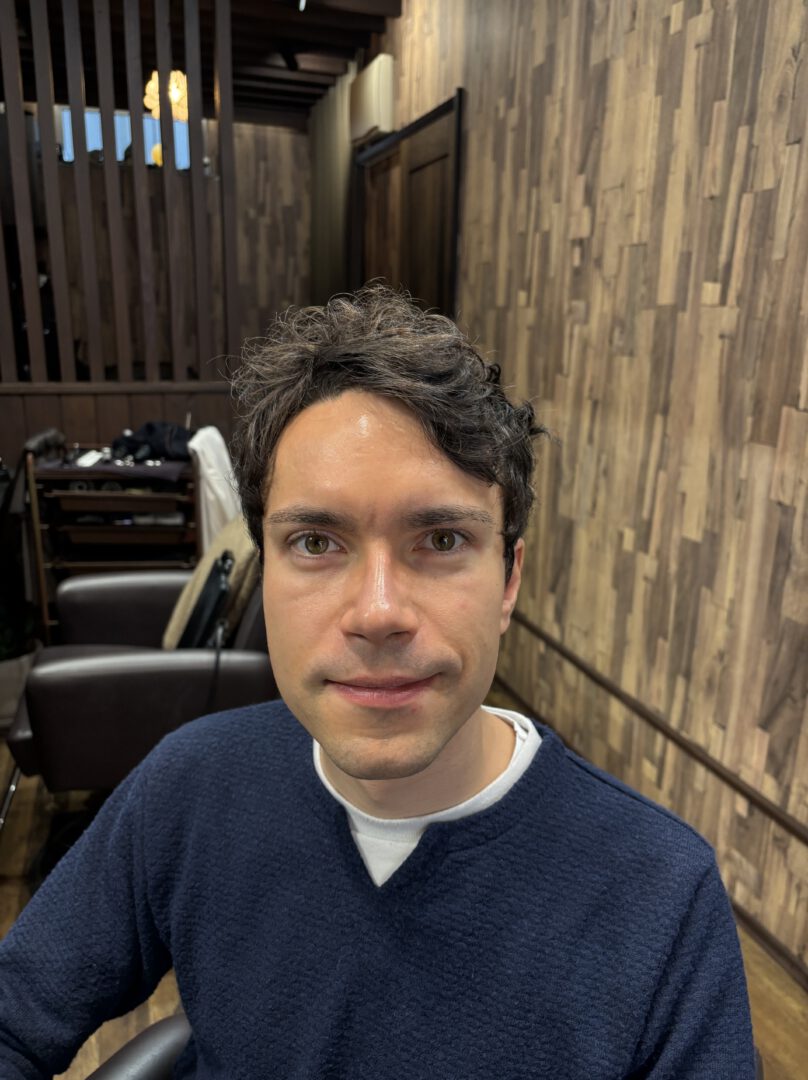
Before leaving the city, I stopped by the Nezu area near Tokyo University to visit my old hairdresser. I had been so happy with his service in the past that I made sure not to cut my hair until coming to Tokyo. He remembered me and even had handwritten notes from my last visit over a year ago. The haircut included a head spa, complete with a blanket and a pillow to rest my arms on—a kind of Japanese kind of luxury I appreciate a lot.
After lunch with a university friend, I returned to Akihabara, picked up my luggage, and made my way to Haneda Airport, ready for the next chapter of the journey, the big road trip across Tohoku.
Entdecke mehr von Tabimonogatari - 旅物語
Melde dich für ein Abonnement an, um die neuesten Beiträge per E-Mail zu erhalten.