After making a big loop from Tokyo to Aomori and then down via Kanazawa to Kyoto, I made my way back to Tokyo with the Shinkansen.
The train, of course, arrived on time, and I arrived at Tokyo Station in the morning. After living here for a year, it felt good to be back in Tokyo with a few more days to revisit familiar places and faces before leaving Japan. I still had some luggage that I wanted to get rid of for the rest of the day, so I went straight down to the basement inside the ticket gate area, outside of the Shinkansen area, where you can find plenty of luggage lockers. It is a bit hard to find, but when you go to the Shinkansen South Transfer Gate in Tokyo Station, there is a staircase you can take down right to the area.
During the day, I had a work meeting in the north of Tokyo. After that was finished, I reunited with my friends from Switzerland. They were waiting for me near Shinjuku Station in a bar, and then we regrouped to find dinner.
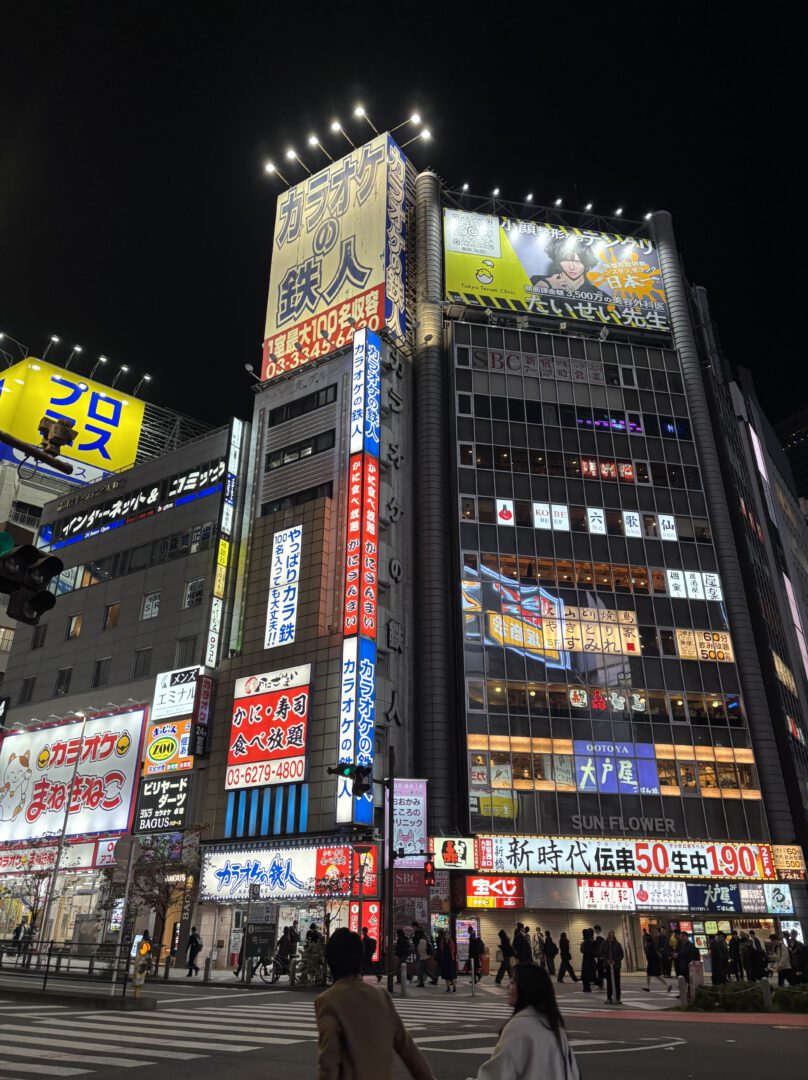
Knowing that Shinjuku is very busy and full of overpriced restaurants, I directed the group to the west side of the station, and we moved beyond the crowds and the lights into a quieter area with a few restaurants. That is one of the things I like about Shinjuku: once you get past the first row of bright signs and the usual bar districts, there is still a different side to it hiding just beyond. “Few restaurants” was really the right way to say it, because we did not find many in the end that were not already full or did not take walk-ins. Then we found an izakaya at a street corner and just jumped on it to see what it was like. It turned out to be exactly the kind of place you hope to find once you leave the most obvious parts of Shinjuku behind: a Showa-era drinking hole for salarymen with a big menu and lots of smoke in the air. Even though that was a bit different from what we had been looking for, it was great fun and really felt authentic. This is how an evening in Shinjuku is supposed to be.
We were ready to go for a second round with karaoke, but we were clever enough to first take the train down to our hotel in Kanda before starting there. That way we could celebrate beyond the last train.
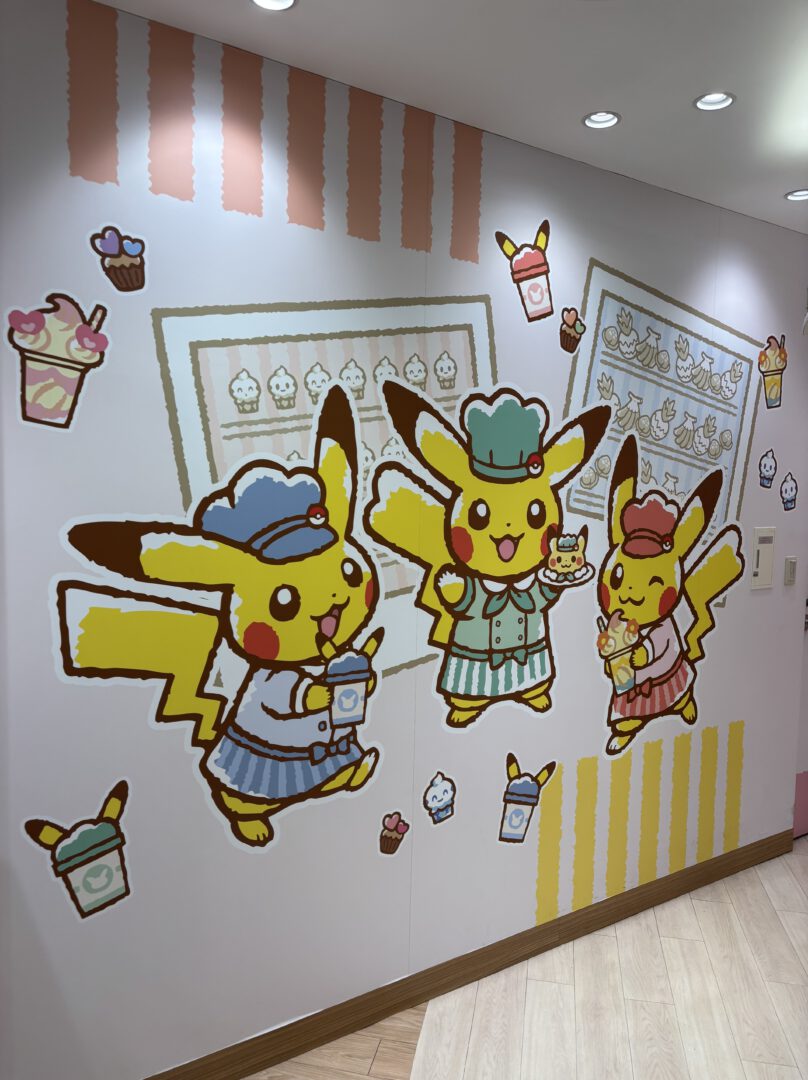
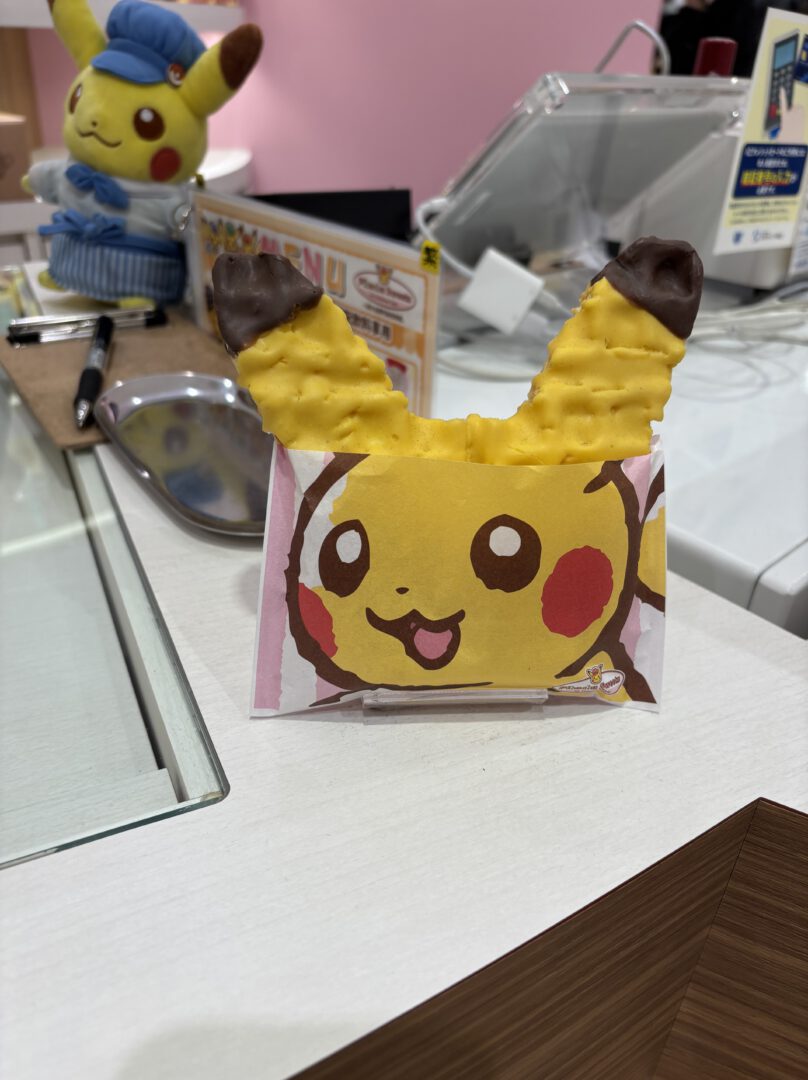
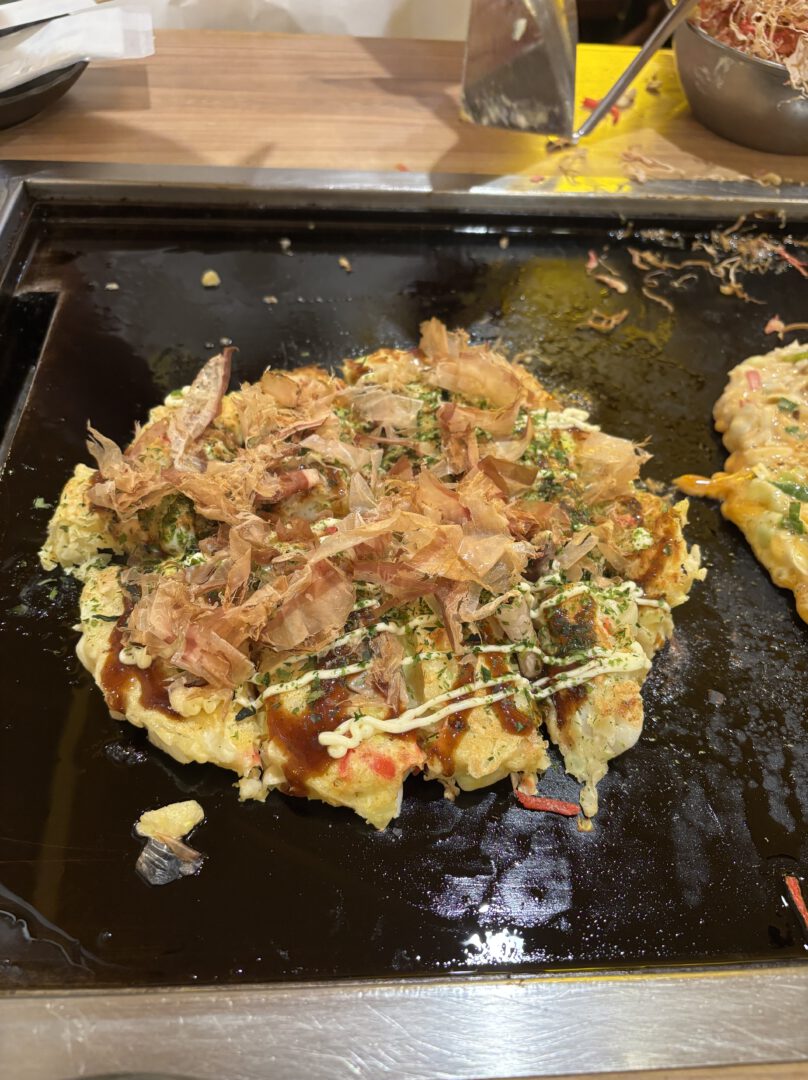
The next day we went to Ikebukuro for shopping, and I was also able to meet my friend from Gunma, who came down on his free day to meet up. We first had a nice coffee chat in a cozy cafe on the east side of Ikebukuro, not too far from Sunshine City. Then we hit up Sunshine City mall, which houses, for example, the Pokémon Center and many other shops, as well as an aquarium and observatory. We split up a bit, and the others queued up for the Pokémon Center to get some limited merch while I checked out some of the other stores. With empty stomachs and full bags, we had okonomiyaki and monjayaki together before heading to Animate for more shopping.
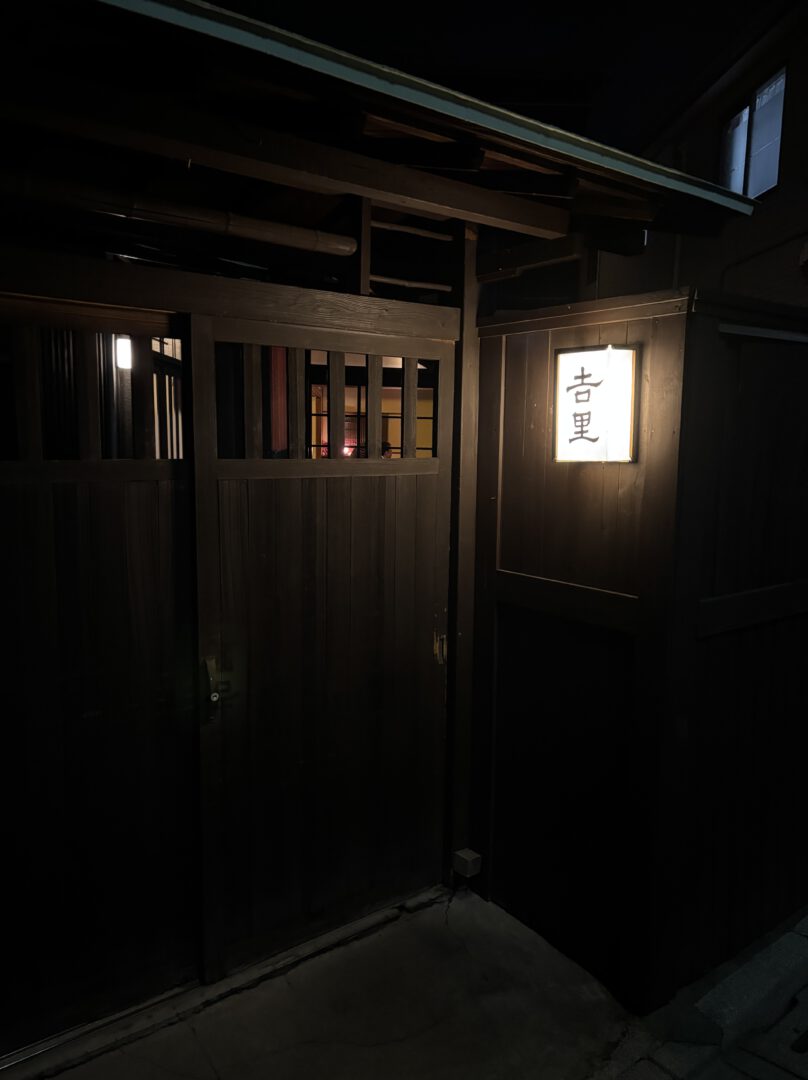
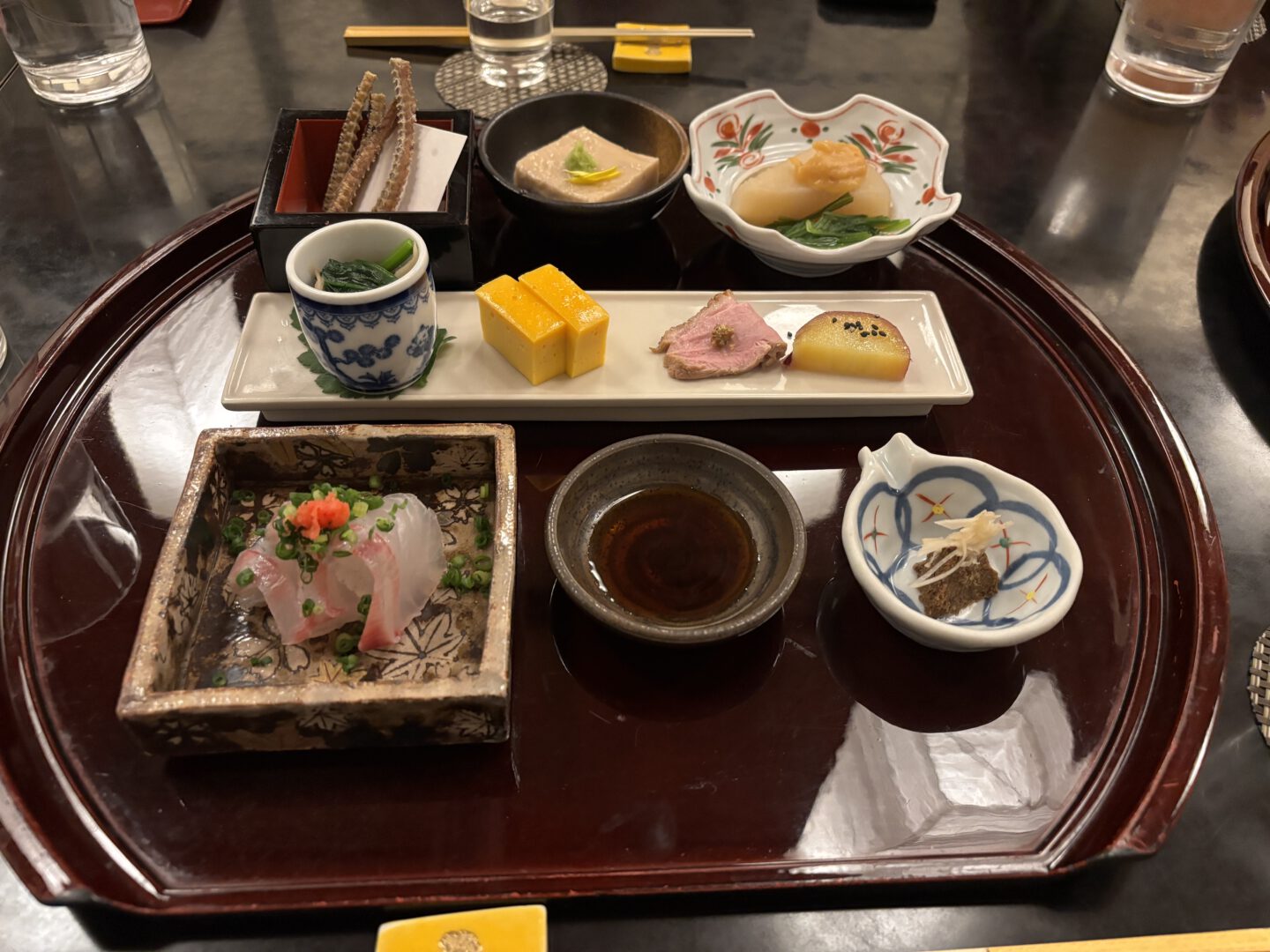
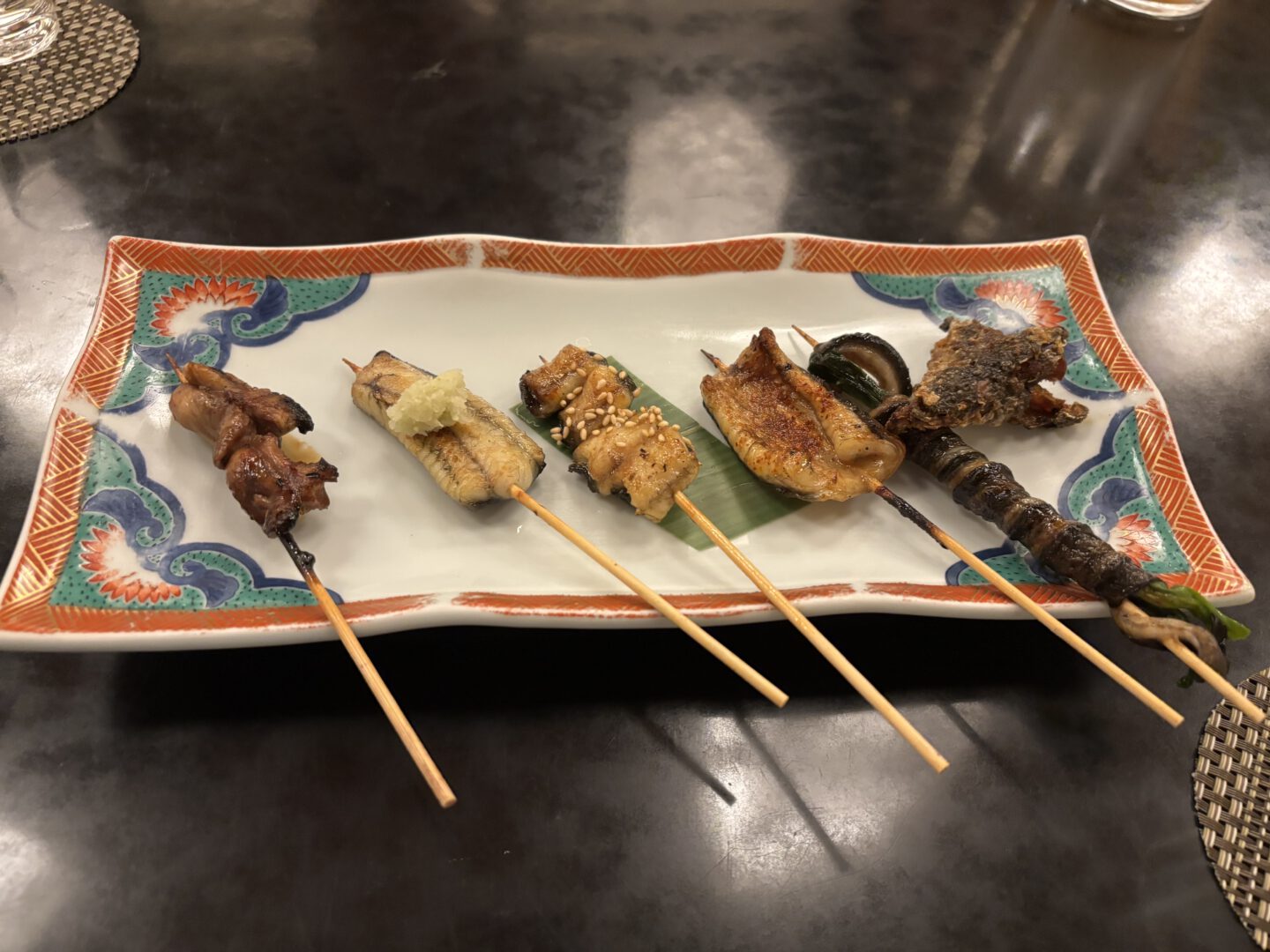
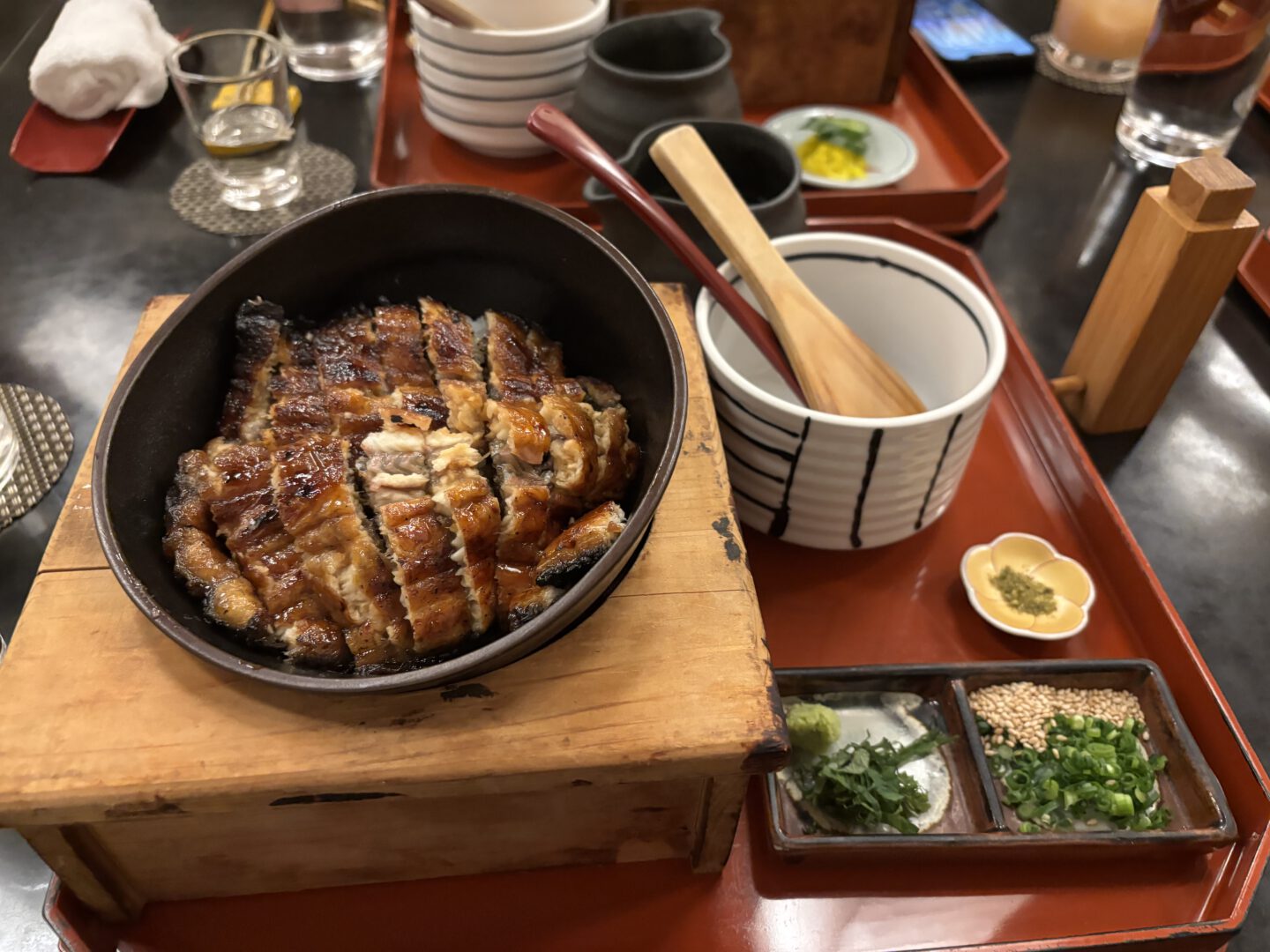
In the evening, I split off again to meet up with my university friends from Todai, and we went to a restaurant in Yanaka I had visited with them the last time before I left. It stayed in my memory for being exceptional both in service and food. Kiri, that is the name of the restaurant, specializes in eel dishes, and this time I invited everyone for a course dinner with many eel dishes. This restaurant really used every part of the eel, including the organs and even the bones. We had a great selection of appetizers, including roasted fish bones, omelette, and many other small dishes. The next course was a set of skewers with different unagi parts. The main dish was unaju or hitsumabushi, the famous dish of broiled unagi over rice.
On the third day, it was time for my companions to leave for Switzerland, but I still had a few more days in Tokyo, so we said our goodbyes at Tokyo Station. It was incredibly crowded because it was a long weekend and people were eager to move around the country.
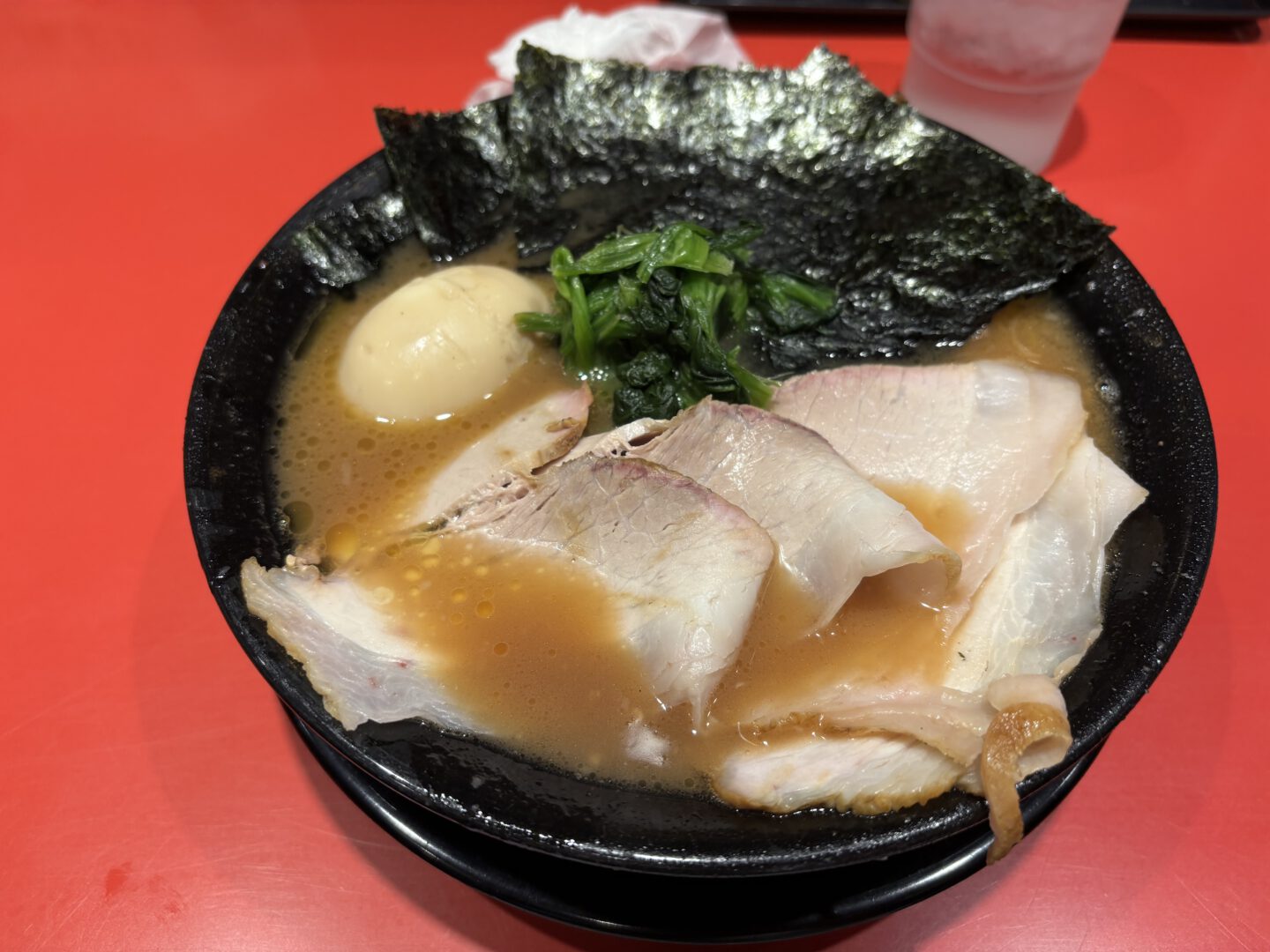
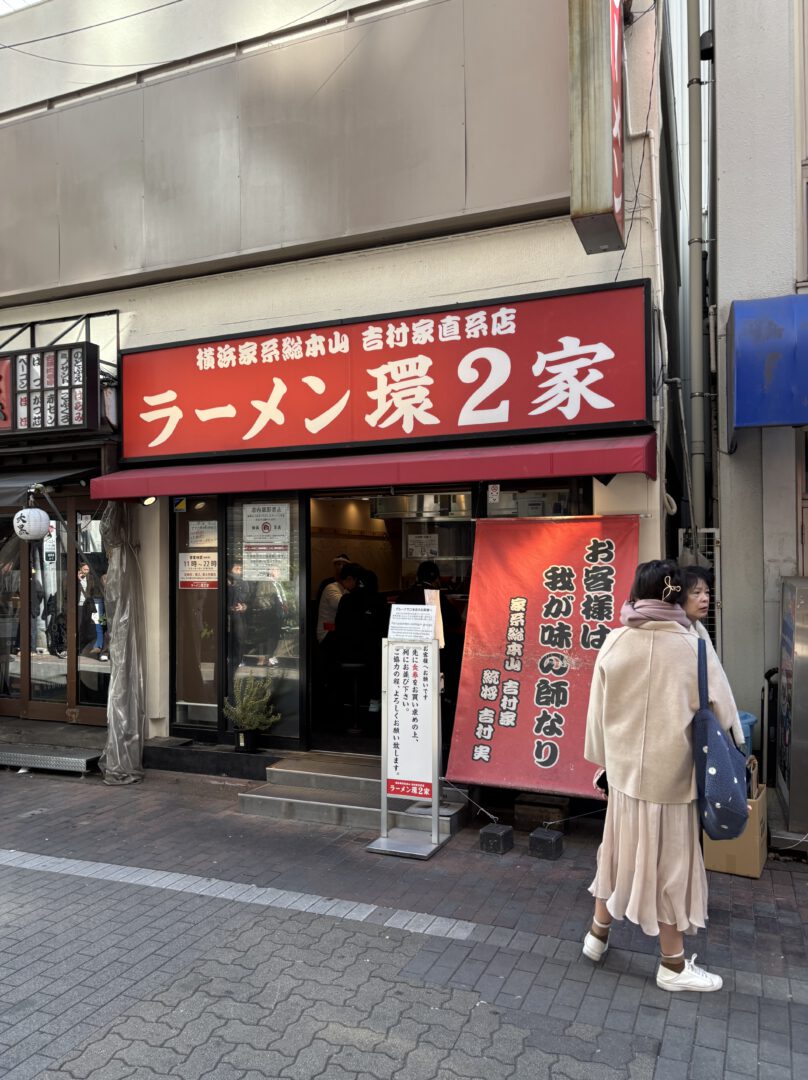
I had an insane amount of luggage by this point, and I somehow managed to move both my suitcases and myself to the next hotel in Kamata, very far south in Tokyo, almost at the border with Kawasaki. I chose this hotel because it was very close to Haneda Airport, where I would depart two days later. It was convenient to make the final spurt from there. For lunch, I went to a Yokohama Iekei ramen chain called Kan 2 Ya. It was delicious and a line quickly formed.
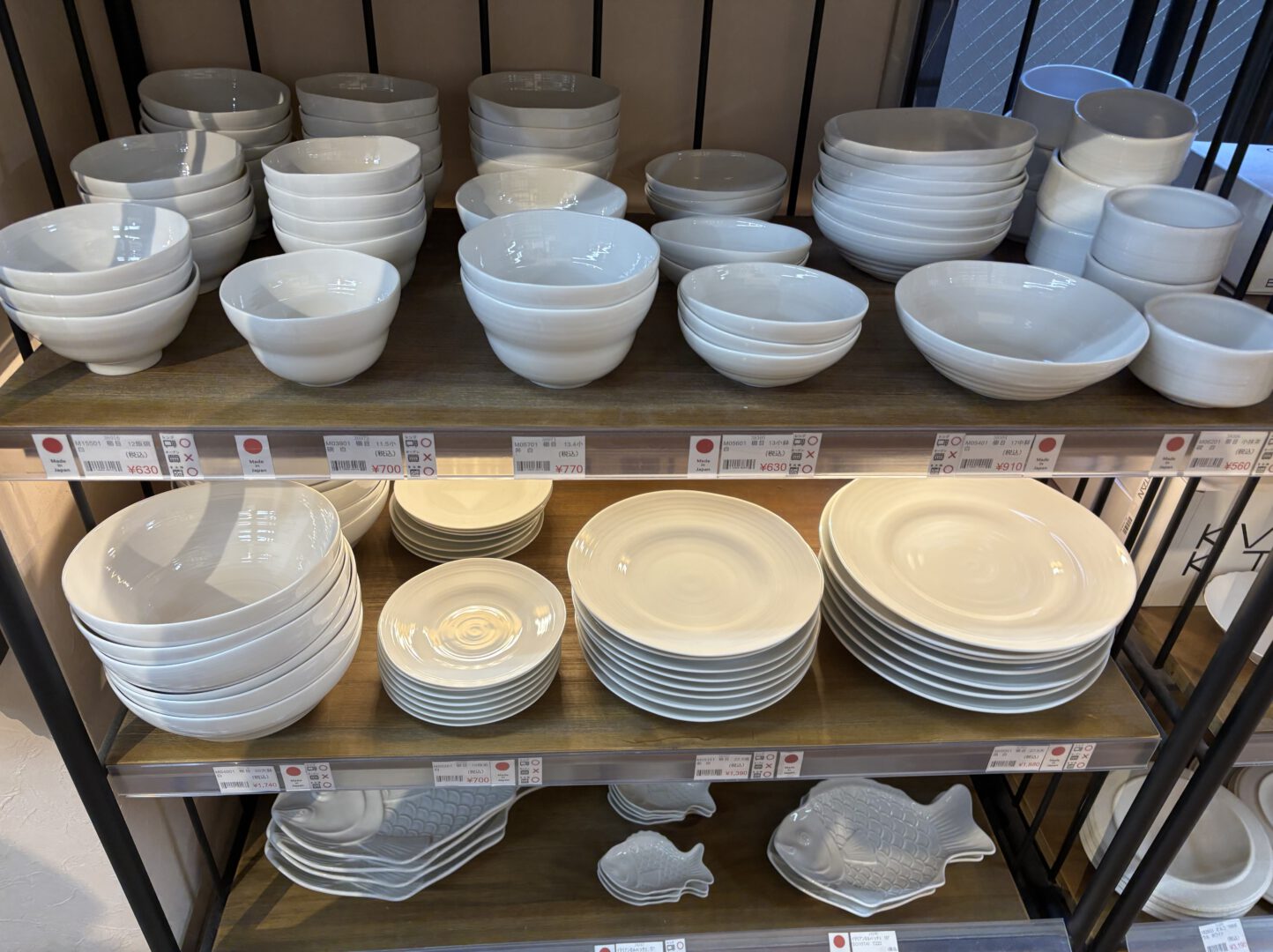
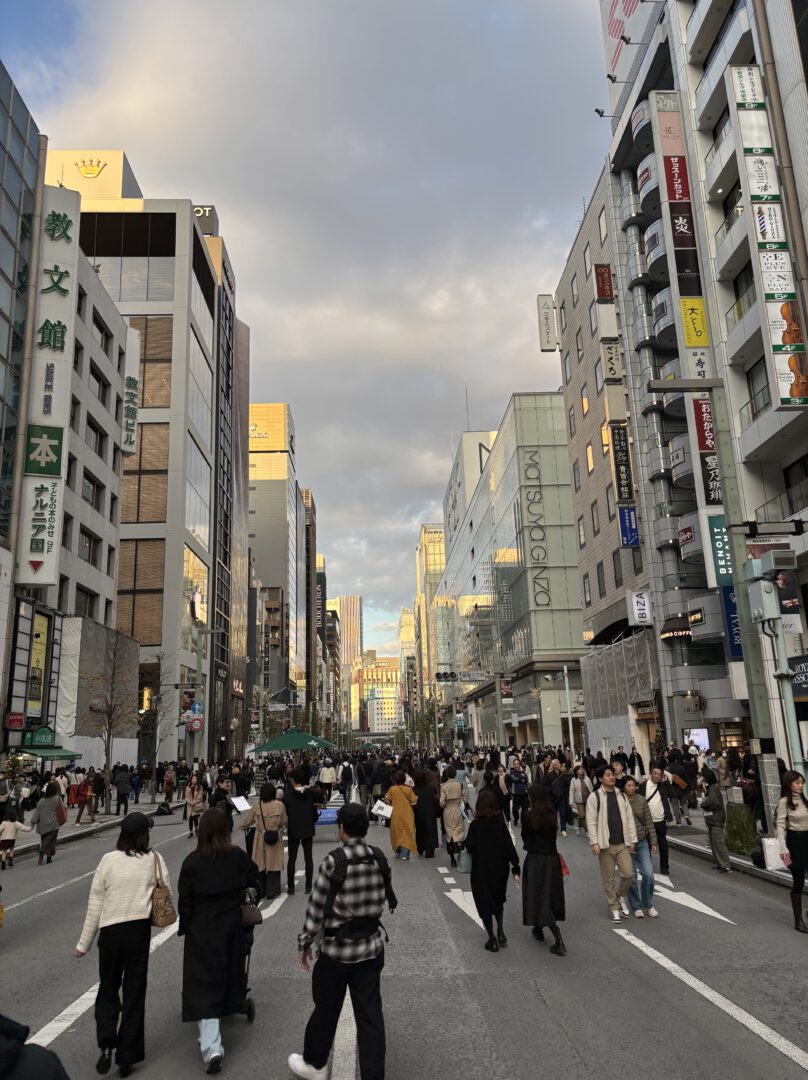
I continued shopping because there were still so many things to buy and organize, and because being back in Tokyo also meant picking up the things I already knew I liked before leaving. I first went to Kappabashi to add a few more plates and pieces of china to the set I had started buying at the same shop last year. After that I went to Ginza, where I bought green tea and clothing from Uniqlo.
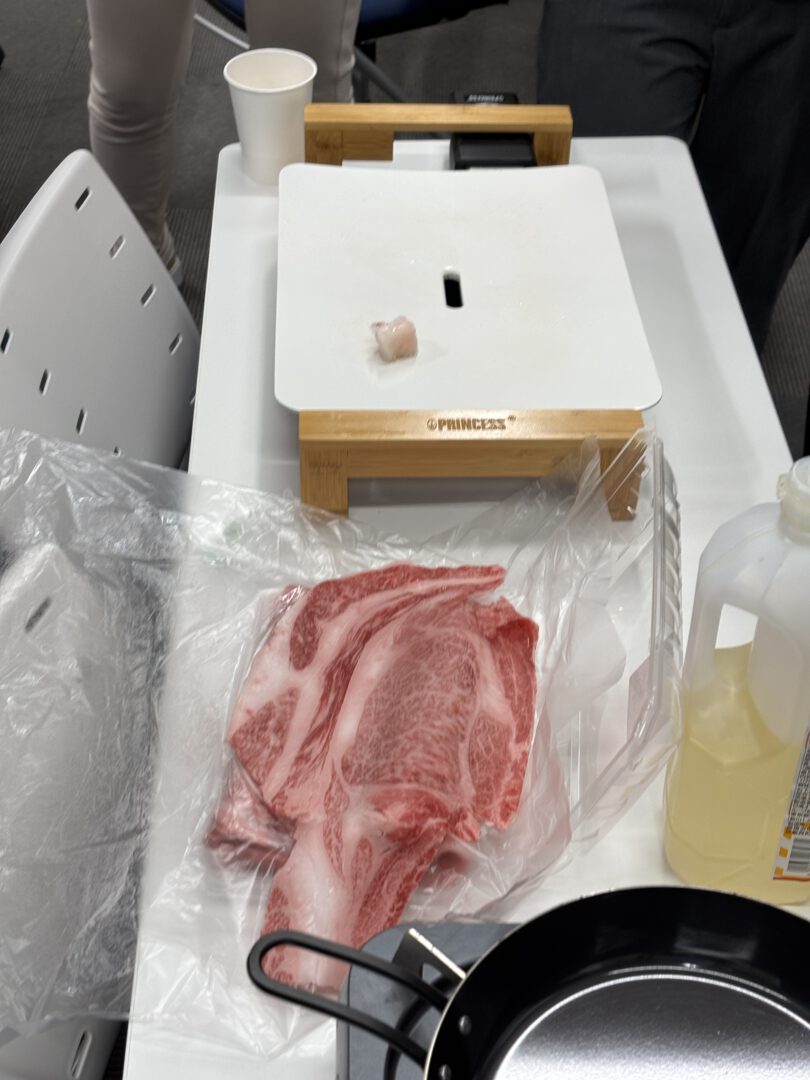
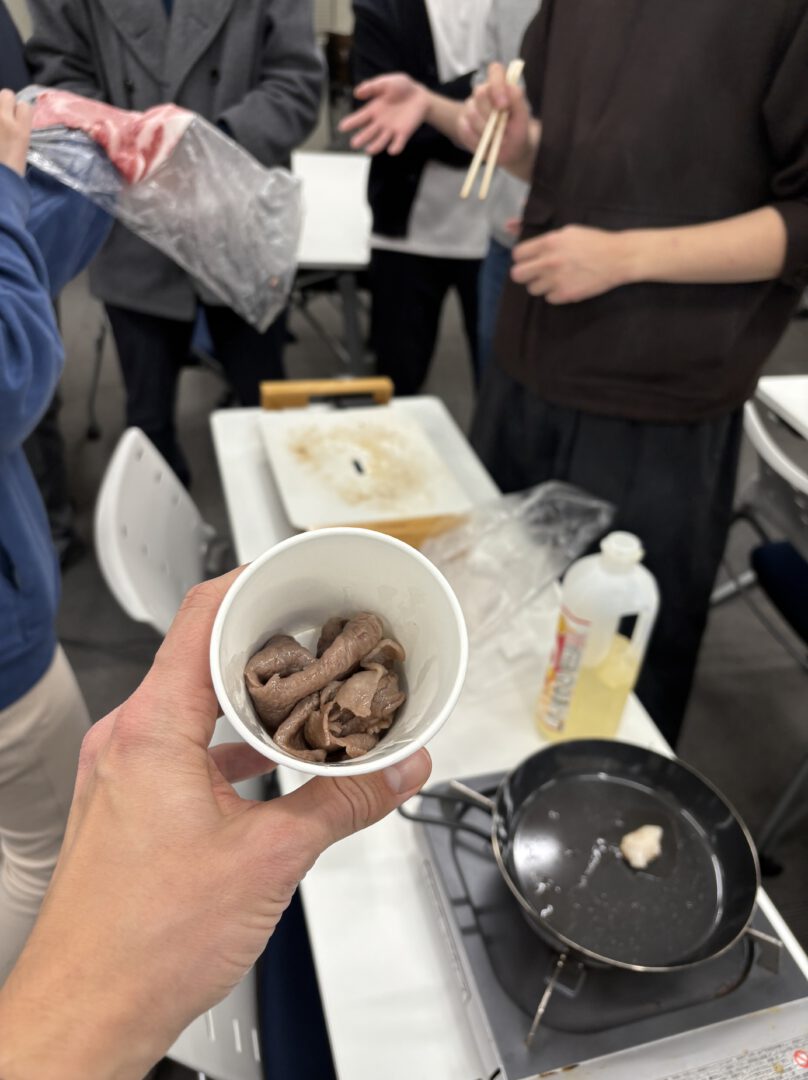
In the evening, I met the whole group from university this time, and we had a small party to celebrate me coming back as well as the publication we had authored together in the past year. The whole setup was slightly ridiculous in a way that felt very familiar: we sat in a seminar room at the university on a weekend evening, treated ourselves to some very expensive meat, and then saved on the rest so much that we did not even have real plates. It was great fun, and we shared Swiss beer and Japanese spirits. In a way, it also said a lot about academic work culture: even when there is something worth celebrating, people still somehow end up doing it half like a party and half like overtime. They also handed over an Advent calendar we had filled with chocolate for them to celebrate some European customs.
The next day was a Sunday, and I planned with one of my best friends and his partner from Tokyo to go for a hike. Funnily enough, we go back to my time in Kyoto. They had also recently moved to Tokyo, and they had not been to Ome yet, which is in the very west of Tokyo at the outskirts of the city. It took us two hours to get there from Tokyo Station, showing how vast Tokyo is. We treated ourselves to the Green Car, the first-class coach with reserved seats, which can be quite useful in these busy hours on the Chuo-sen. With your mobile Suica, there is a small discount, and the fare is about double, or 2,000 yen, for the whole distance from Tokyo Station to Ome. Over time, the city turned into a really rural landscape.
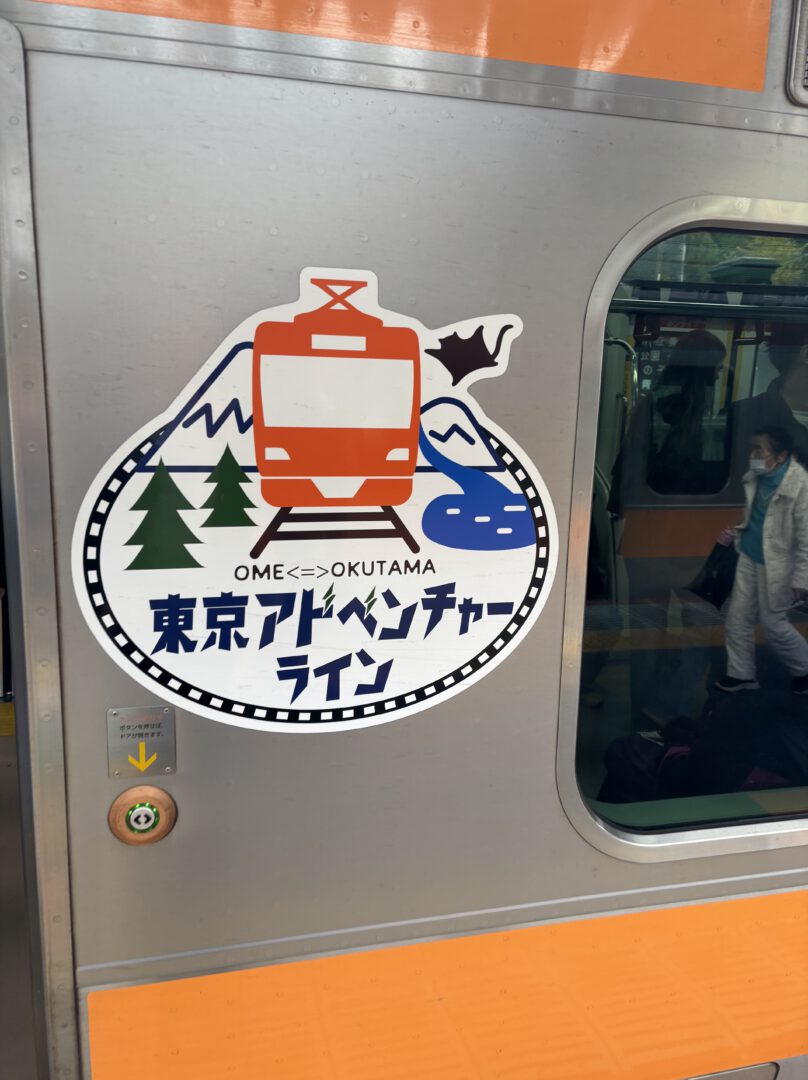
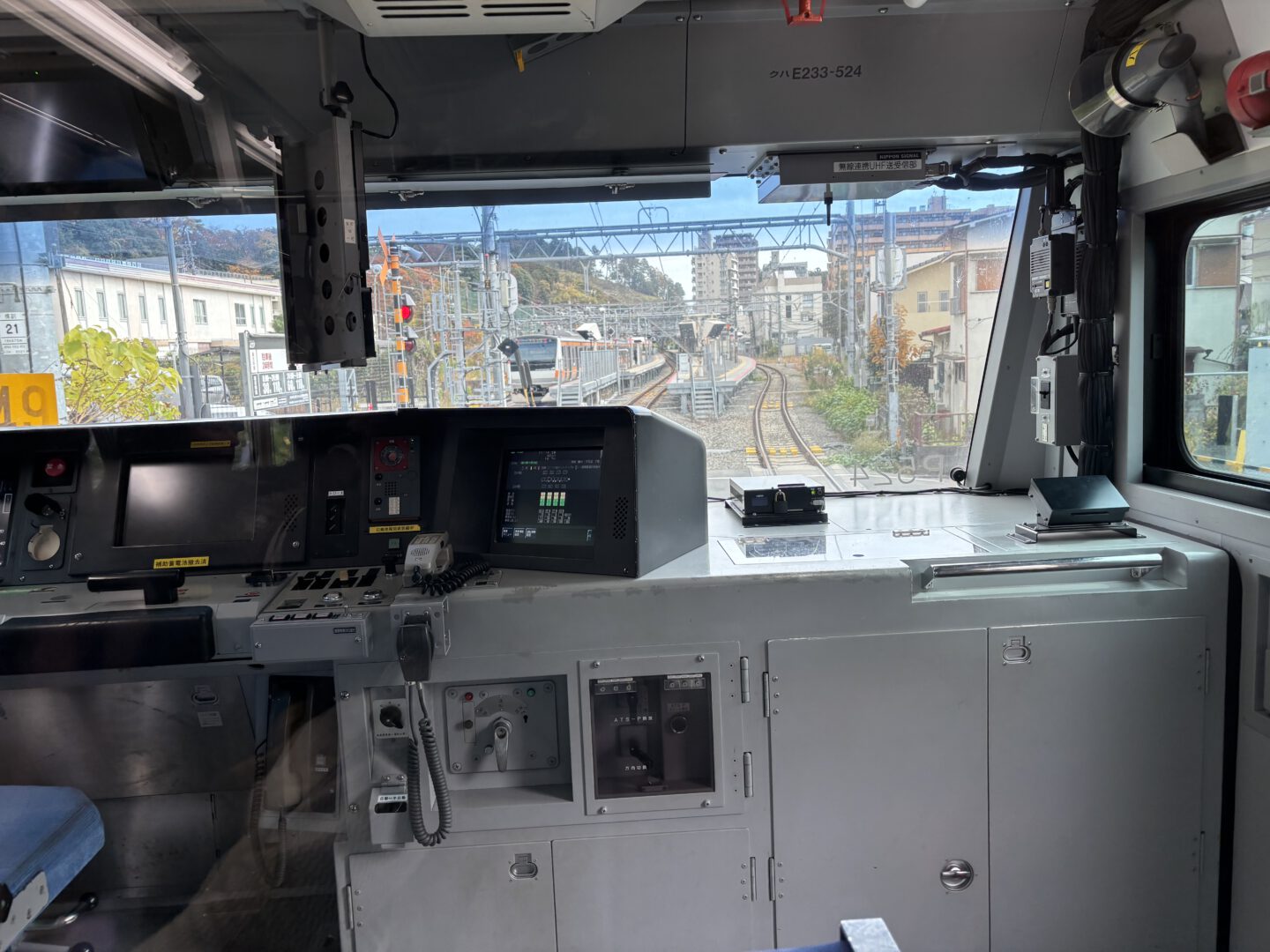
When we arrived, we hardly recognized Tokyo anymore. That is one of the things I like most about Tokyo: as huge as it is, it still has an edge, and from the center you can get out into proper nature surprisingly quickly. It was also great to show my friends that side of it. We were certainly not alone, and many enthusiastic hikers and climbers were exiting the train with us at Mitake Station. Among them were even boulderers with their own crash mats.
Instead of the bus, we walked to the cable car station. It turned out to be longer than I anticipated, and the road was mostly a car road, so it was not too pleasant to walk along it. But we made it to the station in just shy of one hour. We passed a long queue of cars waiting to get a parking spot near the cable car. To me, this seems quite pointless, because it stays crowded well into the afternoon. Therefore I really encourage everyone to come by train to access these hiking spots.
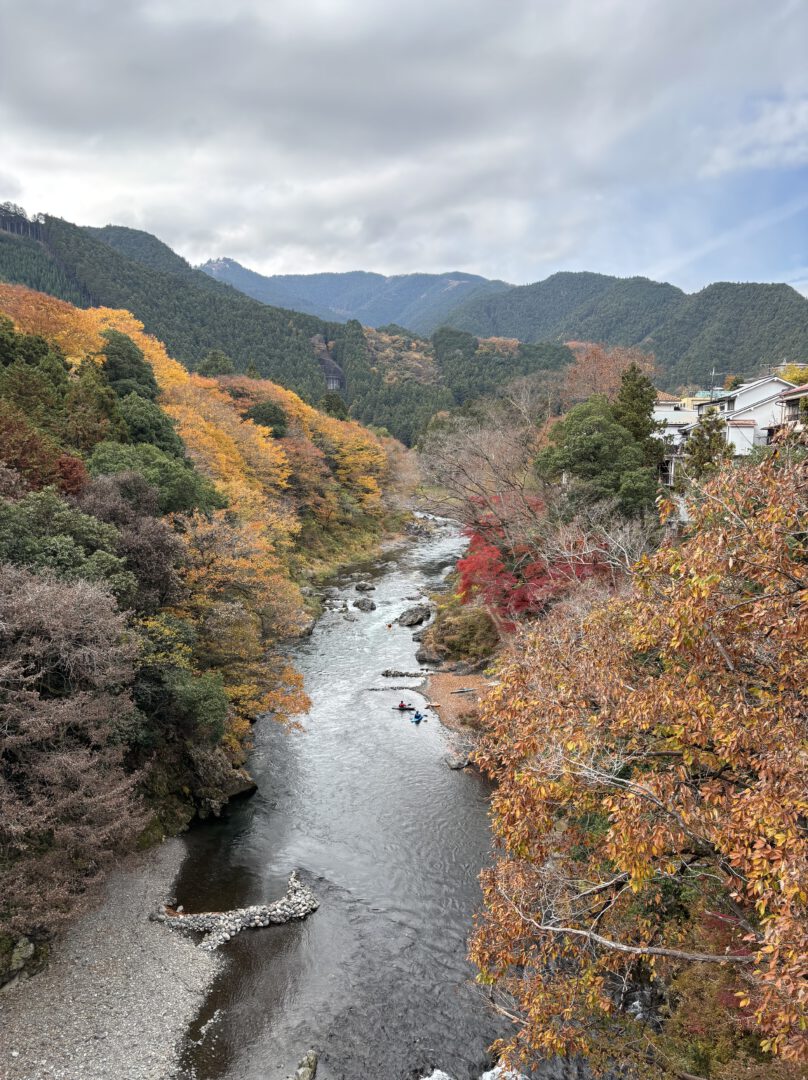
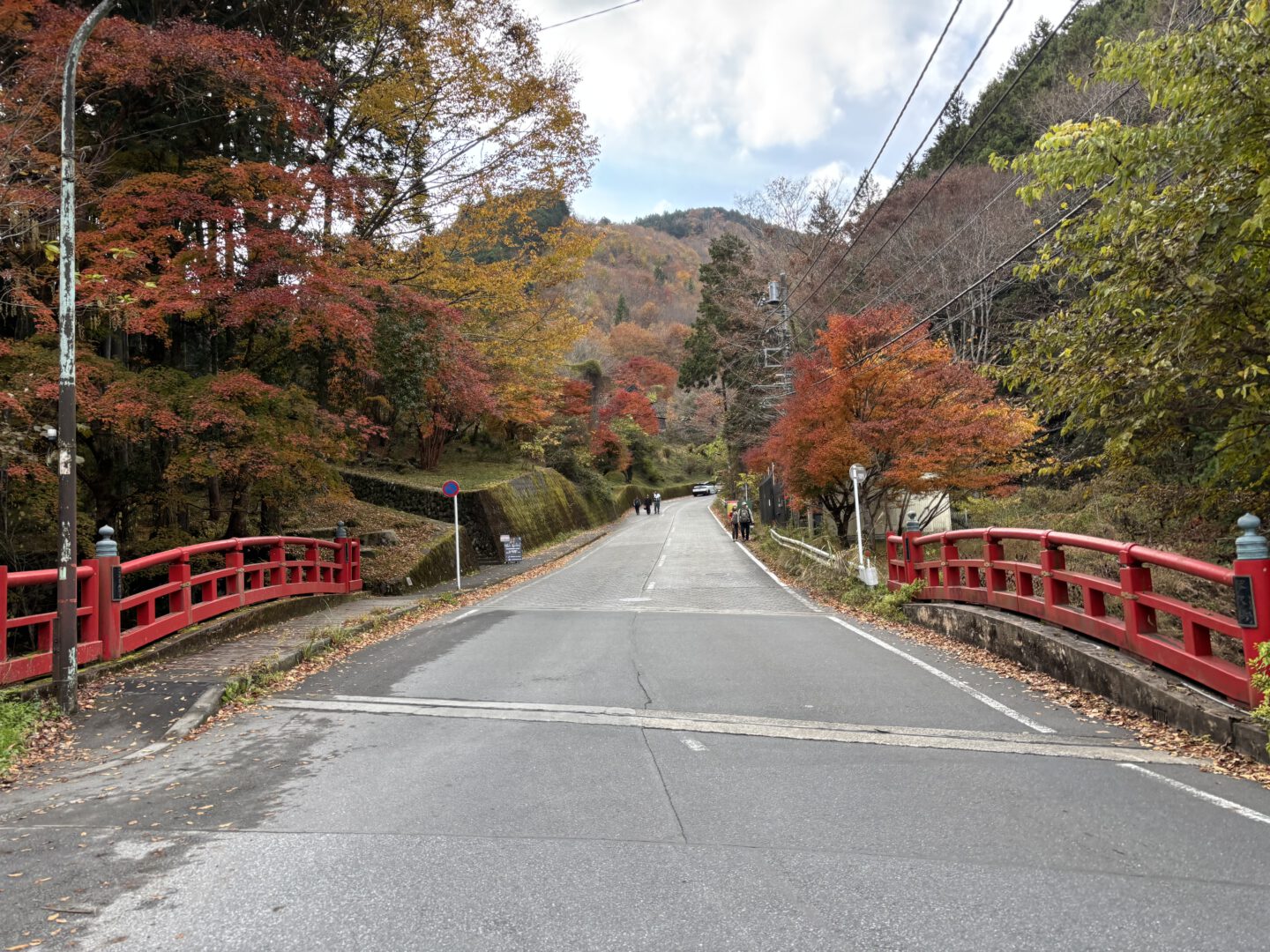
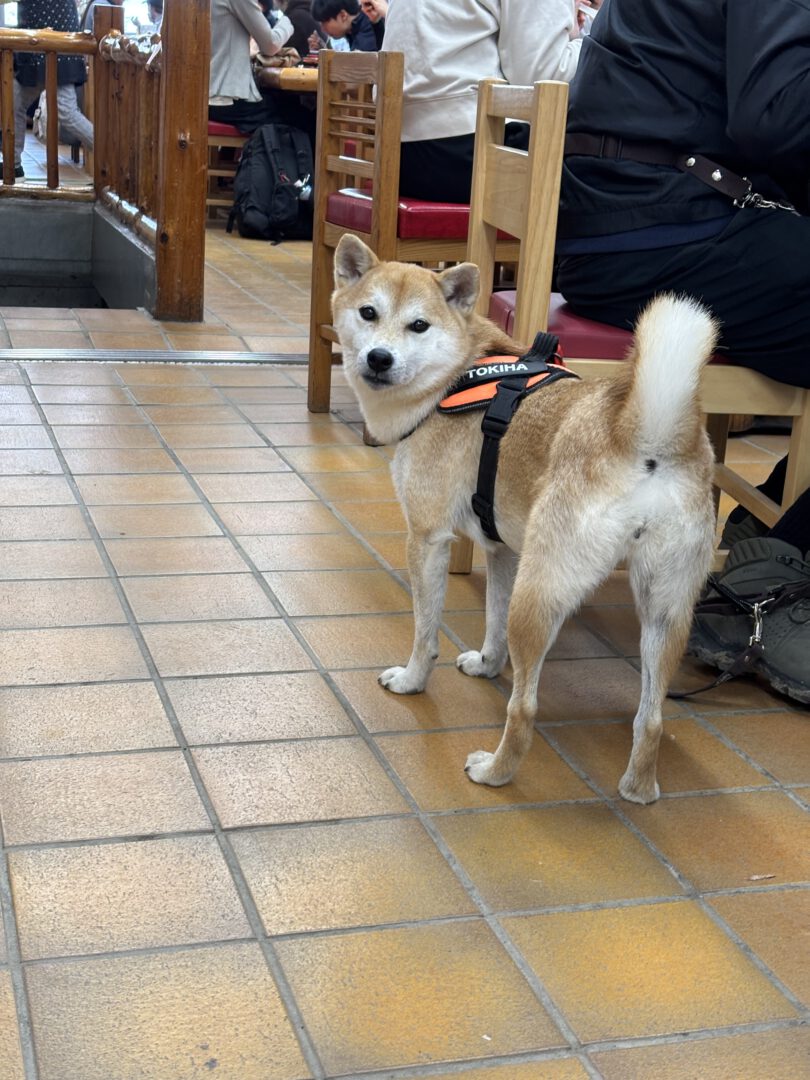
The cable car, on the other hand, runs frequently and, while it was not as steep as the Stoosbahn in Switzerland, it was quite a steep ascent with a transfer at the middle station towards the top of Mitake-san. Many people came with their dogs and looked like they were there to have a relaxed afternoon rather than a sporty mountain climb.
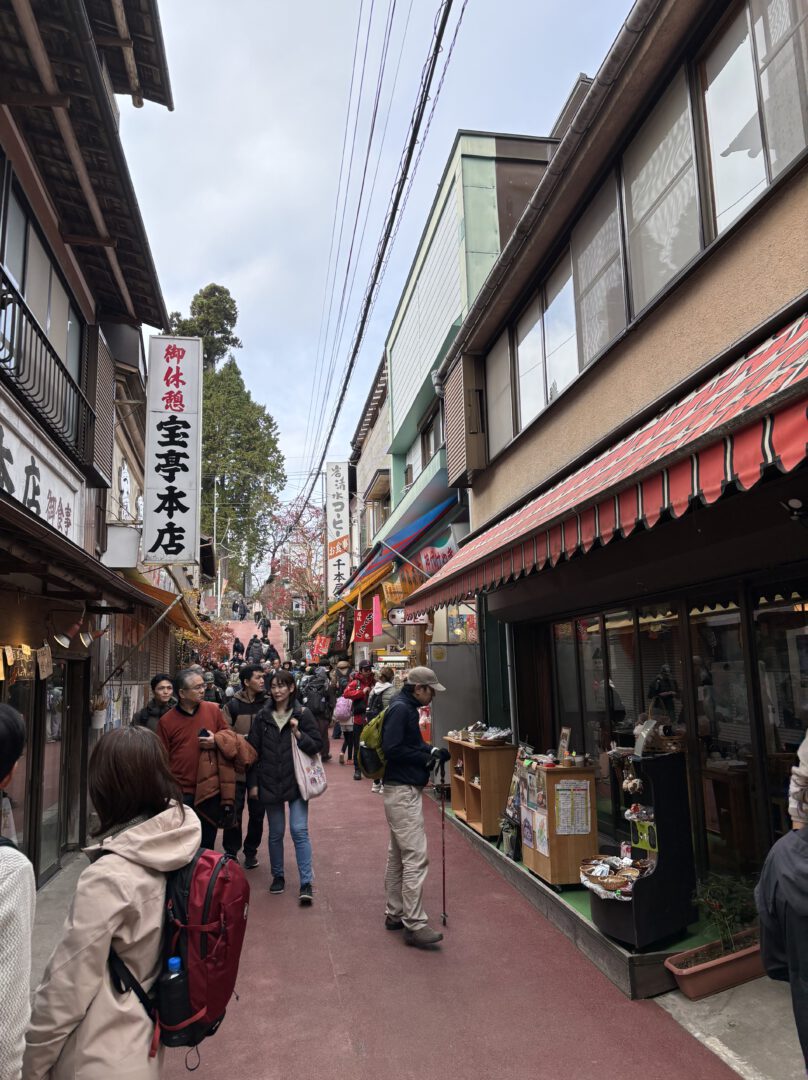
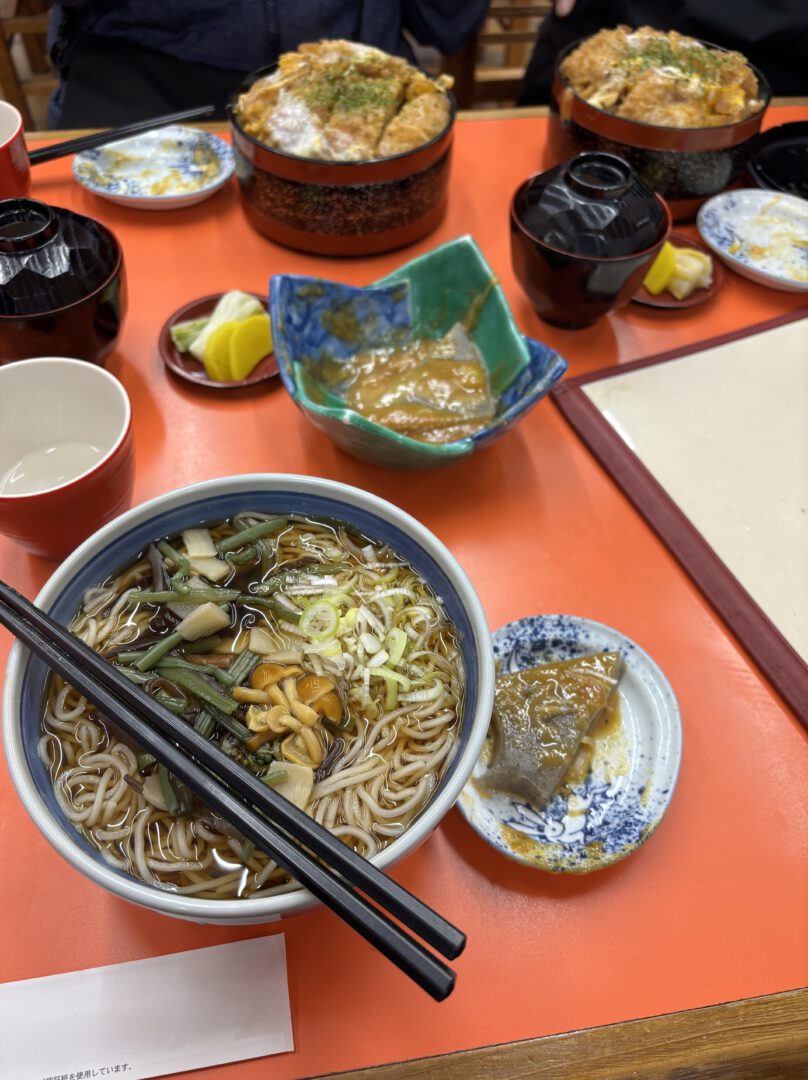
From the top station, we walked about a kilometer to reach the starting point of the hiking route, where Mitake Shrine is also located. Passing a street with many restaurants offering soba or udon, we also felt hungry at this point and sat down for a quick lunch. All the restaurants were full, but because we came rather late, we got a seat eventually. We ordered soba noodles and katsudon, as well as some nasu dengaku.
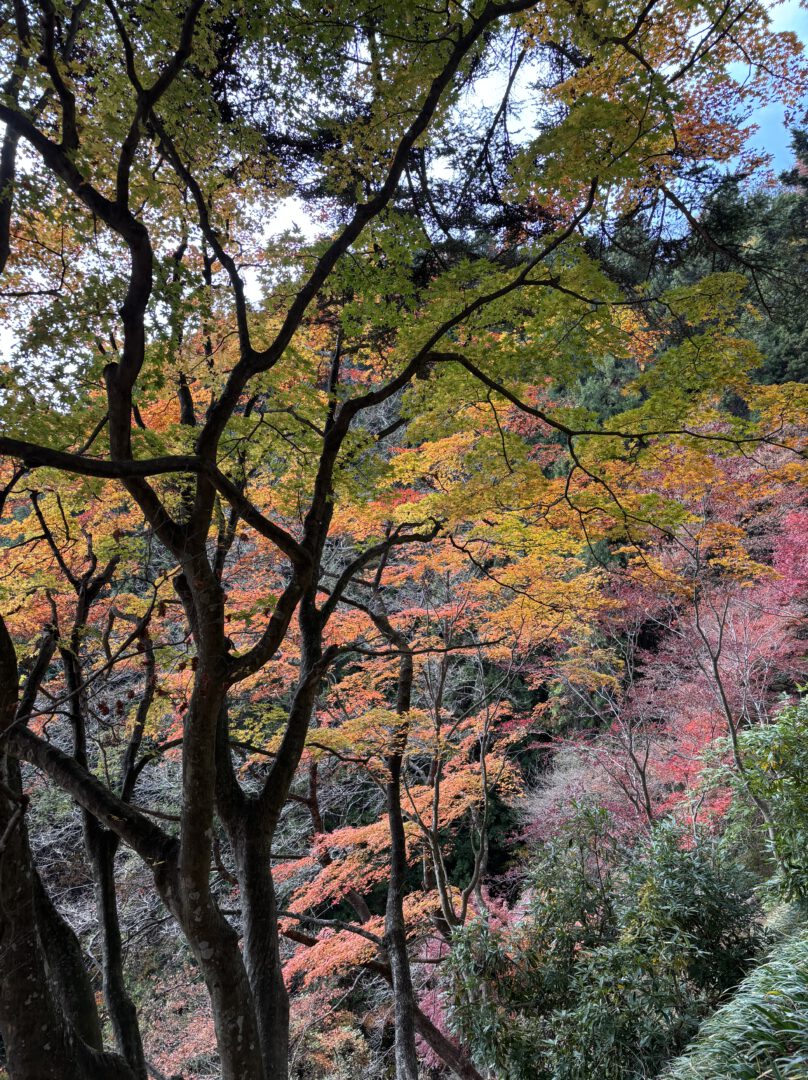
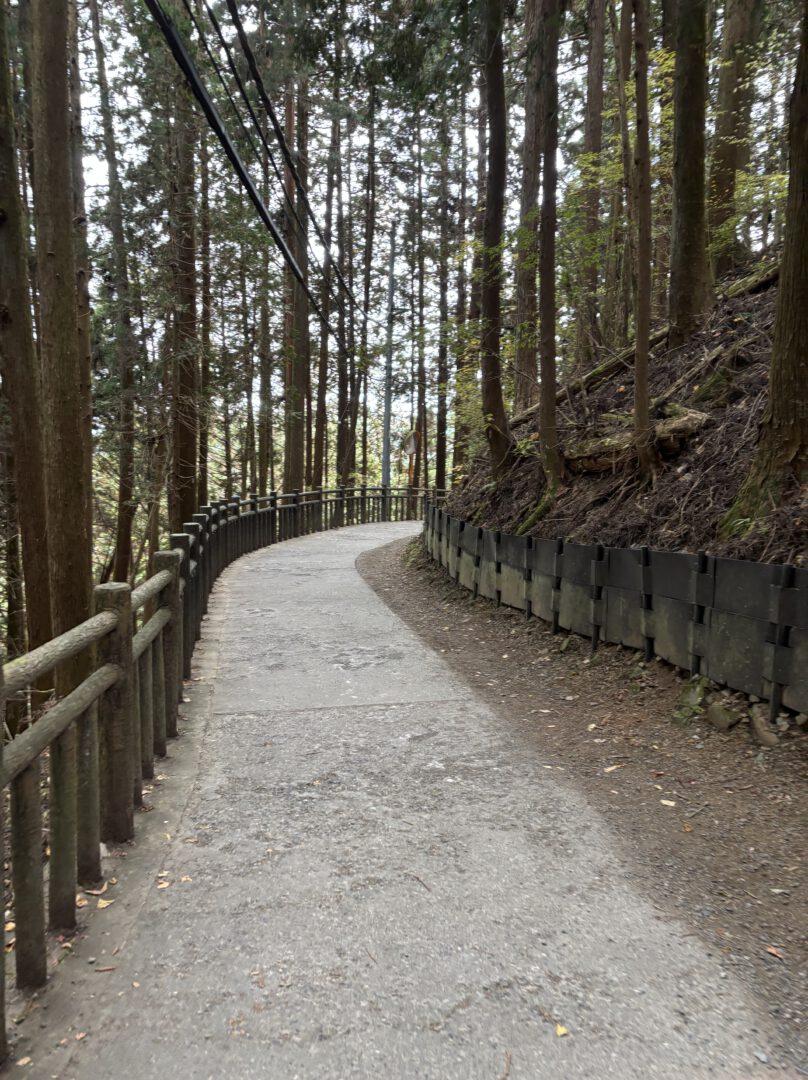
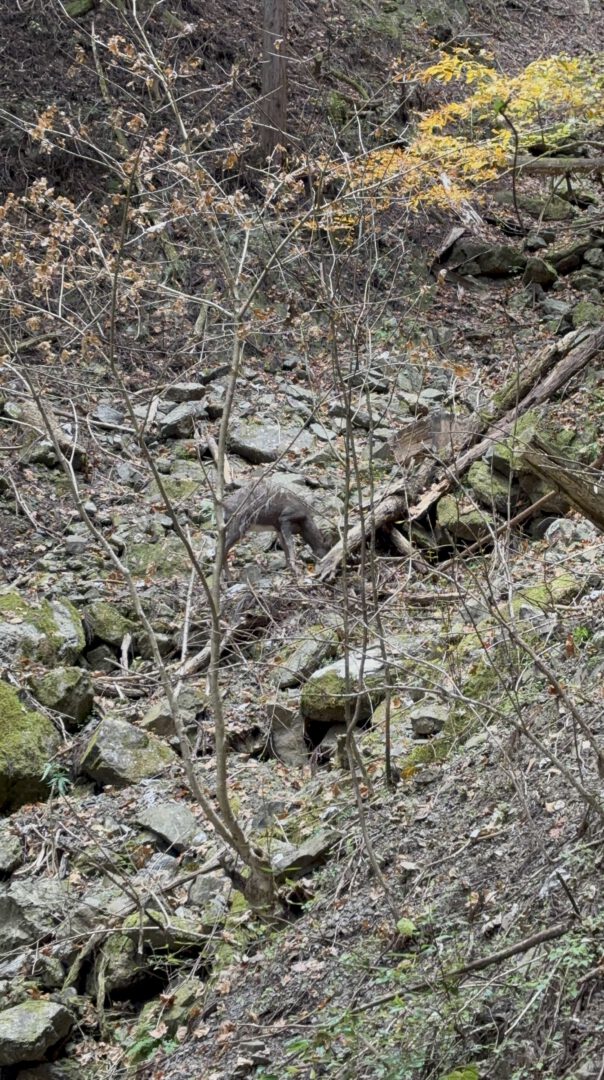
We then left the shrine for later and instead focused on the circular hike through the Rock Garden, which would take up to two hours. Because it was already rather late, a local guide warned us to be cautious about starting the hike because it might get dark before we finished it. However, his estimate was grossly pessimistic, and we finished after 90 minutes, half the time he anticipated. The hike was nice, taking us through a forest of pine trees and past the namesake rock gardens with many small and big boulders covered in moss and lined by mountain rivers. We even met a wild deer on the way.
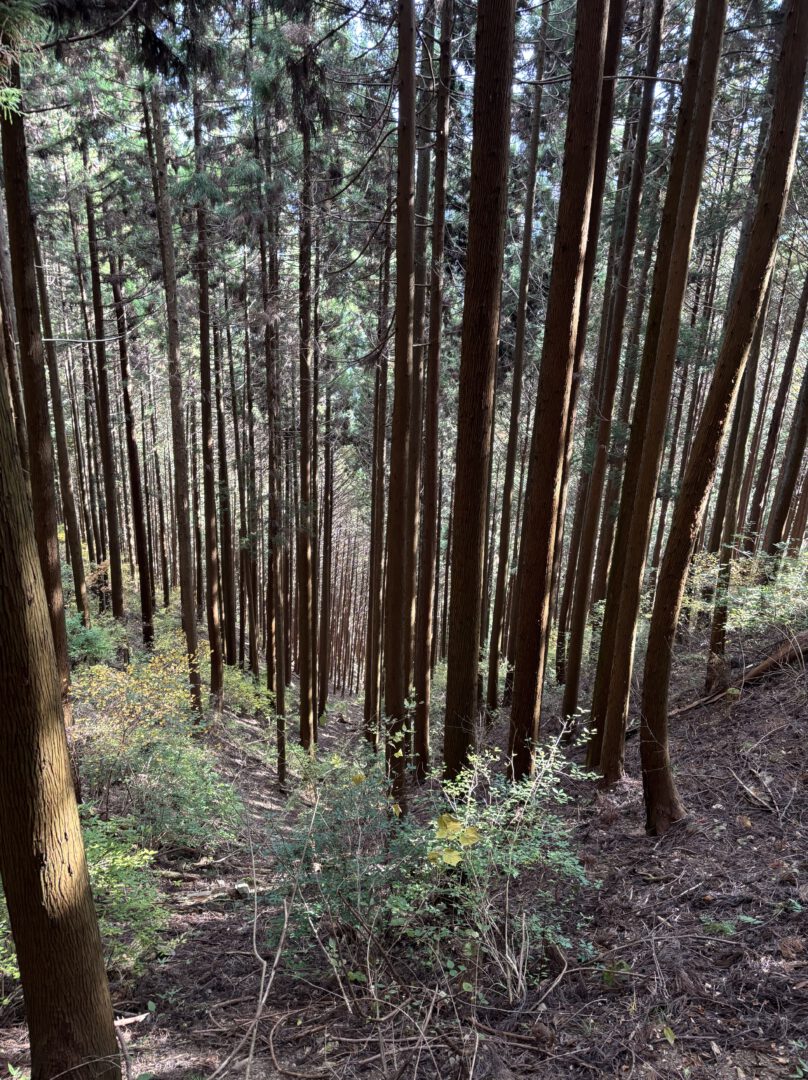
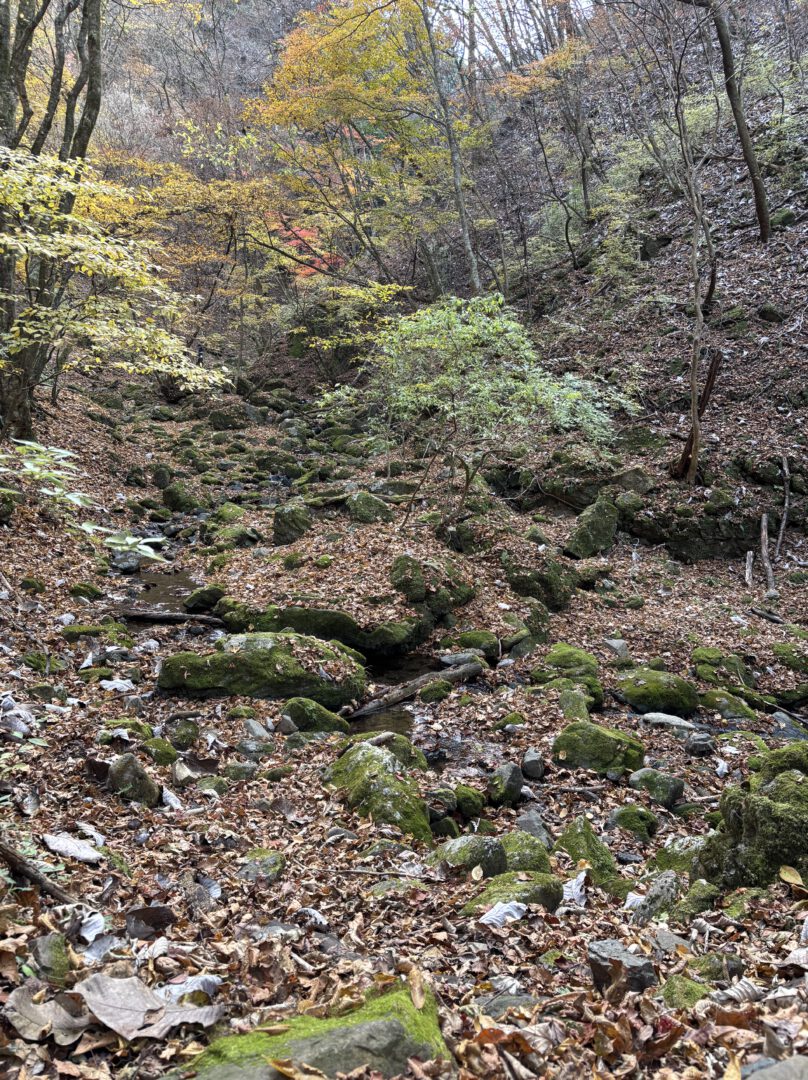
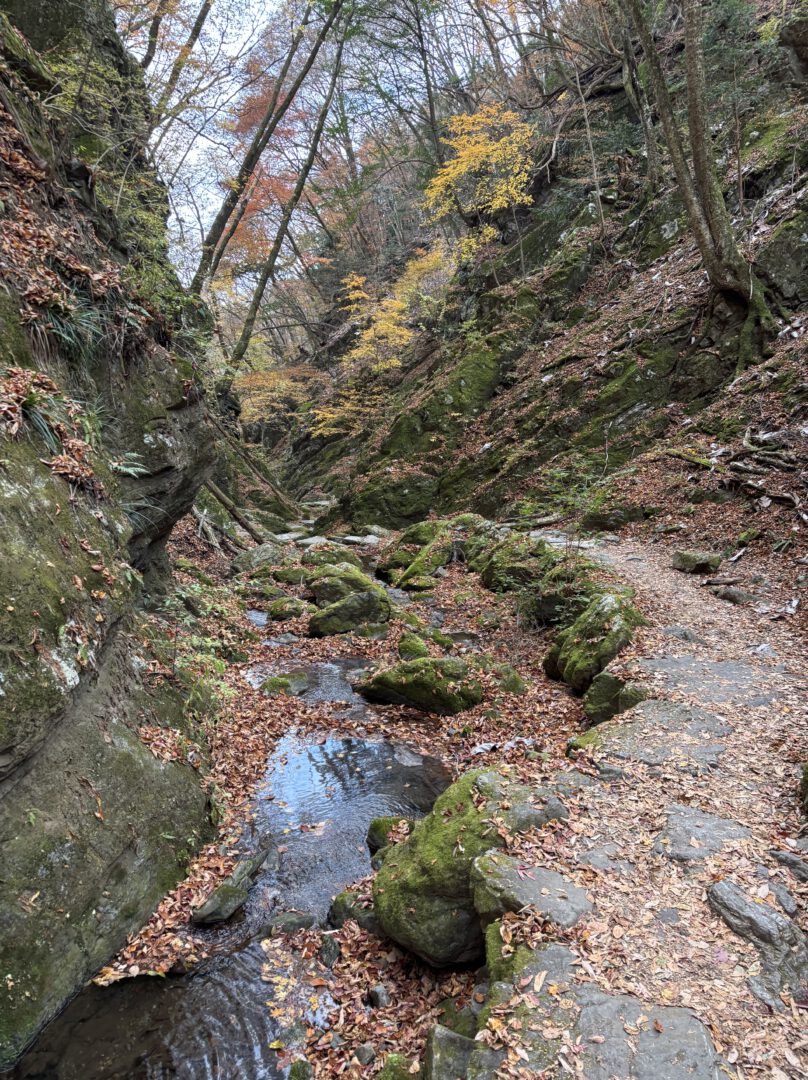
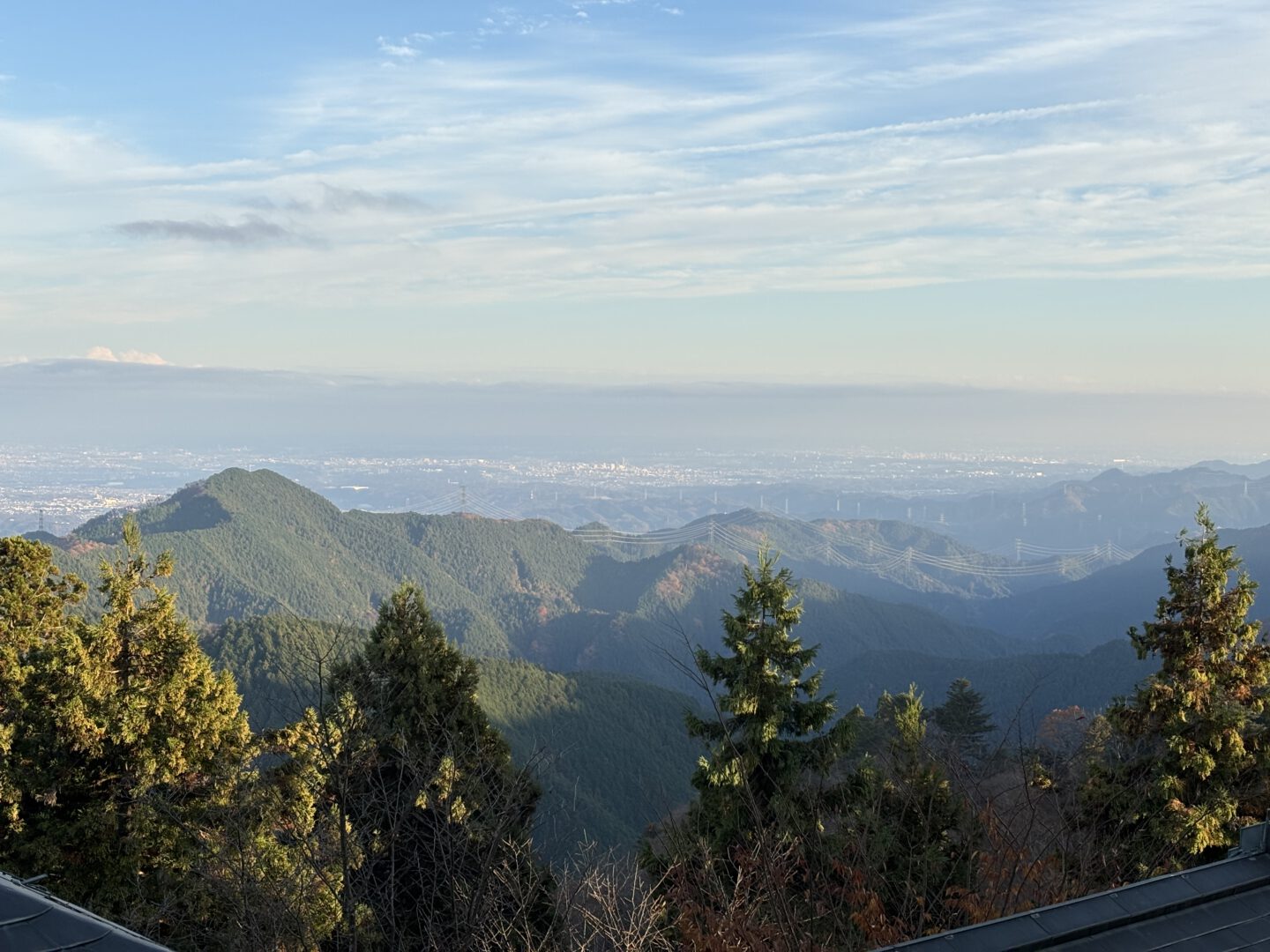
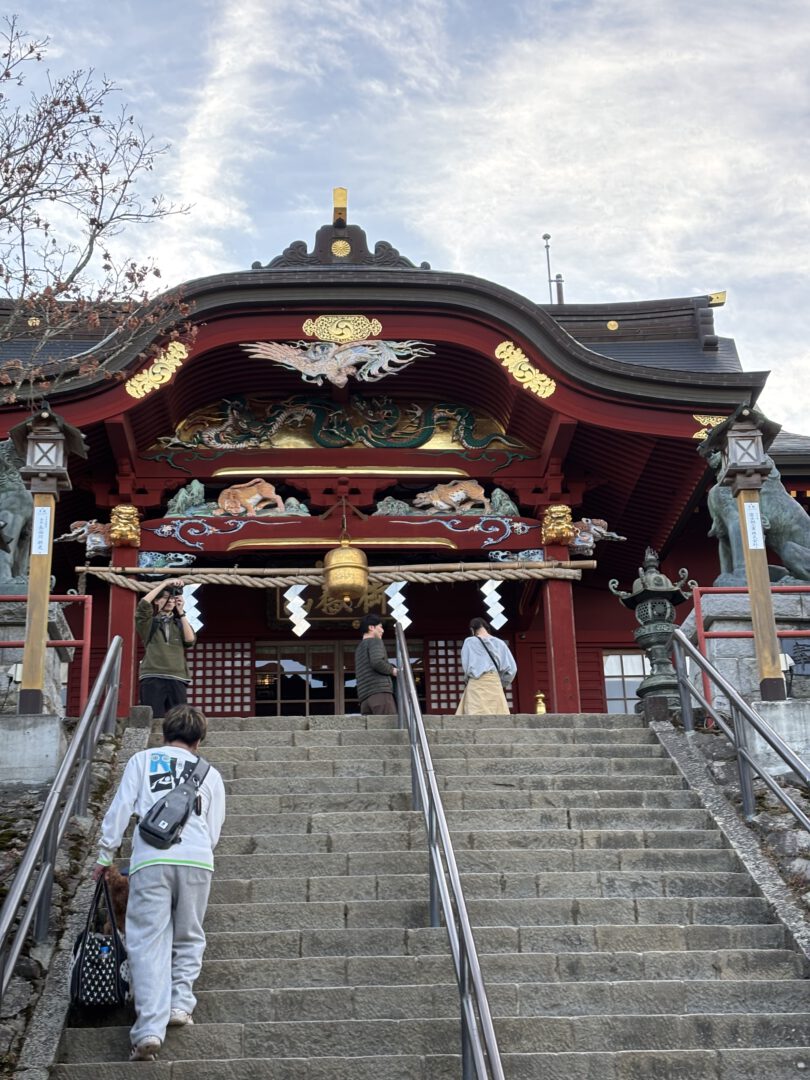
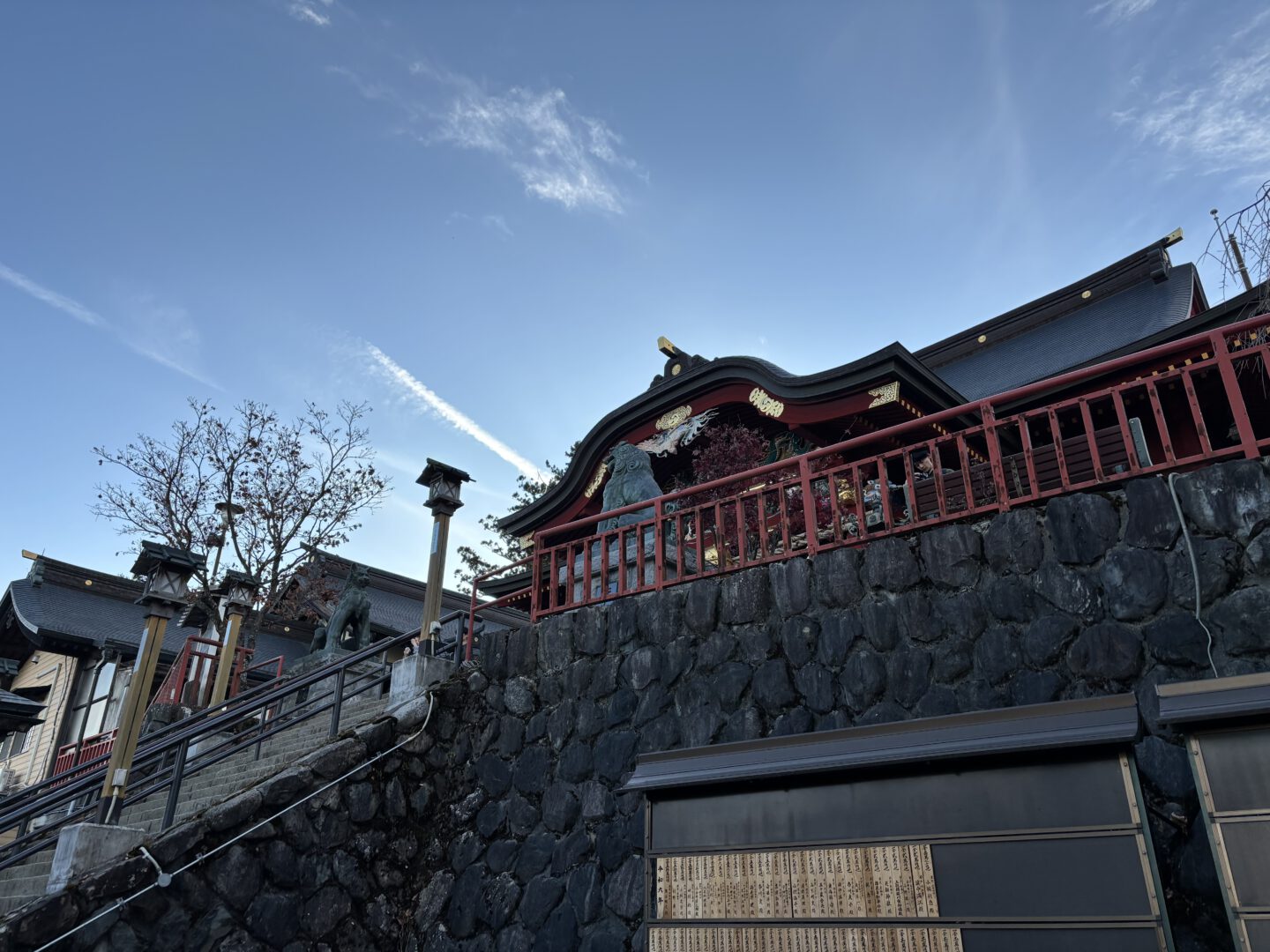
After finishing the hike, we came to an observation point from where we could clearly see the outskirts of western Tokyo and Saitama Prefecture. We climbed more stone stairs to reach the shrine, which housed a variety of small sub-shrines with different animal statues, tigers, dragons, and foxes. We could just see the sunset over the mountains in the west.
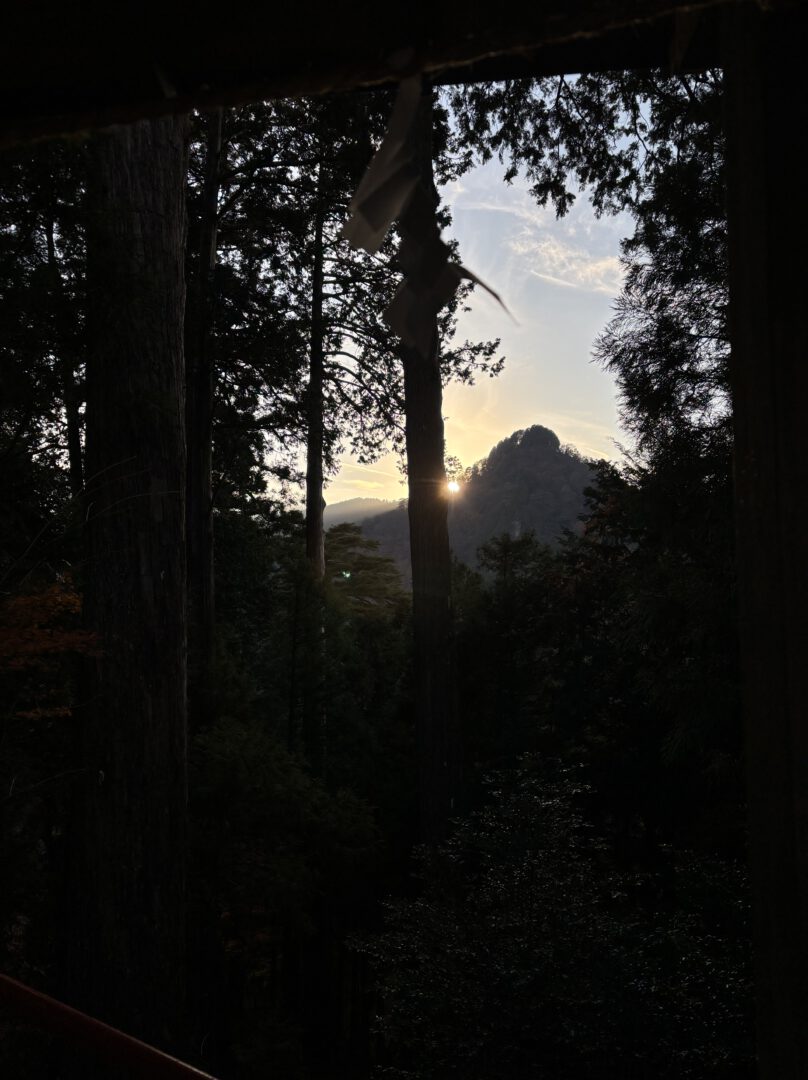
This time we took the bus back to the station, and we just missed the train back, so we had time to try some local wasabi-based spread sold by an elderly lady in front of the station.
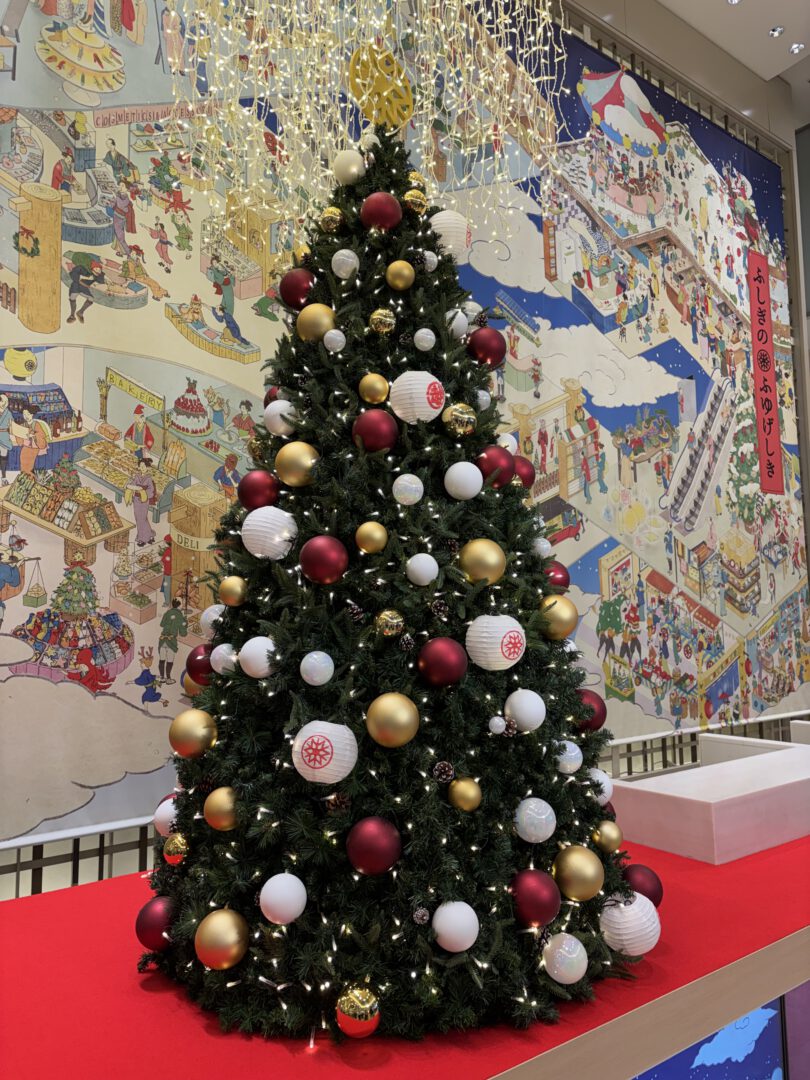
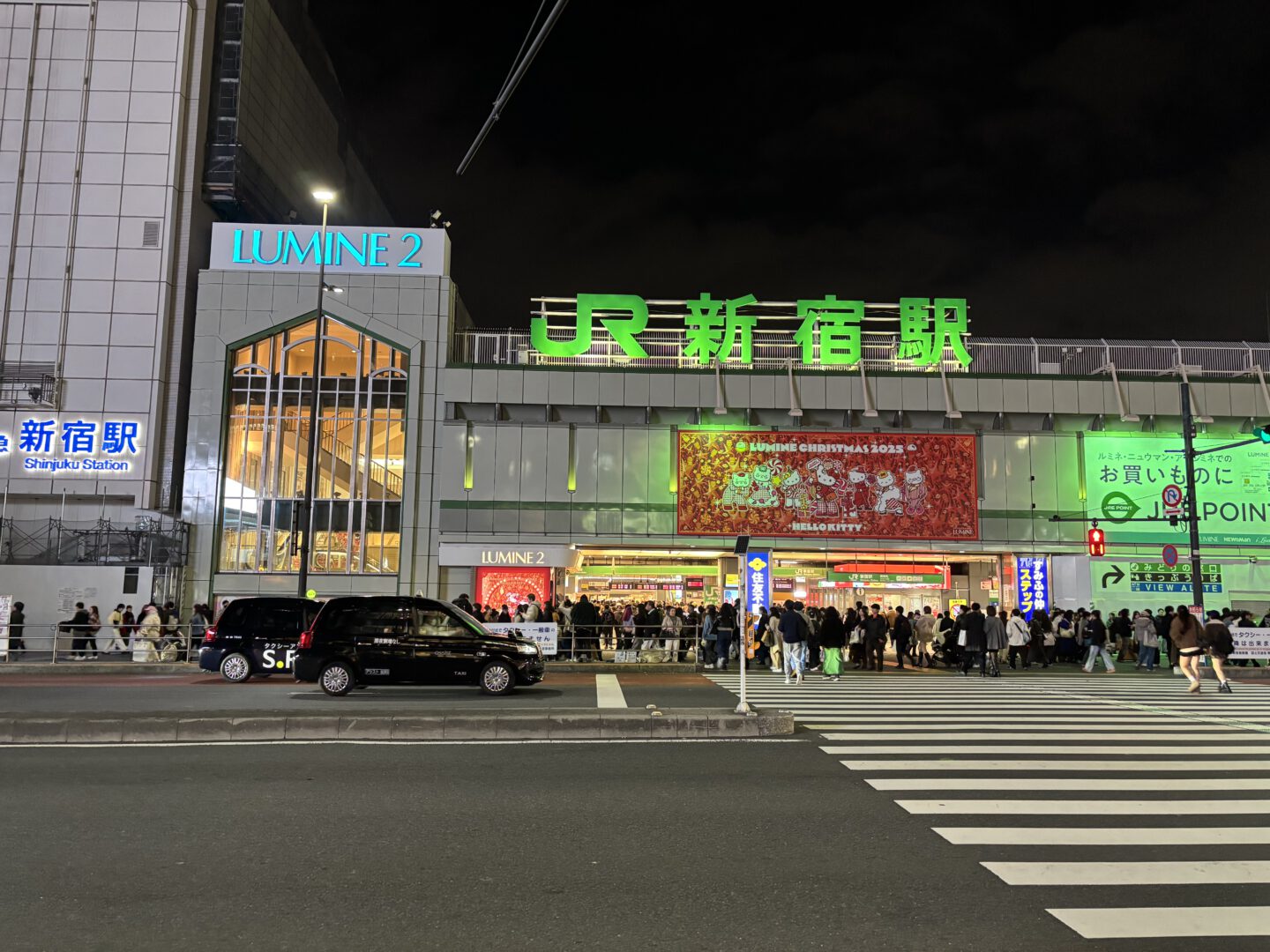
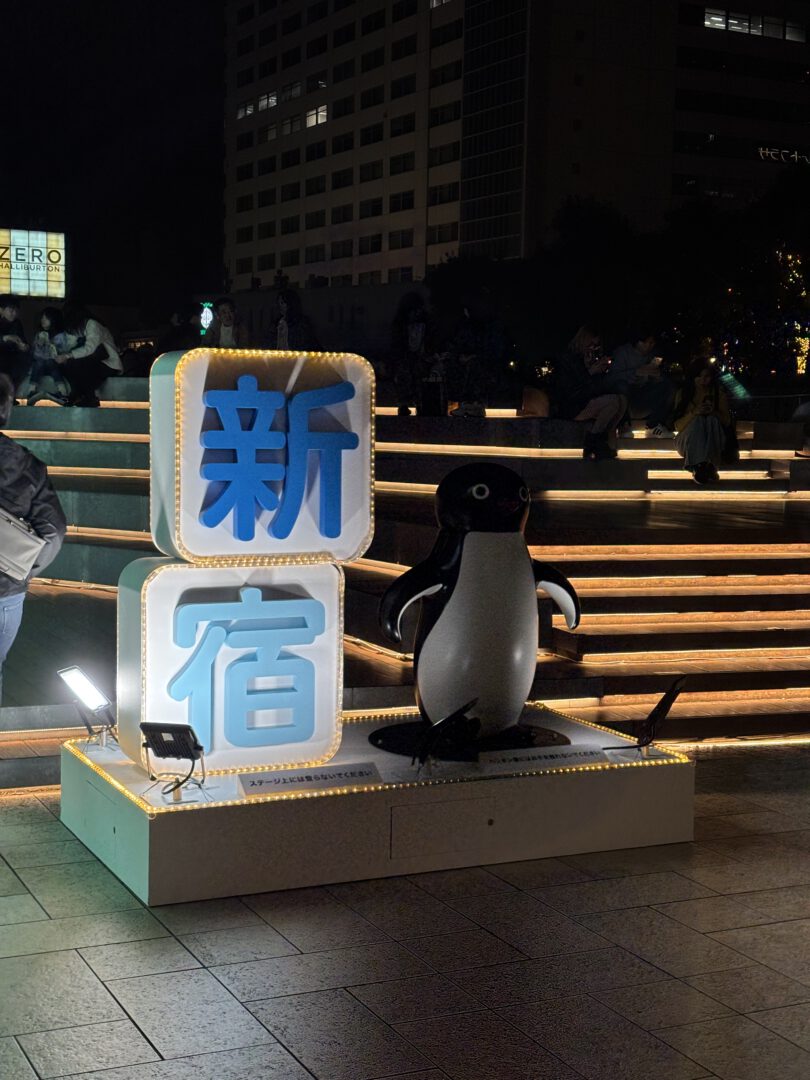
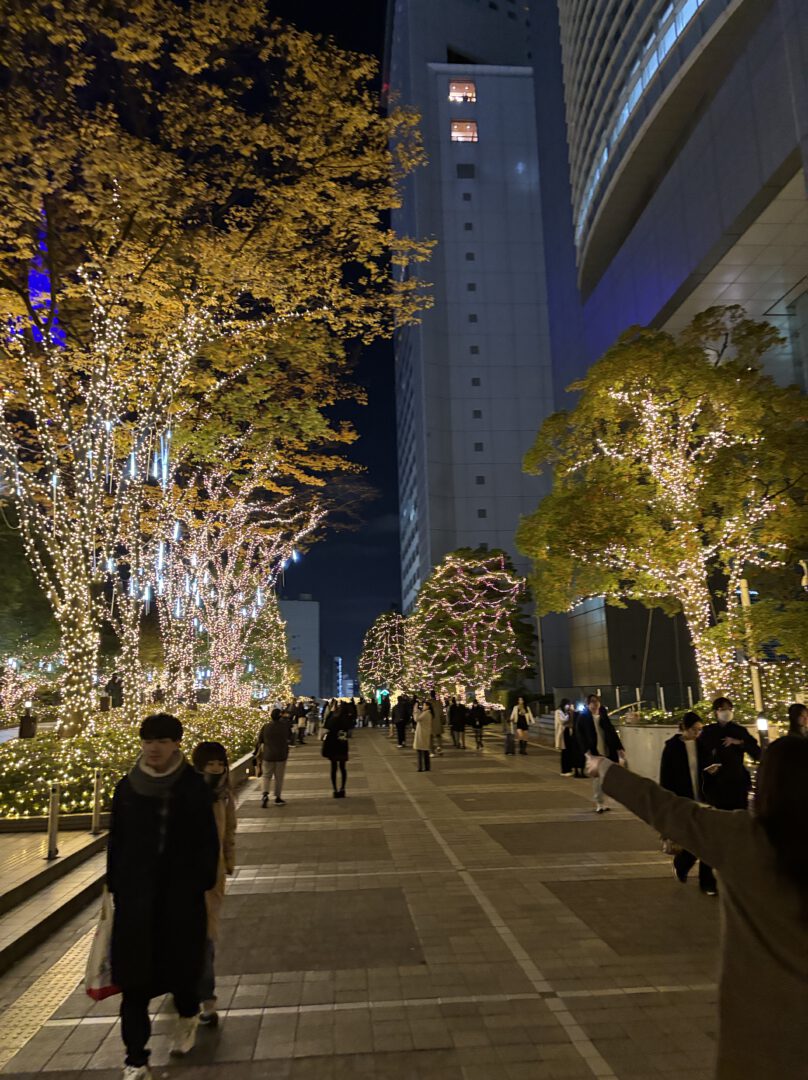
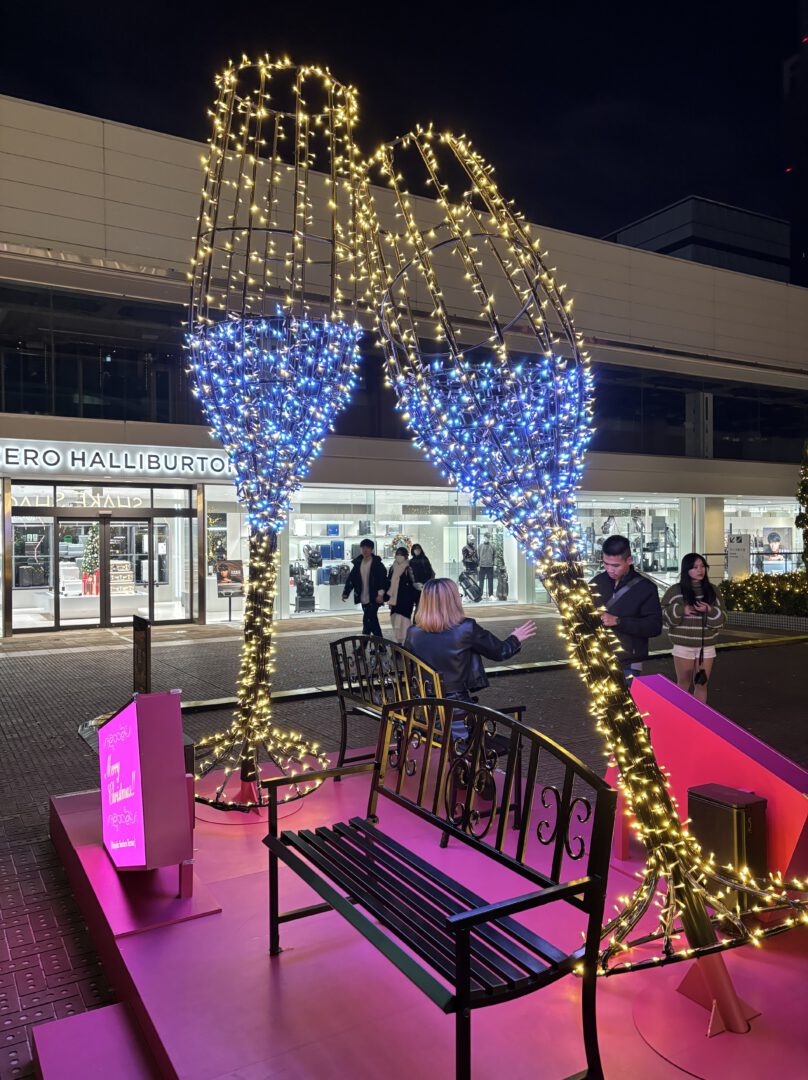
For dinner, we had reserved at a nice izakaya in Kagurazaka, but we still had a bit of time, so we stopped by Shinjuku Station to see the Christmas illumination. I found these illuminations quite tasteful and warm compared to the many others I have seen in Japan, which use blue or cold-toned LEDs instead.
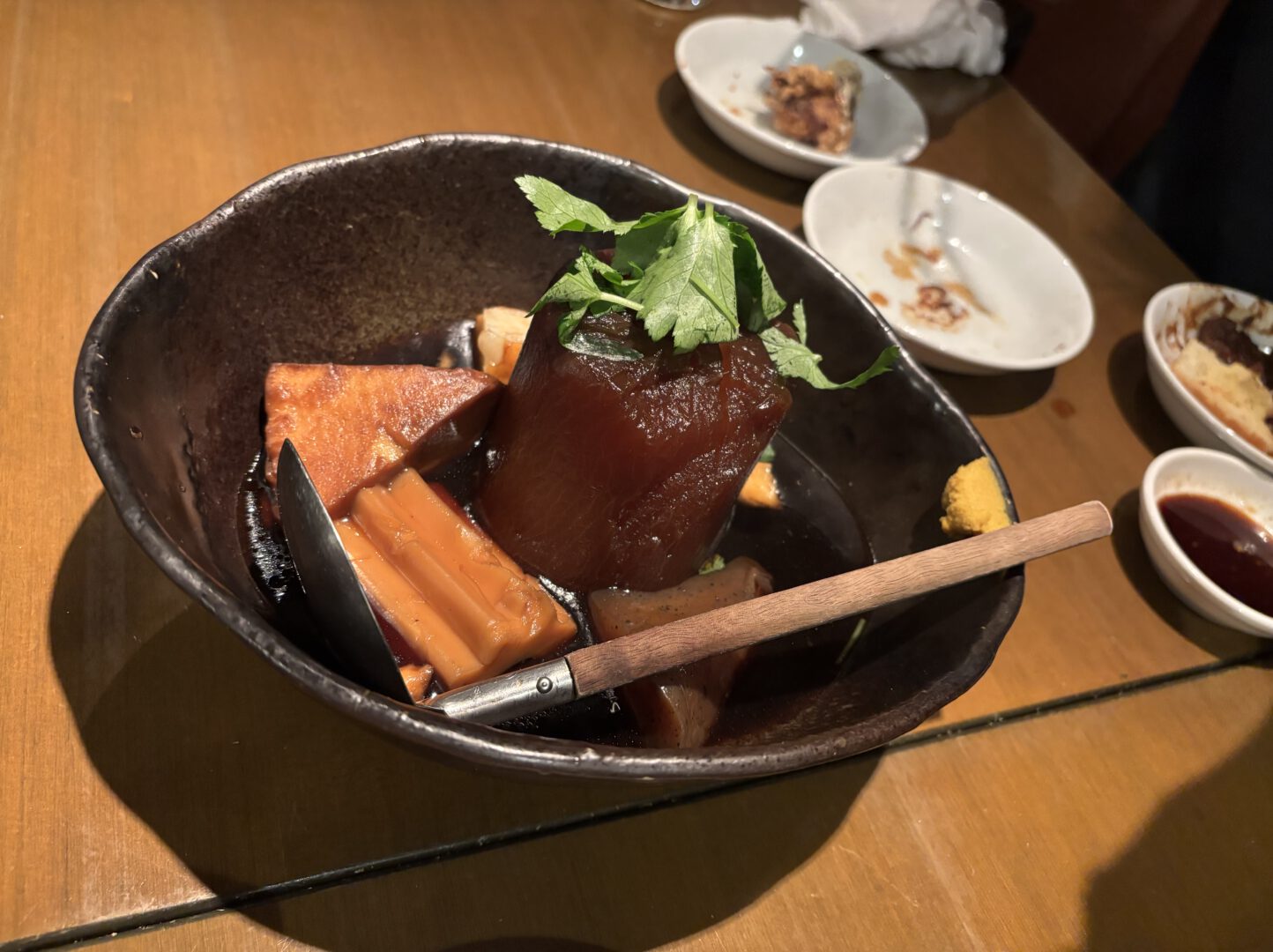
For dinner we went to Chinchin in Kagurazaka. This izakaya was recommended to me by a friend in Tokyo before, and I remembered it being really delicious. This time again, it was hard to get seated; even with a reservation we had to wait a bit. But when we made it, the show started. The service was amazing, and they recommended many great things on the menu, which contains many classic favorites and modern takes on typical Japanese izakaya food. Next to the long menu of sake and shochu, there are also several cocktails on the menu. I, for example, enjoyed an ume sangria cocktail.
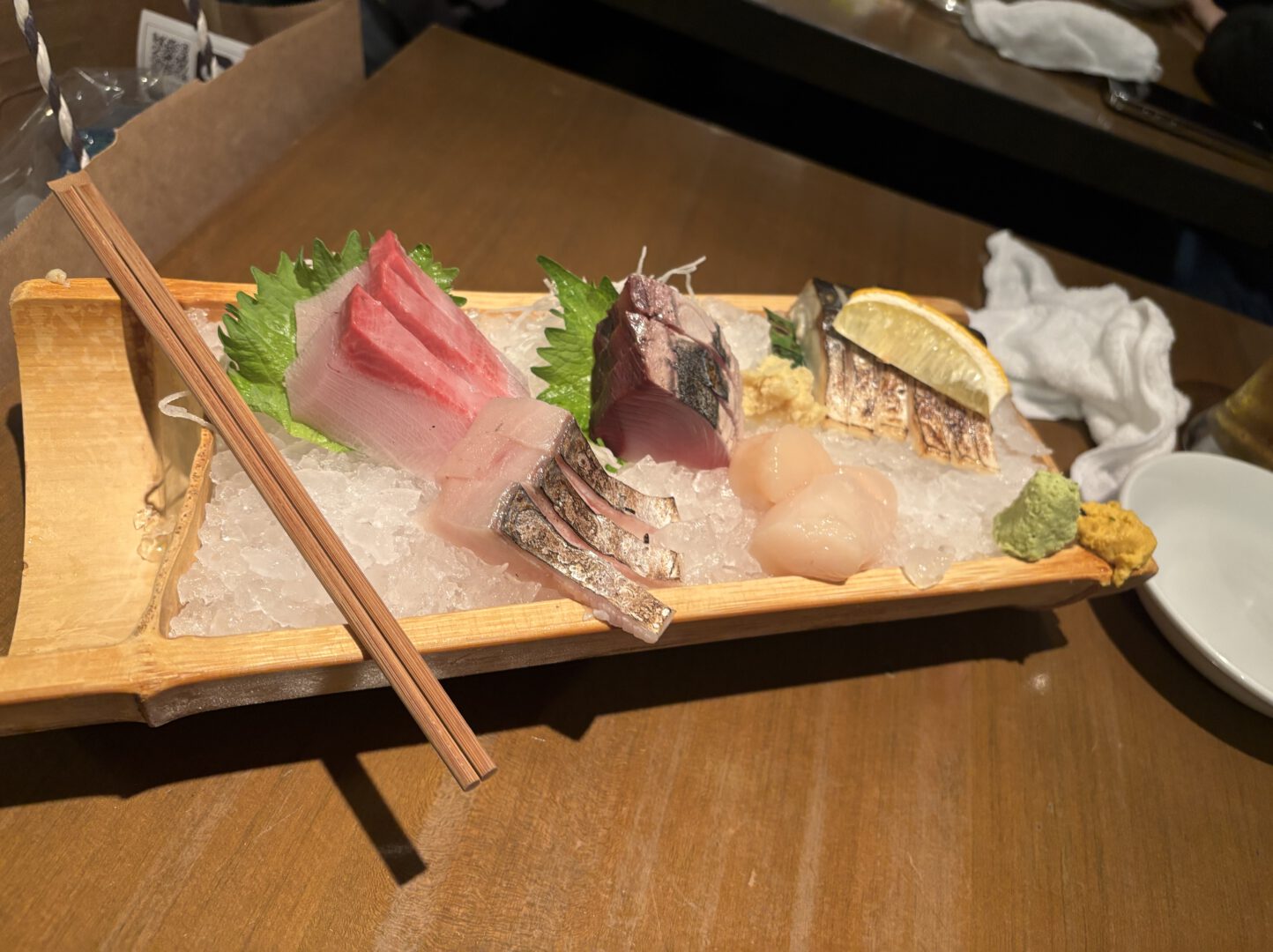
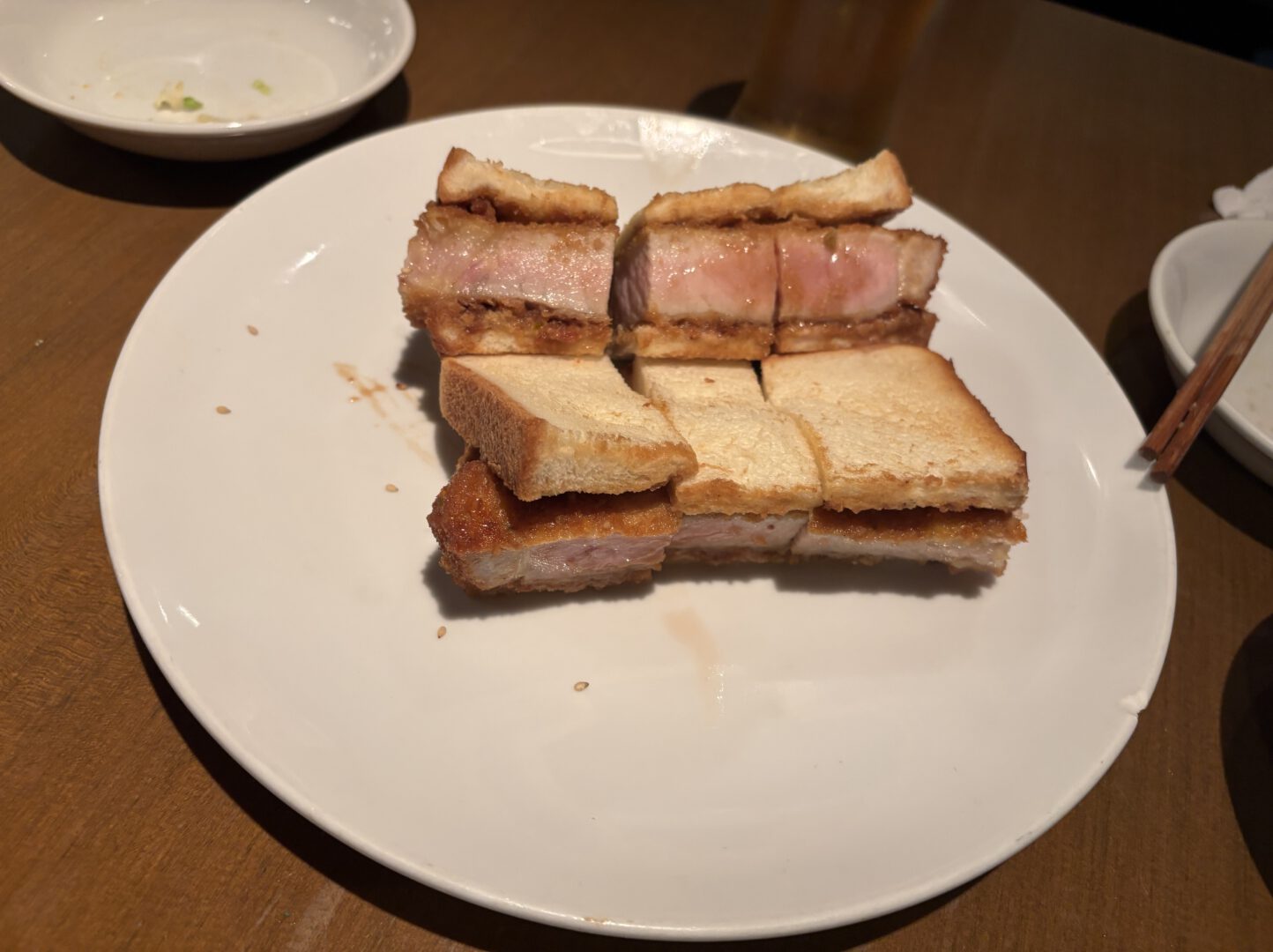
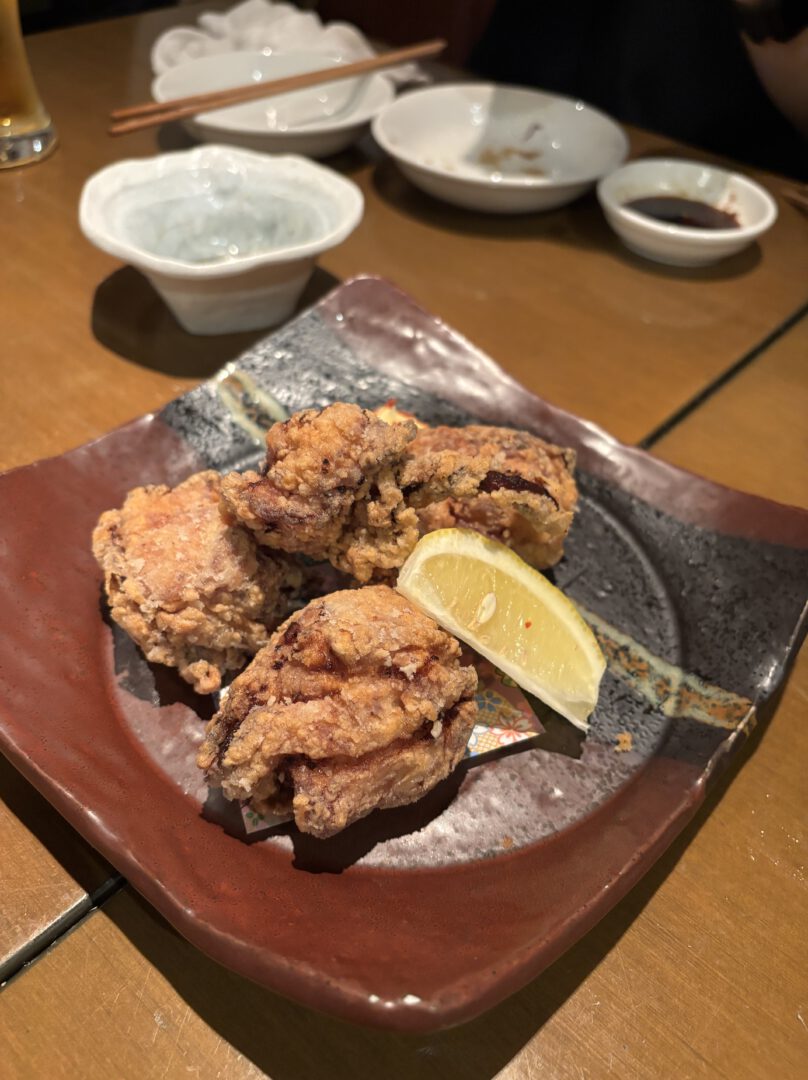
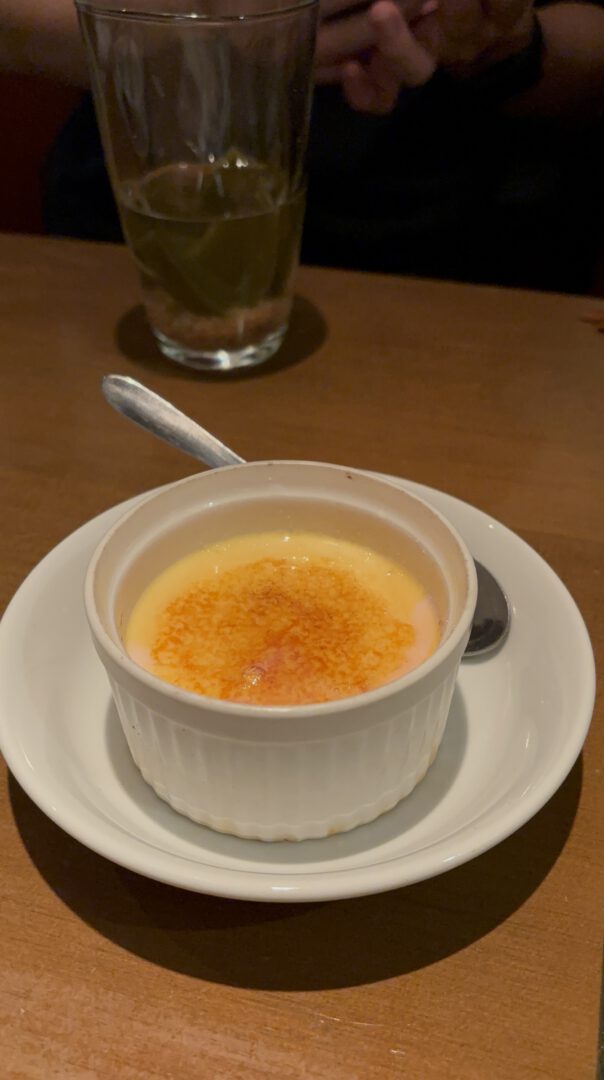
We started off with a selection of sashimi followed by katsusando, which is pork cutlet in a toast sandwich, but in this case there was more meat than bread in the sandwich. We also ordered the Correct Karaage according to the menu, as well as a tomato sesame dish and a piping hot stew on a hot stone plate. We finished the celebration with their iconic oden and a creme brulee that was on fire.
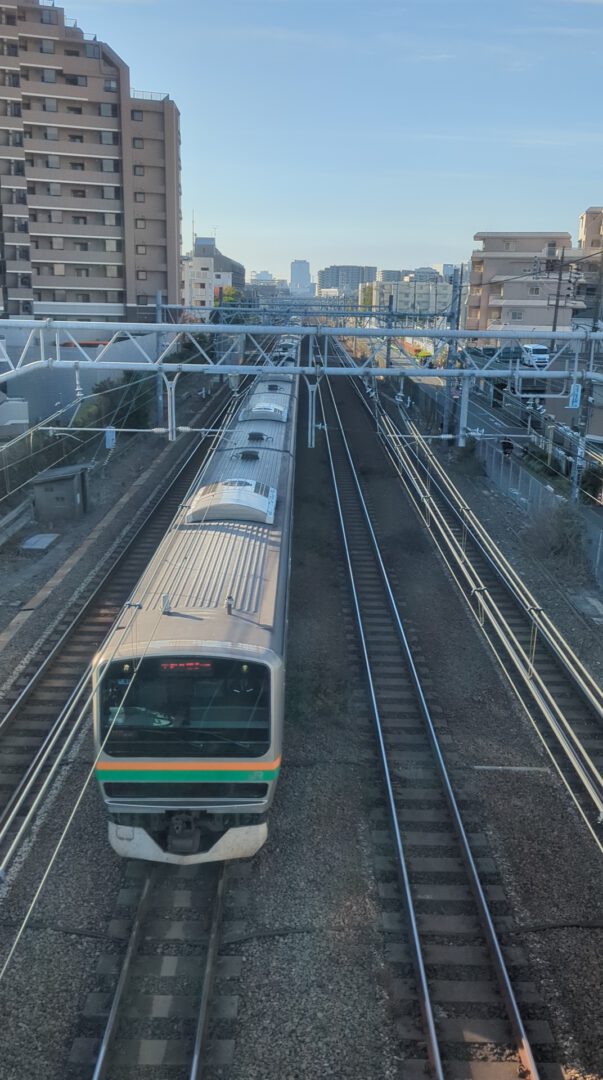
We finished the day with a short karaoke session next door and then finally said goodbye to catch our last trains. Kamata also seems to be a useful station to stay at in terms of late-night access, because the last Keihin-Tohoku Line stops at Kamata Station until half past 12.
And finally, the last day of this trip to Japan started. Fortunately, my return flight was in the late evening at 11 pm, so I still had a full day in front of me.
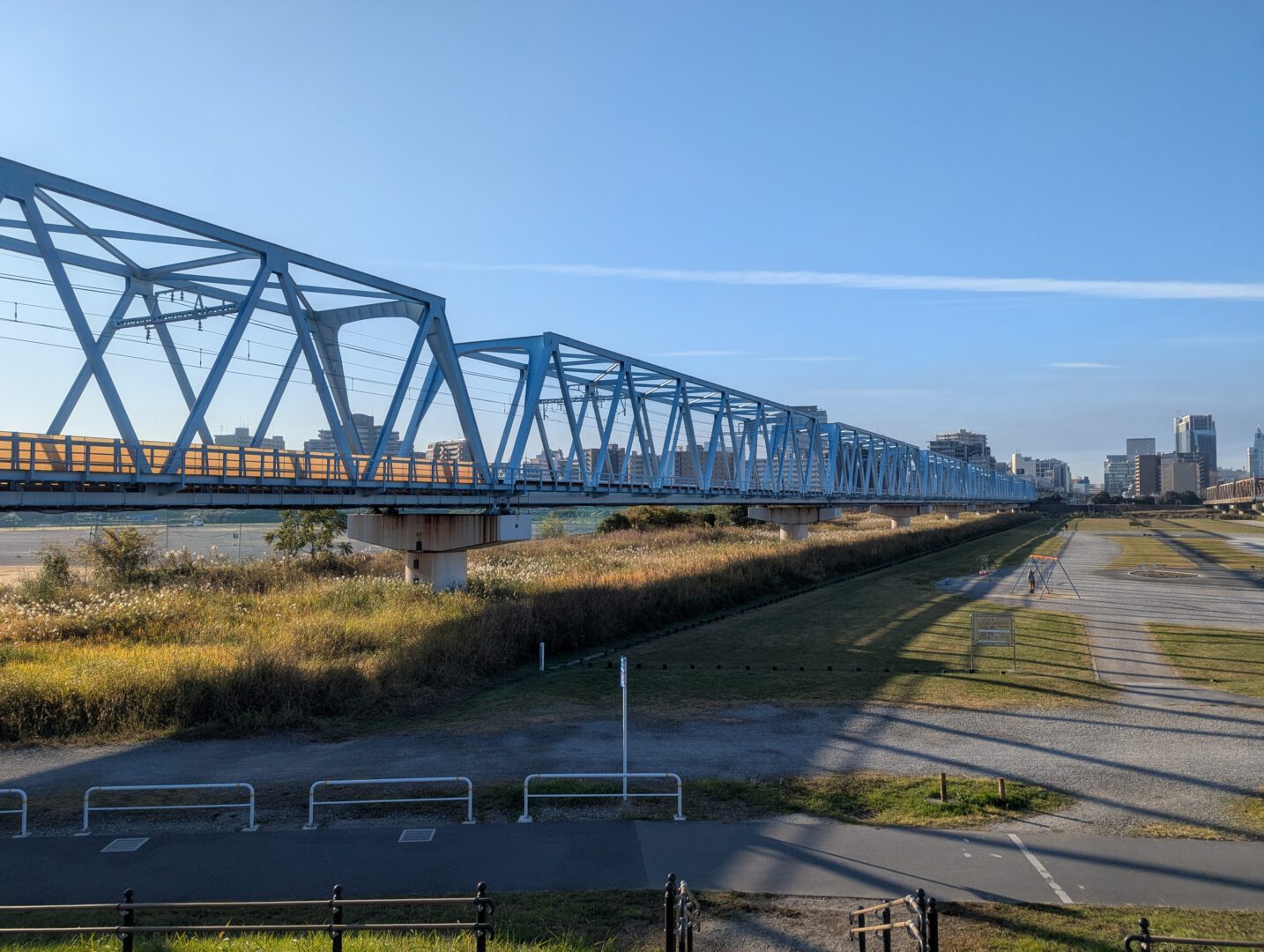
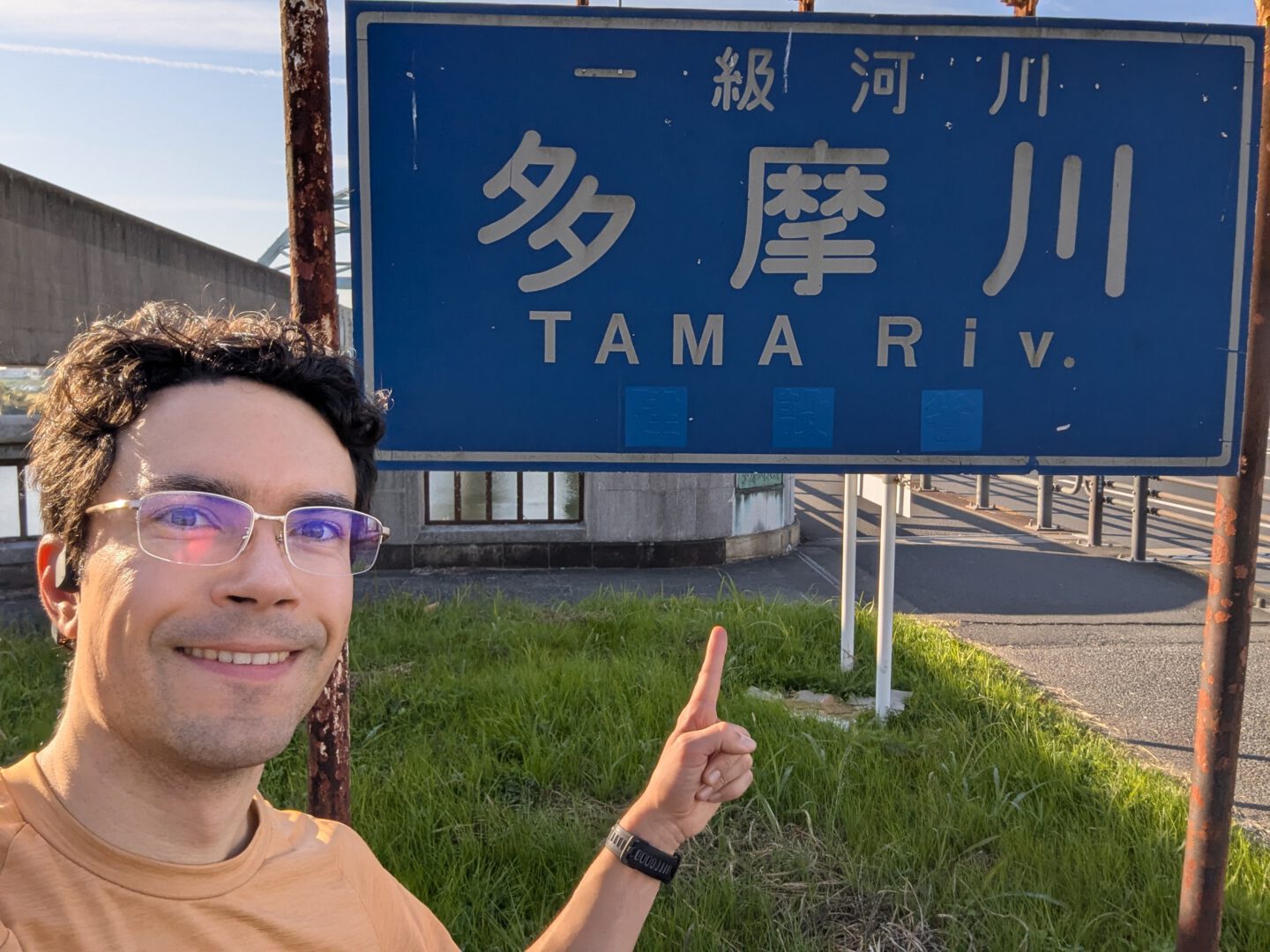
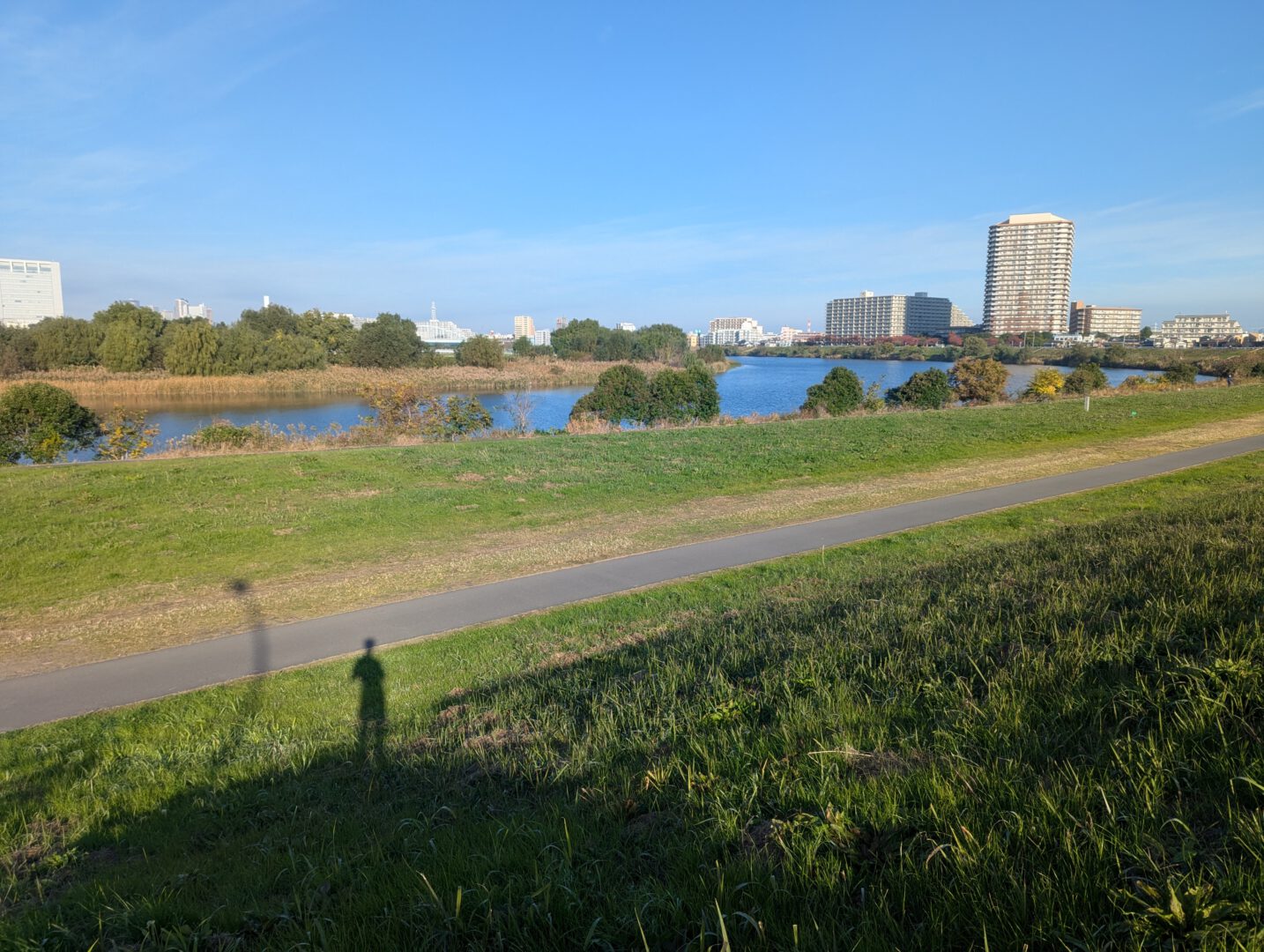
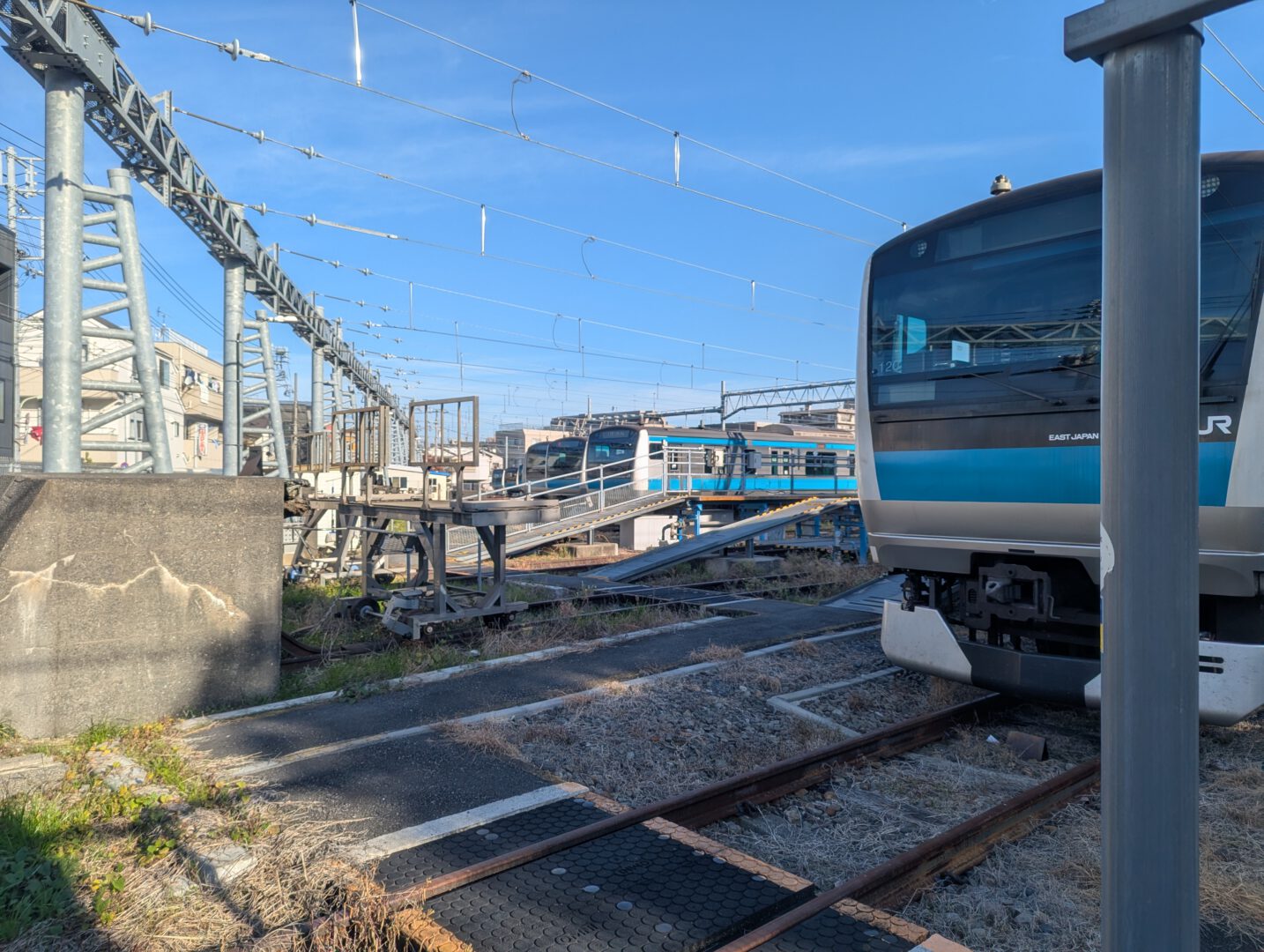
And since yesterday was not enough activity, I started off by going for a run. Two to three kilometers along the urban roads led me to the edge of Tokyo, where I could run along the riverside of the Tama River between Tokyo and Kawasaki. There were many enthusiastic baseball-playing kids on the fields and a few bicycle riders. On the way back, I passed by a JR train depot and got ready to do some more shopping on the last day.
Truth be told, my two bags were already full to the brim, and I did not have any weight or volume allowance left. But there were still so many things I wanted to pick up before leaving, mostly things I already knew I liked, so I bought them anyway and dealt with the repacking problem later.
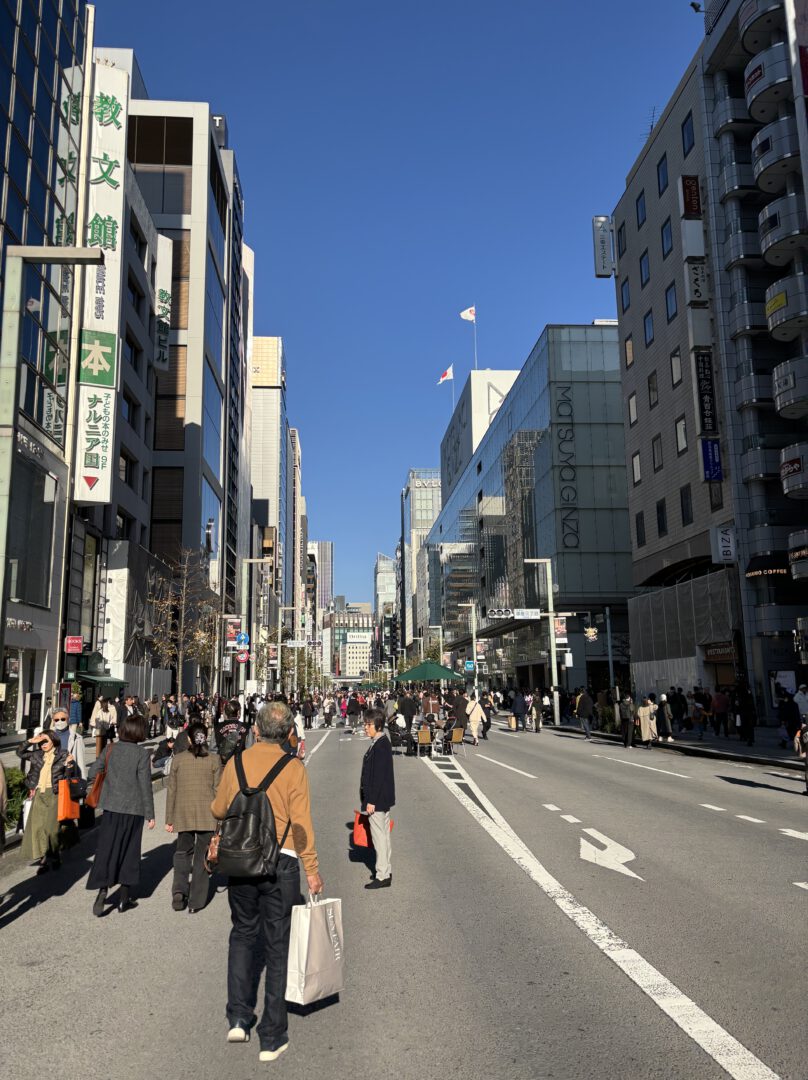
First, a visit to Donki escalated as always. Then I headed to Aoyama next to Harajuku to explore some nice fashion shops, where I found a new pullover for myself. Then I headed once again to Ginza, where the main road is closed to cars on weekends. There I made my big Uniqlo purchase and also visited Loft for some stationery.
With way too many bags in my hand, I went to the post office to mail another parcel back to Switzerland. Then I went to the cinema to calm down a bit, which was a great idea. I watched the new Chainsaw Man anime movie, which I enjoyed a lot for the non-stop action.
I still had a bit of time left, so I quickly went to a local sento west of Kamata, which I had wanted to visit for some time already because I had read about it in the magazine. Hasanuma Onsen really gave me the vibe of a local, small sento that is hardly known by anybody who does not live in the area. From the receptionist, who made sure not too many people were in the small bath, to the wooden lockers for the shoes and the very rustic appearance in general, I really enjoyed that last soak. Going forward, I always have to go for an onsen on the last day before a long flight. It really revitalizes you.
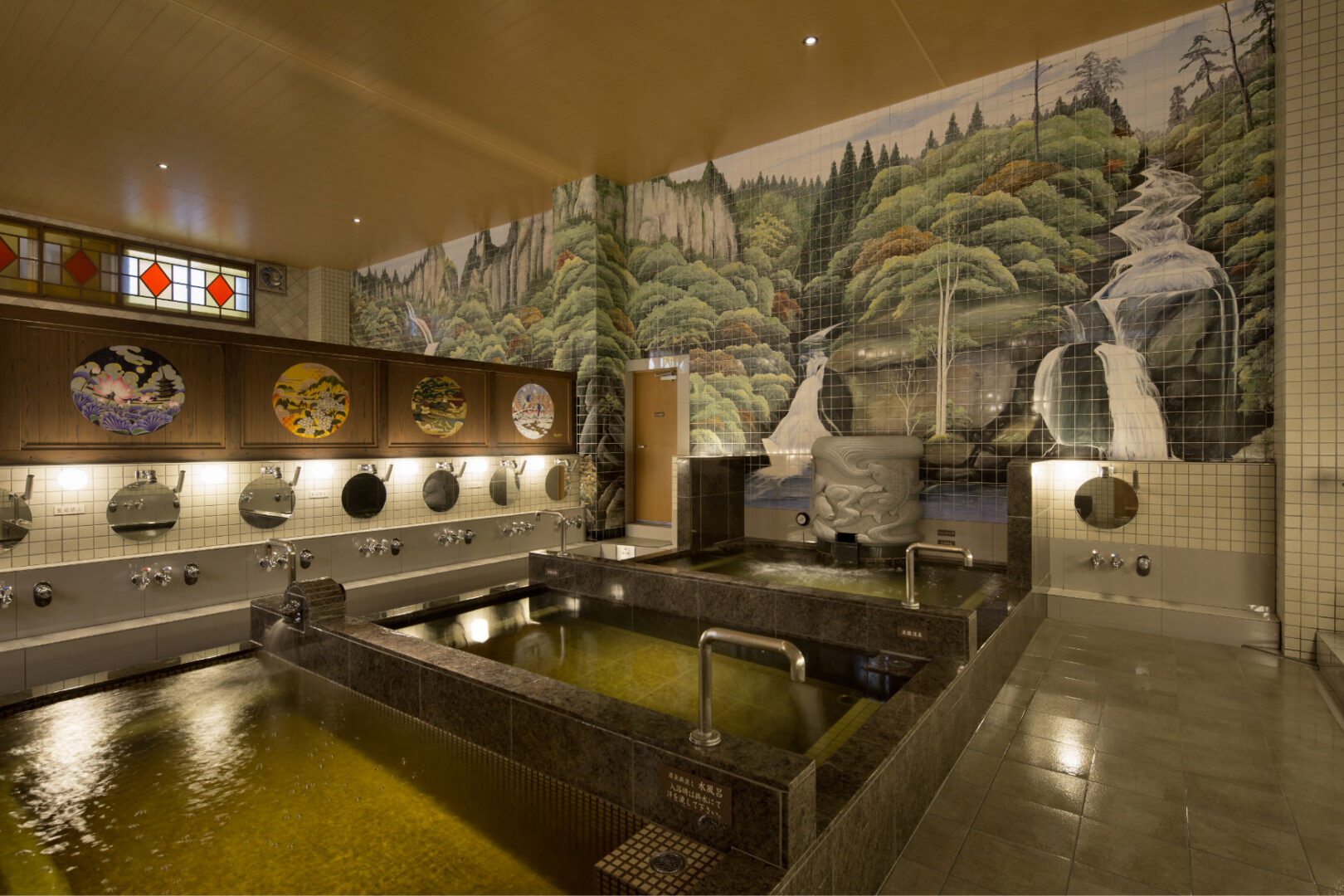
Rushing back to Kamata, I had a few bites of yakitori and then finally made my way out to Haneda Airport, which was quite easy to reach from Kamata, and there was a reason why I chose it in the first place.
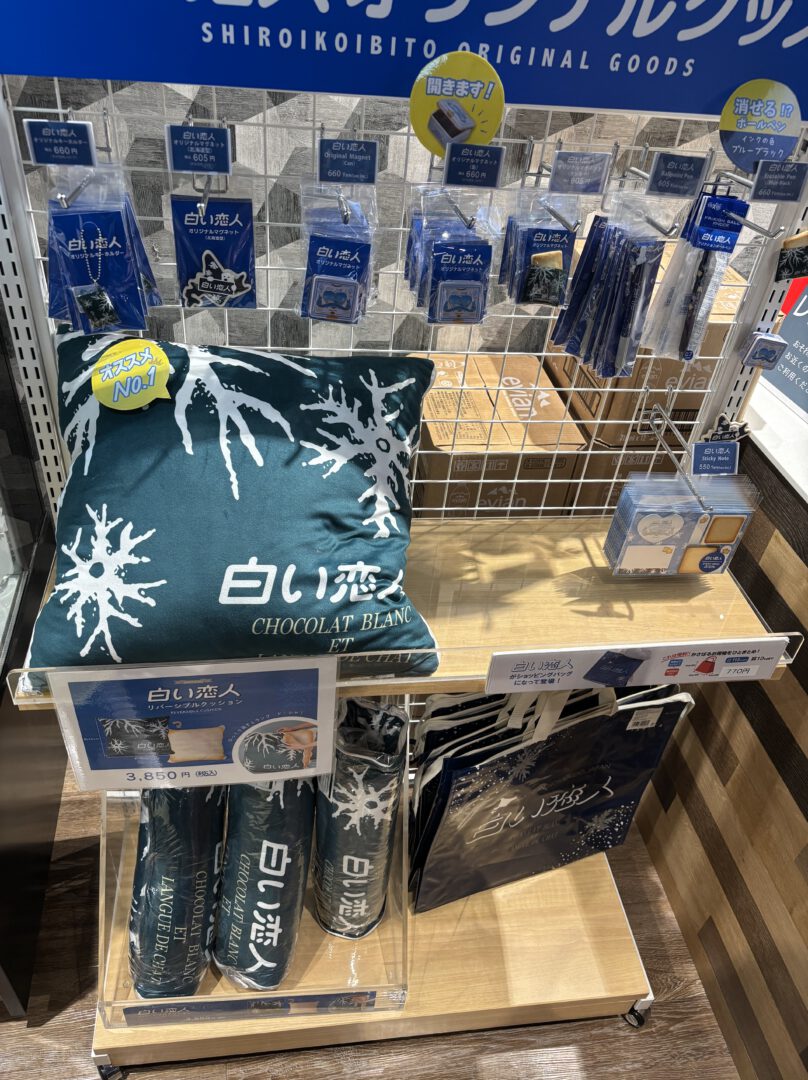
The airport was not really busy at this point, and most shops closed at 9 pm. So there was not really much to do anymore. In any case, I was quite short on time, which was completely fine. I just dropped off my bags and sped through security and border control. Close to the gate, there was a satellite shop of Ishiya, the maker of Shiroi Koibito, my favorite sweet from Japan, and they had some great merchandise beyond the cookies, including sticky notes, keychains, and cushions with their design. As a fan, I could not help but get a keychain next to the original sweets. I also made sure to load up on Tokyo Banana before finally making my way out.
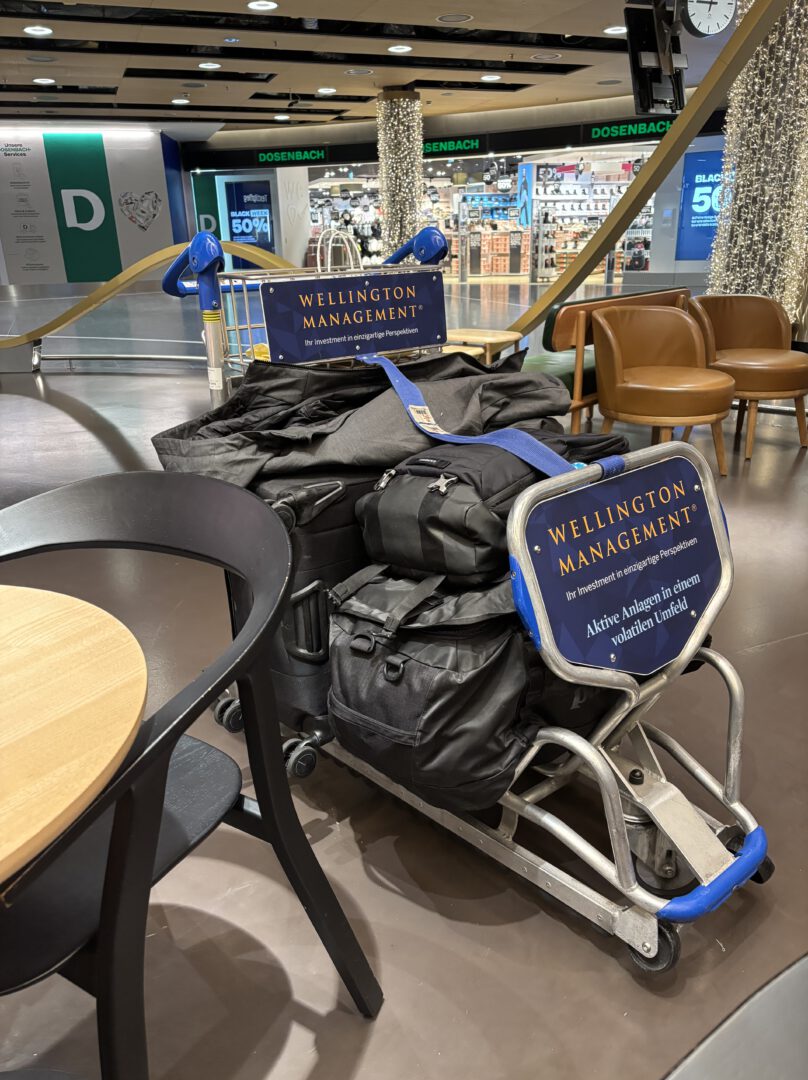
The flight was quite pleasant again, and it was not super full, so I even had a free seat next to me. The pain started again when I retrieved my luggage in Zurich, which I then had to heave onto a luggage cart to bring it out of the airport. But because I arrived on a weekday and it was after rush hour, it was actually not too bad. I brought all my things back to Basel and finally unpacked everything I had carried home over the past weeks. In a way, that was the real end of the trip.
And this is it. Thank you for following this travel diary. I hope you enjoyed reading it and that it gave you a few ideas for trips of your own.
Entdecke mehr von Tabimonogatari - 旅物語
Melde dich für ein Abonnement an, um die neuesten Beiträge per E-Mail zu erhalten.