Sado, off the coast of Niigata in the Sea of Japan, is not a destination most people consider on their first trip to Japan. It is rural and not the easiest place to access, but it is well worth coming if you bring enough time. The island covers about 855 square kilometers, it ranks after Okinawa Island and is one of the largest in the country. It is the sixth largest island in Japan excluding the four main islands of Honshu, Hokkaido, Kyushu, and Shikoku
There are two ways to reach Sado Island, both operated by Sado Kisen from Niigata Port. The conventional car ferry takes about 2 hours and 30 minutes to Ryōtsu Port. The high-speed Jetfoil on the other hand takes around 1 hour and 7 minutes.
We left our car in Niigata and chose the Jetfoil, not only because of the time saving but because transporting our car to Sado and back would have been much more expensive than renting another one on the island. Since we were staying only five minutes from the ferry terminal, we thought we could just show up shortly before departure. That turned out to be a mistake. The parking situation was far more congested than expected, and by the time we realized that the main lot near the terminal was completely full, it was already too late. We circled around in mild panic, trying to find another option, but in the end we missed the ferry.
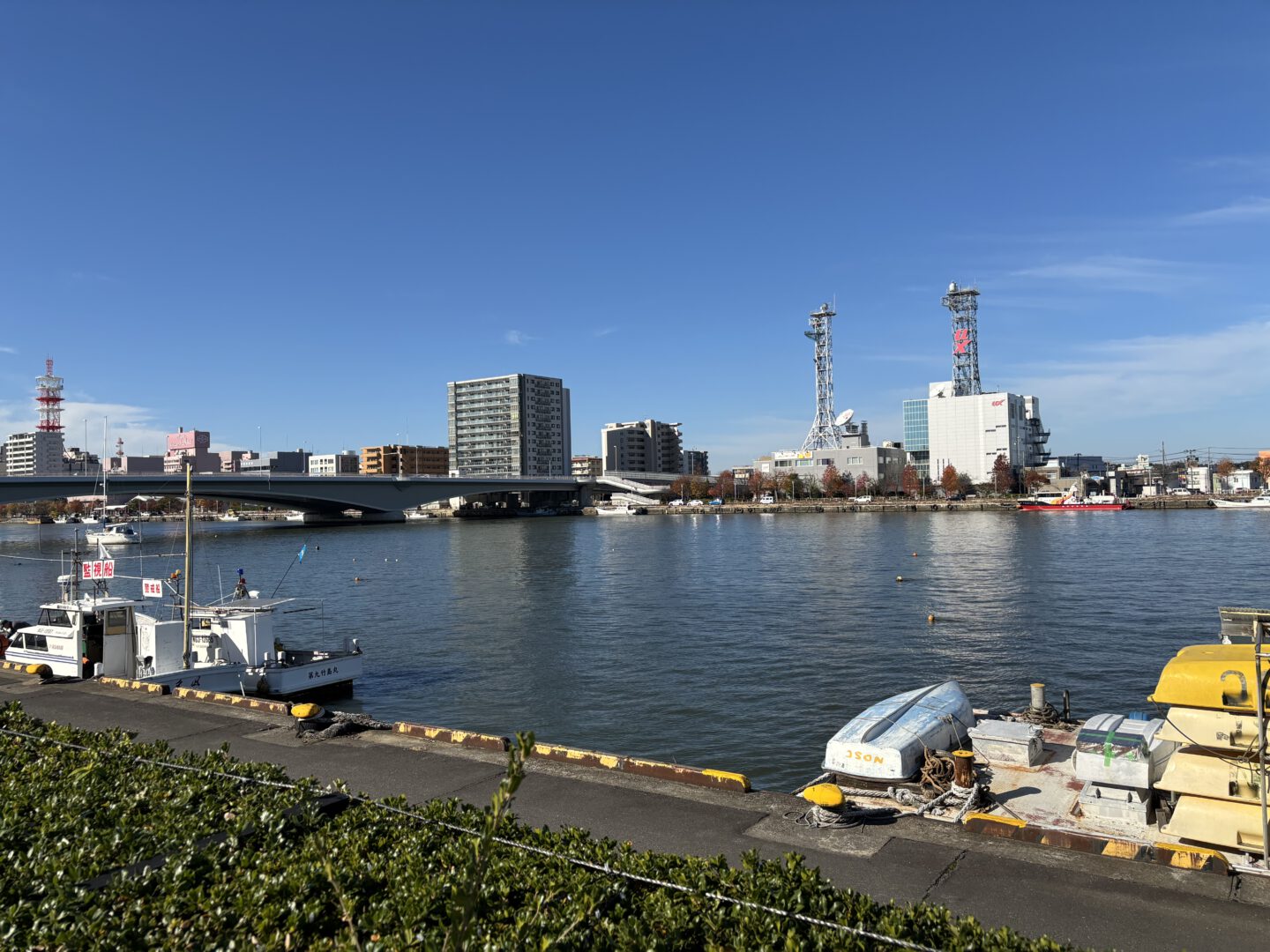
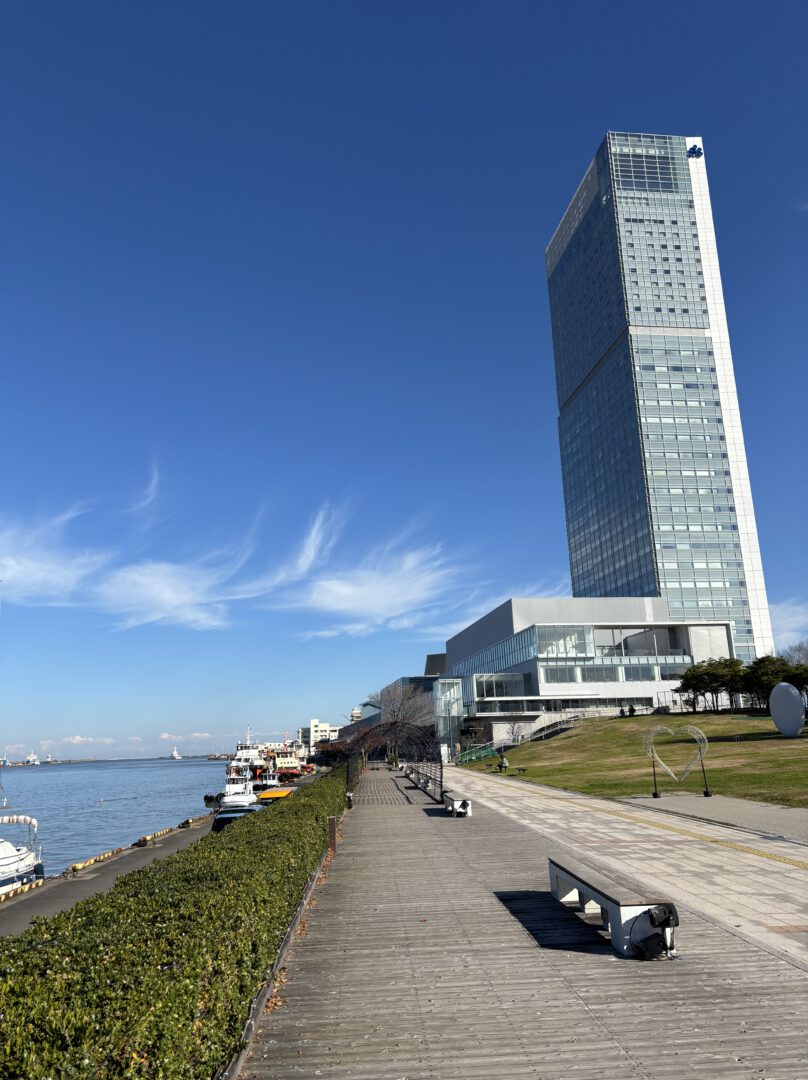
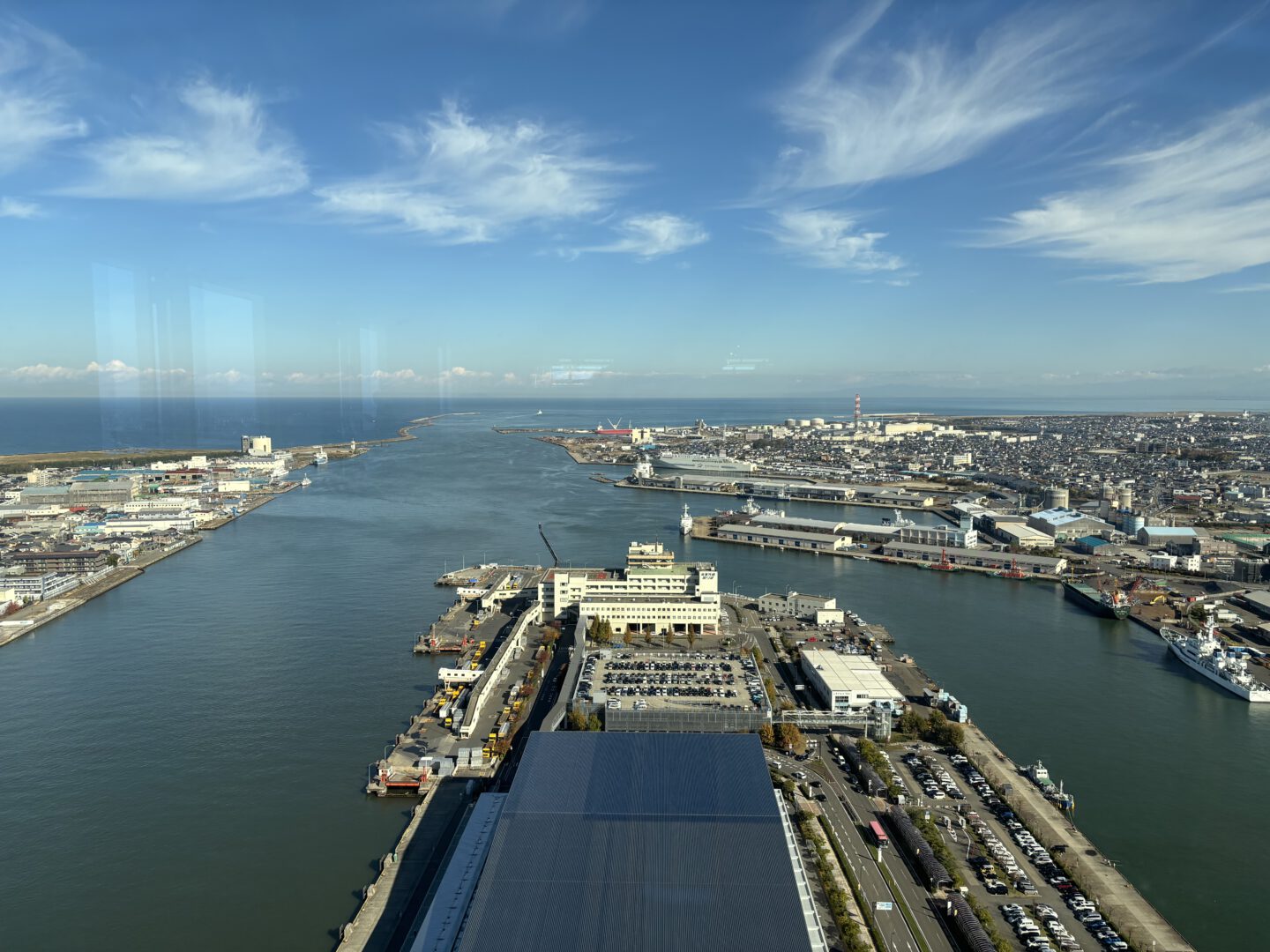
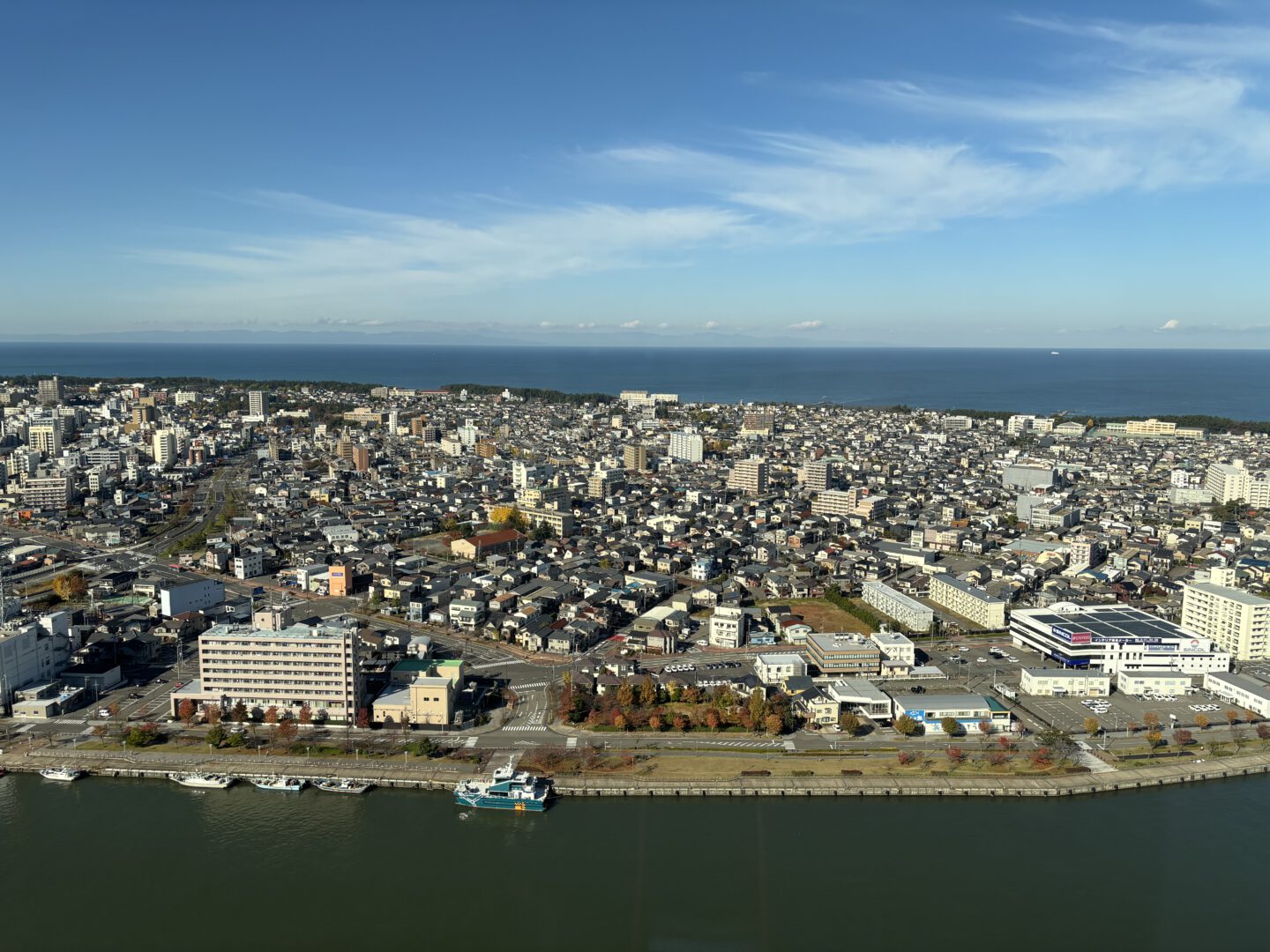
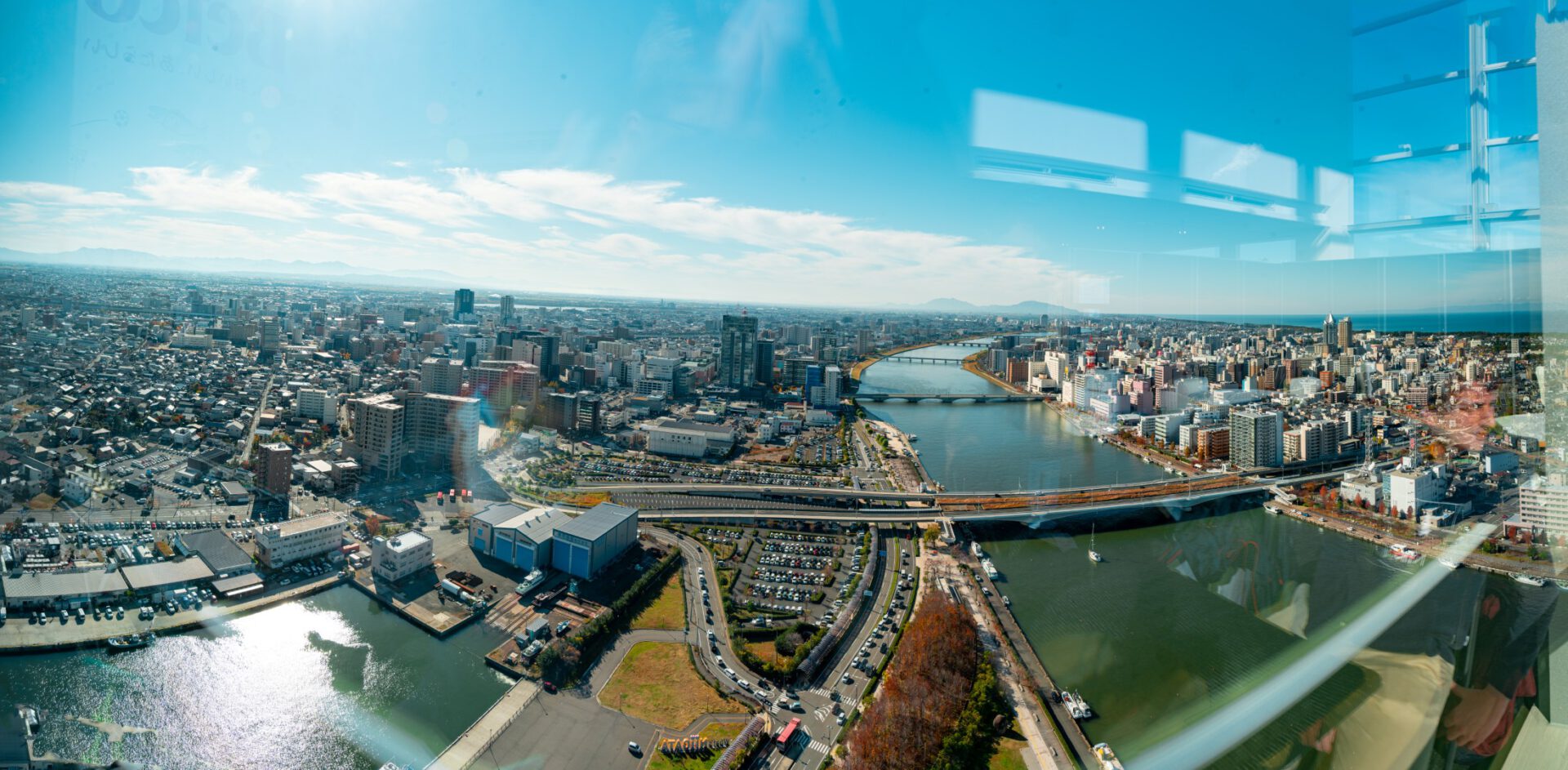
Fortunately, we could rebook onto the next Jetfoil two hours later. To use the time, we went up to Toki Messe, the tall tower building next to the terminal. We visited the observation deck and had a coffee there. The weather was splendid again that day, and from above we had a wide view over the Sea of Japan and the Niigata coastline. It turned the unplanned delay into a rather pleasant break.
Inside the Jetfoil, everything felt more like boarding a plane than a boat. Seatbelts were required, the seats were arranged like in an aircraft cabin, and since the system is based on Boeing Jetfoil technology, the impression of preparing for takeoff was quite strong. When the engines roared, it almost felt like we would lift into the sky.
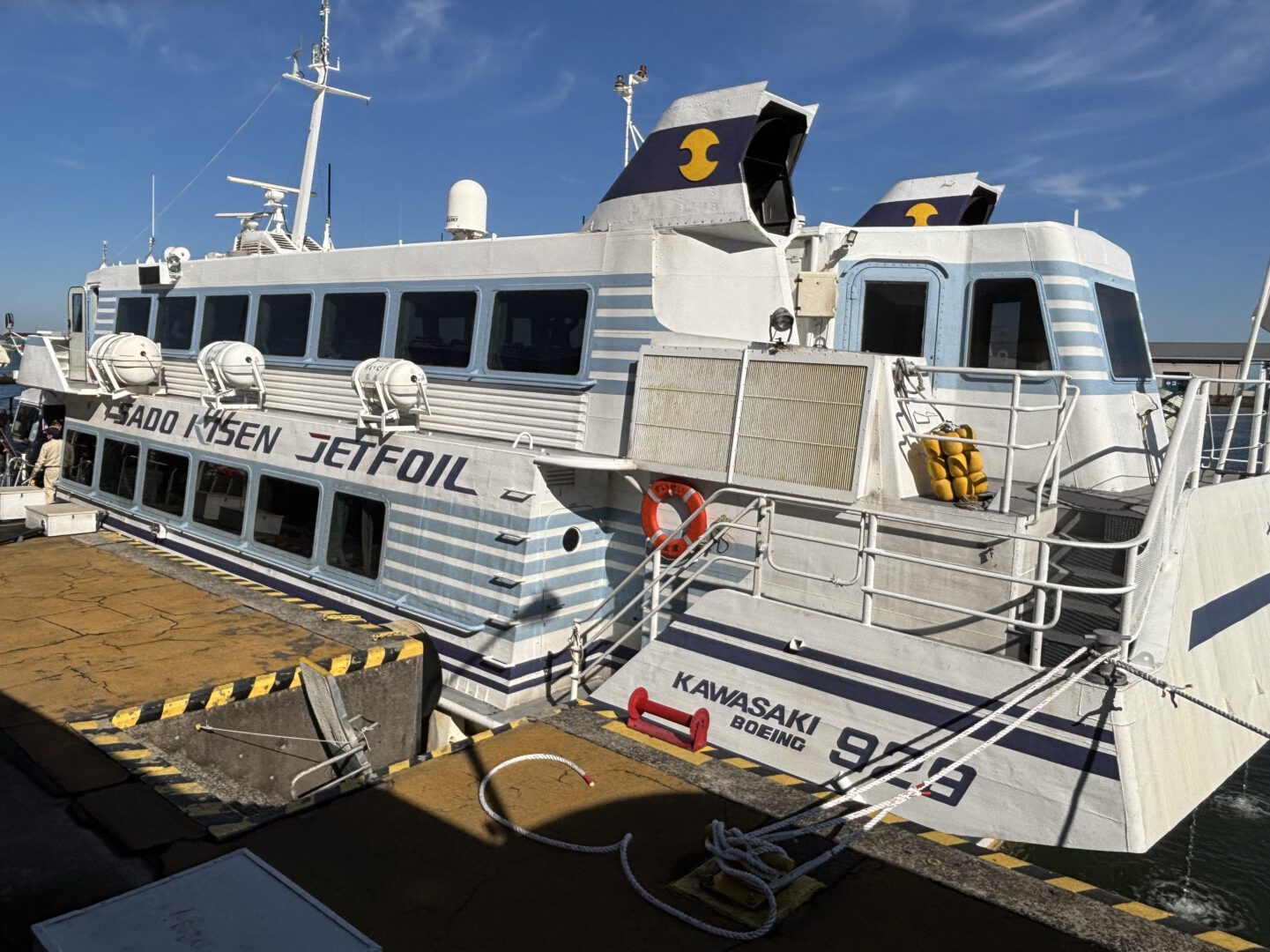
A little over an hour later, we arrived at Ryōtsu Port. At the tourist information office, the man working there turned out to speak surprisingly fluent German. What followed was a funny mix of German, English, and Japanese. We switched between languages mid-sentence, and it became one of those unexpected travel moments that stay with you. He recommended spots around Aikawa in the west, the Tarai-bune boats near Ogi in the south, and the nighttime illumination at the Kitazawa Flotation Plant and the Sado Gold Mine.
When we picked up our rental car, it was already overdue because of the missed ferry. The car was an older Toyota, much more basic than the one we had been driving over the previous two weeks. No advanced features, no comfort extras, but it did its job.
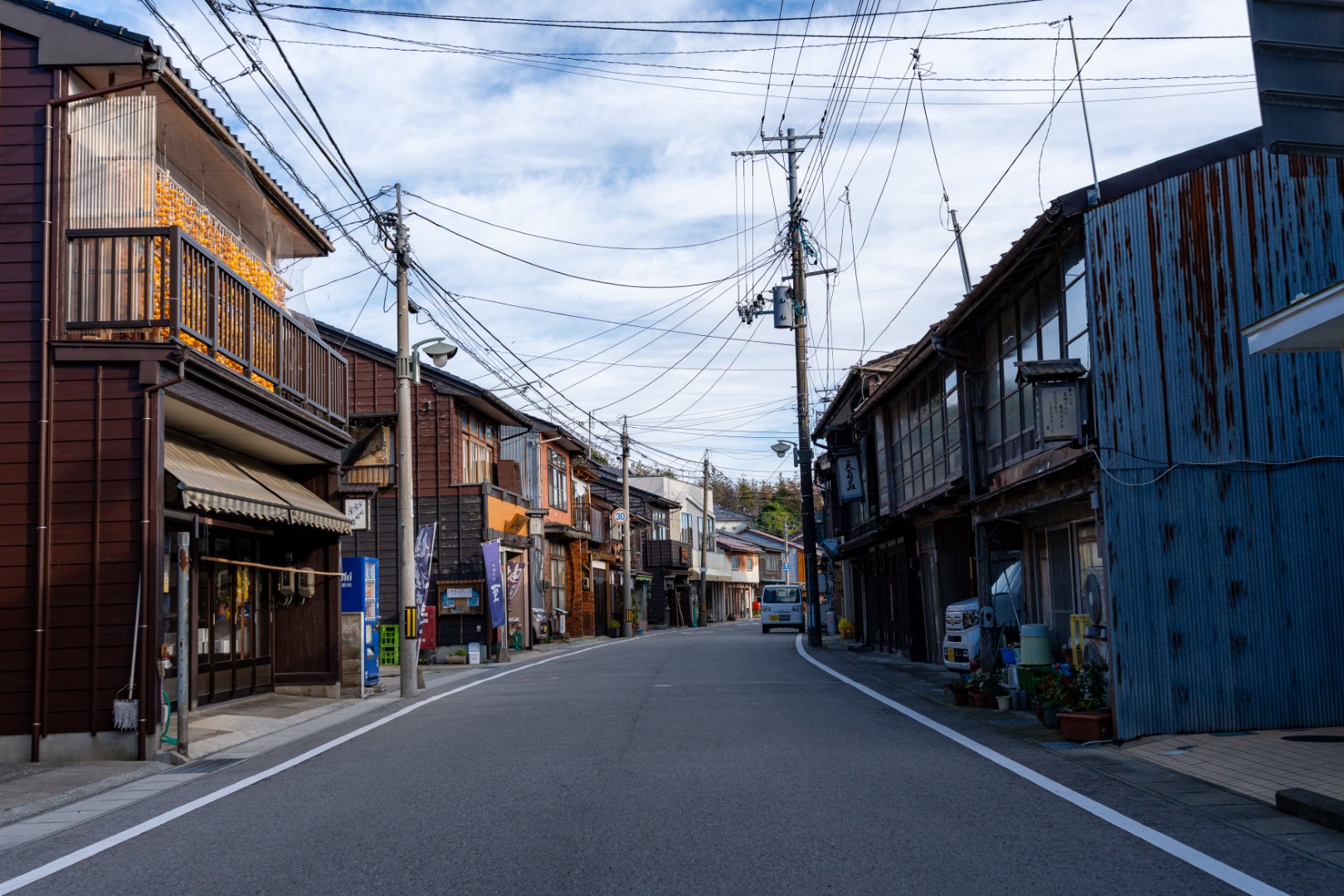
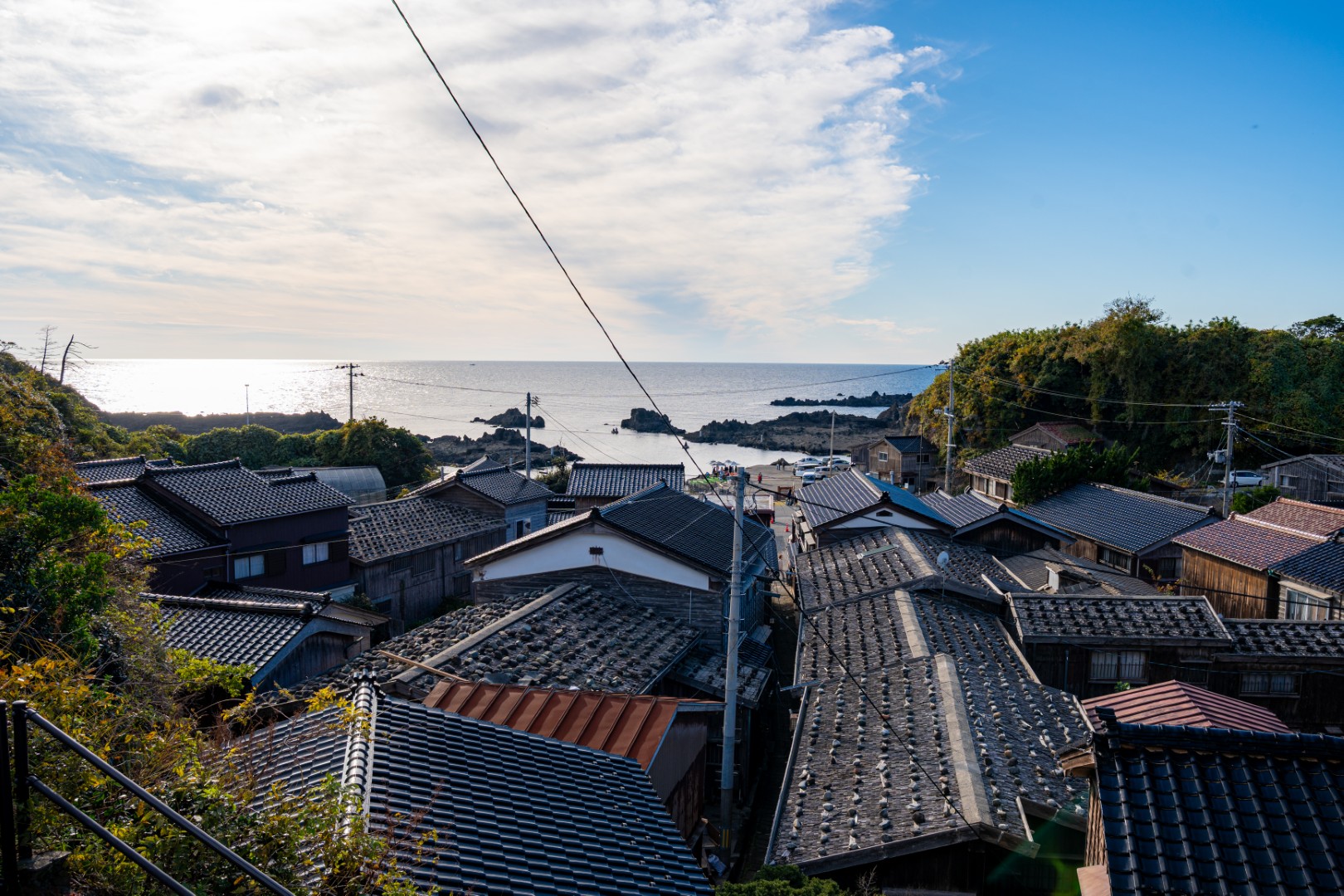
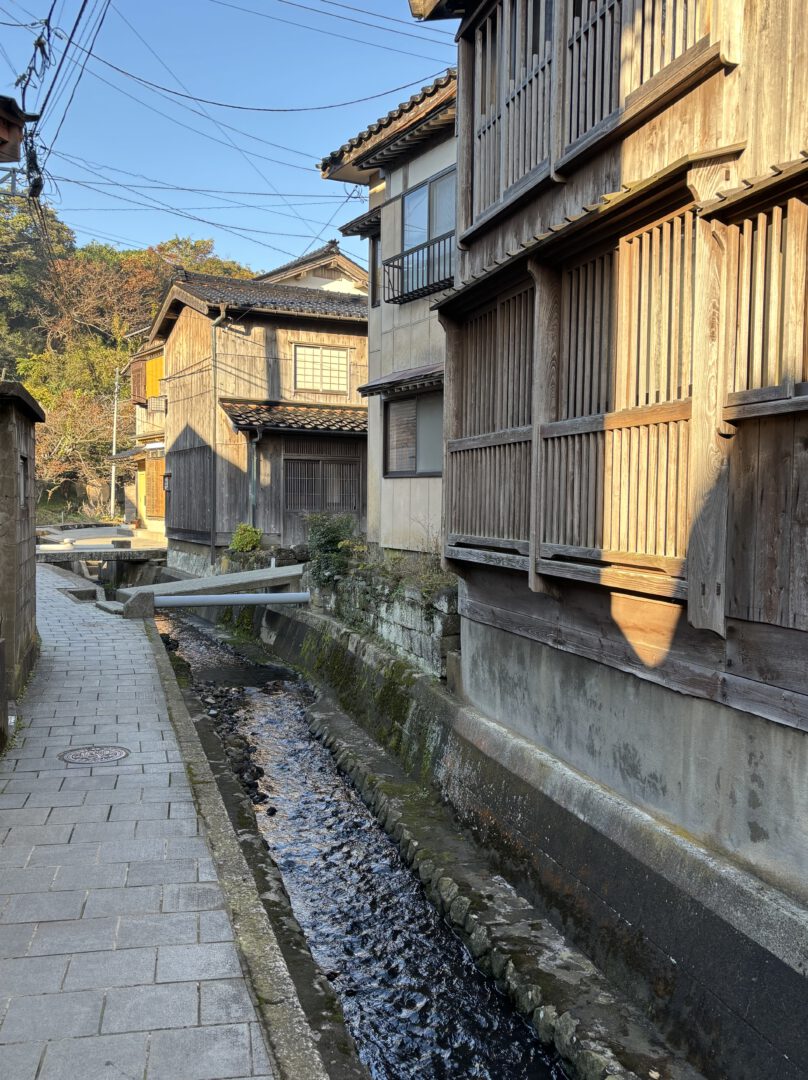
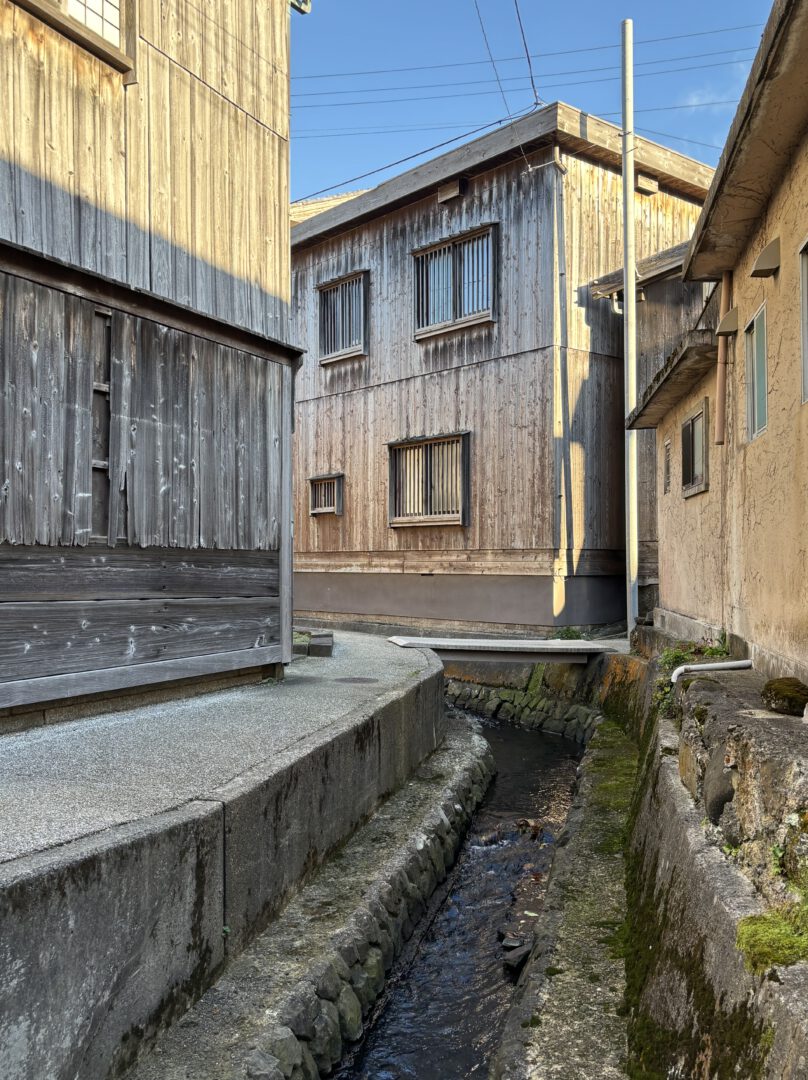
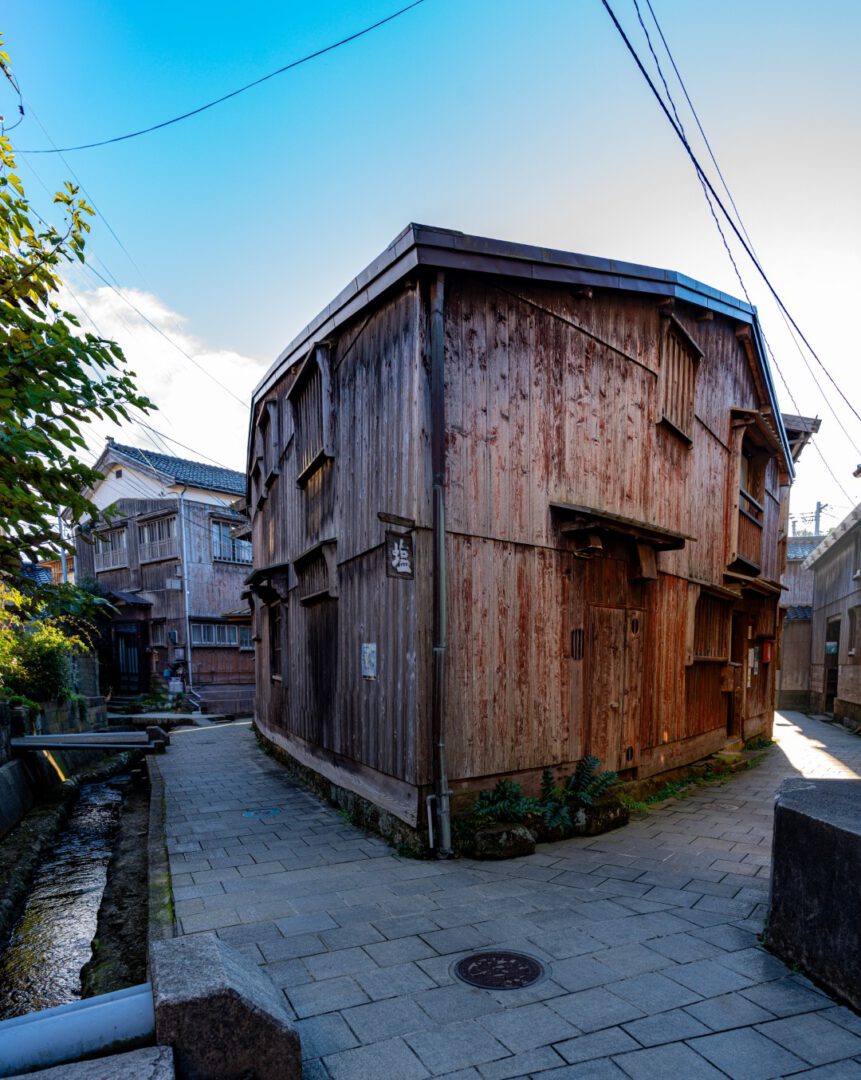
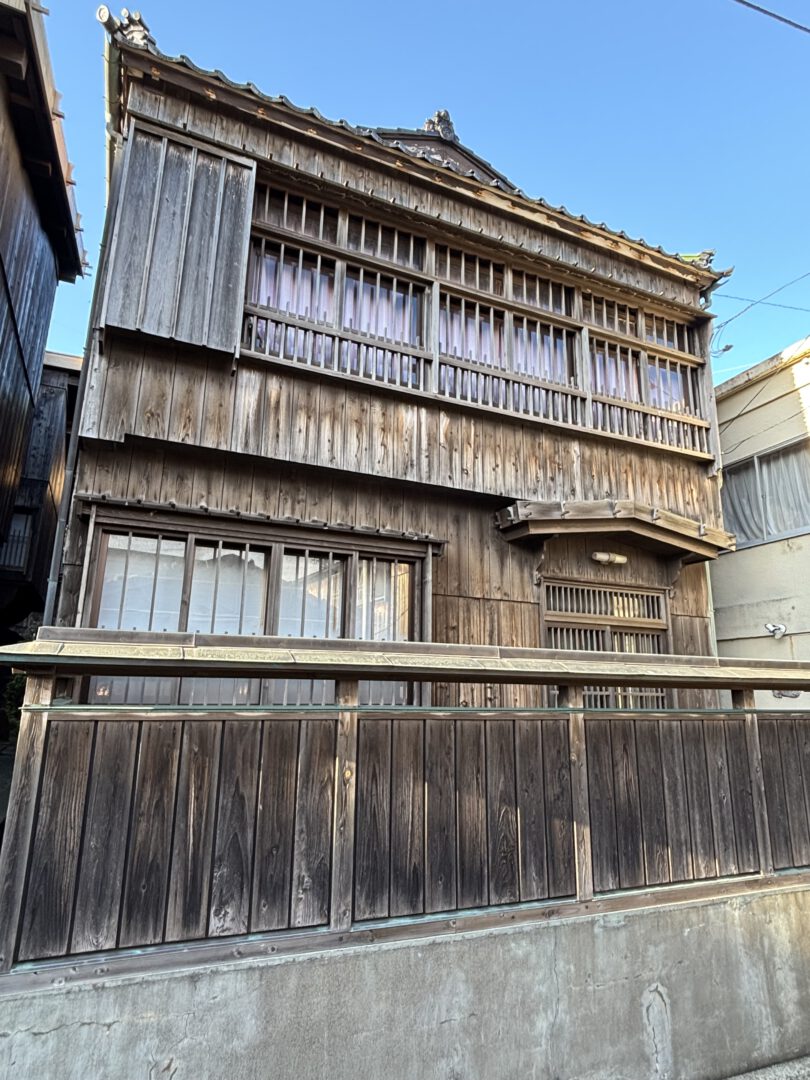
We drove south toward Ogi and continued to Shukunegi, a historic village built by ship carpenters in the Edo period. The houses stand tightly packed along narrow alleys, with some standing out due to their shape.
The Tarai-bune are traditional round wooden tub boats unique to the Ogi area of Sado. Shaped like large barrels cut in half, they were historically used by local fishermen to collect abalone and seaweed in the shallow, rocky coastal waters where larger boats could not operate safely. Today, they are mainly used for short guided rides for visitors.
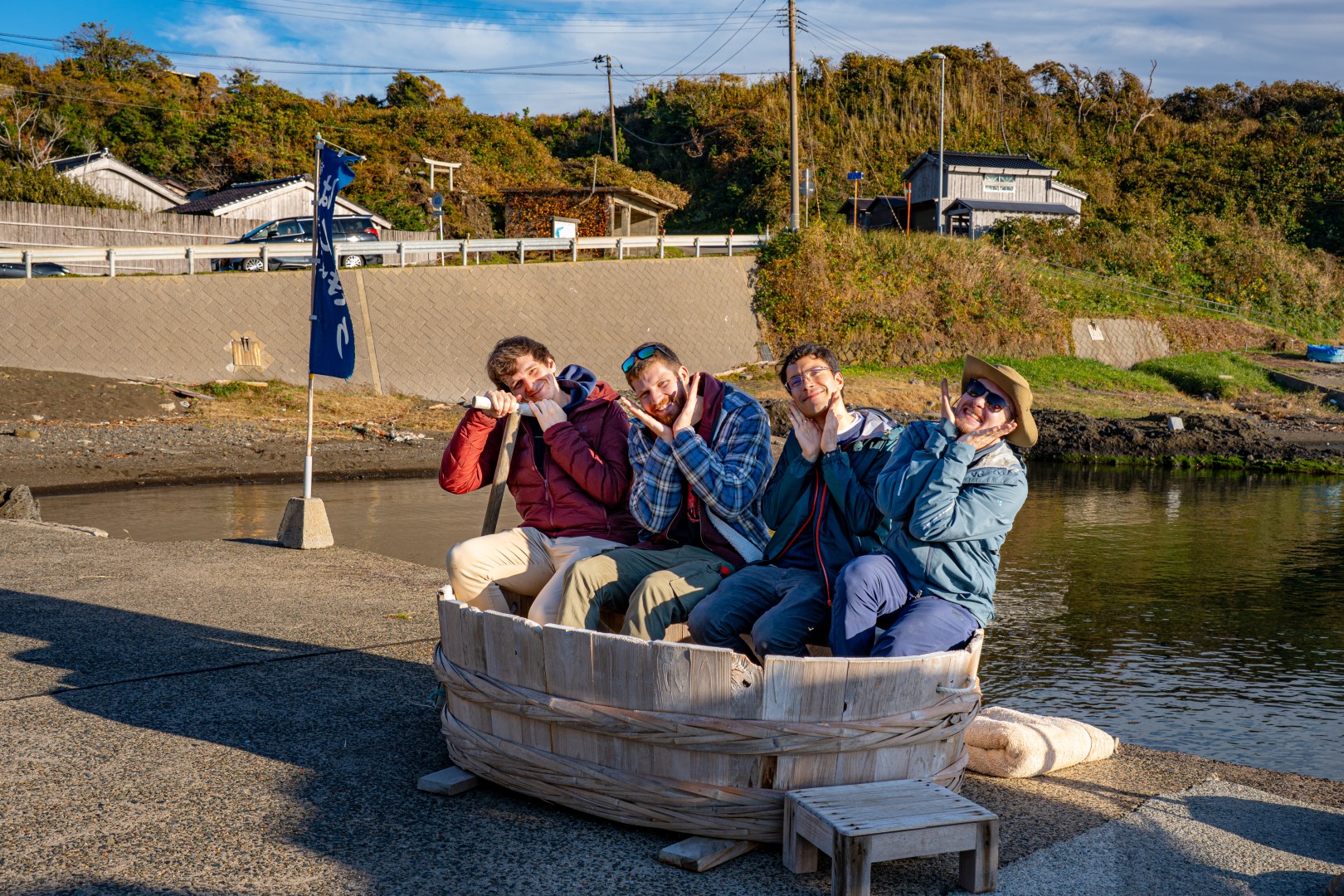
At the Tarai-bune reception, we were told we would have to wait quite a while and could not board together because of other customers. Then suddenly an elderly man stood up and said he would prepare another boat for us. The employee who had just explained the waiting time looked genuinely surprised. It turned out that this man leads the business and is the only one who builds these round wooden boats (according to him). It felt like a small honor to be served directly by him. He steered the boats personally, and we even rode separately in two boats, two people each.
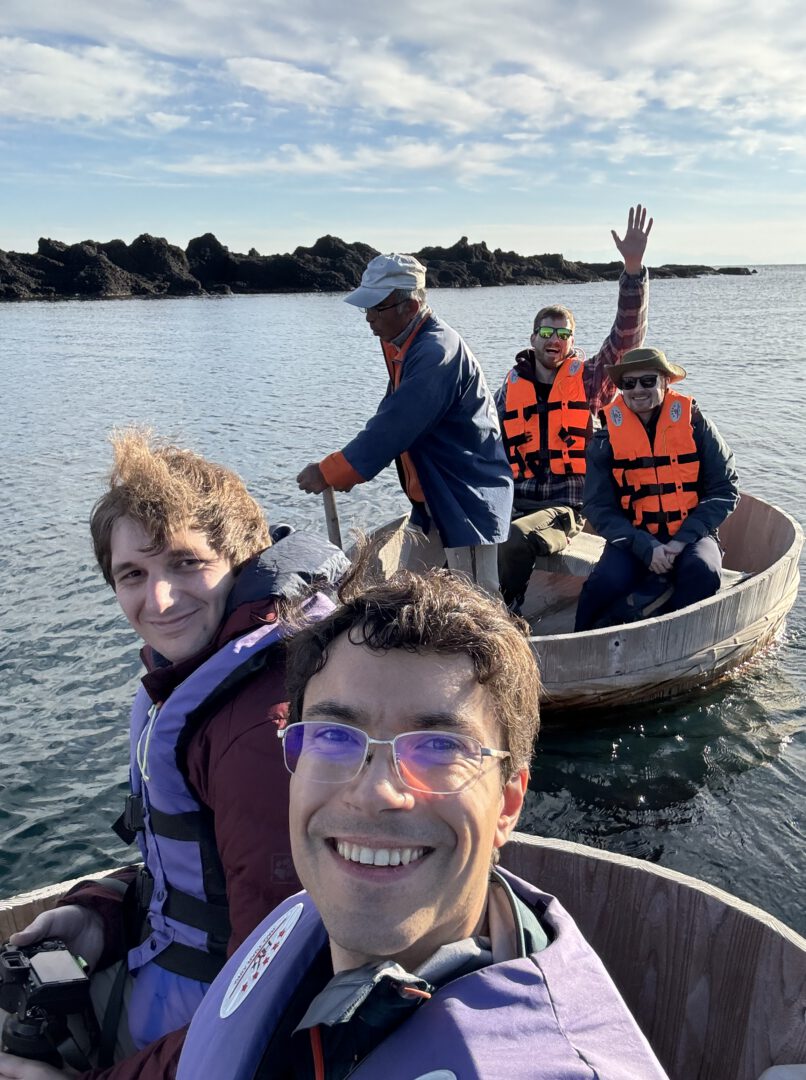
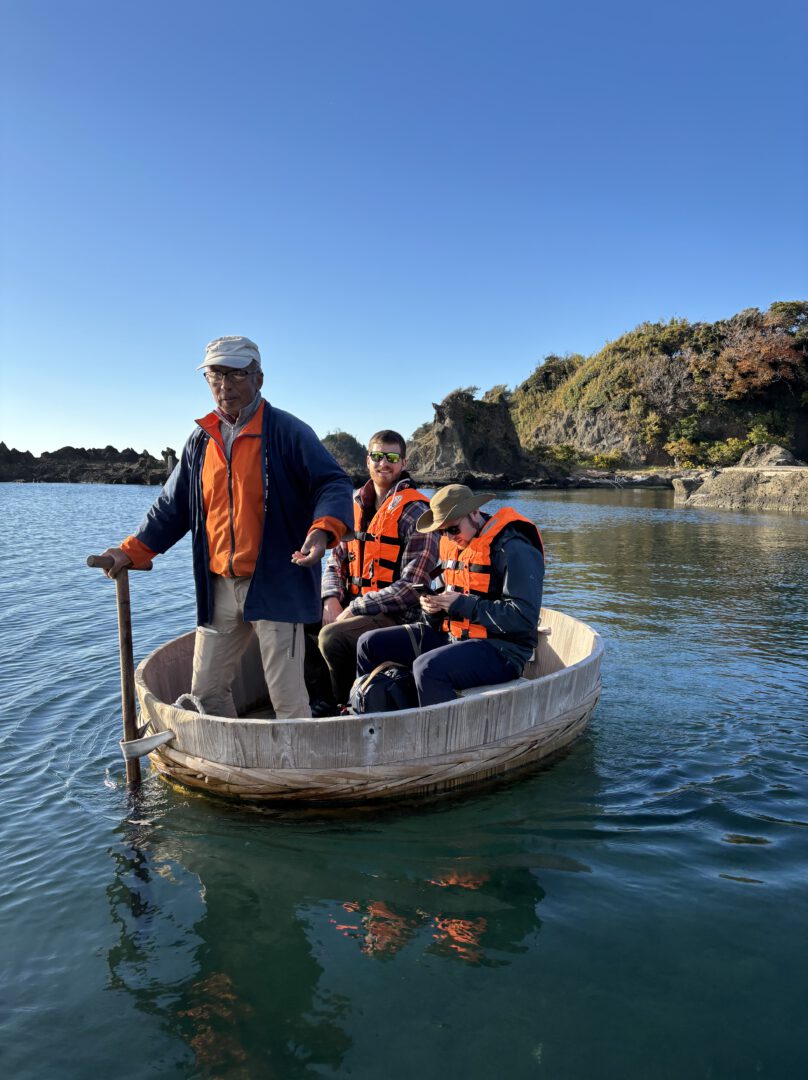
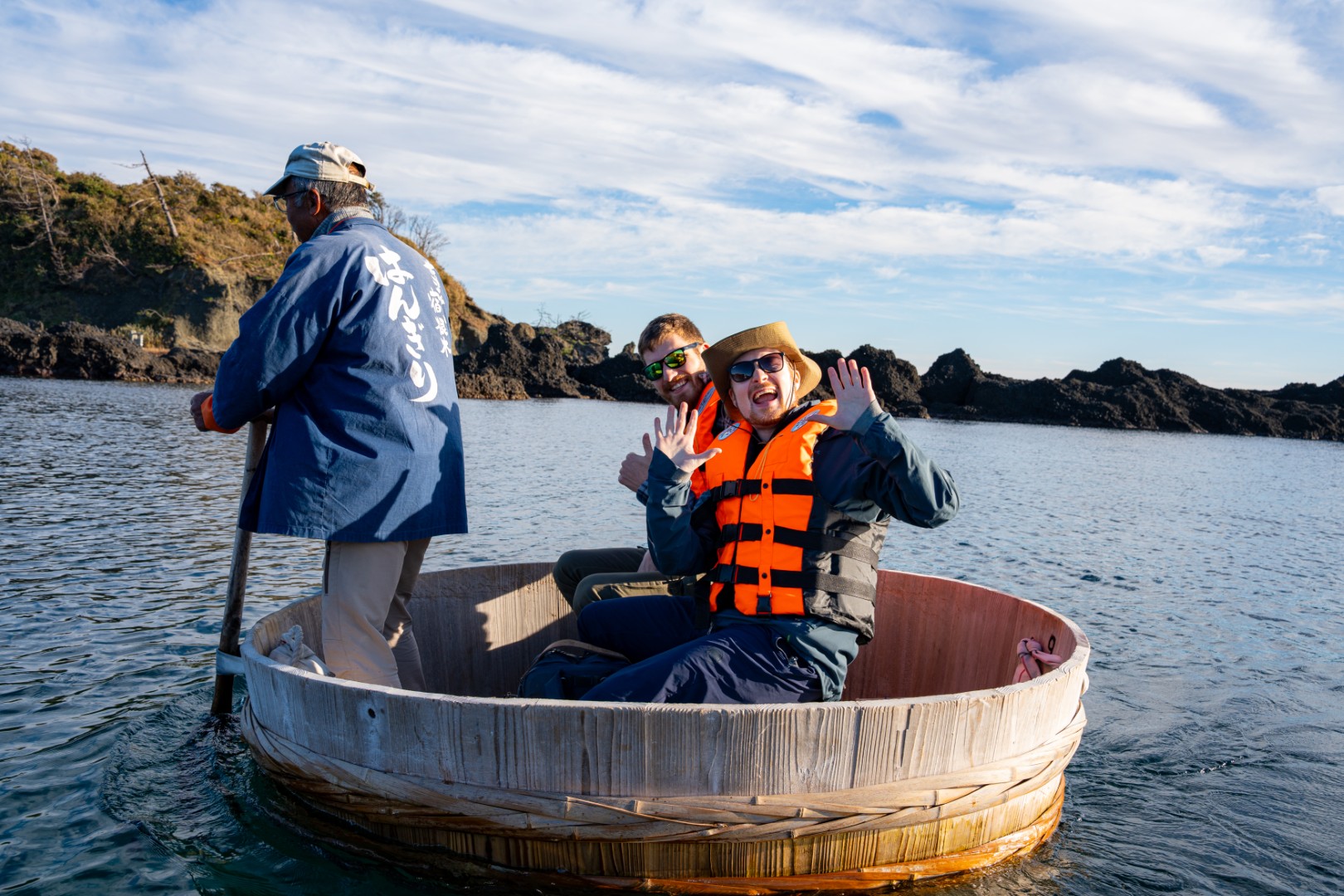
During the 15 minute ride, he shared stories about the boats and the island’s history. Back then the locals figured they could repurpose barrels they used for rice, miso and alcohol storage as boats. They cut open a wooden barrel into two pieces and secured it with bamboo strings, and that is how the Tarai-bune were born.
We also spoke about earthquakes. The major Noto Peninsula earthquake on January 1, 2024, had its epicenter off the Noto coast. Sado experienced shaking and smaller tsunami waves. I clearly remember feeling that same earthquake in Tokyo, where it was much weaker but still noticeable. It created an unexpected personal link between places that feel geographically distant.
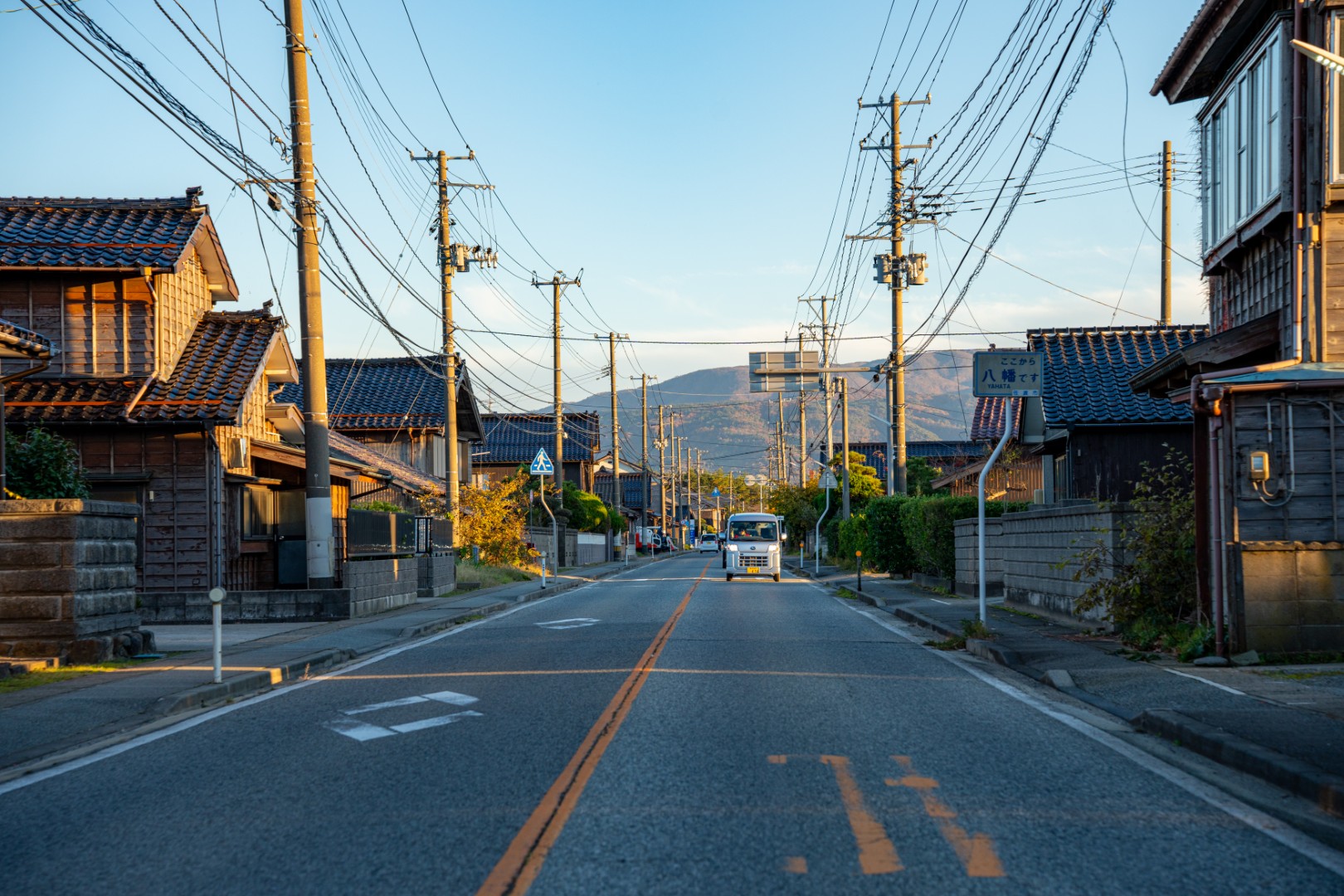
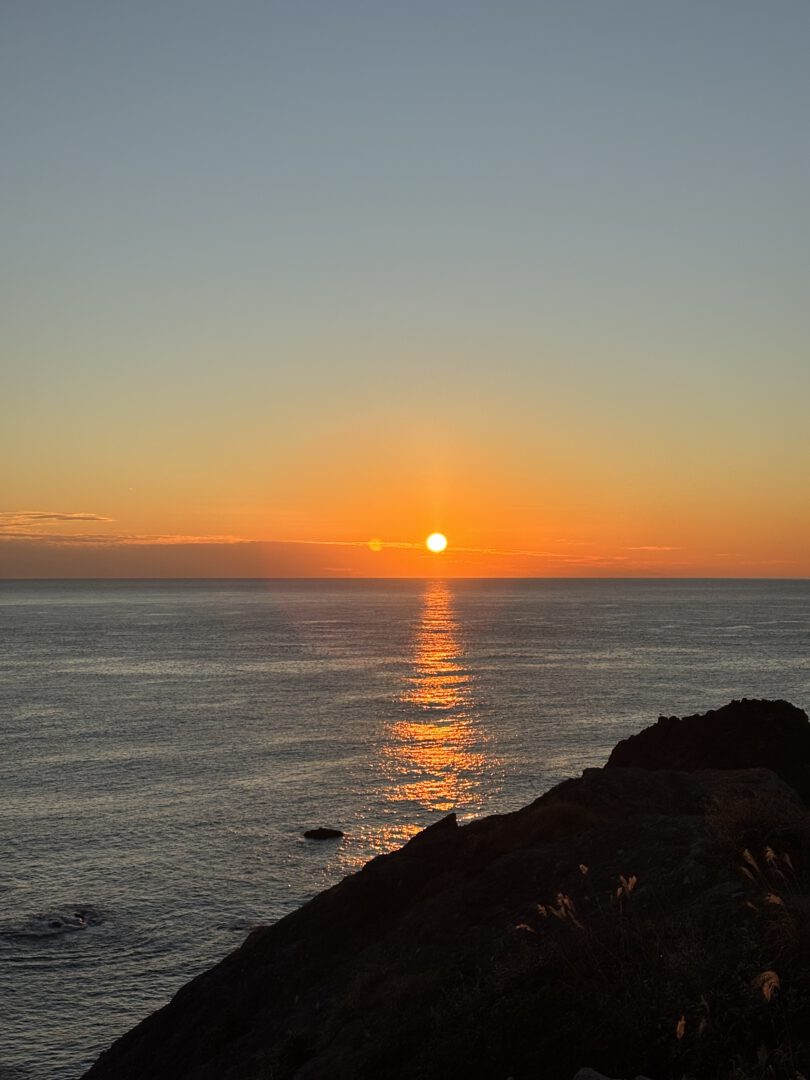
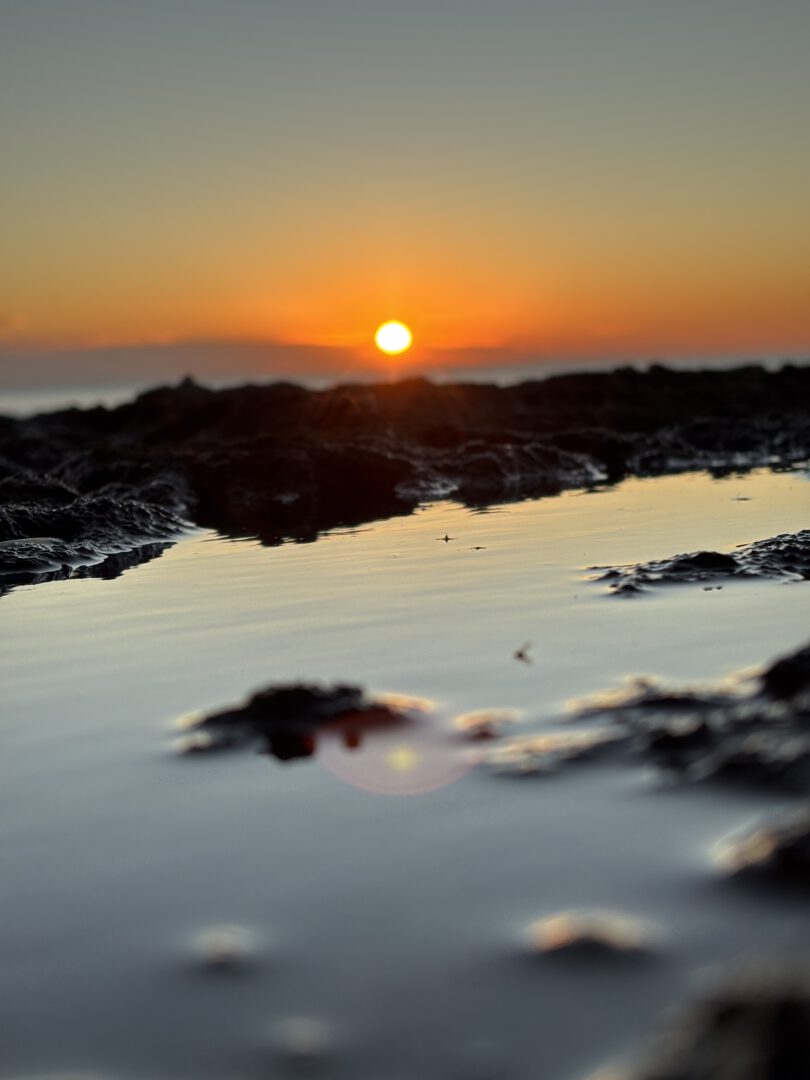
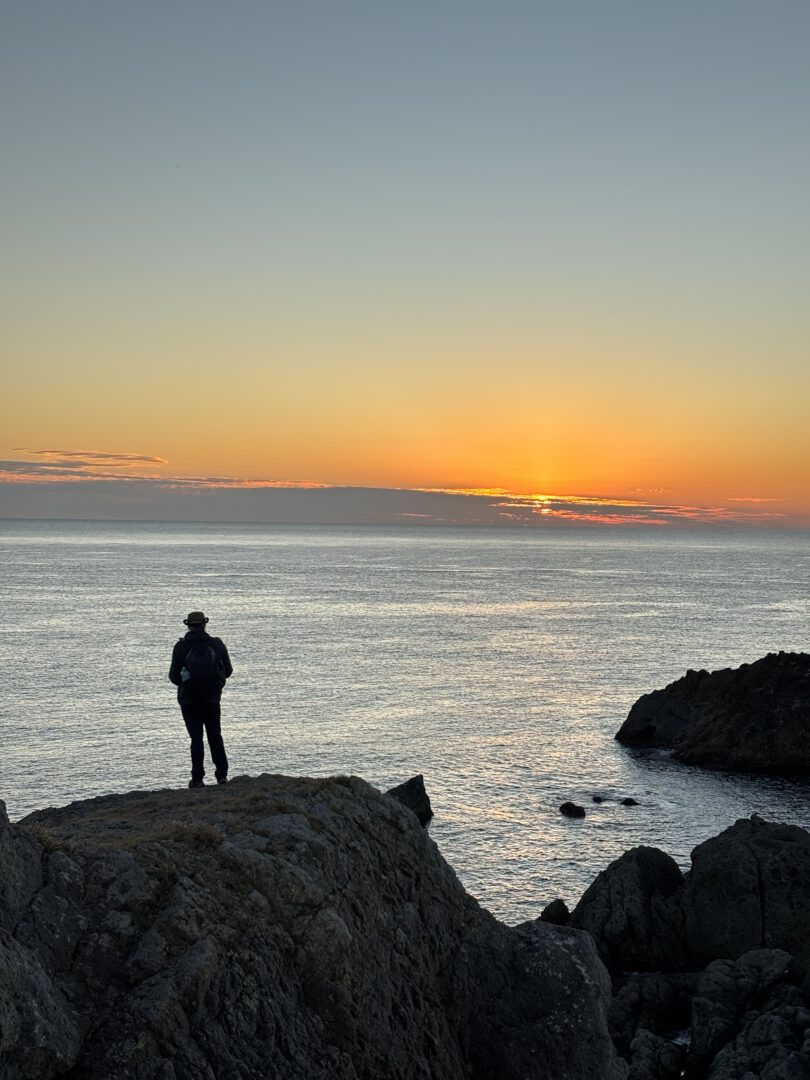
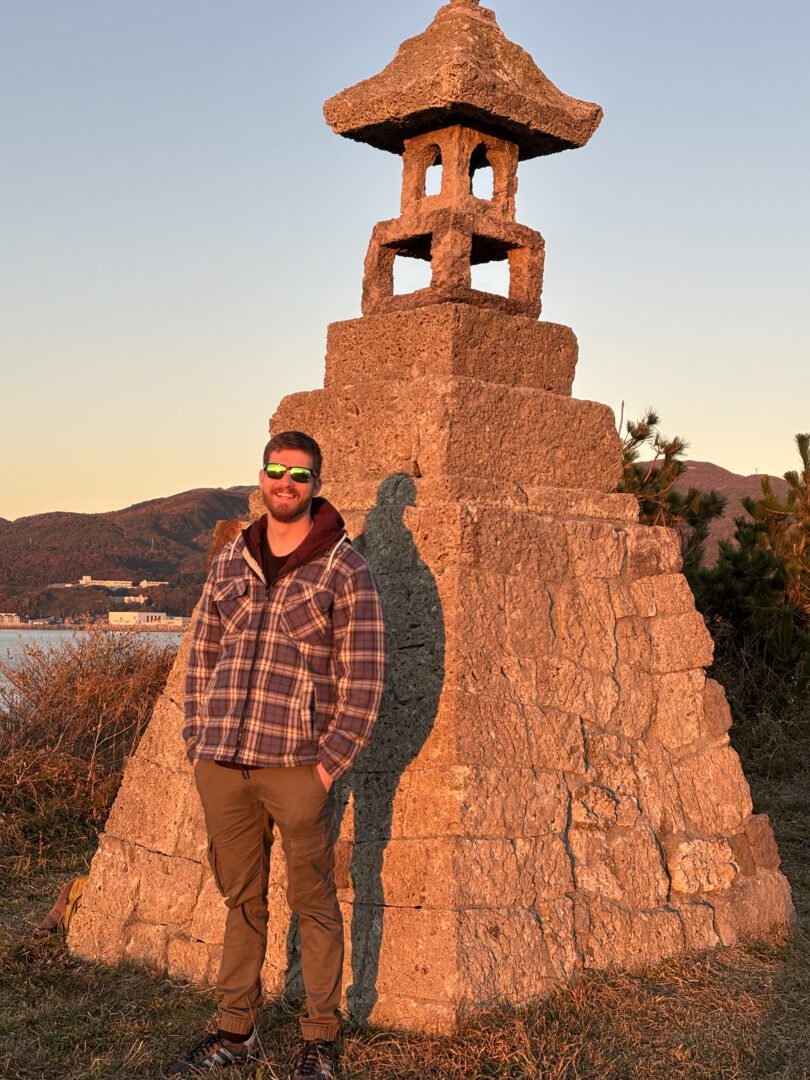
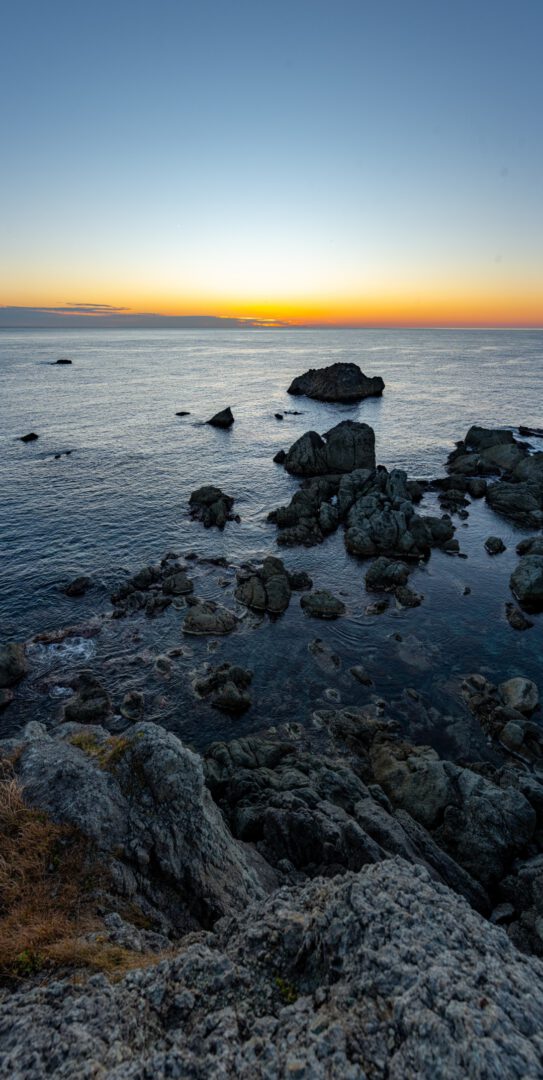
In the evening, we drove toward Aikawa and stopped at Kasuga Cape. Our plan was to photograph the setting sun framed inside a stone lantern. We carefully positioned ourselves, adjusting angles and perspective, trying to align the sun perfectly within the opening. But the seasonal angle was not on our side. In the end, we still took away several creative sunset shots.
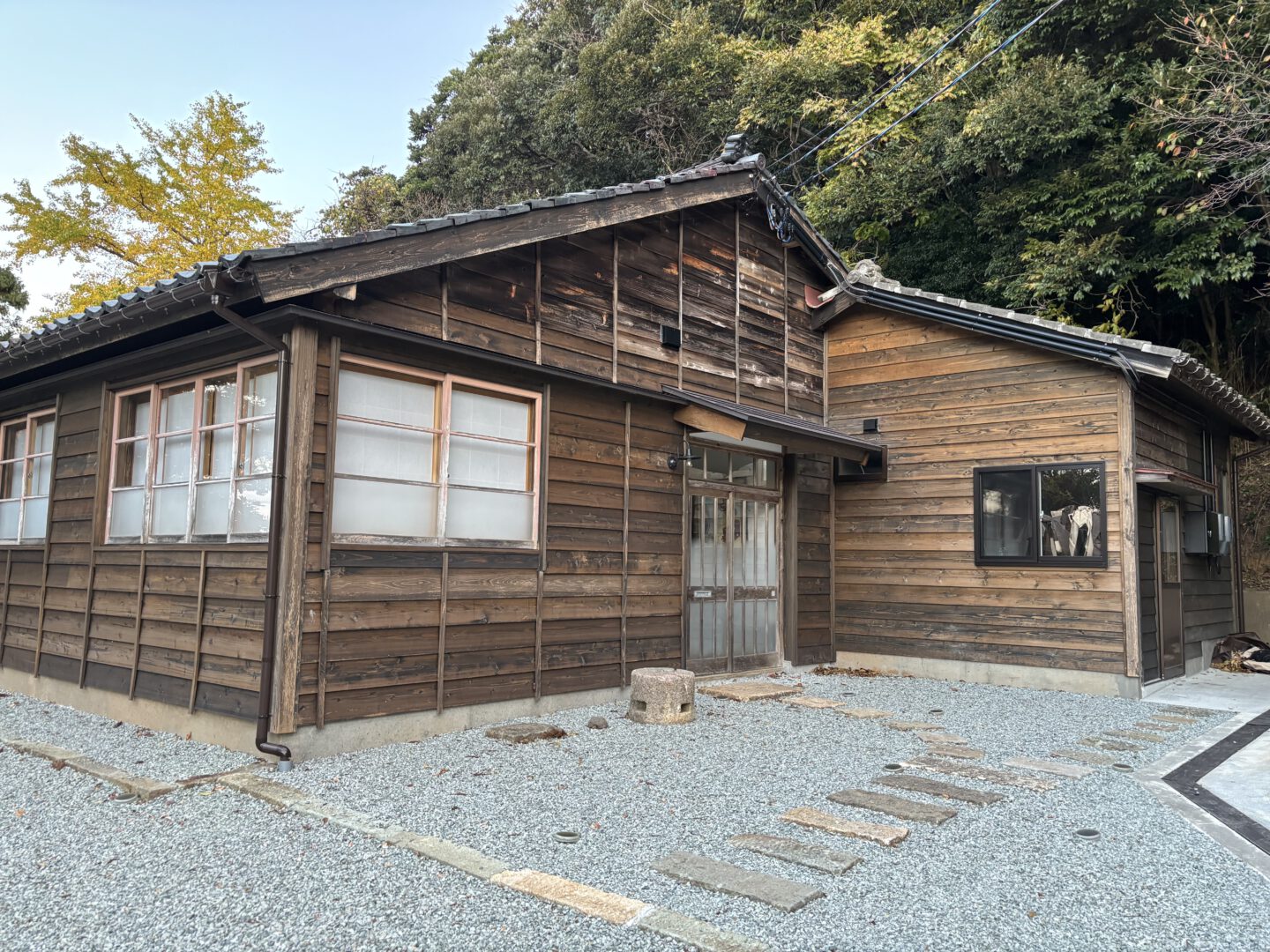
We checked into our Nipponia accommodation in Aikawa, part of a hotel company that is revitalizing rural Japan by refurbishing traditional buildings into distributed hotel rooms. The reception was in one historic building, while our actual house stood on a hill near a Shinto shrine above Aikawa village. After some introductory conversation, the employee of the hotel escorted us to the actual location of our hotel house by car. The explanation of all the features took longer than we would have liked because we were already hungry and it was getting dark. The staff warned us that most restaurants are closed tonight and helped us reserve at one open sushi restaurant, but they declined us.
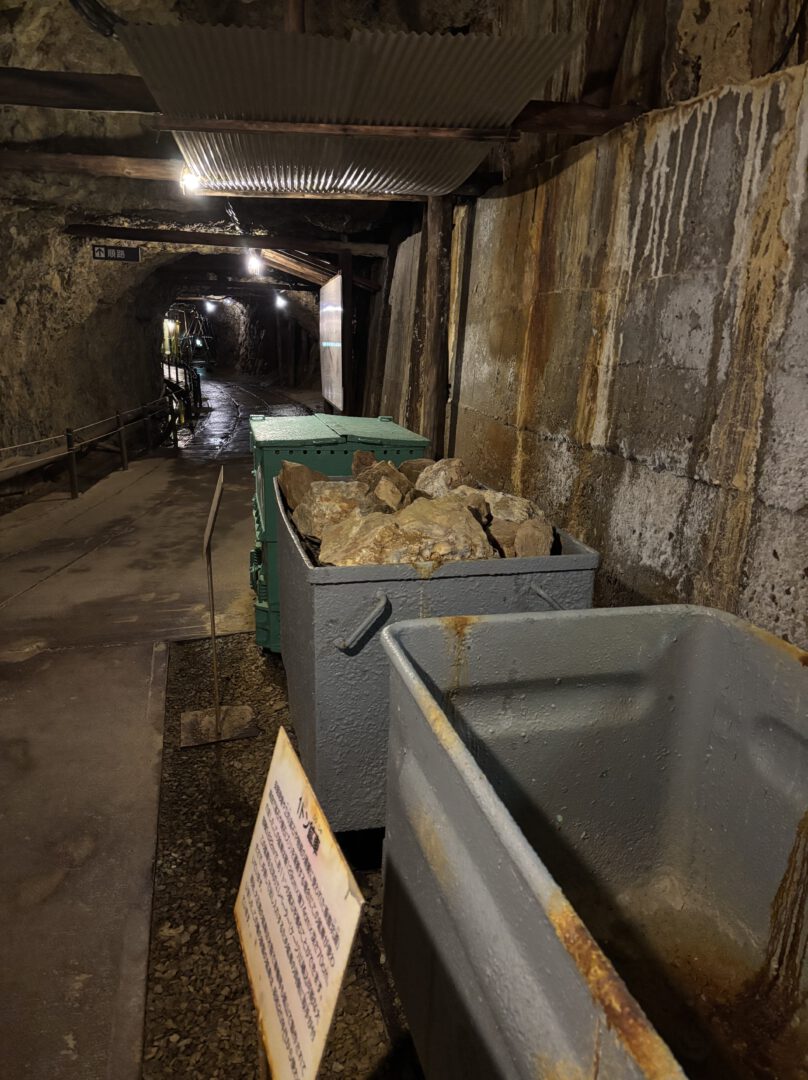
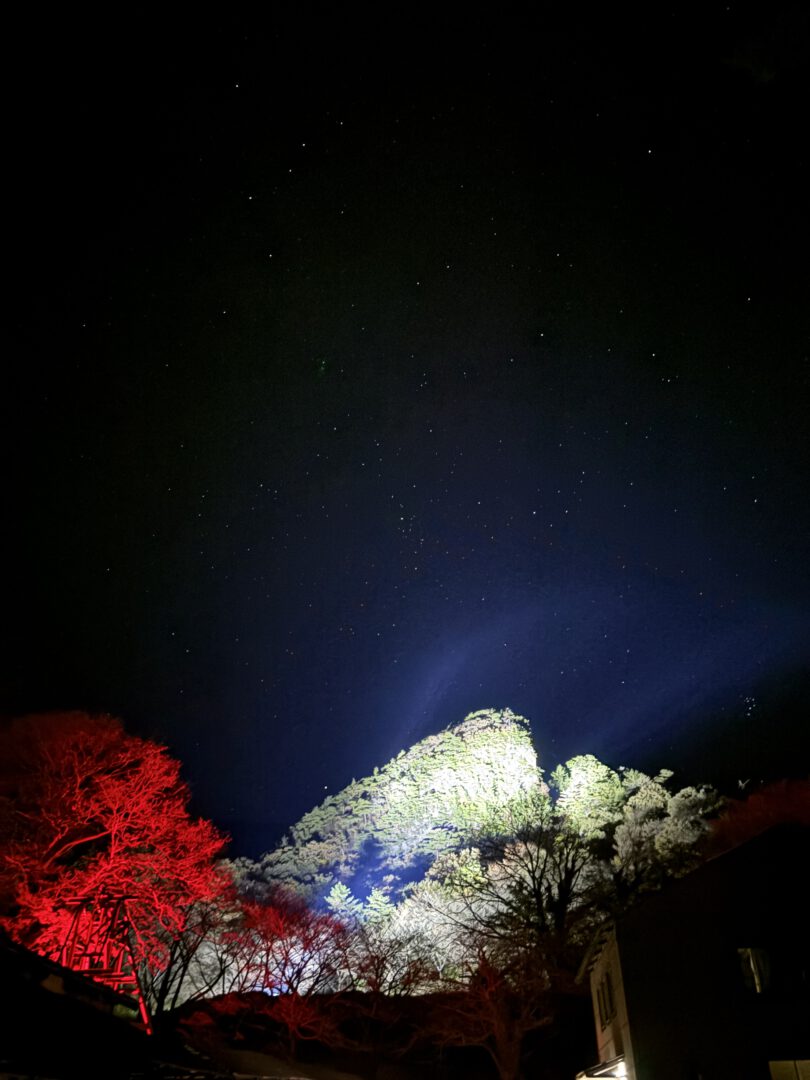
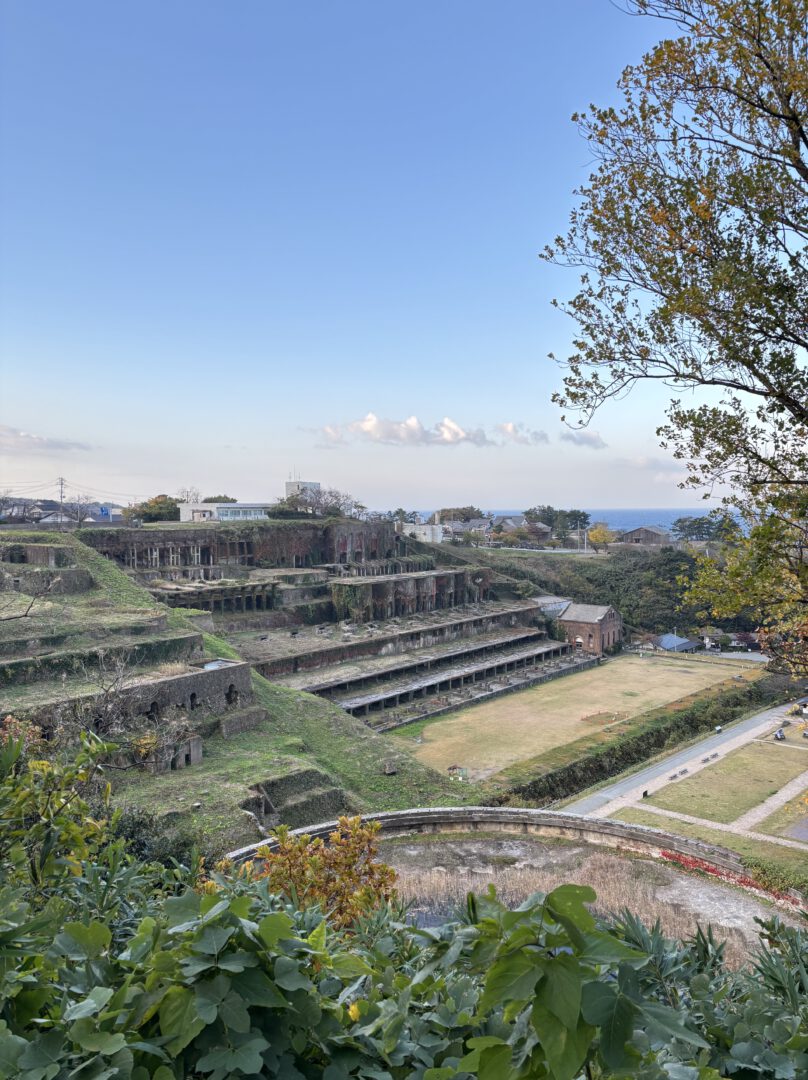
At night, we visited the illuminated Kitazawa Flotation Plant, part of the Sado Gold Mine. The flotation plant, built in 1938, once processed 50,000 tons of ore using flotation technology, where gold-bearing particles attach to bubbles and rise to the surface.
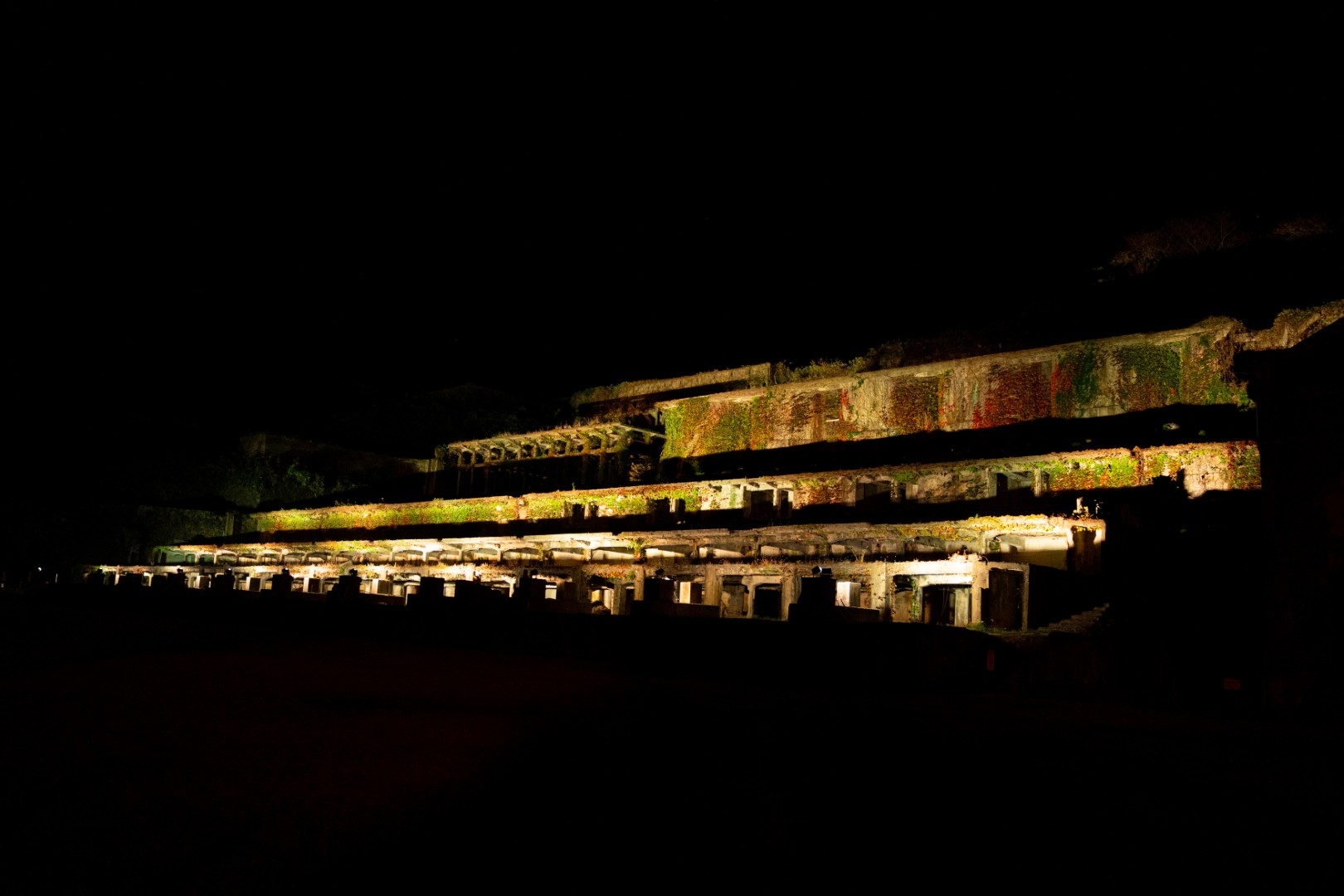
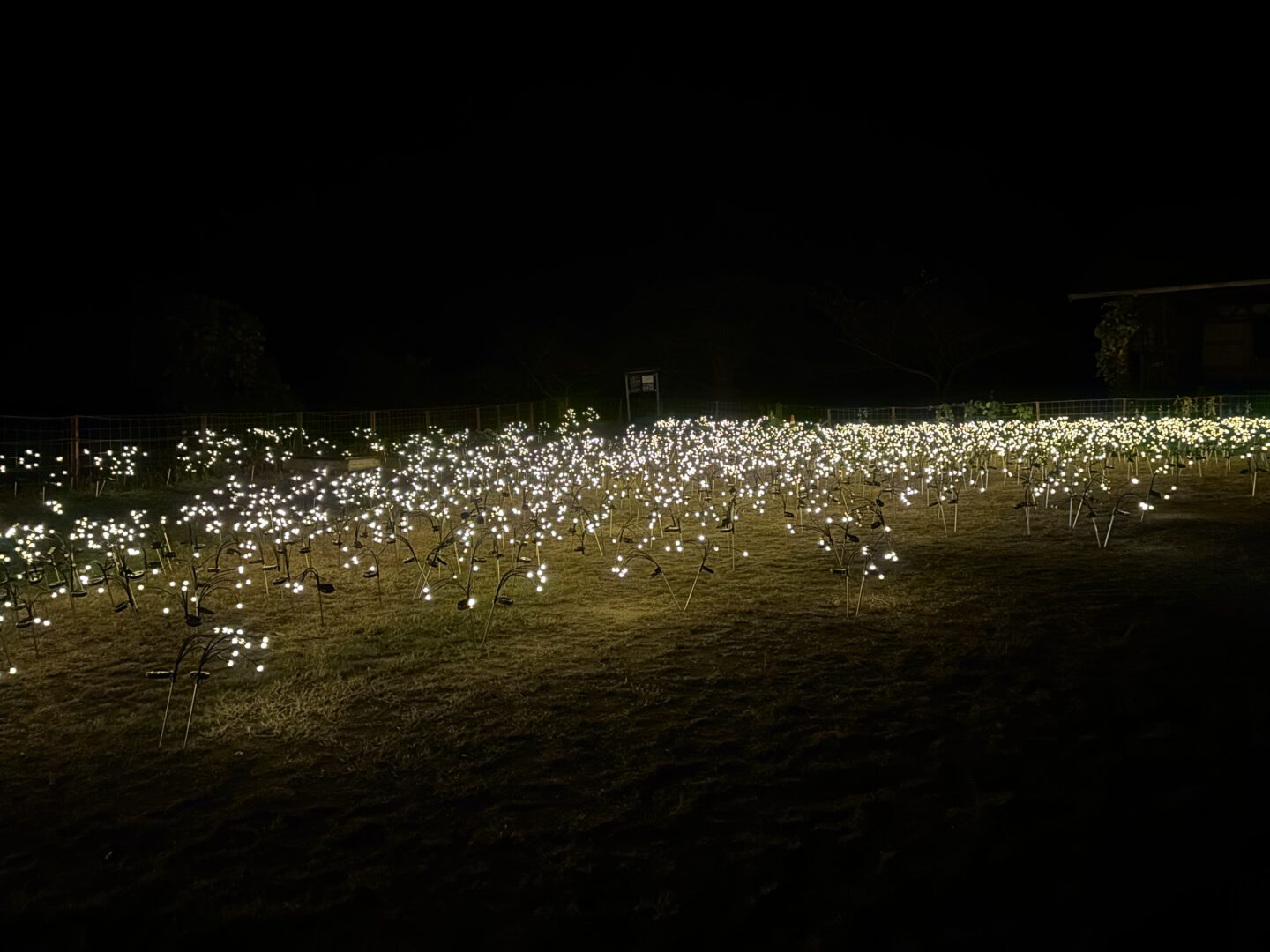
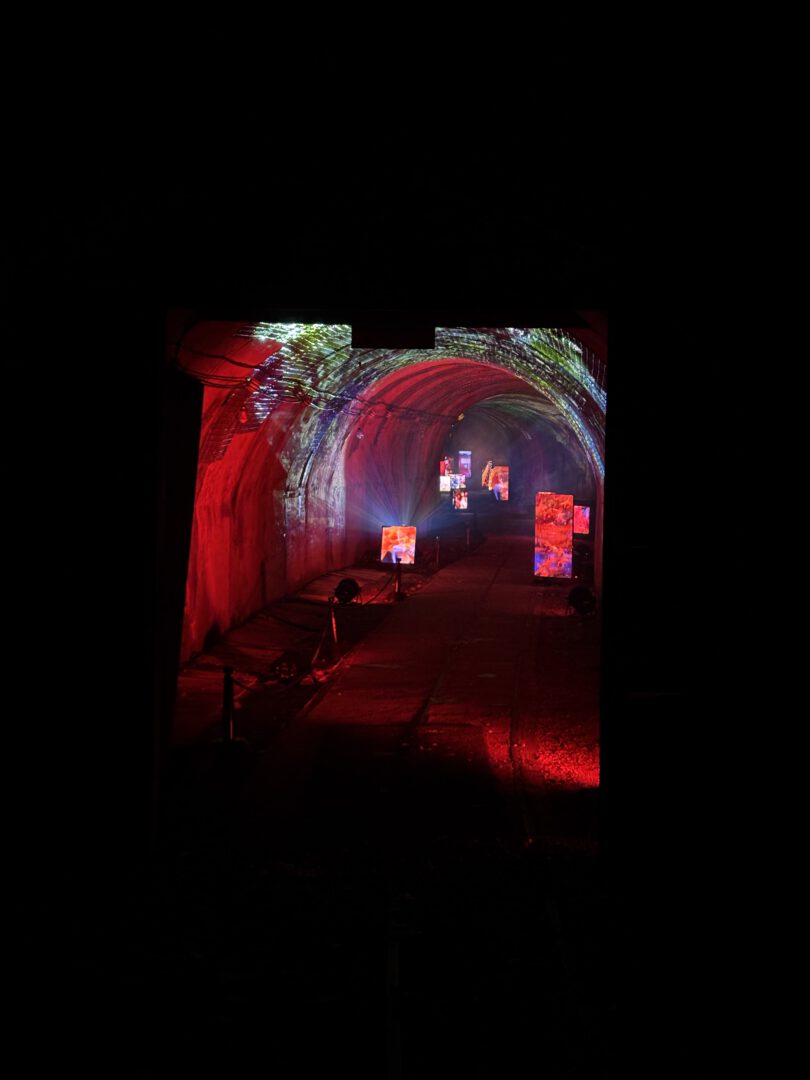
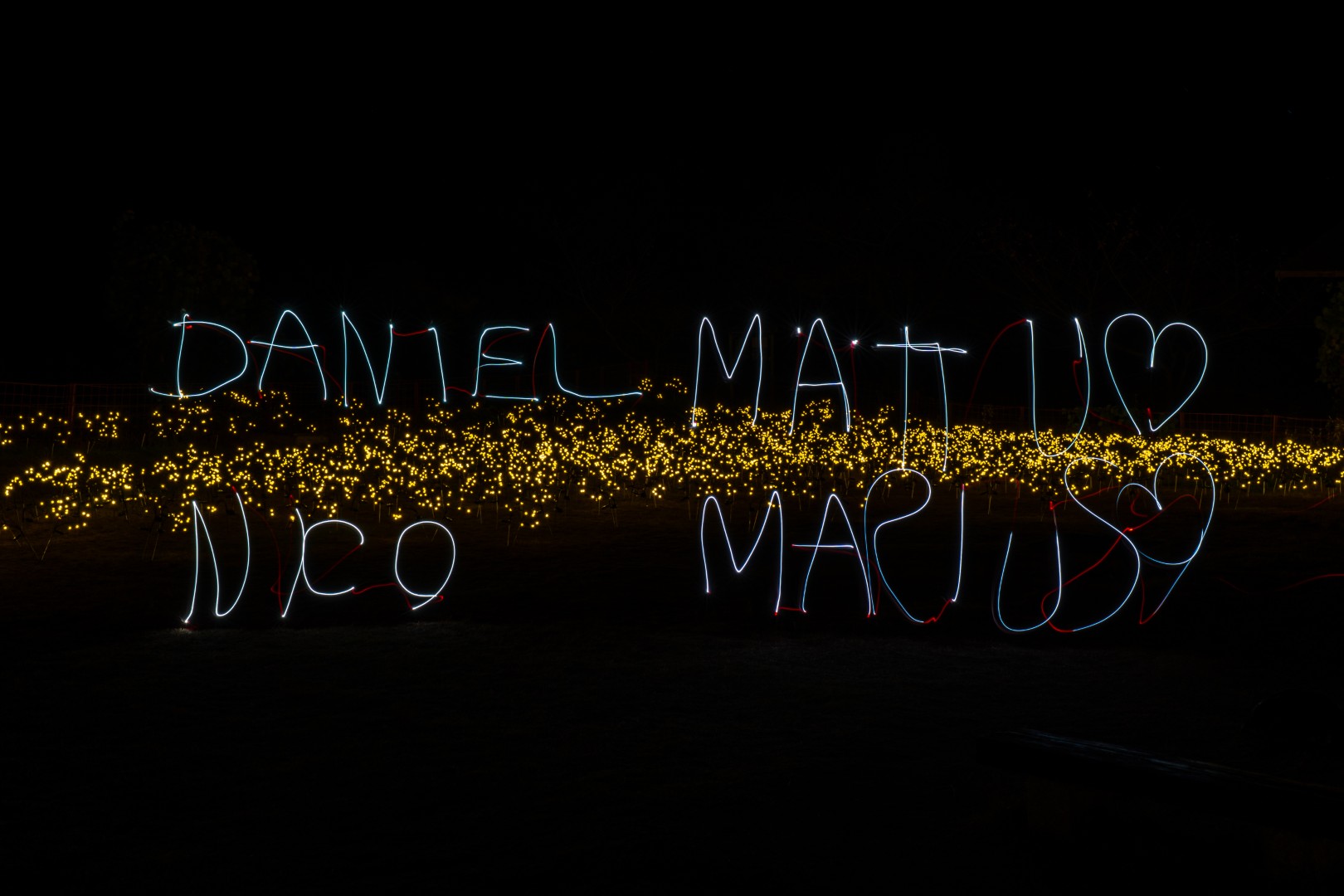
We were lucky to be able to visit a special night opening of the mine plus a special art project called “Pulse of Lives,” a collaboration led by artist Mika Ninagawa. The tunnels and spaces of the historic mine are transformed with immersive light, sound, and video installations that blend the history of mining with contemporary artistic expression. Some scenes created an uneasy atmosphere, almost suggesting the anxiety and hardship experienced by miners working underground. At one installation, designed like a glowing field of flowers, we experimented with light painting to add a bit of atmosphere to our photos.
Because it was Sunday, most restaurants turned out to be closed. We first tried an izakaya that was supposed to be open, but when we arrived, the lights were off and the door locked. With few options left, we returned to the sushi restaurant that had earlier told us they were full. We slowly slid open the door and peeked inside, asking carefully whether there might still be space. A group of local guests sitting at a low table told us they would soon leave. We thanked them and waited outside in the car, not wanting to rush anyone. After a few minutes, they came out, smiling, and we could take their spot.
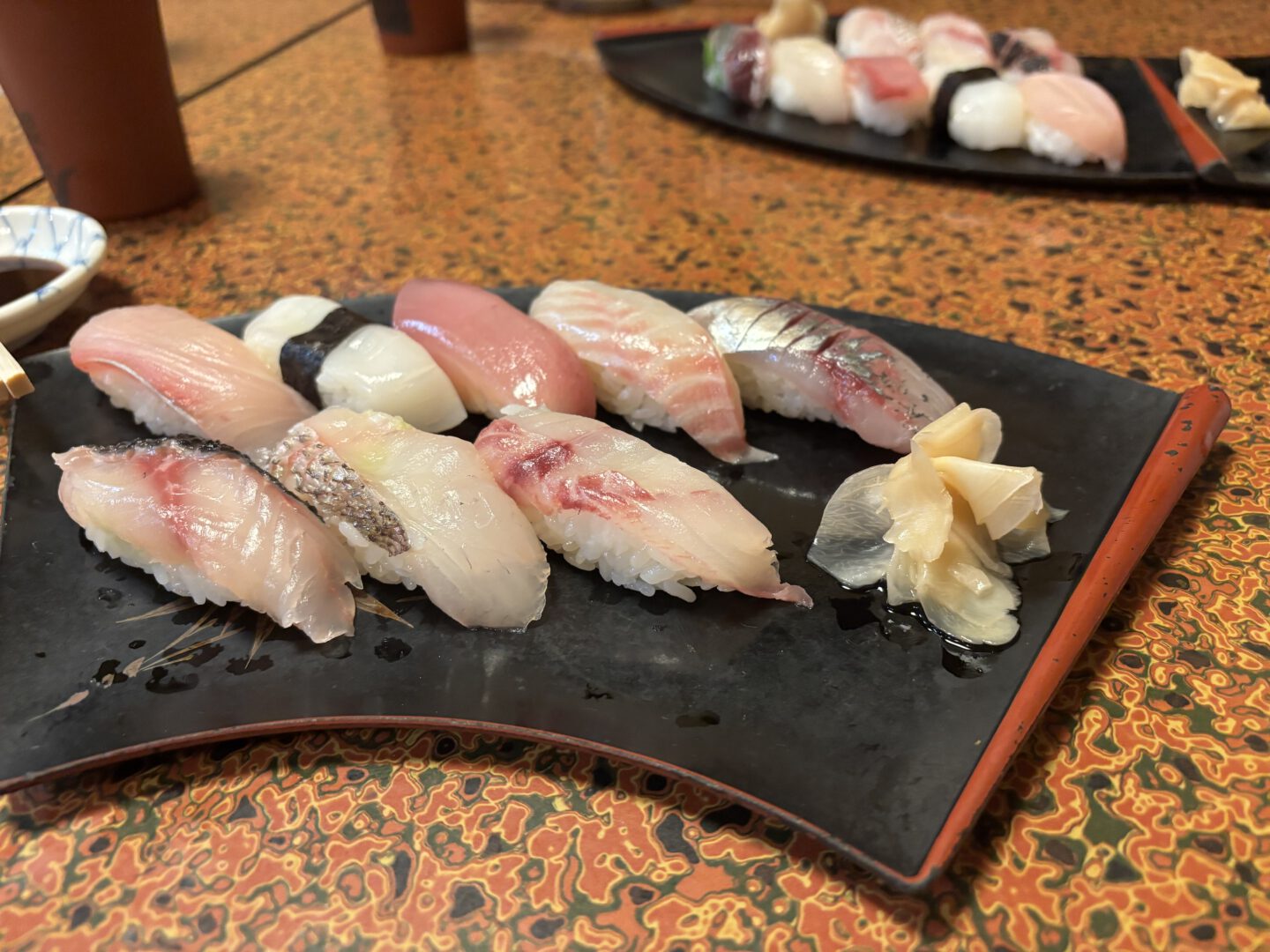
Inside, we could feel that we were probably the first foreigners there in quite some time. People glanced over curiously, and I was once again complimented on my Japanese. We ordered an assorted sushi platter first, then selected additional pieces based on the fresh fish available.
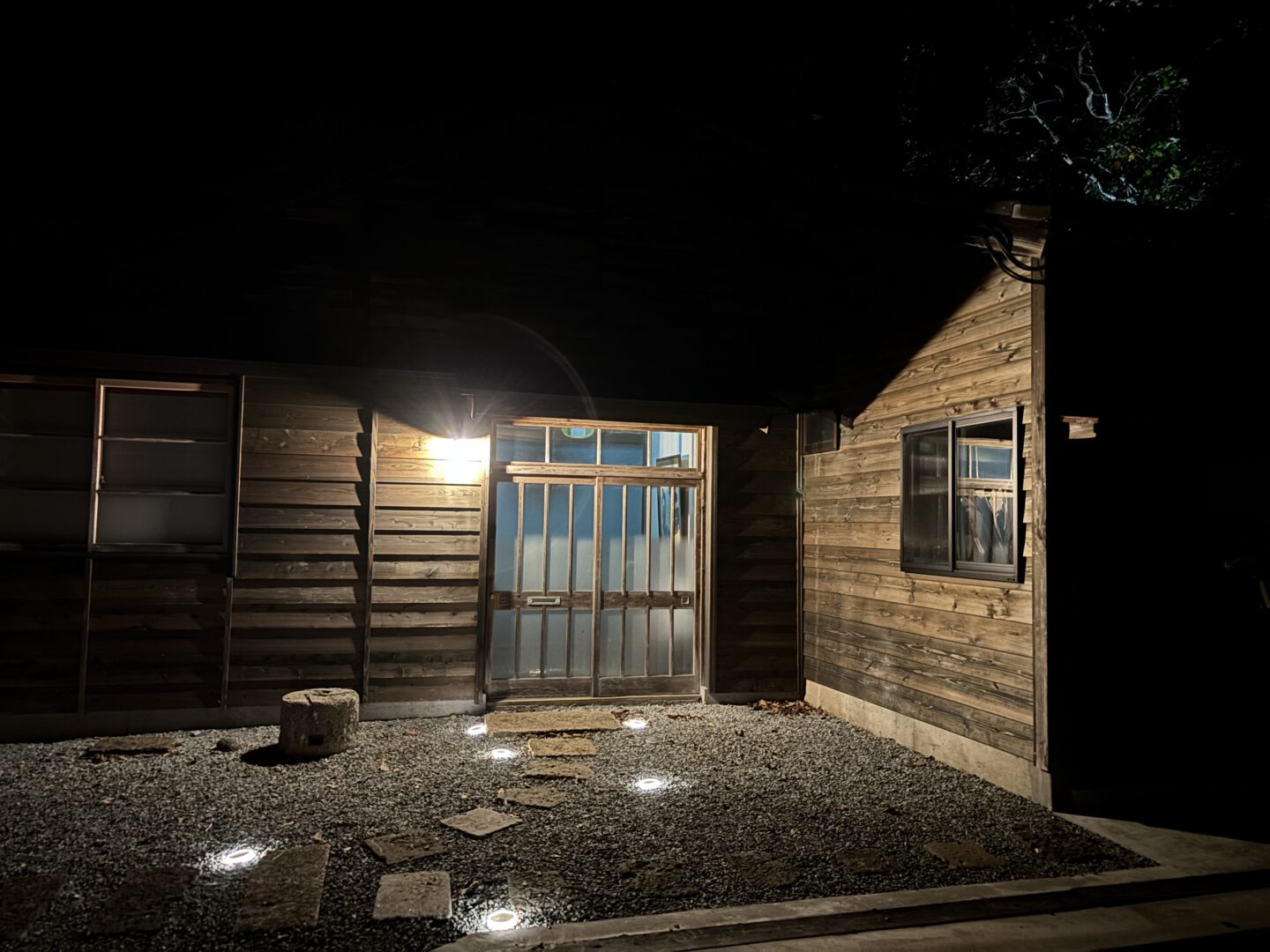
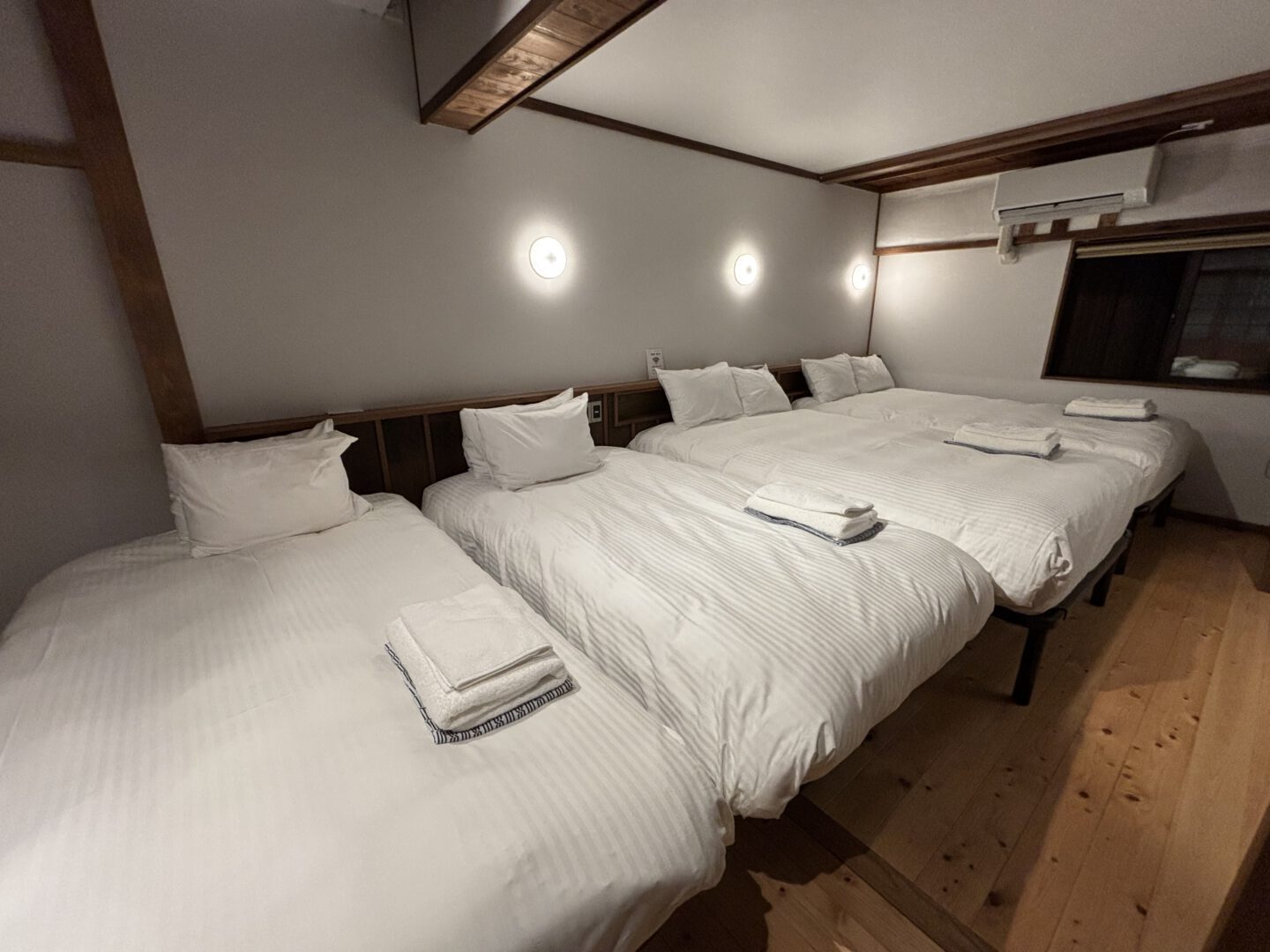
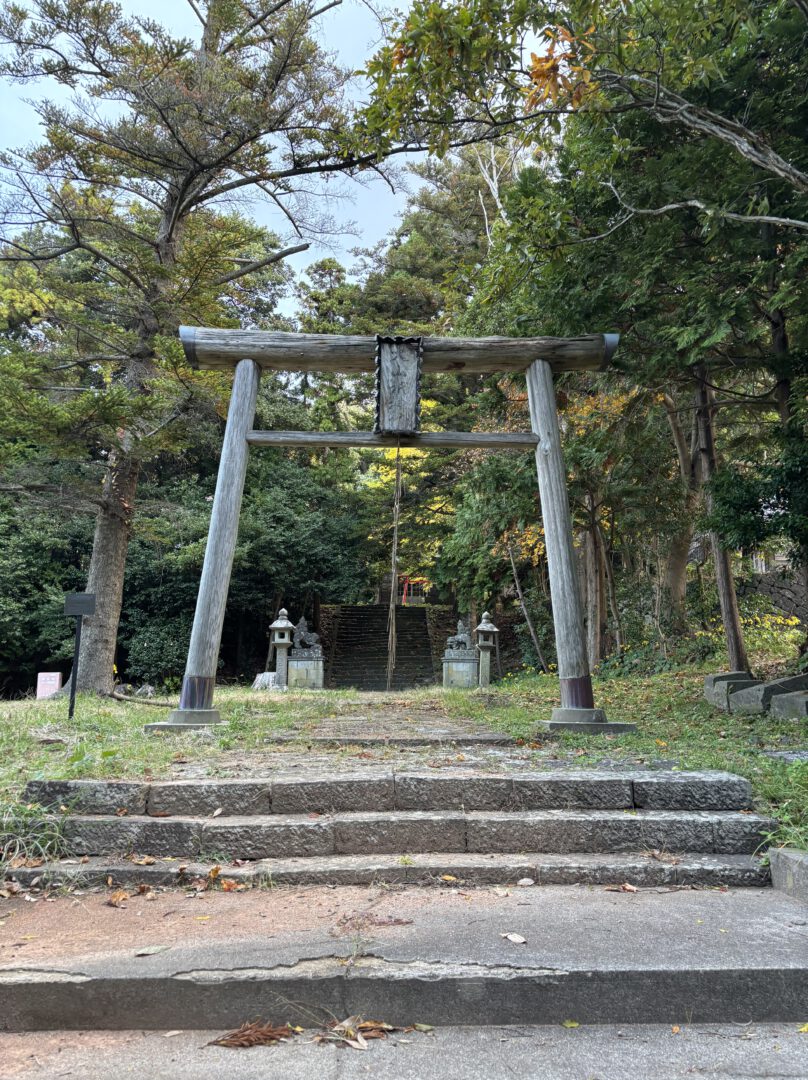
We finally returned to the house on top of a hill next to a Shinto shrine. It was a nicely renovated wooden building that was spacious enough for four beds and even boasted a sauna. Nothing feels better than a hot sauna or hot bath after a long day of travel and exploration.
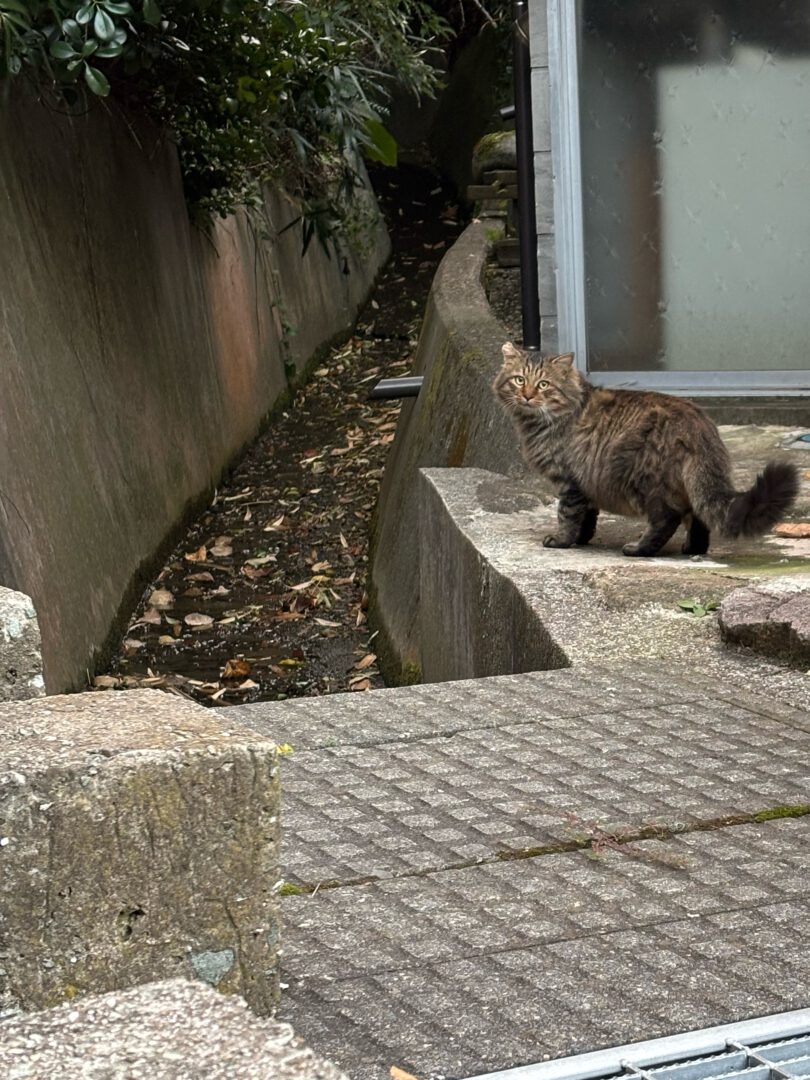
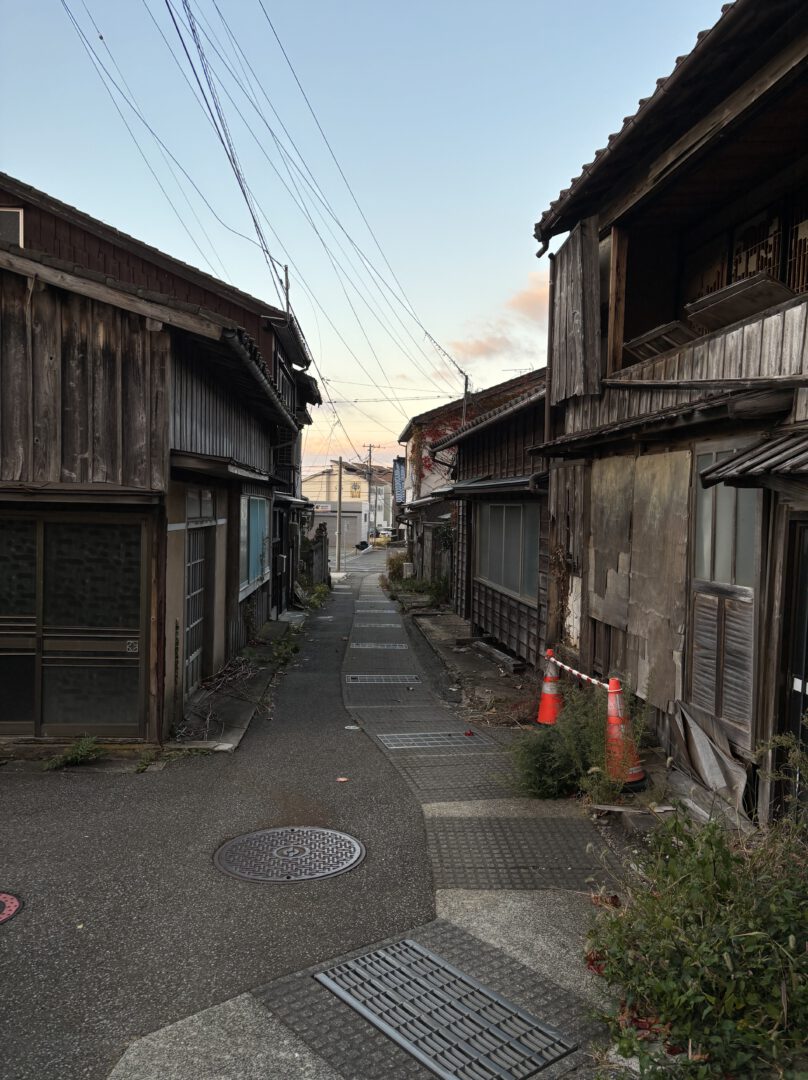
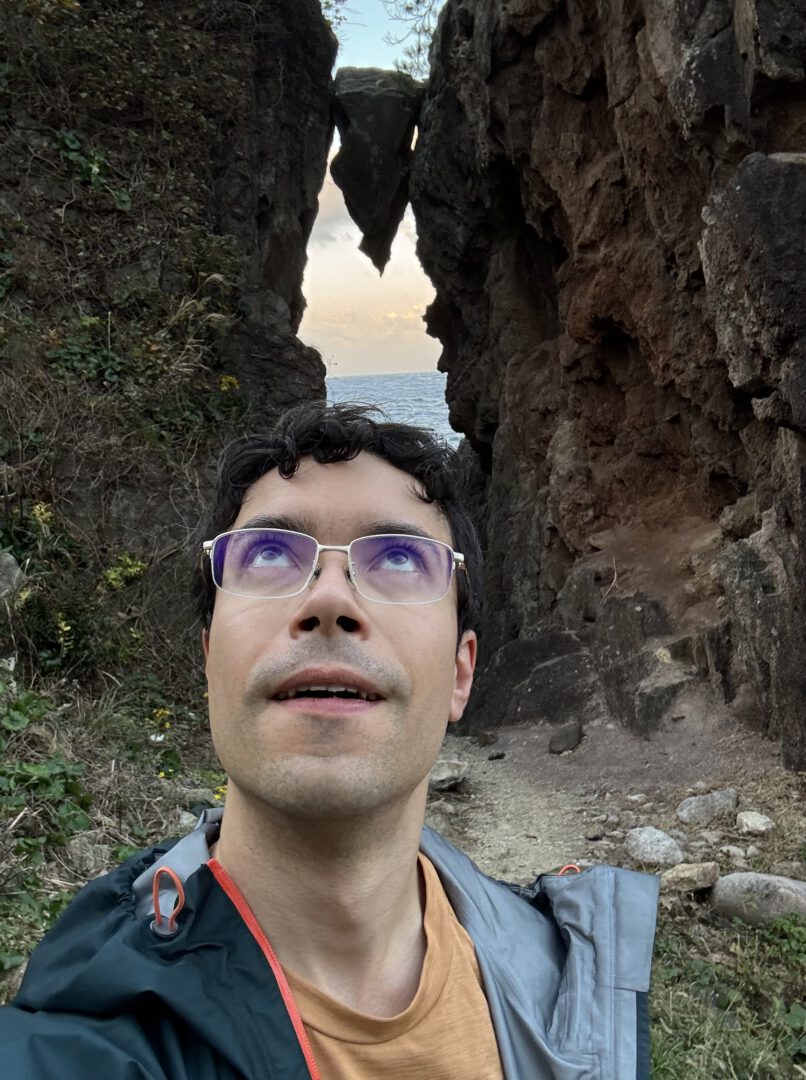
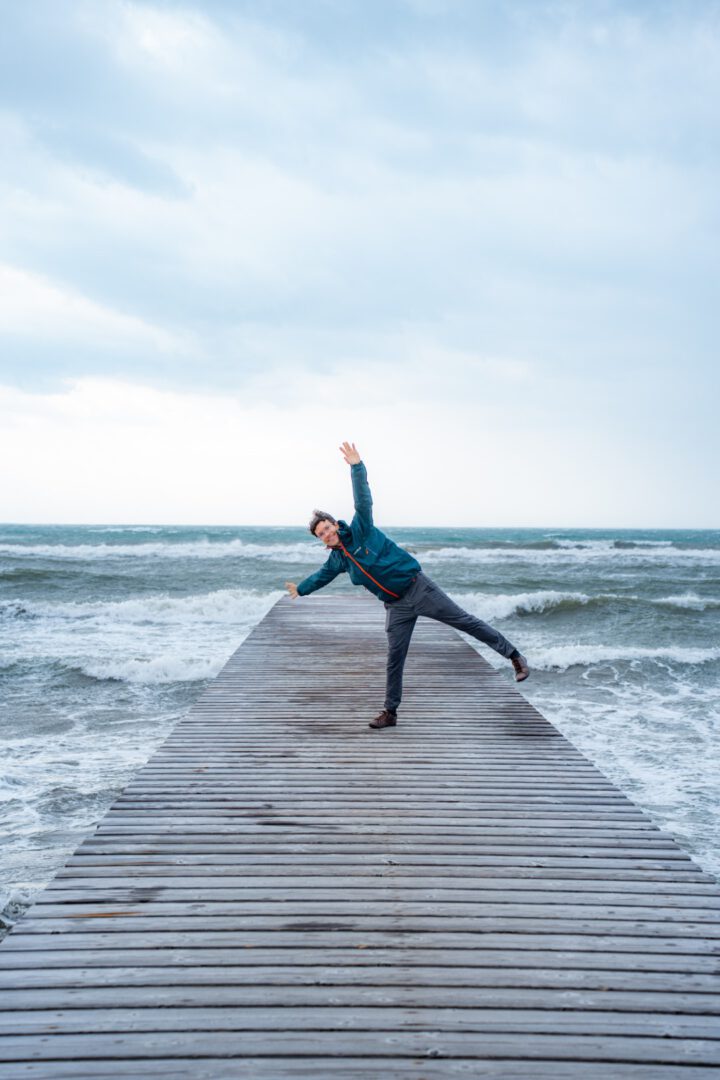
The next morning, a storm was predicted to arrive around 8 a.m. I decided to use the early hours before it hit. While the others were still asleep, I left the house and went for a run. It was already windy, but the sun was still shining. I ran down into Aikawa, passed a cat wandering between quiet houses, and followed the coastline. I stopped at Scissors Rock, then continued to a pier where you could face the ocean from almost all sides. The wind was strong, and the sea was rough. Waves crashed against the rocks, white foam blown sideways by the gusts. It was raw but beautiful.
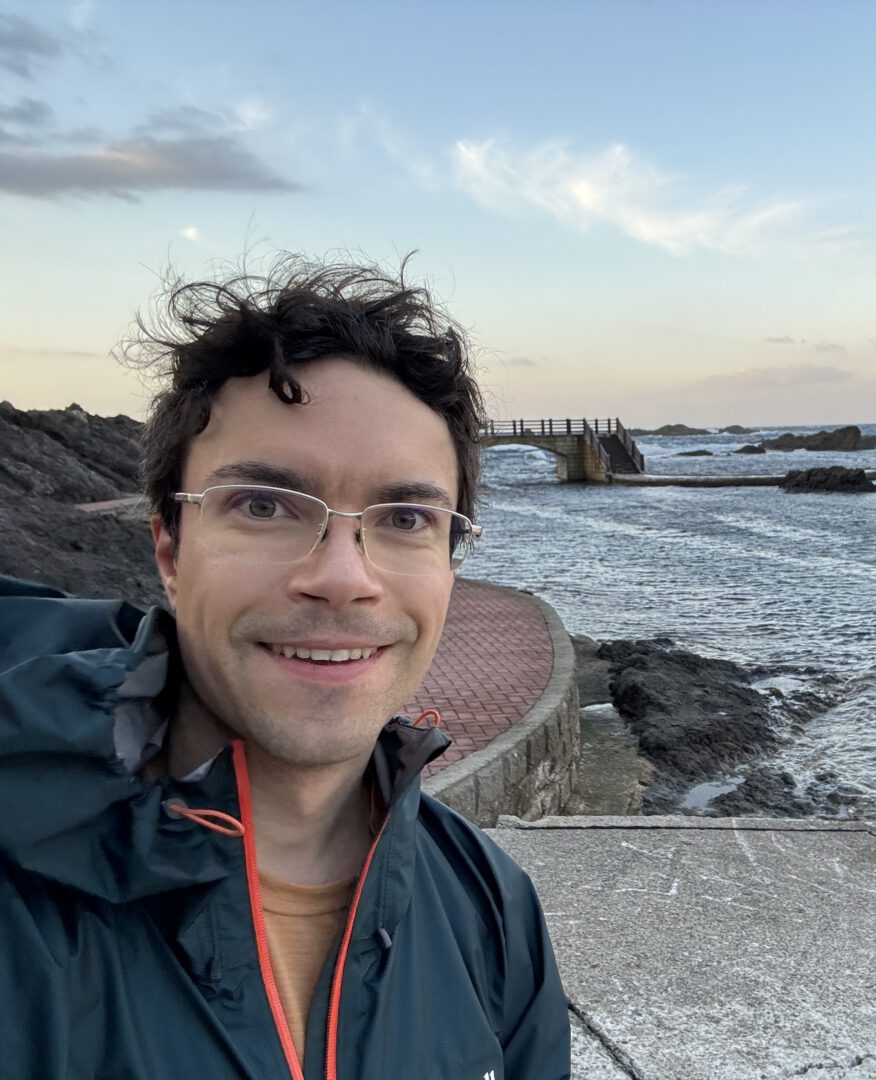
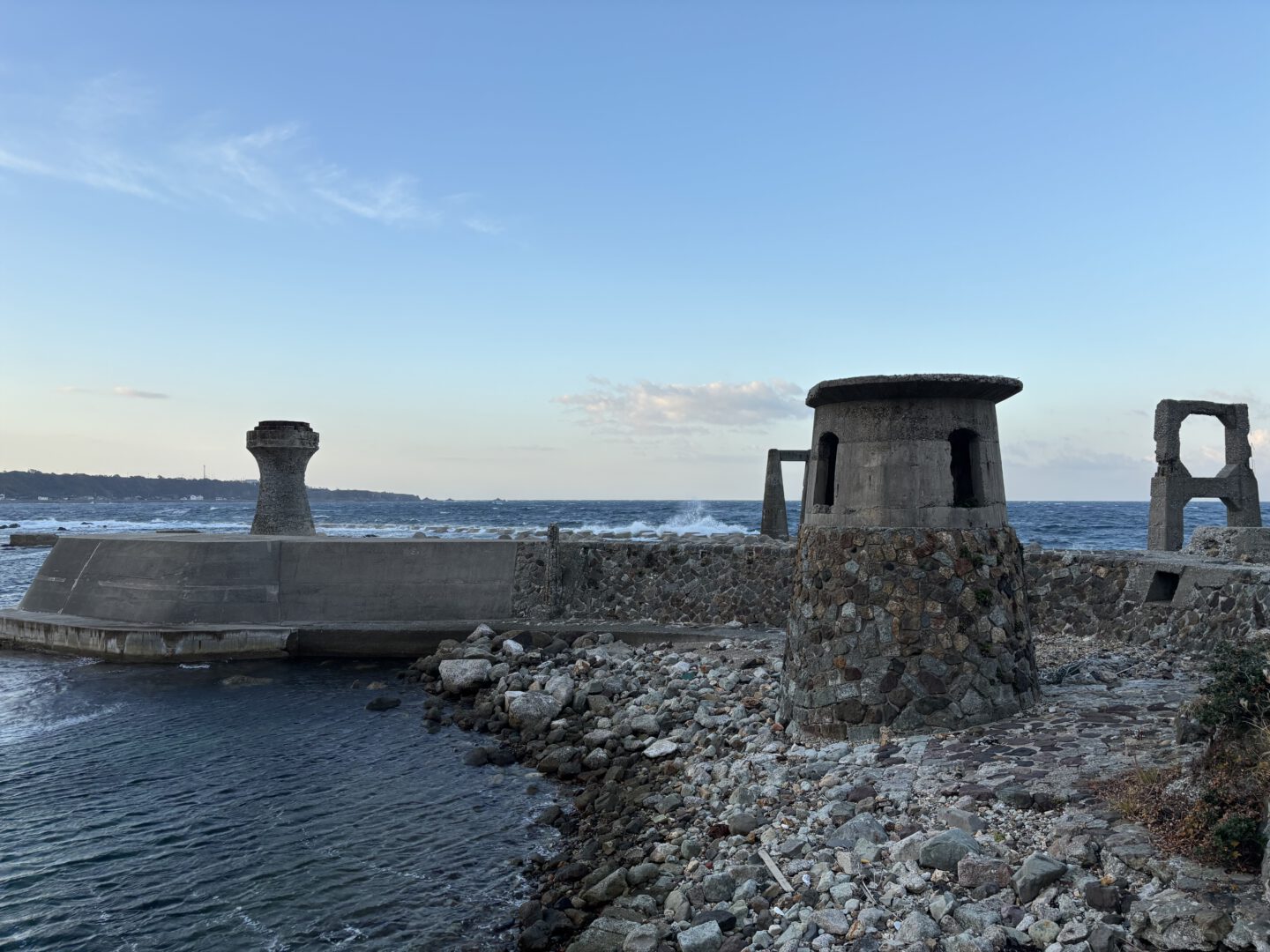
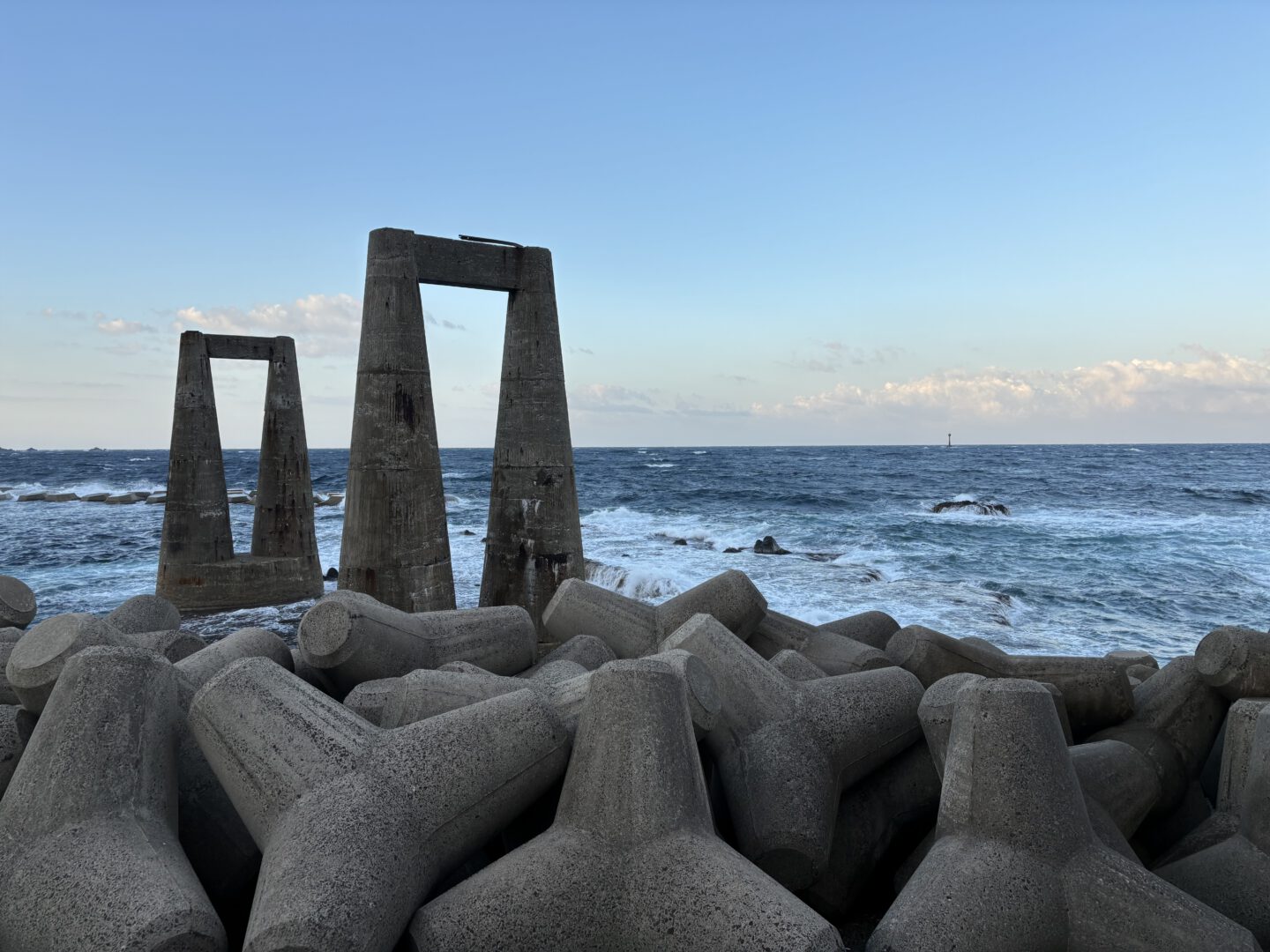
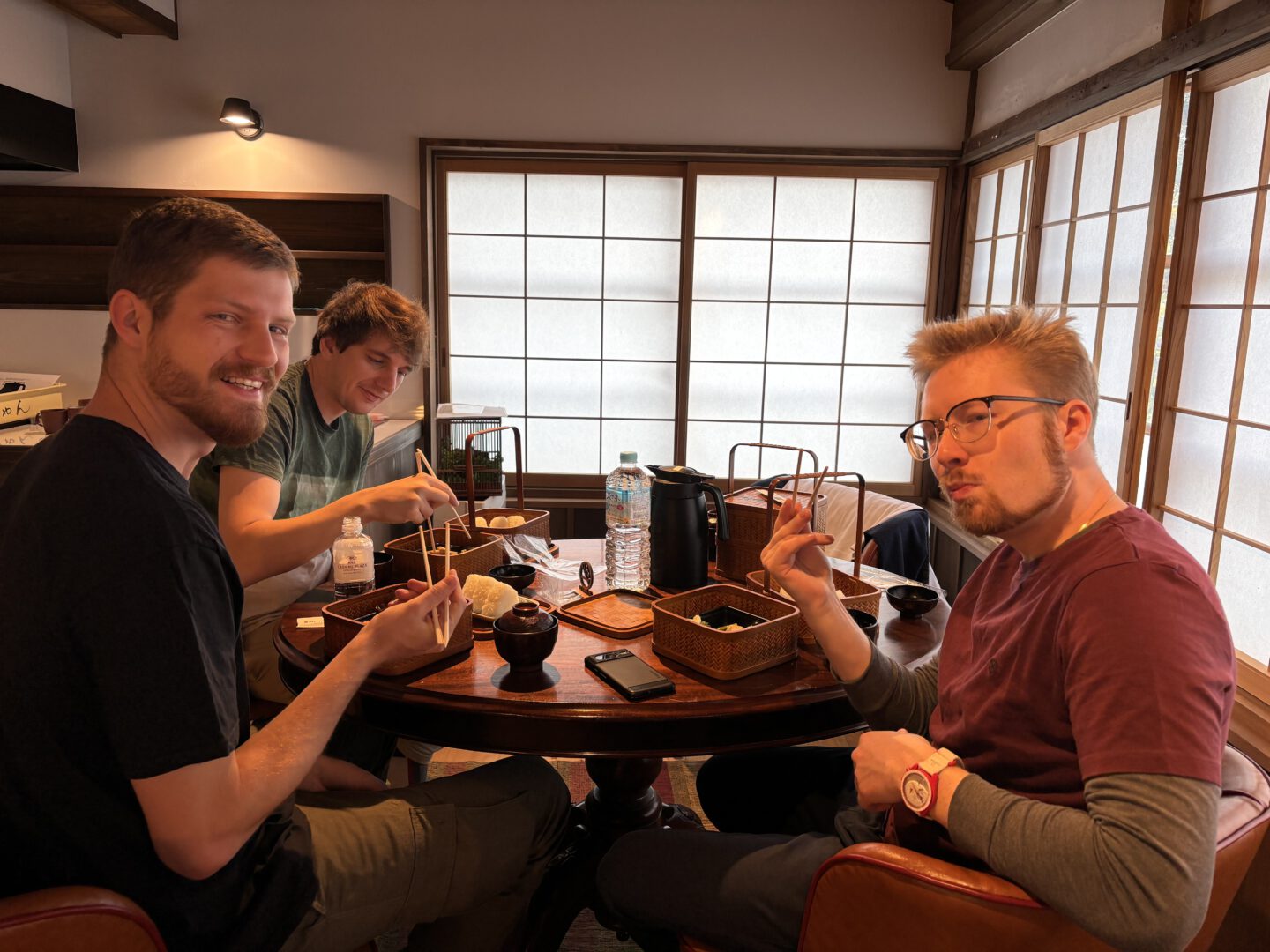
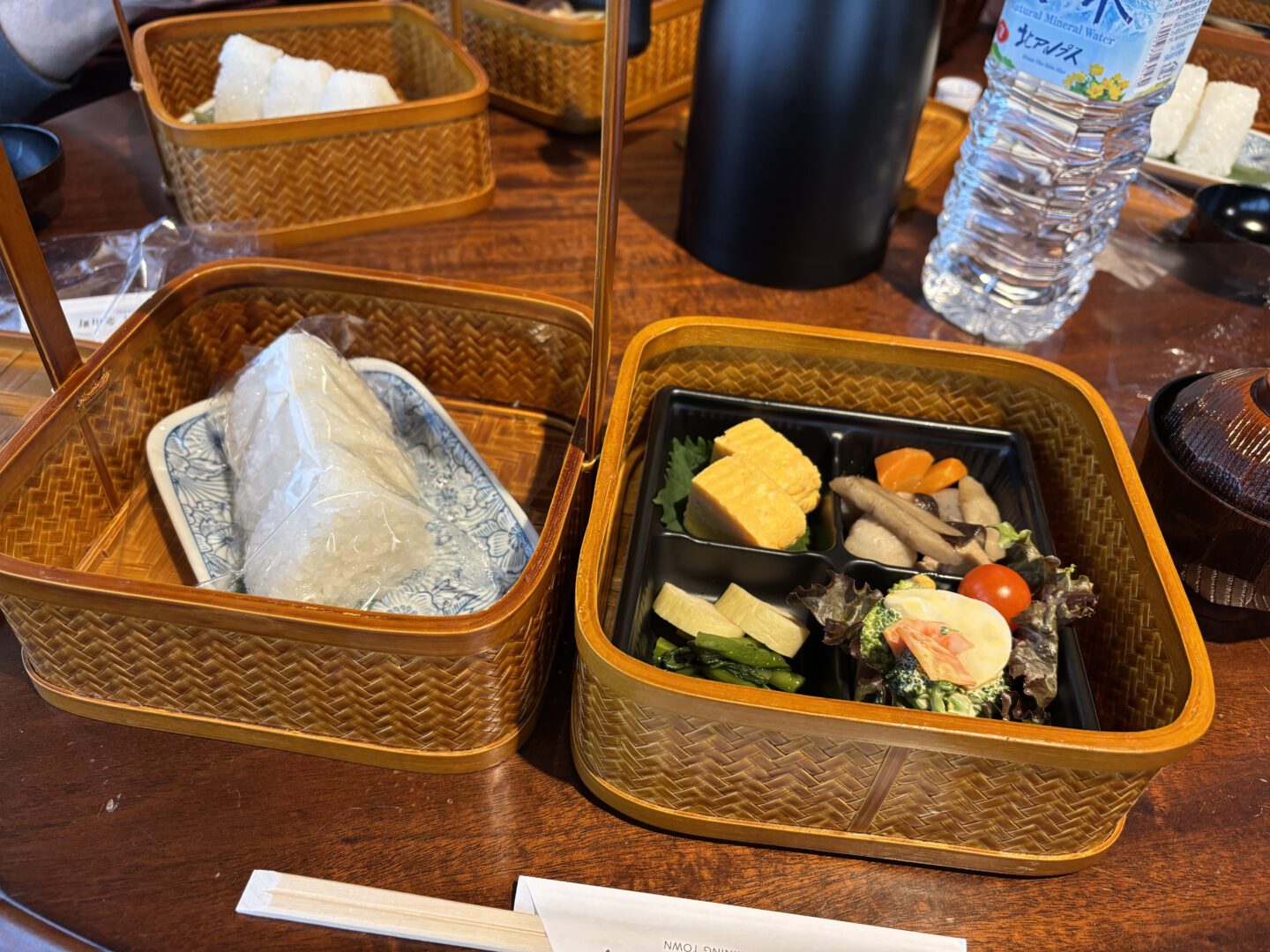
When I returned, breakfast had already been delivered by courier that morning. We had simple salted onigiri without filling, pickles, hot miso soup, and tea.
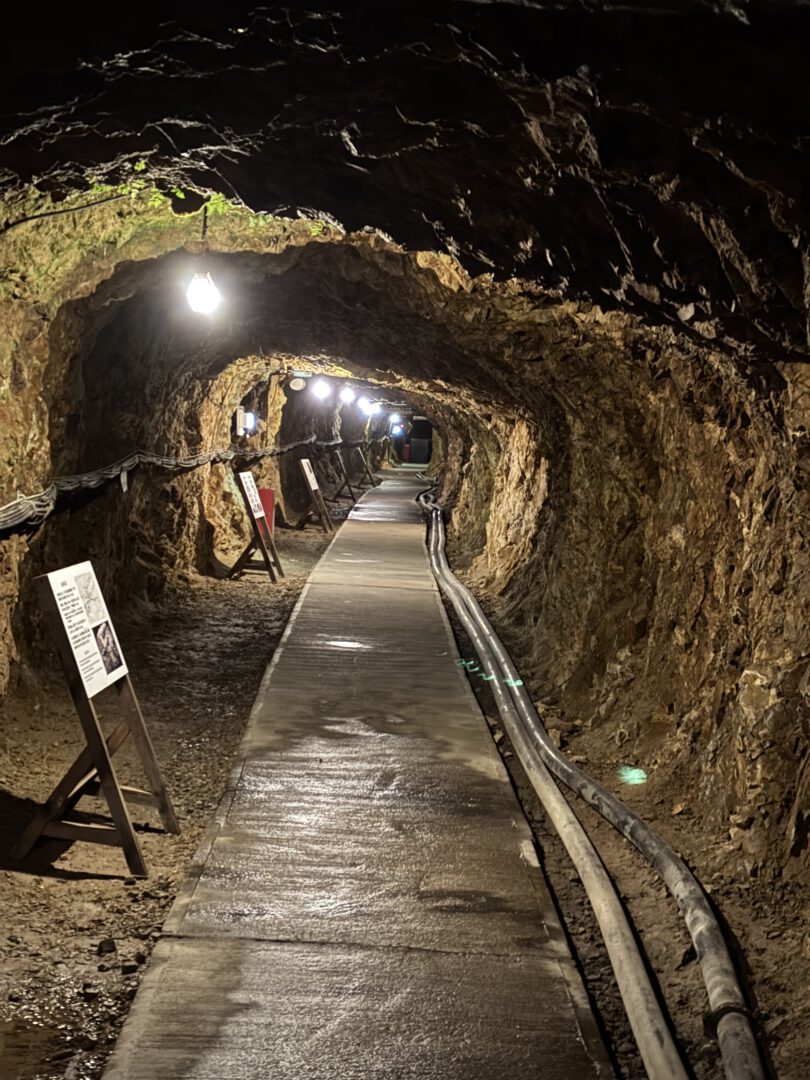
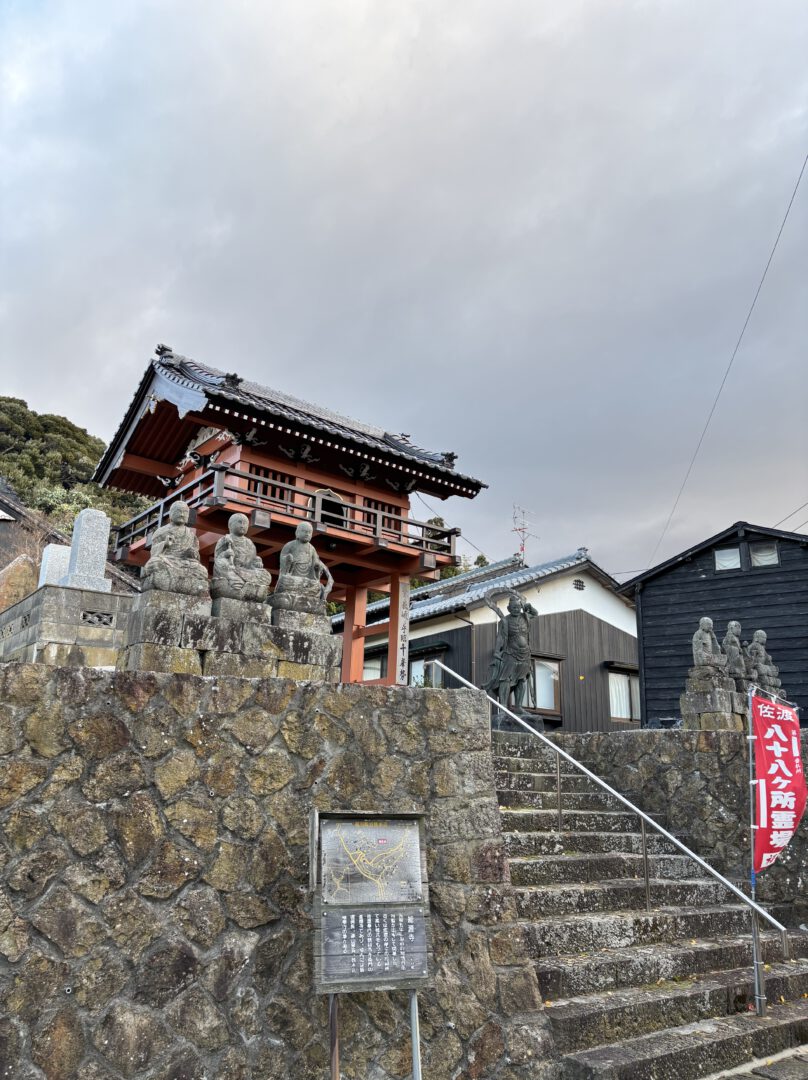
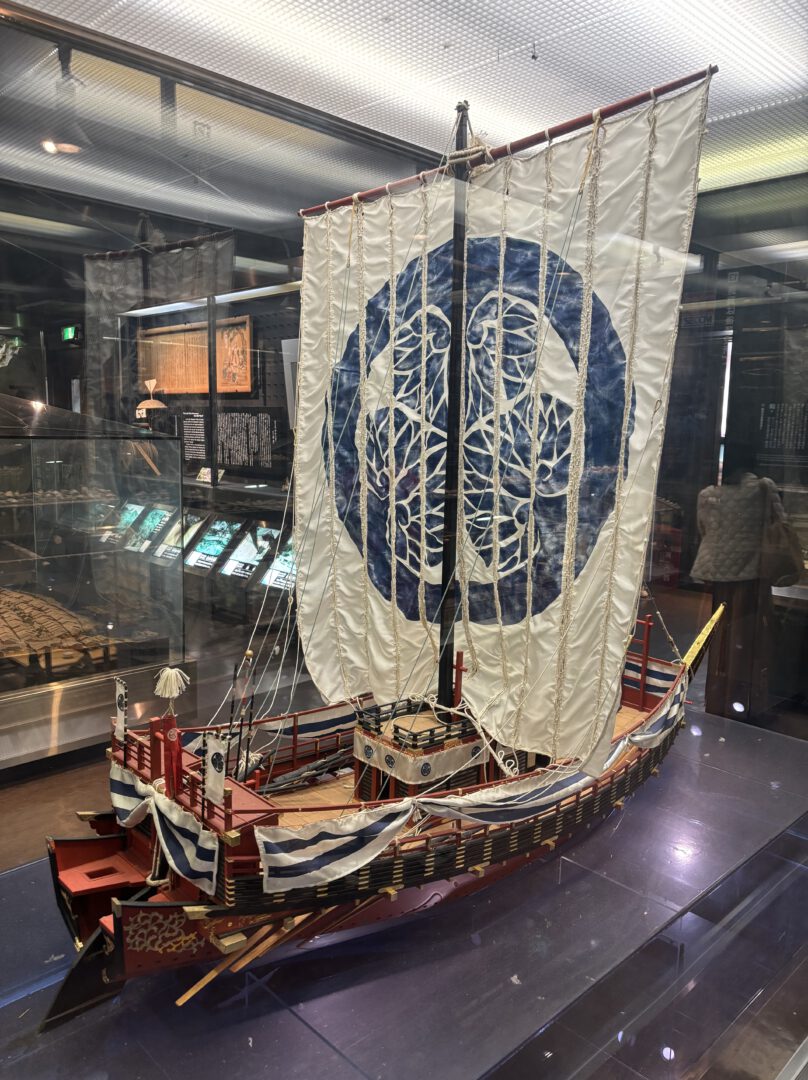
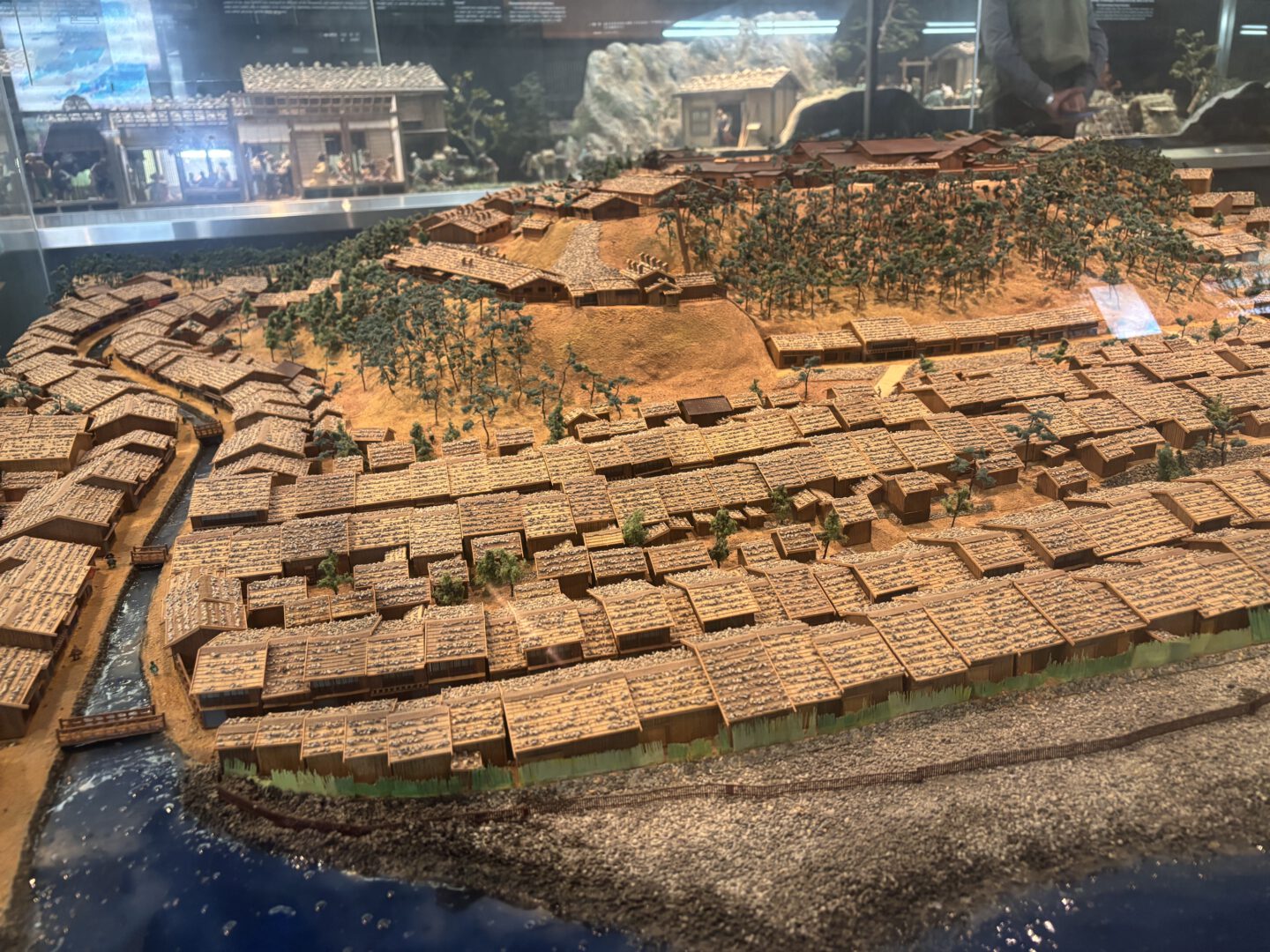
Later, we visited the Sado Gold Mine again at day. Mining here began in 1601 and continued until 1989. The complex includes the Sōdayū Mine, developed by hand in the early Edo period, and the Dōyū Mine, later expanded with machines in the 20th century. In 2024, the site was inscribed as a UNESCO World Heritage Site.
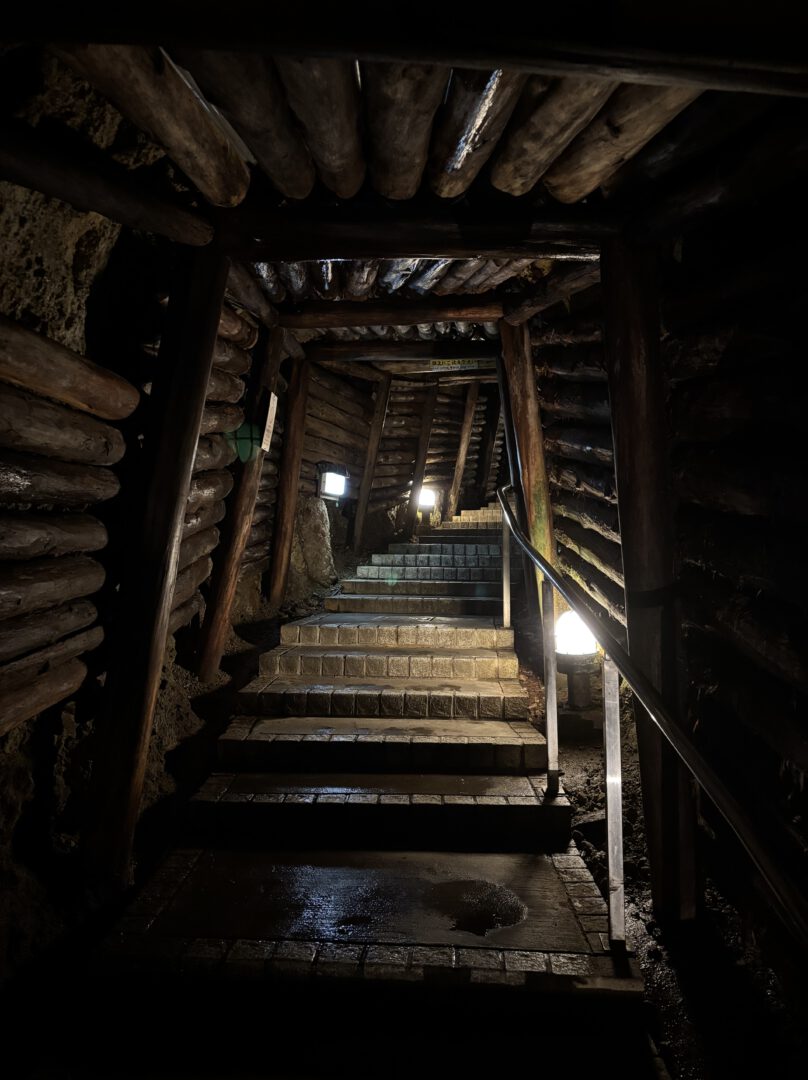
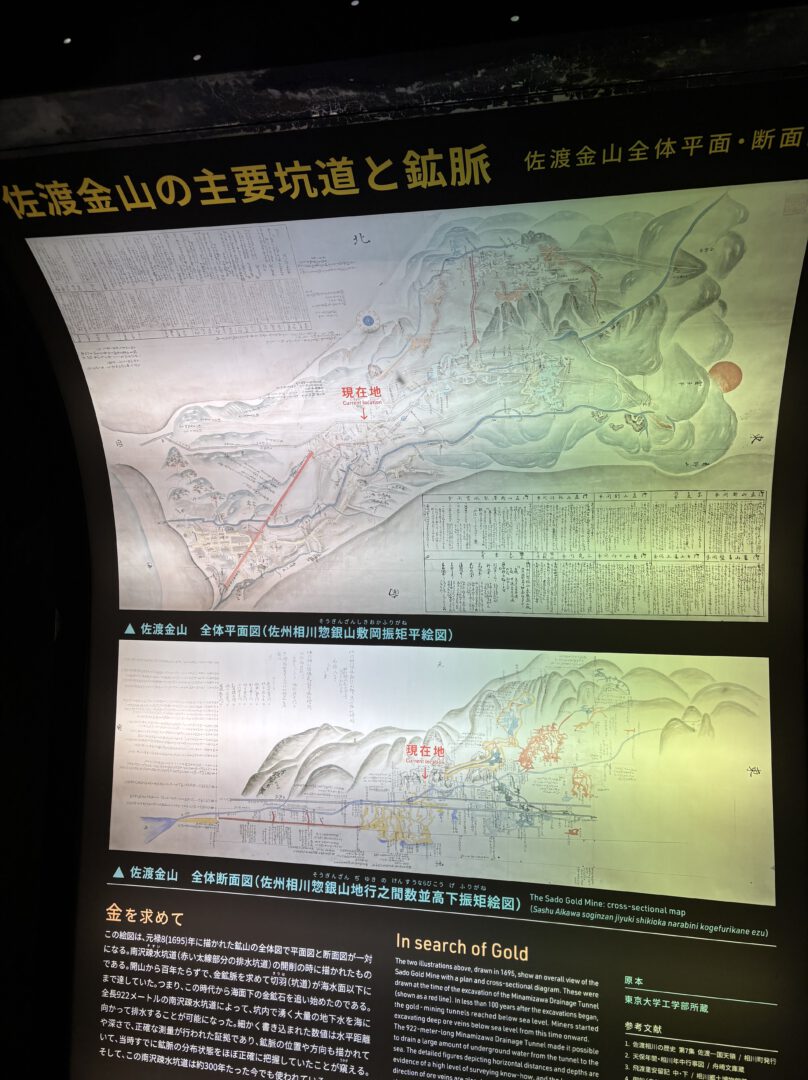
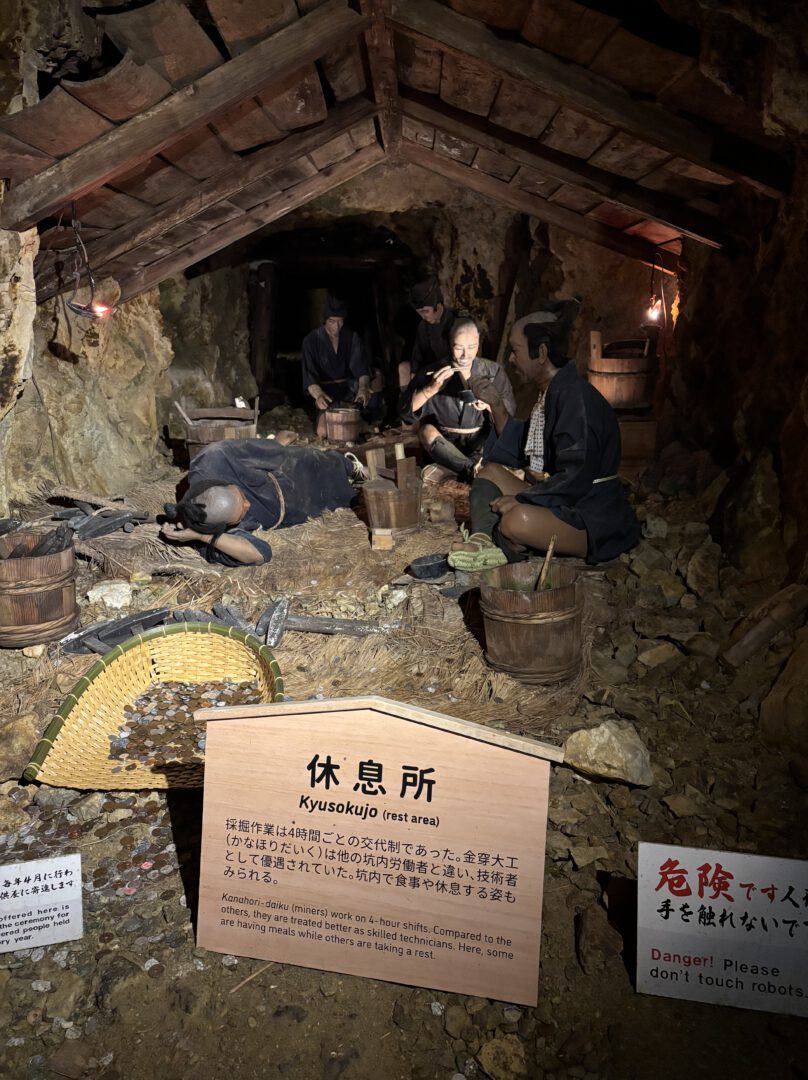
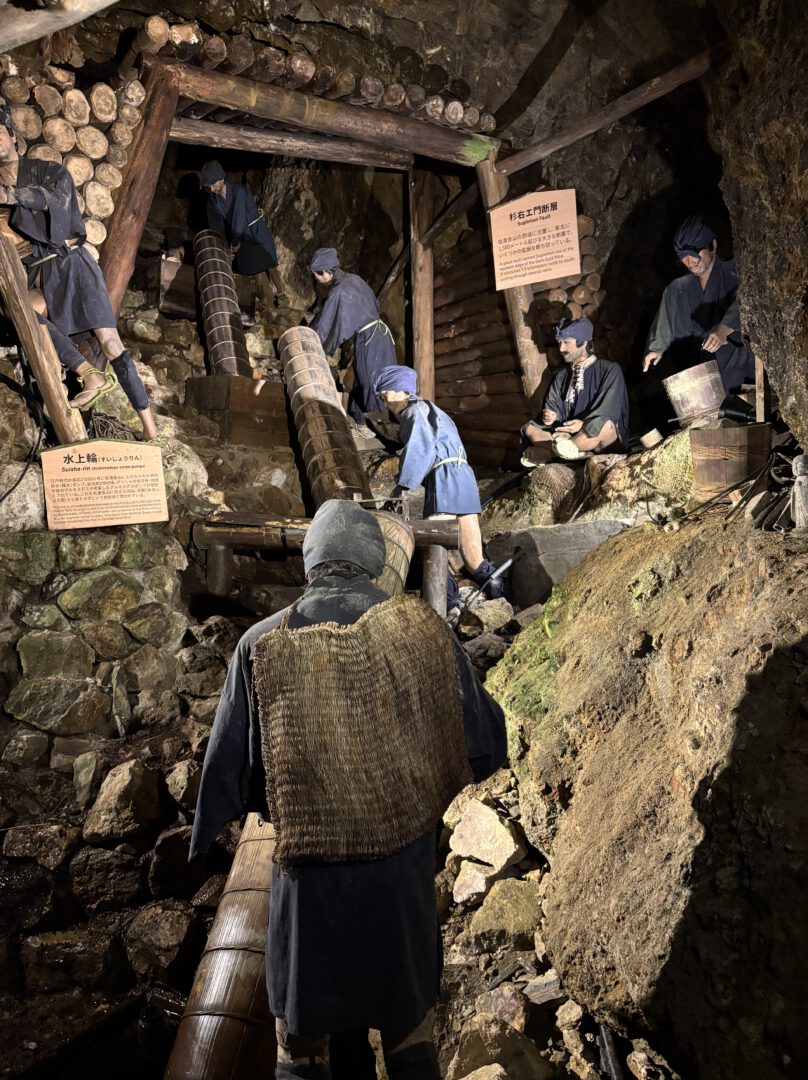
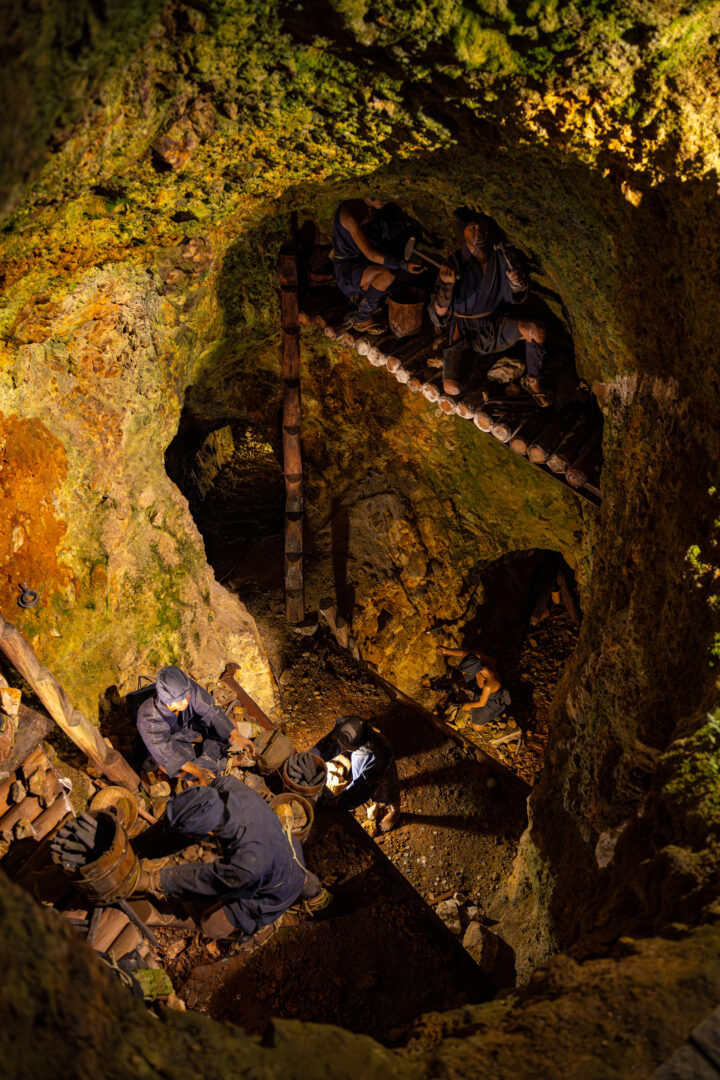
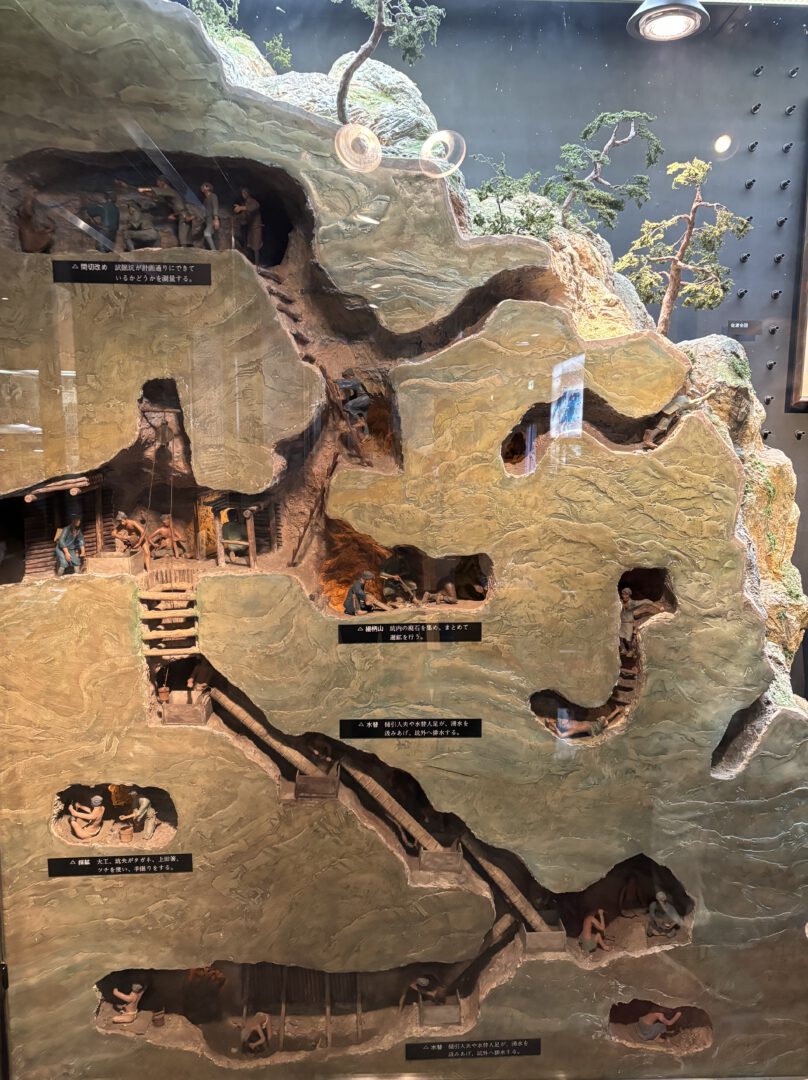
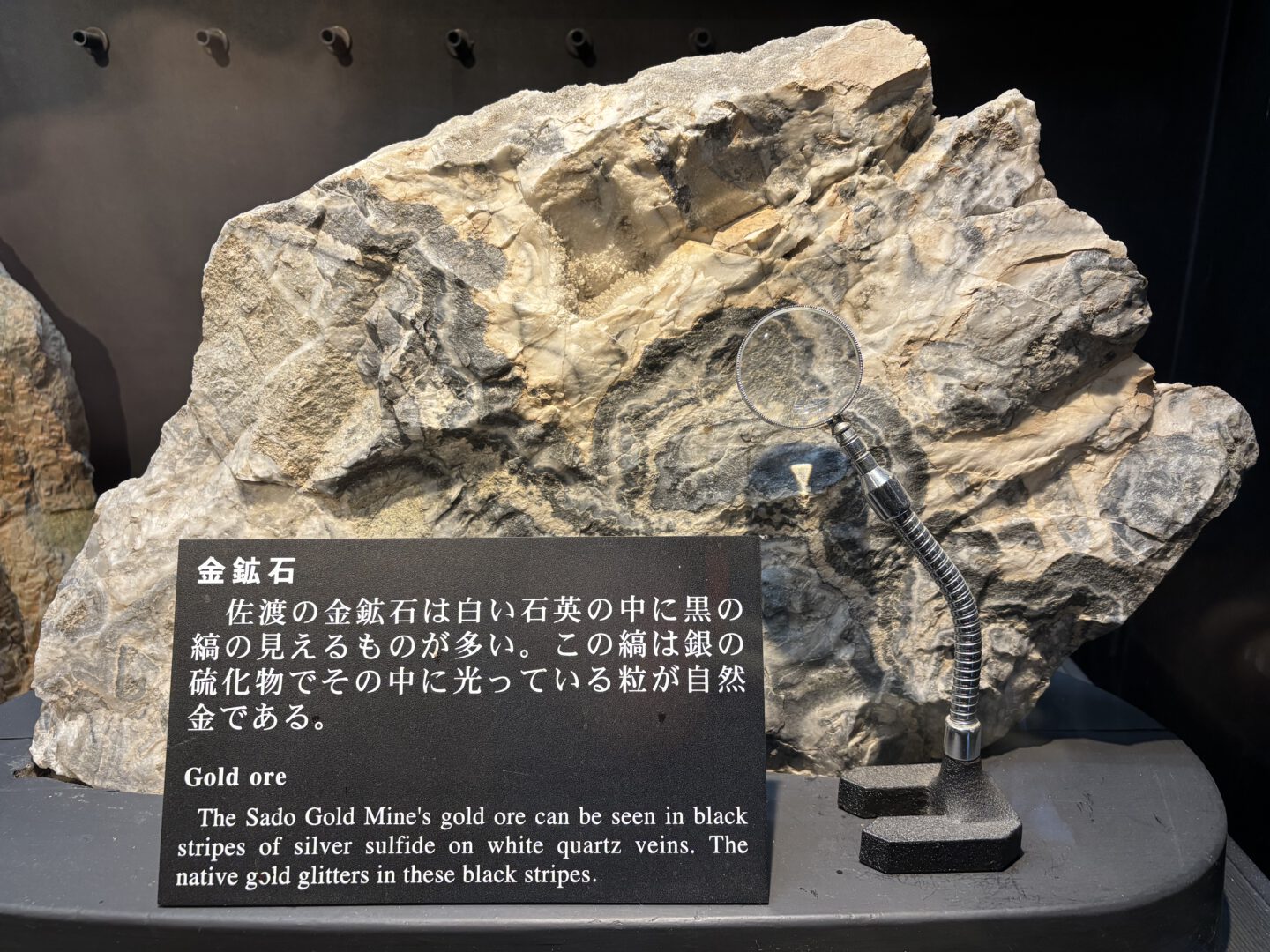
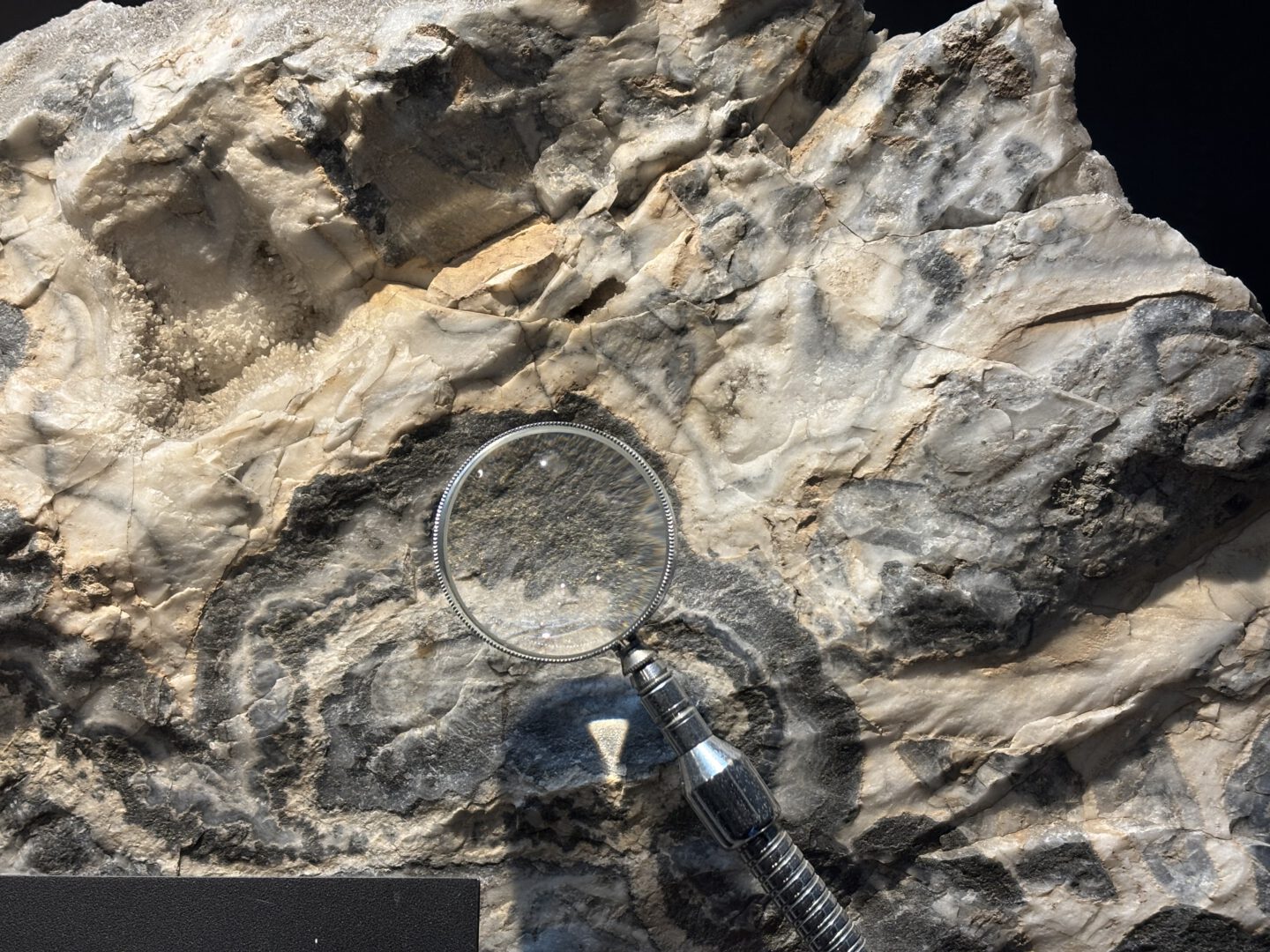
Inside, detailed exhibits explain the geology and mining techniques. There are multiple gold-bearing veins running several kilometers through the mountains. Ore grades were low, which meant large volumes of rock had to be processed. Approximately 2–8 grams of gold and 50–120 grams of silver could be extracted from one ton of ore. Displays show drainage systems and pumps used to remove groundwater, as well as mechanized crushing and refining methods. Robotic figures illustrate how miners worked underground.
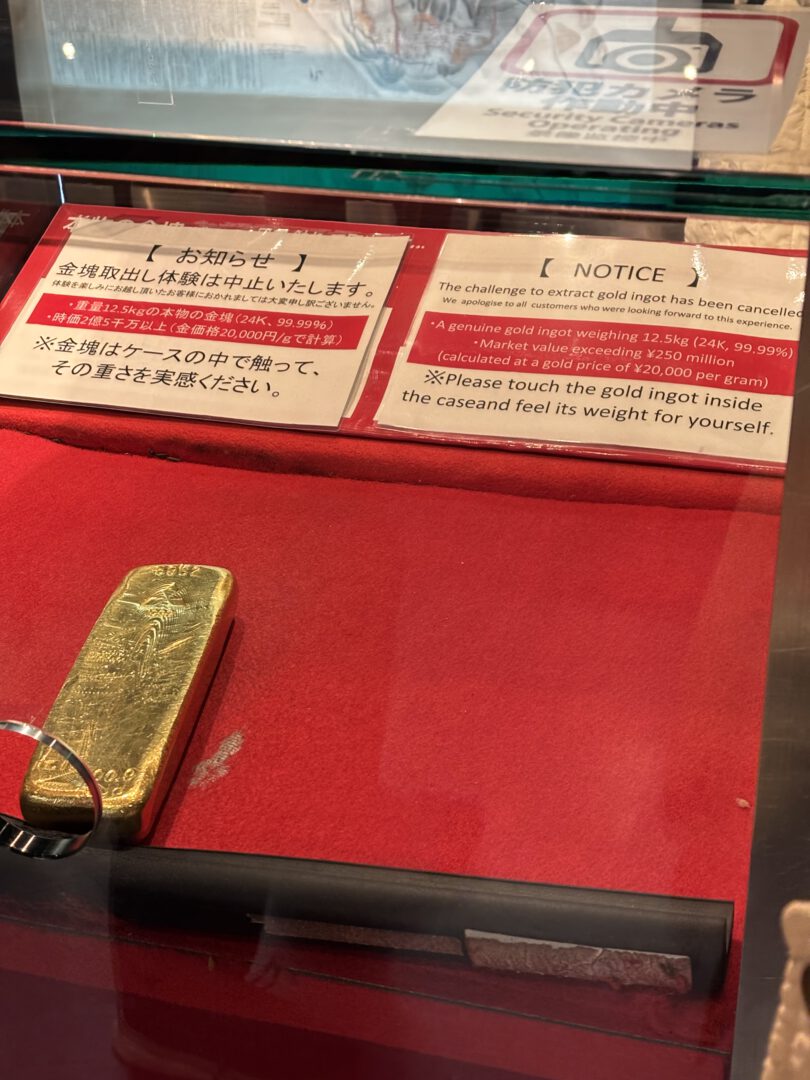
One highlight was the 12.5-kilogram gold bar displayed in a secure glass case. You can try to lift it through a small opening. Despite its relatively compact size, it felt incredibly dense. I could barely lift it with one hand.
Outside the storm was picking up, and the rain was gushing down. As the weather worsened, the Jetfoil was canceled, so we had to resort to take the slower ferry back. On the way, we stopped at the coastline again once and witnessed the falls of nature. Although we became totally wet, it was a fun experience walking against wind and rain. We also made a brief stop at a local sake brewery and bought a few bottles to try the next day.
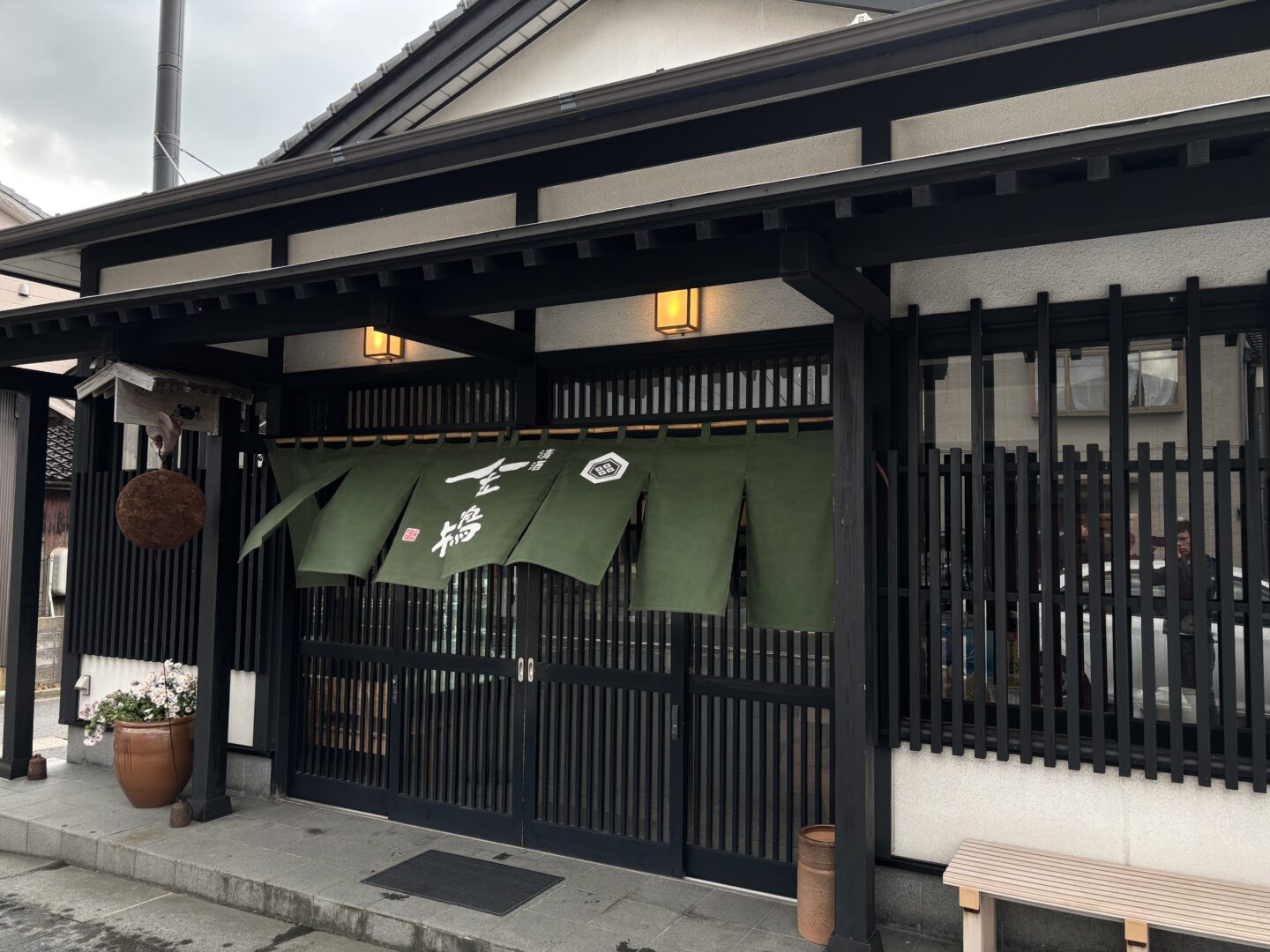
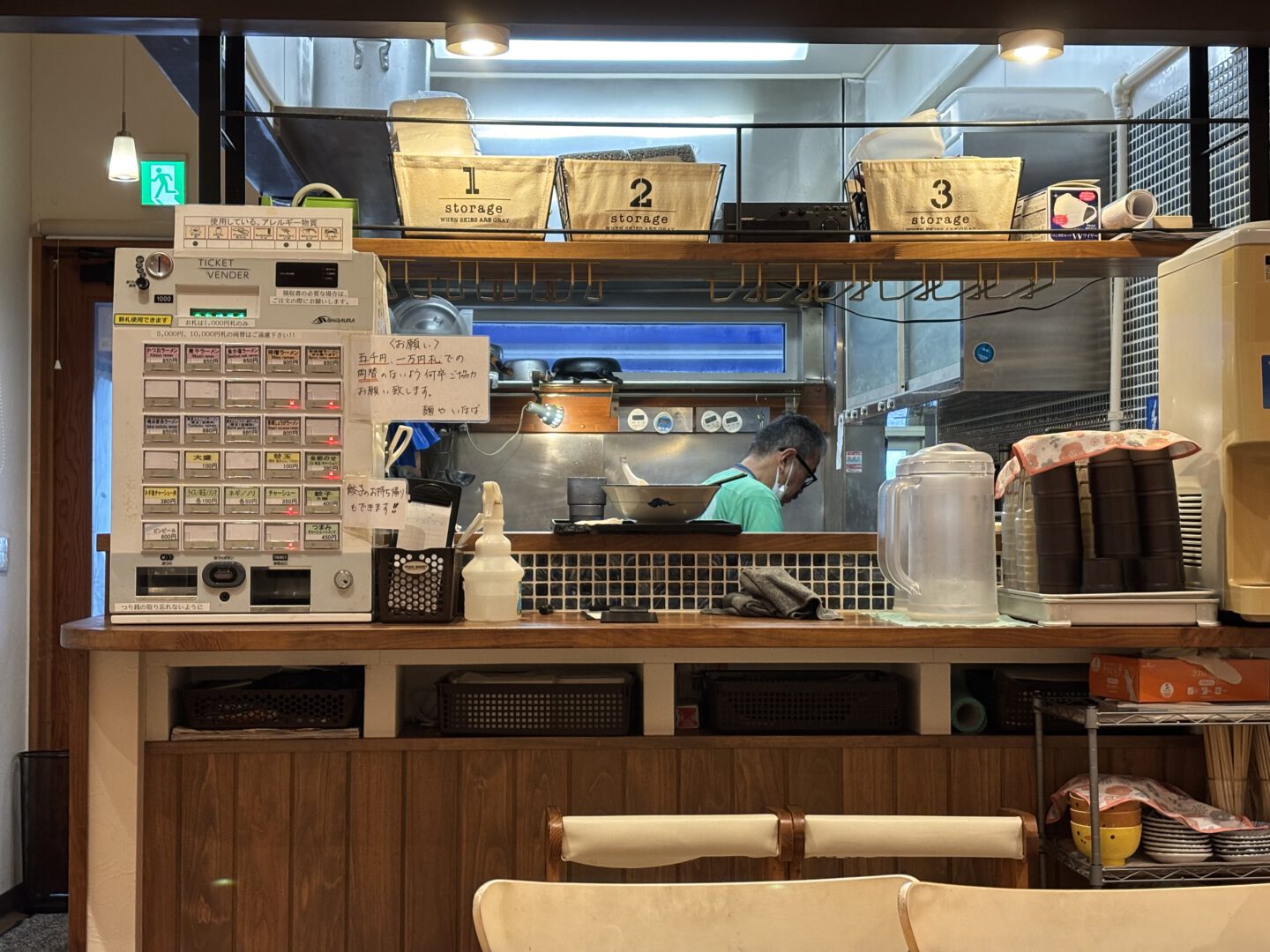
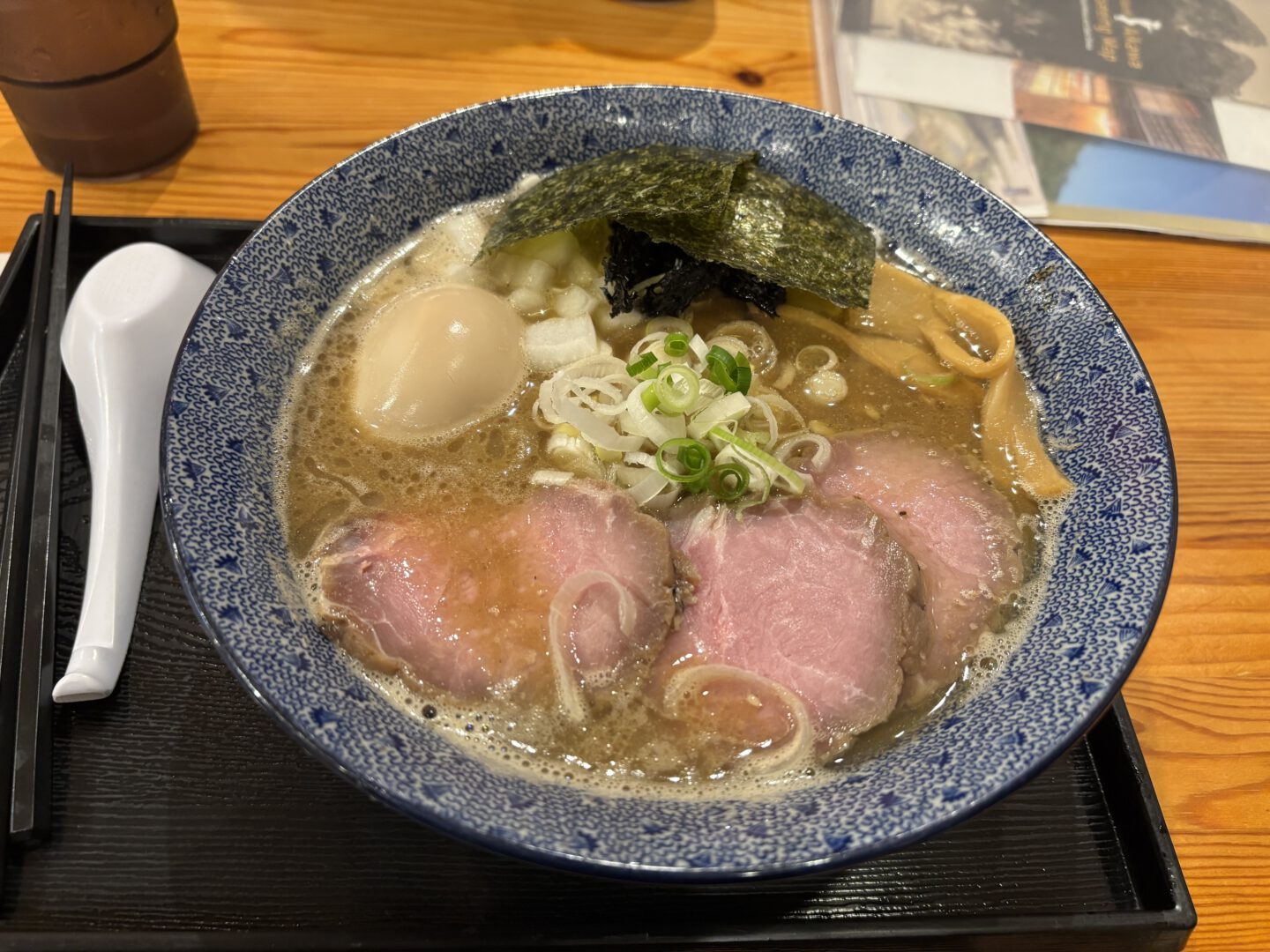
At the harbor, we had lunch at a ramen shop that offered several different styles. I am usually skeptical of places that try to do everything at once. Still, it turned out to be quite good. I ordered niboshi ramen with a strong dried sardine broth, while the others chose tonkotsu Yokohama Iekei-style ramen. For the first time in a while, we met other Western visitors: a German and an American, both sports coaches living on Sado to train their respective teams. We chatted briefly about island life and training conditions.
The ferry ride took about 2.5 hours. Inside, it was incredibly quiet, hardly anyone was speaking. It was a good moment to wind down, as we still had a long drive in front of us.
Looking back, two days and one night were not enough to explore the island, even at a basic level. I would like to return and see more of it. In my view, at least three days and two nights are needed to gain a broader sense of Sado.
We arrived around 3 p.m. in Niigata and quickly made our way to the parking lot to head for Kanazawa. This was the longest leg of our journey in one day, and because we had lost so much time due to the ferry and the weather, we were under real pressure. We had to reach Kanazawa before the rental office closed at 8 pm. We sped down the highway, passing Toyama City and finally reaching Ishikawa Prefecture. Thankfully, we made it back to the hotel and the car rental place with time to spare.
Over the ten days, we had driven almost 1,500 kilometers. After settling the remaining toll charges, we finally checked into the hotel and closed this chapter of our road trip across the Tohoku region.
Entdecke mehr von Tabimonogatari - 旅物語
Melde dich für ein Abonnement an, um die neuesten Beiträge per E-Mail zu erhalten.