We then headed on to our next overnight destination at Lake Tazawa and checked into our accommodation. It was raining.
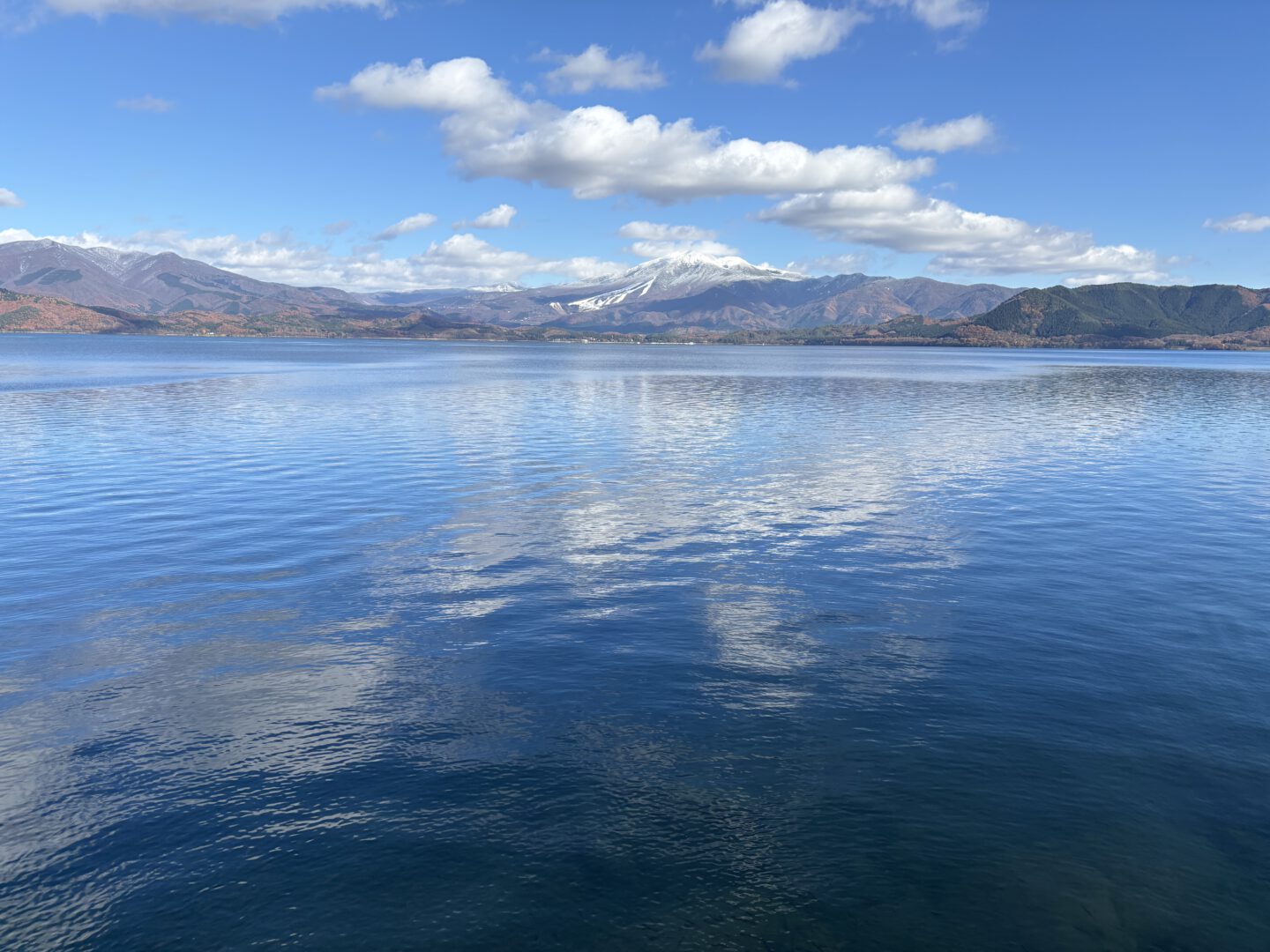
Lake Tazawa is the deepest lake in Japan, reaching a depth of around 423 meters, which gives the water its dark blue color. Despite its remote feel, the area is easy to reach. The Akita Shinkansen runs directly from Tokyo to Tazawako Station in just under three hours.
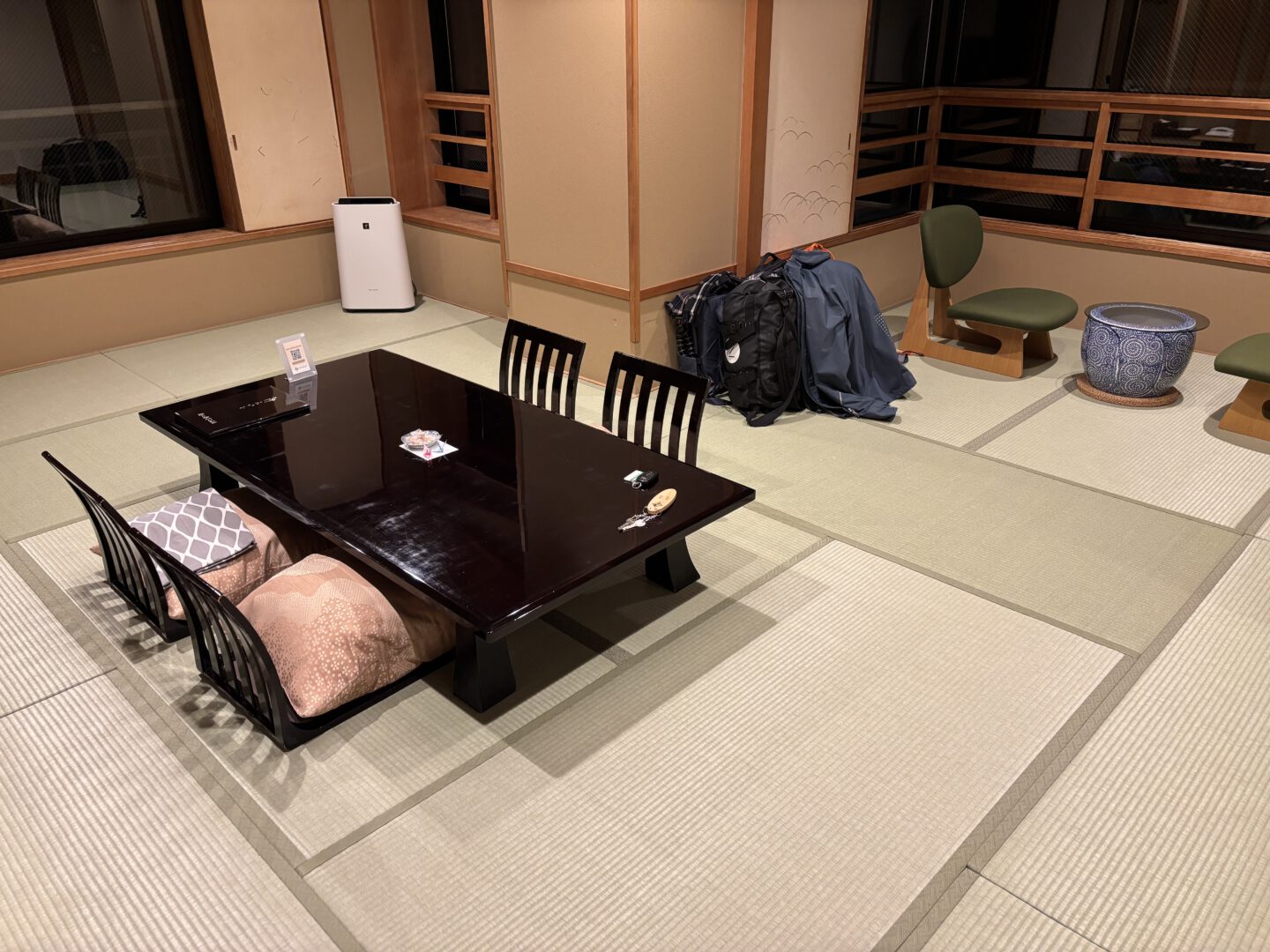
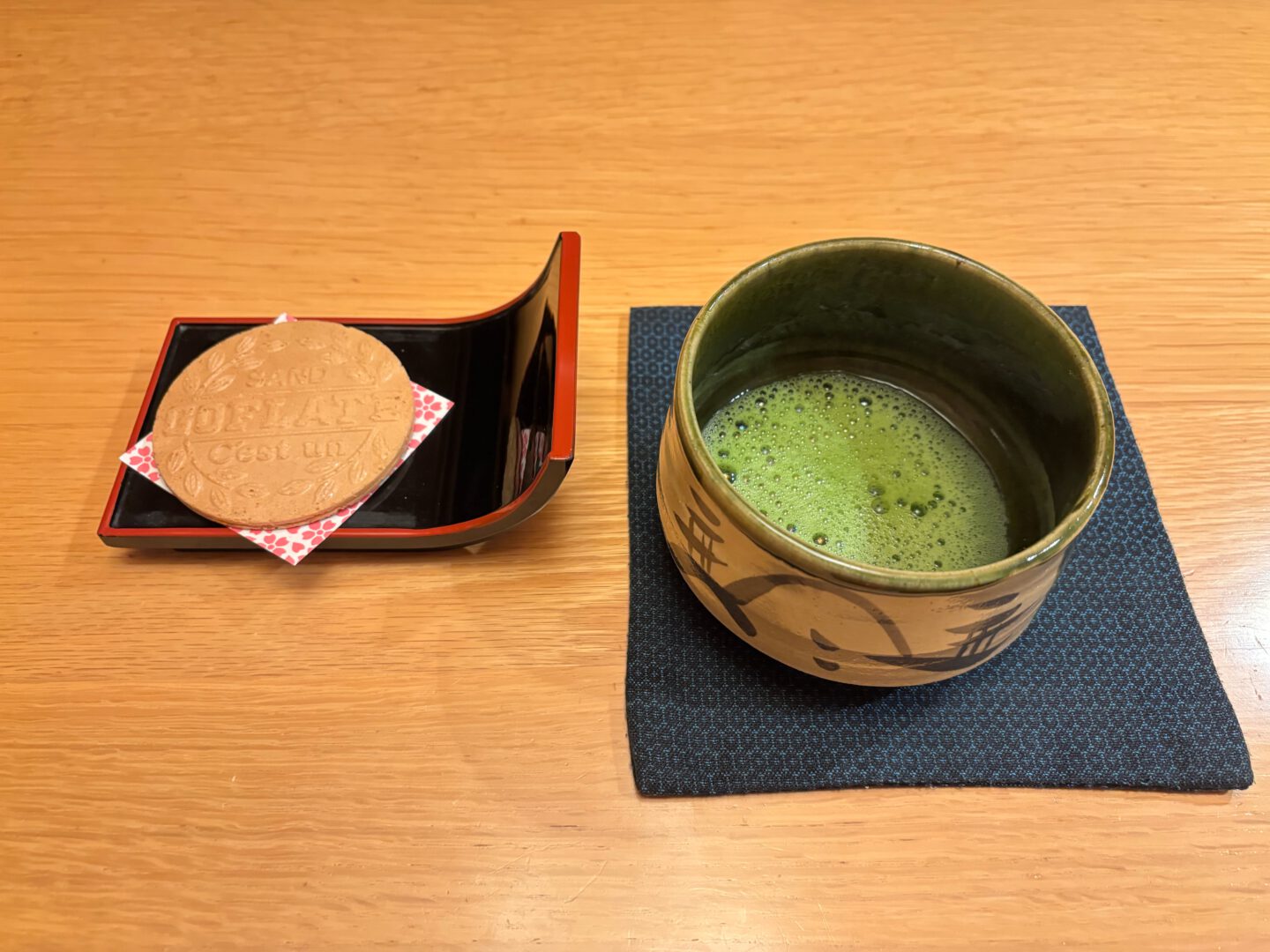
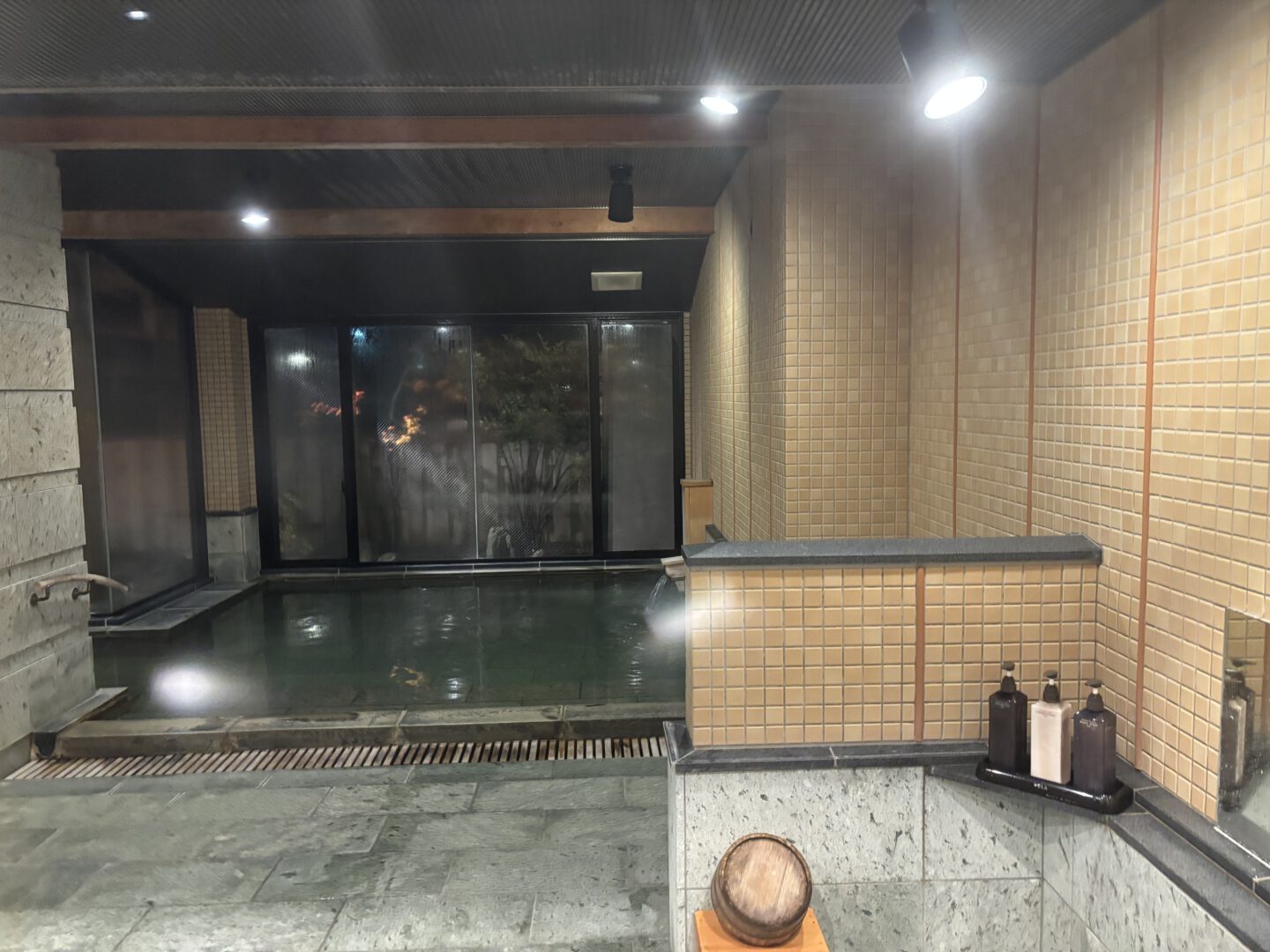
The ryokan was already expecting us, and the staff were waiting with umbrellas to guide us inside when we arrived by car. They showed us to our large room and welcomed us with freshly brewed matcha and a small sweet. After settling in, we went down to the baths and enjoyed the rotenburo.
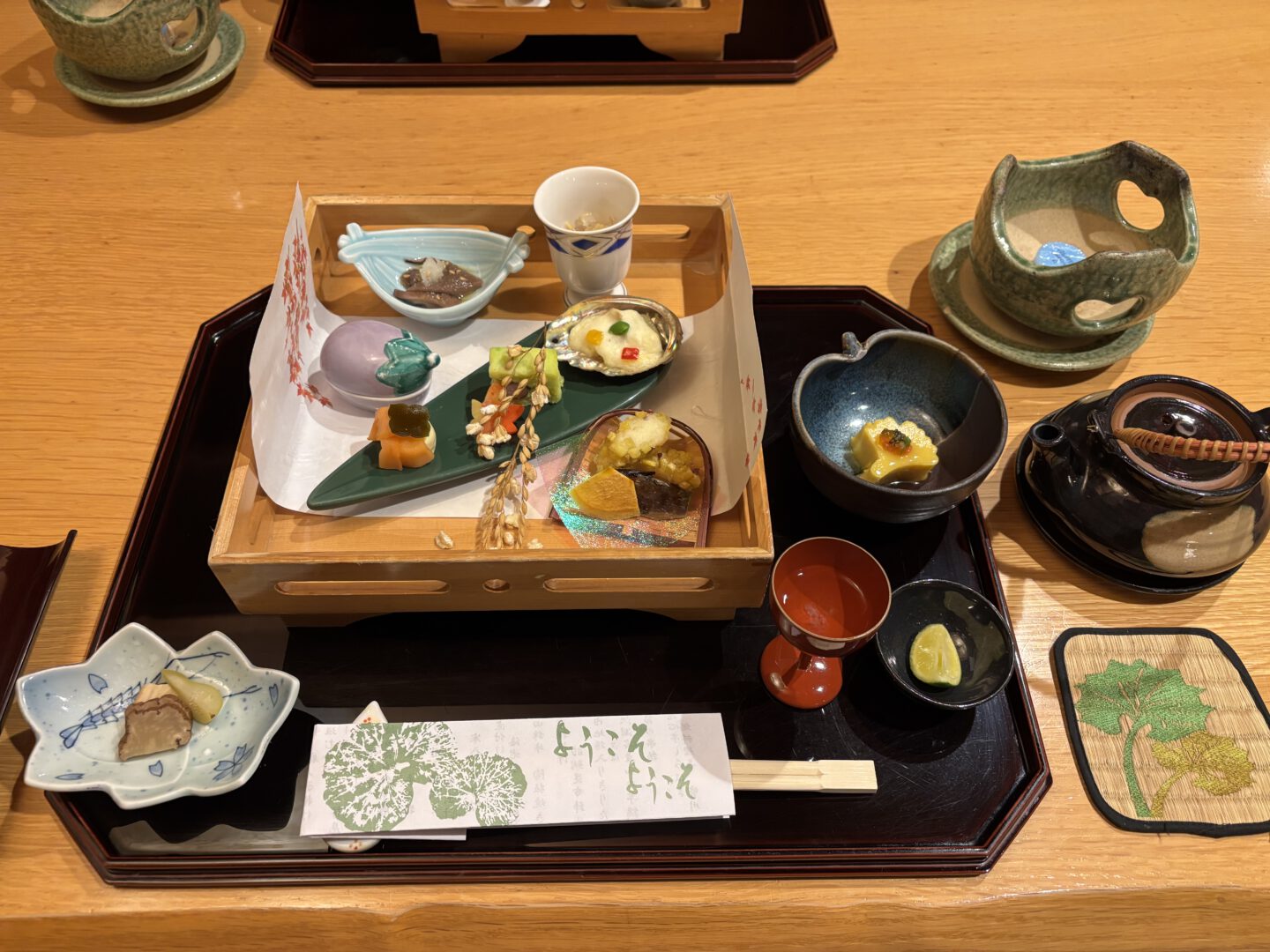
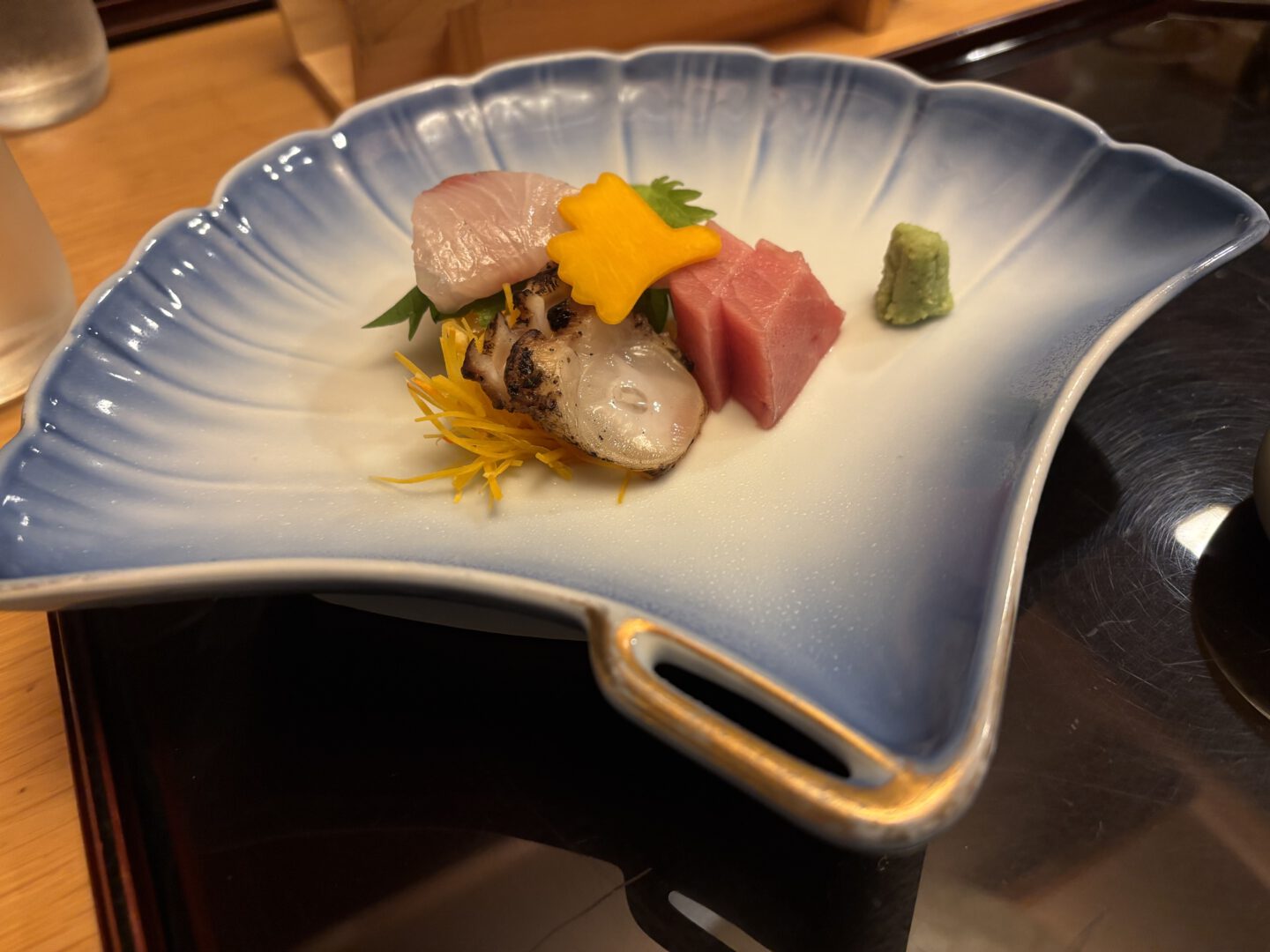
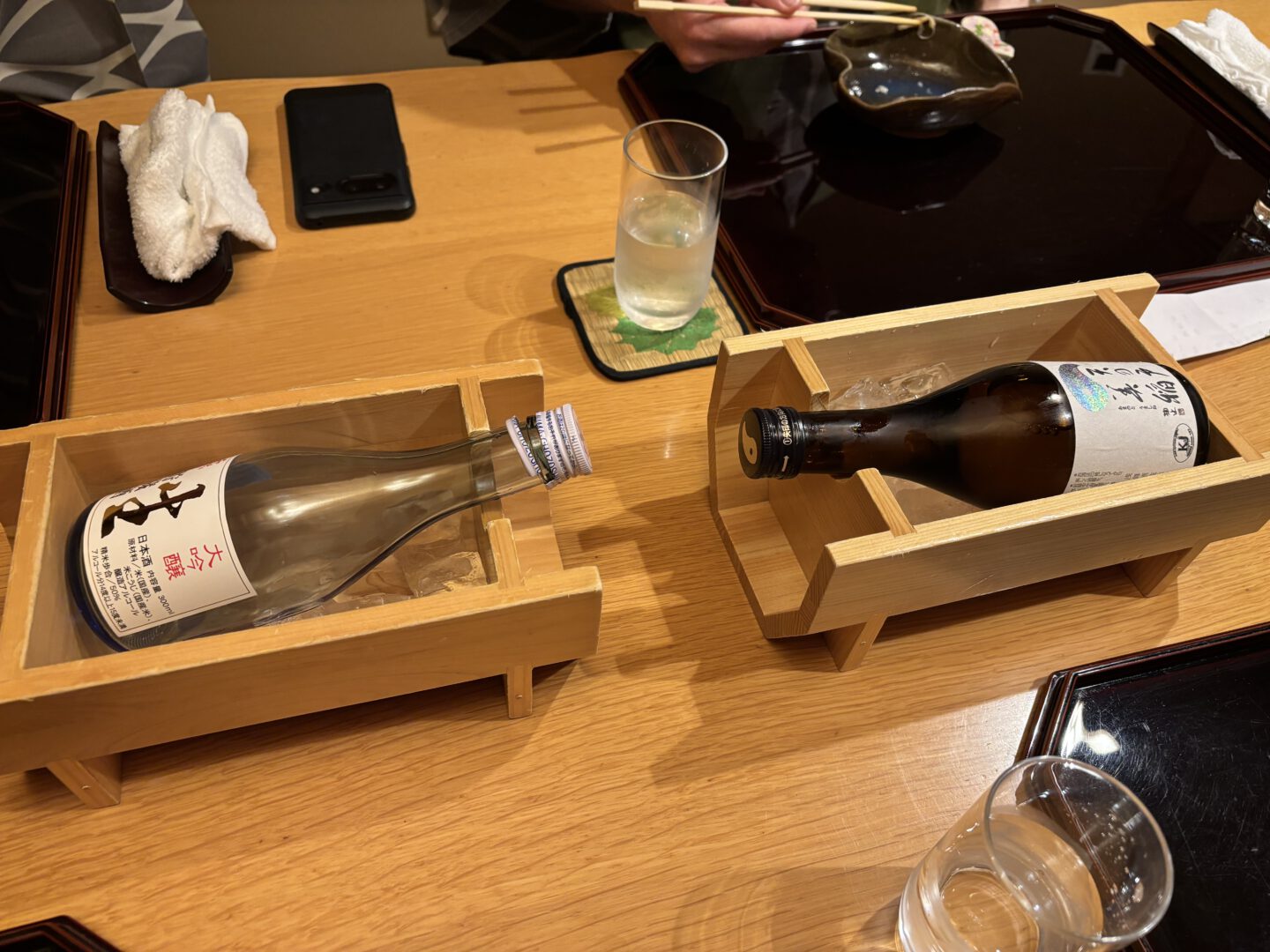
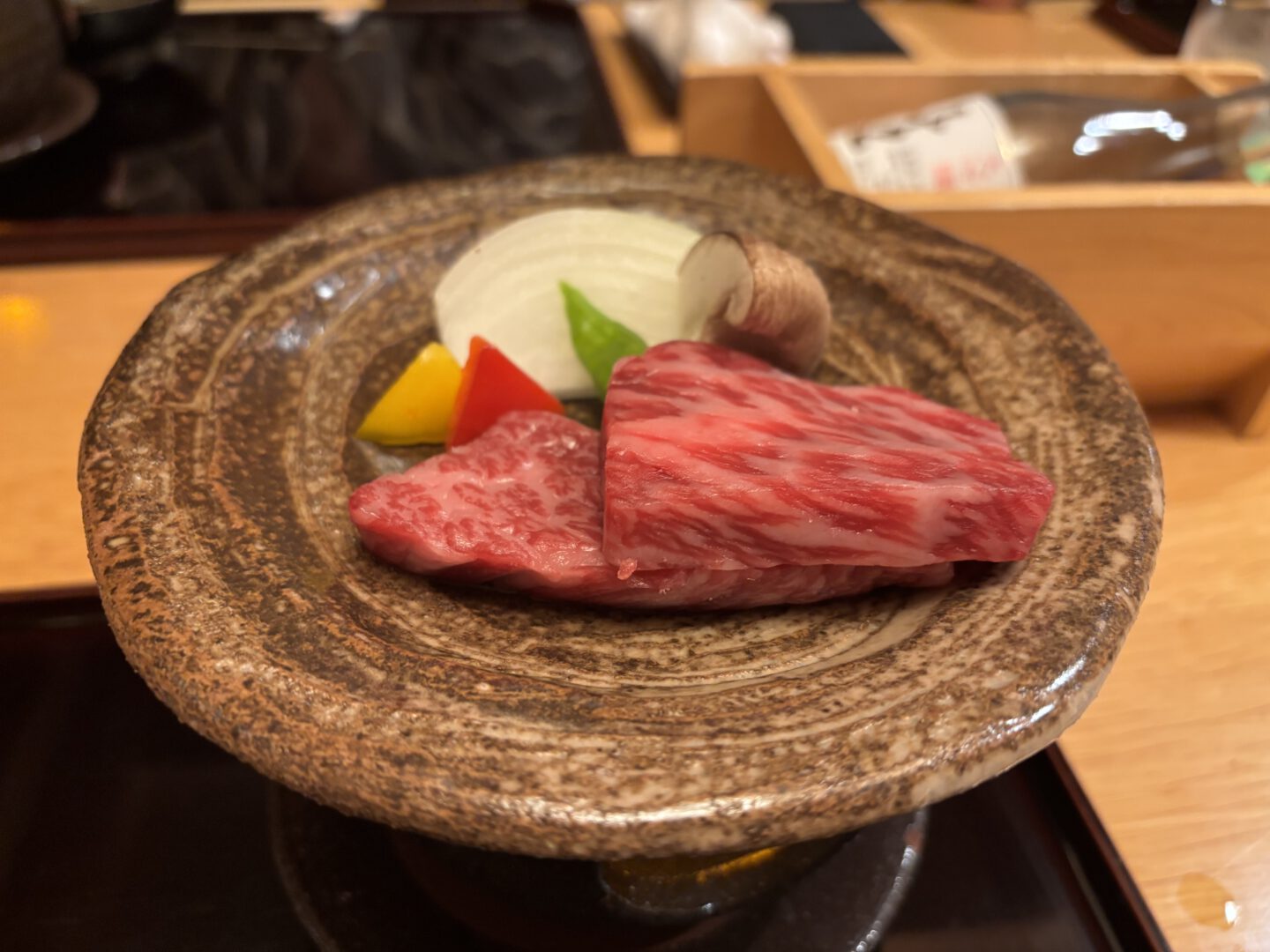
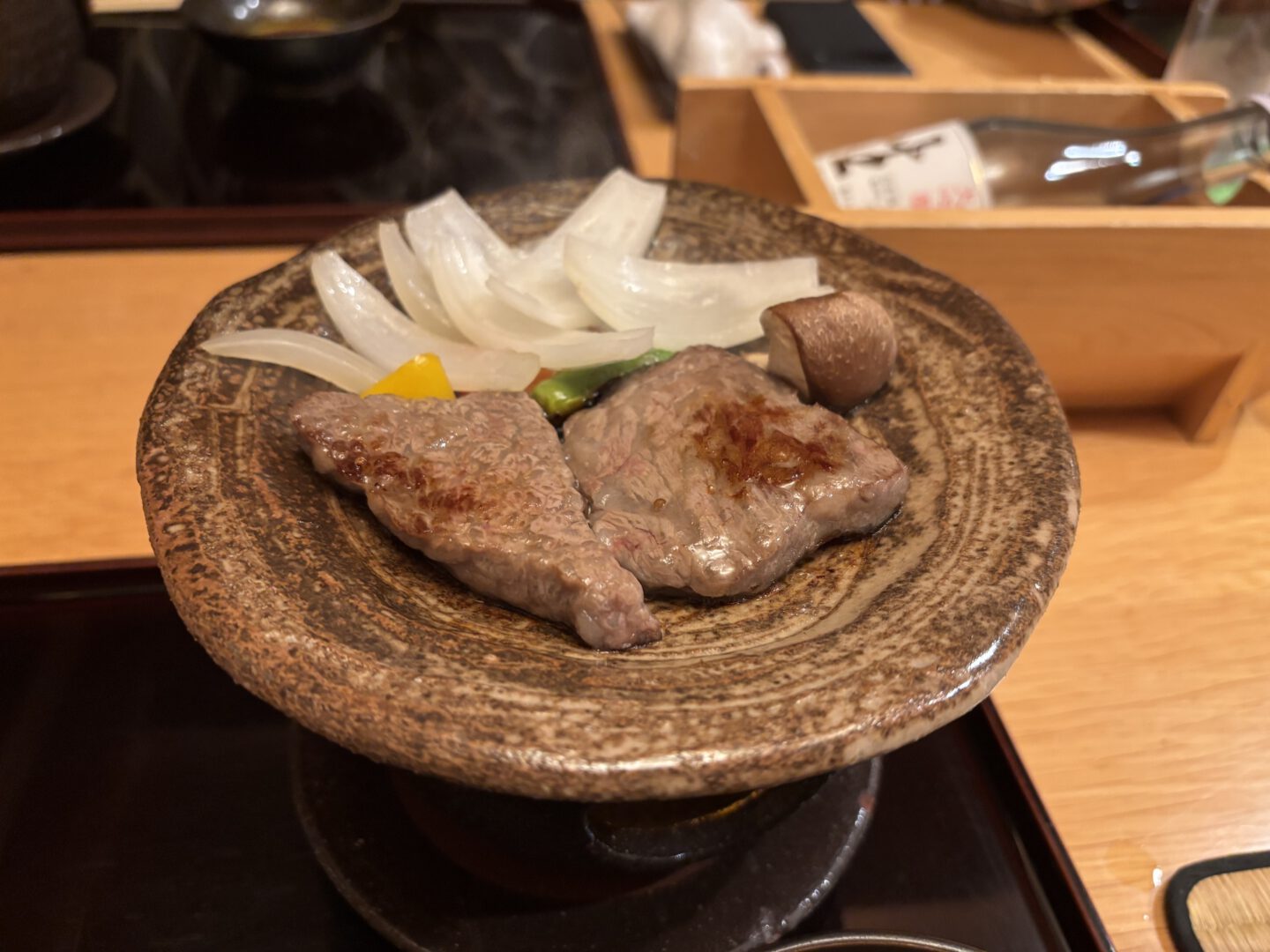
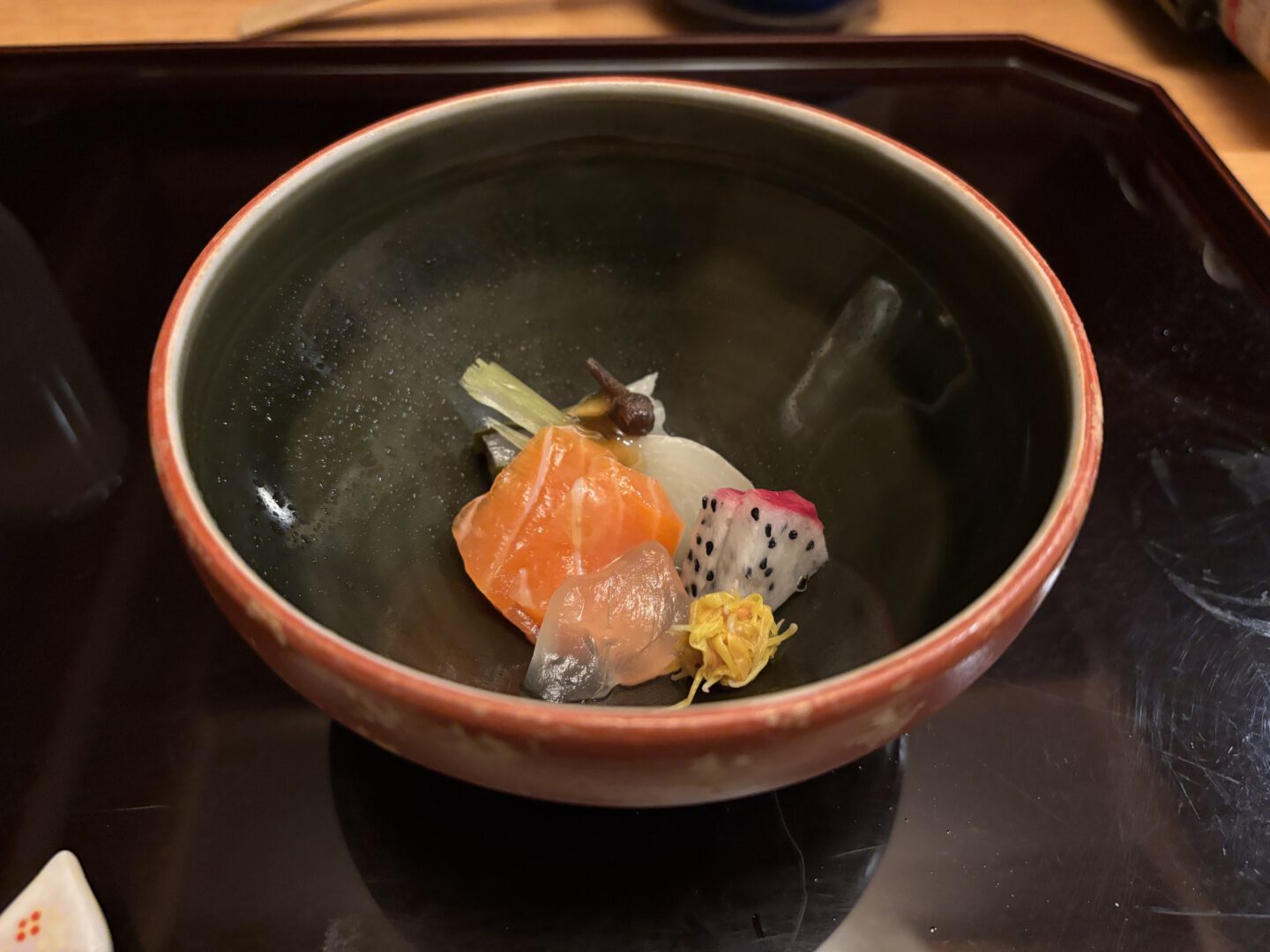
Dinner was served in the room this time, which felt special, especially since the night before we had eaten in the common dining hall. The menu looked excellent, with many interesting dishes, including smoked crackers, salmon liver, a French-style gratin, paprika tofu, and a yuzu aperitif. More courses followed, including sashimi made from local lake trout, Akita beef, and several types of sake, which stood out as one of the highlights of the trip.
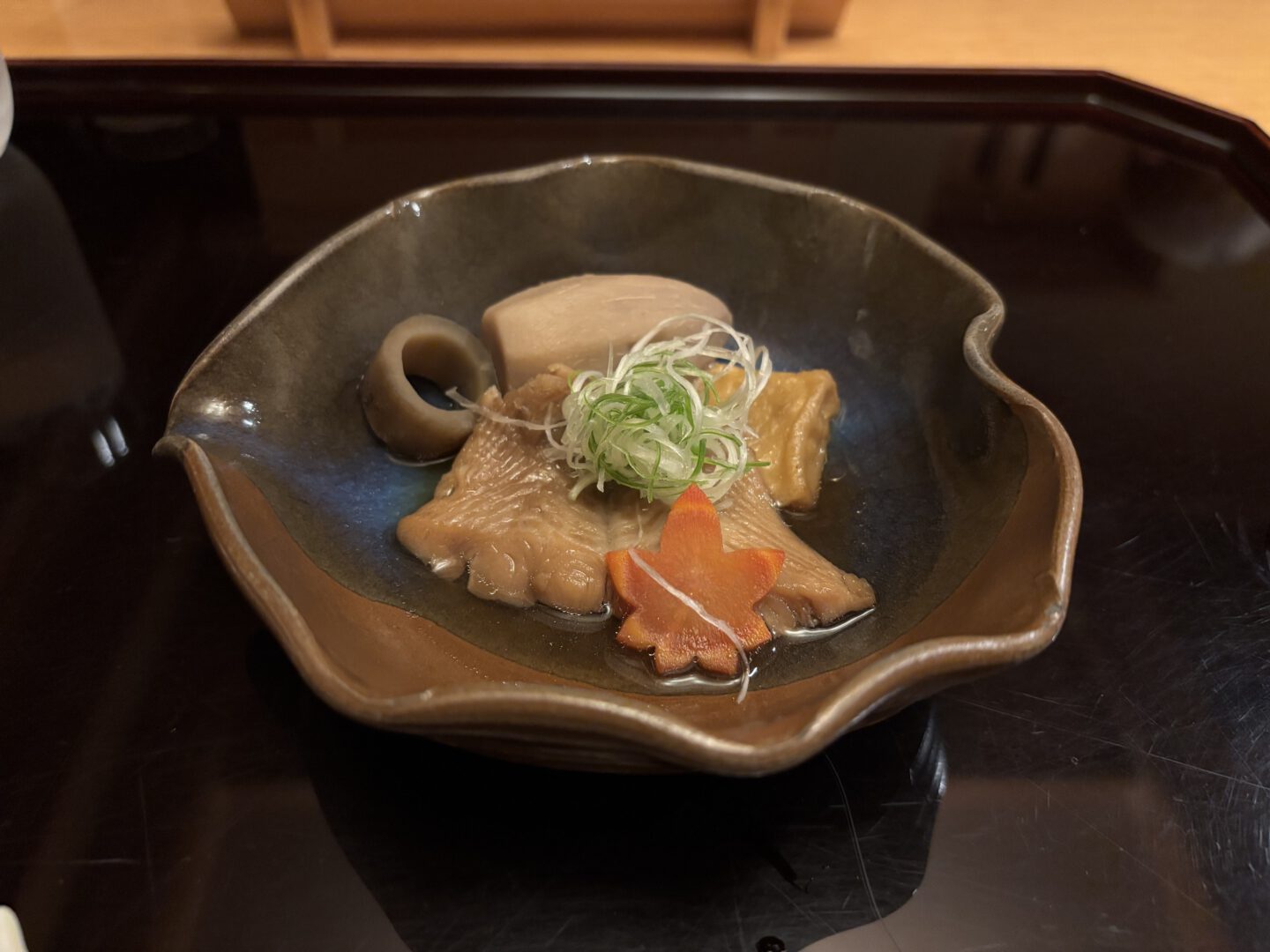
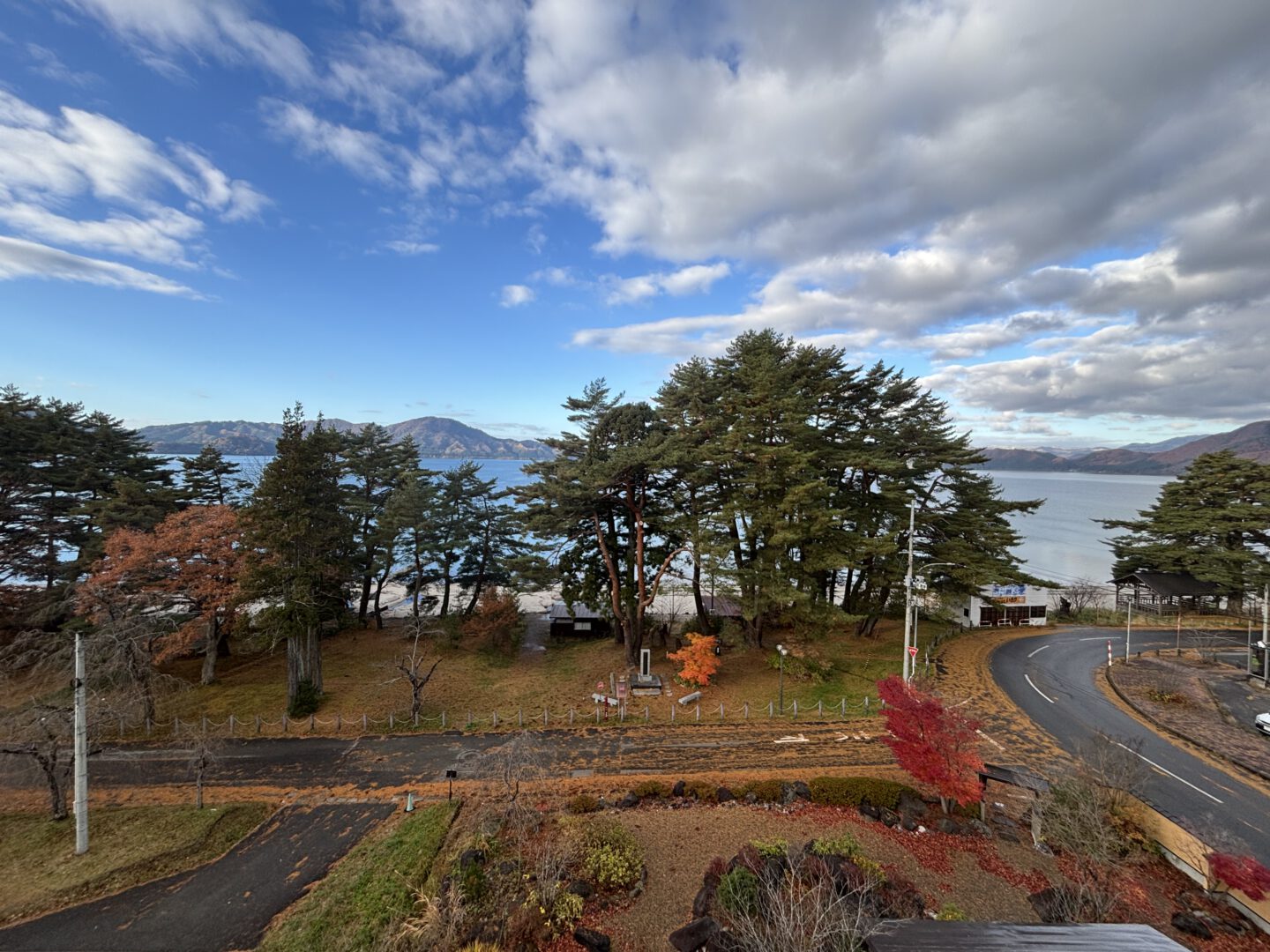
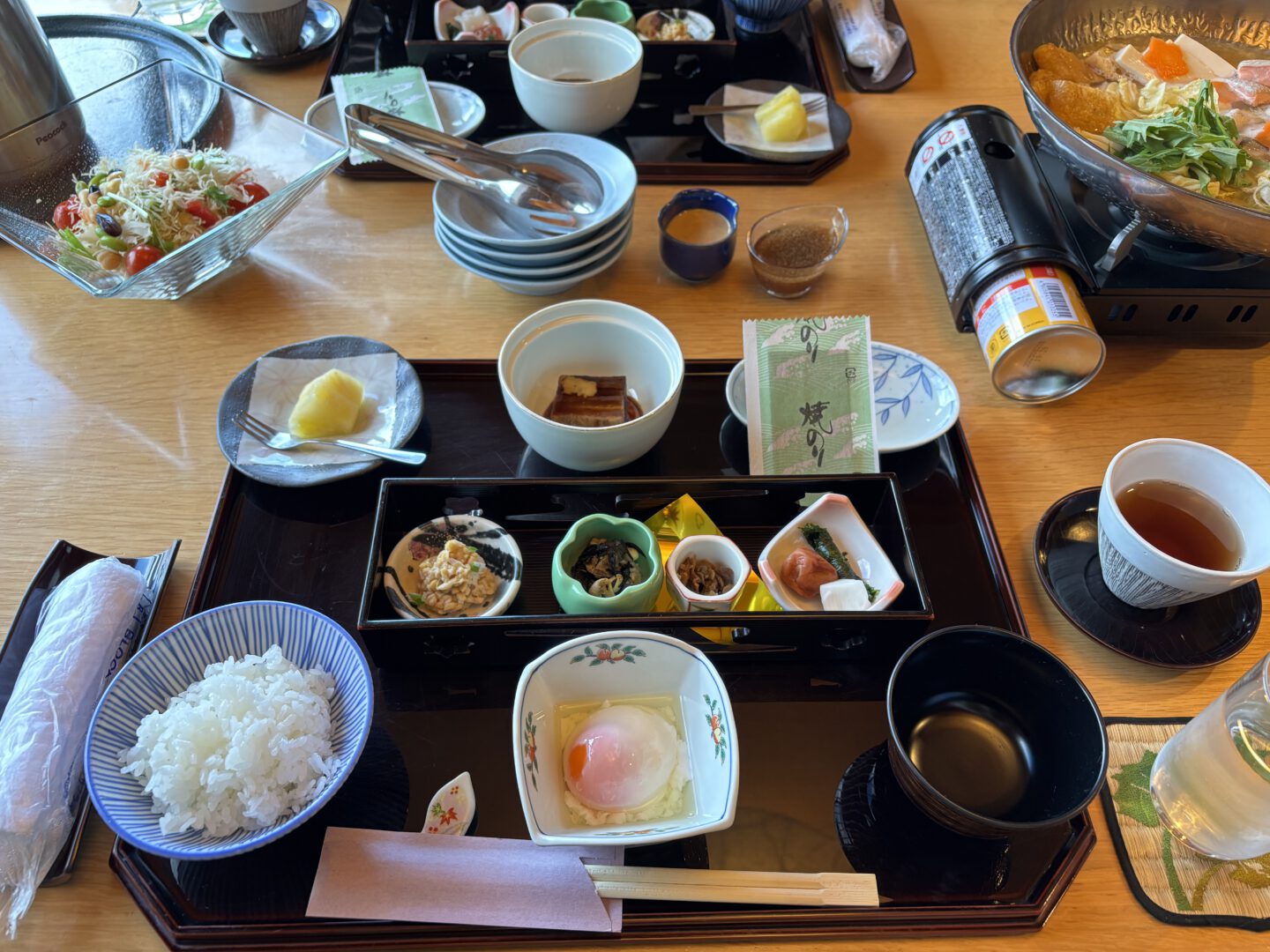
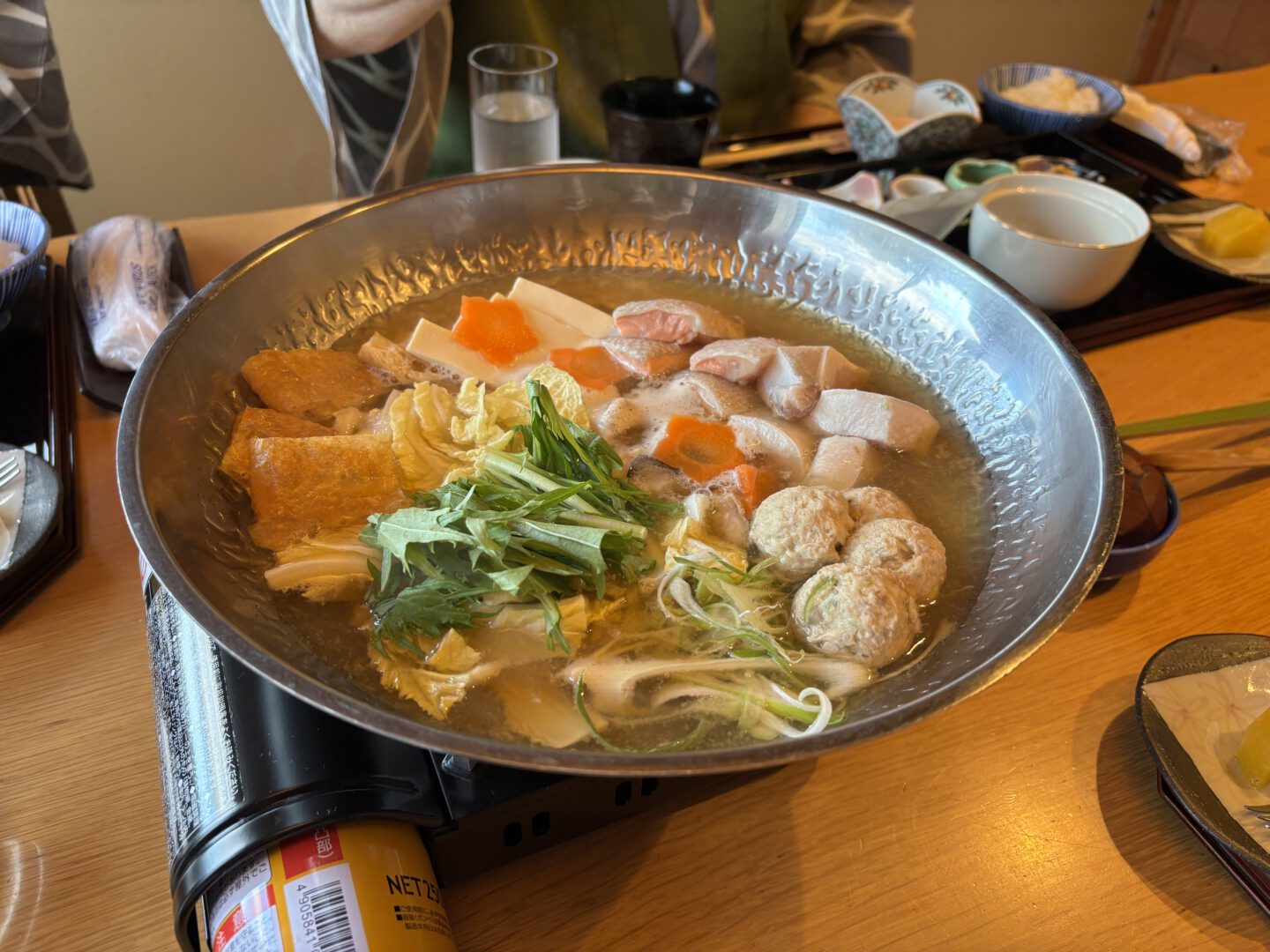
The next morning, we woke just in time for breakfast, again served in the room. When I opened the shoji sliding windows, the view had completely changed. Lake Tazawa layed in front of us, and the sun was shining for the first time after many days of rain. Breakfast included a good selection of dishes, among them a hot pot with Akita fish. This was the first time I had hot pot for breakfast, which felt unusual but worked surprisingly well. Before leaving, we went for another dip in the onsen.
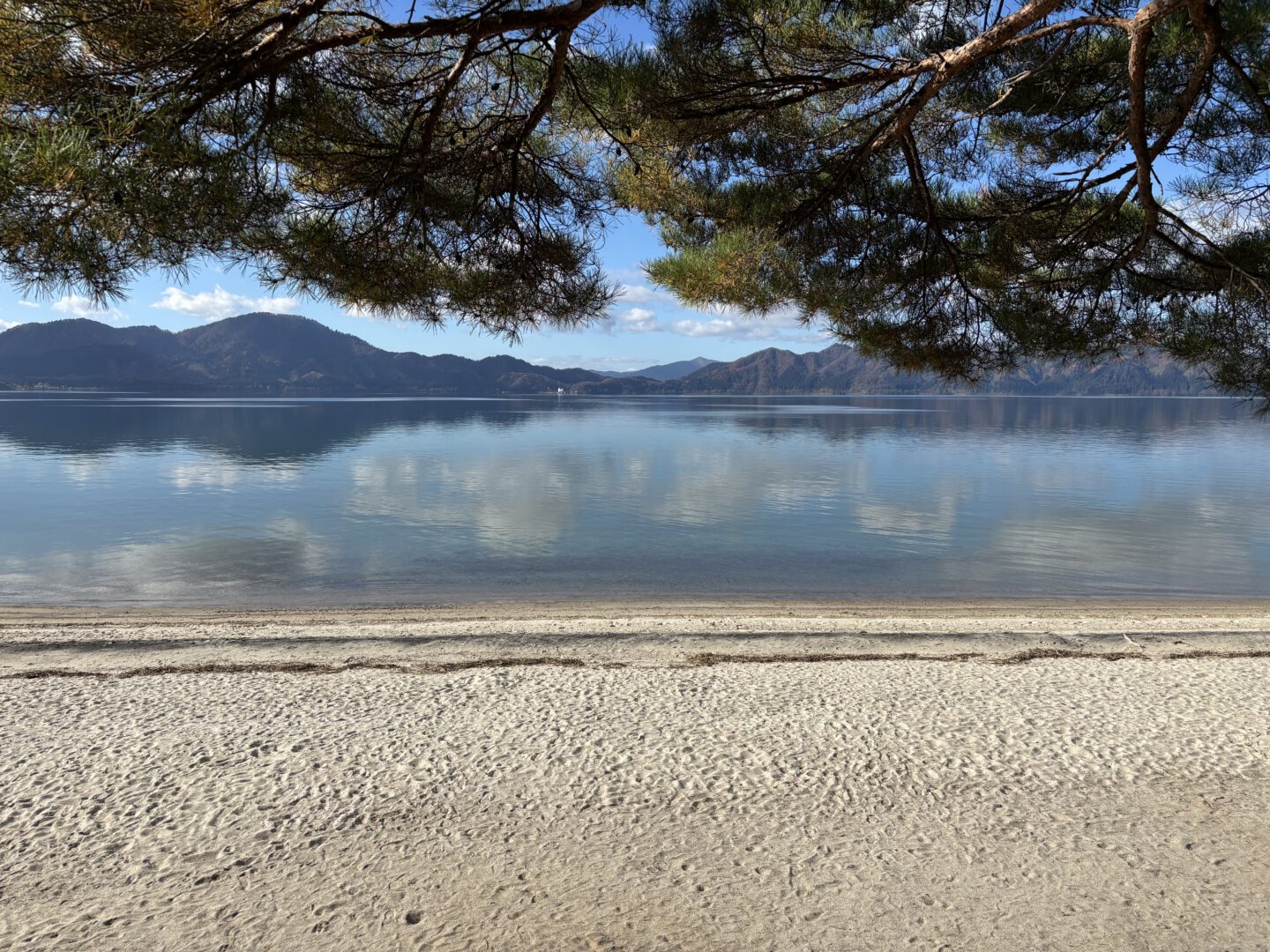
After checking out, we walked along the lakeside and the white sand beach and found the area quiet and not crowded. We stopped for coffee and bakery goods at a small lakeside shop before continuing our drive around the lake.

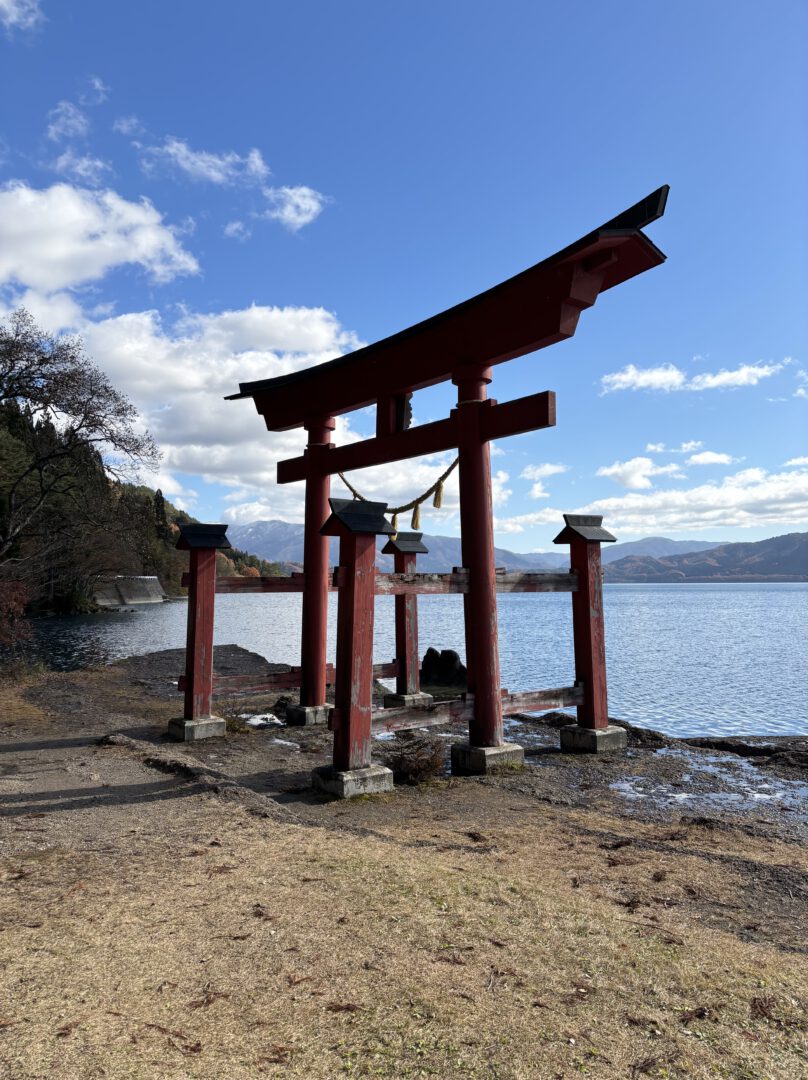
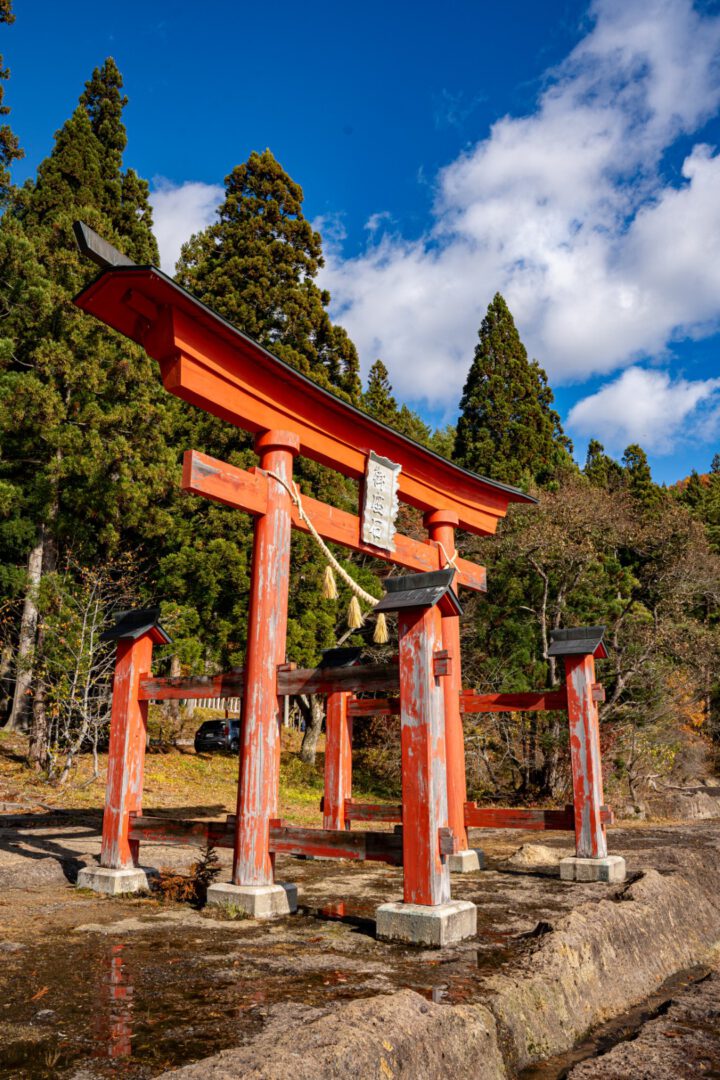
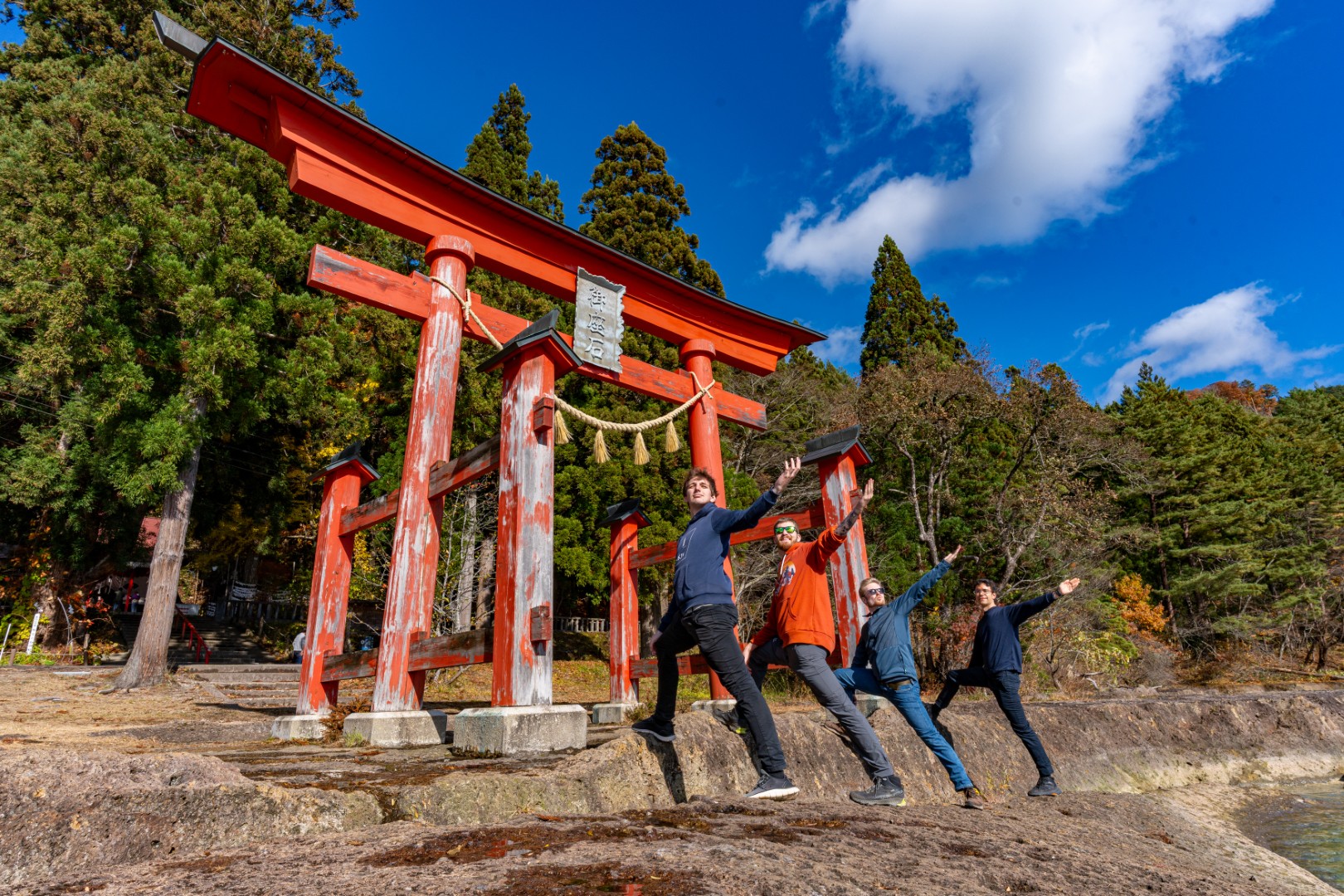
Our first stop was Gozanoishi Shrine, where we took photos of the large torii gate by the water. Nick also used his drone to take some aerial shots.

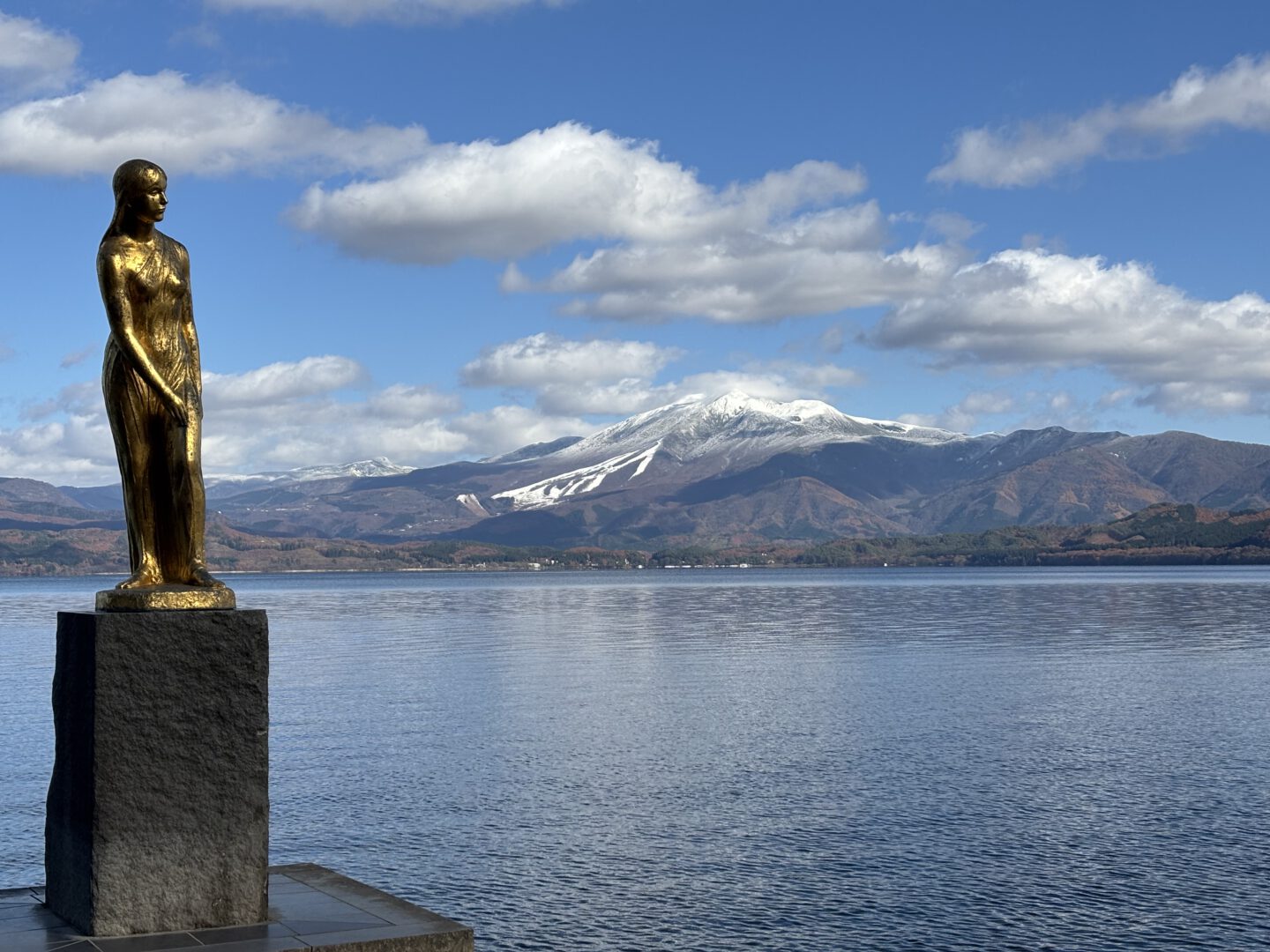
We then continued around the lake to see the statue of Tatsuko. The statue refers to a local legend about a woman who asked for eternal beauty and was cursed by the gods, turning into a dragon said to live beneath the lake. It felt like a Japanese version of Nessie.
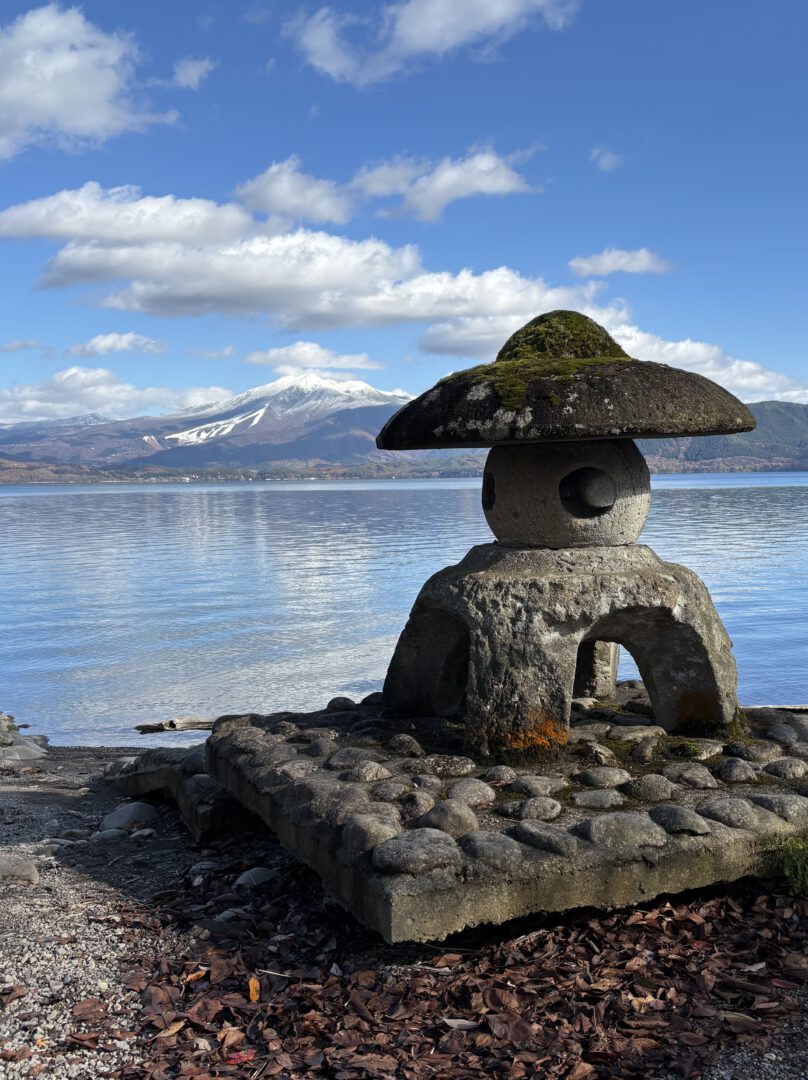

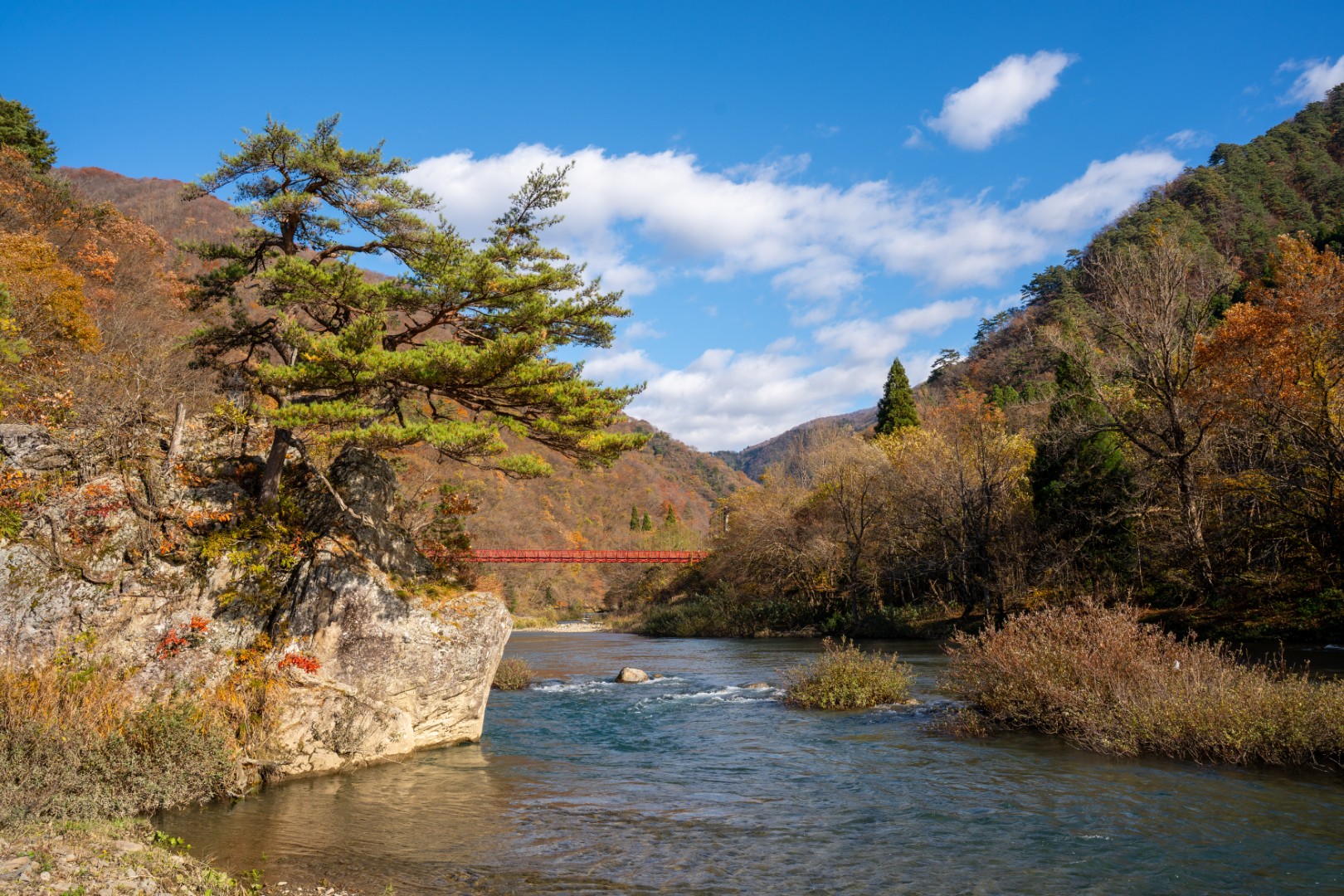
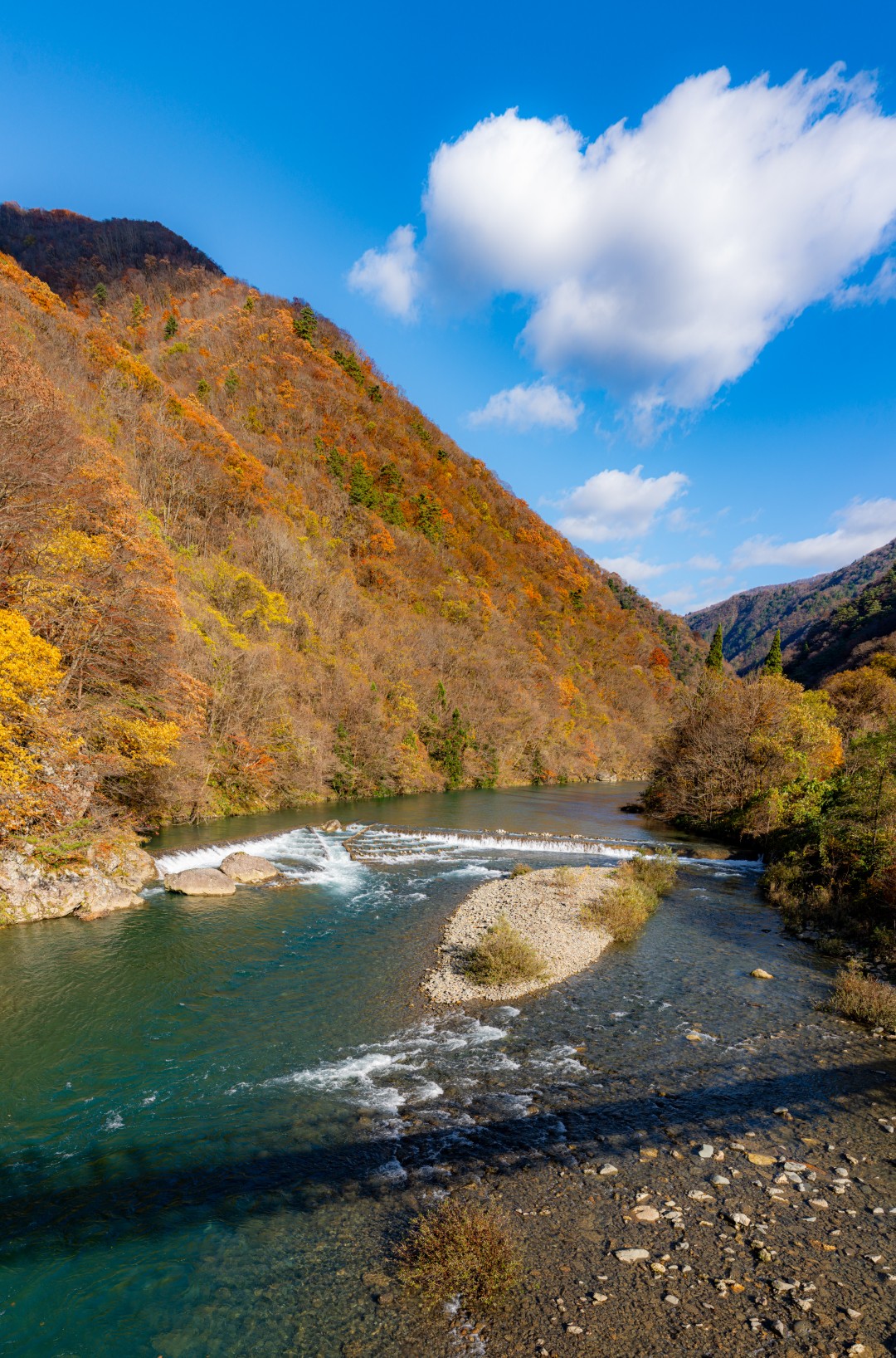
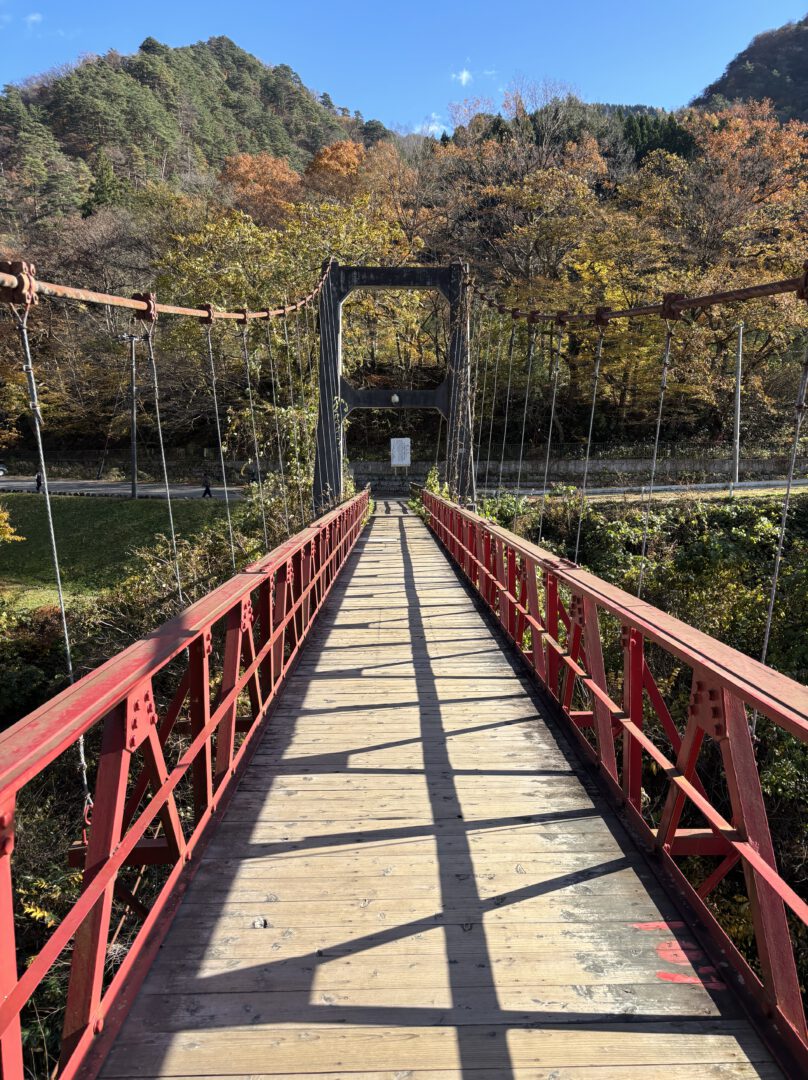
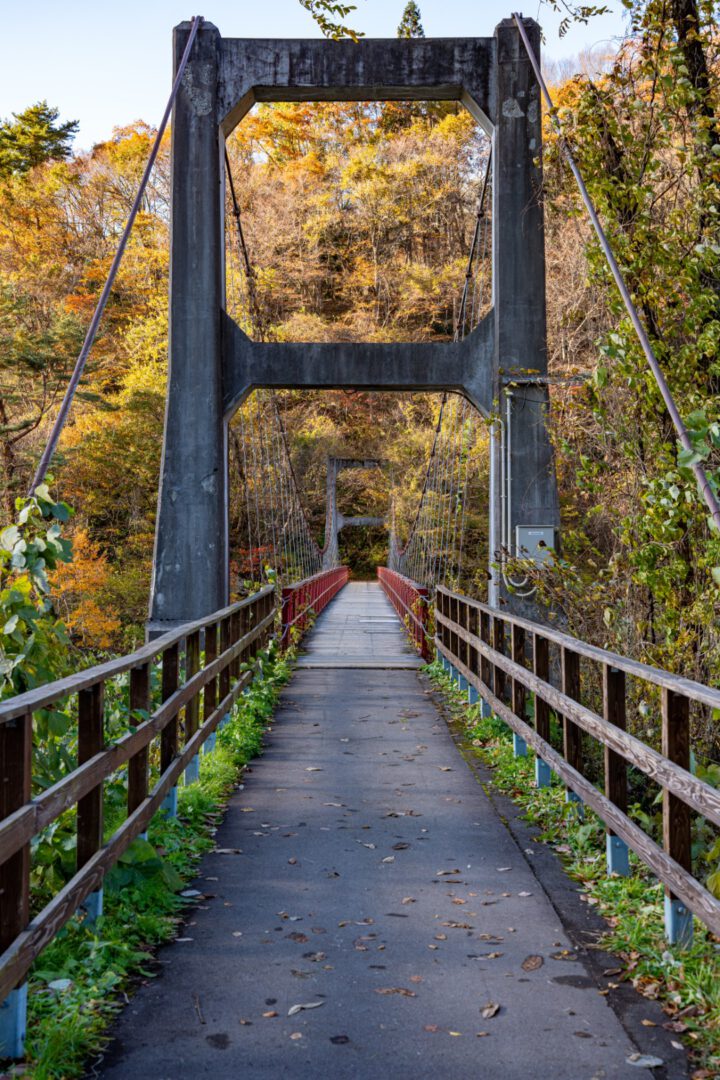
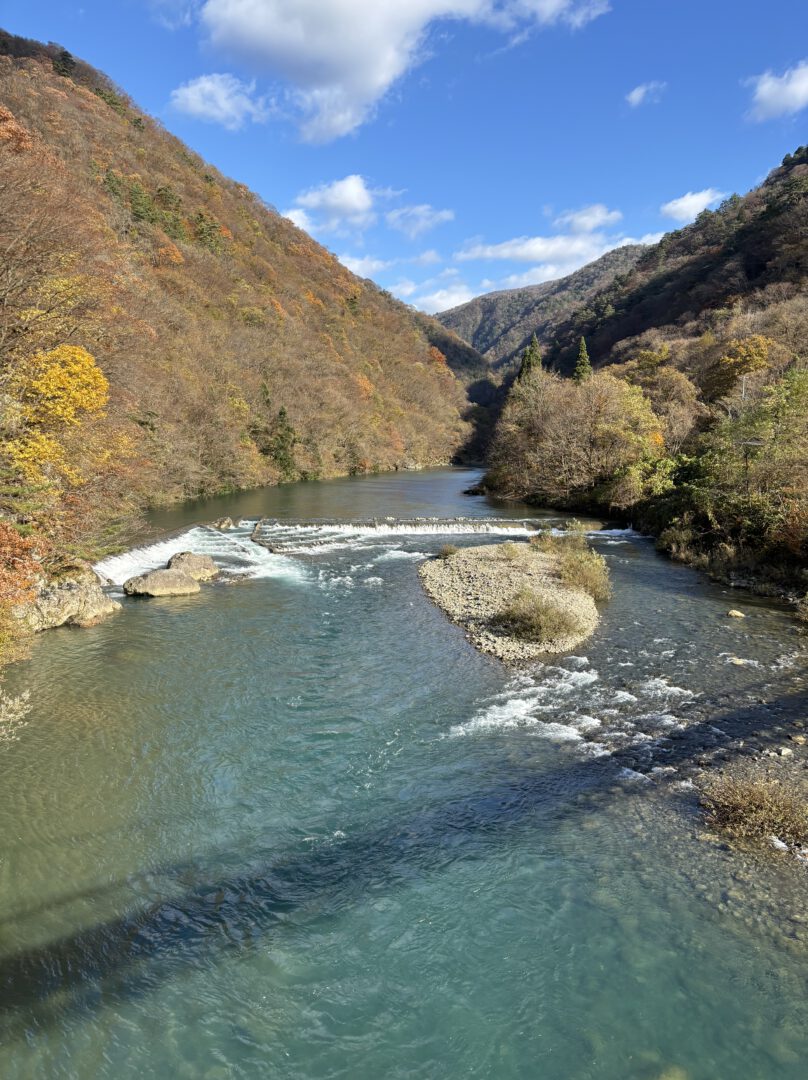
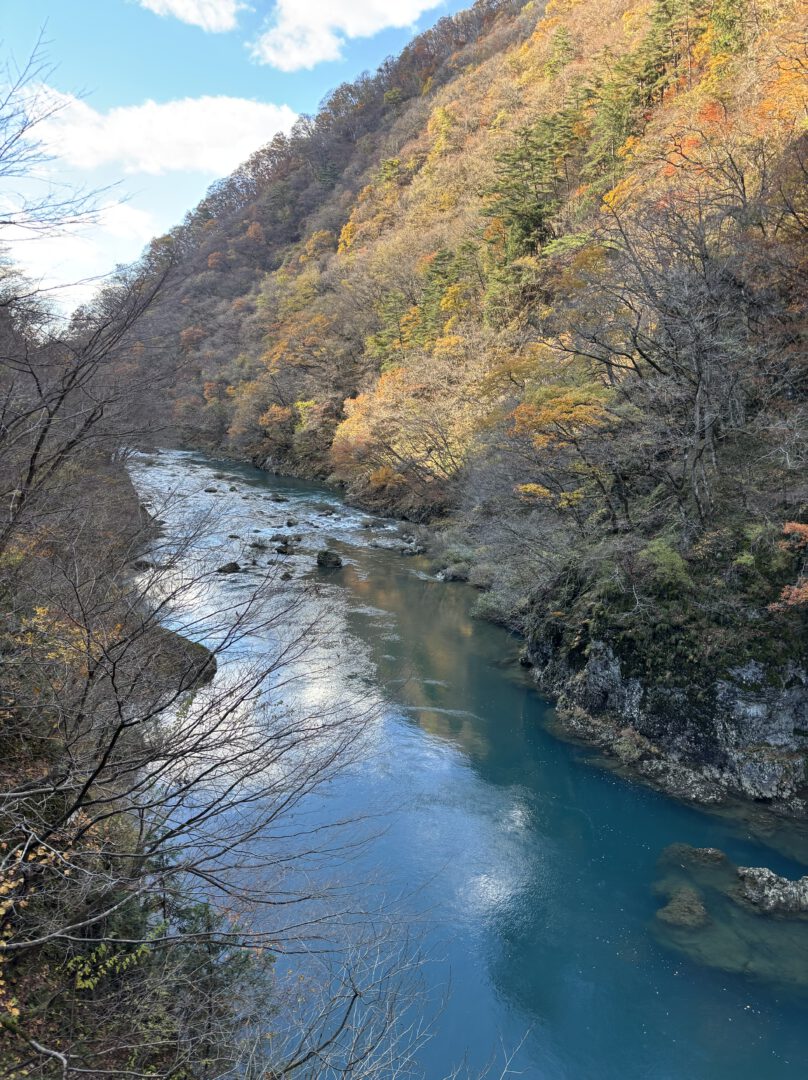
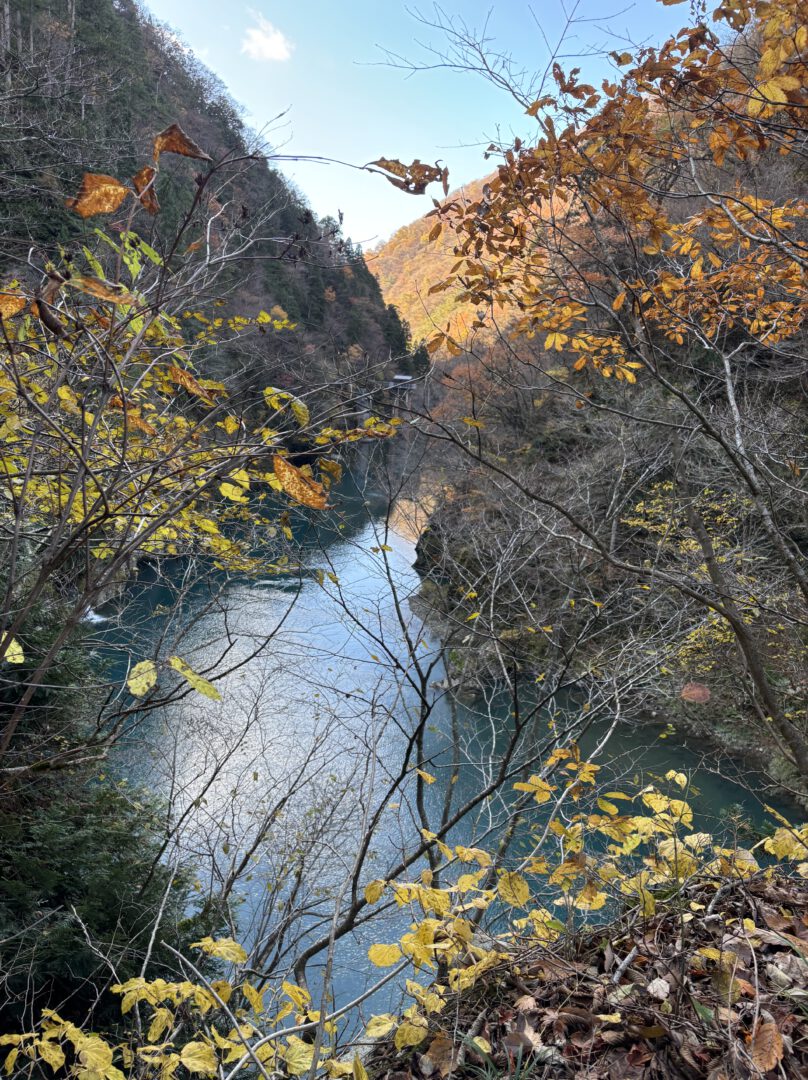
In the afternoon, we headed to Dakigaeri Valley, a gorge near Kakunodate. The area is known for its steep rock walls, clear river water, and strong seasonal changes, and it is especially worth visiting in autumn. Dakigaeri Valley is easy to combine with a visit to Kakunodate, as both lie along the Akita Shinkansen line. The valley can be reached without a car using local transport, while reaching Nyuto Onsen later in the day usually requires a bus from Tazawako Station or a car, especially in the evening when connections become limited.
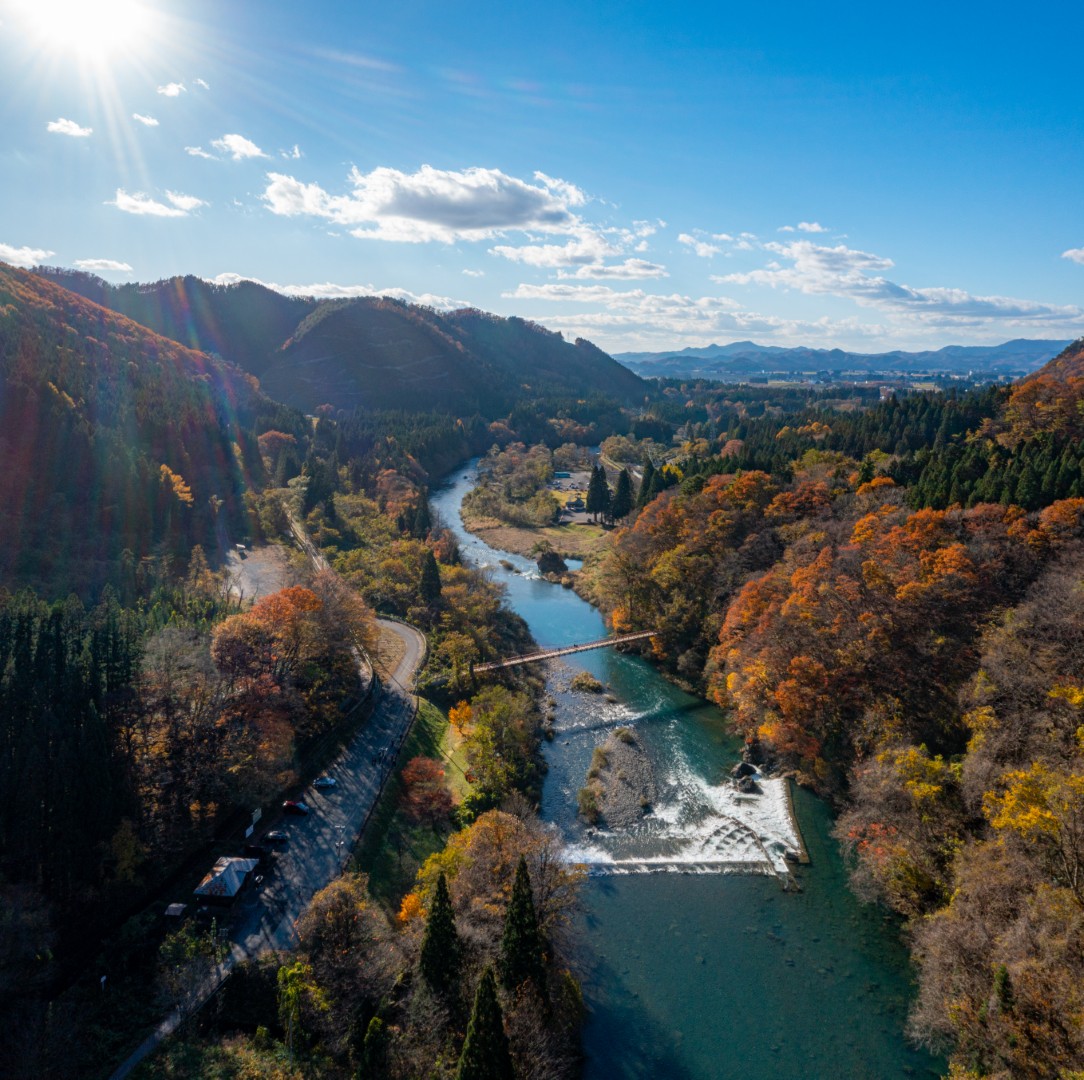
With the weather improving, we focused on outdoor plans. At the entrance, three locals were selling grapes, soft cream, and coffee. When we asked about the coffee, one of them told us it was not ready yet, so we said we would come back later. We did buy some shining muscat grapes, which were large, round, and very sweet.
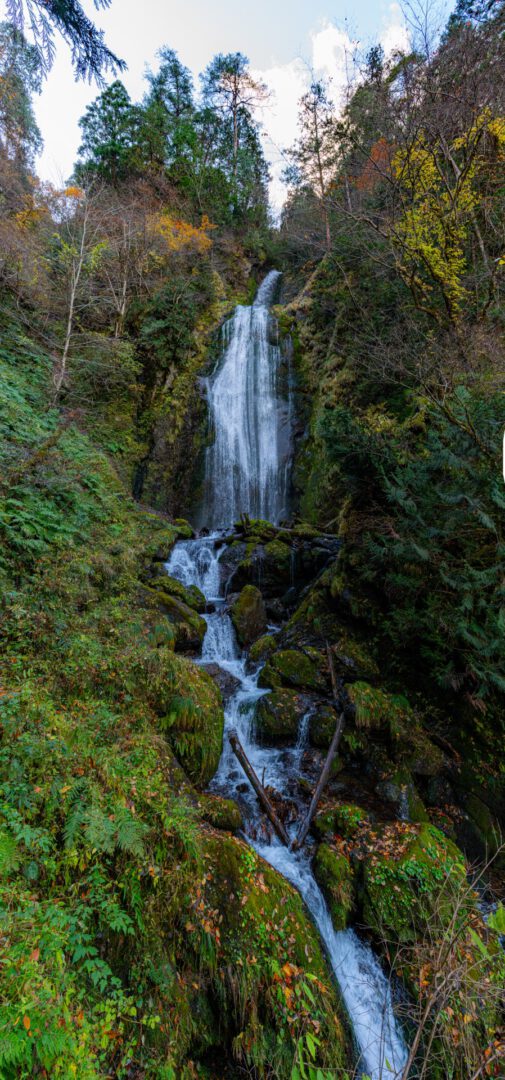
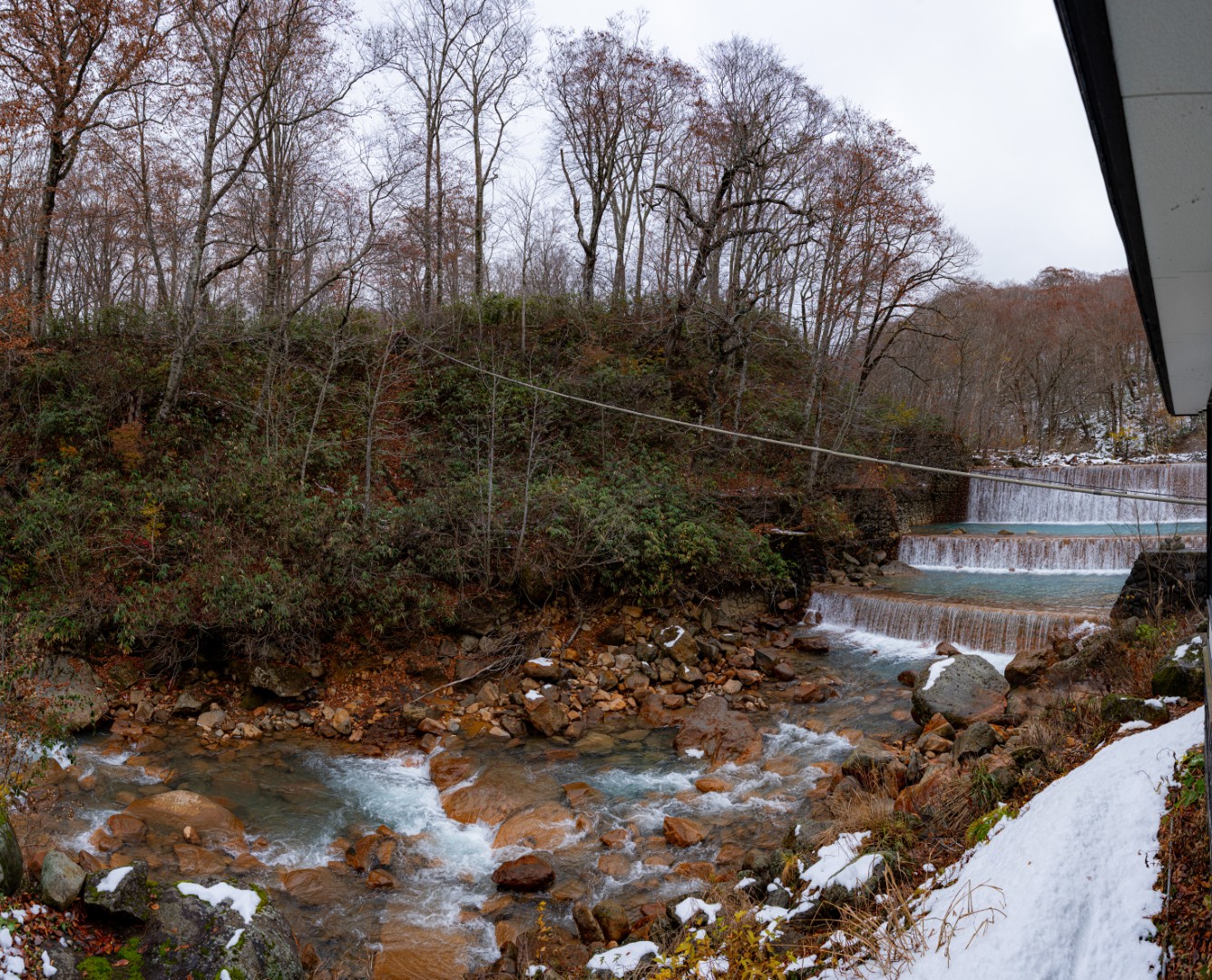
We then walked into the gorge through the autumn landscape, passing a dam and a striking waterfall. The walking route follows the river and offers several viewpoints, though parts of it are sometimes closed due to landslides. After about half an hour, the path was closed that day, so we had to turn back. On our way back, we were able to try the local coffee, served by a woman from Kakunodate. She shared recommendations for the area, and we chatted for a while as the sun began to set.
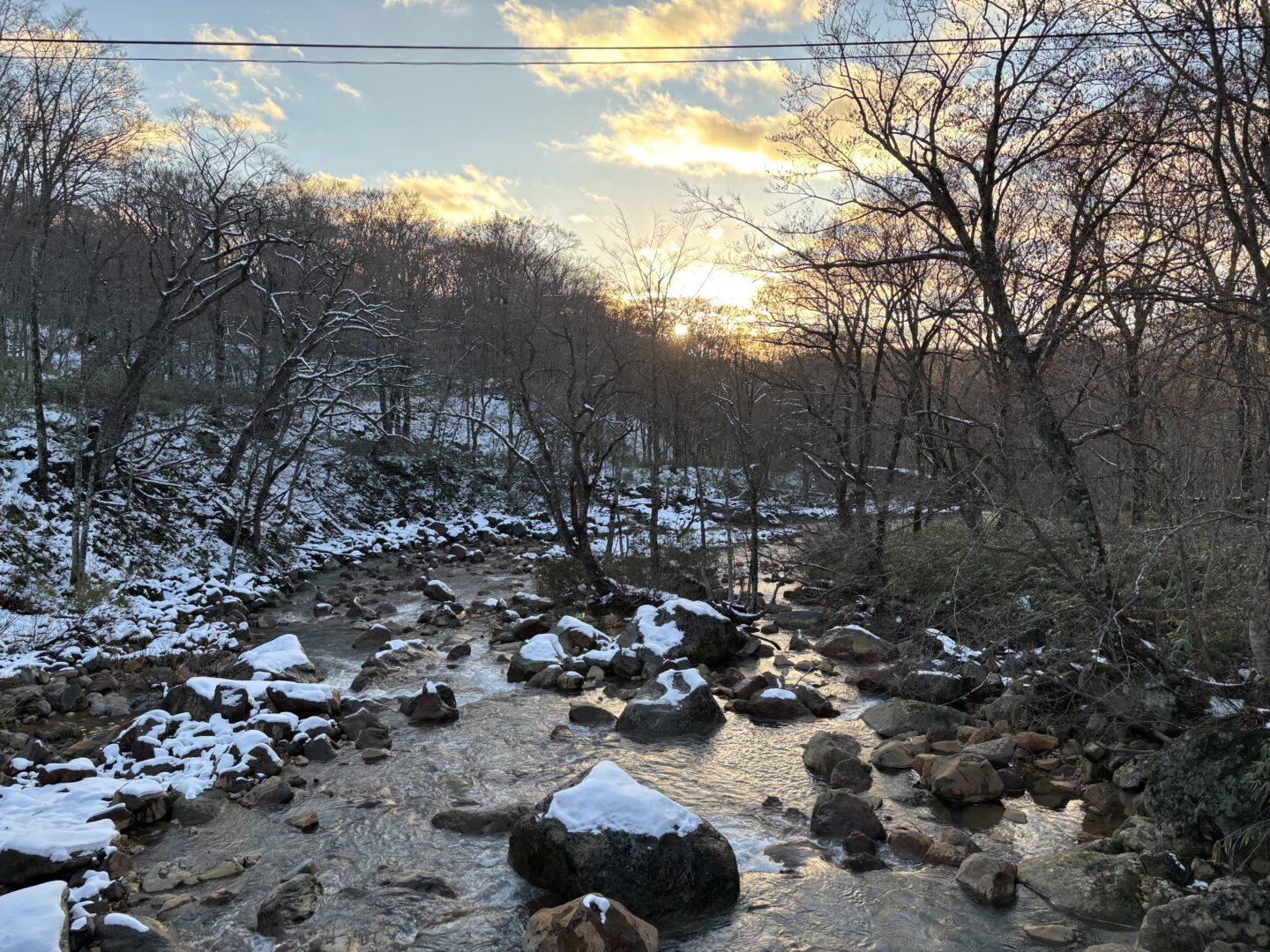
From there, we drove on to our next overnight stay at Nyuto Onsen, a group of remote onsen ryokan in the mountains north of Lake Tazawa. Despite the secluded setting, Nyuto Onsen can still be reached from Tazawako Station by bus or car. We stayed at Tae no Yu, one of the best-known baths in the area.
The drive up followed a winding mountain road, and we even passed a ski resort, showing how much altitude we had gained since the previous night. Toward the end, the road became rough, with deep bumps and muddy sections that required careful driving.
As the sun was setting, we tried to get another drone shot. After asking for permission, the staff explained that filming was only allowed in certain directions because of the many open-air baths nearby.

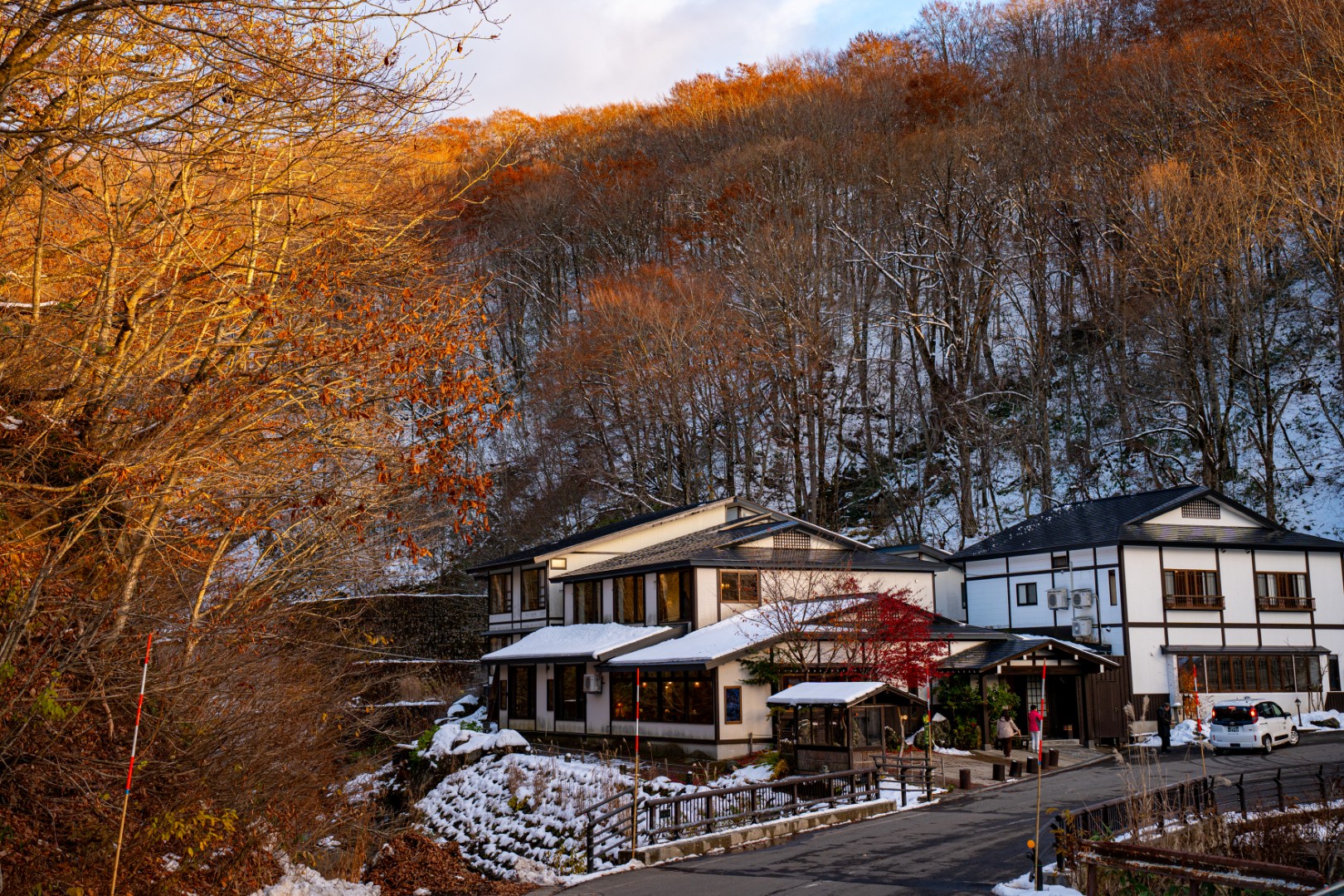
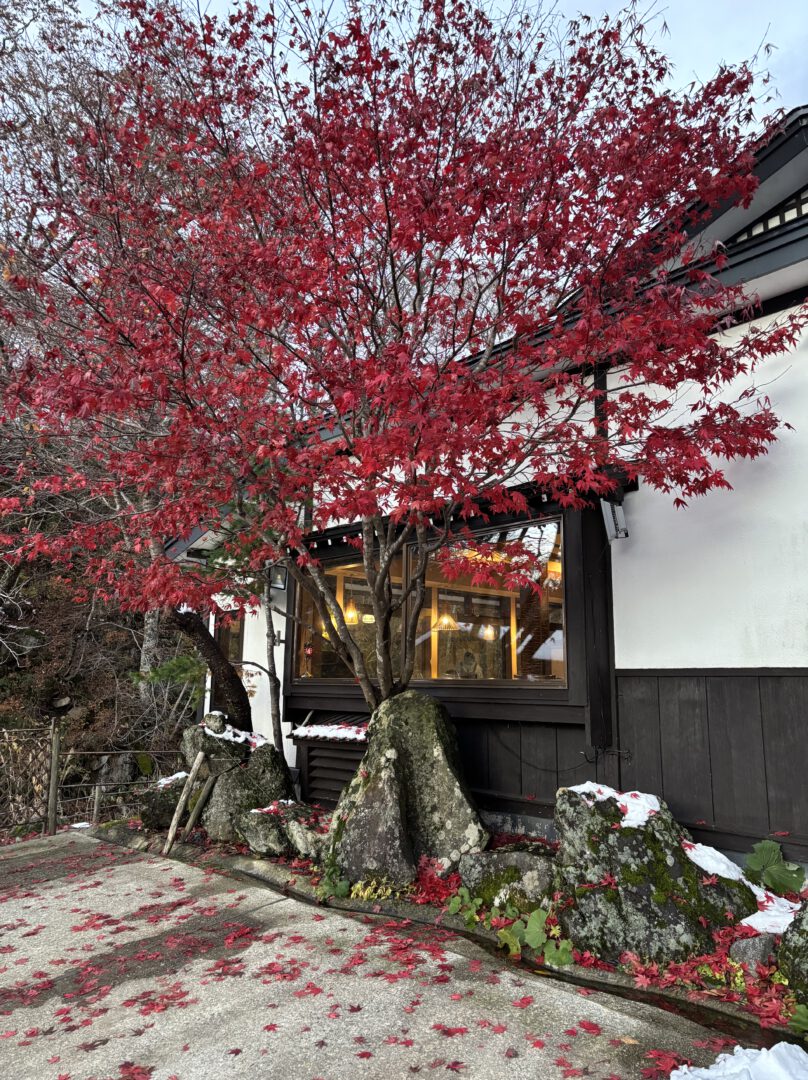
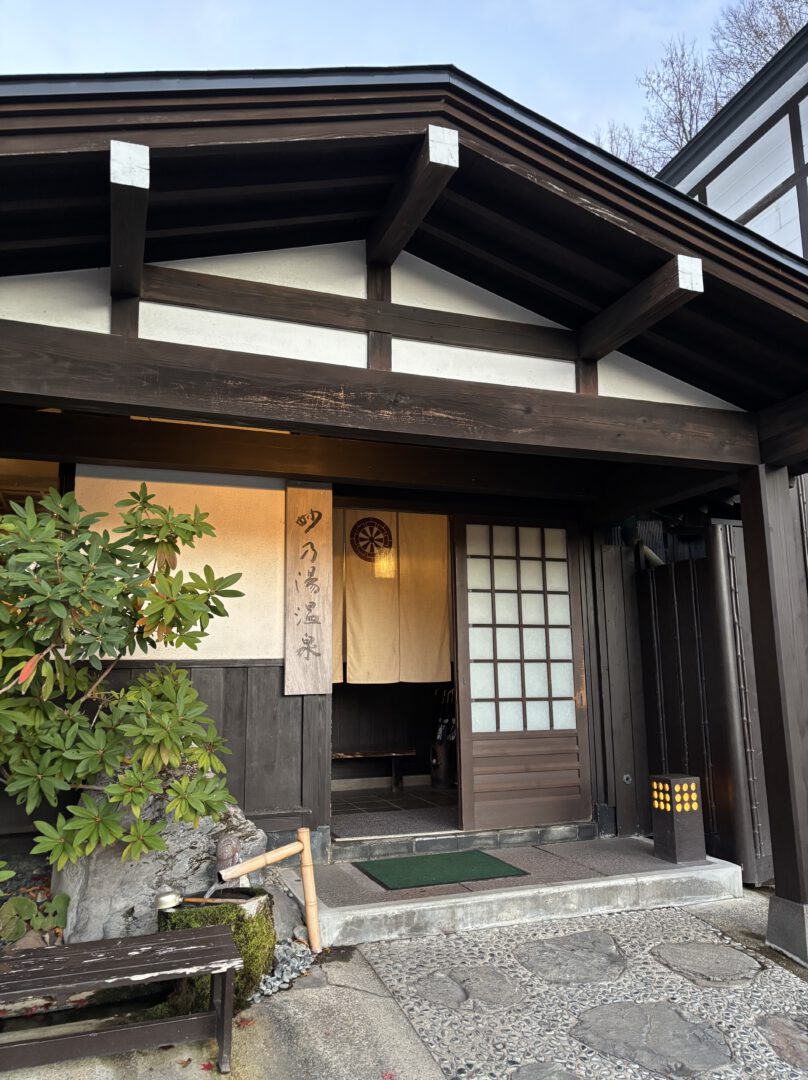
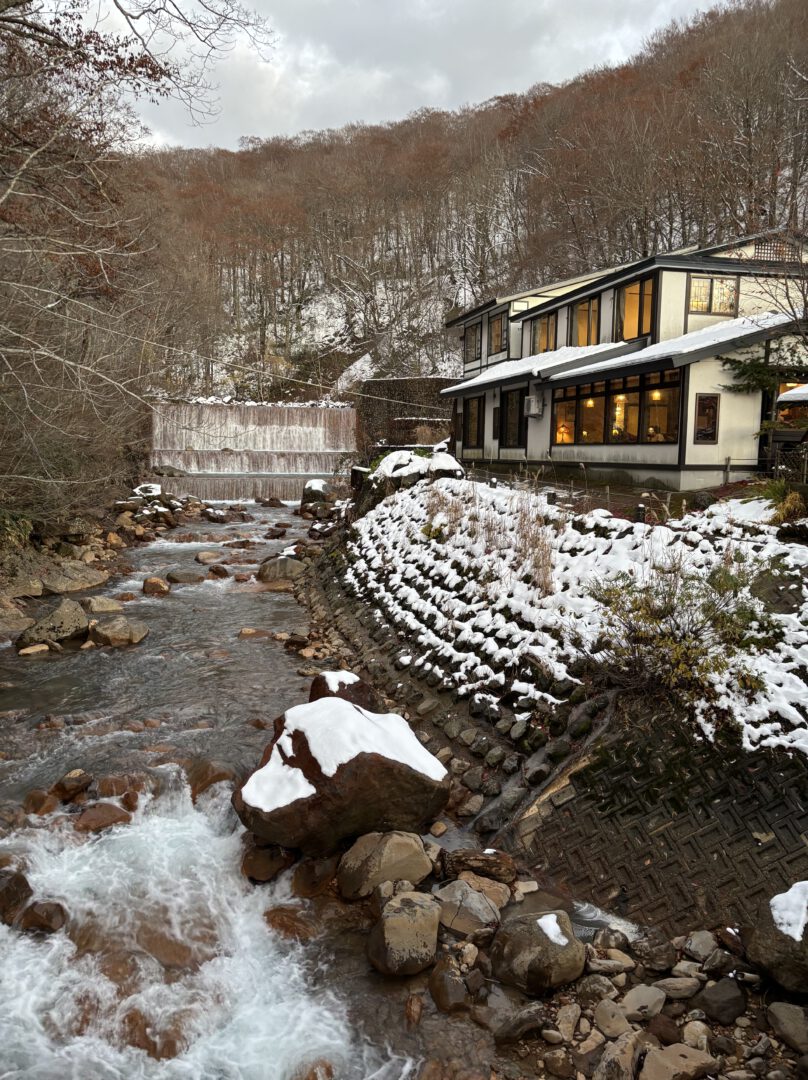
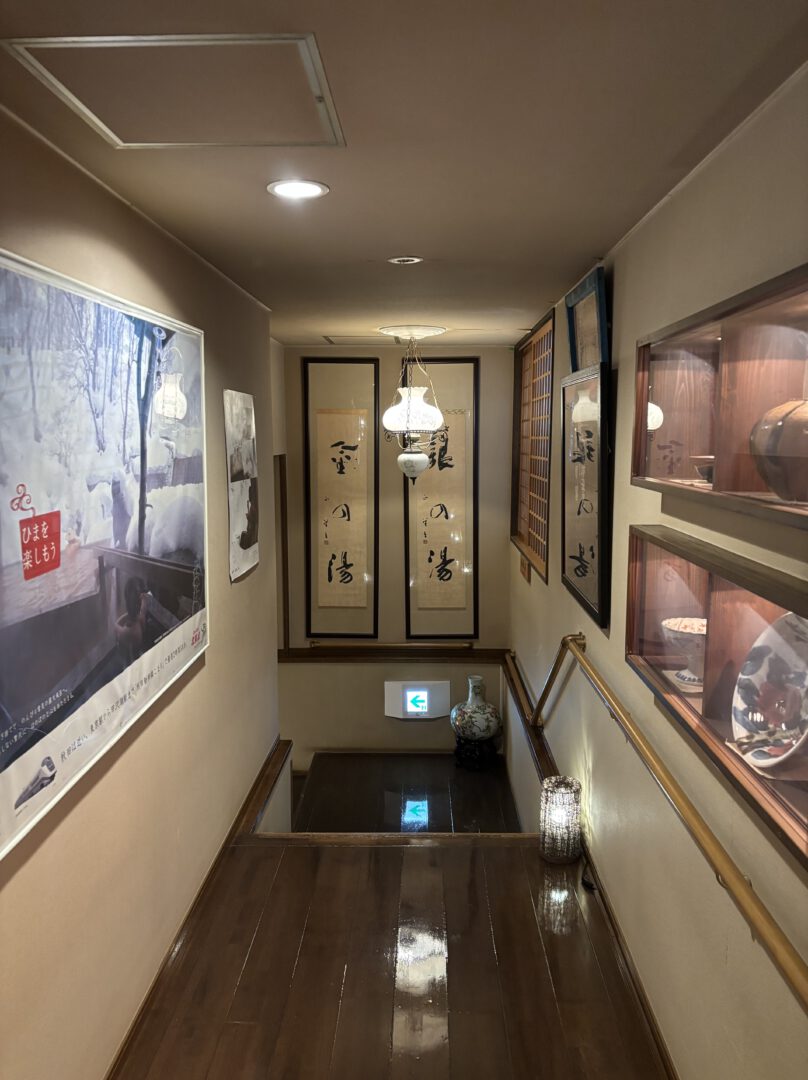
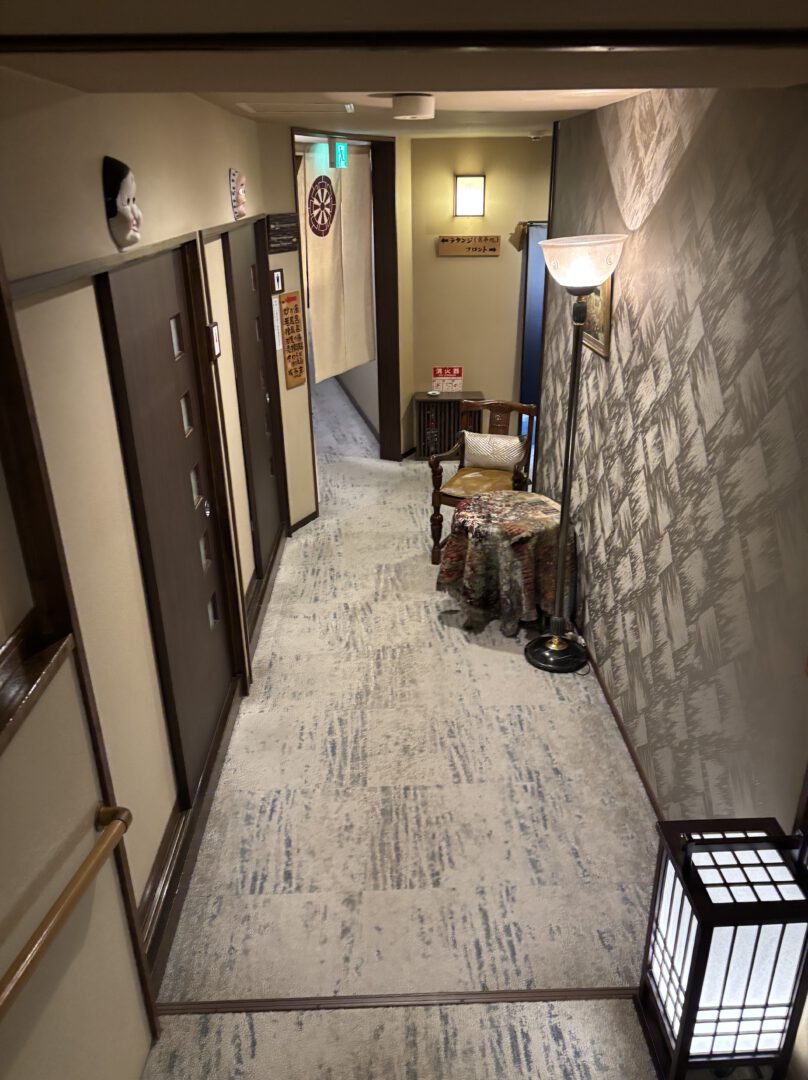
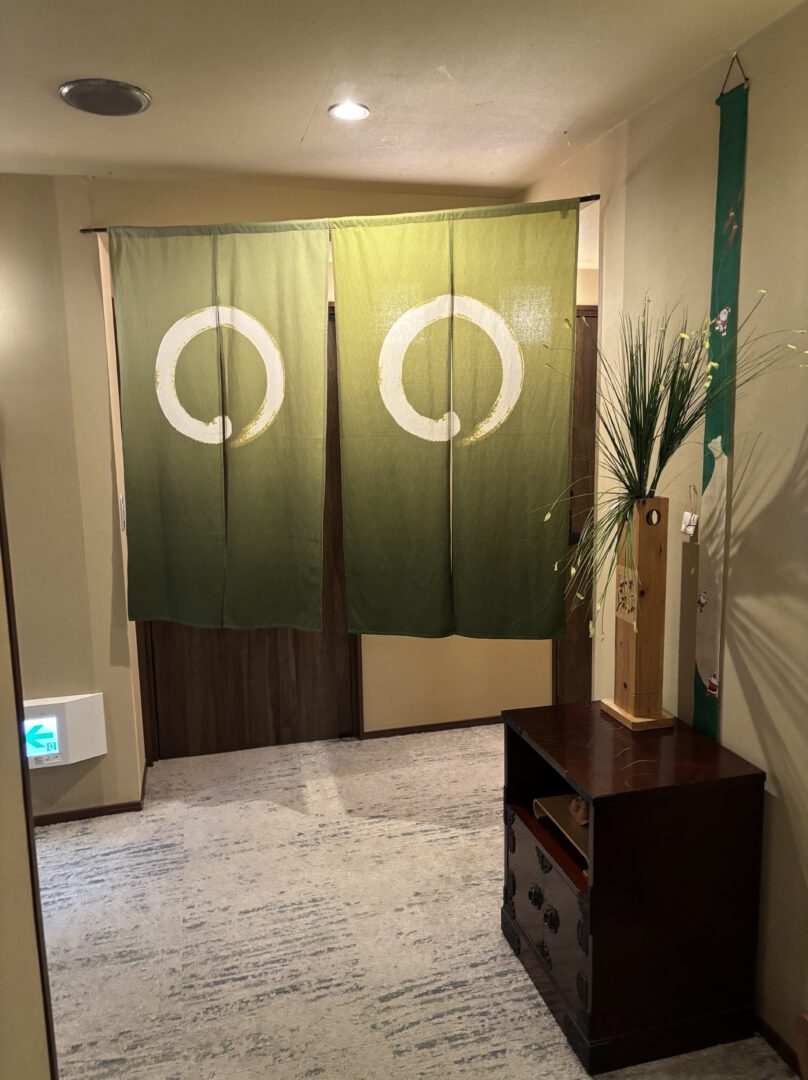
The building felt historic but well maintained and surprisingly spacious. With its many rooms and corridors, it was easy to lose track of where we were.
To give a better sense of the atmosphere and layout, have a look at this short video of the ryokan:
After being welcomed with green tea and tonjiru soup, the staff explained how everything worked, all in clear English. We split into two rooms on different floors, each with a different layout and view. One room overlooked the river, while the other faced a waterfall directly.
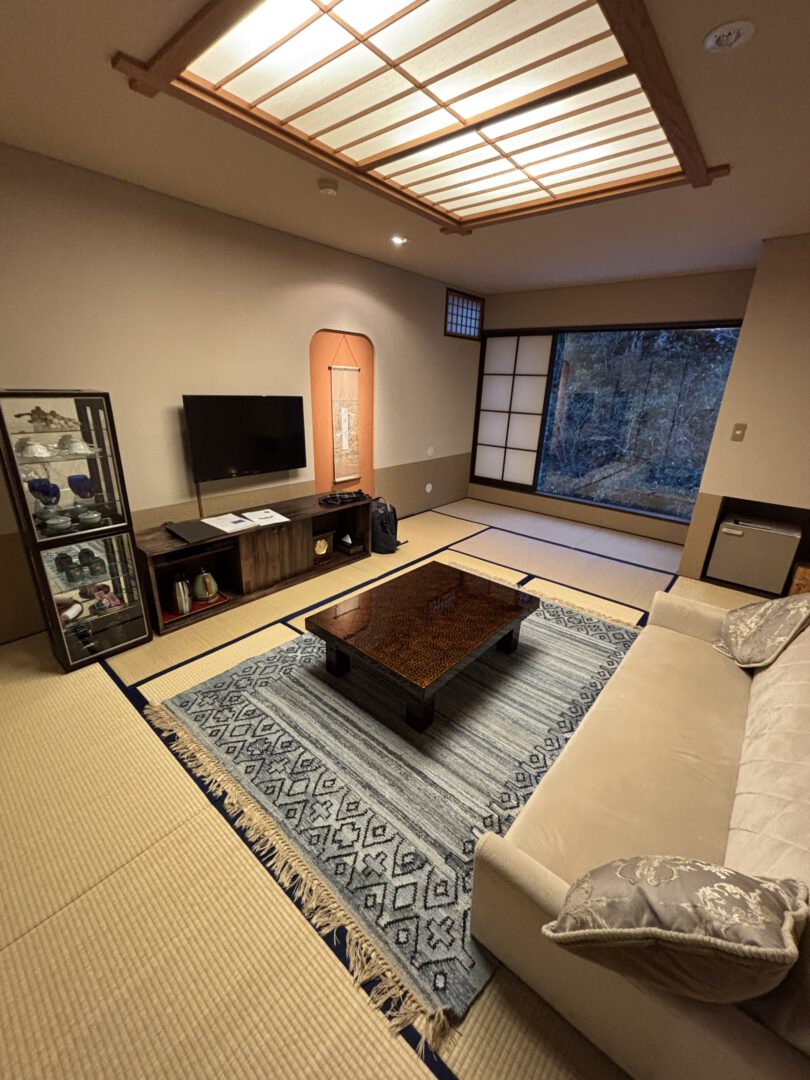
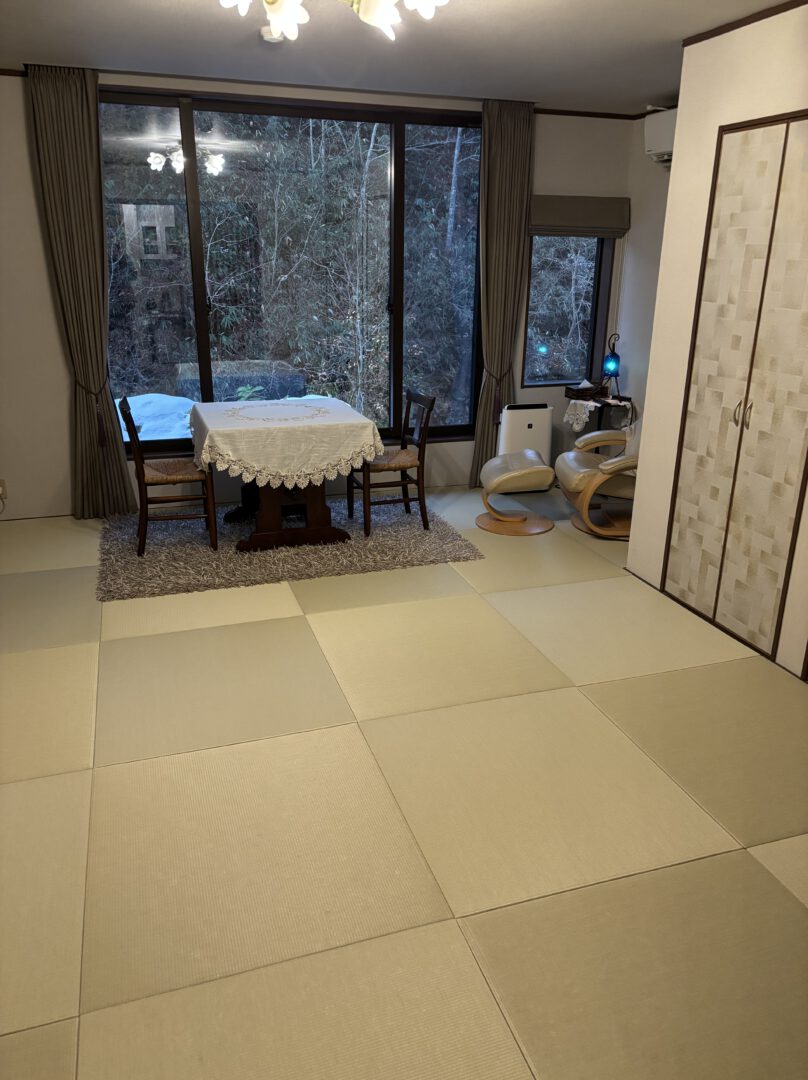
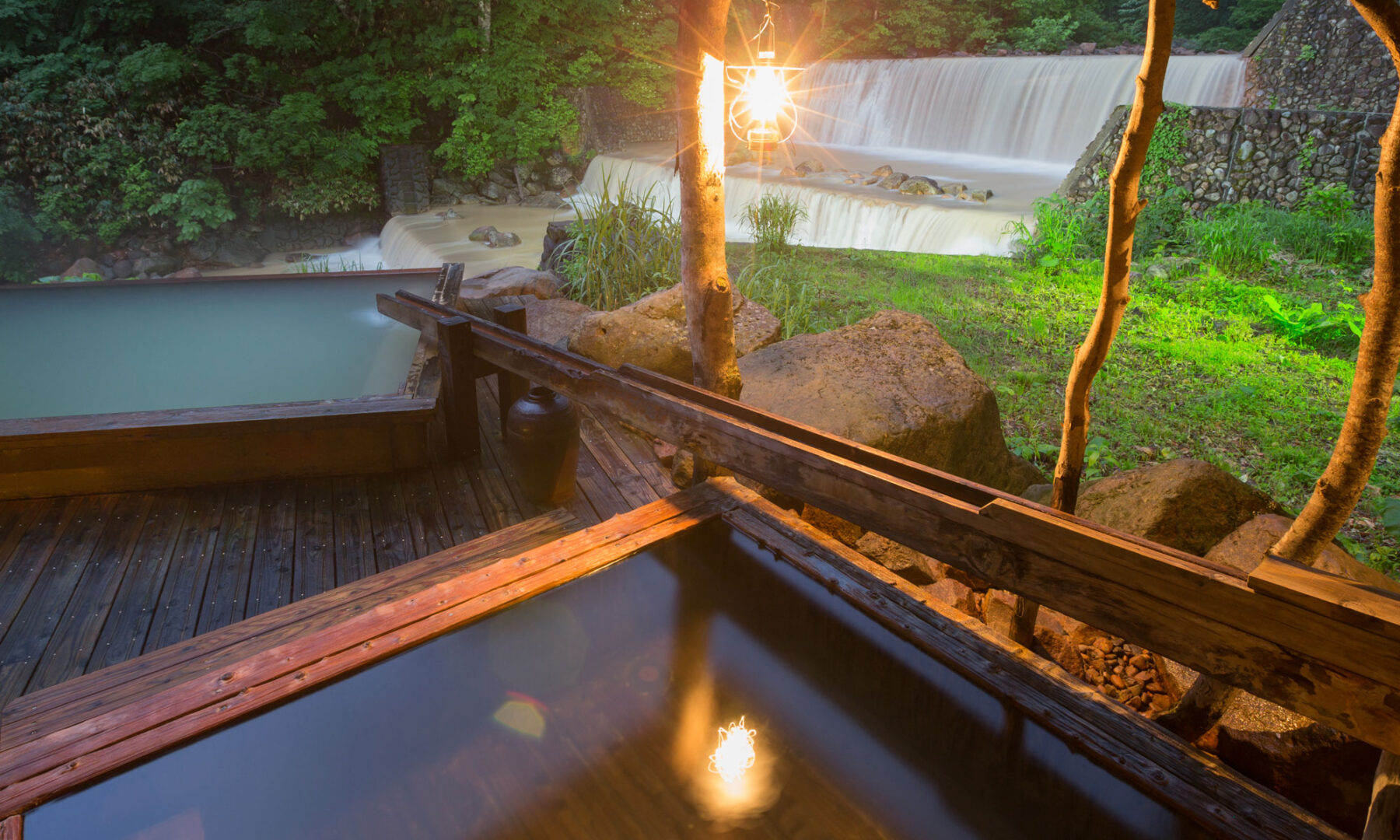
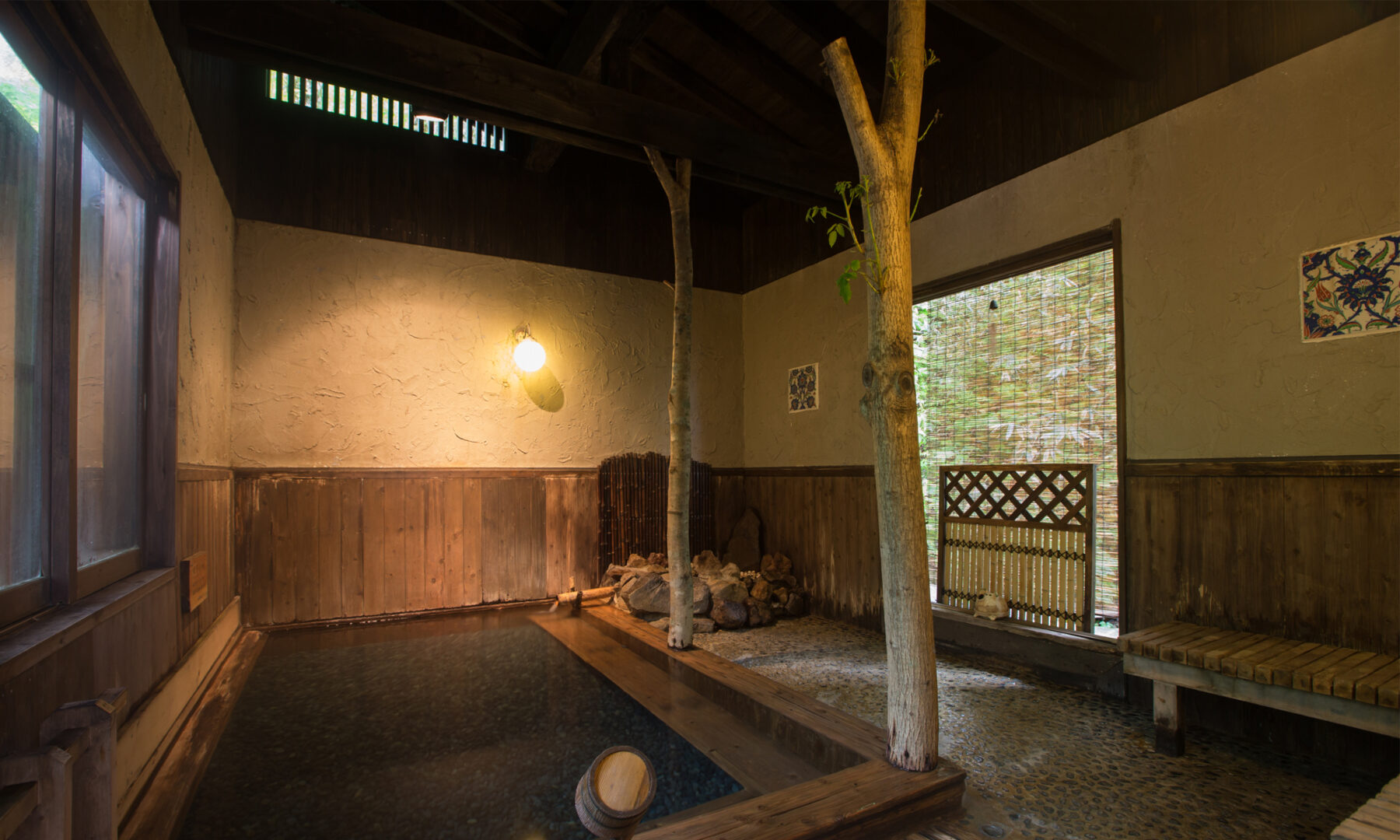
We headed to the onsen and found many bathing options. There were gender-separated baths, as well as a mixed bathing area, which is rare but still found in parts of Tohoku, including Nyuto Onsen. Towels are allowed in this area, and there are also specific time slots reserved for women only. In the evening, the men’s and women’s sections are switched, allowing access to different baths. There is also a private onsen that can be booked per room.
During our stay, we managed to visit all the baths. There were about five pools in total, each with a different feel. Tae no Yu has two water sources: the Golden Spring, with higher mineral content including iron and sulfur, and the Silver Spring, which is clearer and softer, closer to groundwater.
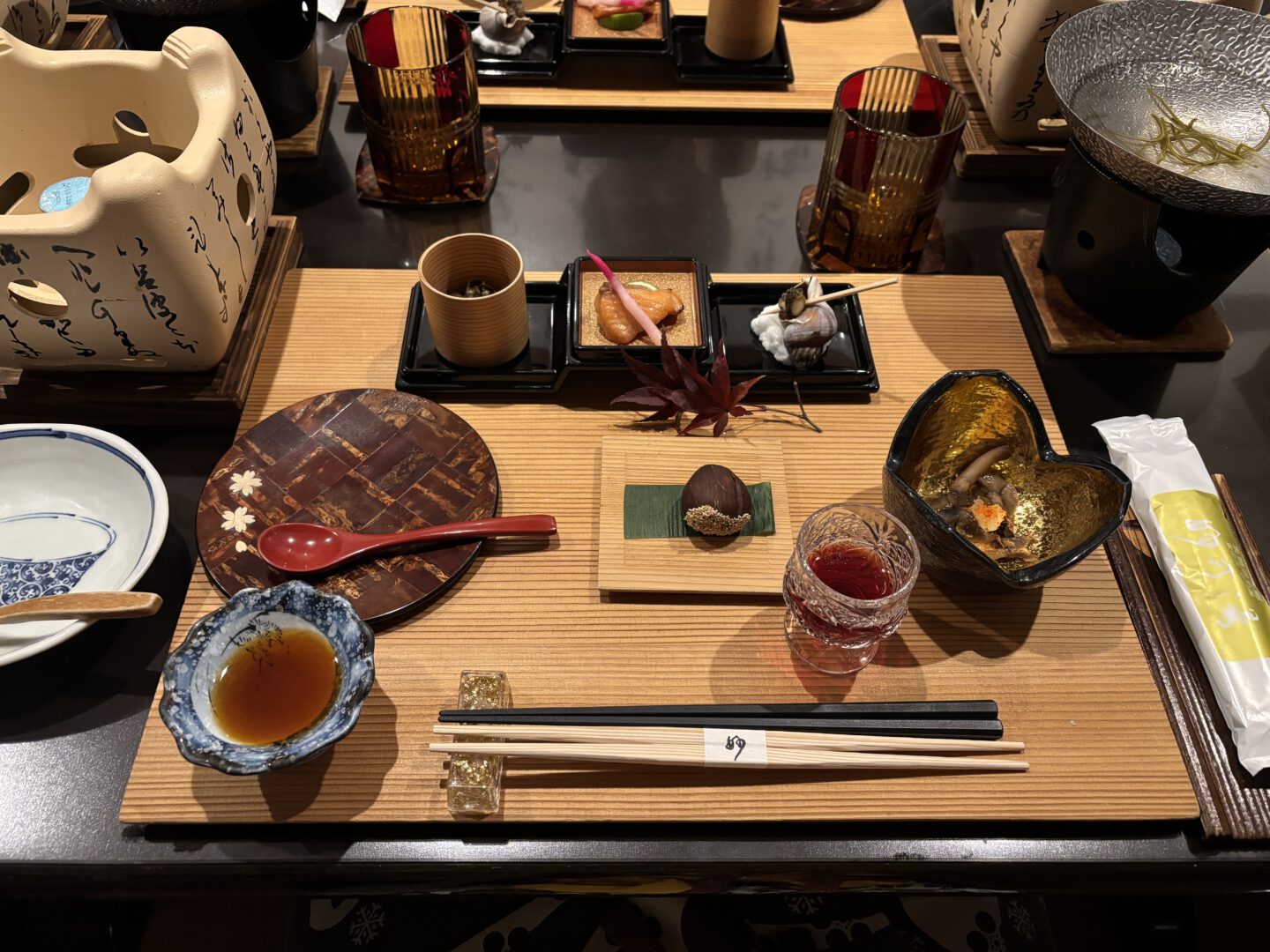
Dinner focused on mountain ingredients, fitting for our location away from the coast. We had several kinds of mushrooms and mountain vegetables, a grilled whole chestnut, Inaniwa udon, shabu-shabu with Akita beef, and persimmon for dessert. Inaniwa udon is a local specialty of Akita, known for its thin shape and smooth texture. What stood out to me was how varied the food had been so far: three stays in Akita, all in the same region, and yet each meal felt completely different in style and ingredients.
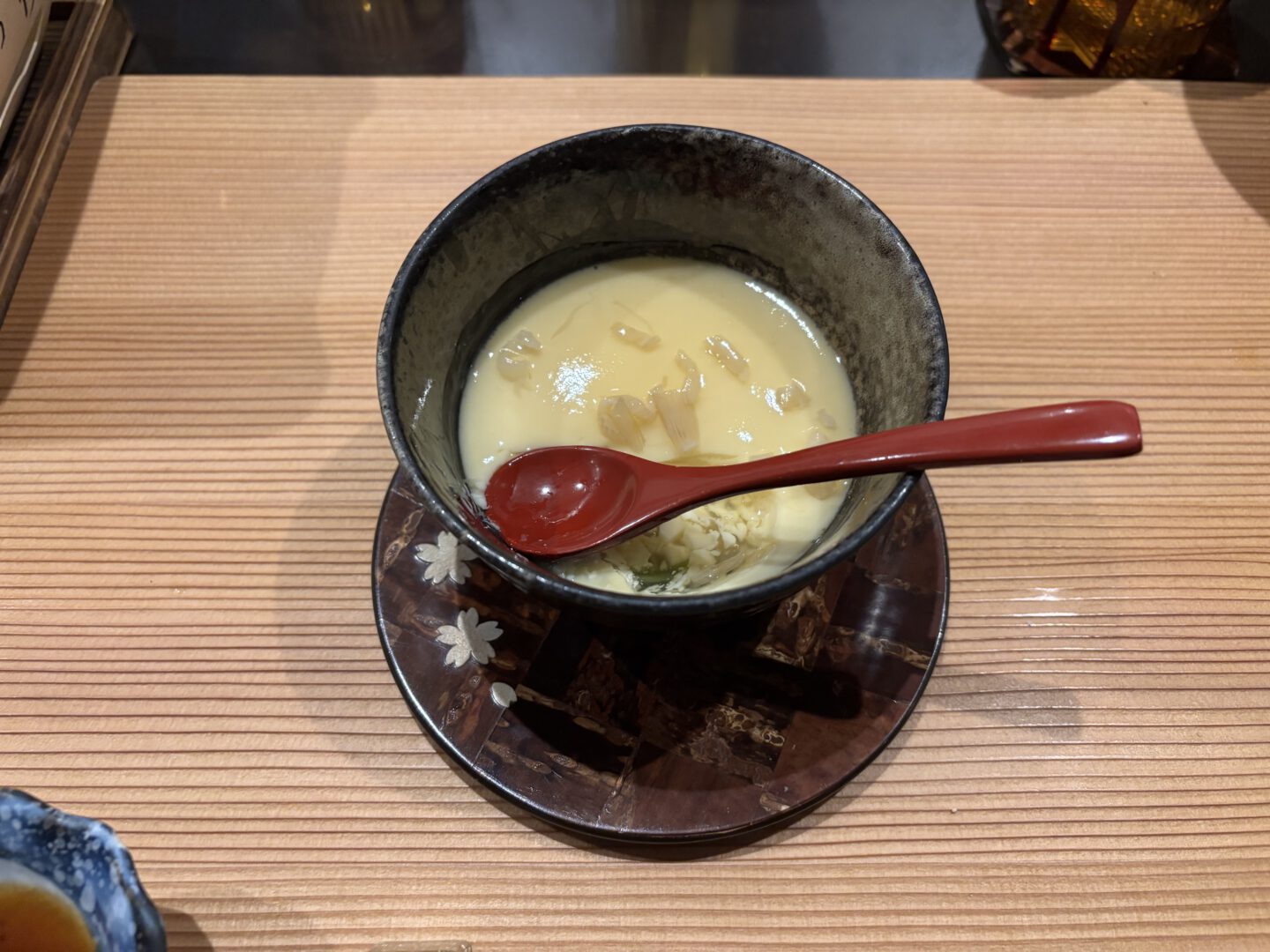
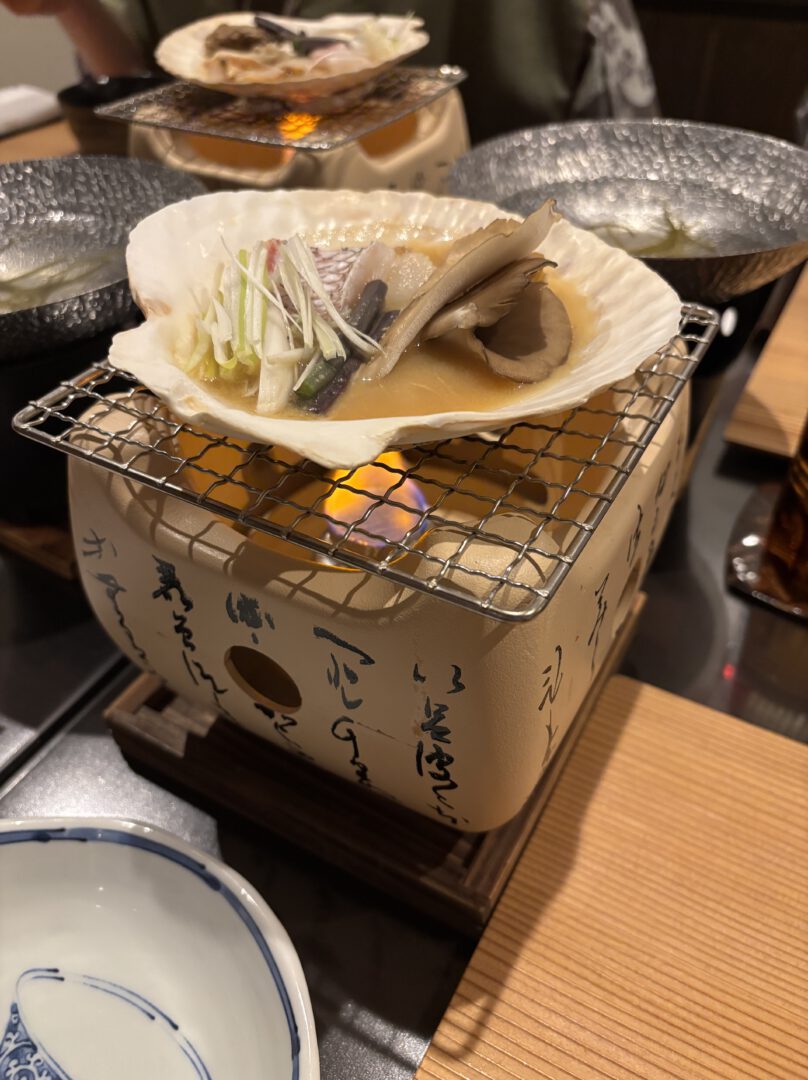
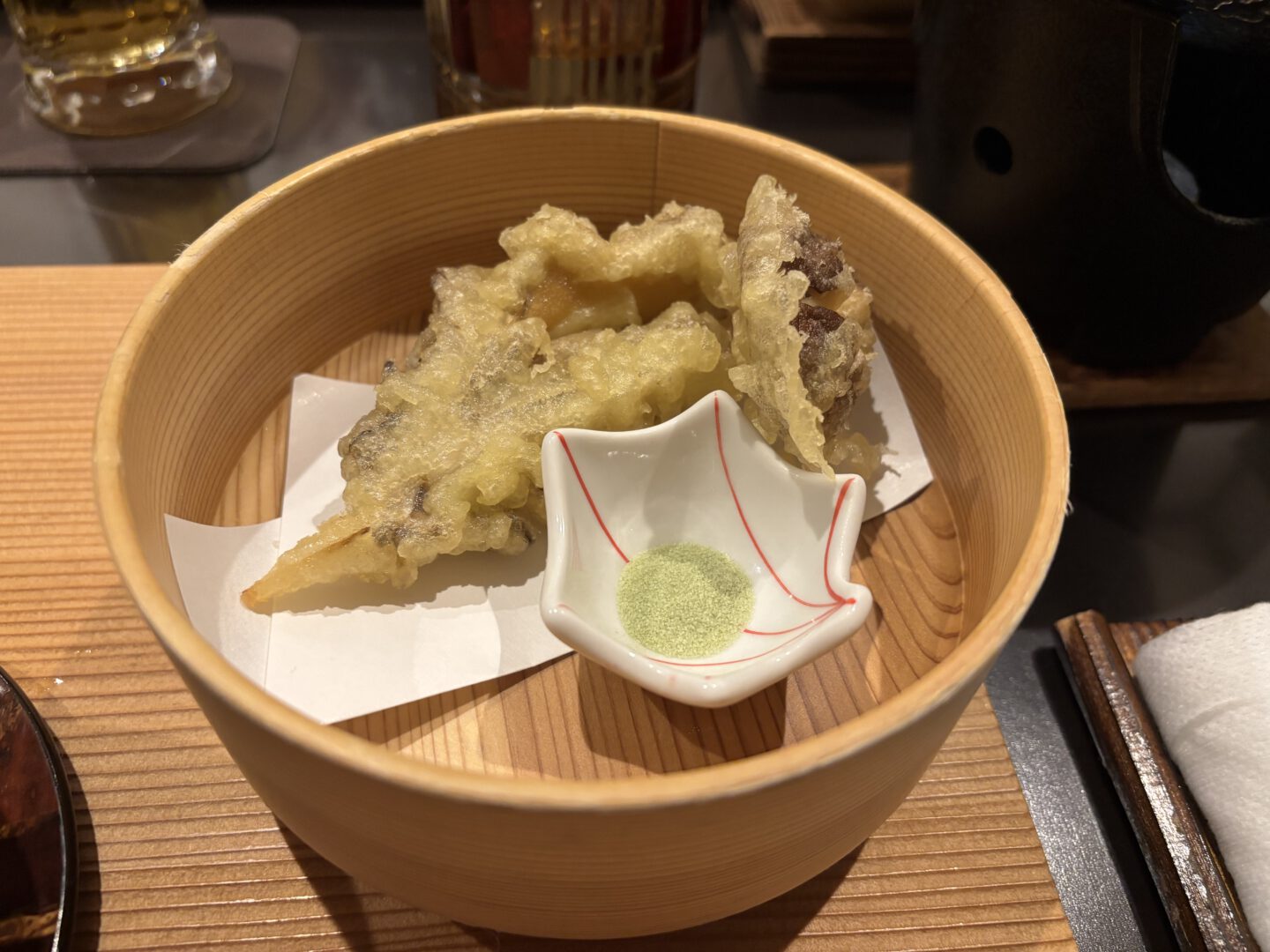
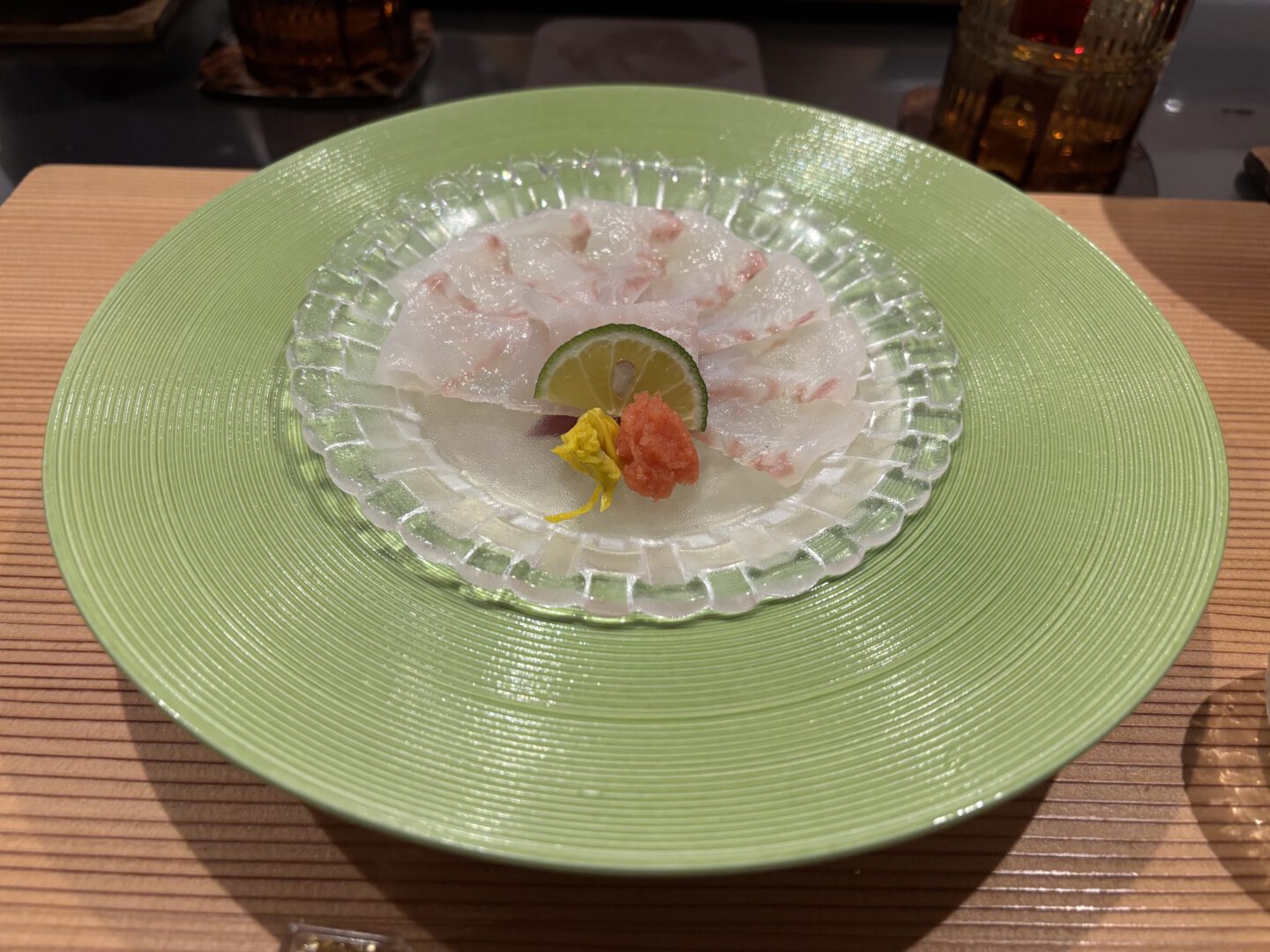
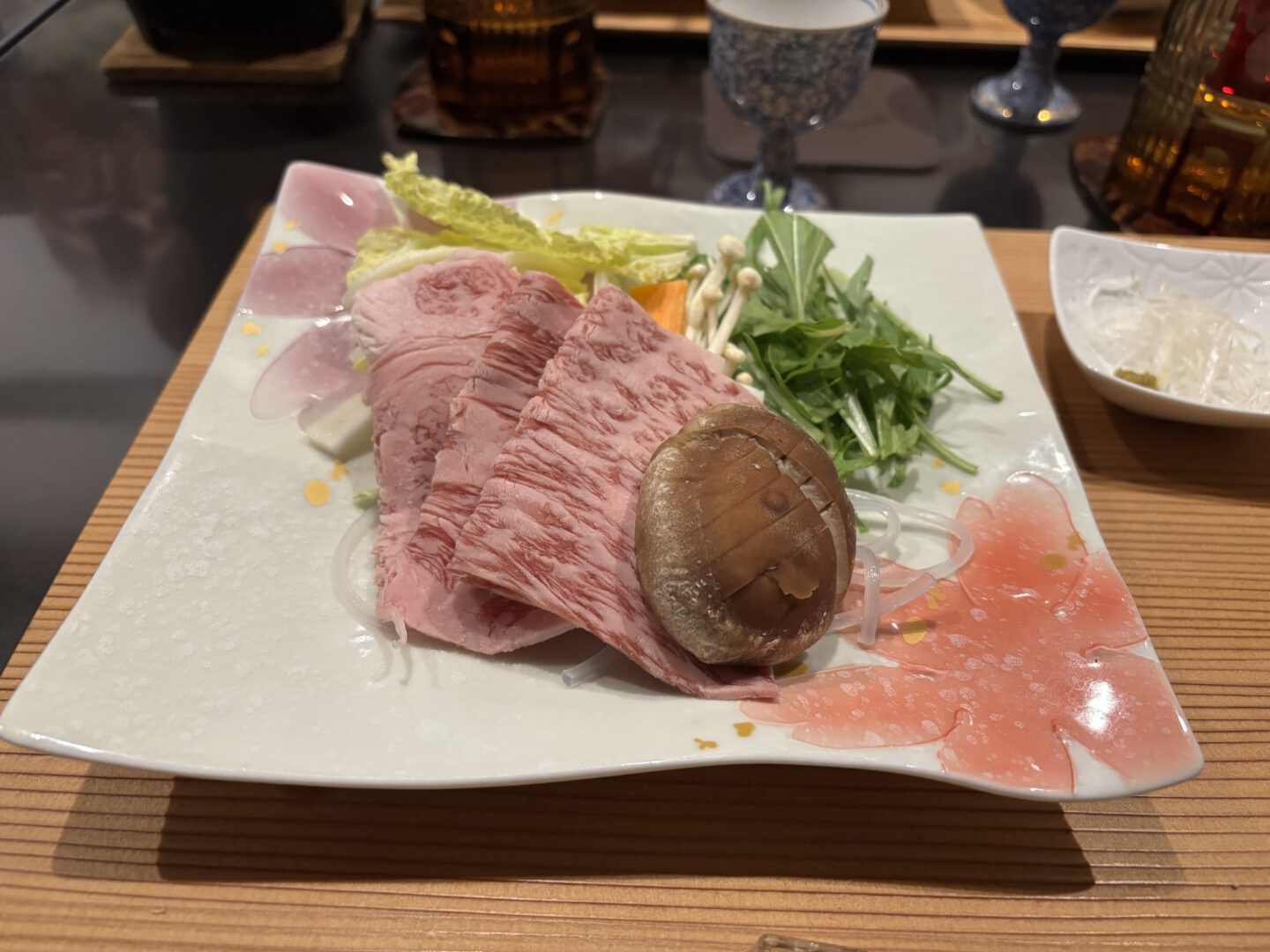
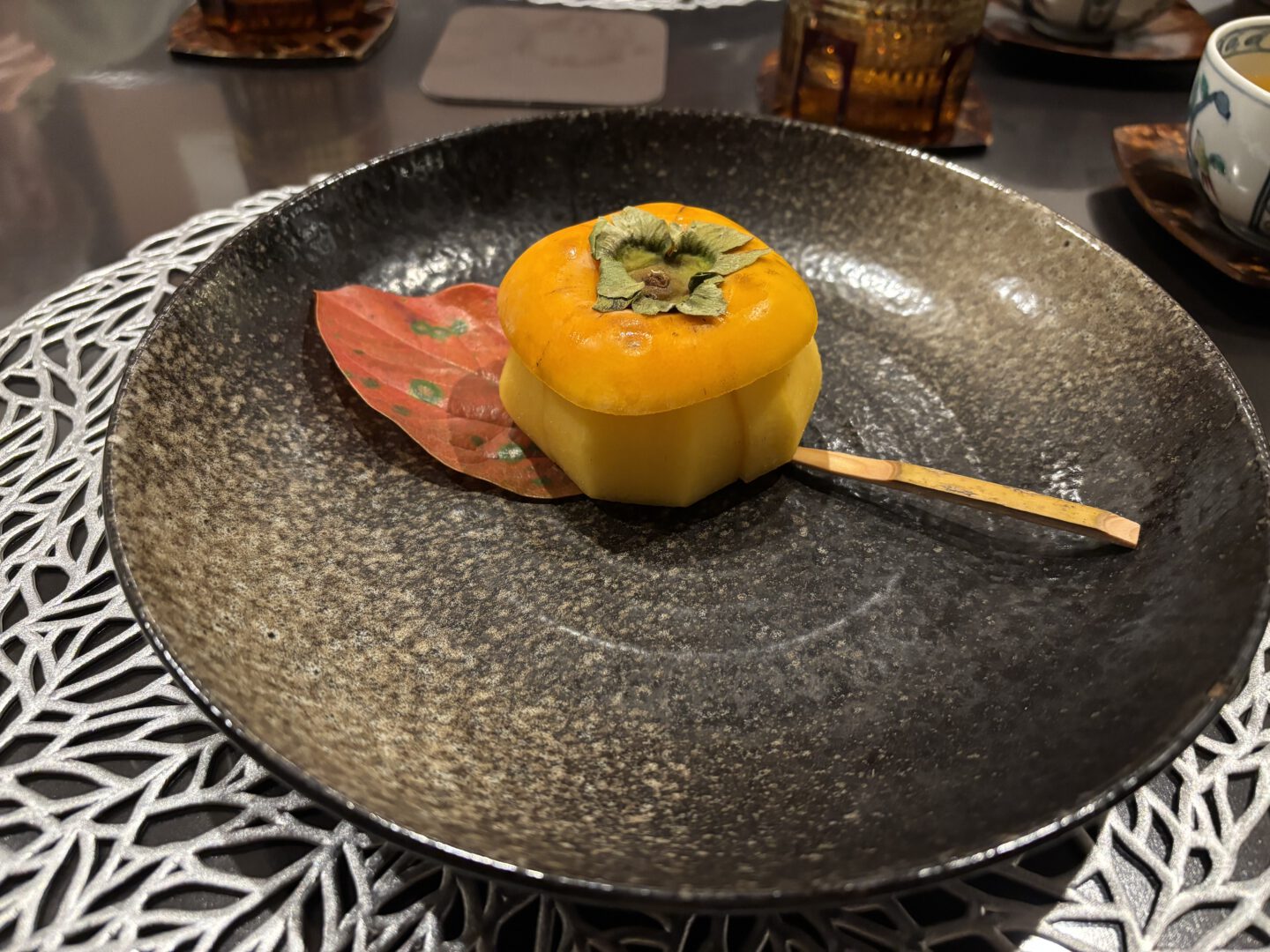
After dinner, we returned to the baths once more. With the bathing areas switched, we could explore a new section. The outdoor mixed bath next to the waterfall stood out in particular. Another outdoor bath faced directly into the forest, giving the impression that wildlife could appear at any moment.
Later that evening, we played cards, and the boys finally taught me how to play Jass, the Swiss card game.
Breakfast the next morning included many varied dishes. One arrived wrapped in straw, hiding a portion of natto inside. We also grilled our own fish at the table.
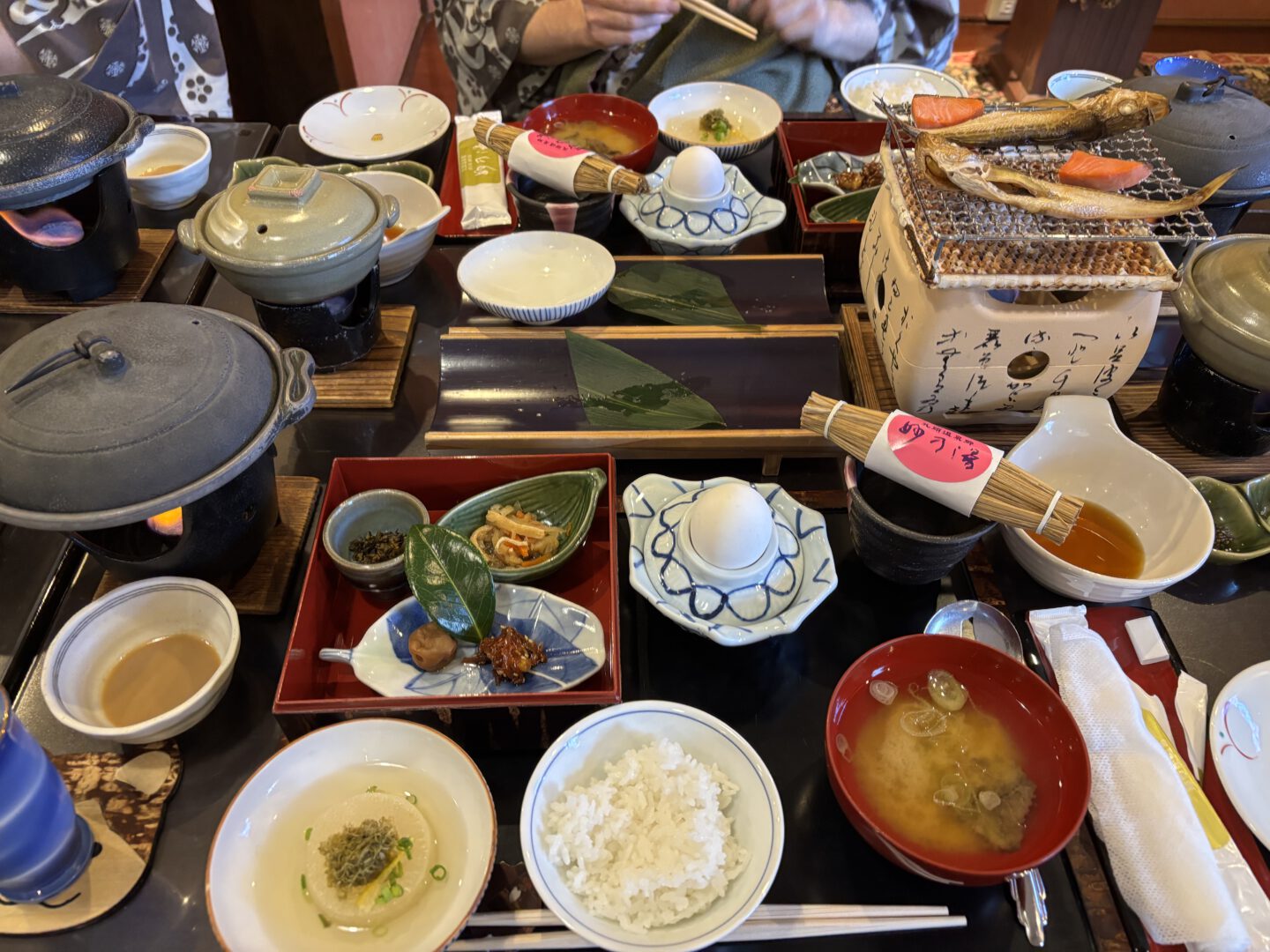
Tae no Yu is just one of several ryokan in the Nyuto Onsen area. Since it is possible to visit others as a day guest, we wanted to visit Tsuru no Yu, the most famous one, after failing to secure a reservation for a stay.
Tsuru no Yu dates back to the 17th century. According to legend, it was discovered when a traveler saw a crane healing its wounds in the hot water, which is how it got its name. Once reserved for the feudal lord of Akita, it is now open to the public, though overnight stays are difficult to book and must be arranged by phone.
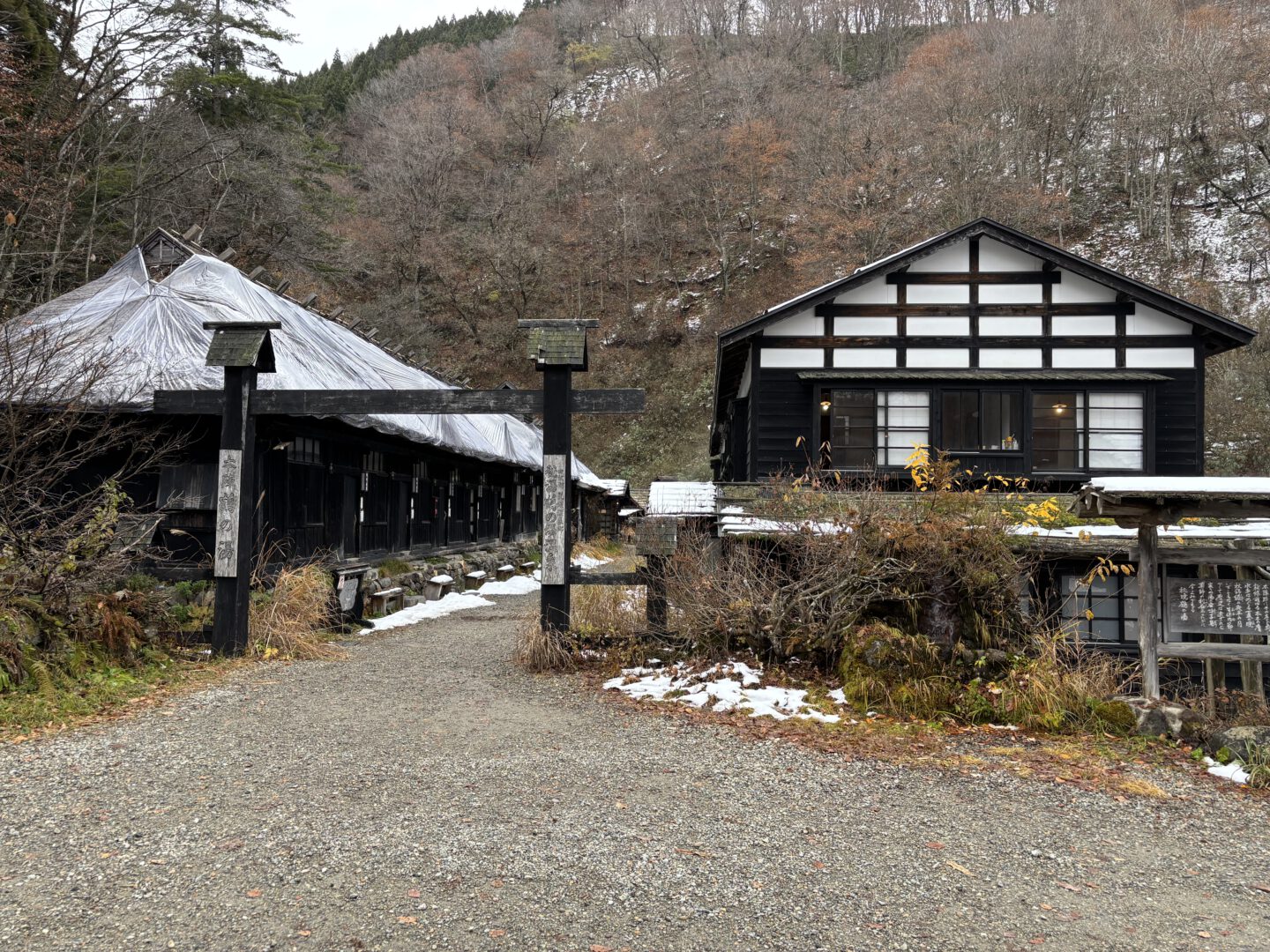
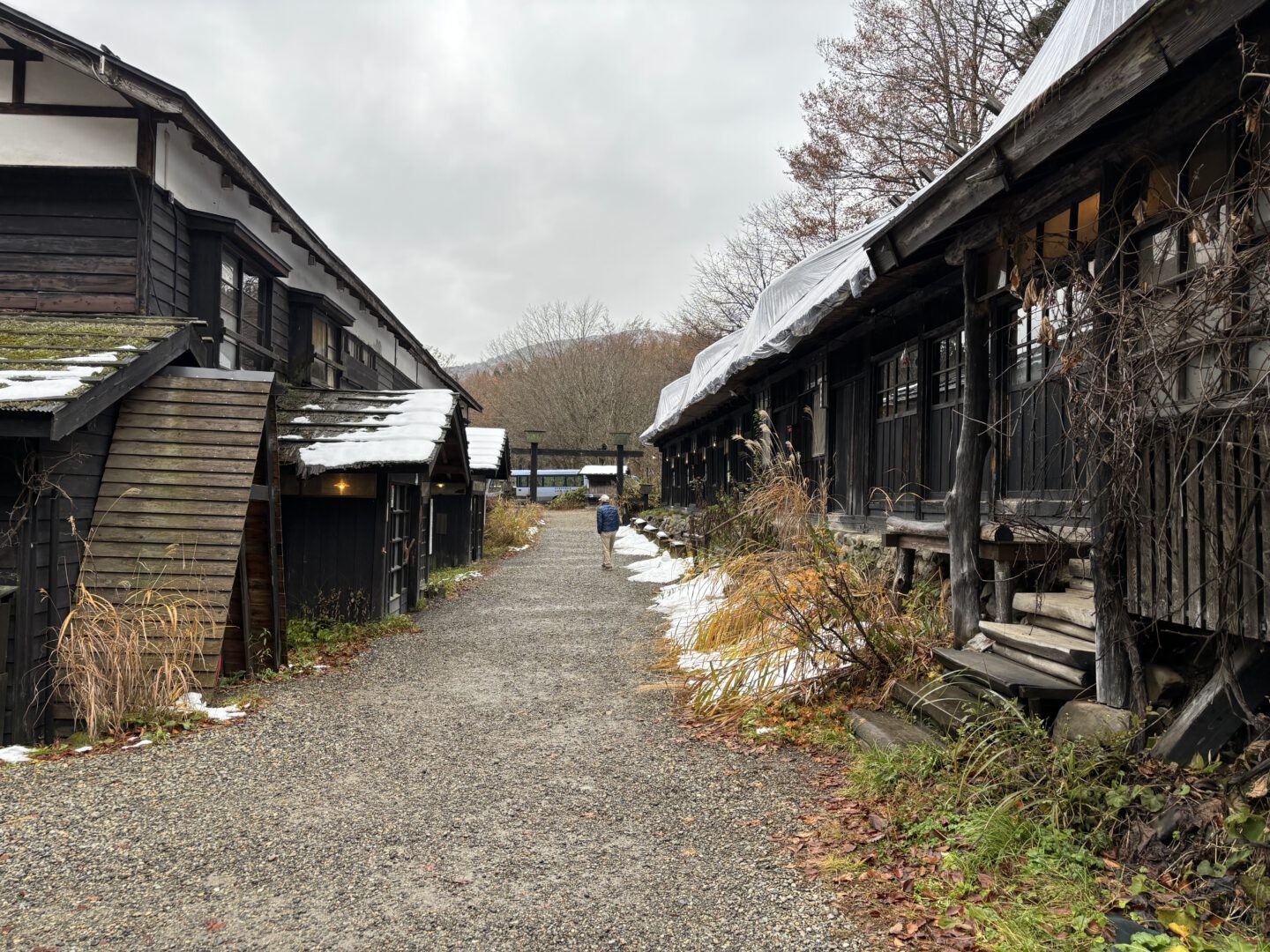
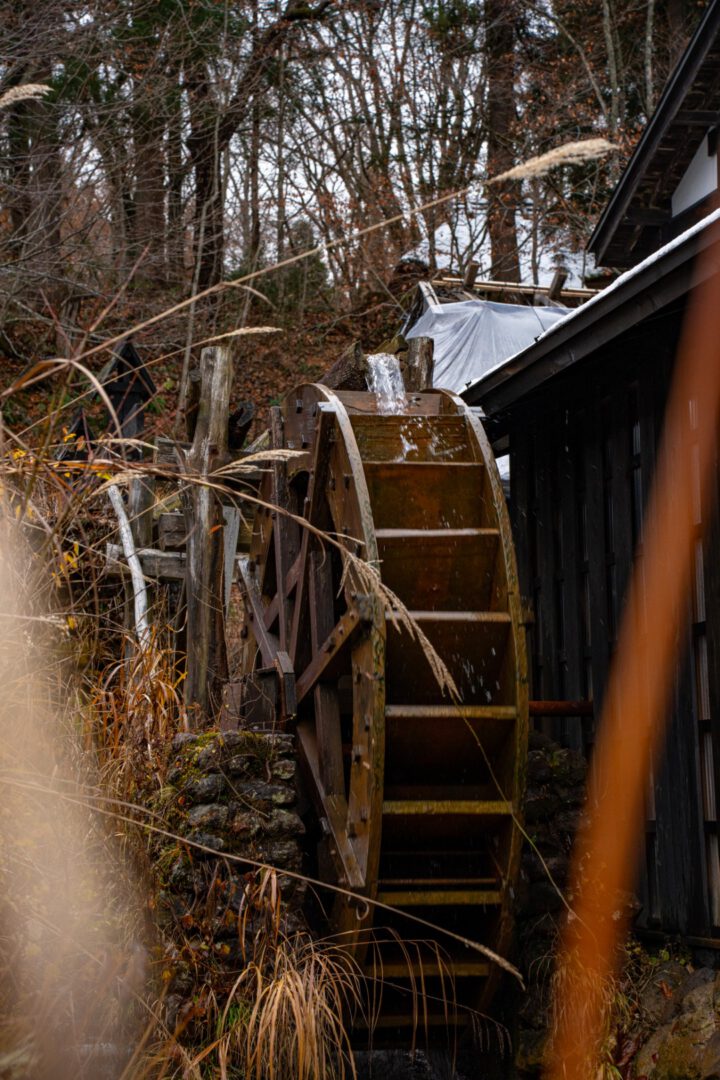
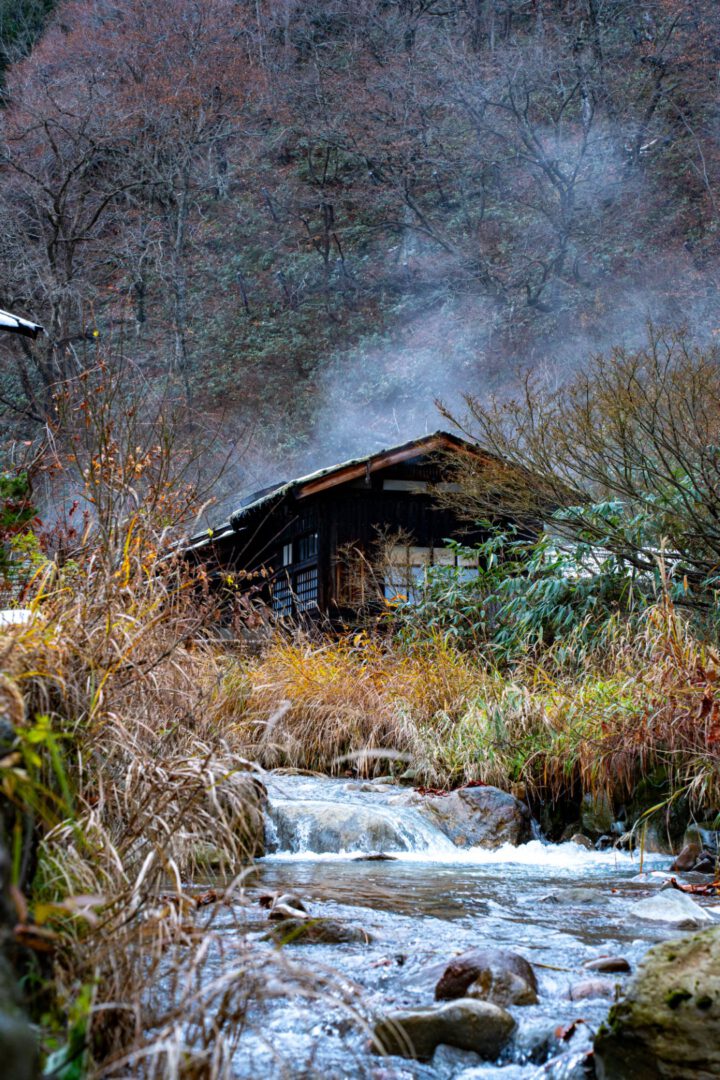
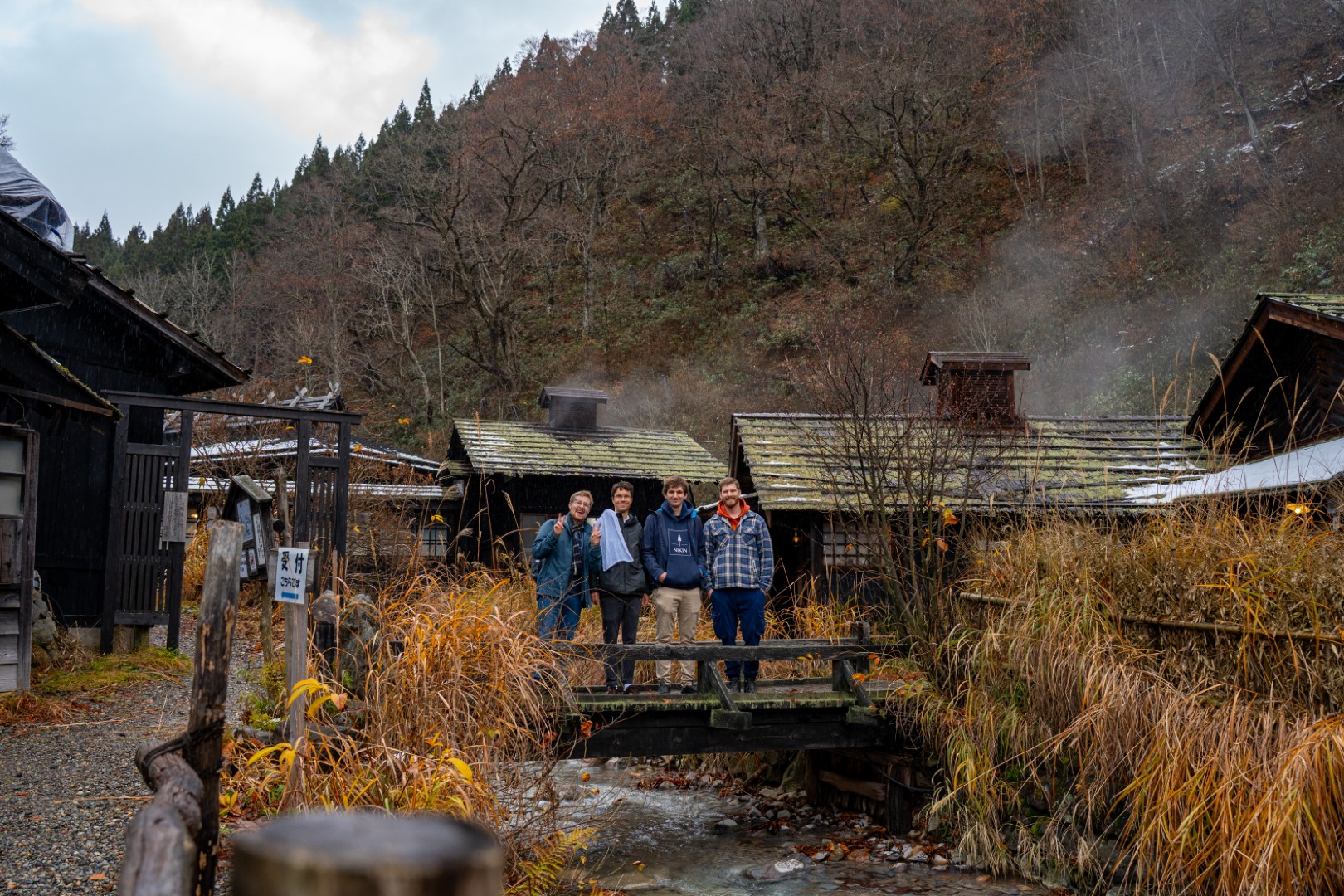
It is exceedingly difficult to access the site without a car, although they offer pickups by their bus for staying guests. Because Tsuru no Yu is quite separated from the other onsen in this area, we had to first drive down for half an hour before we could then enter a different valley. The road leading there was rough and unpaved, and upon arrival it felt like stepping back in time.
Instead of one large modern building, the site consists of several small wooden structures lining a narrow path, similar to how it would have looked during the Edo period. It was cold, and the changing rooms were very basic, with no showers. We rinsed ourselves with hot water before entering the bath. A mix of Japanese visitors and foreign guests were already soaking.
While we were relaxing in the water enjoying the moment, a middle-aged Japanese man entered the bath and sat down nearby. His back was covered by a large dragon tattoo, which drew attention, especially given the usual rules around tattoos at traditional onsen. You could feel the temperature of the water dropping as everybody became quiet. Nothing happened though, and after some time we quietly left the bath. Everybody just wants to take a hot bath in winter.
Back in the car, we drove on toward Kakunodate, still in Akita. As the rain returned, we prepared ourselves for indoor plans and hoped for better weather ahead.
Entdecke mehr von Tabimonogatari - 旅物語
Melde dich für ein Abonnement an, um die neuesten Beiträge per E-Mail zu erhalten.