I am writing this in the dimly lit lobby of Hoshinoya Oirase Keiryū, sitting near the fireplace with a glass of local apple cider. Outside, trees in yellow autumn colors are softly lit. We are staying here for two nights to explore Oirase Gorge and Lake Towada in the south of Aomori Prefecture.
We left Aomori City at noon after parting with Shuta. One planned stop along the way was the Hakkōda mountain range. The name refers to eight volcanic peaks formed through repeated eruptions over the past few hundred thousand years. Our original plan was to use the ropeway to climb the mountain, but when we arrived we learned that it was closed for maintenance.
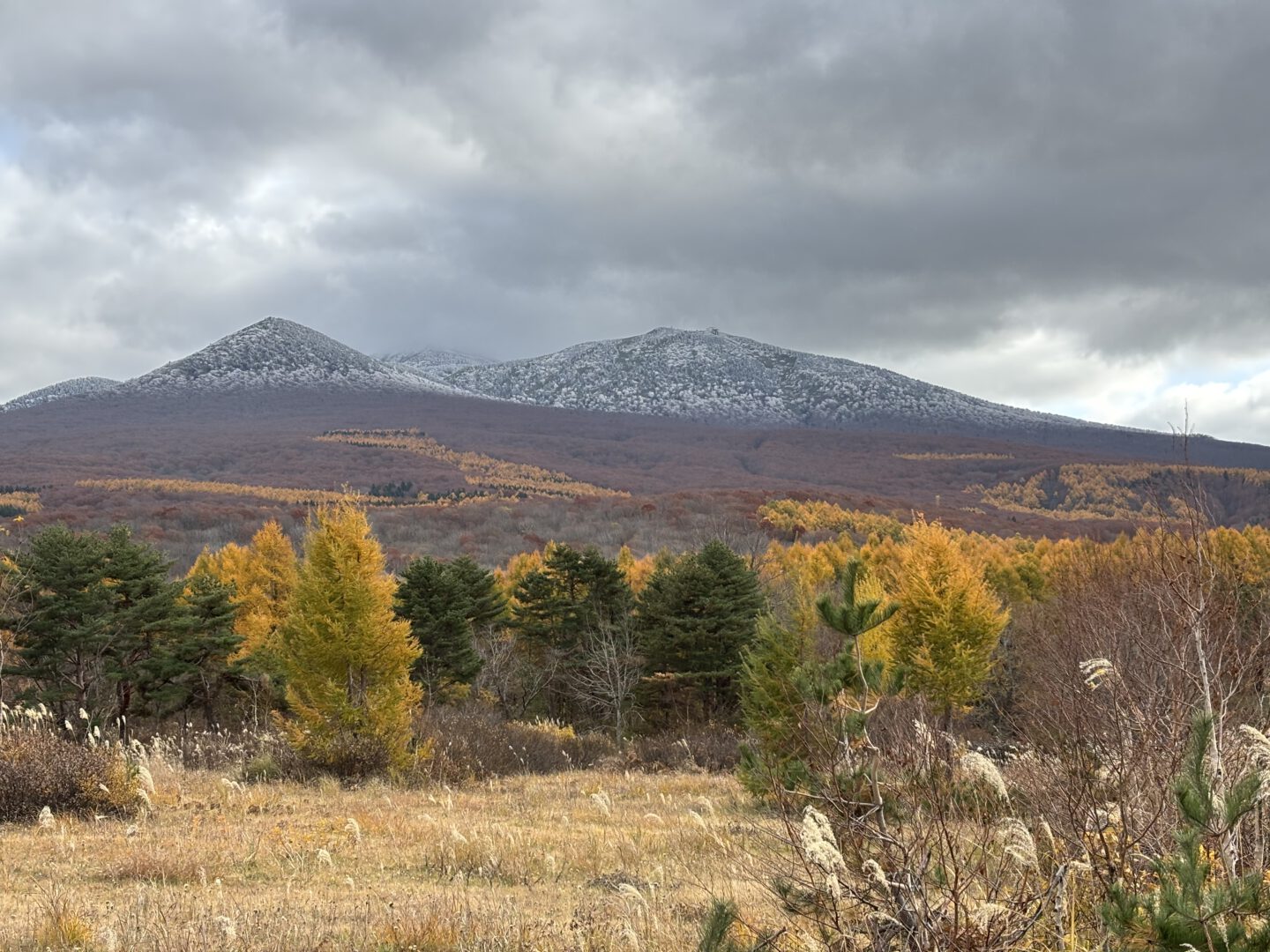
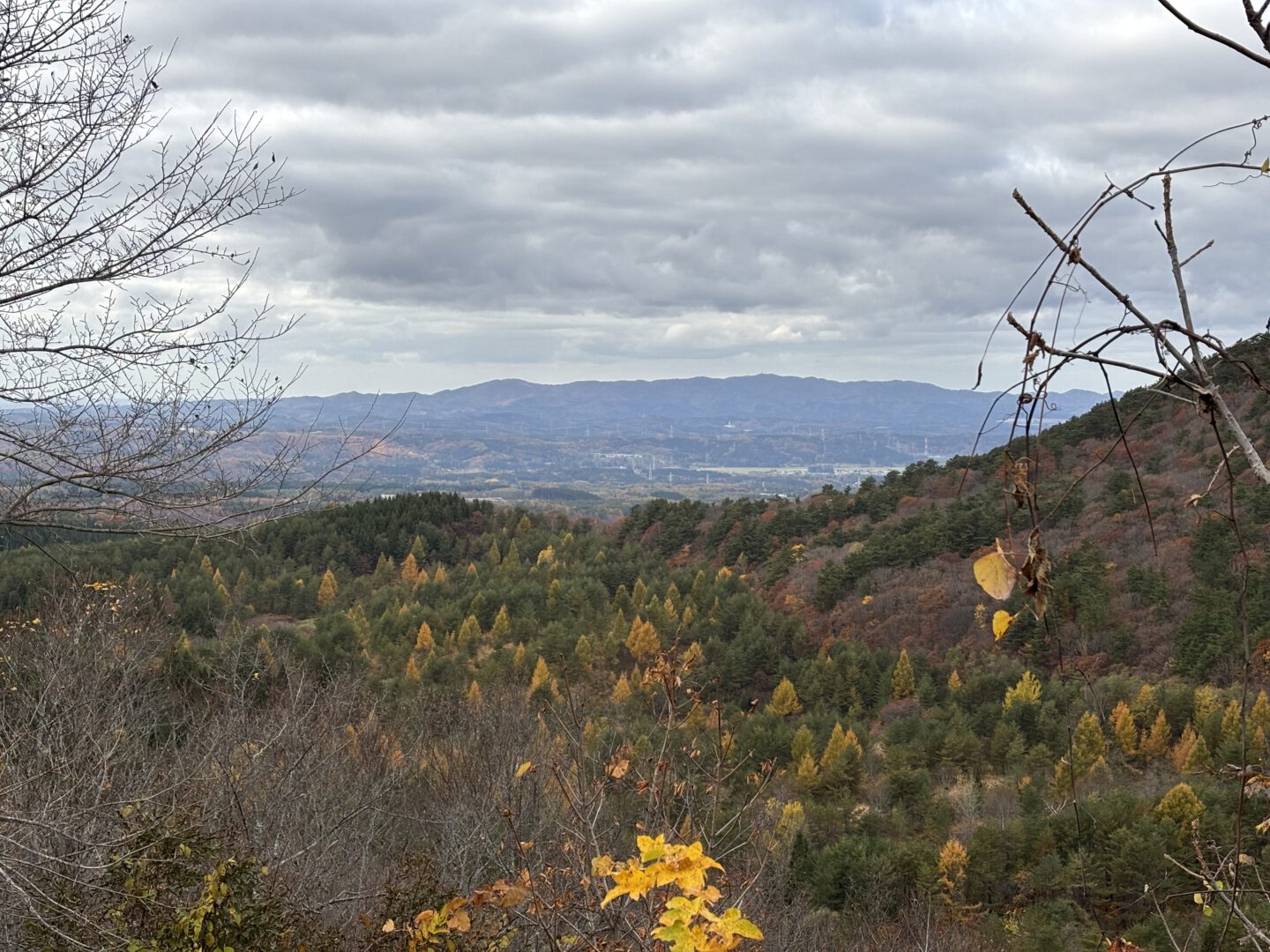
Spontaneous but capable as we are, and with the experience of Swiss mountaineering, we found another way up to the mountain. A short drive brought us to a parking area next to the Sukayu Information Center. From here, a hiking trail starts at Yakushi Shrine Trailhead (薬師神社登山口) and leads toward Ōdake-san, the highest peak in the range.
The trailhead sits directly next to Sukayu Onsen Ryokan, one of the most well-known hot spring inns in northern Japan. Sukayu is famous for its large bathing hall and long history as a place for rest after mountain travel. I had considered visiting it as a day trip and had read strong recommendations in guidebooks. Because we were staying nearby at Hoshinoya Oirase Keiryū, we decided not to go this time.
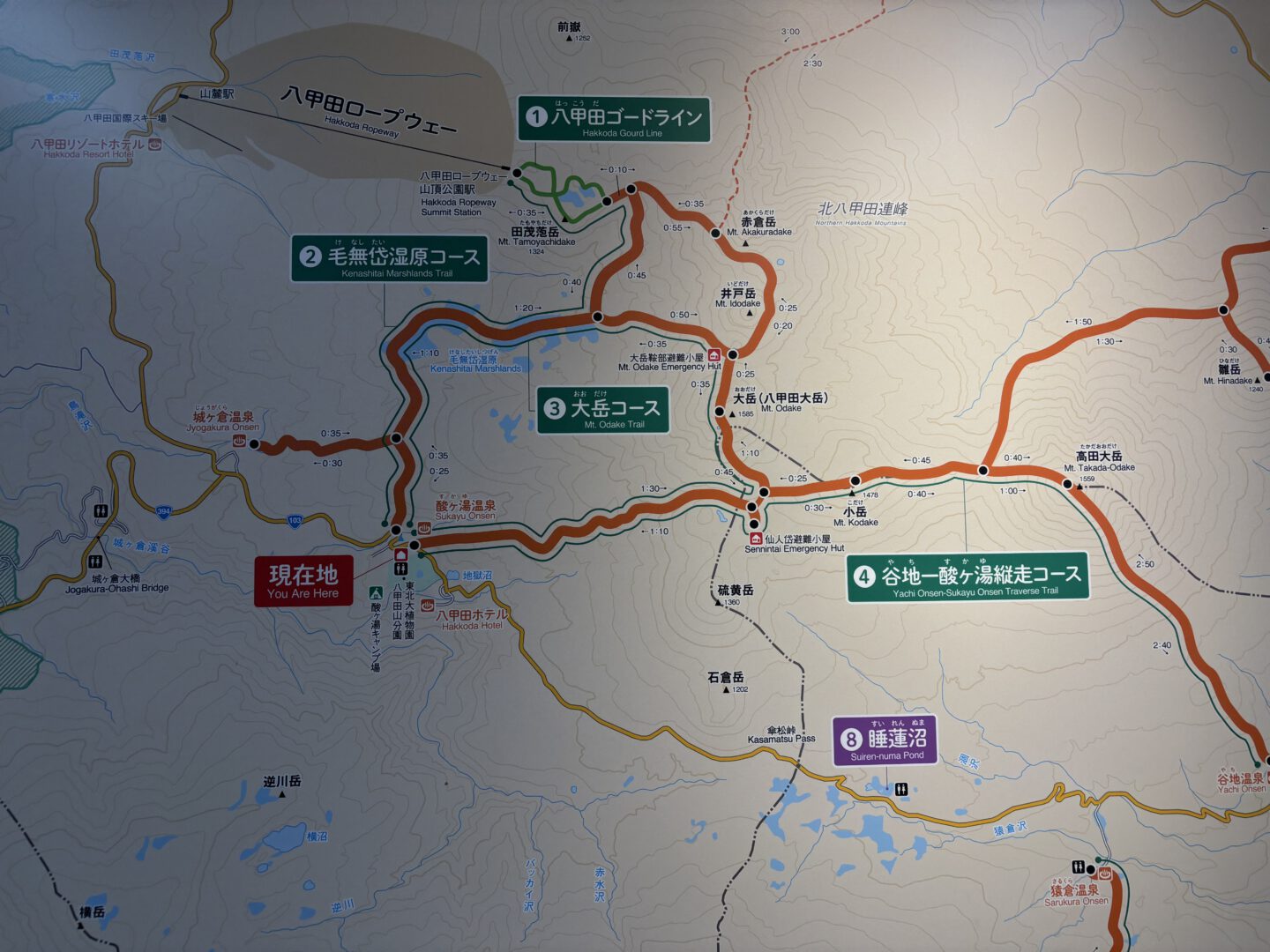
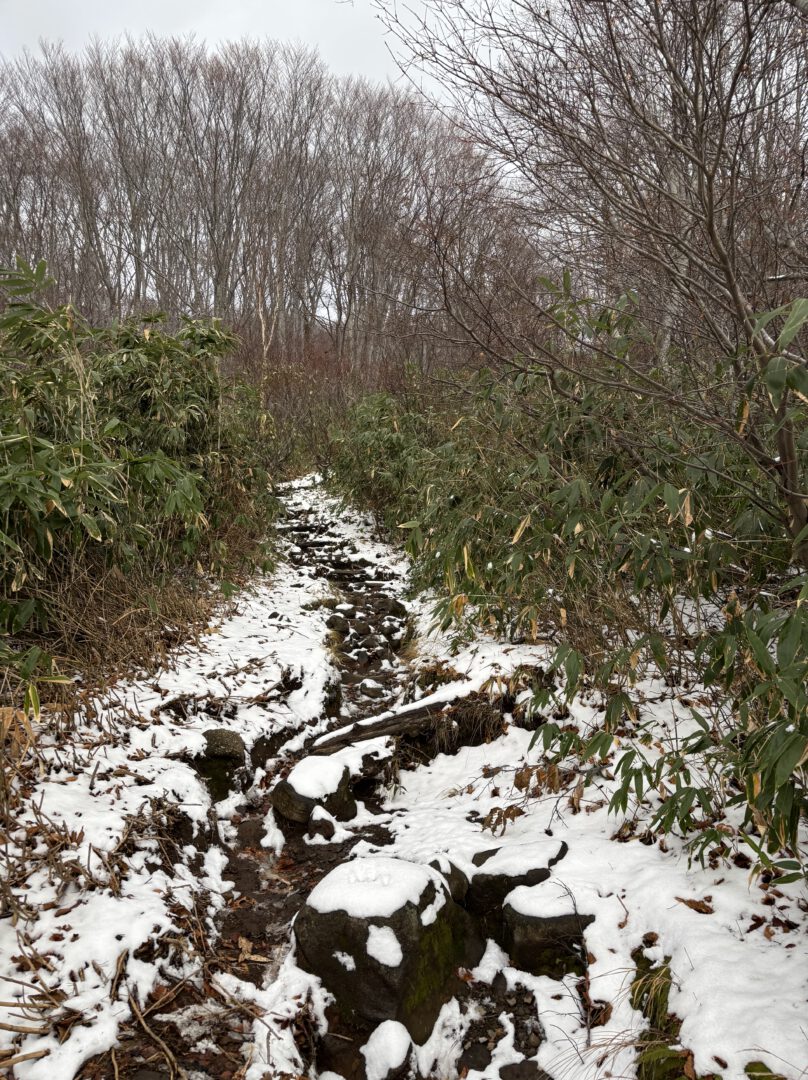
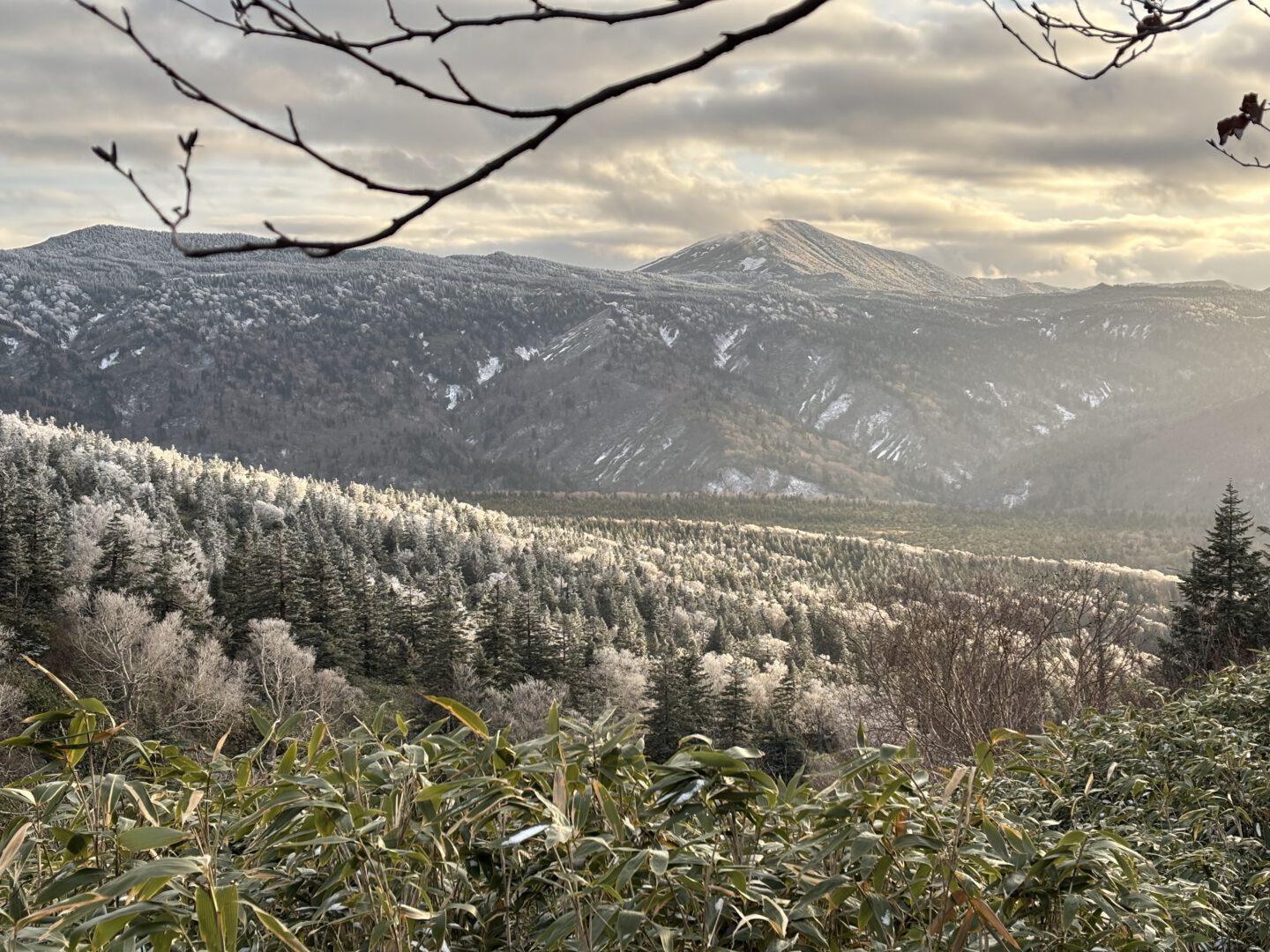
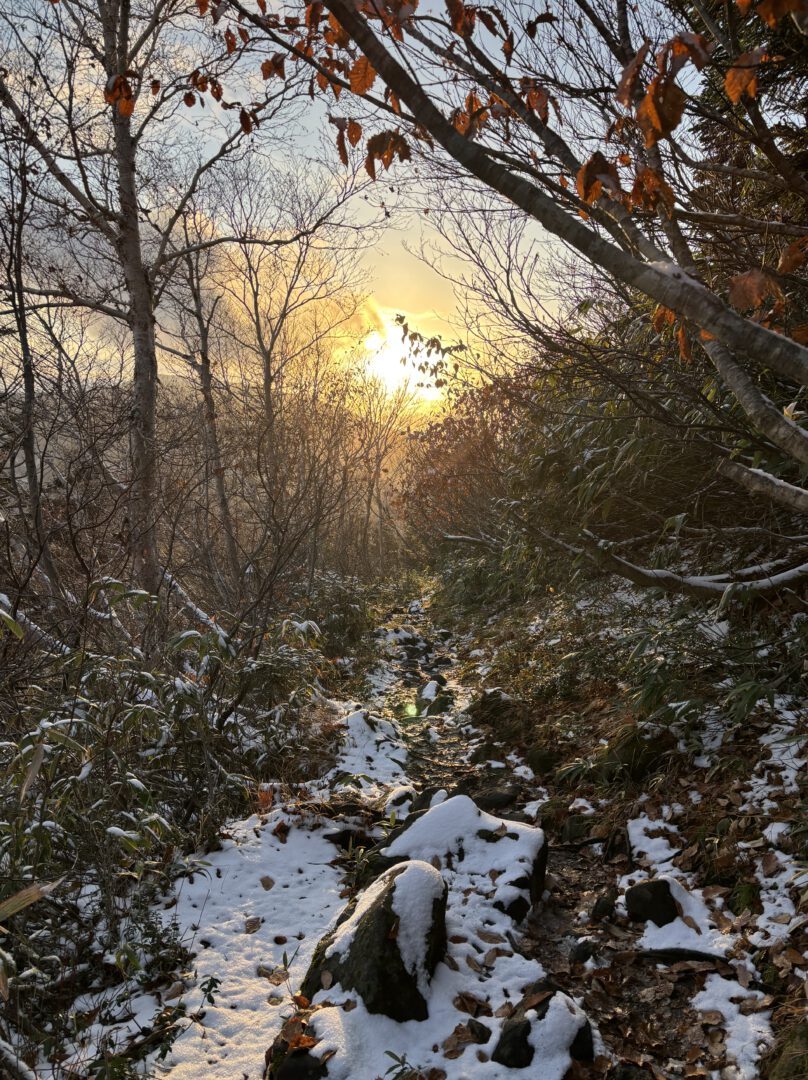
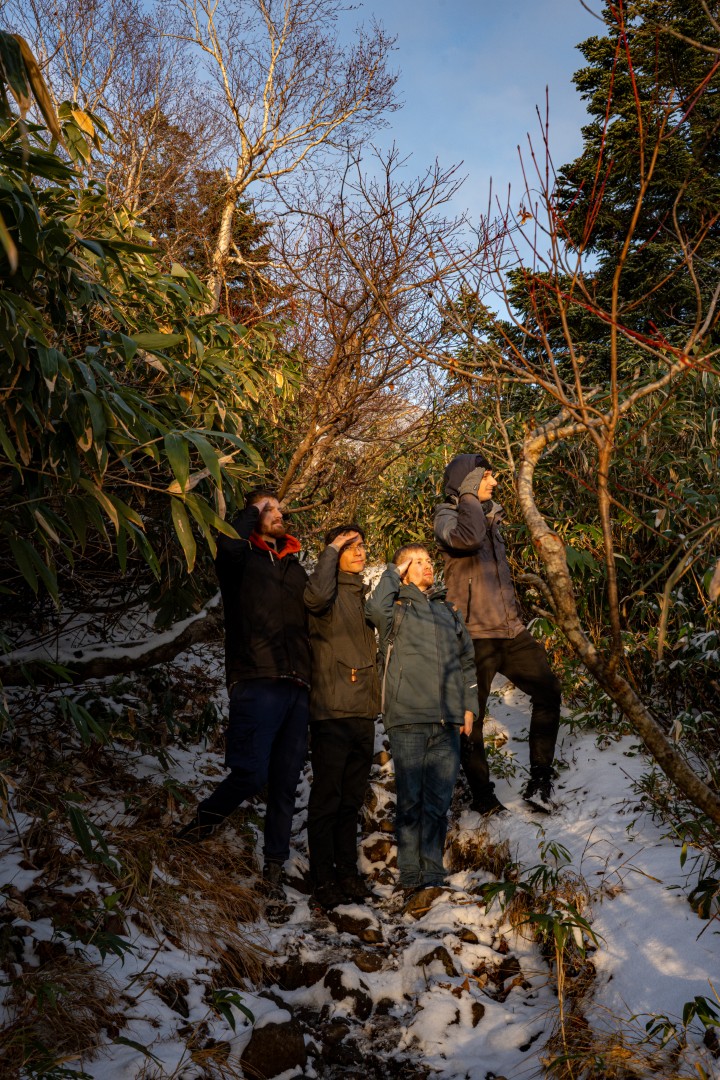
With hiking boots already in the car (they were necessary) and enough daylight left, we decided to head up. The trail began muddy and covered with fallen leaves. As we gained elevation, conditions changed quickly. Wet ground turned into snow, and the forest opened into a wide, winter-like landscape. We crossed a mountain stream several times, and higher up, the smell of sulfur became noticeable, a reminder of the volcanic ground below.
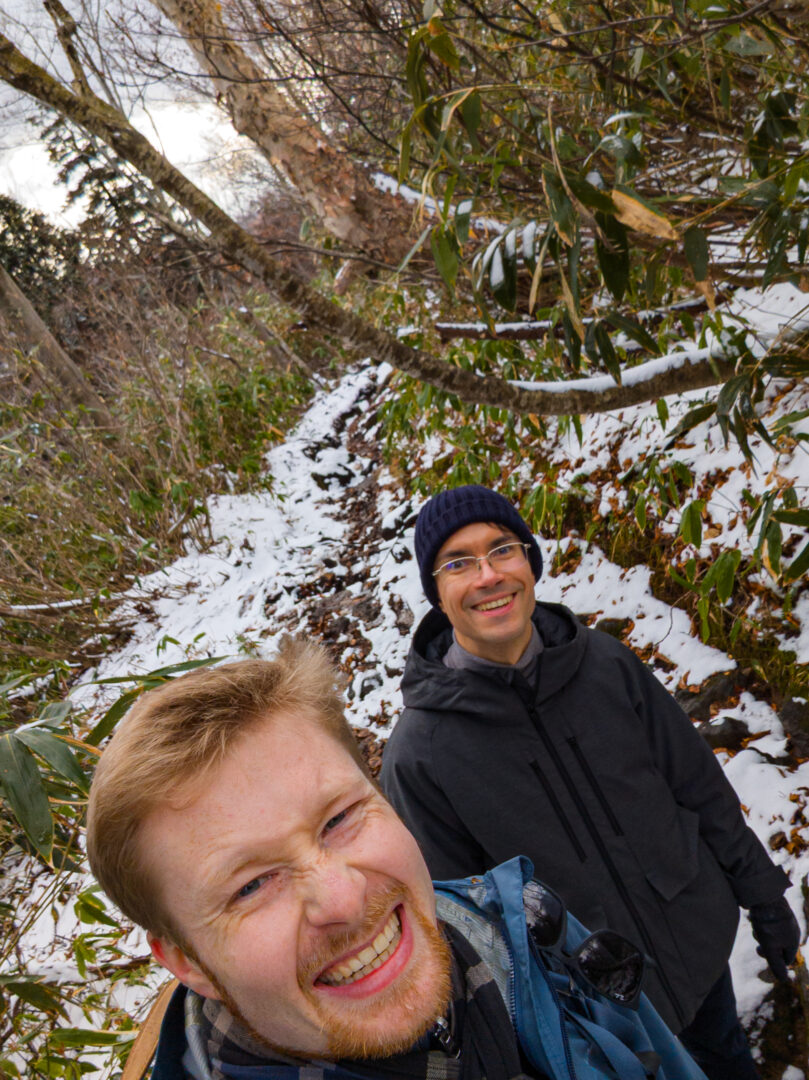
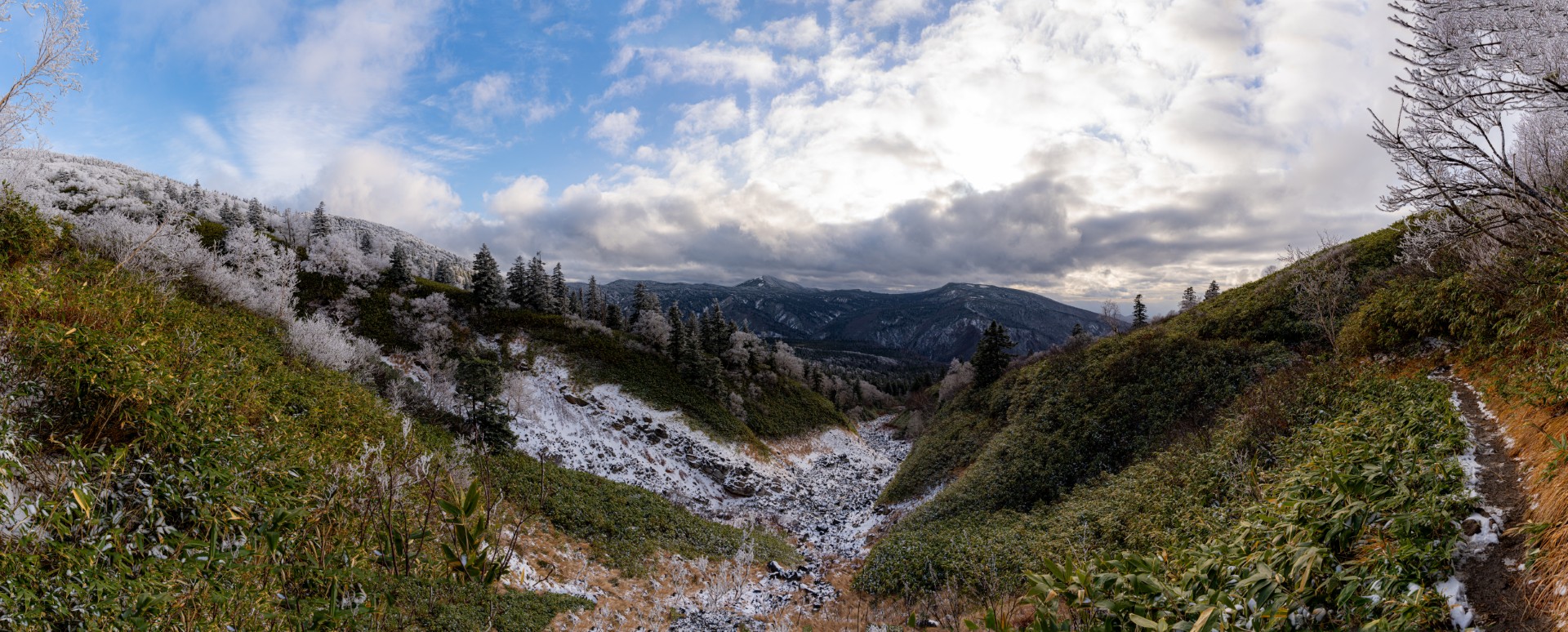
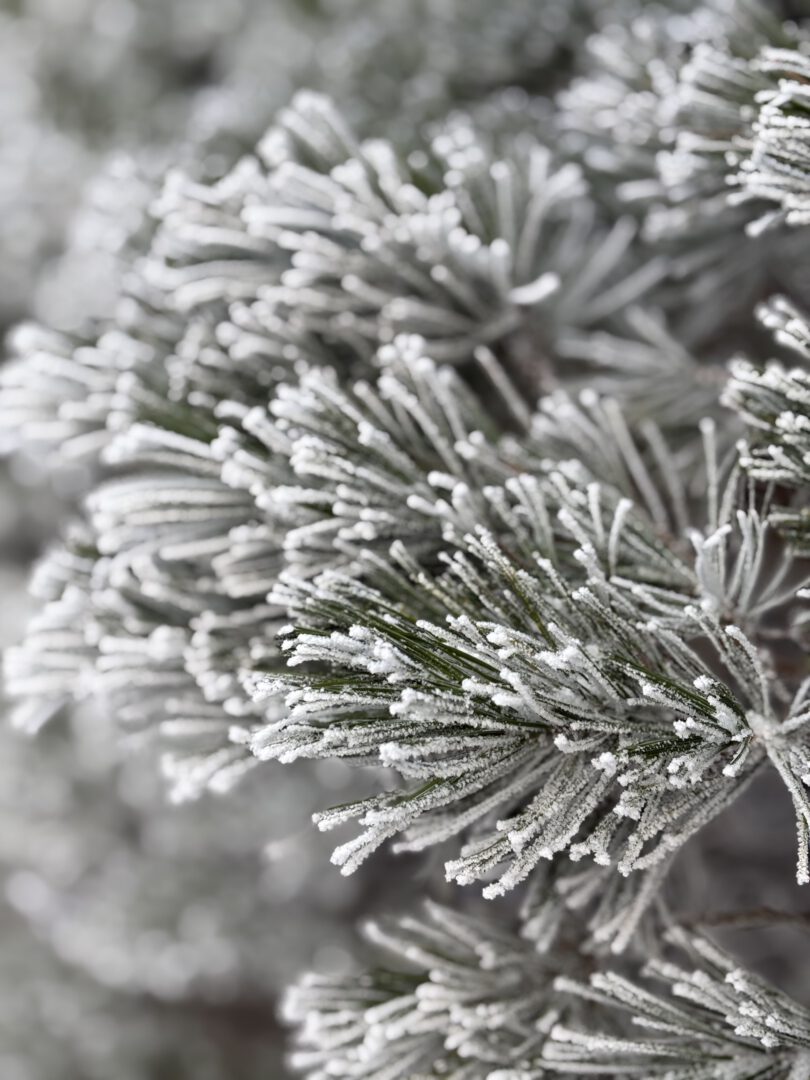
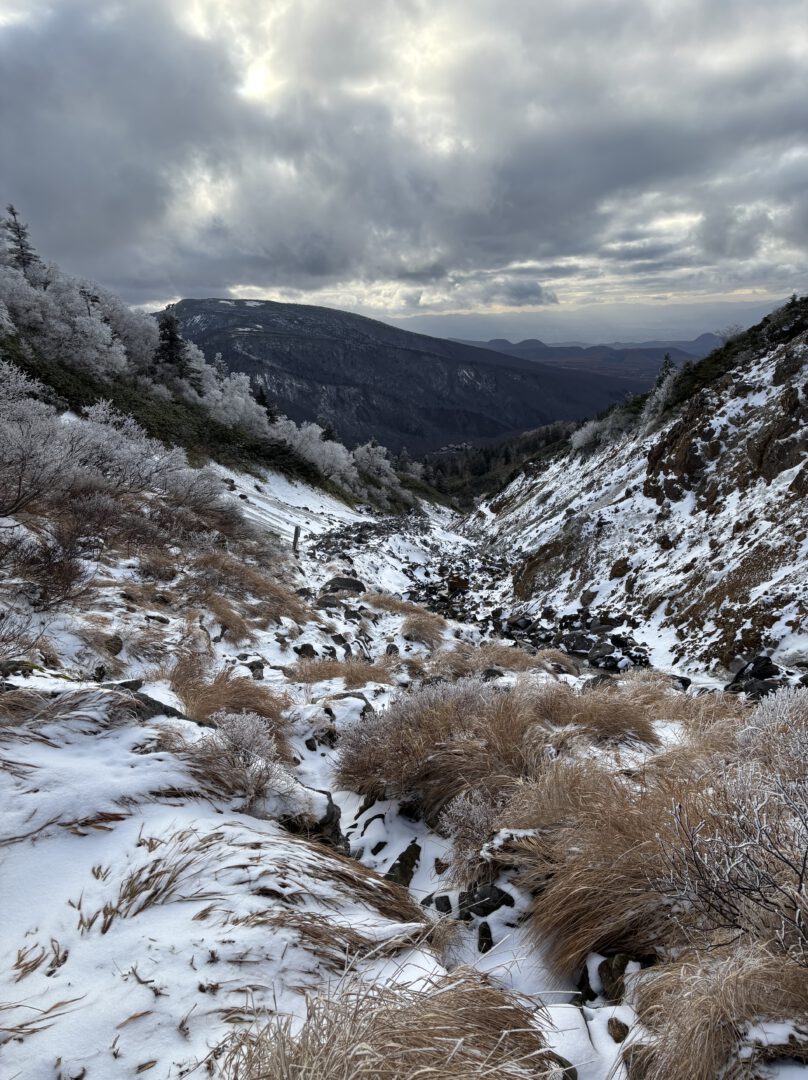
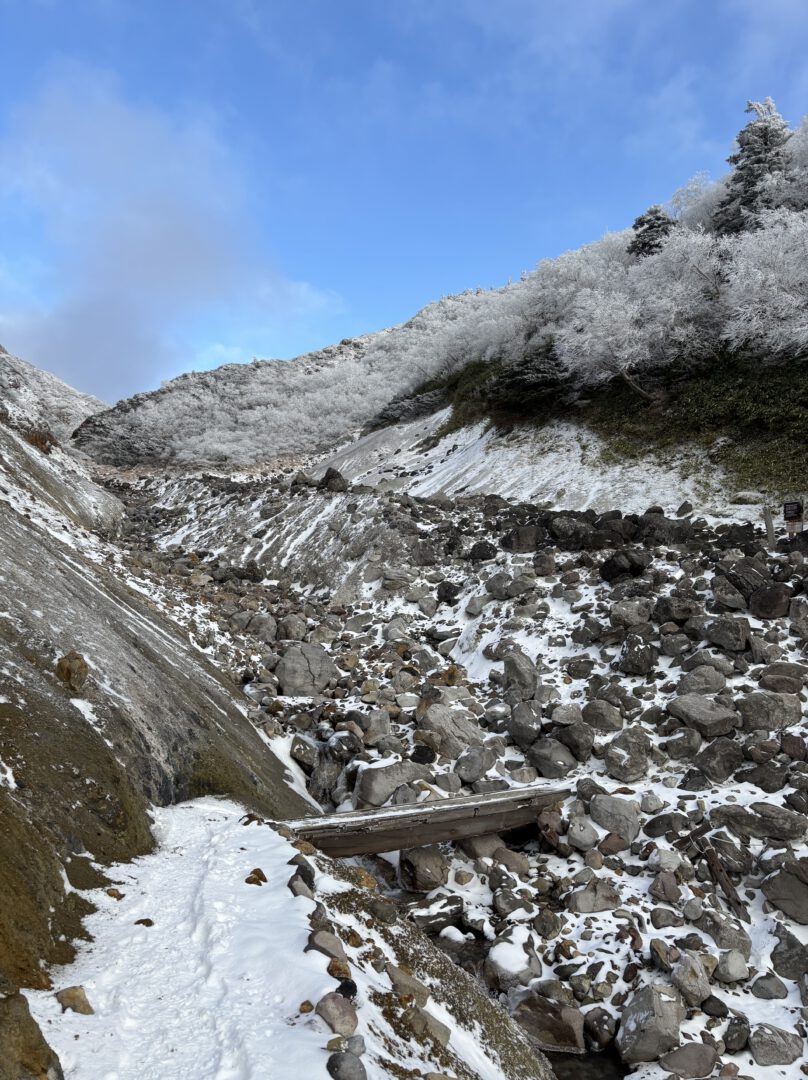
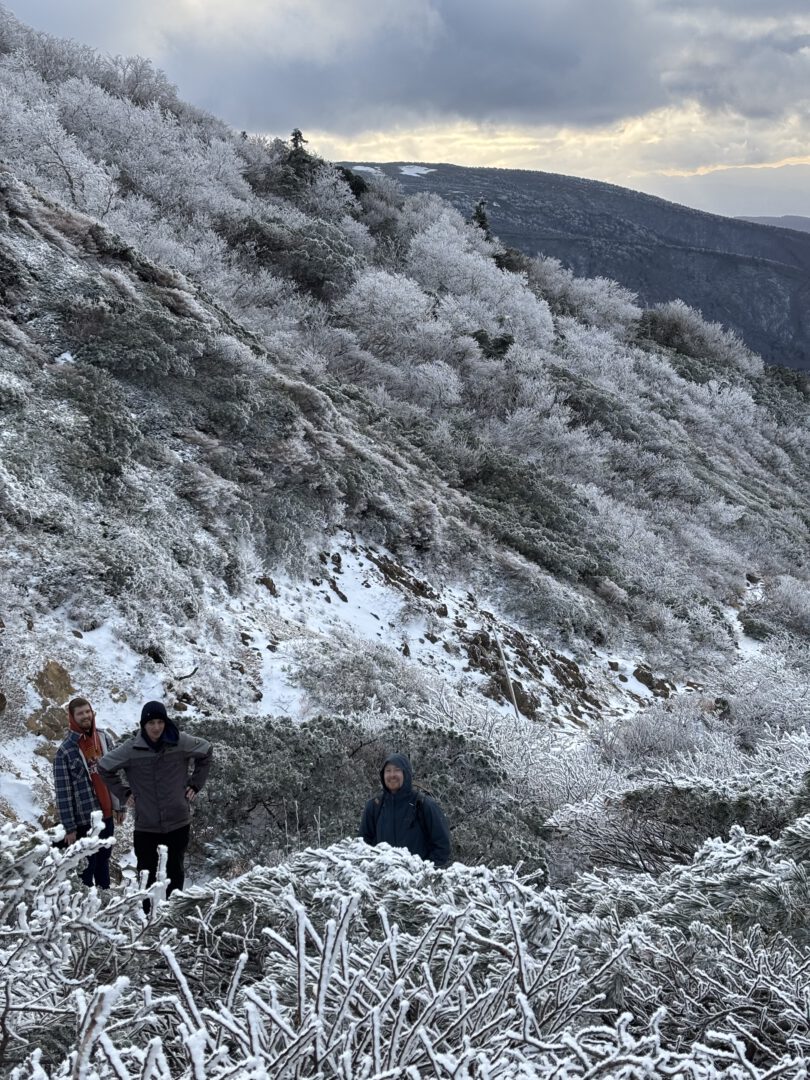
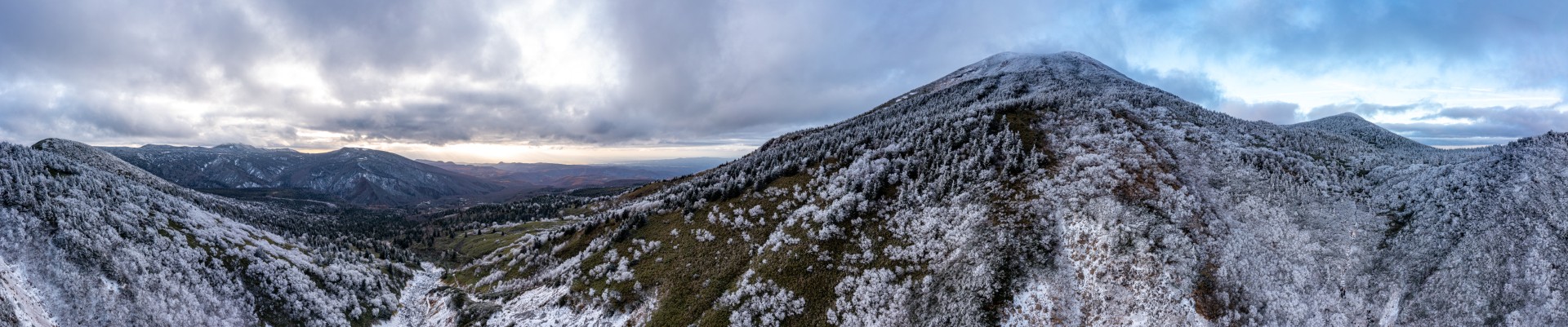
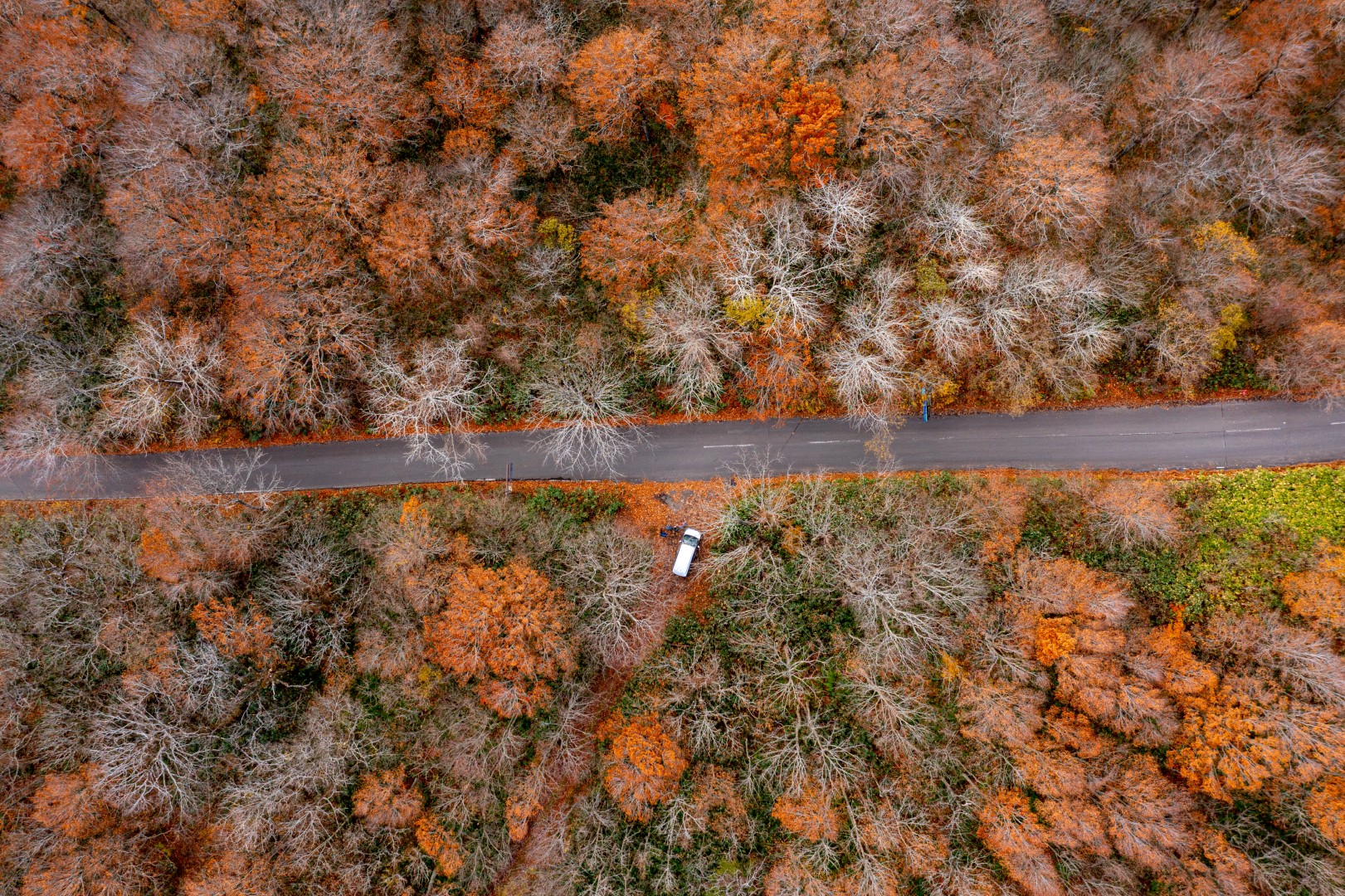
As the sun moved lower, we kept track of time, knowing we needed to return before dark. We did not reach the summit, but before heading down, Nick took out the drone for a short flight. From above, the scale of the mountain area became clearer than it ever does from the trail. With daylight fading, we turned back and returned to the car. In total, we spent around three hours on the trail.
By early evening, we arrived at our hotel Hoshinoya Oirase Keiryū. I have been wanting to stay here for multiple years already because of its beautiful ambience. At the entrance, an outdoor fireplace was already lit, and the area was busy with arriving guests. We had to wait briefly to check in, another sign of how popular the hotel was during autumn. The process itself was smooth, and communication was easy, as the reception staff spoke fluent English.
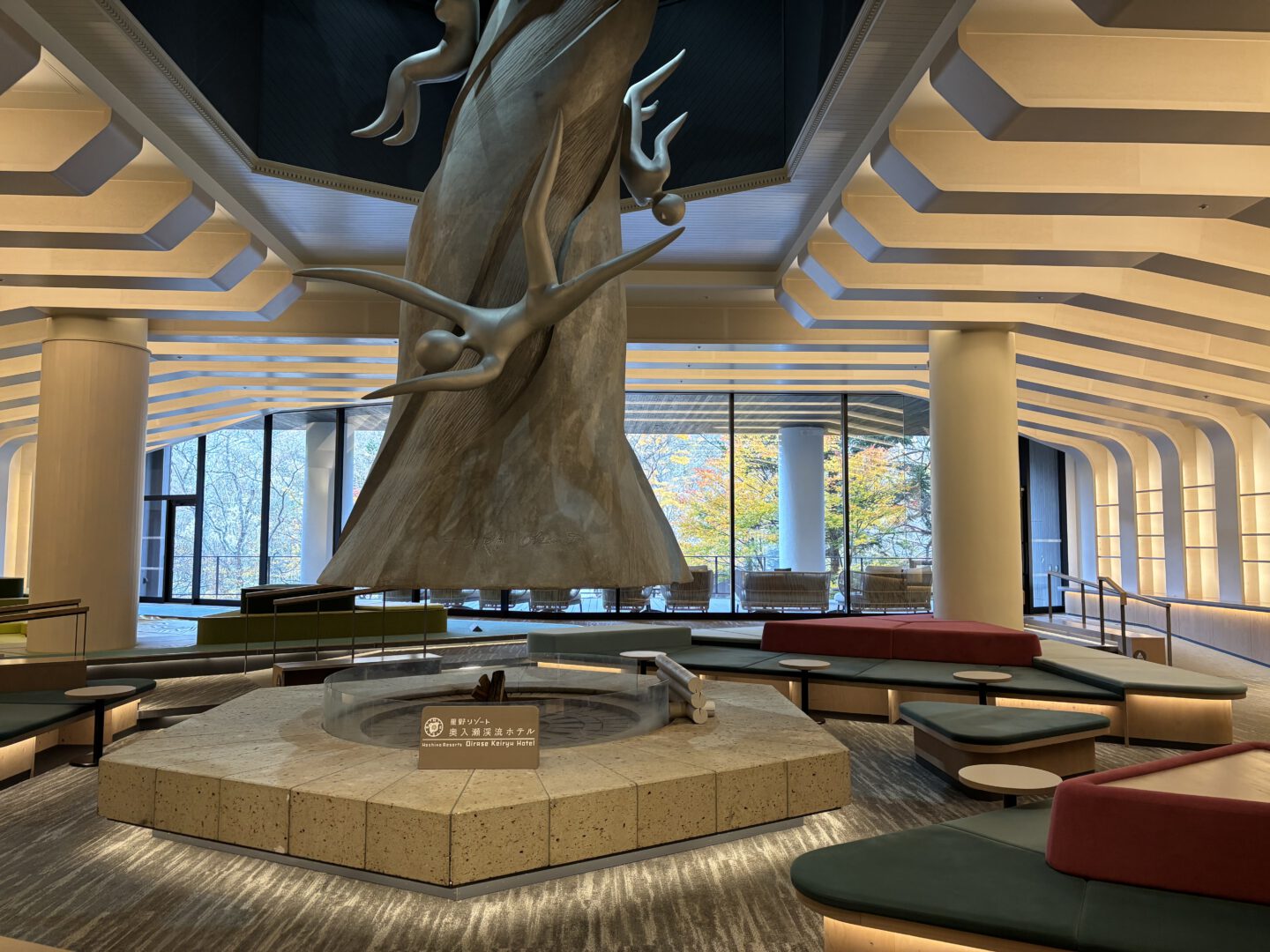
After check-in, we walked to the main lobby, centered around a large indoor fireplace. Several welcome drinks were offered, including apple cider and a smoky beer (not to everyone’s taste). This was a well deserved moment of relaxation after the hike.
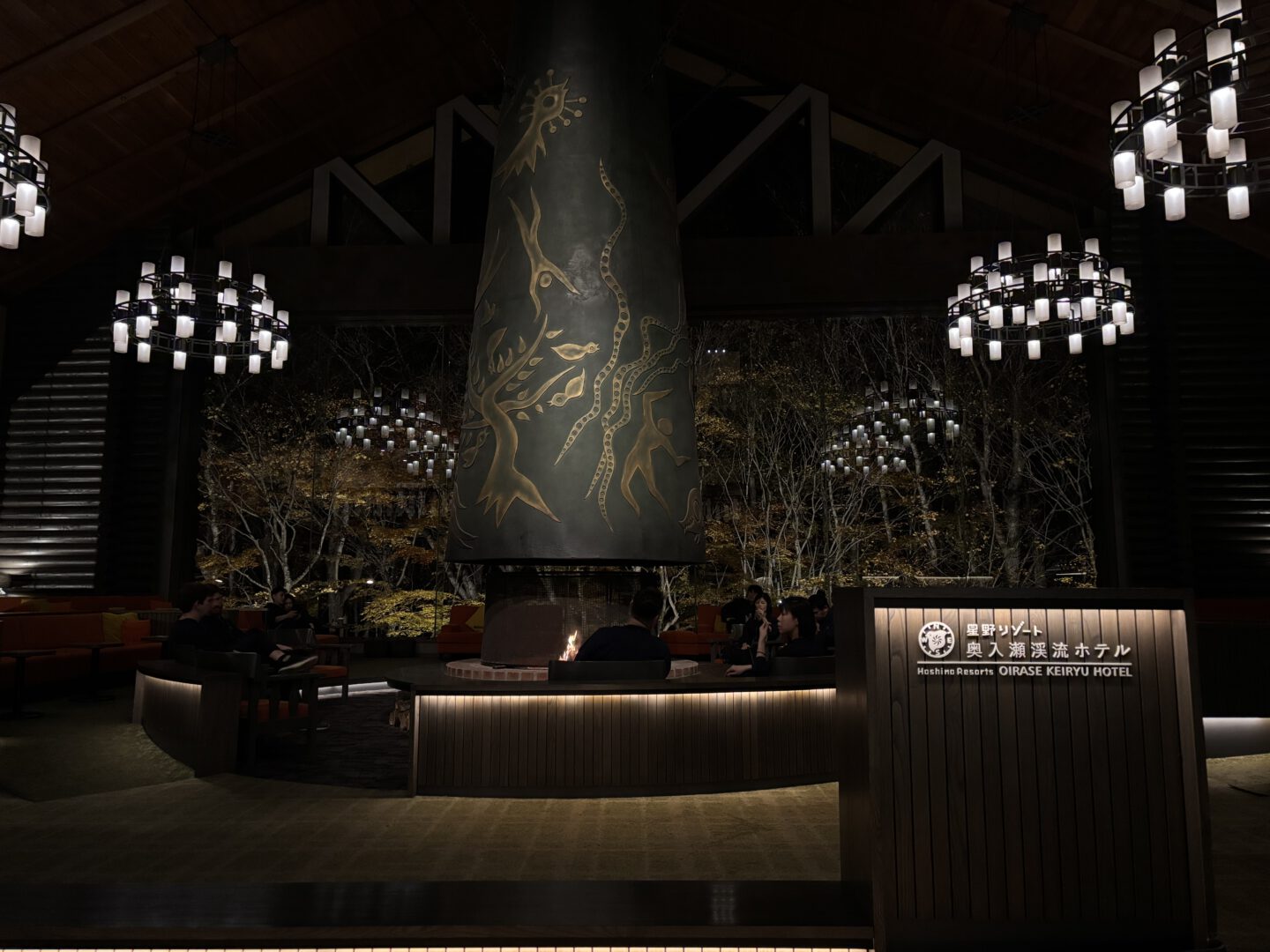
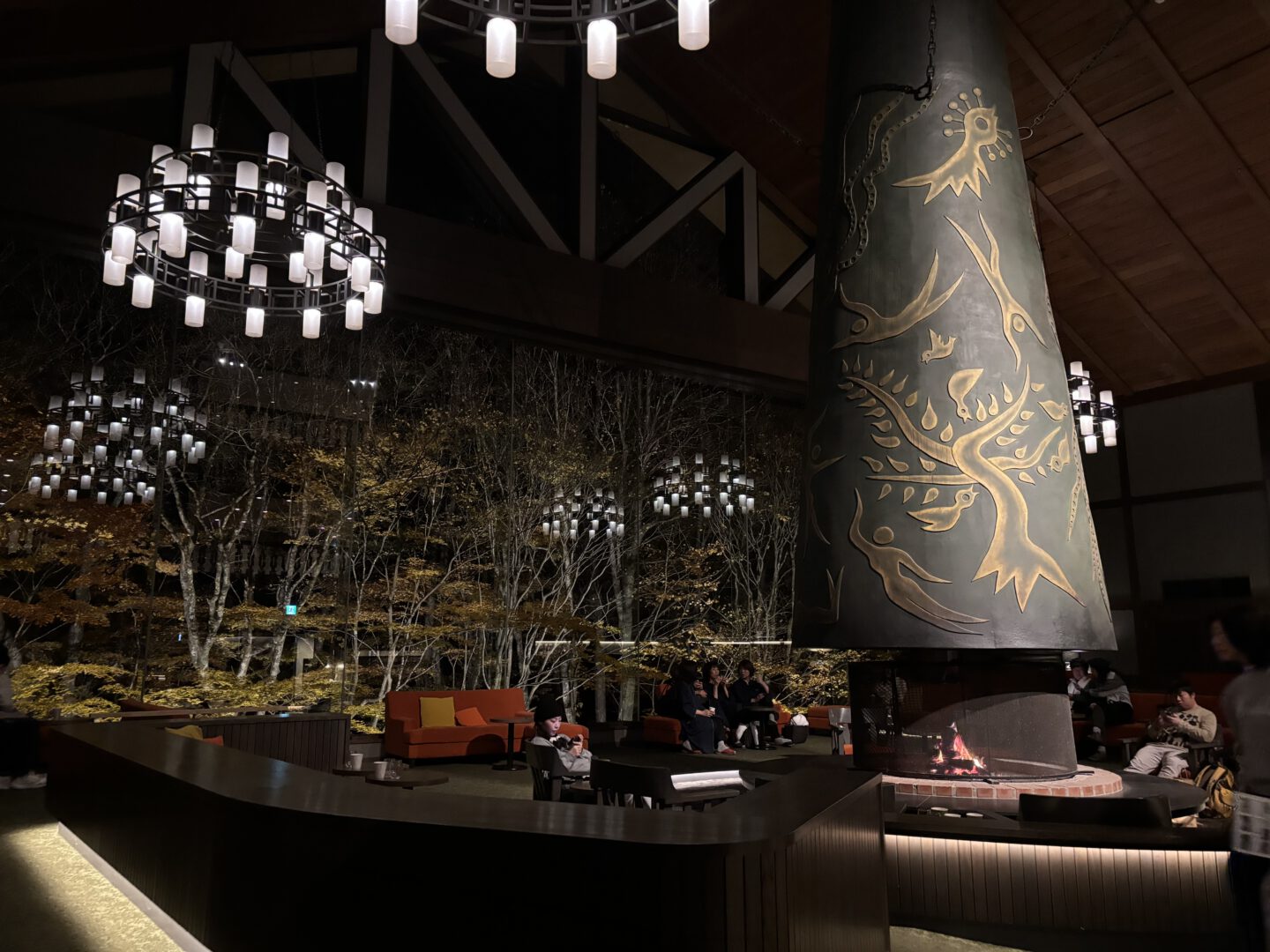
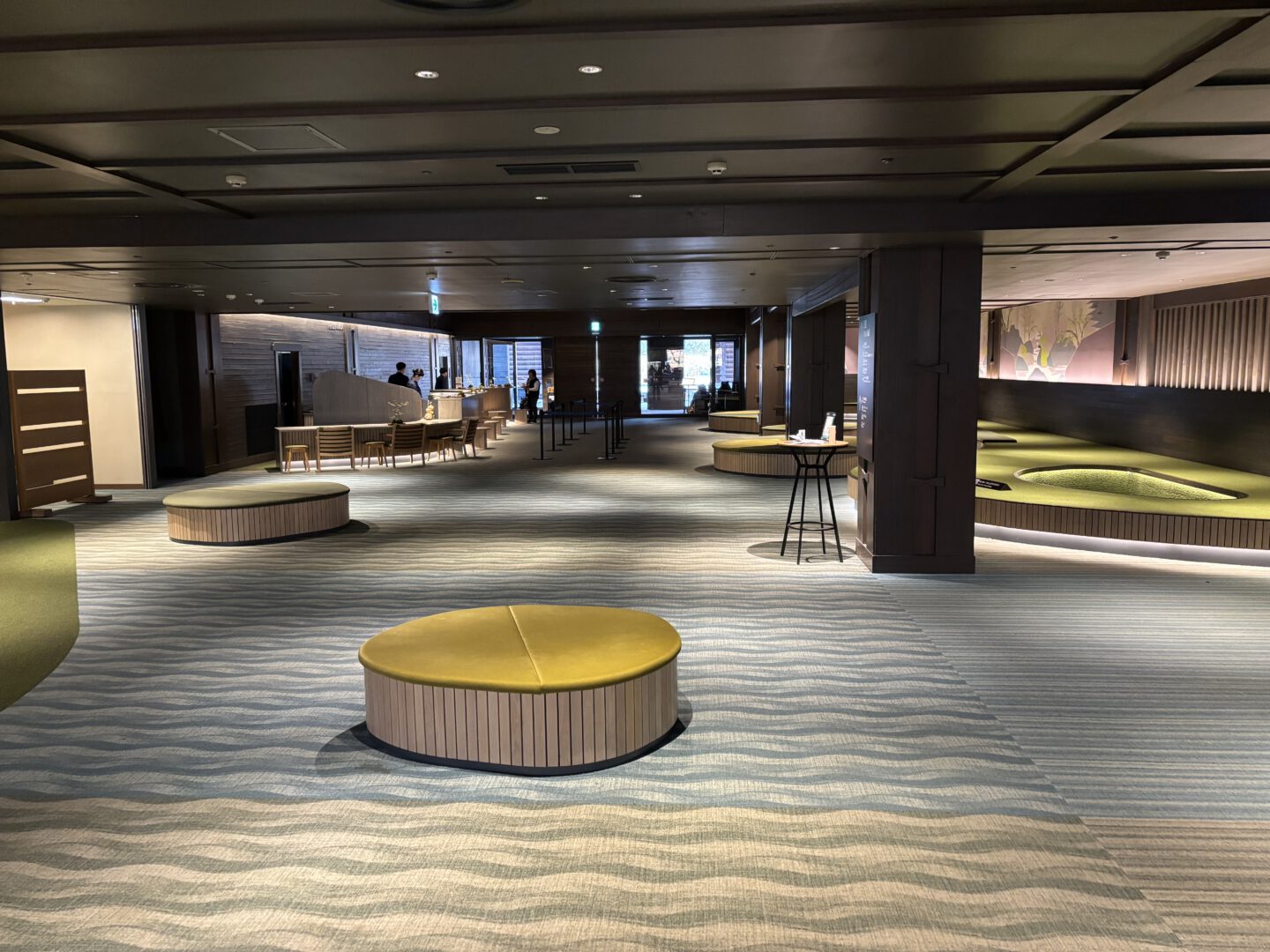
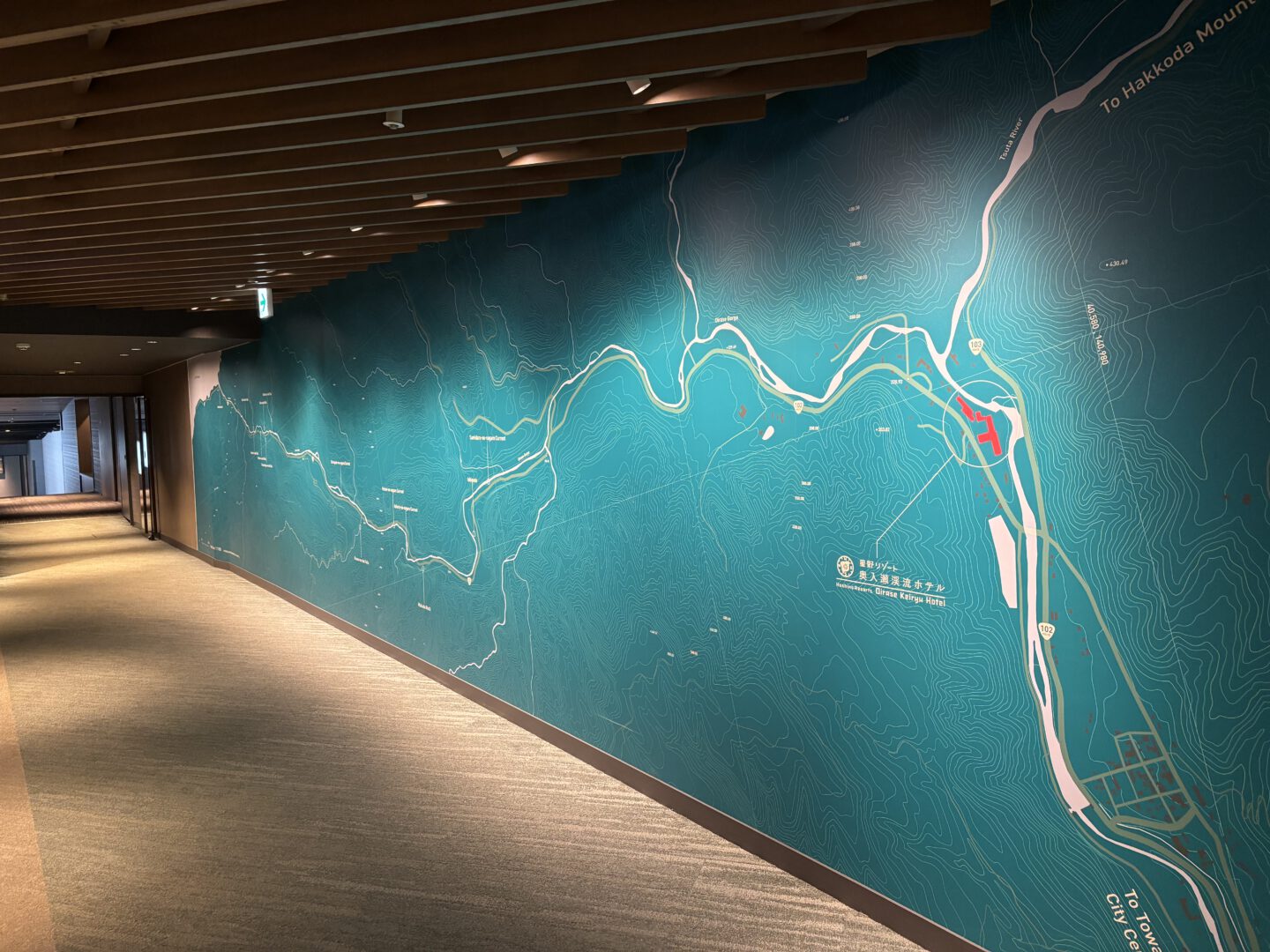
Before heading to our room, we spent some time exploring the very spacious hotel. The interior feels practical and calm. Wood, stone, and living moss are used, and nothing pulls attention away from the surroundings. Much of the building is oriented toward the Oirase stream, which becomes clear once you move away from reception. Large windows face the water and forest, and there are terraces close to the stream, where the sound of running water is always present.
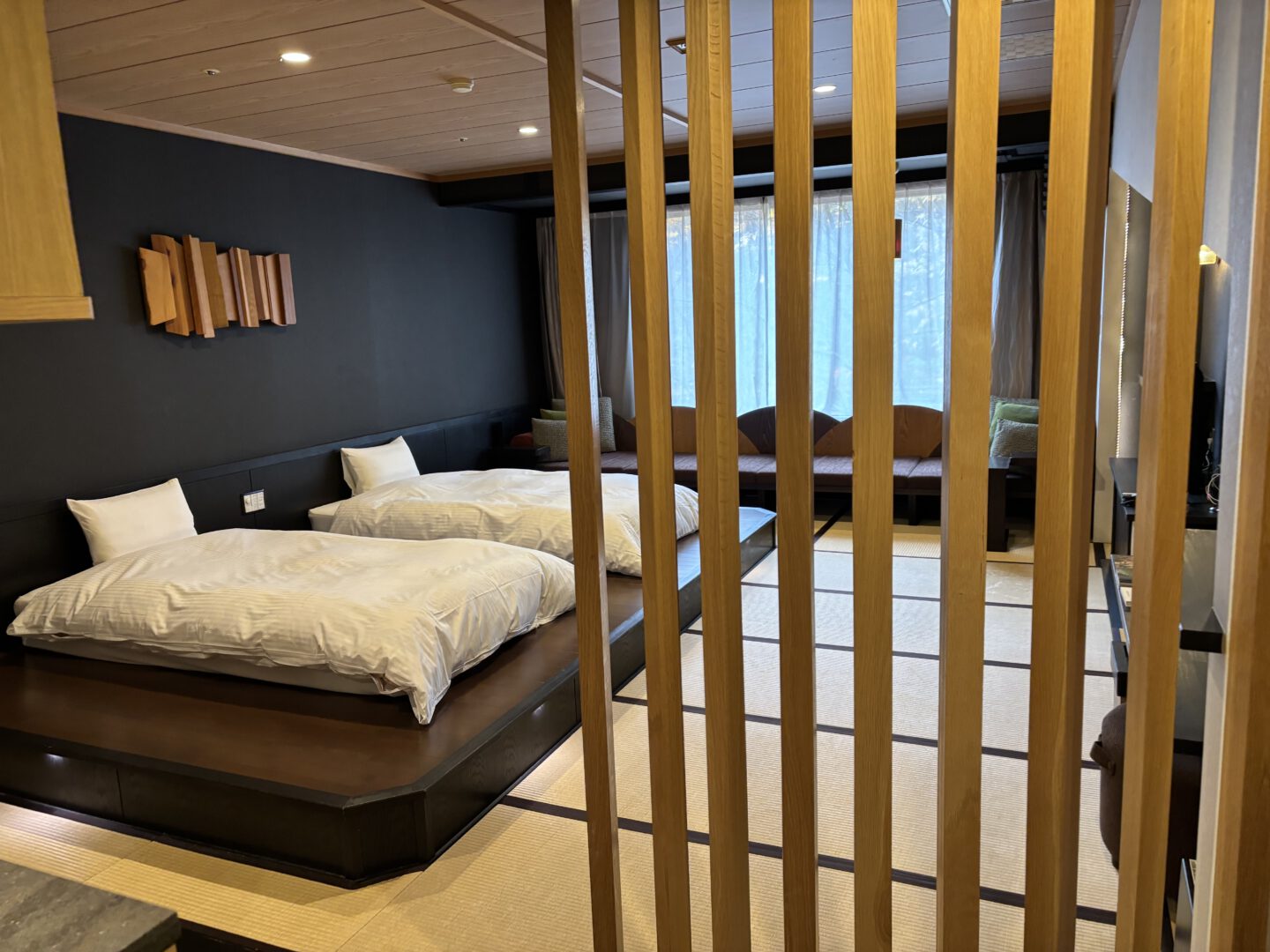
We shared one room with tatami flooring and futons instead of western-style beds, a clear contrast to our stay in the city. Dinner followed shortly after. The buffet restaurant was busy, and we had to put our names on a waiting list before being seated.
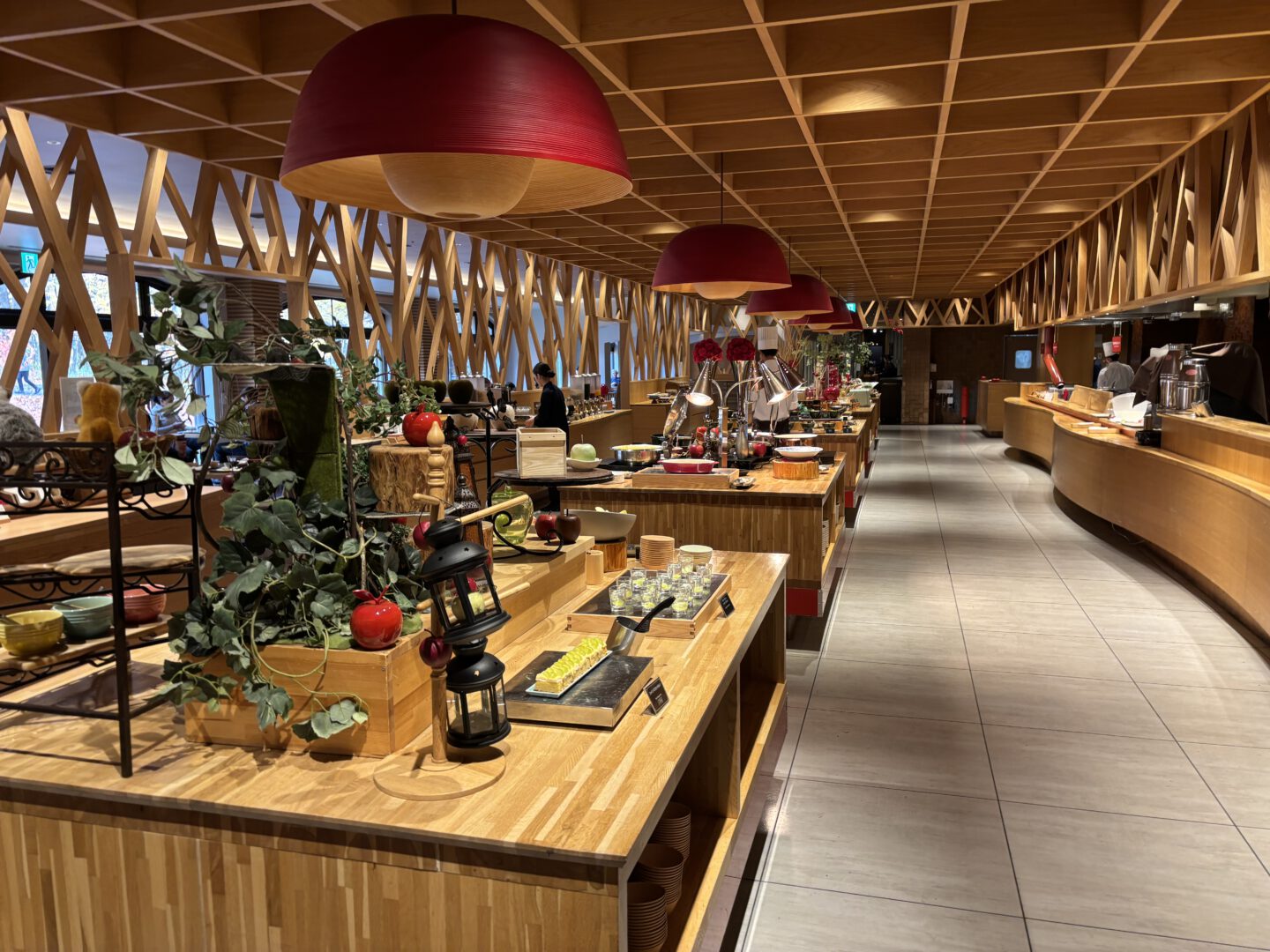
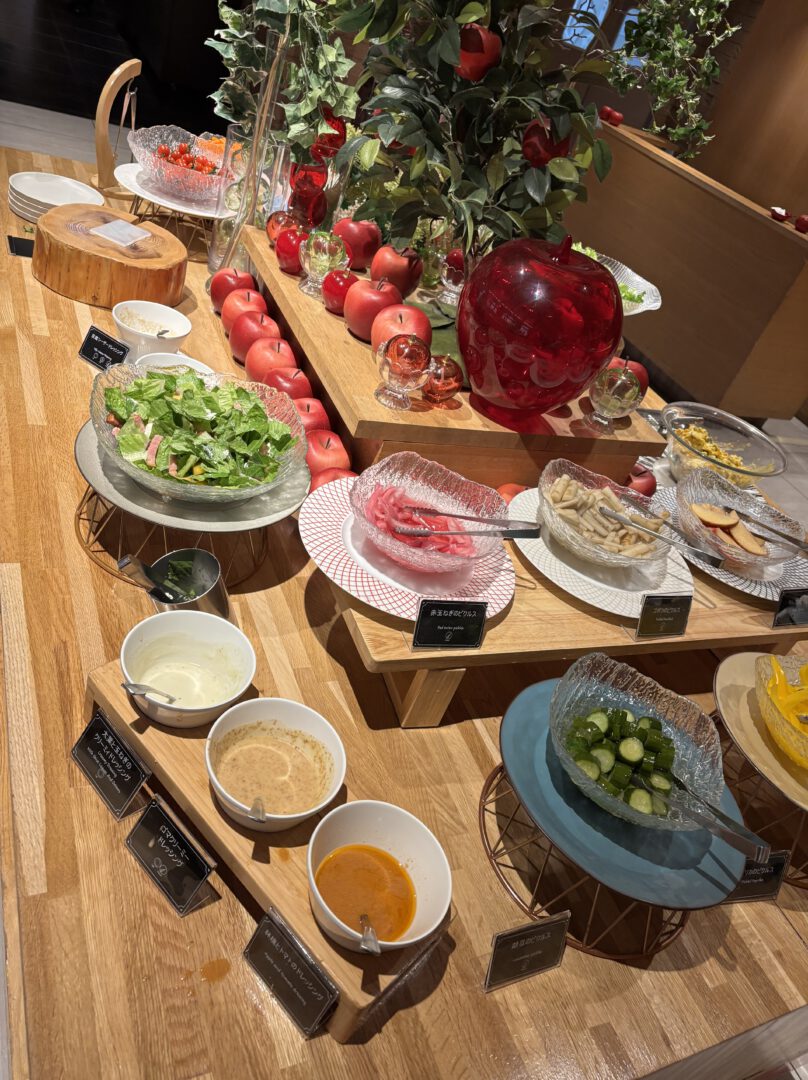
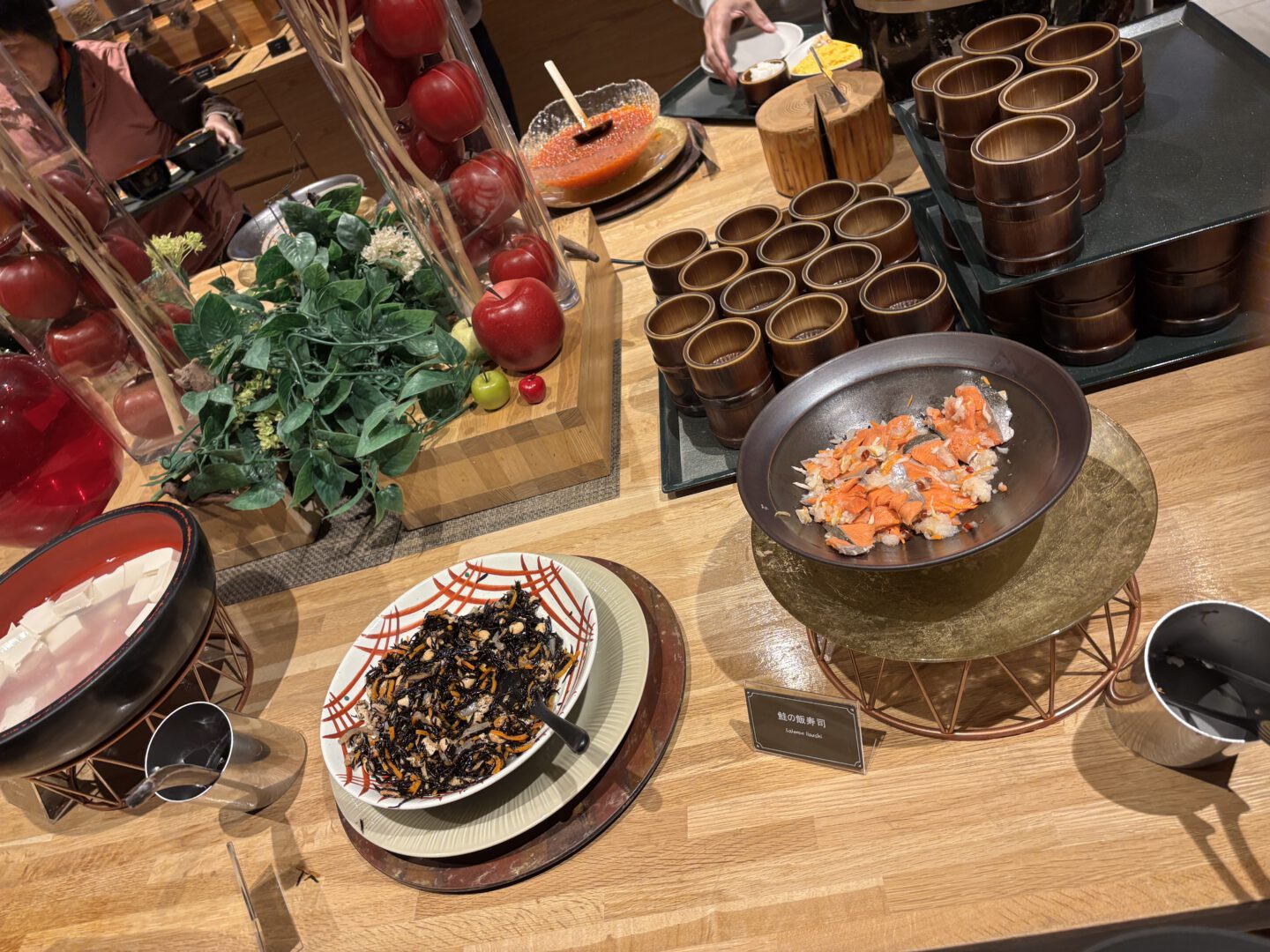
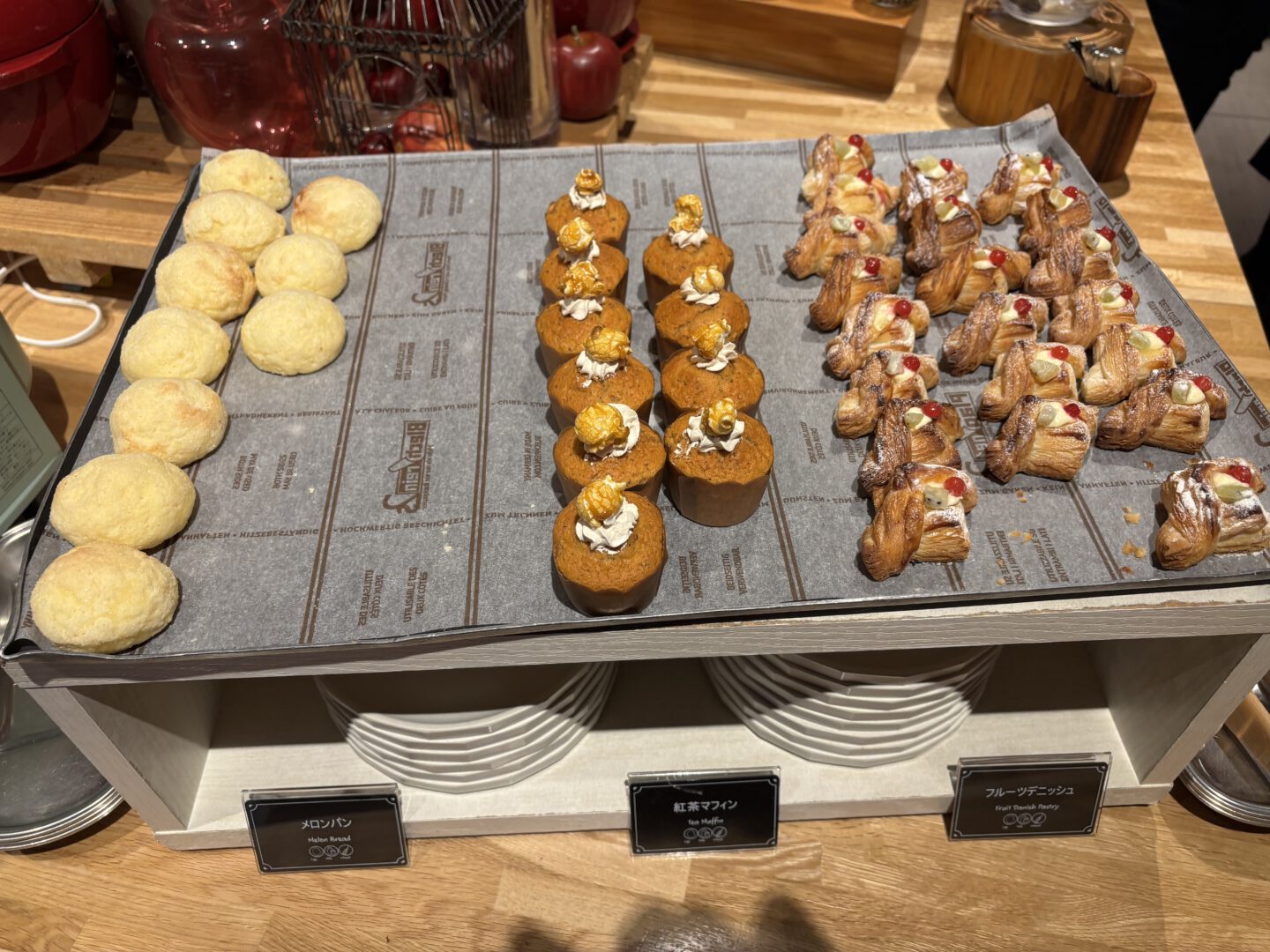
Inside the restaurant, the apple theme of the region extended beyond the menu into the interior design. Apples appeared not only in the dishes but also as visual details throughout the space. The food focused on regional Japanese cuisine. Raw fish, especially tuna, stood out, while apple-based dishes appeared in many forms, both savory and sweet.
Later that evening, we went to the onsen. The baths include indoor pools and an outdoor bath. Watching the moonlight illuminate the orange red tree leaves I could forget time and everything. In the dark, I could hear water nearby but did not realize how close the river actually was.
The next morning, the setting became clearer. Returning to the onsen in daylight, I could see the river flowing directly next to the outdoor bath, something that had been hidden the night before.
Breakfast offered a wide selection of local dishes. Apples again played a central role, including three different types of apple juice. While others leaned toward bread and sweet options, I stayed with a traditional Japanese breakfast of rice, miso soup, pickled vegetables, and fish.
With rain expected later in the day, we left early and drove through Oirase Gorge toward Lake Towada. Public buses do run through this area, but services are limited to one per hour. Having a car made it much easier to stop where we wanted and stay flexible.
We approached Lake Towada from the north. Our original plan was to visit the Ohanabi observation point, but access was blocked due to a seasonal road closure. In autumn, several smaller roads around the lake close without much notice. Instead, we found another observation point on the eastern side that was reachable by car.
From there, the scale of the lake became clear. Lake Towada fills a large volcanic caldera and, with a depth of over 300 meters, is one of Japan’s deepest lakes. Steep forested slopes drop directly into the water, and development along the shore is limited. At the viewpoint, Nick flew the drone to capture the caldera from above, which helped show the shape of the lake more clearly.

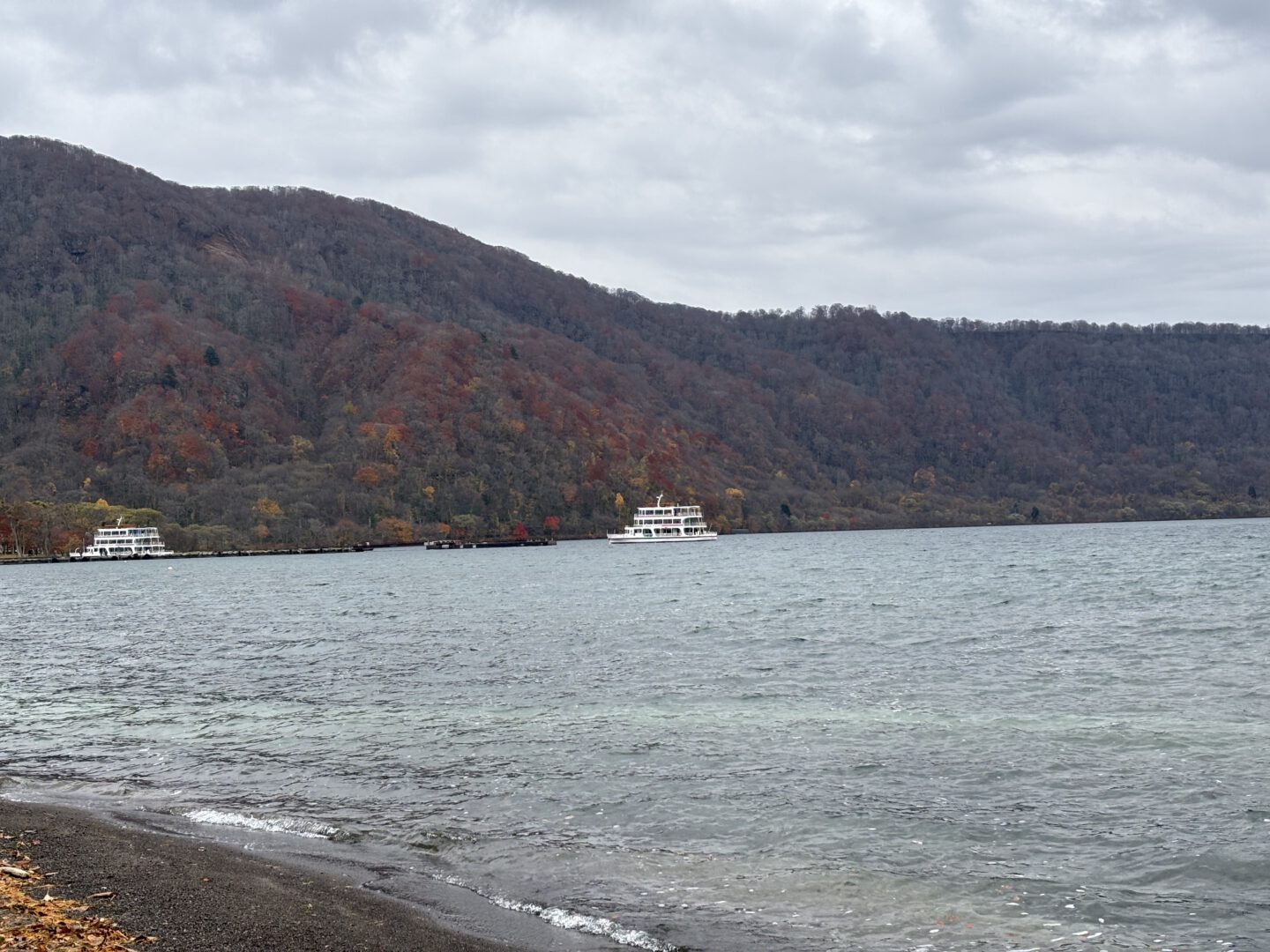
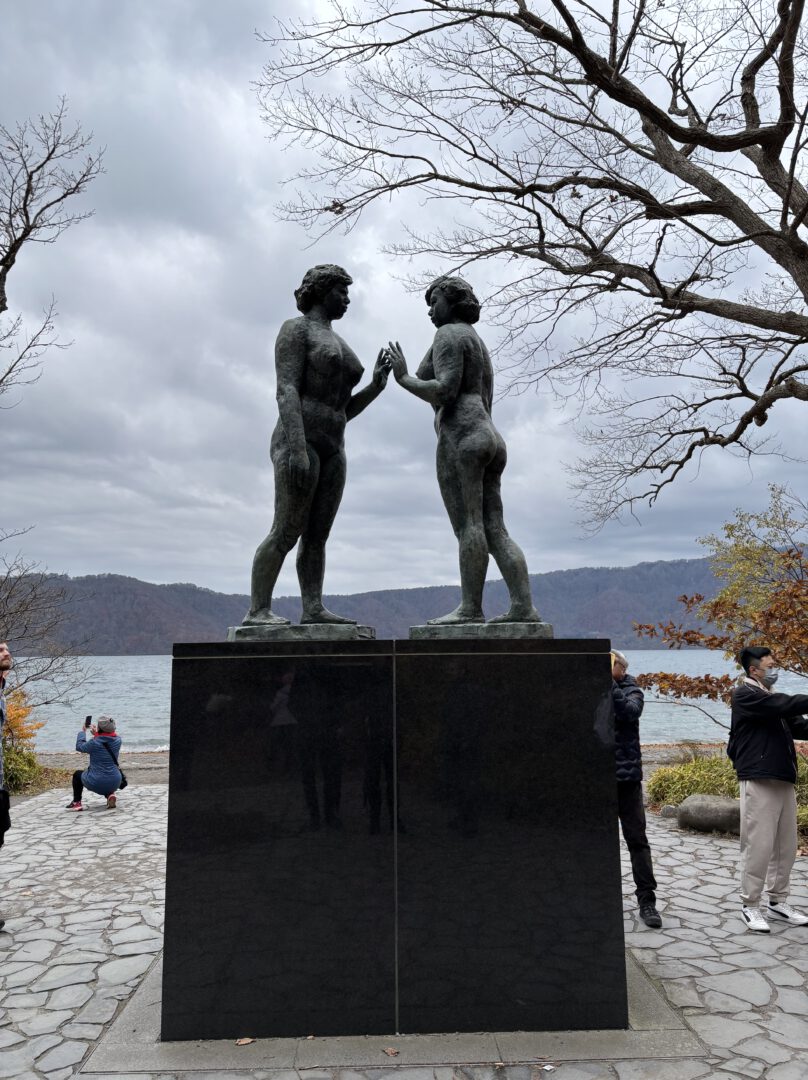
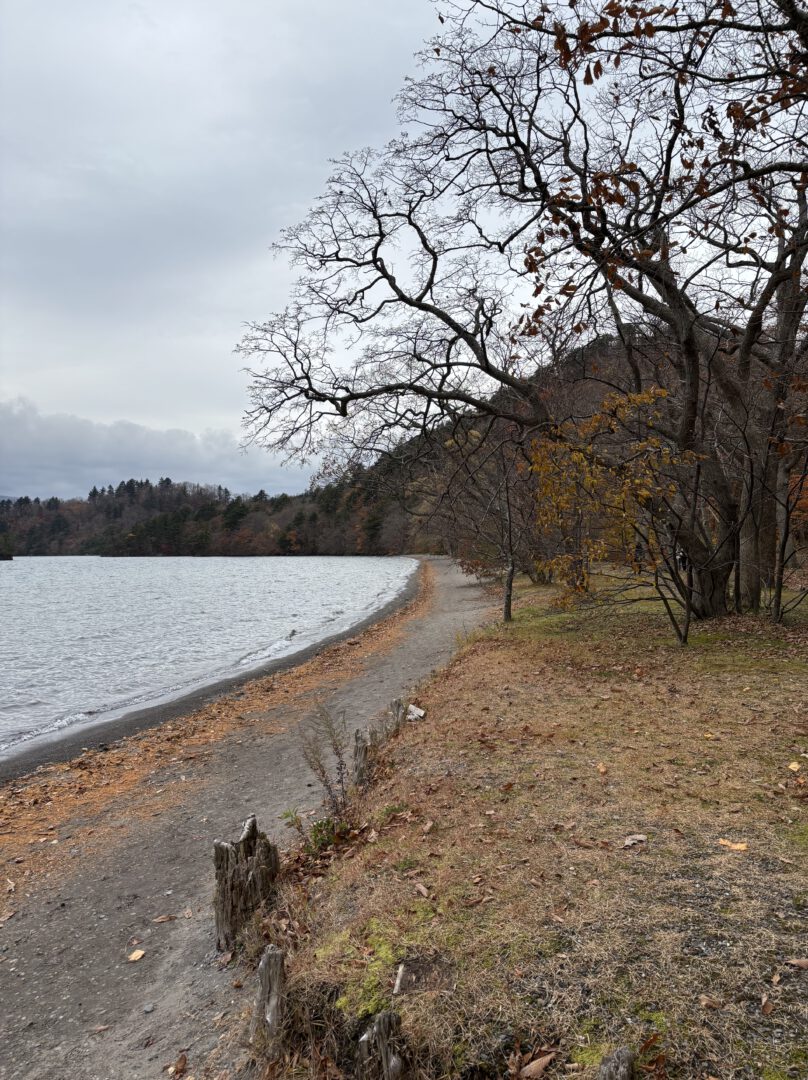
Then we headed towards the south side, where two peninsulas reach into the lake. This was the only spot with a sizable population at the lake area. We stopped at the Towada Visitor Center and walked along the shoreline. The trees were in full autumn color, and a light rain had started to fall. Along the path, we read about the Otome no Zo statue by Kotaro Takamura.
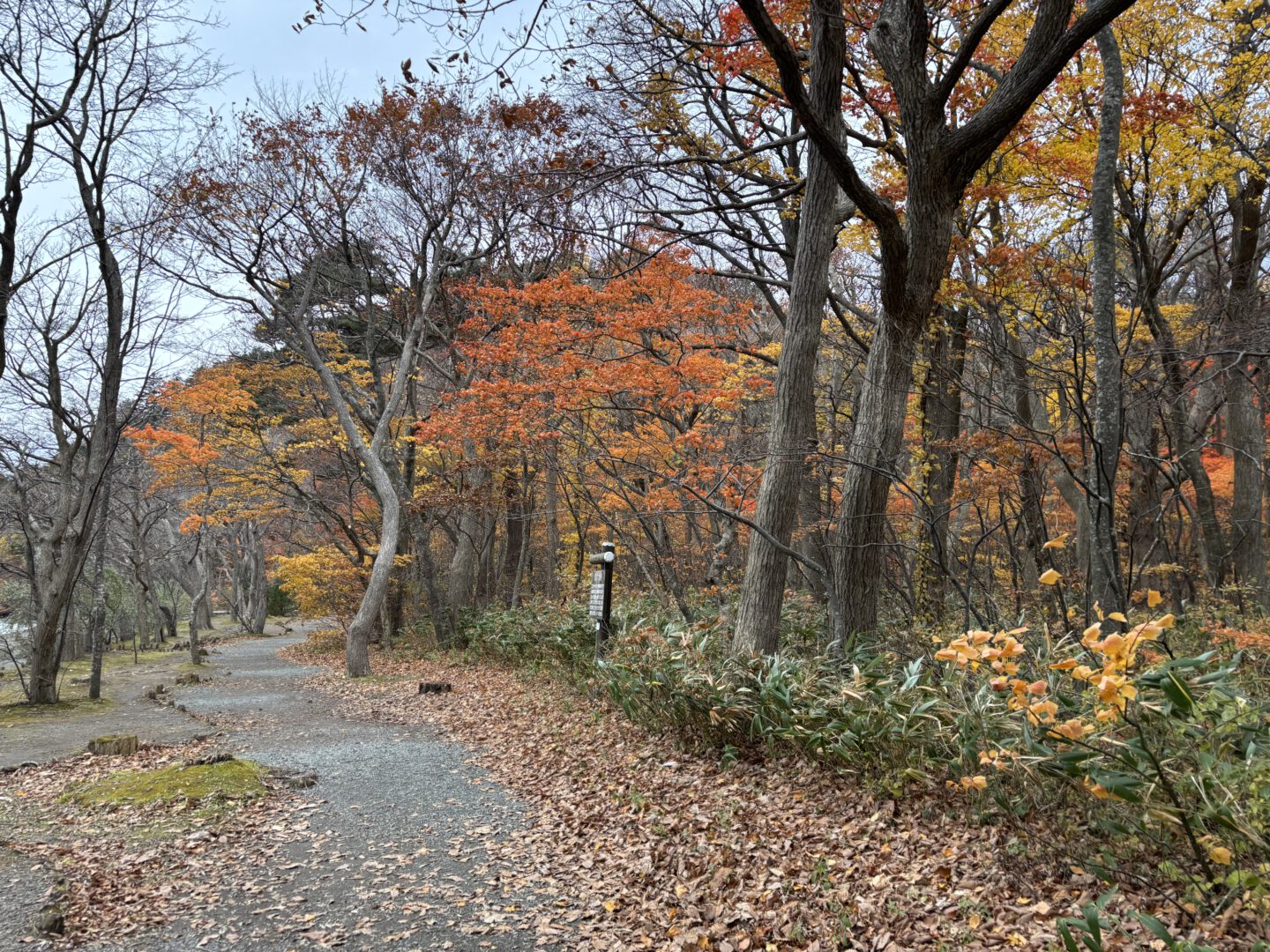
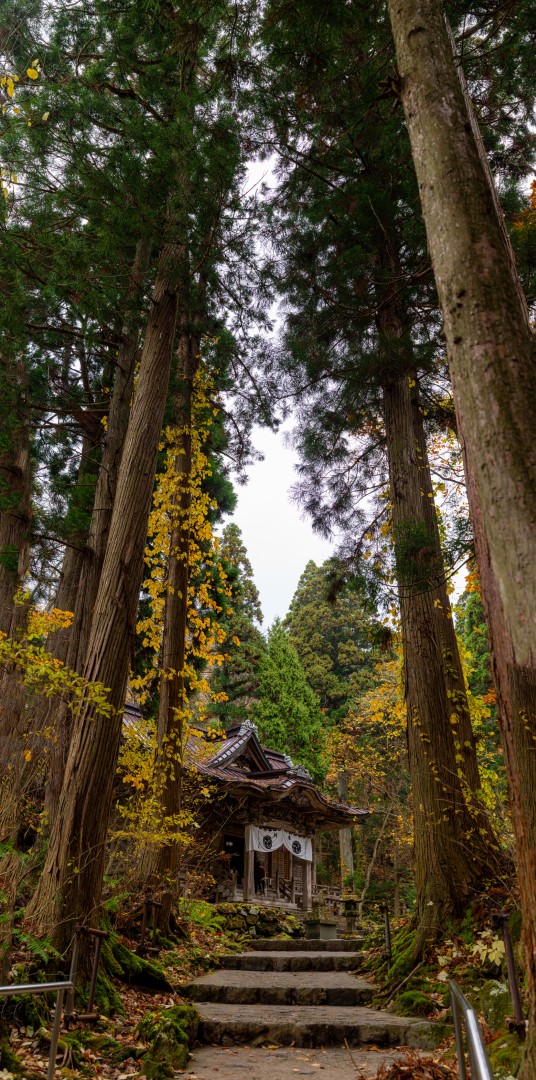
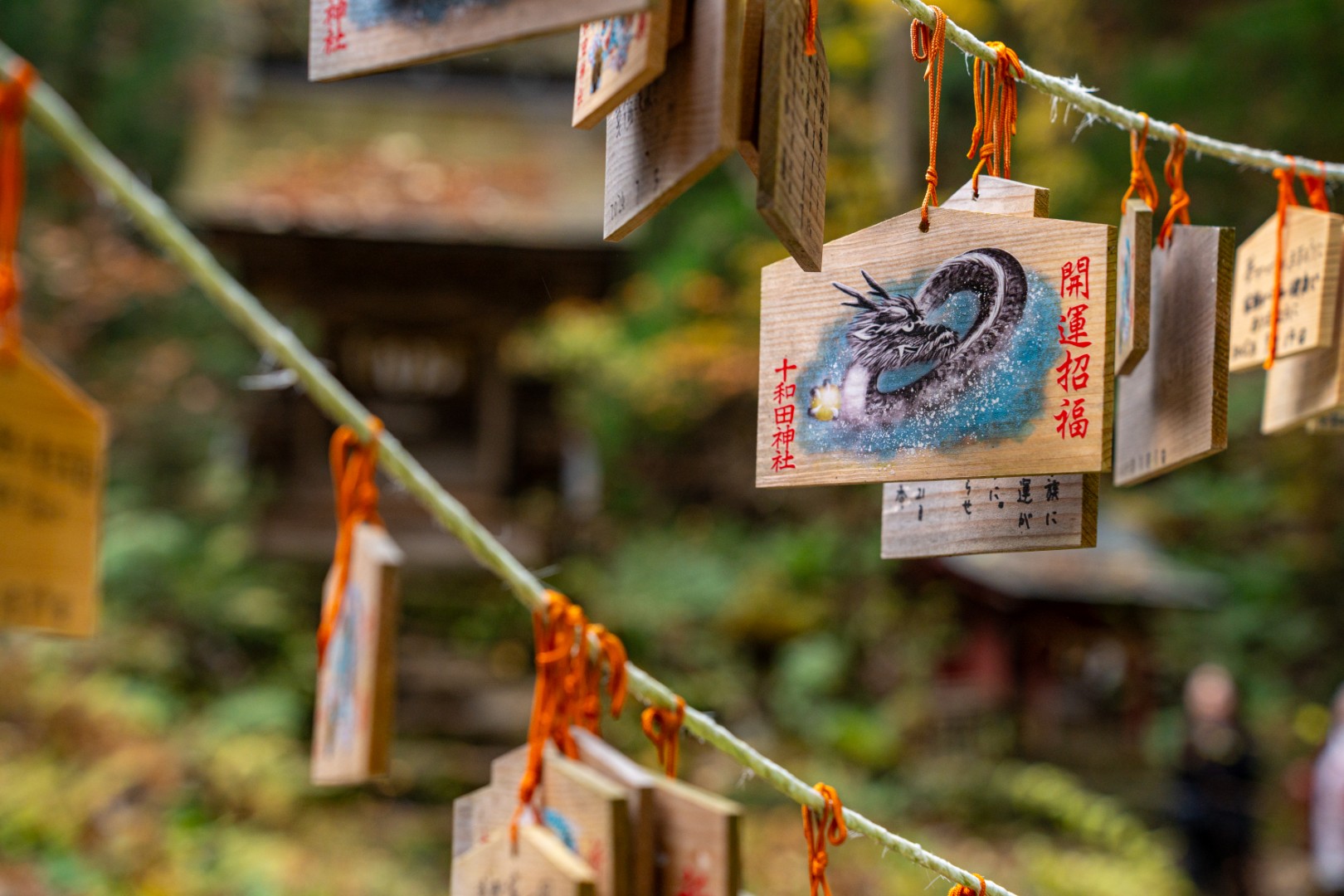
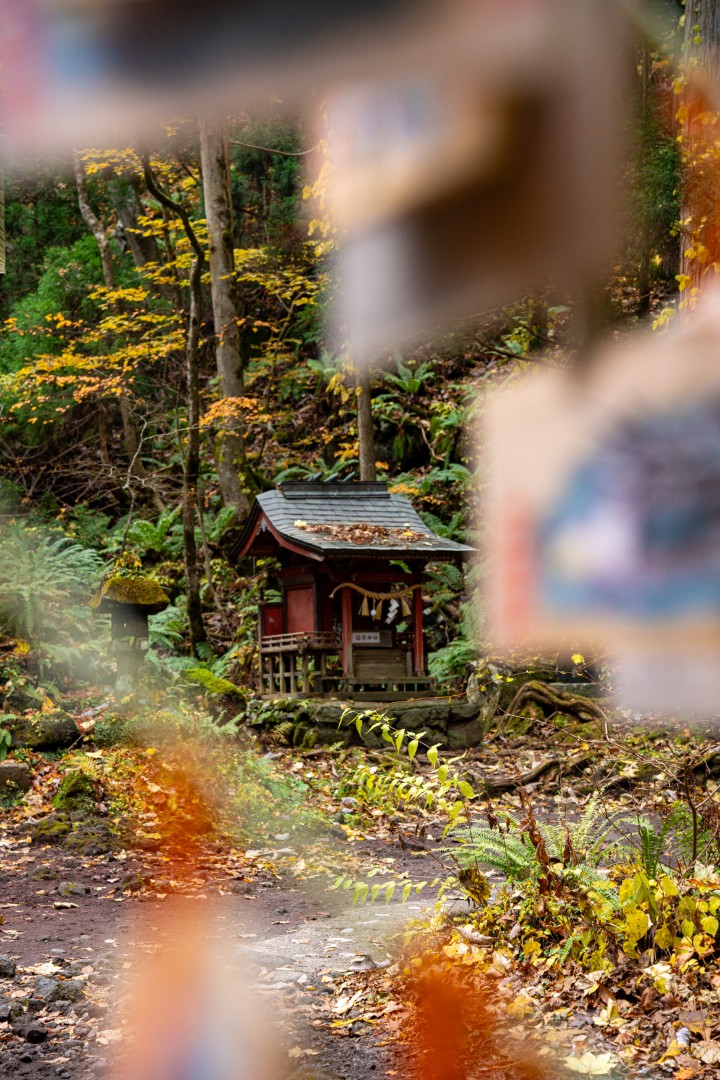
From there, we continued to Towada Shrine. After climbing a set of steps, we entered a forested area that felt removed from the road. The shrine has long been tied to the lake and remains an active place of worship.
On the way back, we picked up kiritanpo, konnyaku, and karaage on sticks, snacks that worked well as a quick lunch. As we moved on, the rain became heavier.
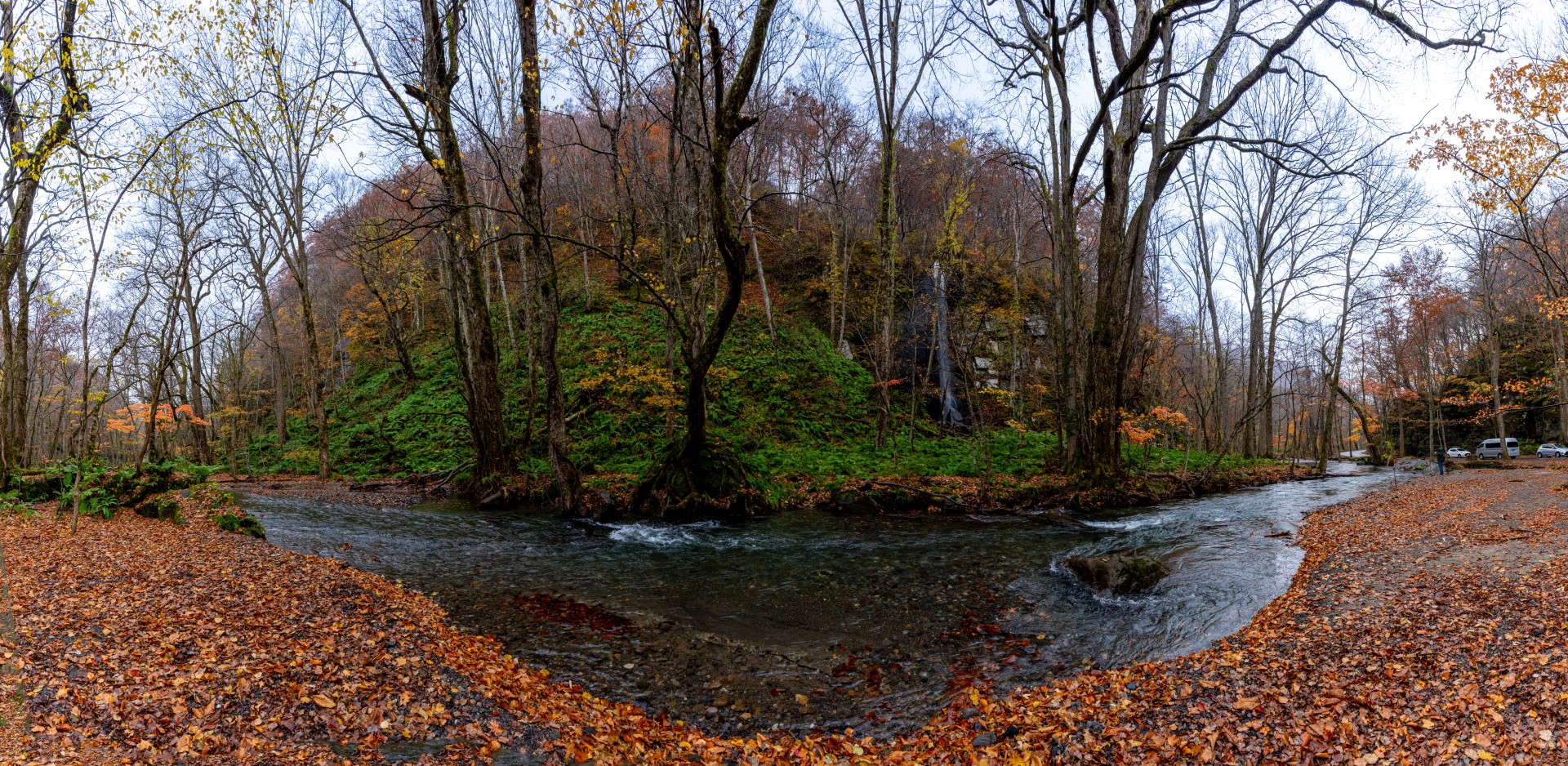
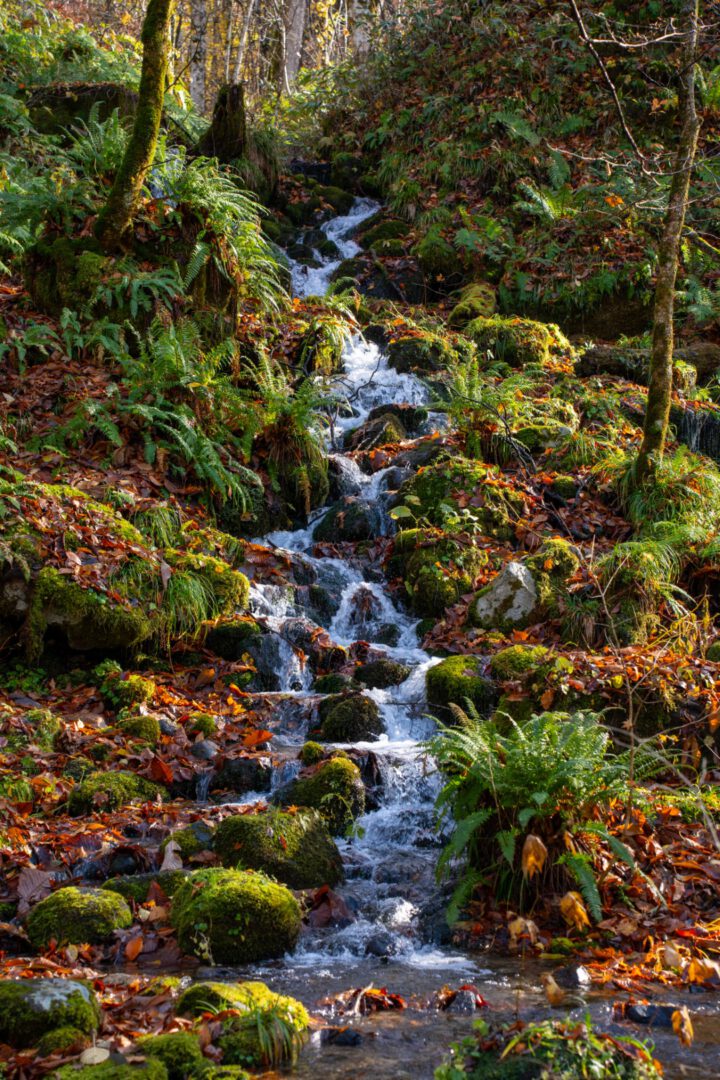
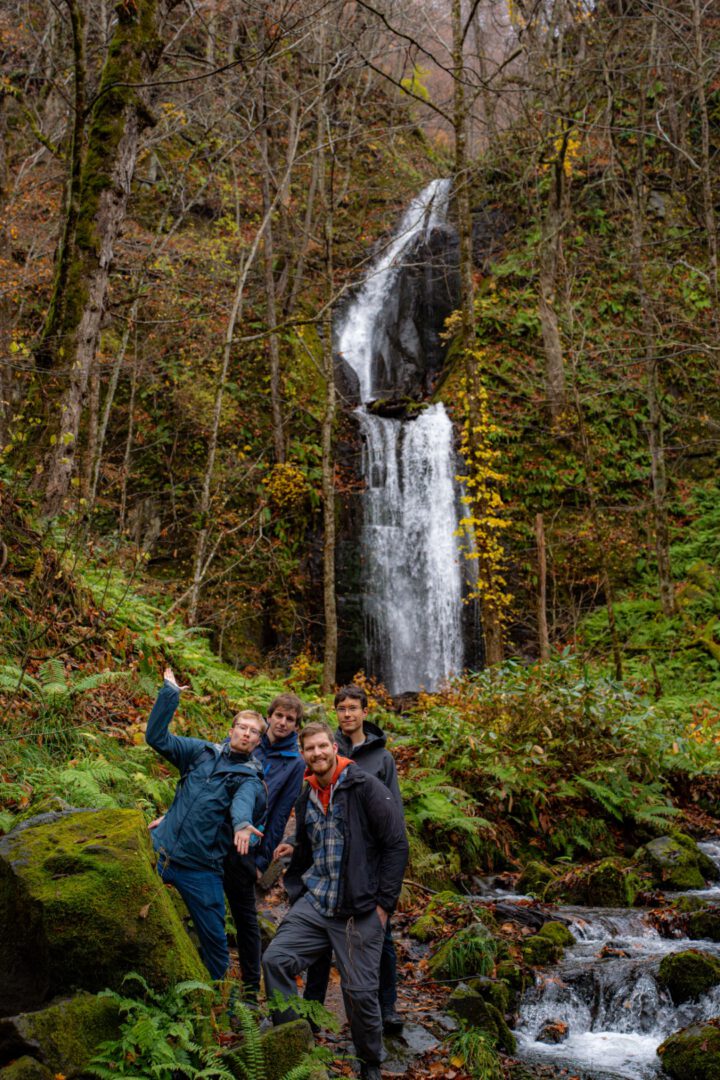
Back in the gorge, we tracked the Oirase River towards the hotel. Waterfalls, rapids, and moss-covered rocks lined the route, and the autumn colors here were already beyond their peak. After a short stop at one of the waterfalls, we returned to the hotel and spent the afternoon indoors, moving between rest, the onsen, and dinner. Later, we shared a bottle of local Aomori sake we bought at the lake while playing card games.
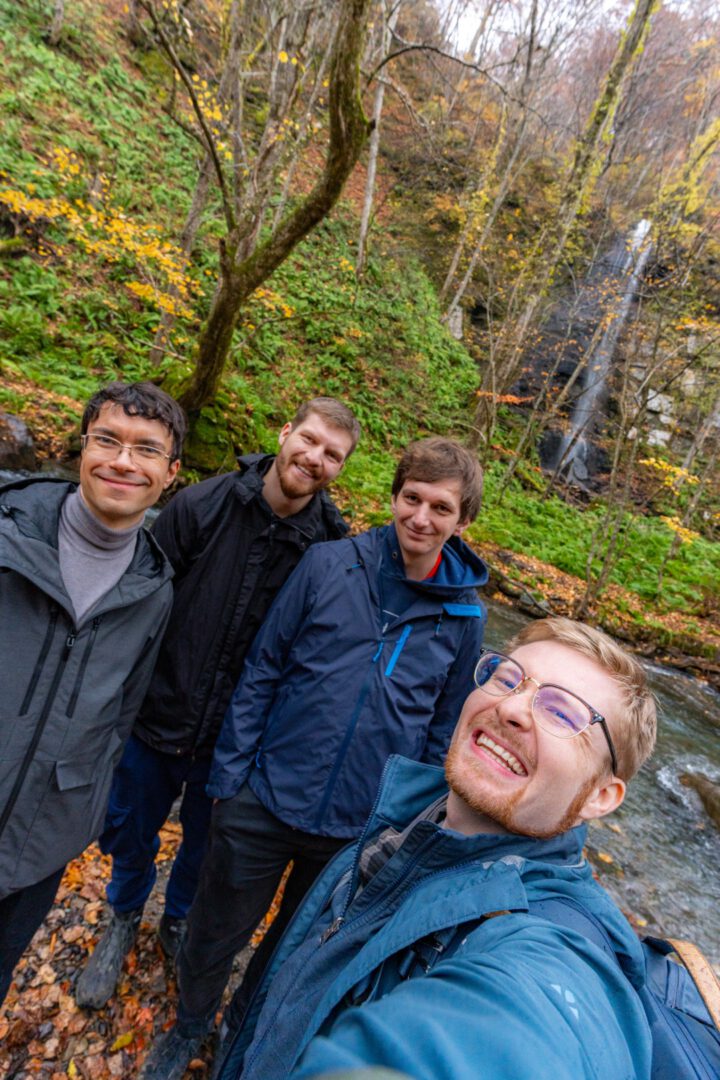
On our final morning, breakfast followed a similar pattern, and the dining area was again busy. With checkout set at noon, there was no need to rush. After another bath, we used the shuttle bus to reach the middle section of Oirase Gorge and started walking from there.
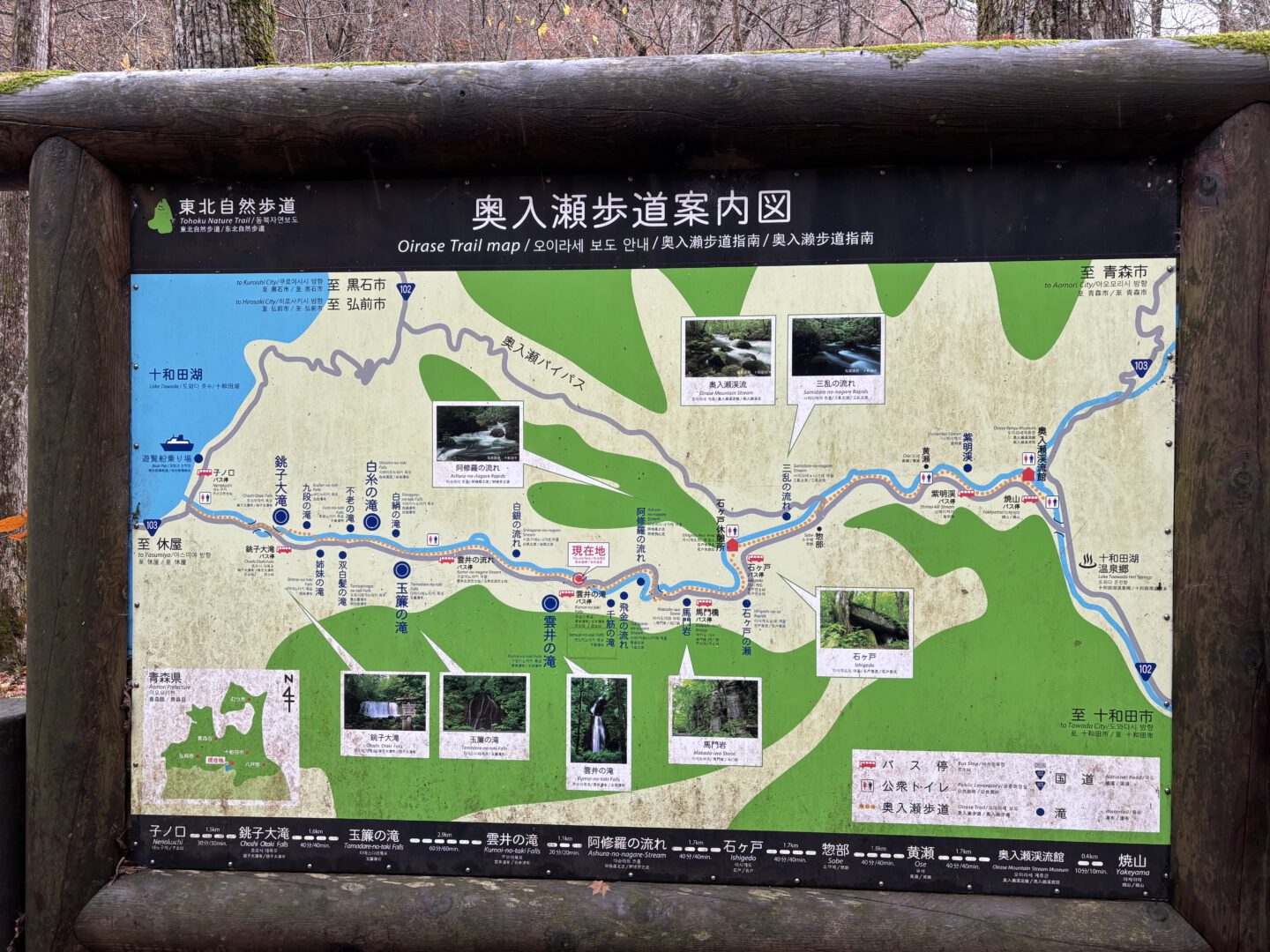
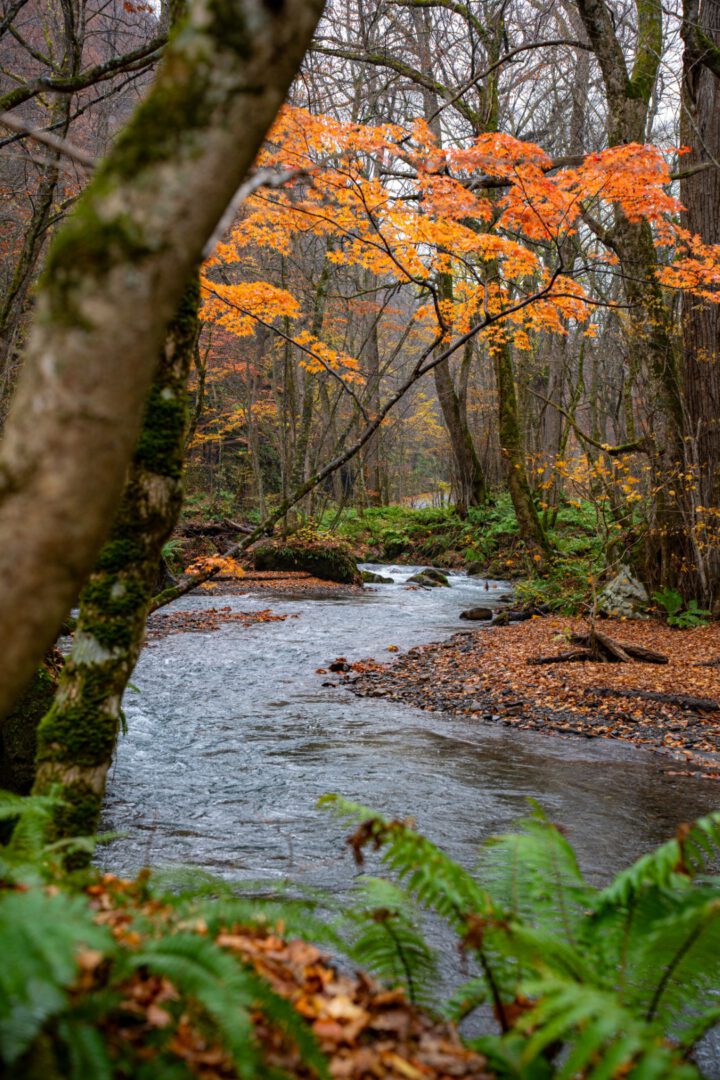
The full gorge stretches for about 14 kilometers along the river, which would take most of a day to walk. Instead, we focused on the most scenic section. The path stays close to the water and passes through dense forest, where moss grows thick on rocks, tree roots, and fallen logs. Not every part of the gorge is equally pleasant to walk. In several sections, the trail runs close to the road, and in others it narrows or disappears, forcing you onto the roadside for short stretches.
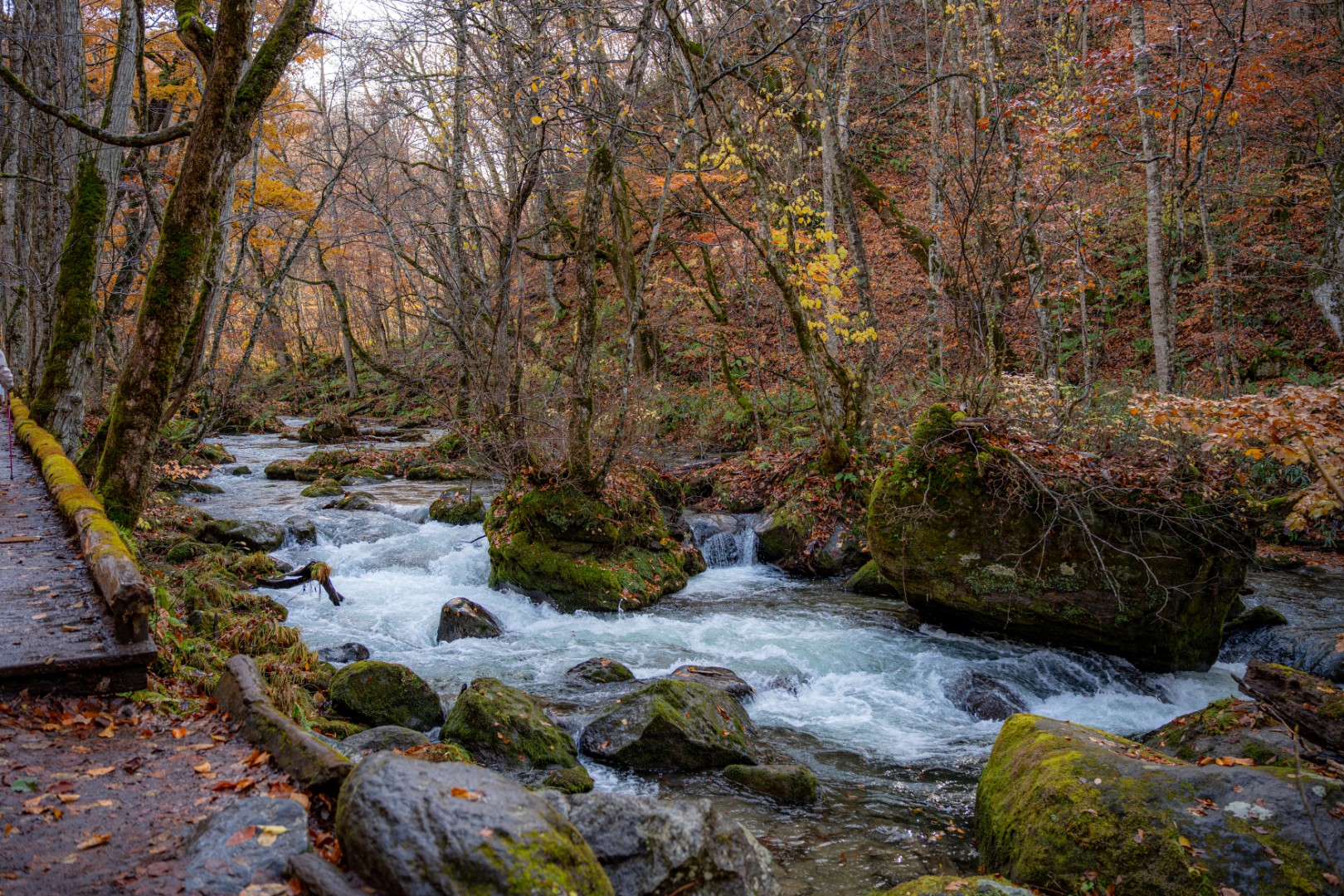
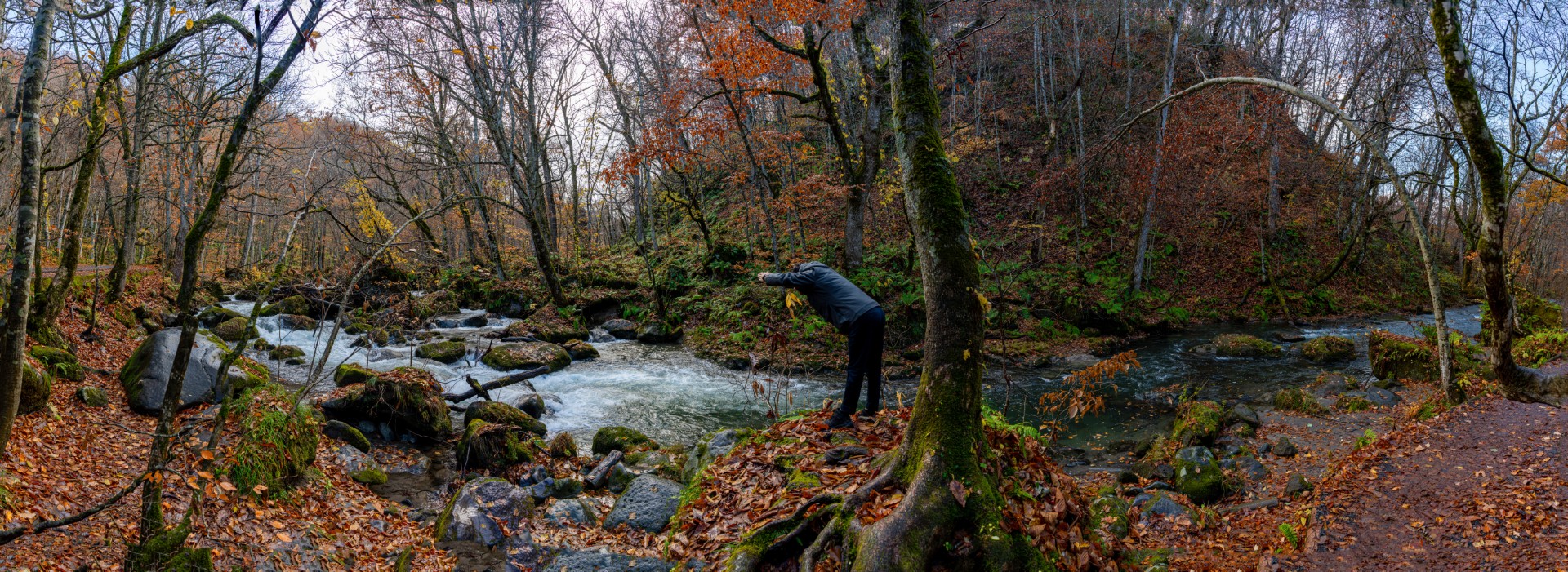
Along this stretch, the river is rarely calm. Rapids and waterfalls appear one after another, including Chōshi-ōtaki, Kumoi-no-taki, and Ashura-no-nagare. The sound of rushing water followed us the entire way.
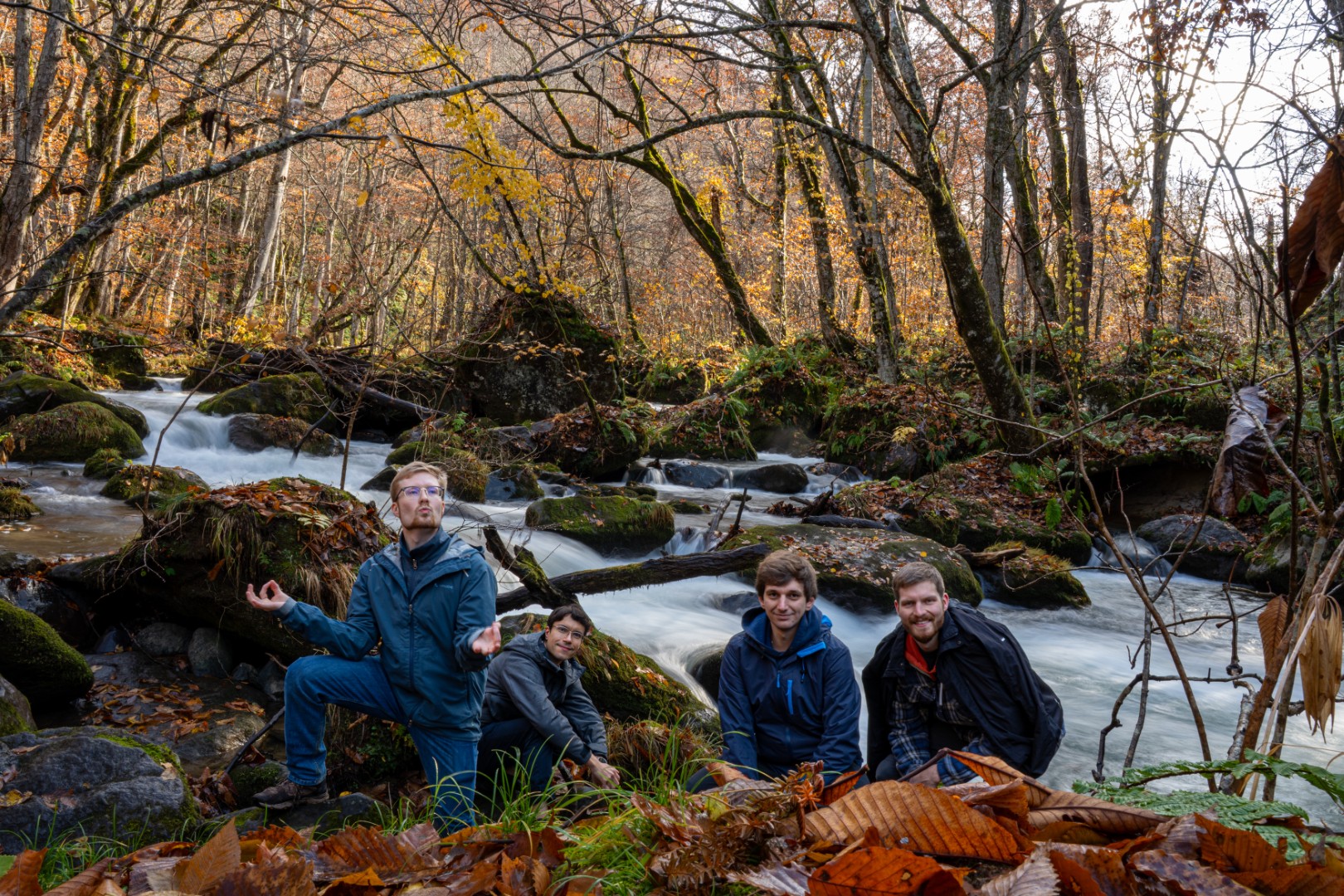
We used the shuttle bus to return to the hotel. By the time we collected our bags, the rain had picked up again. We left without delay, crossing out of Aomori Prefecture and heading south toward Akita, ready for the next stage of the trip.
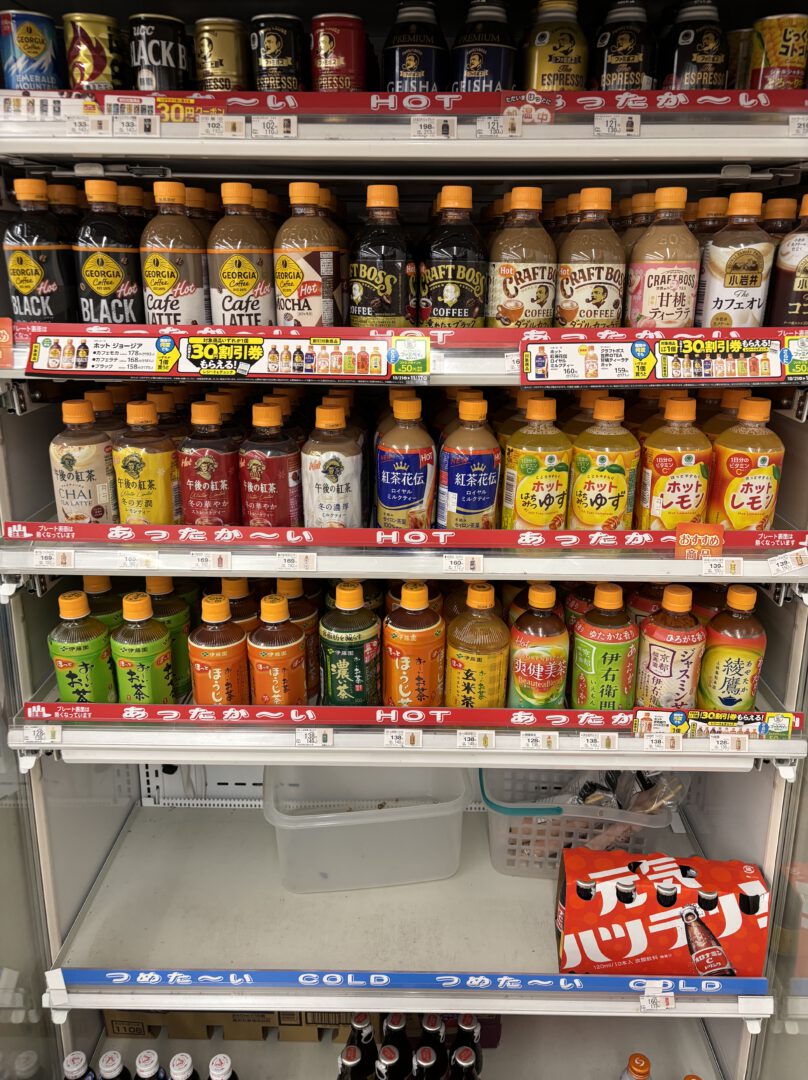
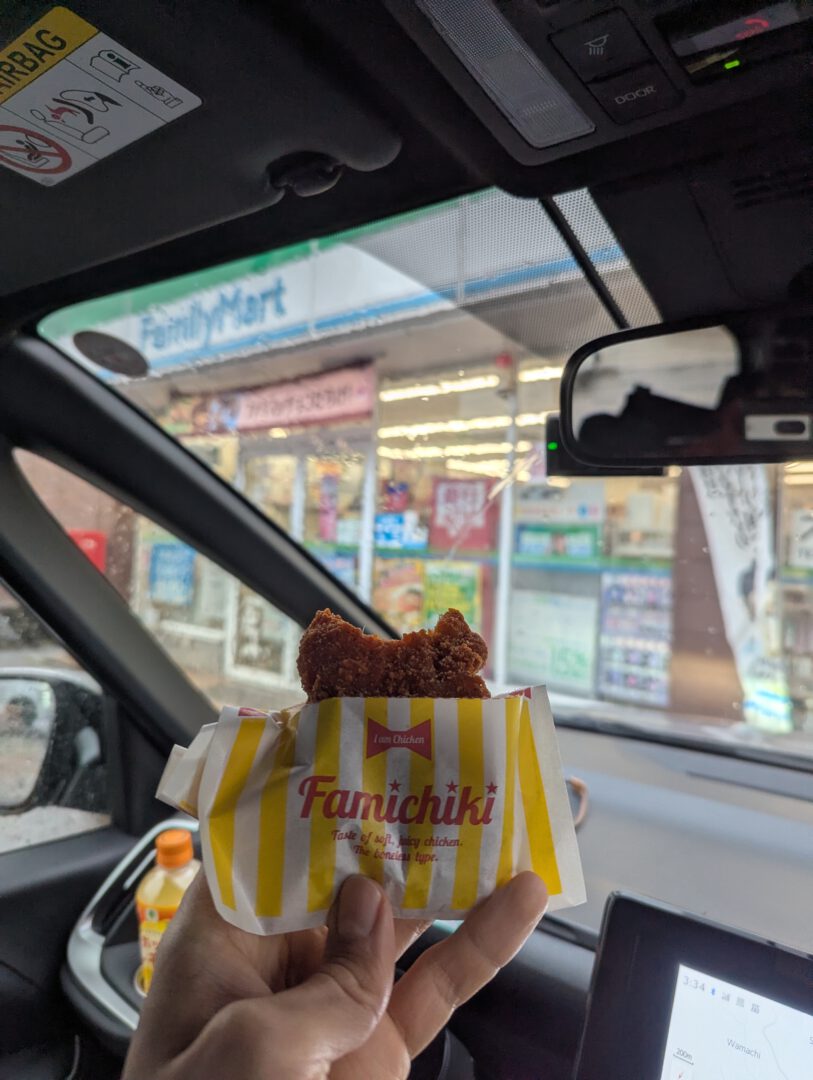
Omake: Family Mart and convenience stores in general keep us fueled over the trip. Not only the hot food corner but also the heated beverages are bliss on the road.
Entdecke mehr von Tabimonogatari - 旅物語
Melde dich für ein Abonnement an, um die neuesten Beiträge per E-Mail zu erhalten.