Many trips through Japan follow a well-worn path: Tokyo, Kyoto, maybe Fuji-san, and back again. Tohoku sits outside that loop. It feels less exciting, is more spread out, and asks for a bit more effort, but in return it offers space, strong regional character, and moments that feel less arranged. This part of the trip marked a shift away from familiar routes and into a region that often stays overlooked.
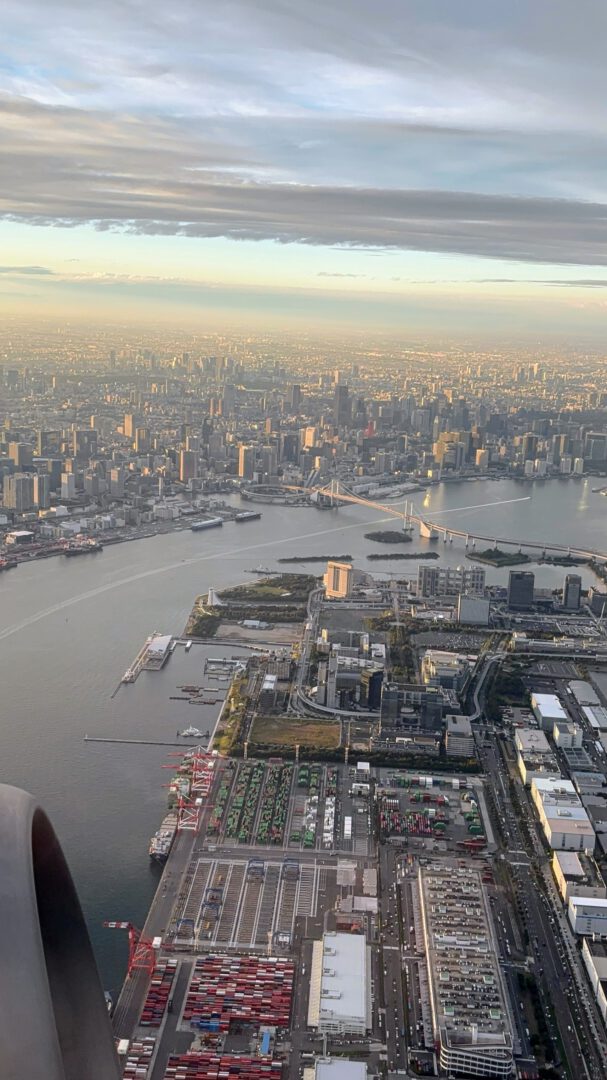
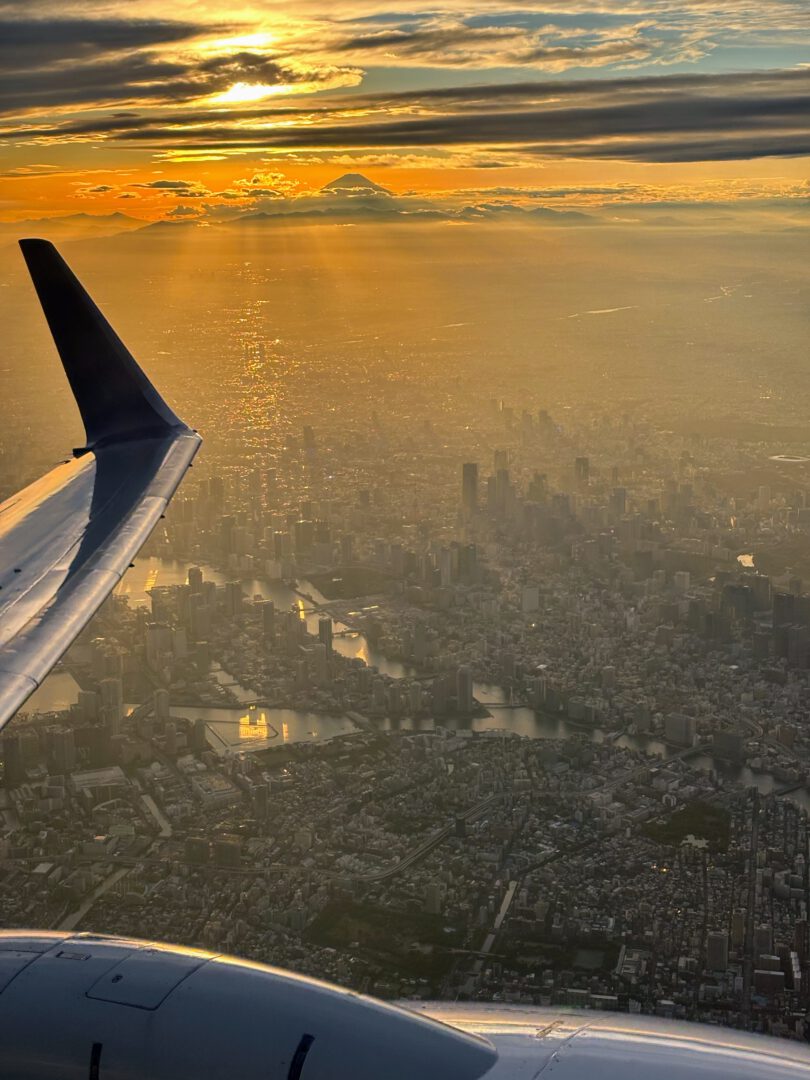
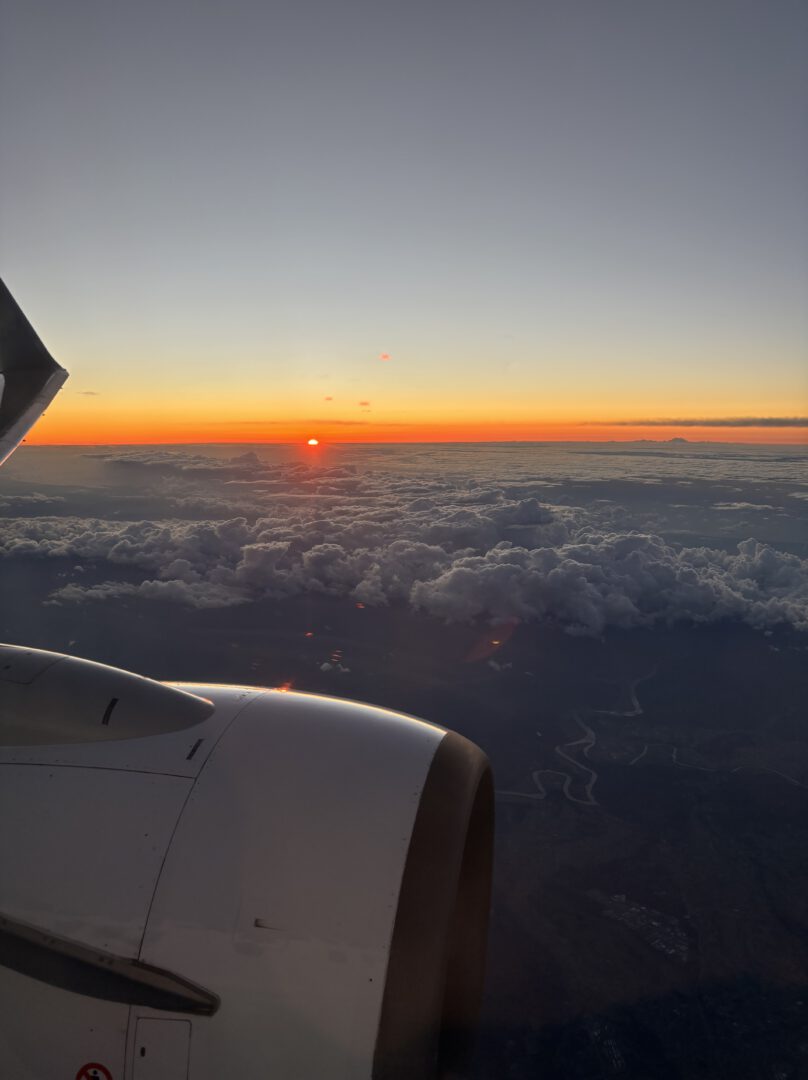
On the fourth day of the trip, I left Tokyo and the Kanto plain behind. The flight with ANA was comfortable, and within one hour we arrived at our next destination. After takeoff, Tokyo unfolded below us in the evening light. Passing over the Sky Tree and Tokyo Tower as the sun set felt like a quiet goodbye to the city. From here, the journey shifted north, with Aomori, at the very top of Honshu, marking the real starting point of our time in Tohoku.
Aomori Airport is small and efficient, and since only a few flights arrive at once, luggage came out quickly. From there, we took the airport bus into the city center, which stops near Aomori Station and most central hotels. My friends were already waiting, and after a quick regroup, we went out to look for dinner, hoping to start with something local.
Aomori is well known for seafood from cold northern waters. We first aimed for a restaurant offering live shamisen music alongside local fish dishes, but it was already fully booked. A Tabelog search and a short walk later, we ended up at an izakaya called Uogashi.
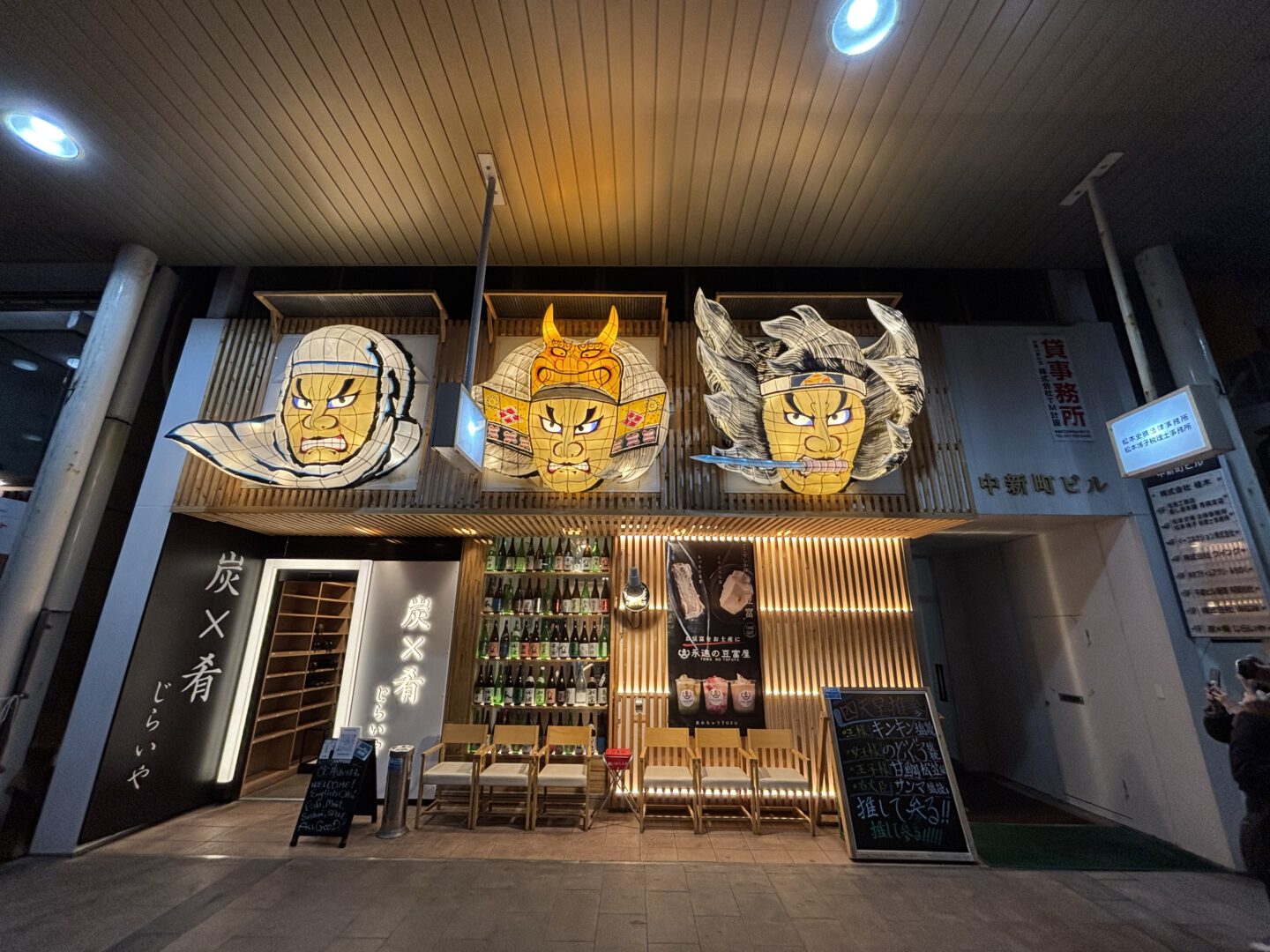
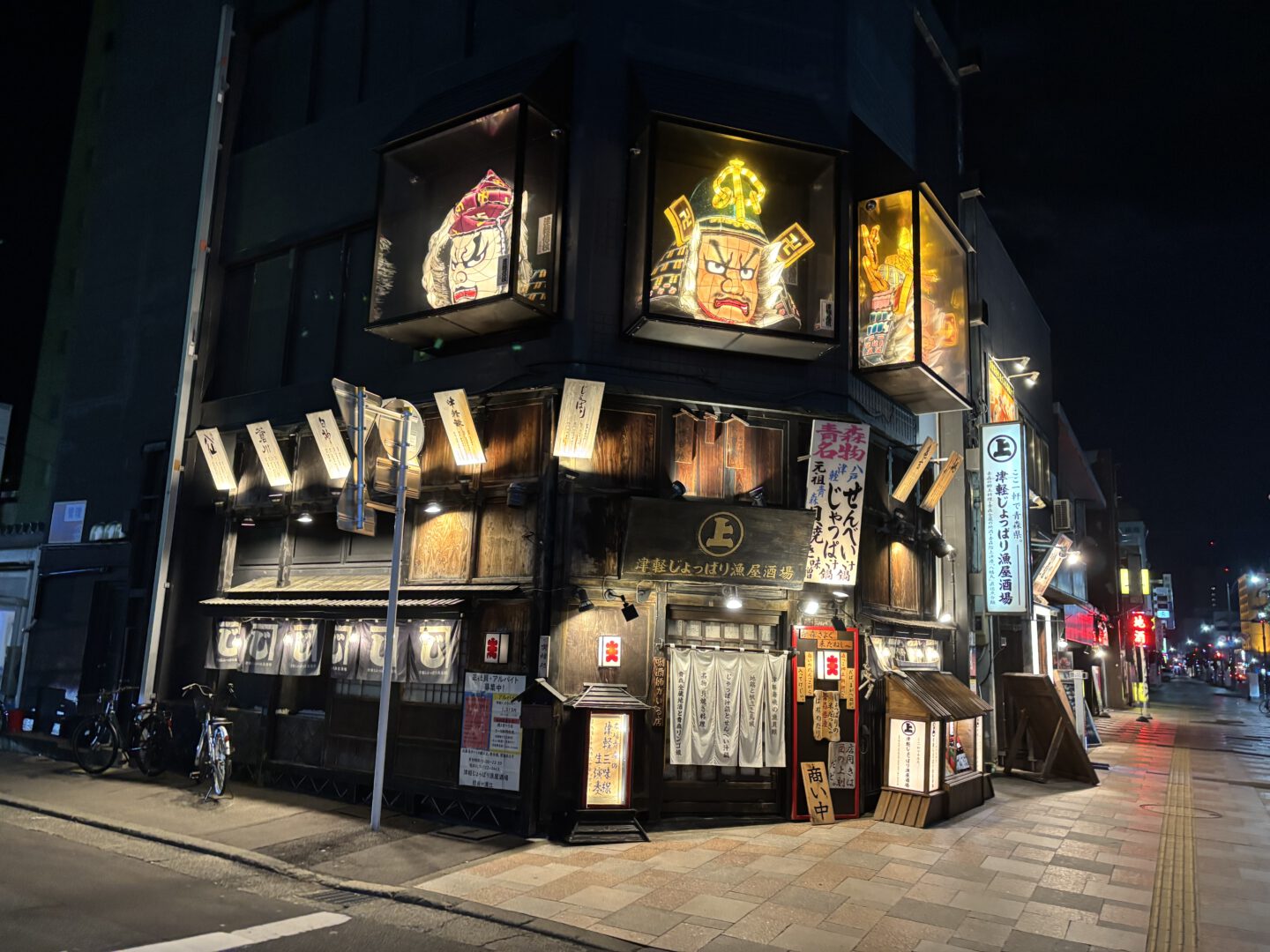
They offered a two-hour all-you-can-drink course menu. It was a spontaneous choice and maybe not the smartest one for the first night, but it set the tone. The courses kept coming: sashimi, sweet and spicy ebi chilli, beef steak, and finally sushi. Beer and sake followed naturally.
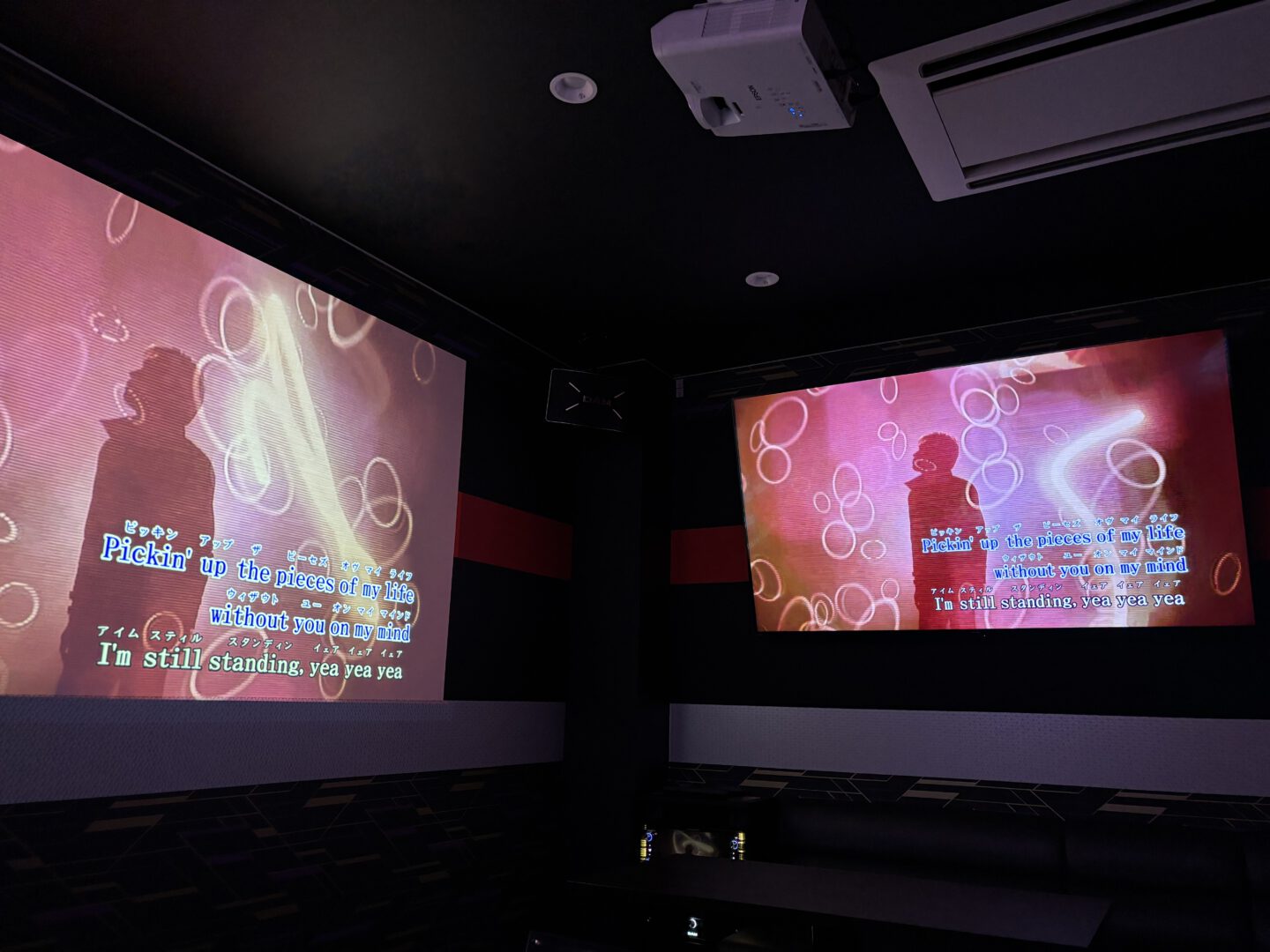
The plan had been a calm first evening to recover from travel, but boys will be boys, so we moved on to karaoke. In regional cities like Aomori, karaoke rooms tend to be much less compressed than in Tokyo, and we found ourselves in a huge room with two projector screens and more space than expected. After some trial and error with the Japanese control panel, we found the English menus and American songs. Time extensions and drink orders followed one after another, and we finally called it a night well past midnight.
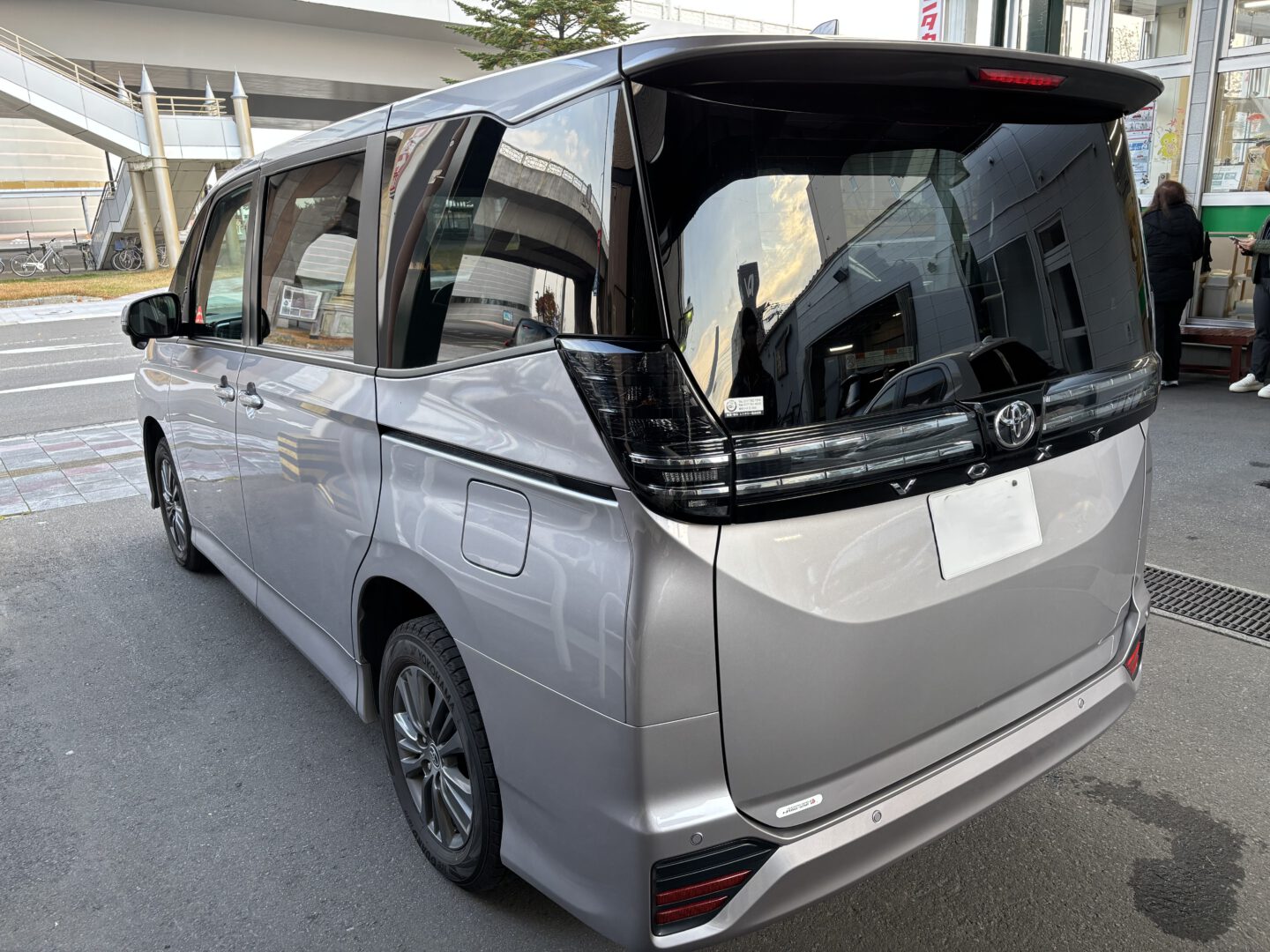
After a short night, the next morning started with picking up our rental car at Toyota Rentacar. After checking the car and sorting out the ETC card (that has to be reserved via call center), we were ready to begin properly.
It was my turn to drive, and we made a quick breakfast stop at Sukiya. As one of Japan’s big gyudon chains, it is reliable, fast, and open early, which makes it useful on road trip mornings. With full stomachs, we planned the route of the day and headed west of Aomori towards Takayama Inari Shrine.
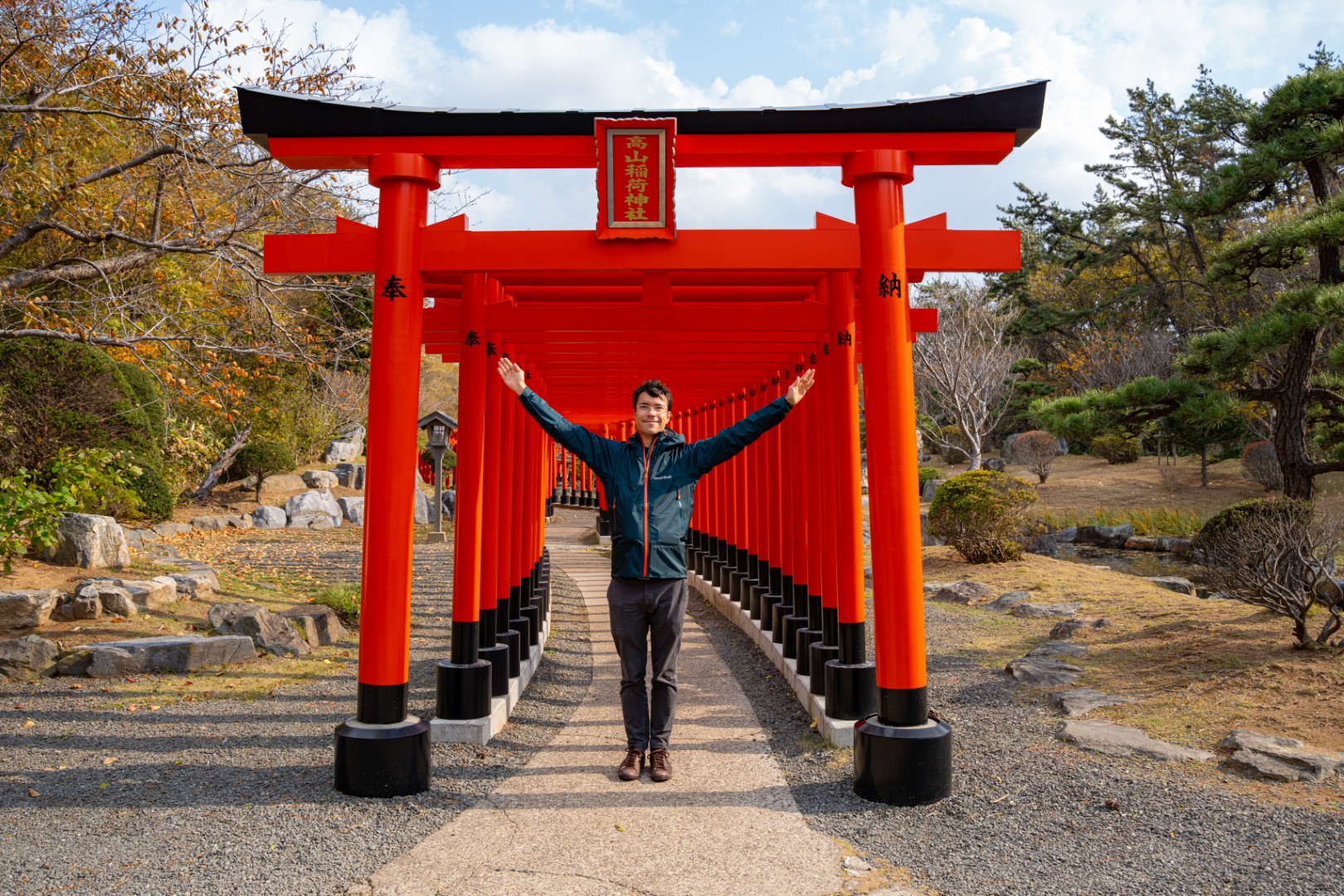
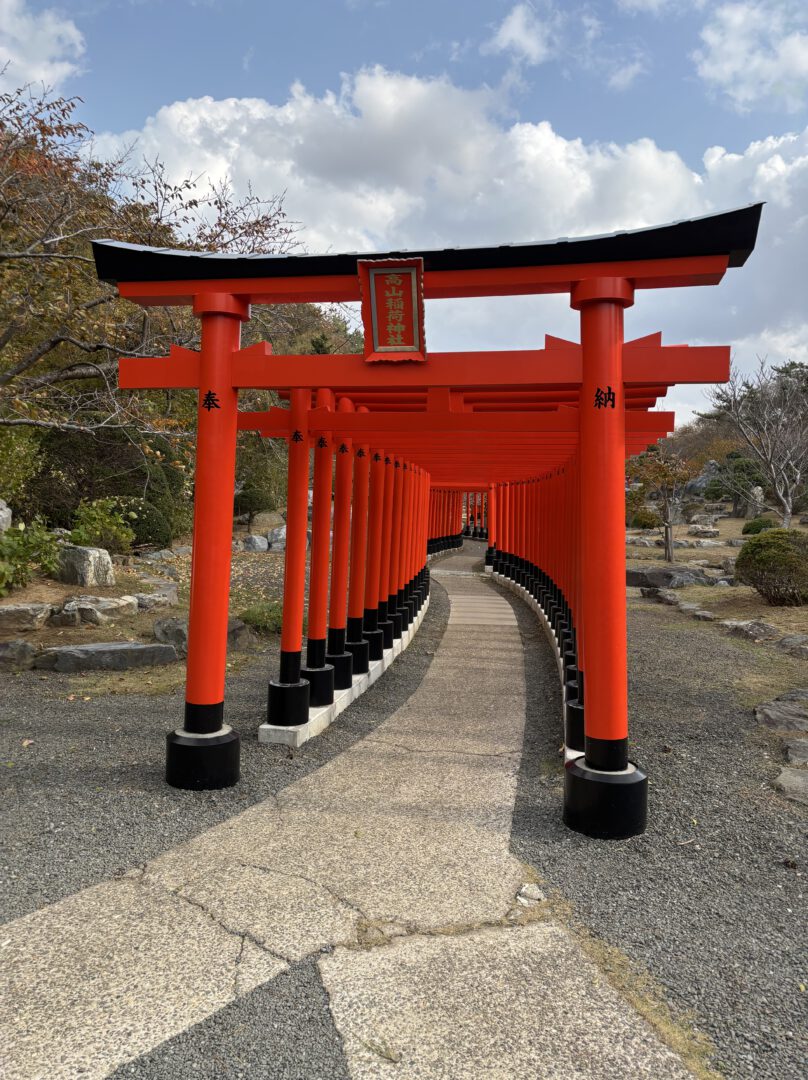
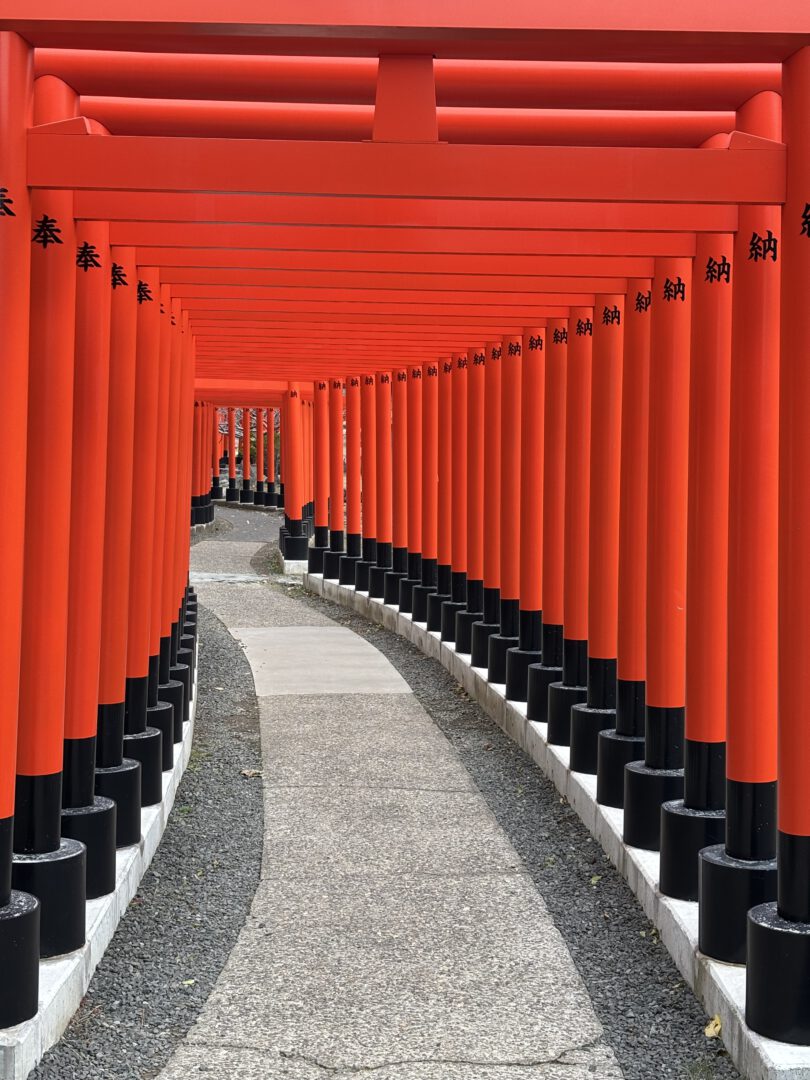
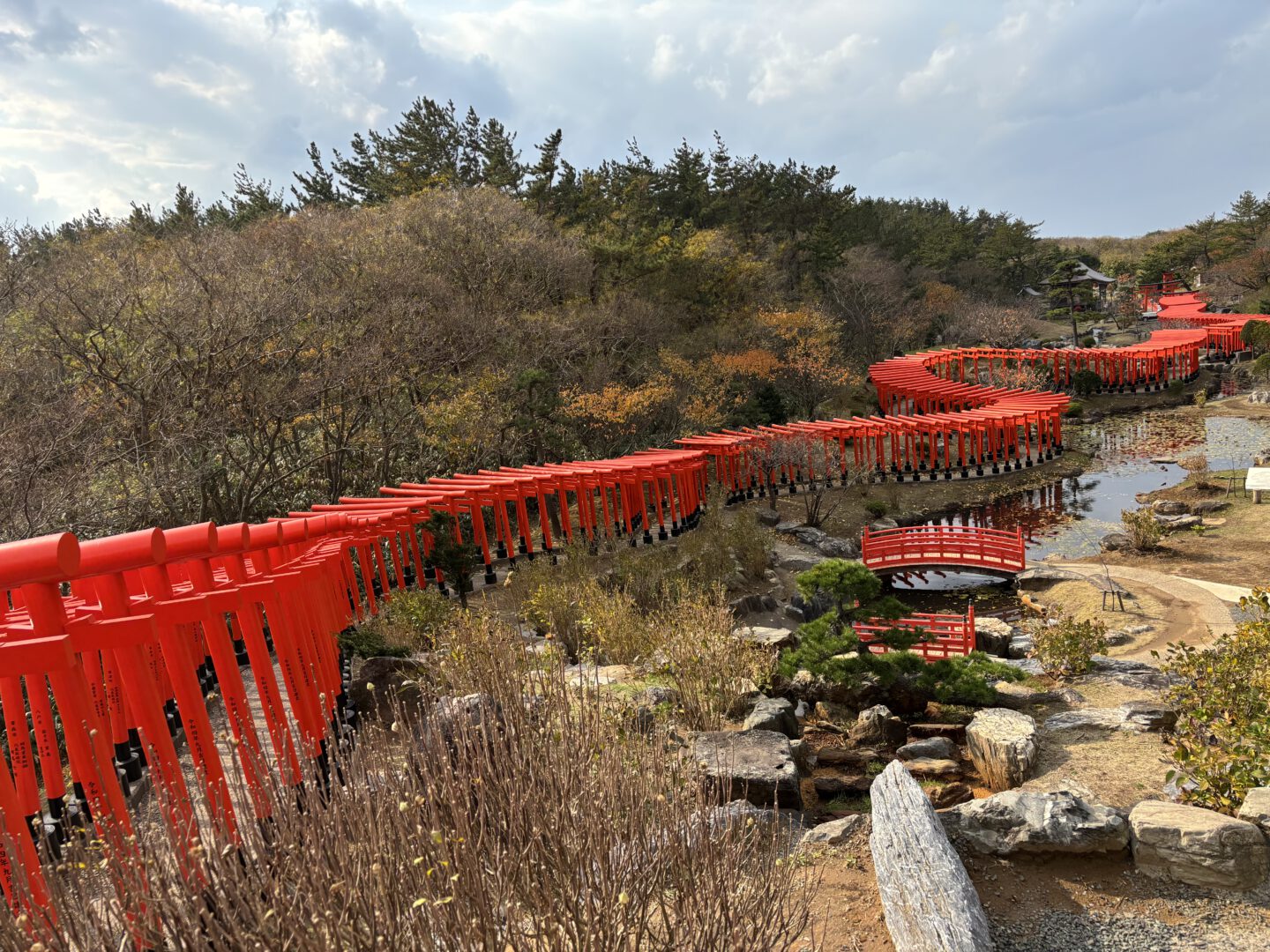
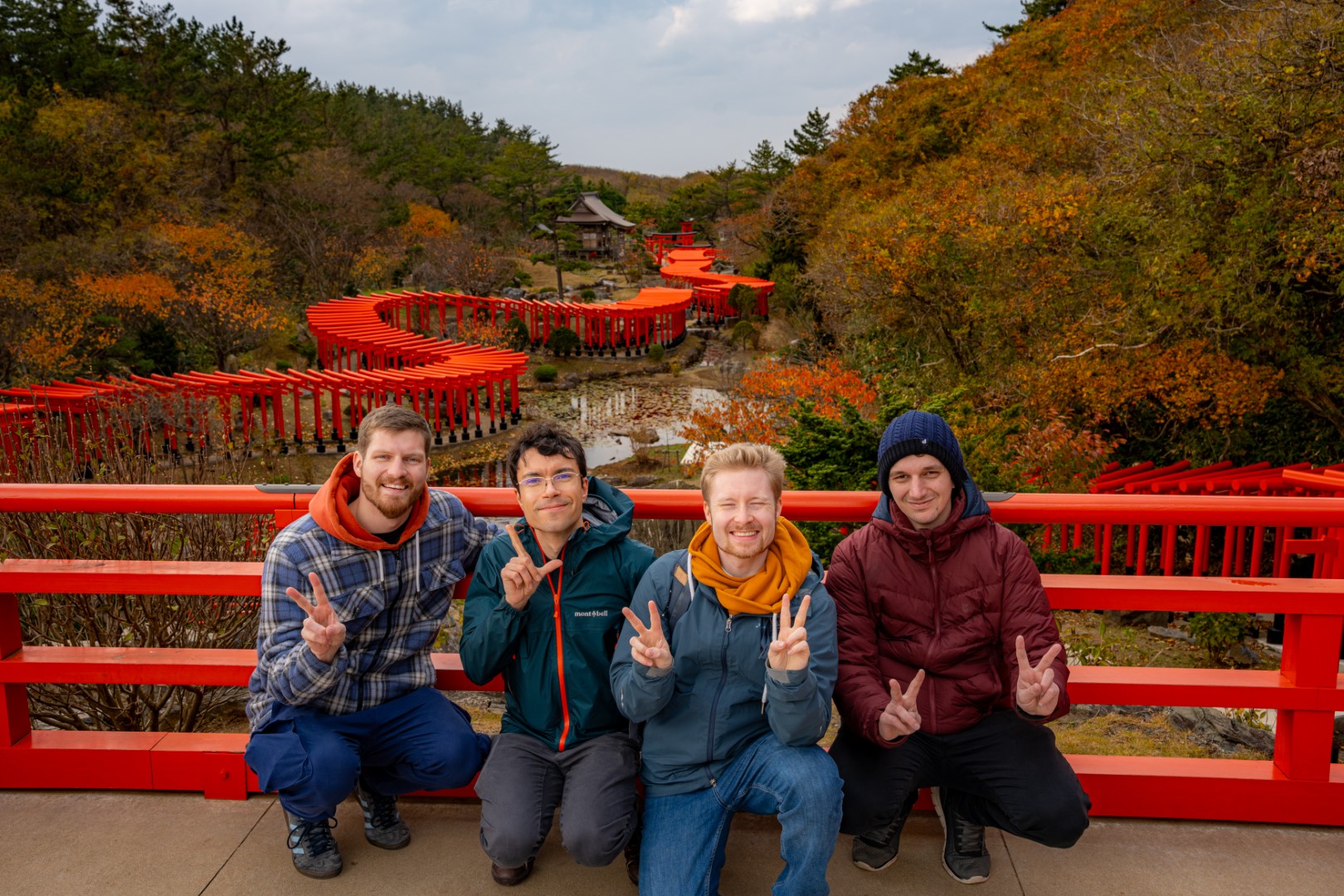
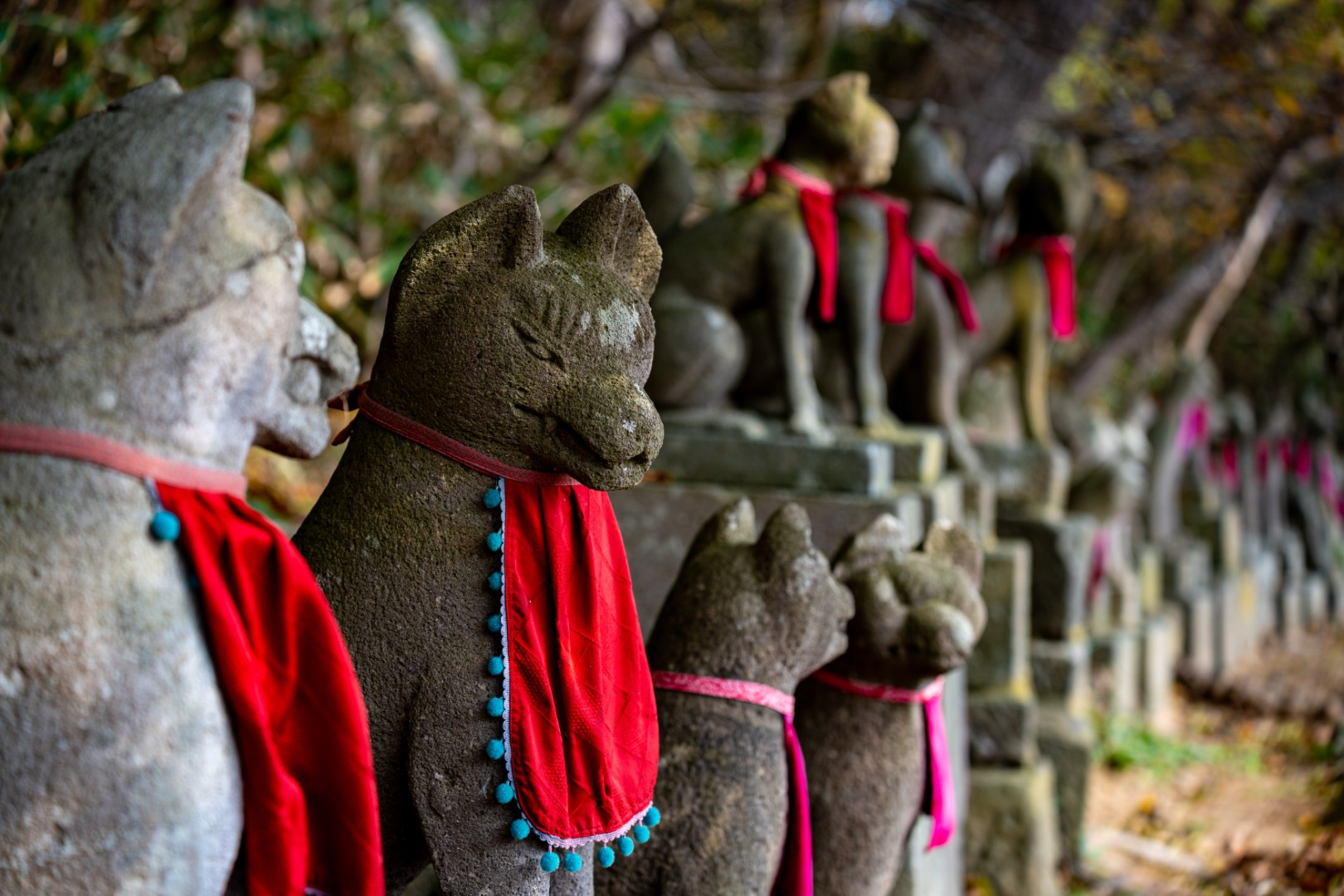
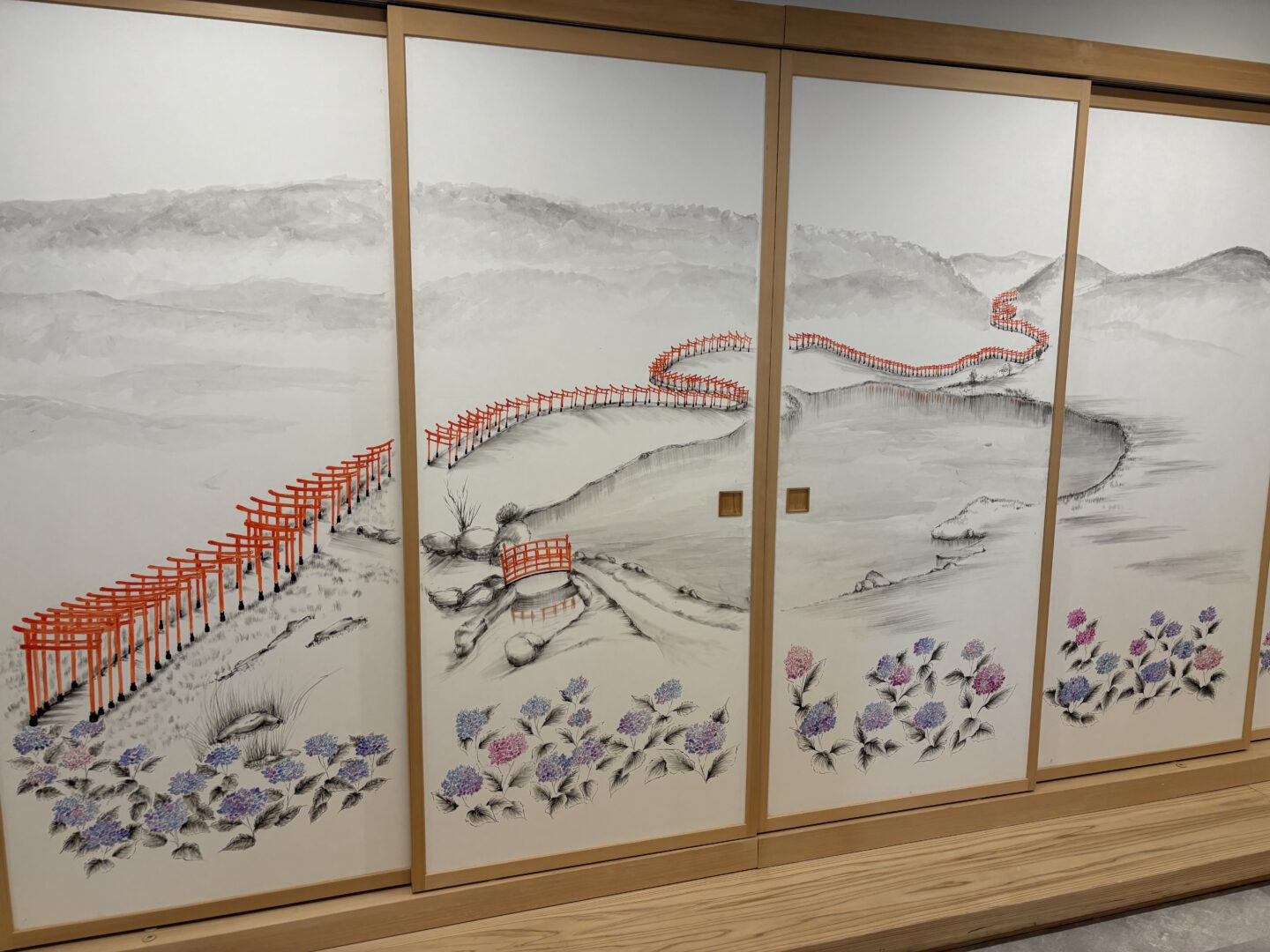
Takayama Inari Shrine is known for its long rows of torii gates and is often compared to Fushimi Inari in Kyoto, though it sees far fewer visitors. As we drove further out, the wind picked up noticeably. By the time we reached the shrine, strong cold winds greeted us. The waves crashed against the nearby shore, sending white foam into the air and adding to the beauty of the mystic place.
This shrine dates back to the Edo period and is dedicated to Inari, a Shinto deity connected to rice, harvests, and everyday work. The red torii gates were donated over many years by individuals and businesses. Compared to better-known Inari shrines, this one predominantly draws in the local population, which likely explains why the gates look pristine.
From there, we turned back towards Aomori to meet a recent aquaintance of mine who makes a living as calligrapher. In summer, he attended a festive gathering of the Swiss Japanese society in Zurich as guest of honor and demonstrated his art. At that occasion I told him I would be visiting his home town Aomori soon, and we agreed to meet up again.
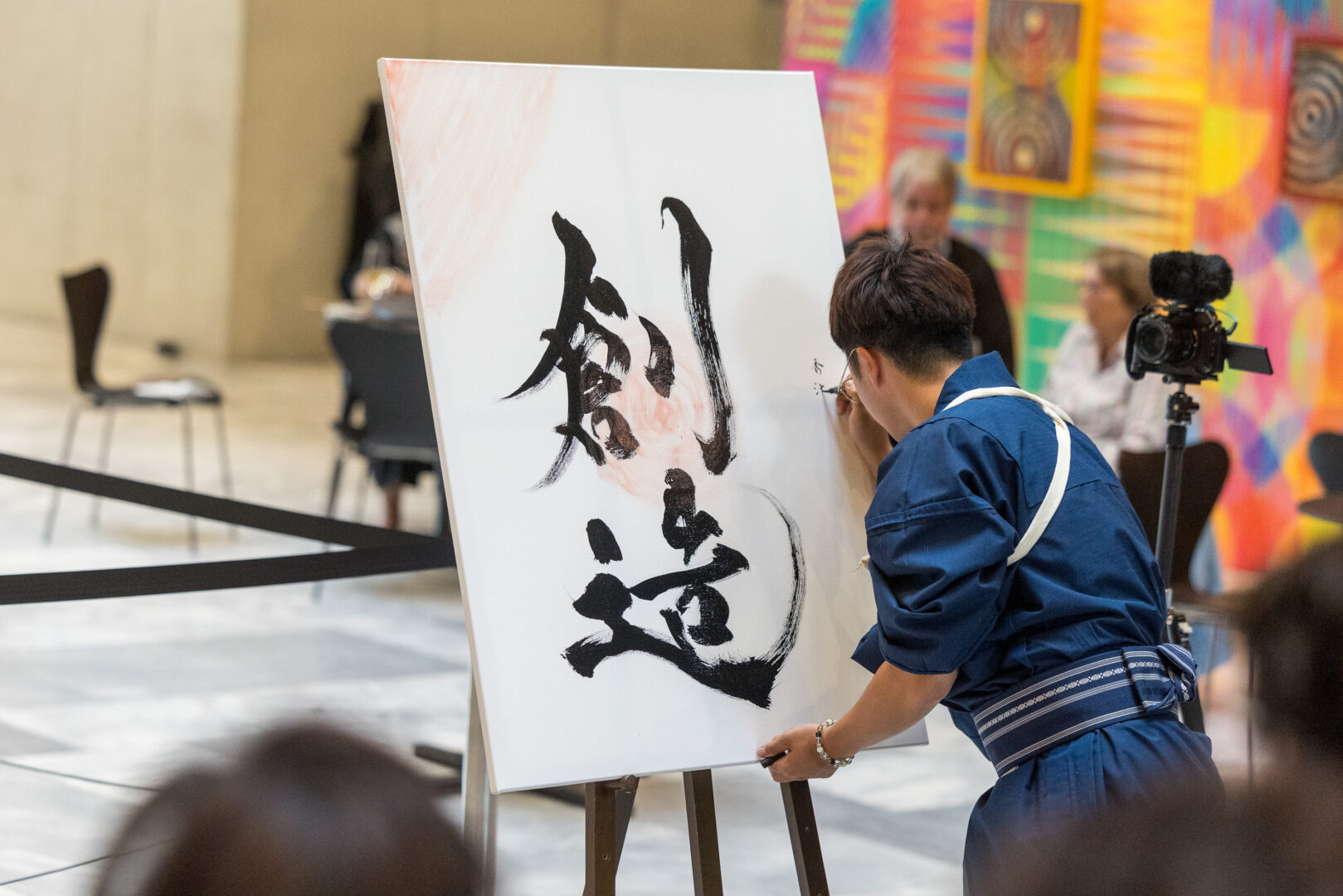
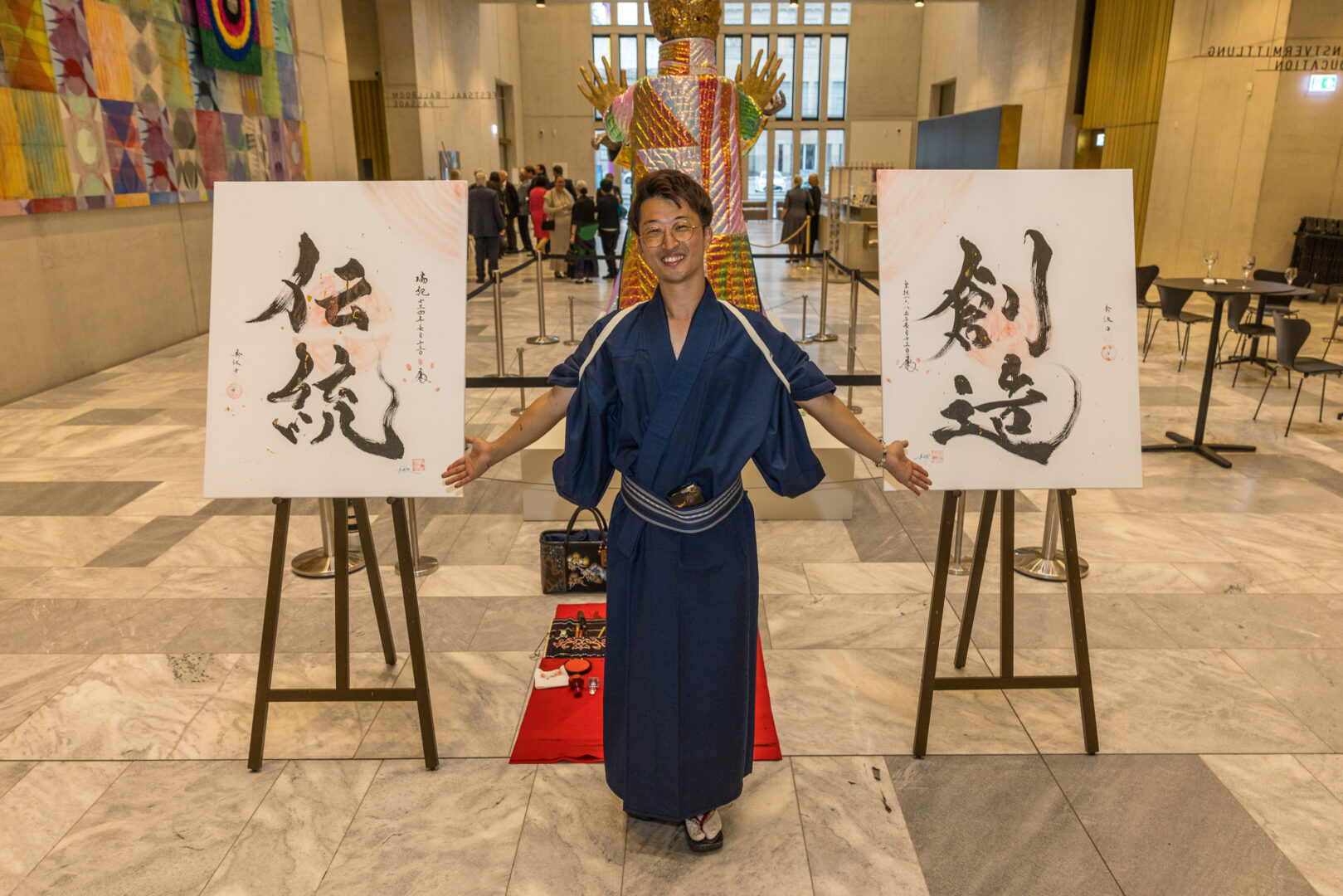
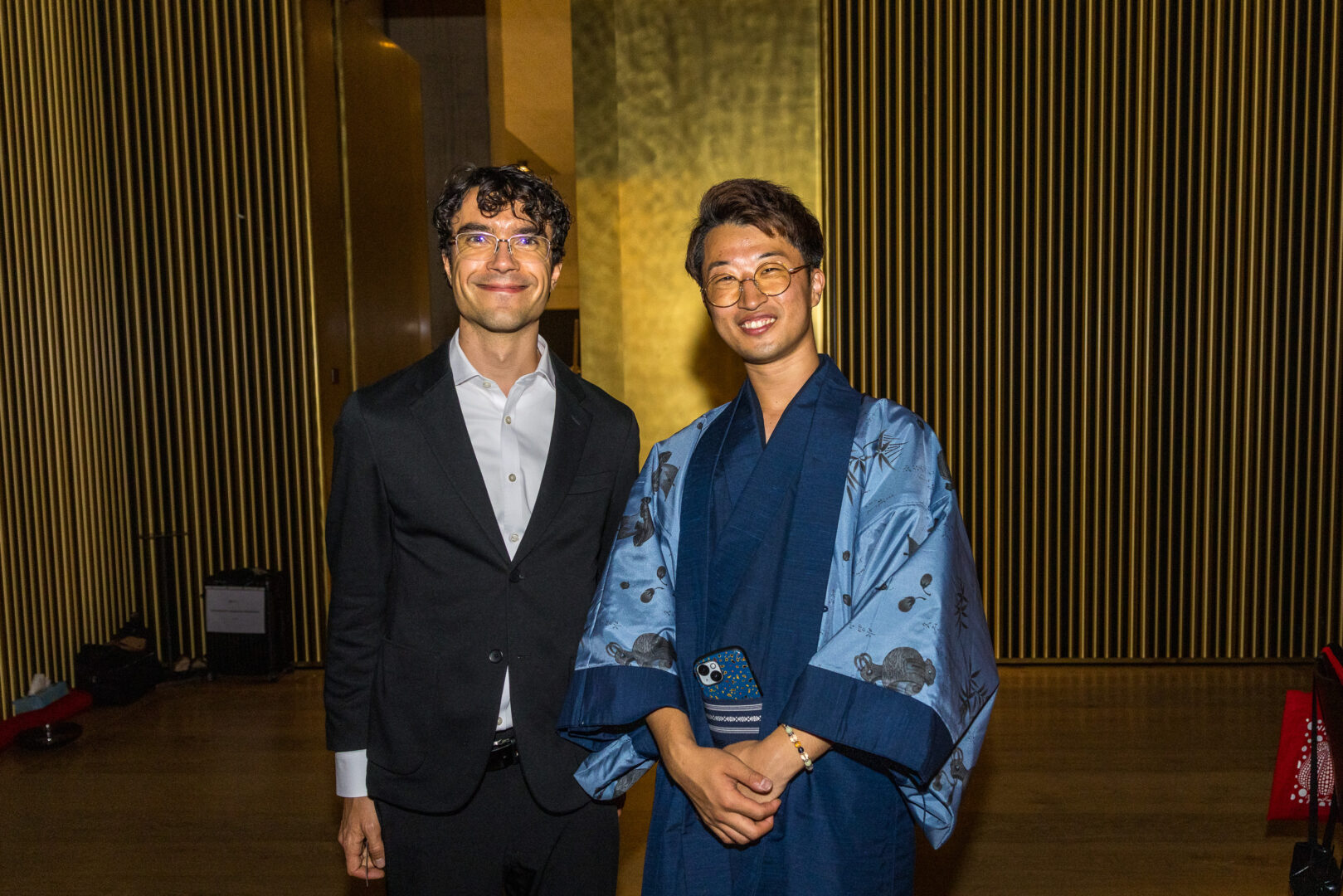
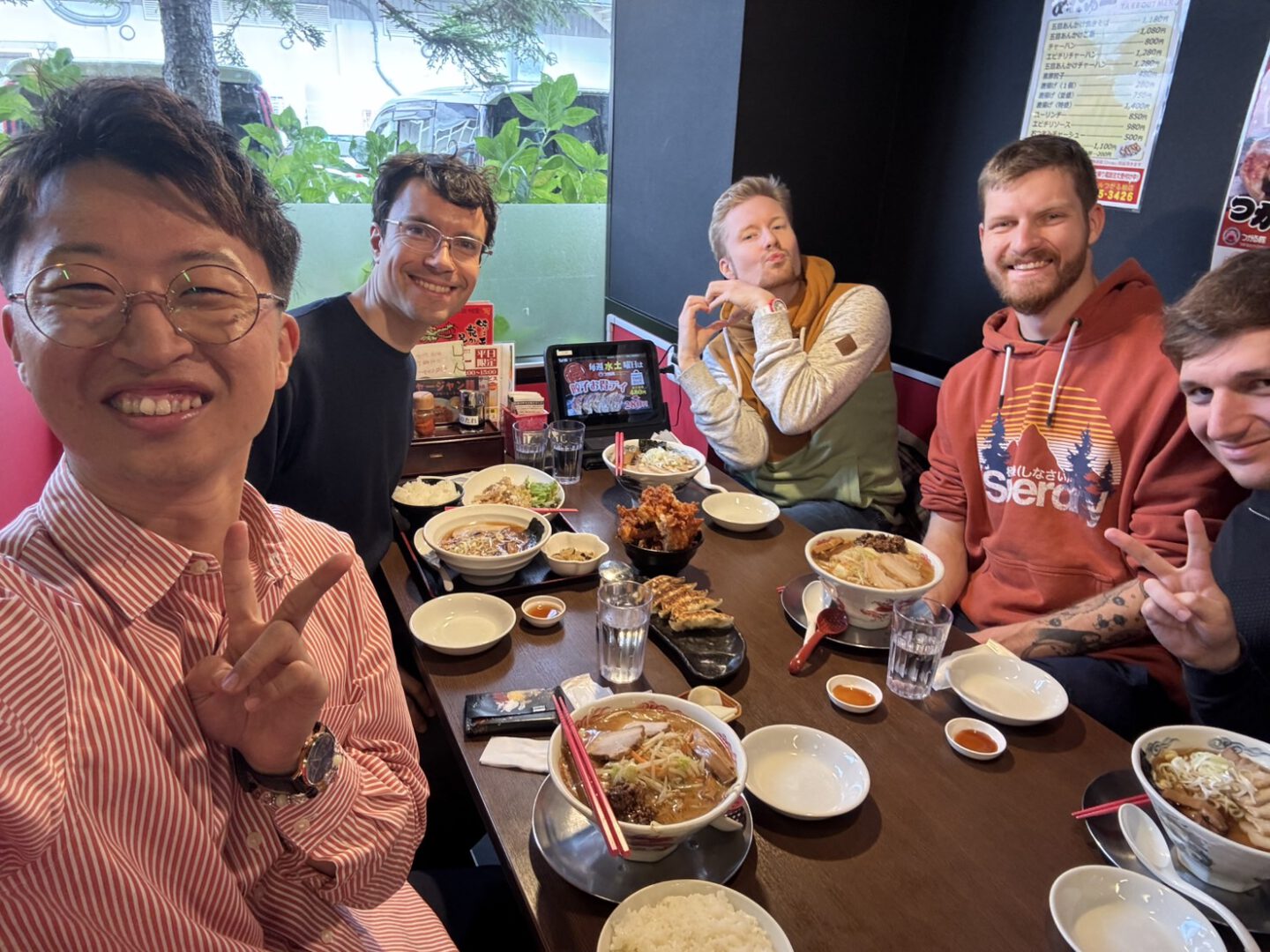
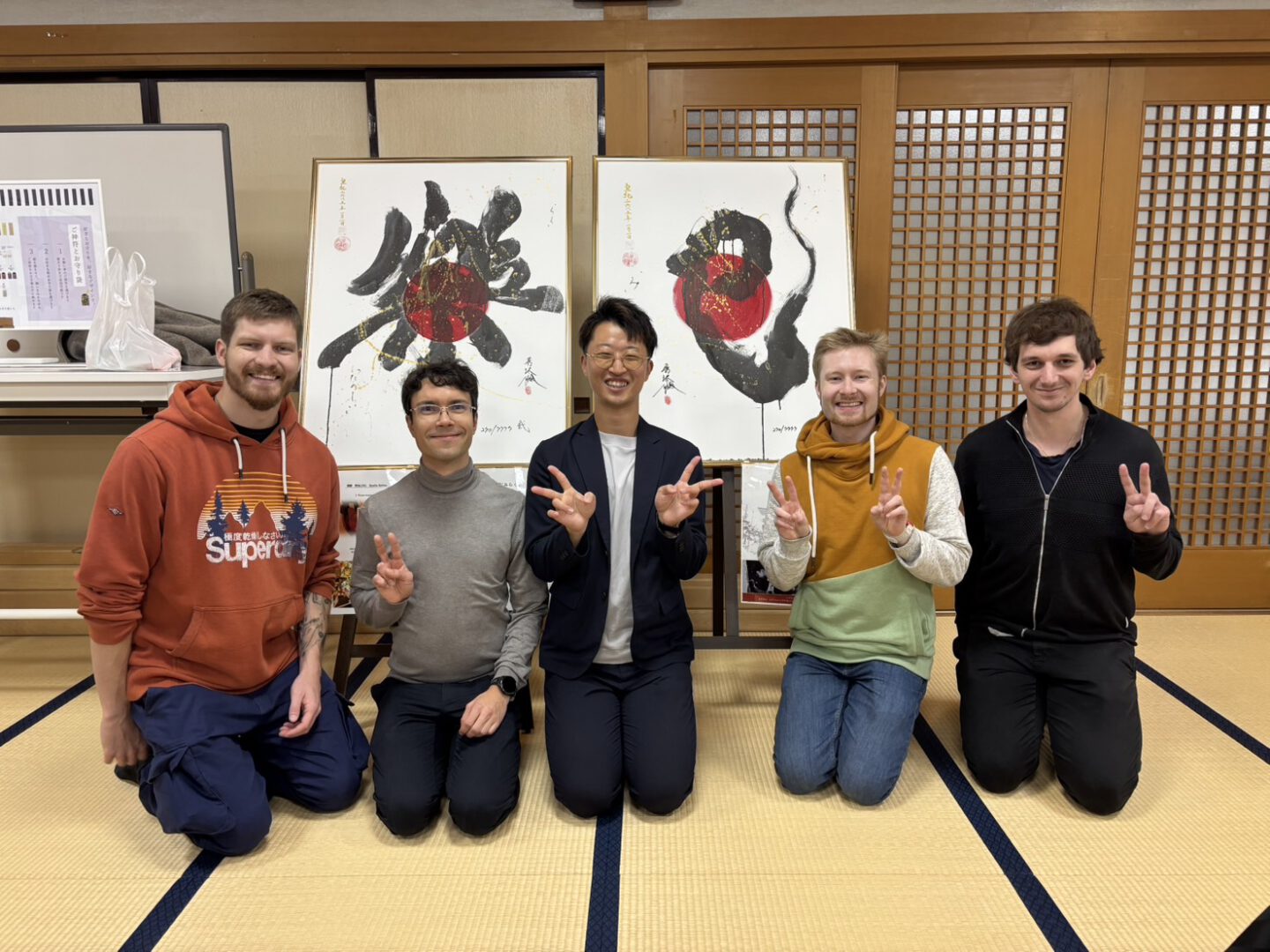
We met at a shopping mall and shared lunch, talking about life in Japan and Switzerland. Thoughtfully he had prepared a personal calligraphy work for us with the word “Kansha,” meaning gratitude. In return, we handed him some Swiss chocolate.
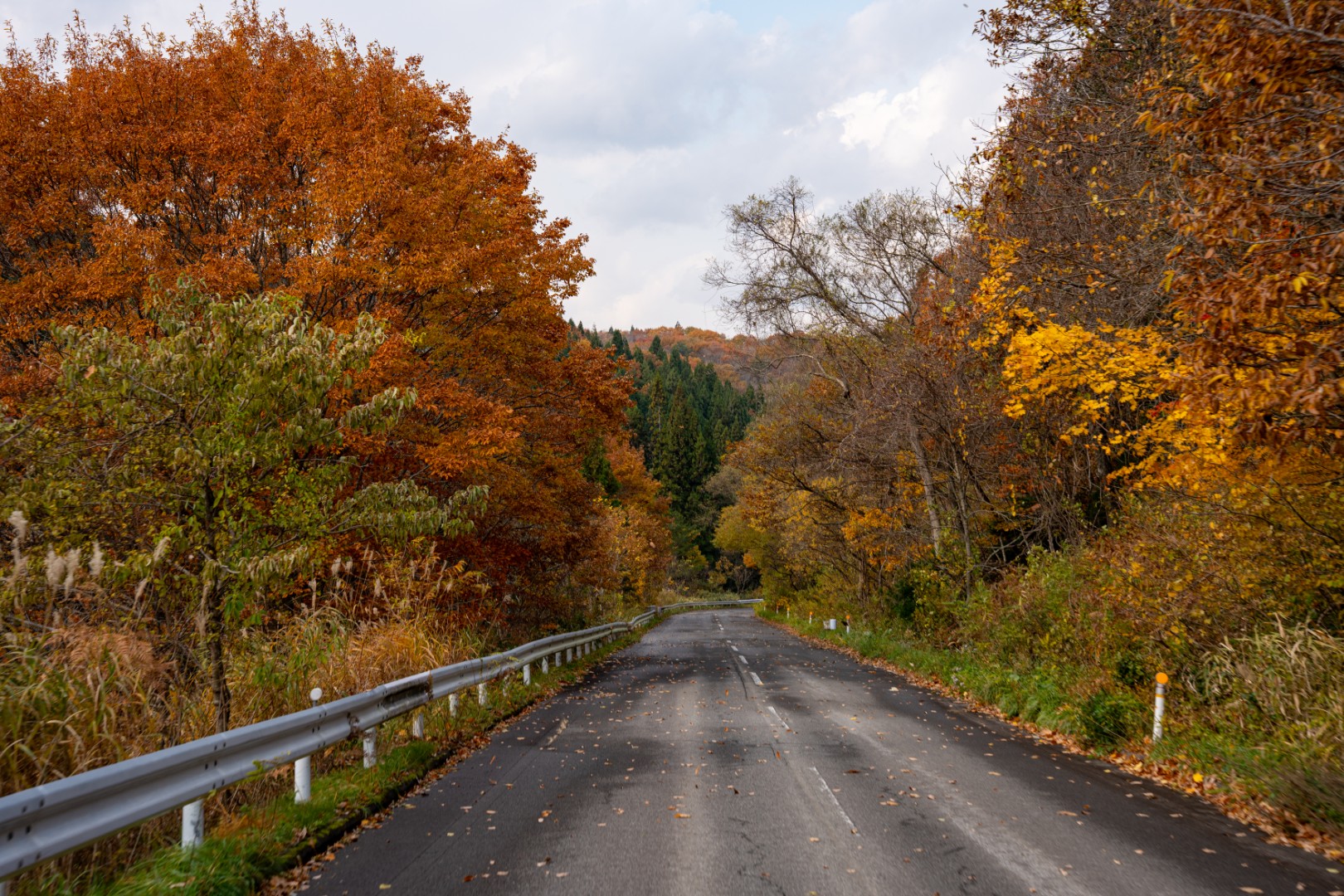
With the afternoon already moving on, we set out again, this time towards the west coast of Aomori Prefecture. The drive followed winding roads along the Sea of Japan, where the landscape feels more open and exposed. Our destination was Koganezaki Furofushi Onsen, built directly at the seafront. We arrived just in time to watch the sun sink into the sea.
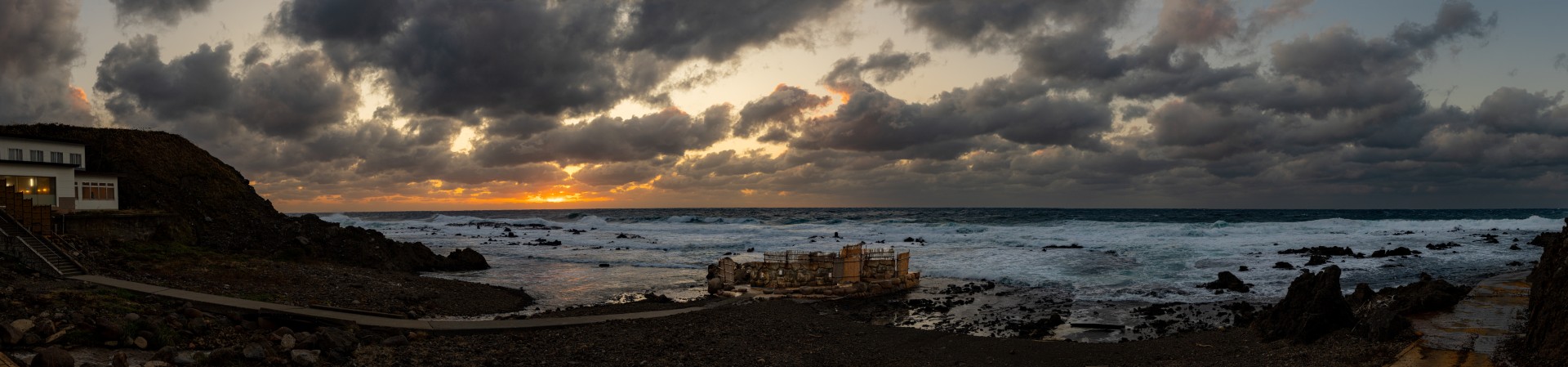
Unfortunately, the bathing area for daytime visitors was closing when we arrived, so we could not enter the water. Although we missed the chance to bathe, the setting sun alone made the stop worthwhile. After nightfall, we continued along the coastal road and made a short stop in the village of Fukaura, mostly for its name alone, but once there I could collect a digital station stamp.
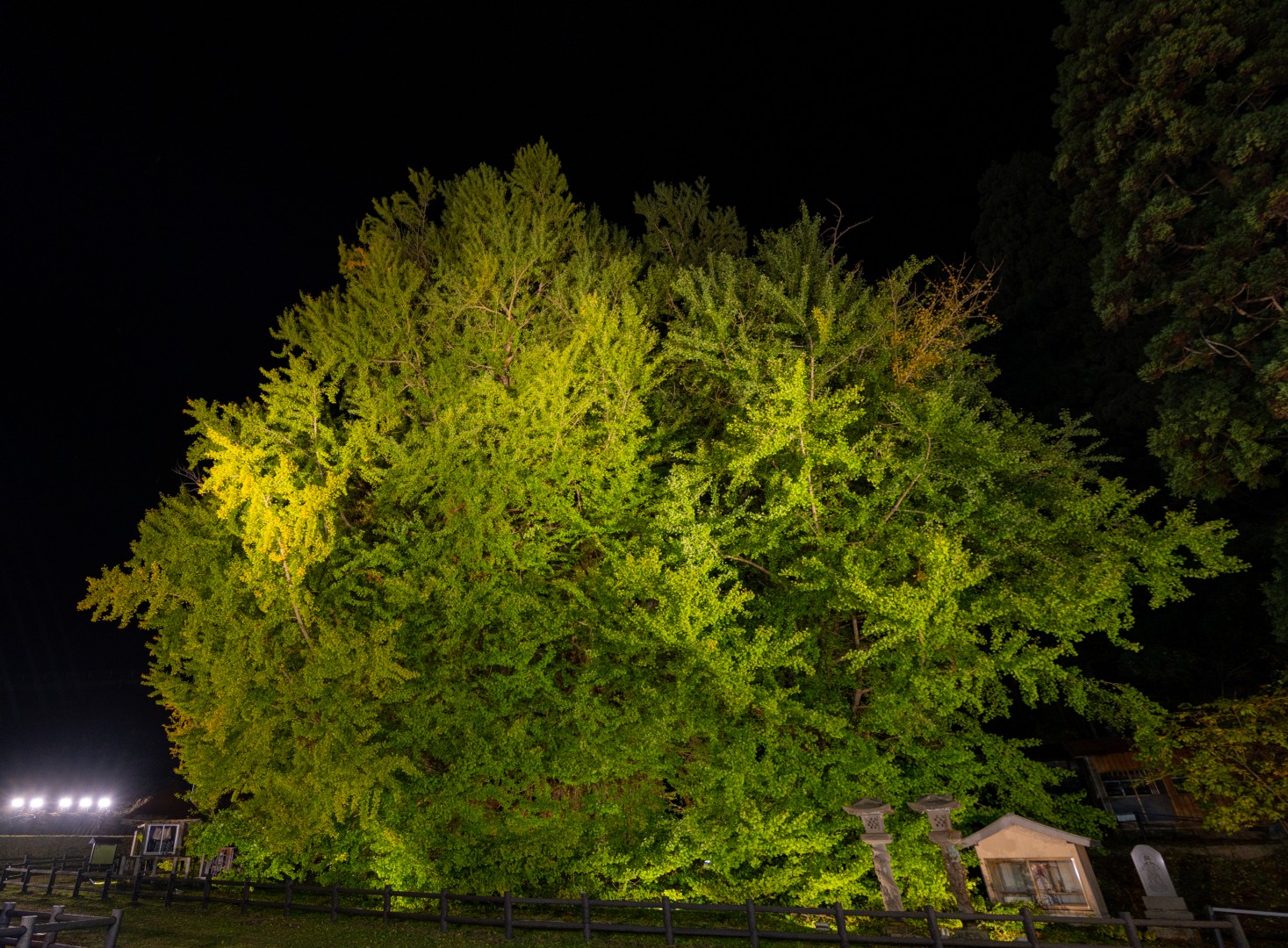
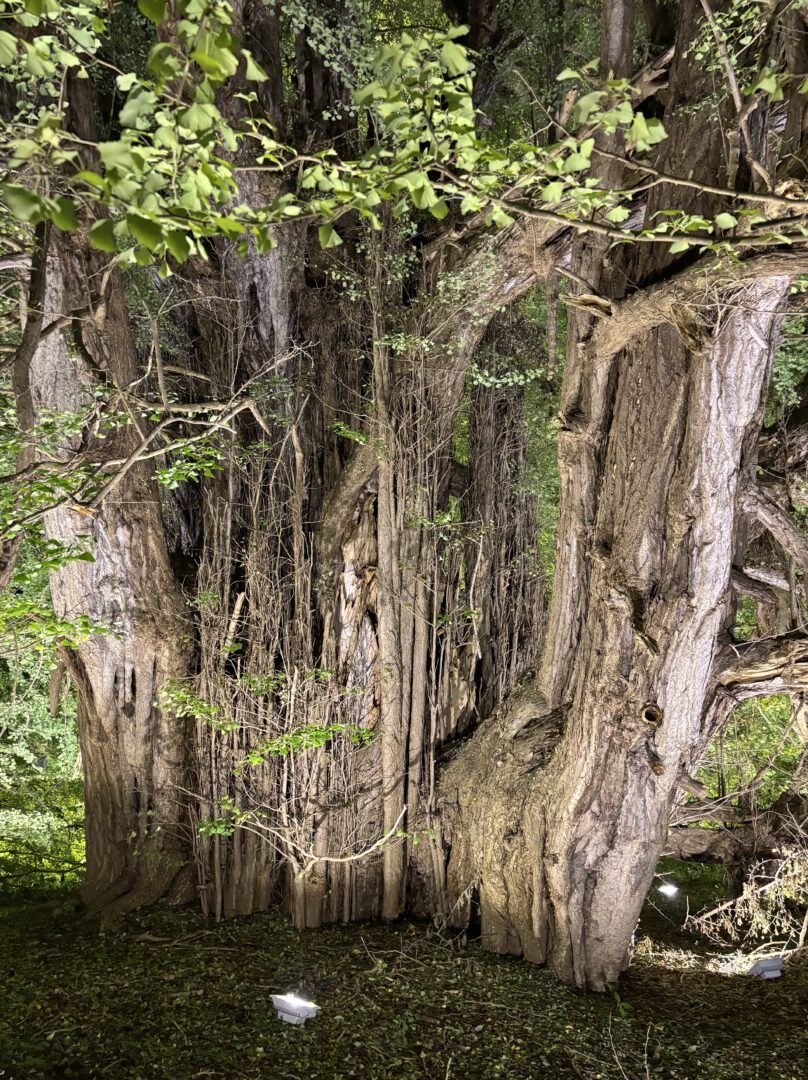
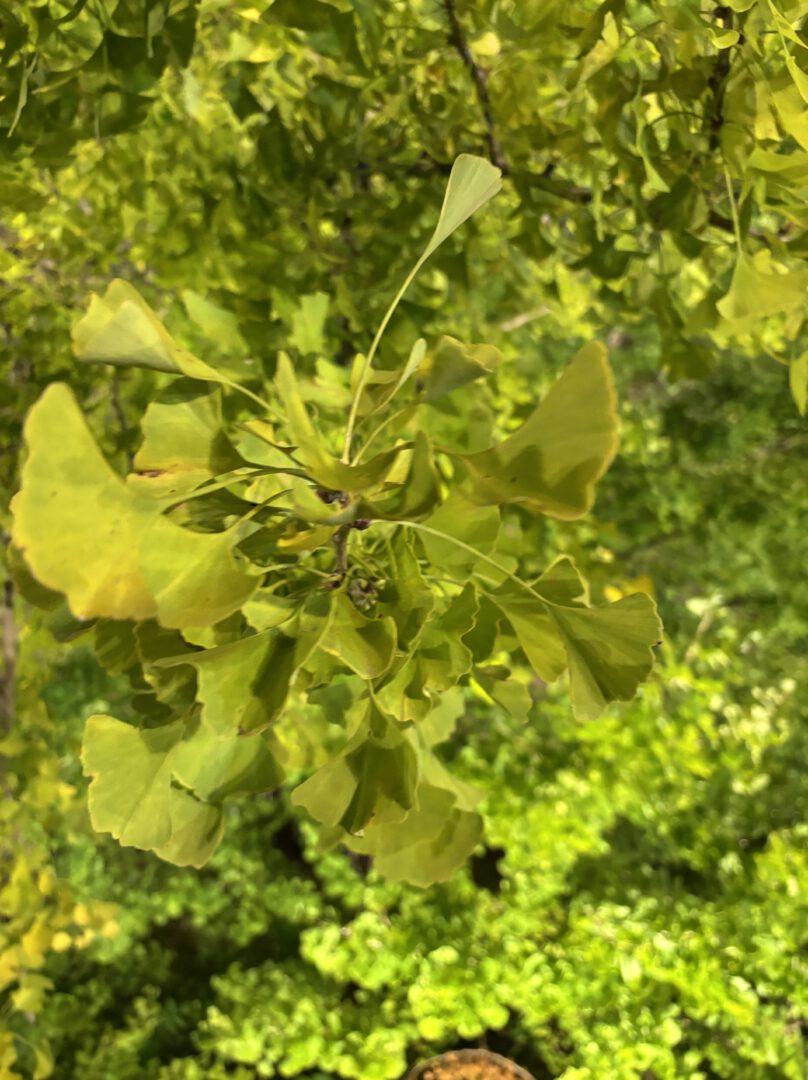
As we worked our way back inland, we also visited Japan’s largest ginkgo tree, said to be around 1,000 years old. Standing roughly 31 meters tall with an impressive 22 meter circumference trunk, the leaves were just short of their peak yellow.
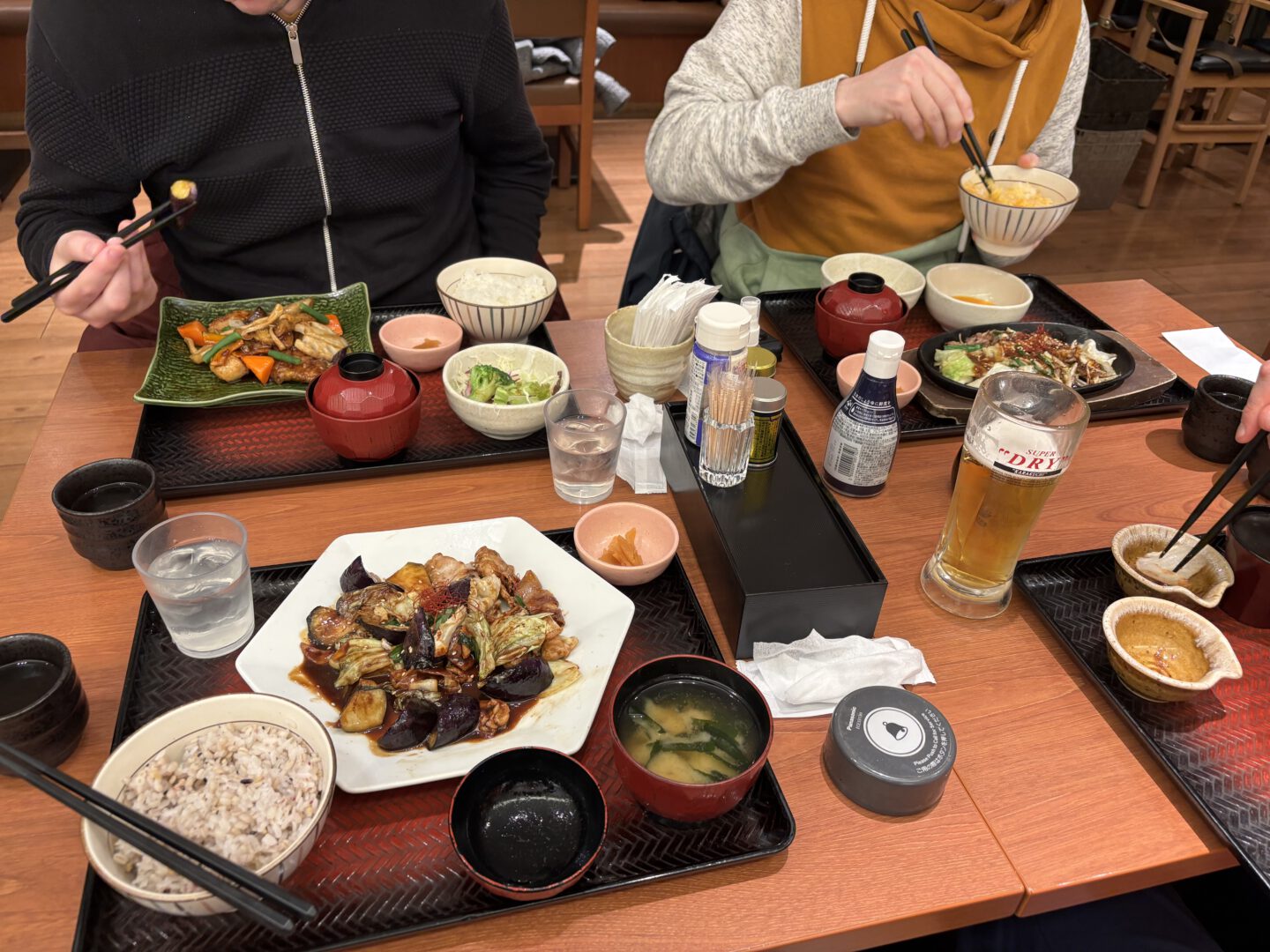
After the heavy, fried Chinese-Japanese food we had eaten earlier with Shuta, I suggested Ootoya for dinner back in Aomori. The chain is known for balanced set meals, and that was exactly what we needed.
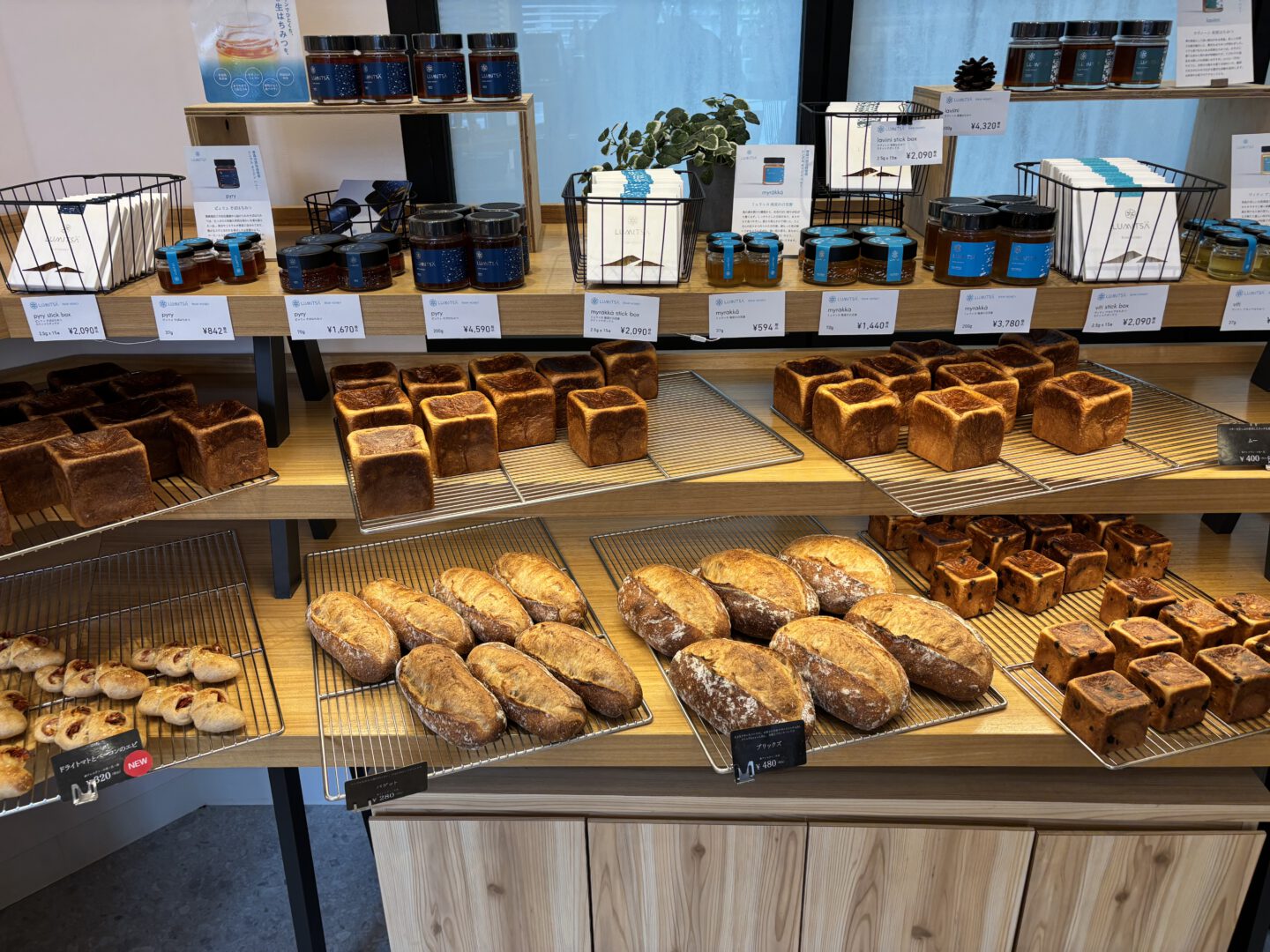
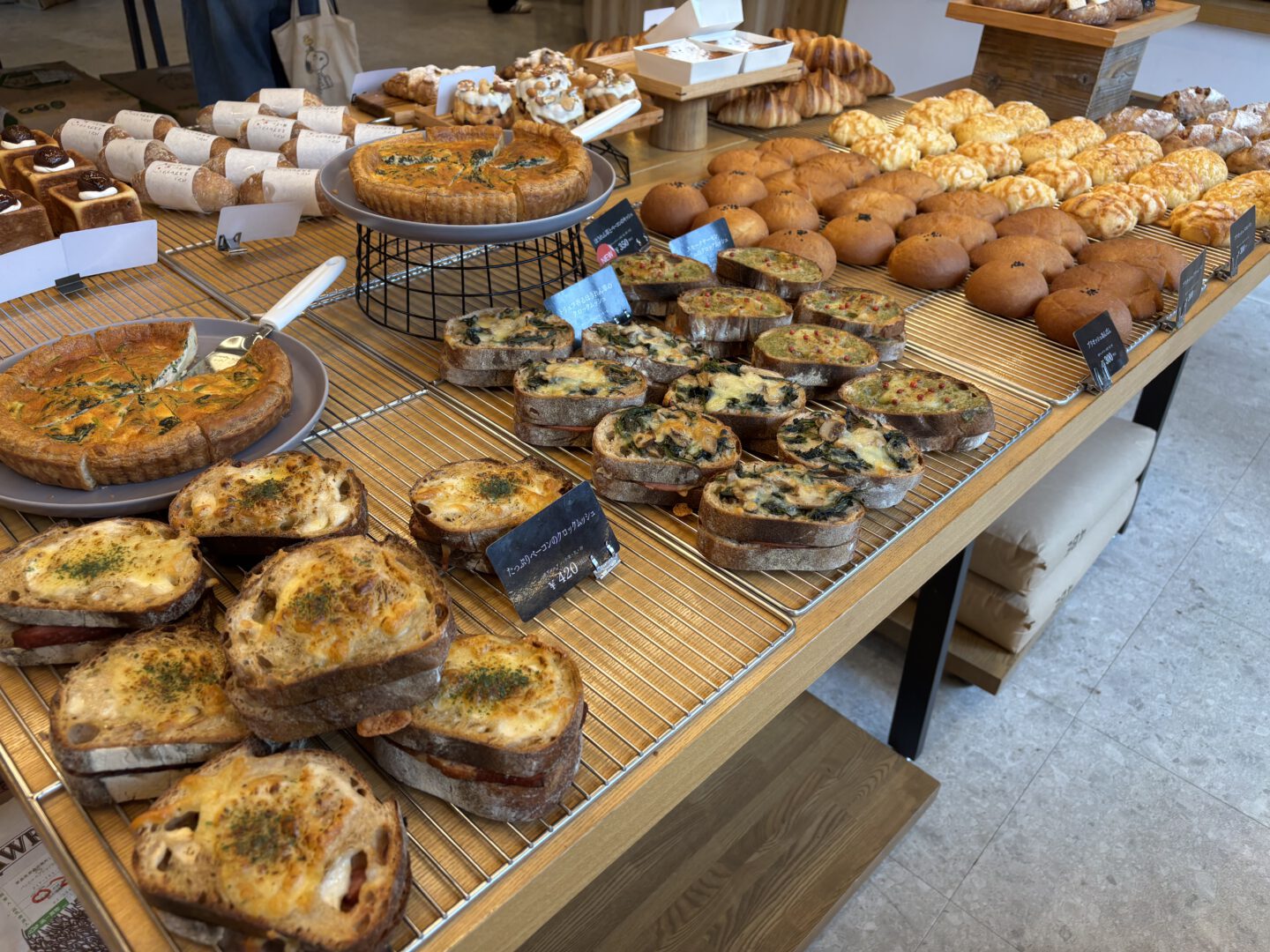
The following morning, after checking out, we met Shuta once more for breakfast. By coincidence, we came across a small bakery offering not only Japanese classics like shokupan, but also solid western-style bread. We shared breakfast with local craft honey and continued our conversation.
Before parting ways, Shuta told us about two calligraphy works he had created for Hirota Shrine, one of Aomori City’s main Shinto shrines. Hirota Shrine has a long history and is dedicated mainly to Amaterasu, the sun deity, who is central to Shinto belief. We visited together, and he explained proper shrine manners before showing us his work. He explained how to approach the shrine, how to cleanse properly, and how to move through the grounds with respect.
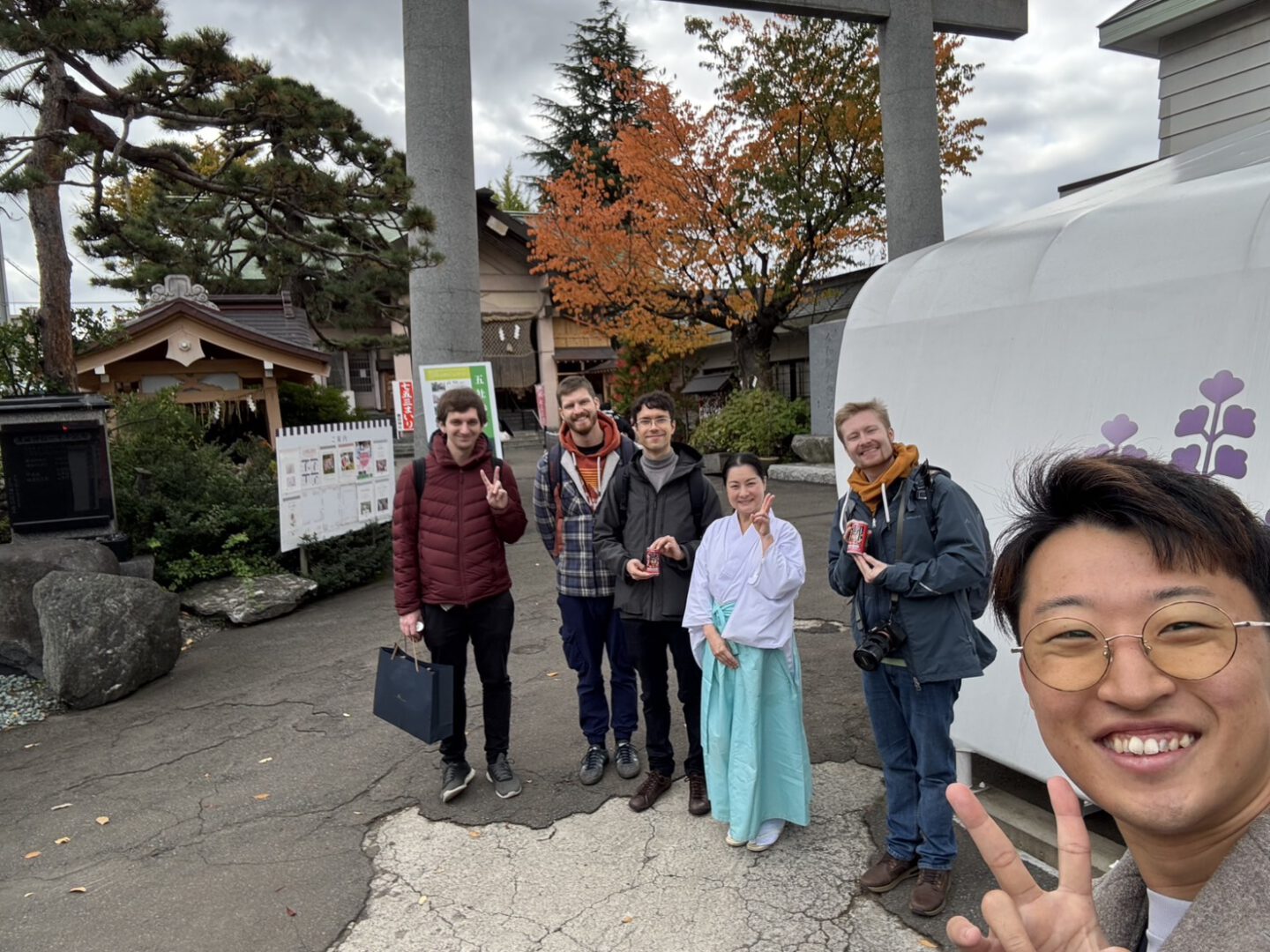
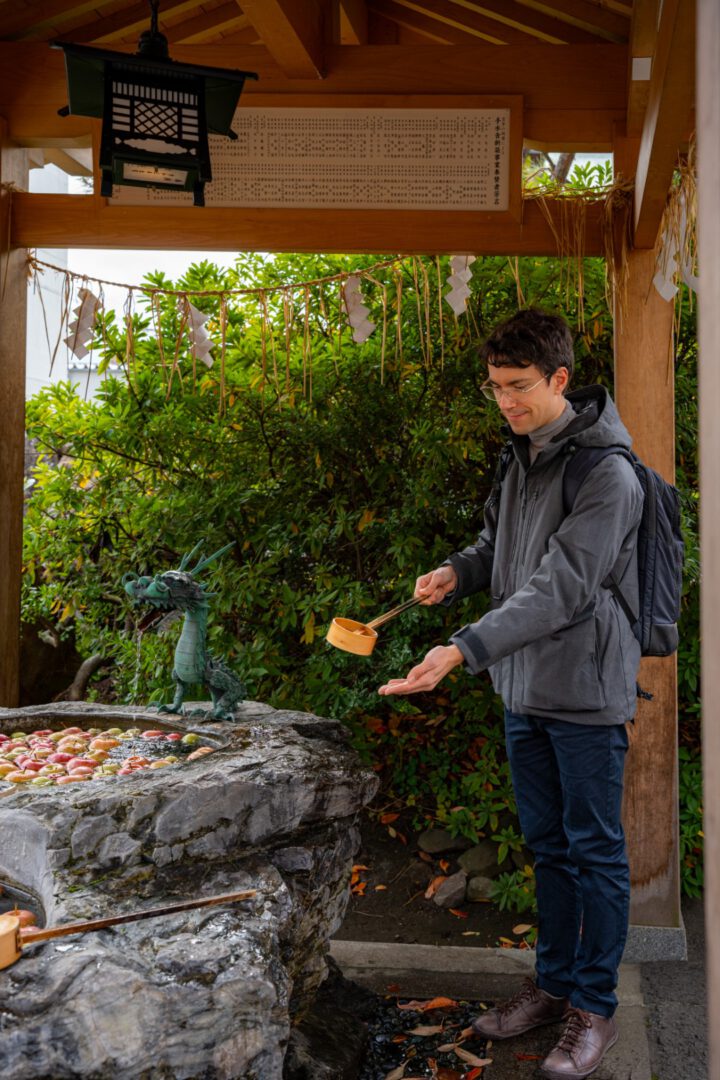
The priestess and staff recognized him and invited us inside the shrine hall, an experience most visitors would never have. The priestess showed us several valuable artifacts, including Neputa floats from the 1940s. These floats are normally burned after the festival each year, which made seeing preserved ones especially striking. Translating everything into German was a challenge, but I was happy to do so for this personal visit.
It was the kind of day that only works with good company, some flexibility, and a bit of luck. Later that day we headed to Oirase Gorge still in Aomori prefecture.
Entdecke mehr von Tabimonogatari - 旅物語
Melde dich für ein Abonnement an, um die neuesten Beiträge per E-Mail zu erhalten.
Pingback:Deep in Nature: Hakkoda-san, Oirase Gorge and Lake Towada - Tabimonogatari - 旅物語